Cantonese food is often praised for preserving the natural flavor of ingredients. The phrase is true only when it is allowed to include labor. A clear broth may take hours. A pale chicken depends on heat controlled closely enough to keep the meat tender. A transparent dumpling wrapper must be thin, elastic and strong. Restraint is not the absence of technique. It is technique made quiet.
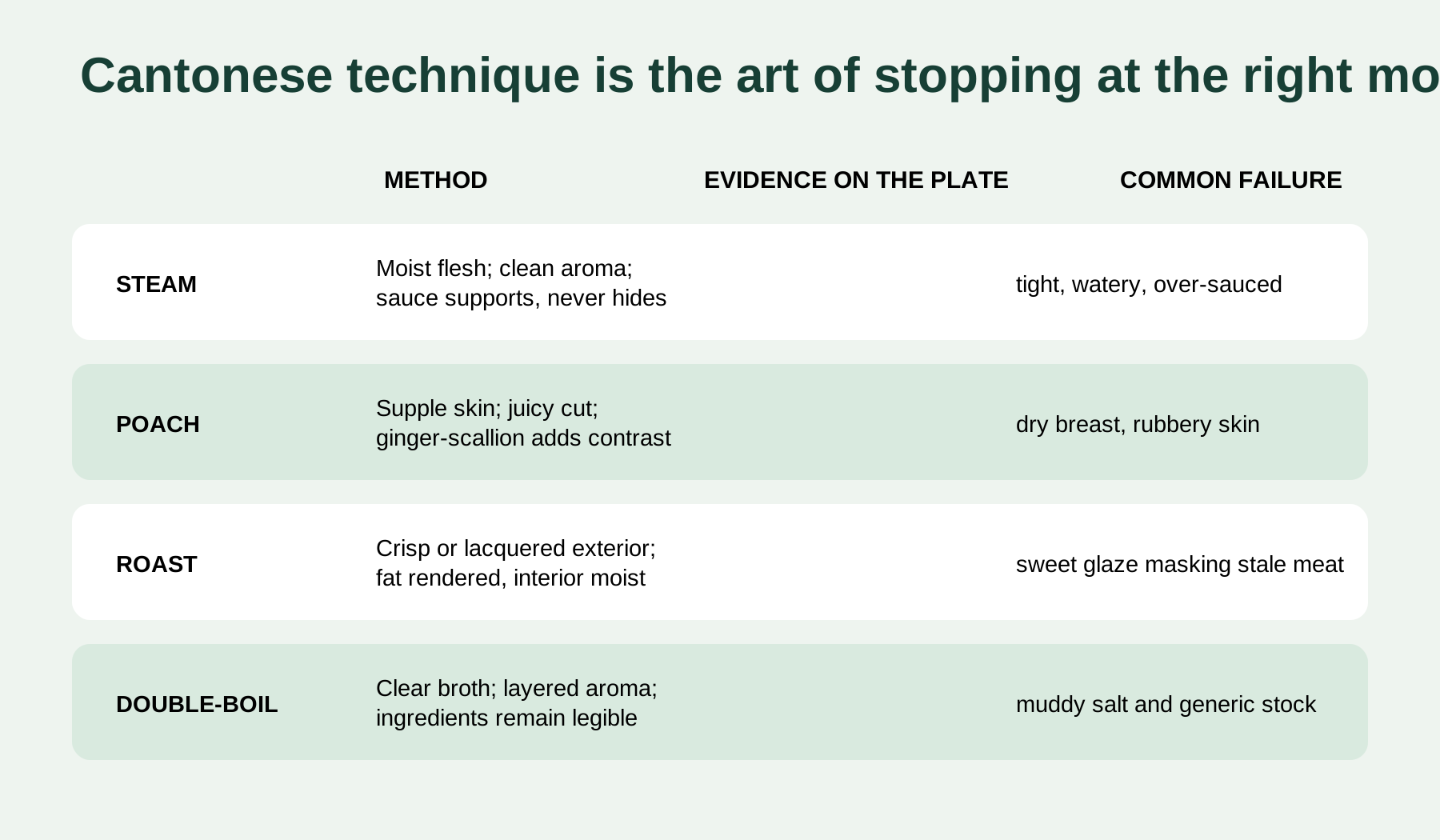
Within the larger Chinese food guide, Cantonese cuisine must be read as a regional cooking system rather than a synonym for every overseas Chinese menu. Its evidence is on the plate: moisture, skin, broth clarity, fragrance and the exact moment heat stops.
Start with the Cantonese and Chaoshan regional collection if you need the wider map. The studies catalogued by Yale University Press provide historical breadth; this page makes a narrower judgment about what a diner can actually test.
Cantonese Chinese food at a glance
| Dish | Chinese name | Flavor and texture | Best occasion | Geographic note |
|---|---|---|---|---|
| Har gow | 虾饺 | Translucent, tender wrapper with springy shrimp | Yum cha | A classic Guangzhou-style dim sum benchmark |
| Siu mai | 烧卖 | Open-topped, savory and juicy | Yum cha | Cantonese versions differ from northern and Inner Mongolian shaomai |
| Char siu | 叉烧 | Roasted pork with caramelized edges and sweet-savory glaze | Roast-meat lunch or shared dinner | Widespread across Cantonese communities |
| Roast goose | 烧鹅 | Crisp skin, aromatic fat and juicy meat | Shared centerpiece or siu mei meal | Strongly associated with Guangdong and Hong Kong roast-meat traditions |
| White-cut chicken | 白切鸡 | Clean poultry flavor, supple skin and tender meat | Family meal or banquet | A defining test of ingredient quality and poaching control |
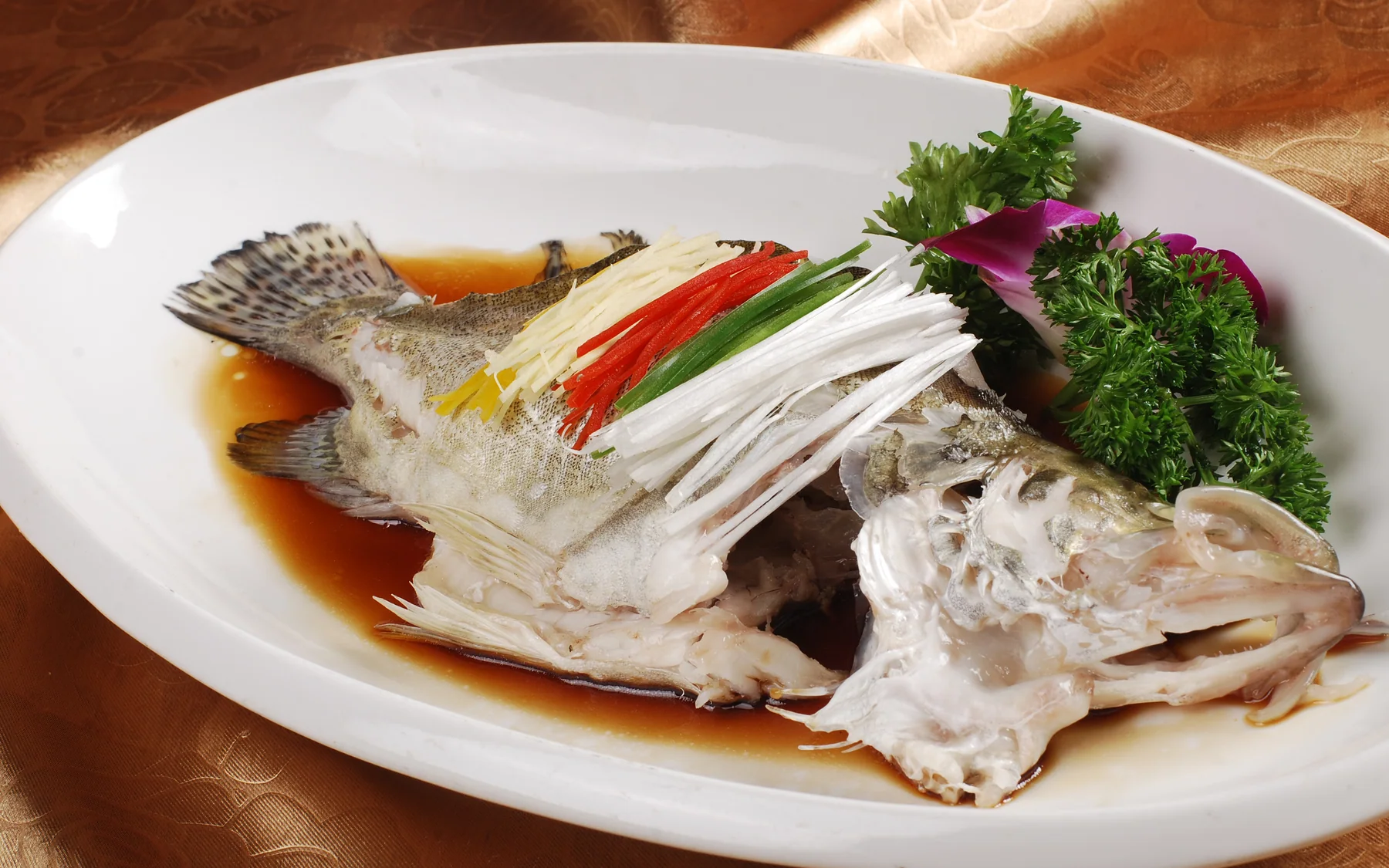
| Steamed fish | 清蒸鱼 | Delicate flesh with ginger, scallion and seasoned soy | Shared dinner or banquet | Technique is broader than one city; species and season matter |
| Wonton noodles | 云吞面 | Fine noodles, shrimp-rich wontons and clear broth | Breakfast or quick lunch | Closely associated with Guangzhou and Hong Kong foodways |
| Clay-pot rice | 煲仔饭 | Fragrant rice, savory toppings and crisp bottom crust | Cool-weather meal | Especially associated with Cantonese urban food culture |
| Slow soup | 老火汤 | Clear to gently rich, deeply extracted and soothing | Home-style meal | Central to many Pearl River Delta household traditions |
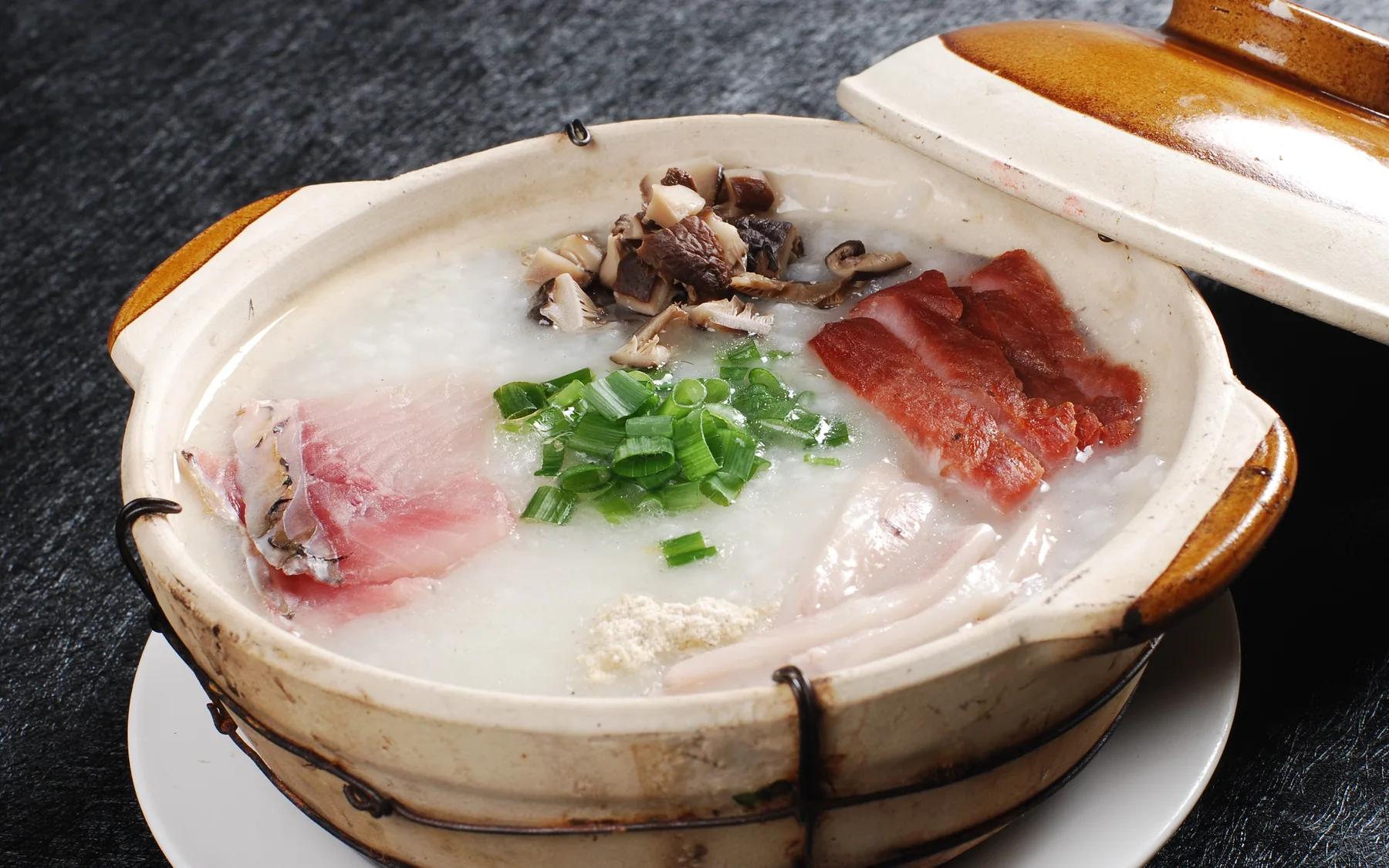
| Sampan congee | 艇仔粥 | Silky rice porridge with layered fish, meat and crisp garnishes | Breakfast or snack | Closely connected with Guangzhou's Liwan food memory |
What is Cantonese cuisine?
Cantonese cuisine usually refers to cooking traditions associated with Guangzhou and the Pearl River Delta, extended and transformed through migration, trade and restaurant culture. Guangzhou's official international portal supplies the present-day city frame; cuisine travels through a much wider network than one municipal boundary. In English, “Cantonese” can also be used loosely for food from across Guangdong or for overseas Chinese restaurant traditions shaped by Cantonese-speaking communities.
Use the Guangzhou food guide when you need a city-specific eating route rather than a regional overview.
Use the Guangzhou culture guide for the port, language, migration and commercial life that made the city such an important Cantonese center. Cuisine travels farther than municipal borders, but it never floats free of people and place.
That looseness causes confusion. Guangdong is not one kitchen. The province contains multiple regional and linguistic food traditions. Guangzhou cooking, Chaoshan cooking and Hakka cooking share ingredients and histories, but they do not collapse into a single flavor profile. Hong Kong cuisine is deeply connected to Guangdong while also shaped by its own urban, colonial, migrant and international history.
Regional distinctions that menus often hide
| Tradition | Center of gravity | Characteristic strengths | Do not reduce it to |
|---|---|---|---|
| Guangzhou and Pearl River Delta | Guangzhou, Foshan and surrounding delta cities | Dim sum, roast meats, soups, poultry, seafood, congee, noodles and banquet technique | Mild food or tea snacks alone |
| Chaoshan | Chaozhou, Shantou and eastern Guangdong | Seafood, clear broths, braising, delicate knife work, beef hot pot and gongfu tea | A substyle of Guangzhou dim sum |
| Hakka | Inland and upland Hakka communities across Guangdong and beyond | Preserved ingredients, stuffed dishes, pork, tofu and practical household cooking | One fixed provincial menu |
| Hong Kong | Dense port city connected to Guangdong and global migration | Cantonese foundations, tea restaurants, roast meats, seafood, pastries and hybrid urban forms | Identical to Guangzhou cuisine |
| Overseas Cantonese | Southeast Asia, North America, Europe, Australia and elsewhere | Local adaptation, banquet food, roast meats, dim sum and community institutions | A failed copy of food in China |
The useful question is not “Which version is authentic?” before eating. Ask what regional or migrant tradition the restaurant claims, what ingredients are available and whether the cooking preserves the central logic of the dish.
Freshness in Cantonese cooking is an active idea
Cantonese food is often described with the word “fresh.” This can mean recently harvested vegetables, live or carefully handled seafood, poultry selected for texture, or simply a dish cooked to order rather than held too long. It also means refusing to season every ingredient into the same taste.
Steaming lets fish remain recognizable. Quick stir-frying keeps greens crisp. Poaching asks the chicken itself to carry the dish. Clear soups reveal whether the stock is clean. These methods are unforgiving: there is nowhere for stale ingredients, careless heat or muddy seasoning to hide.
Freshness does not mean the cuisine avoids preservation. Dried scallops, dried oysters, cured meats, fermented black beans, shrimp paste and aged citrus peel all provide concentrated depth. Cantonese technique often places fresh and preserved flavors in conversation.
Yum cha is a meal organized around time together
Yum cha (饮茶) literally means drinking tea, but in Guangzhou and Cantonese communities it names a social meal built around tea and small dishes. Dim sum (点心) refers to the foods: dumplings, buns, steamed meats, rolls, fried pastries, congee, cakes and sweets.
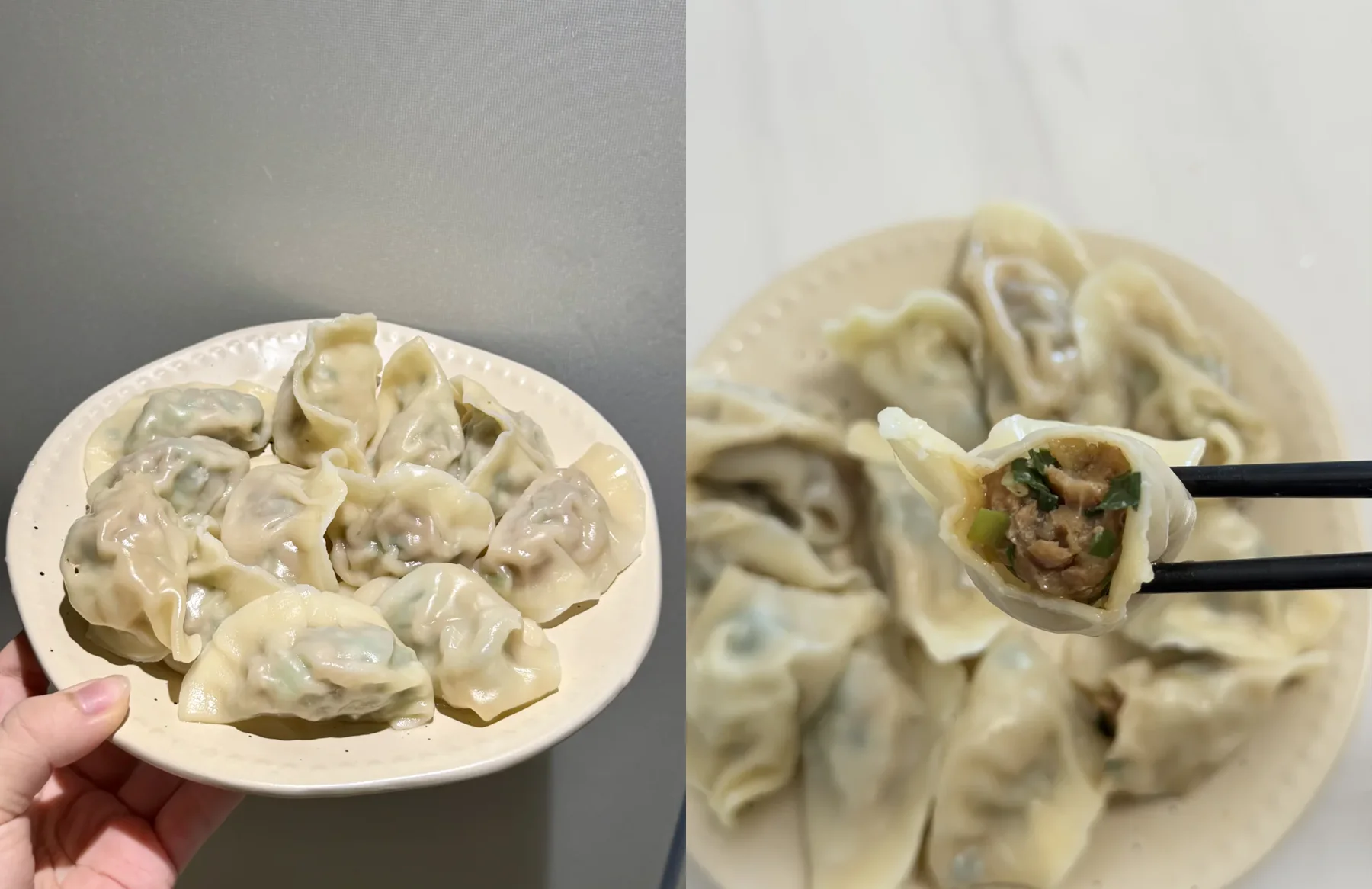
Har gow tests wrapper and filling at once: the skin must be thin enough to show the shrimp yet strong enough to survive lifting.
The distinction matters because yum cha is not simply a tasting menu. It gives conversation a structure. Tea is poured and refilled. Dishes arrive in waves. Older relatives may set the pace. The table can hold routine family contact, business conversation or a long weekend morning.
A practical dim sum comparison
| Item | Wrapper or base | Main pleasure | Common ordering mistake |
|---|---|---|---|
| Har gow | Translucent wheat-starch wrapper | Shrimp texture and delicate elasticity | Letting every order repeat the same shrimp filling |
| Siu mai | Thin wheat wrapper, open top | Juicy filling and direct savory flavor | Assuming all shaomai across China are the same dish |
| Rice noodle roll | Soft steamed rice sheet | Slippery tenderness with sauce and filling | Waiting too long, so the sheets stick and cool |
| Steamed ribs | Small pork pieces with fermented black bean | Savory depth and soft cartilage-rich texture | Treating meat dishes as sides to an all-dumpling meal |
| Char siu bun | Fluffy or baked dough | Sweet-savory roast pork contrast | Ordering several sweet baked items without relief |
| Egg tart | Flaky or short pastry with egg custard | Warm custard and crisp shell | Saving it so long that the pastry loses its texture |
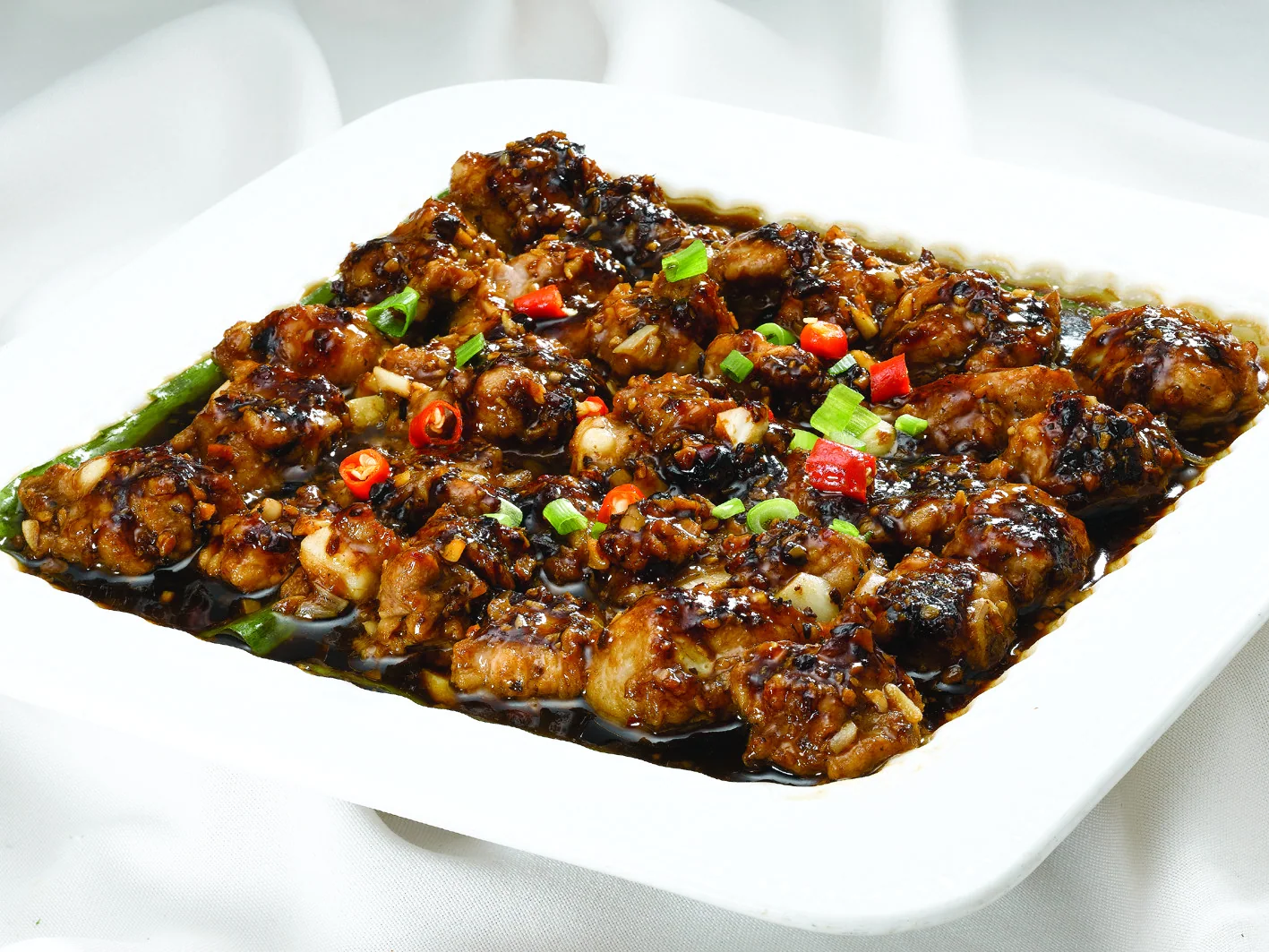
Fermented black beans bring salt, aroma and depth to steamed ribs. The dish demonstrates why dim sum should not be reduced to dumplings.
Egg tarts also reveal movement between Cantonese and wider port-city baking traditions. Their exact pastry, sweetness and genealogy vary; eat them warm before turning the variation into an argument.
Siu mei turns roasting into an urban institution
Siu mei (烧味) refers to Cantonese roast meats sold from specialized counters and restaurants. Glossy birds and strips of pork hang in view because appearance, texture and turnover matter. The counter lets diners order a portion over rice or assemble several meats for a shared table.
Roast goose depends on contrasts: crisp or taut skin, rendered fat, juicy meat, aromatic seasoning and a sauce that supports rather than smothers. Different cuts eat differently. Breast offers cleaner slices; leg brings darker meat, bone and deeper richness.
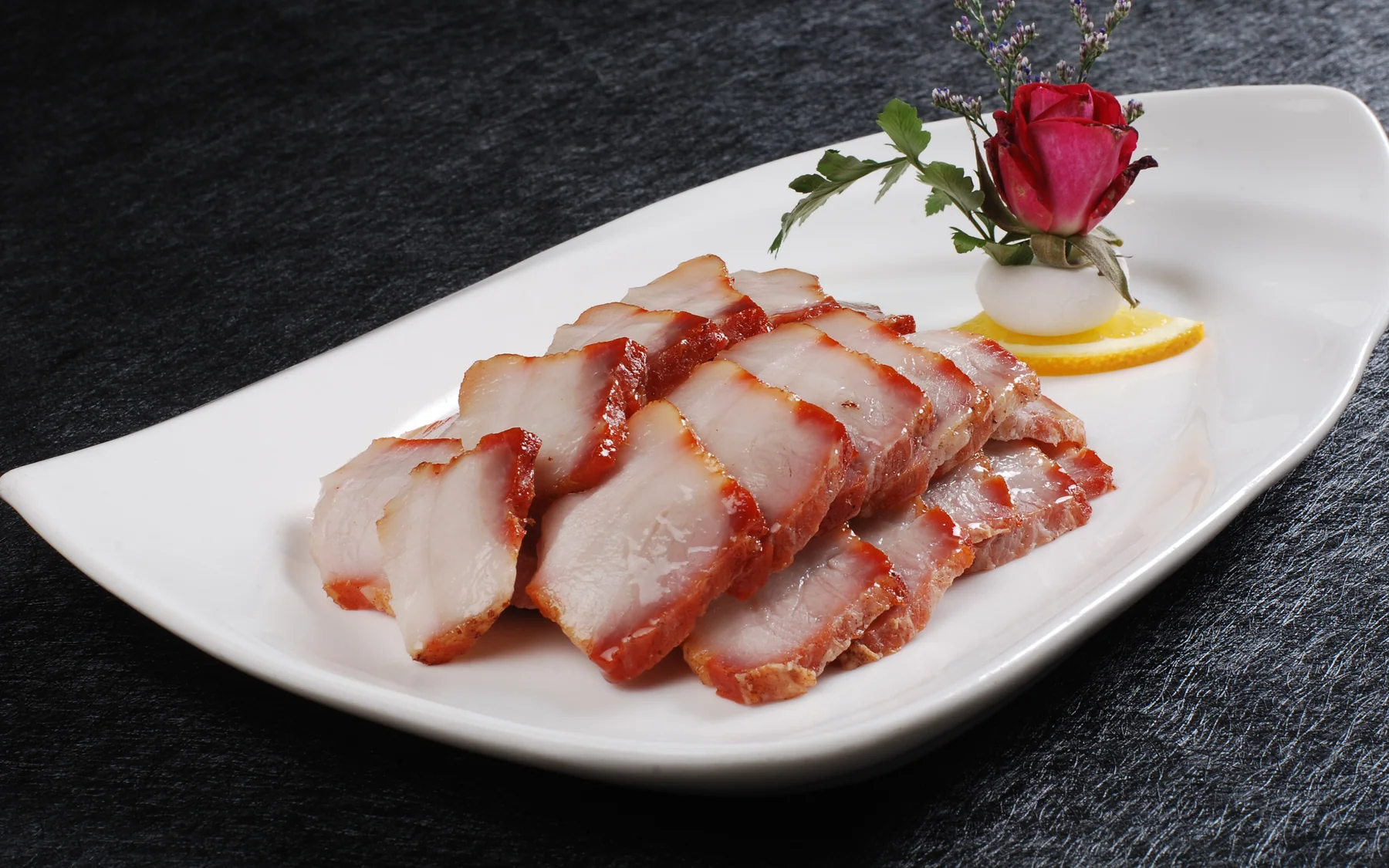
Char siu is more than red pork. Good char siu balances lean and fat, surface caramelization and interior moisture. The cut, marinade, hanging method and oven all influence whether it becomes succulent or merely sweet.
Roast-meat traditions traveled widely with Cantonese migration. A counter in Kuala Lumpur, Vancouver or London may use different pigs, ovens and fuel while remaining part of a real culinary lineage. Adaptation is not automatically dilution.
White-cut chicken makes simplicity measurable
White-cut chicken is poached or gently cooked, cooled and chopped so the skin remains supple and the meat moist. Its pale appearance can mislead diners trained to read browning as flavor. Here the test is texture, poultry quality and precise heat.
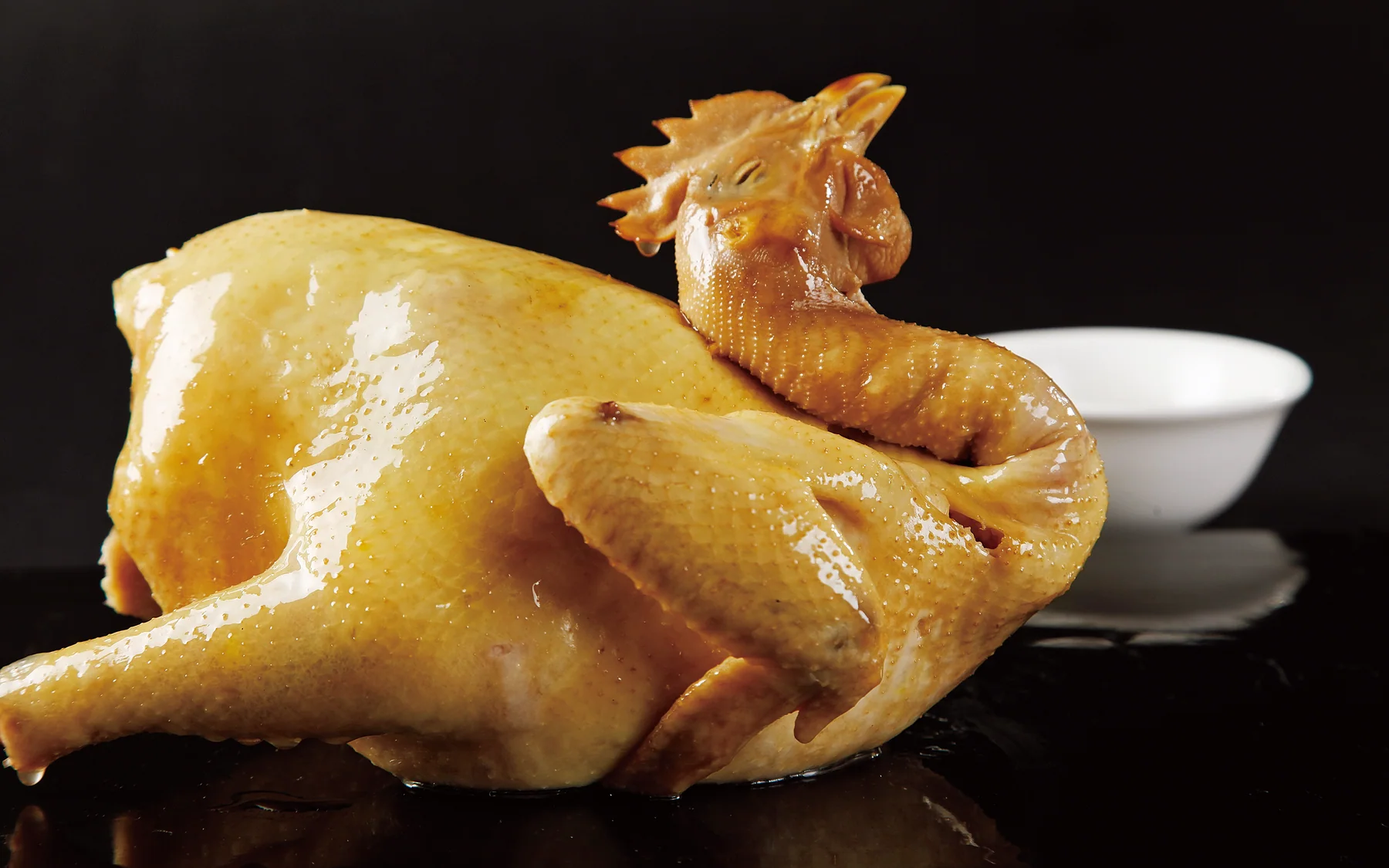
Ginger-scallion oil or another dipping condiment adds fragrance, but the sauce should not rescue dry meat. The best pieces have a clean chicken flavor and a smooth transition from skin to flesh.
The dish also demonstrates why “bland” is often a failure of attention. Subtle food asks the diner to notice smaller differences: firmness near the bone, the aroma of warm oil, the salt level of the dip and whether the meat retained its juices.
Seafood asks the cook to stop at the right moment
In classic Cantonese restaurant cooking, steamed fish is a declaration of confidence. The fish is cooked until the flesh releases from the bone but has not tightened into dryness. Ginger and scallion manage aroma; hot oil and seasoned soy complete the dish after steaming.
Species, size and season affect timing, so “steam for eight minutes” is not a universal truth. Nor is every tank a guarantee of quality or responsible sourcing. Ask what the fish is, how it is priced and whether the restaurant recommends it for steaming.
Cantonese seafood cooking also includes prawns, crab, shellfish, squid and dried marine ingredients. Some banquet dishes carry environmental or ethical concerns; prestige and cultural history do not remove the need to choose responsibly.
Soup is household knowledge in liquid form
Cantonese soups range from quick broths to long-simmered or double-boiled preparations. Ingredients may include pork, chicken, fish, dried seafood, roots, gourds, beans, herbs and dried fruits. The goal is often clarity with depth rather than a thick, heavily seasoned body.
Soup can express household knowledge: what suits hot weather, what is available, what an elder prefers and how a cook understands balance. Some ingredient choices are explained through Chinese dietary traditions. These cultural frameworks matter, but they should not be converted into unsupported medical promises.
A restaurant soup can be delicious without curing anything. Appreciate the care, extraction and social role of the bowl before asking it to become medicine.
Congee, wontons and clay-pot rice explain everyday appetite
Restaurant banquets show one level of Cantonese technique; bowls and rice pots show another.
Sampan congee is associated with Guangzhou's Liwan waterways and layers silky rice porridge with ingredients such as fish, meat, peanuts, fried dough or crisp additions. Recipes and restaurant versions vary. Its identity lies as much in contrasting toppings as in the congee itself.
Cantonese wonton noodles aim for precision: shrimp-forward wontons, fine resilient noodles and a clear savory broth. The bowl should not become a heavy tangle. Noodles, wrapper, filling and stock each retain a distinct texture.
Clay-pot rice rewards patience at the bottom. Rice cooks against the pot until a toasted crust forms. Cured sausage, meat or other toppings perfume the grains, and seasoned soy is added with control. Stir too soon and the crust disappears; wait too long and it burns.
These foods are not lesser than banquet cuisine. They show how technical judgment enters ordinary meals.
Seasonality changes technique, not only ingredients
| Season or weather | Foods and techniques that often make sense | What to notice |
|---|---|---|
| Humid spring | Fresh greens, steamed fish, light soups and tender shoots | Clean aromas and careful handling of delicate produce |
| Hot summer | Gourds, melons, clear soups, congee and quickly cooked vegetables | Relief, hydration and textures that do not exhaust the appetite |
| Autumn | Crab, roast meats, richer braises and seasonal fruit | Increasing richness without abandoning freshness |
| Cool winter | Clay-pot rice, cured meats, warming soups and hot pots | Toasted rice, preservation and deeper extraction |
This table is a guide, not a rigid calendar. Guangzhou's markets, modern logistics and restaurant supply chains make many ingredients available for longer periods. Seasonality remains useful because it tells you when a dish is likely to feel most coherent.
How to order a balanced Cantonese meal
| Situation | A balanced order | What to avoid |
|---|---|---|
| Solo yum cha | Two savory dishes and one small sweet or congee | Ordering four baskets with nearly identical wrappers and fillings |
| Two people at yum cha | Har gow or siu mai, rice noodle roll, steamed ribs or vegetables, and one baked item | Treating the meal as a checklist that must include every famous dish |
| Two people at dinner | Small roast-meat plate, steamed fish or tofu, one green vegetable and rice | A whole large fish or soup sized for a banquet table without checking portions |
| Four people at dinner | Soup, poultry or roast meat, seafood, tofu or egg, vegetables and rice | Filling the table with meat while leaving no clear or green dish |
| Quick lunch | Wonton noodles, roast meat over rice or clay-pot rice | Adding so many sides that a focused bowl loses its purpose |
Ask about portion size before ordering. Many Cantonese restaurants are designed for sharing, and menu photos rarely communicate scale. A smaller table often eats better by choosing fewer dishes with stronger contrast.
How to recognize thoughtful Cantonese cooking
- Steamed seafood should be moist and clean rather than waterlogged or tight.
- Poached chicken should remain juicy with supple skin.
- Roast-meat skin should retain texture instead of softening beneath too much sauce.
- Dim sum wrappers should suit the filling and survive lifting without becoming thick.
- Clear broth should have depth without tasting muddy or aggressively salty.
- Vegetables should retain color, structure and their own flavor.
- Congee should be silky while toppings remain distinct.
- Clay-pot rice should develop a fragrant crust without tasting scorched.
No restaurant needs to excel at every category. A specialist noodle shop and a banquet restaurant solve different problems. Judge the place by what it claims to do.
Cantonese food abroad is part of the story
Cantonese-speaking migrants built some of the earliest enduring Chinese restaurant cultures in many countries. Menus changed with ingredient access, labor, local taste, discrimination, business constraints and the need to communicate unfamiliar food. Chop suey, sweet sauces or broad labels such as “Cantonese style” may tell a complicated migration history even when they do not resemble a current Guangzhou menu.
The separate history of Chinese American food should therefore be read as adaptation and community memory, not graded as a failed copy of Guangzhou.
Later migration brought regional specialists, Hong Kong tea restaurants, seafood houses, roast-meat shops and large dim sum halls. The result is not a single line from pure origin to decline. It is a network of adaptations, memories and renewed contact.
When comparing versions, identify the restaurant's community and period. “Not like Guangzhou today” is an observation, not a complete verdict.
Frequently asked questions about Cantonese food
What does Cantonese food taste like?
Cantonese food is not defined by one taste. Many dishes aim for clarity, freshness and balance, using steaming, quick stir-frying, roasting, poaching, braising and slow soup-making. Ginger, scallion, fermented black beans, soy sauce, dried seafood and citrus peel can be important, but seasoning usually serves the main ingredient.
Is dim sum the same as Cantonese food?
No. Dim sum is a large category of small dishes associated with tea-house and yum cha culture. Cantonese cuisine also includes roast meats, seafood, soups, poultry, vegetables, rice, noodles, congee, braises, home cooking and banquet dishes.
What are the most famous Cantonese dishes?
Widely recognized dishes include har gow, siu mai, char siu, roast goose, white-cut chicken, steamed fish, wonton noodles, clay-pot rice, congee, double-boiled soups and vegetables cooked in superior stock. The most meaningful choices depend on season and restaurant type.
Is Cantonese food sweet?
Some roast-meat glazes, pastries and sauces have noticeable sweetness, but the cuisine as a whole is not sweet. Fresh seafood, poached chicken, steamed dishes, soups, bitter greens and congee can be subtle, savory or clean.
What should two people order at a Cantonese restaurant?
For yum cha, choose three or four contrasting small dishes rather than many similar dumplings. For dinner, a balanced order might include one roast or poultry dish, one steamed seafood or tofu dish, one vegetable, soup if portions allow, and rice.
Quiet technique, generous table
Cantonese cuisine is sometimes described as restrained, as though restraint meant little happened. In fact, much of its character comes from deciding exactly how much should happen: how long steam touches fish, how deeply a roast colors, how thin a wrapper can become, how clear a soup can remain and how many dishes a table needs before abundance turns into repetition.
The cuisine becomes easier to understand once dim sum returns to its proper place: important, joyful and incomplete. Beyond the bamboo steamer lies a larger world of fire, water, preservation, season, household memory and migration. That world is what makes Cantonese food not merely famous, but enduring.
My final test is deliberately unforgiving: if a restaurant can only impress through abundance, luxury ingredients or a long list of famous names, it has missed the cuisine's deepest confidence. Cantonese cooking becomes great when the diner can feel the exact decision to stop—before fish tightens, chicken dries, greens collapse, broth muddies or roast skin softens.