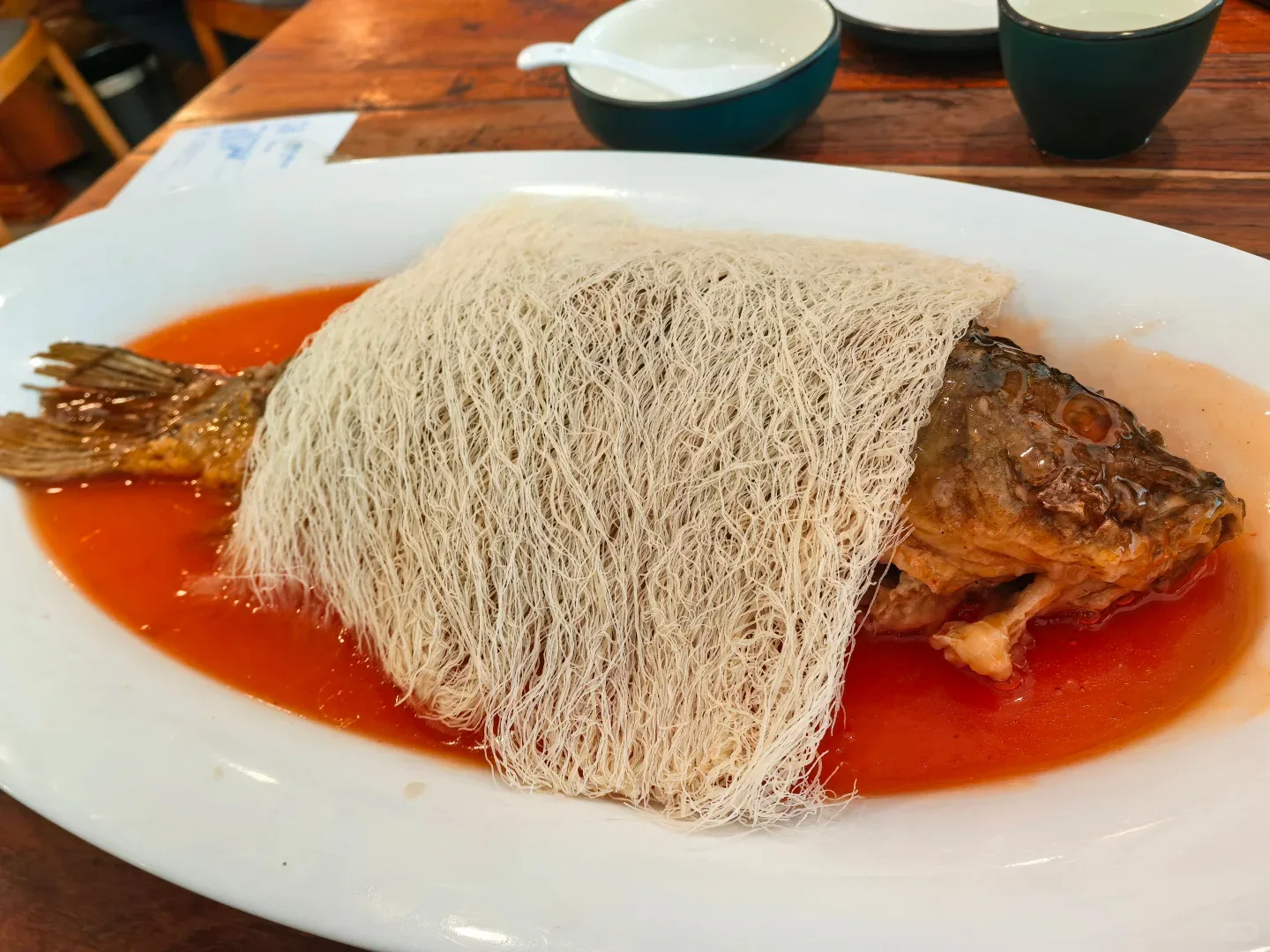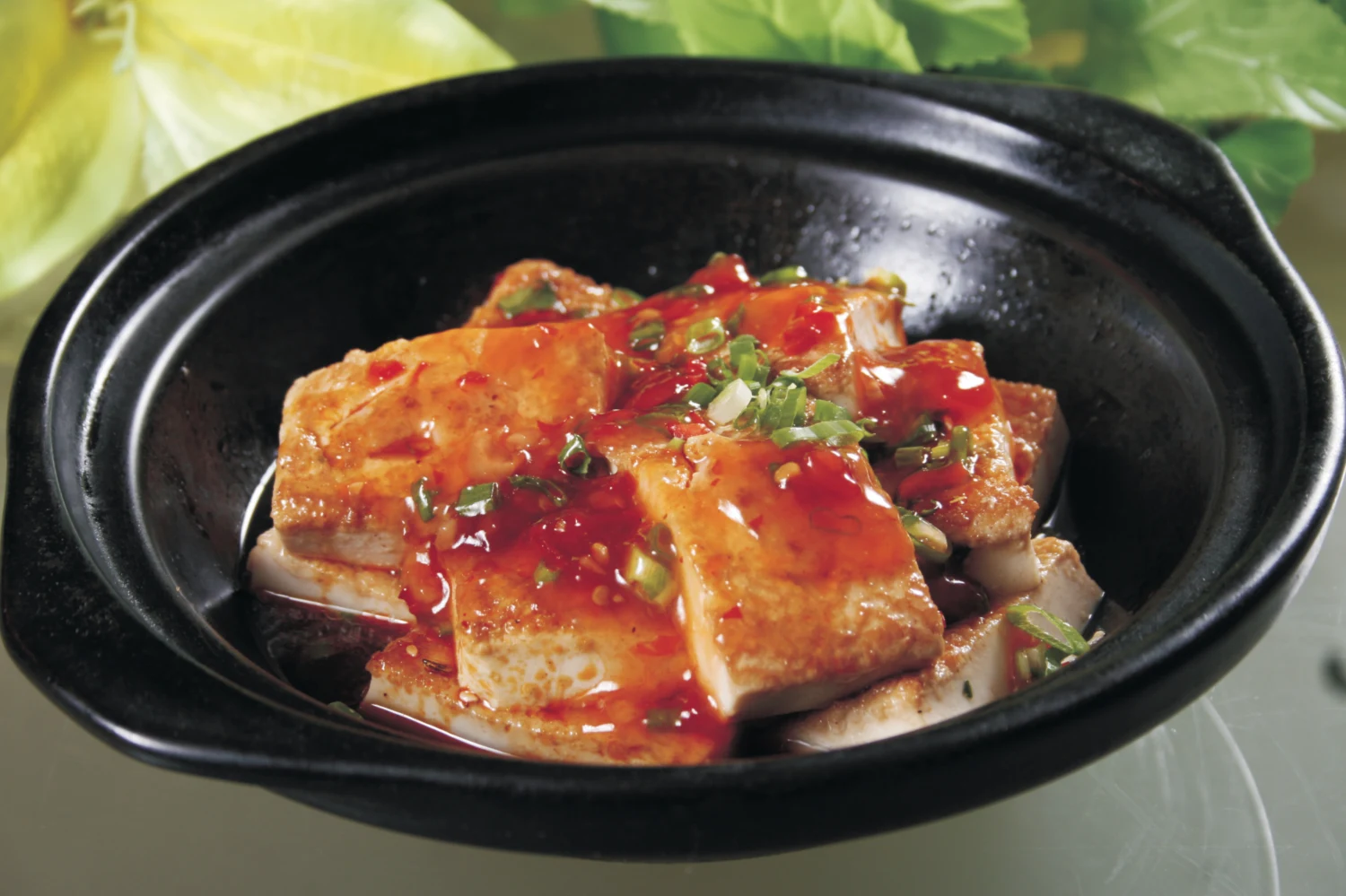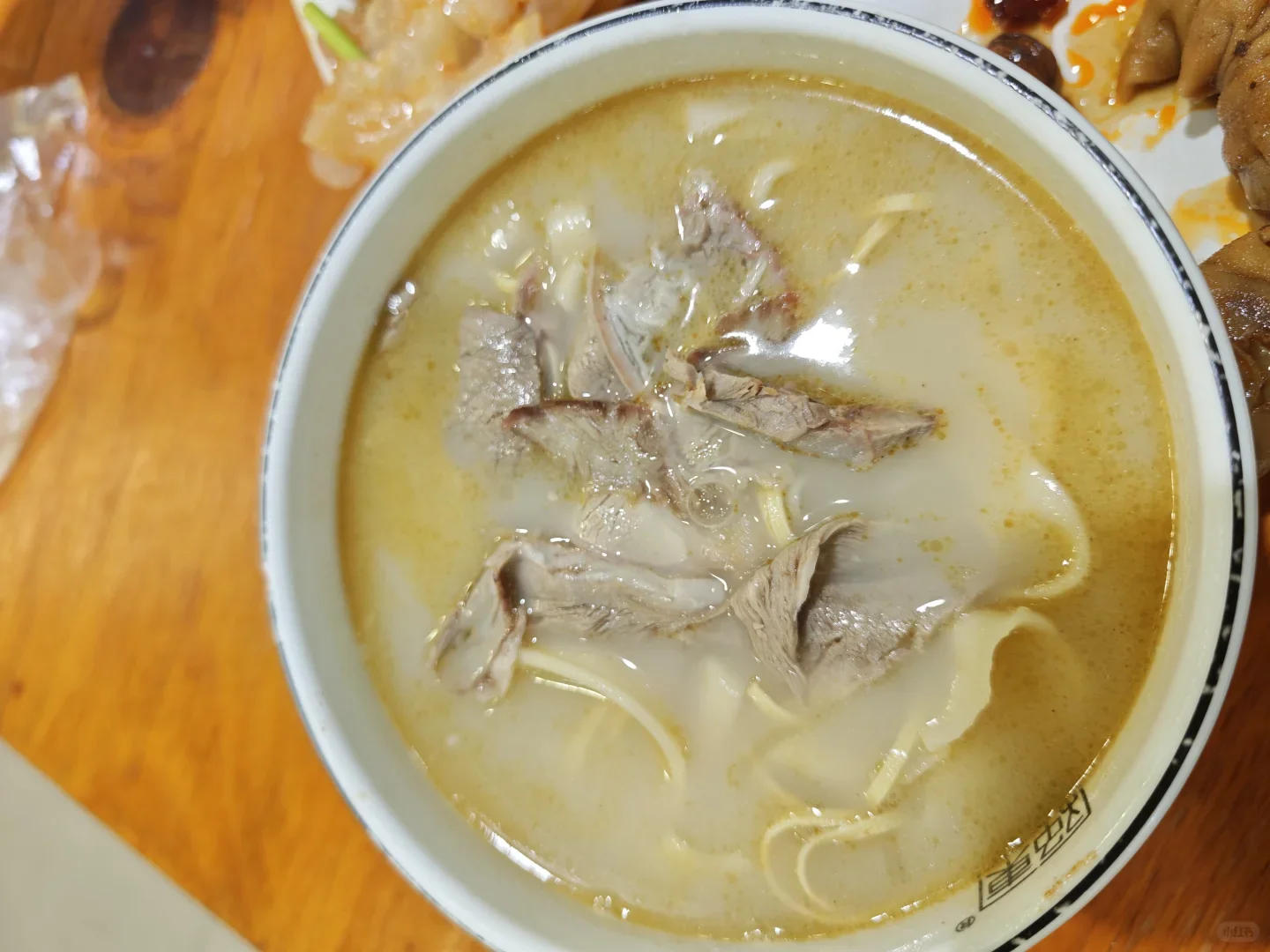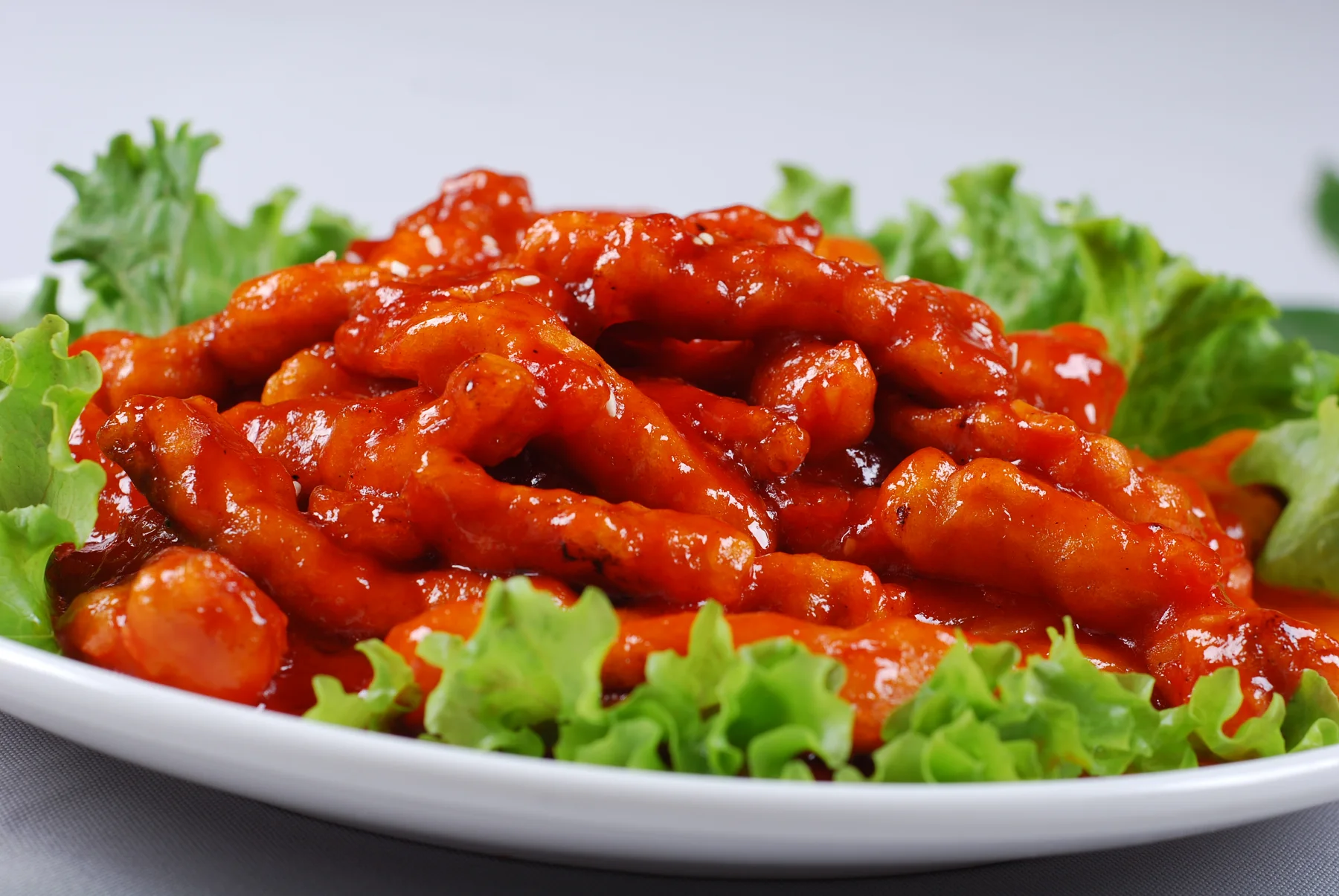
Chinese American food is what happens when memory has to earn rent. It was built in laundries, mining towns, family kitchens, banquet halls and takeout counters by people who carried culinary knowledge across an ocean, then met unfamiliar ingredients, exclusion laws and customers who wanted dinner explained in one line.
What is Chinese American food?
Chinese American food is not one menu and not a lesser copy of food in China. It includes dishes developed for American restaurants, regional cooking maintained inside immigrant communities, and new foods created by later generations who inherited more than one sense of home.
The familiar takeout canon matters, but it is only the brightly lit front room. Behind it are Cantonese village dishes, Taiwanese breakfasts, Sichuan restaurants, Fujianese kitchens, Chinese Peruvian influences, modern chef-driven cooking and family meals that never needed an English name.
I understand the temptation to ask whether a dish is “real Chinese food.” A better question is more generous and more exact: who made it, for whom, under what conditions, and what did they need the dish to become?
Writing from China, I have to be careful with this subject. My familiarity with food in China does not give me ownership of an immigrant family's American memory. It gives me a useful point of comparison, then asks me to listen when the diaspora story follows a different road.
A cuisine shaped by migration and exclusion
Large-scale Chinese migration to the United States grew during the nineteenth century, especially with mining, railroad construction and western settlement. Many early migrants came from Guangdong. Restaurants became one of the businesses Chinese immigrants could build despite discrimination and restricted opportunities. The 1882 Chinese Exclusion Act preserved by the U.S. National Archives makes that pressure concrete: exclusion was federal law, not an atmospheric hardship added later to make the restaurant story sound dramatic.
Exclusion did not merely affect population numbers. It shaped families, labor and the economics of feeding strangers. A restaurant had to be legible enough to attract non-Chinese customers and flexible enough to survive. Dishes changed names, sweetness increased in some markets, vegetables were substituted, and combination plates made choice feel simple.
None of this means cooks forgot where they came from. Adaptation can be an act of intelligence under pressure.
The restaurant was also a labor system. A family business could turn language skill, long hours and culinary knowledge into income while keeping relatives near one another. That closeness could provide resilience and create exhaustion at the same time. The cheerful dining room did not show every shift, prep task, delivery or negotiation behind it.
This matters when diners romanticize the "family-run Chinese restaurant" as if family automatically removes labor pressure. Affection, survival and overwork can share the same kitchen.
Menus translated more than dish names
An English-language menu had to explain unfamiliar food quickly. It grouped dishes under categories customers recognized, simplified regional names and repeated formats that made ordering less risky. Combination plates, numbered specials and sauce labels became interface design before restaurants used the word interface.
The Smithsonian's Sweet & Sour exhibition follows this history through menus, restaurant objects, immigration, exclusion and perseverance. That material record matters because a menu is not a neutral list: it shows what a restaurant believed customers could recognize, afford and order without embarrassment.
That translation affected the food. A dish designed for a banquet, shared table or immediate service might be portioned for one person, packed to travel or adjusted so its flavor remained obvious after a drive home. The menu did not merely describe the kitchen. It helped redesign it.
The old idea of a secret "Chinese menu" and a public American one captures some restaurant histories, but it is too neat as a universal explanation. Staff meals, banquet menus, handwritten specials, regional-language menus and customer requests created many overlapping food worlds. The more useful question is which audience a particular menu was built to serve.
From chop suey to regional Chinese restaurants
Chop suey became an early symbol of Chinese food in America. Its exact origin is tangled in storytelling, but its cultural role is clear: it made Chinese restaurant dining fashionable and understandable to a wide public. Later, chow mein, egg foo young and sweet-and-sour dishes became standards in many cities.
After immigration law changed in the twentieth century, newcomers from more regions expanded what American diners could encounter. Menus increasingly named Sichuan, Hunan, Taiwanese, Shanghai and northern traditions. Today, an American city may contain old Cantonese banquet rooms, suburban takeout shops, hand-pulled noodle counters and contemporary tasting menus within a few miles.
New migration did not simply replace the earlier restaurant canon. Layers remained. A neighborhood may support a decades-old chop suey restaurant, a Hong Kong-style cafe, a Fujianese takeout kitchen, a Lanzhou noodle shop and a social-media-famous hot-pot chain at the same time. "Chinese food in America" keeps expanding without becoming one straight line toward greater authenticity.
Home kitchens preserve another history that restaurant menus cannot carry alone. The Smithsonian's Chinese-kitchen oral-history program records how cooks retain technique while adjusting ingredients, tools and written measurements. That is the precise opposite of culinary failure: adaptation becomes a method for keeping knowledge usable.
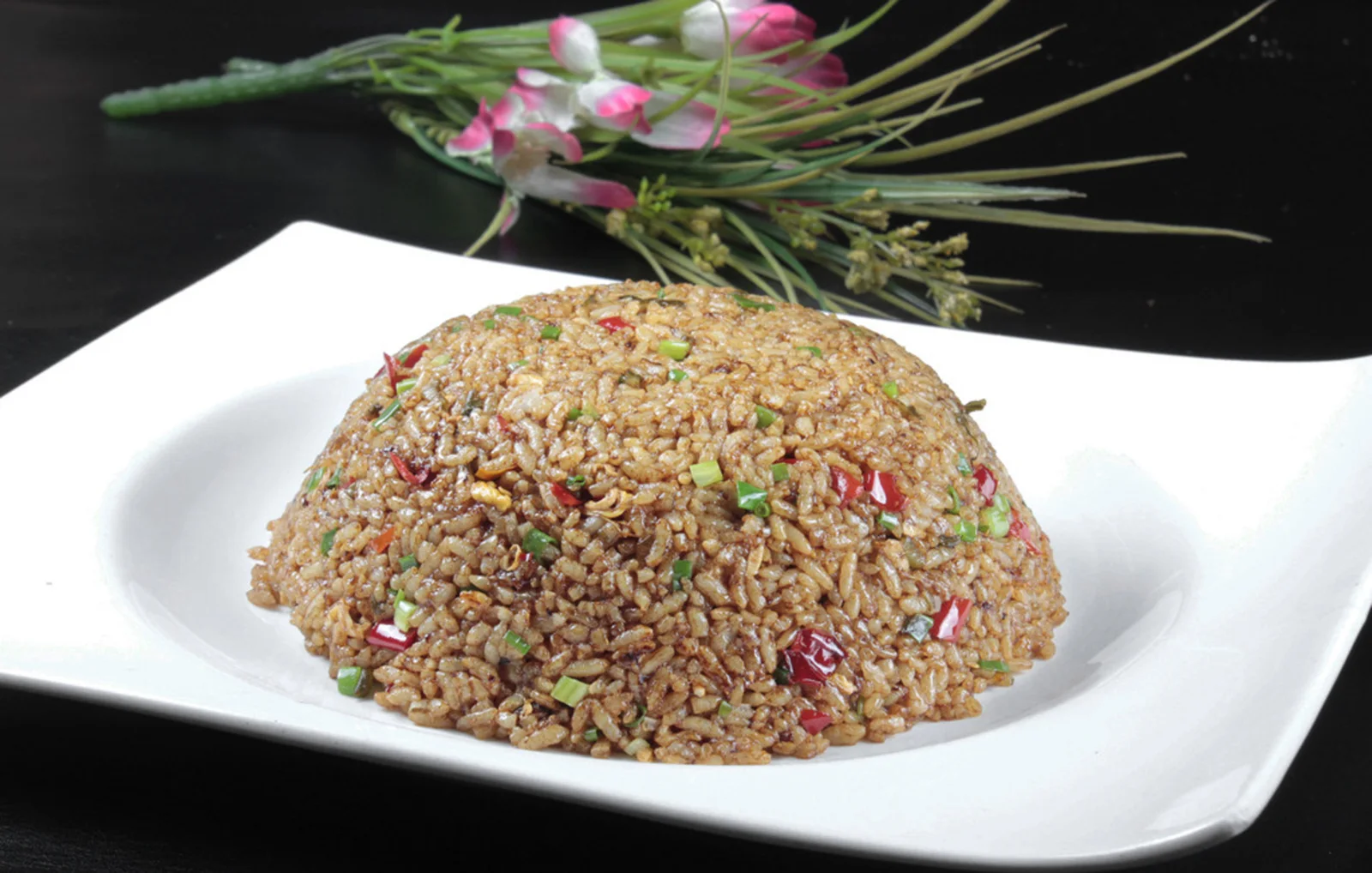
Fried rice can be home cooking, restaurant shorthand or a complete meal; context matters more than a national label.
Famous Chinese American dishes and what they reveal
| Dish | What many diners recognize | Cultural question worth asking |
|---|---|---|
| Chop suey | Meat and vegetables in a thickened sauce | How did an adaptable restaurant format become a national symbol? |
| General Tso's chicken | Crisp chicken in a sweet, tangy, chile-accented sauce | Why does the American dish differ from cooking associated with Hunan? |
| Beef and broccoli | Tender beef with broccoli and brown sauce | How did American broccoli replace or join Chinese greens? |
| Egg roll | A large, crisp fried wrapper with savory filling | How did it diverge from thinner spring-roll traditions? |
| Crab rangoon | Fried wonton wrapper with cream cheese filling | How did a mid-century American taste become attached to Chinese menus? |
| Fortune cookie | Crisp folded cookie with a paper message | Why do objects become “Chinese” through restaurant repetition? |
These dishes are not equally old, regional or widespread. Their value lies partly in showing how a cuisine negotiates recognition.
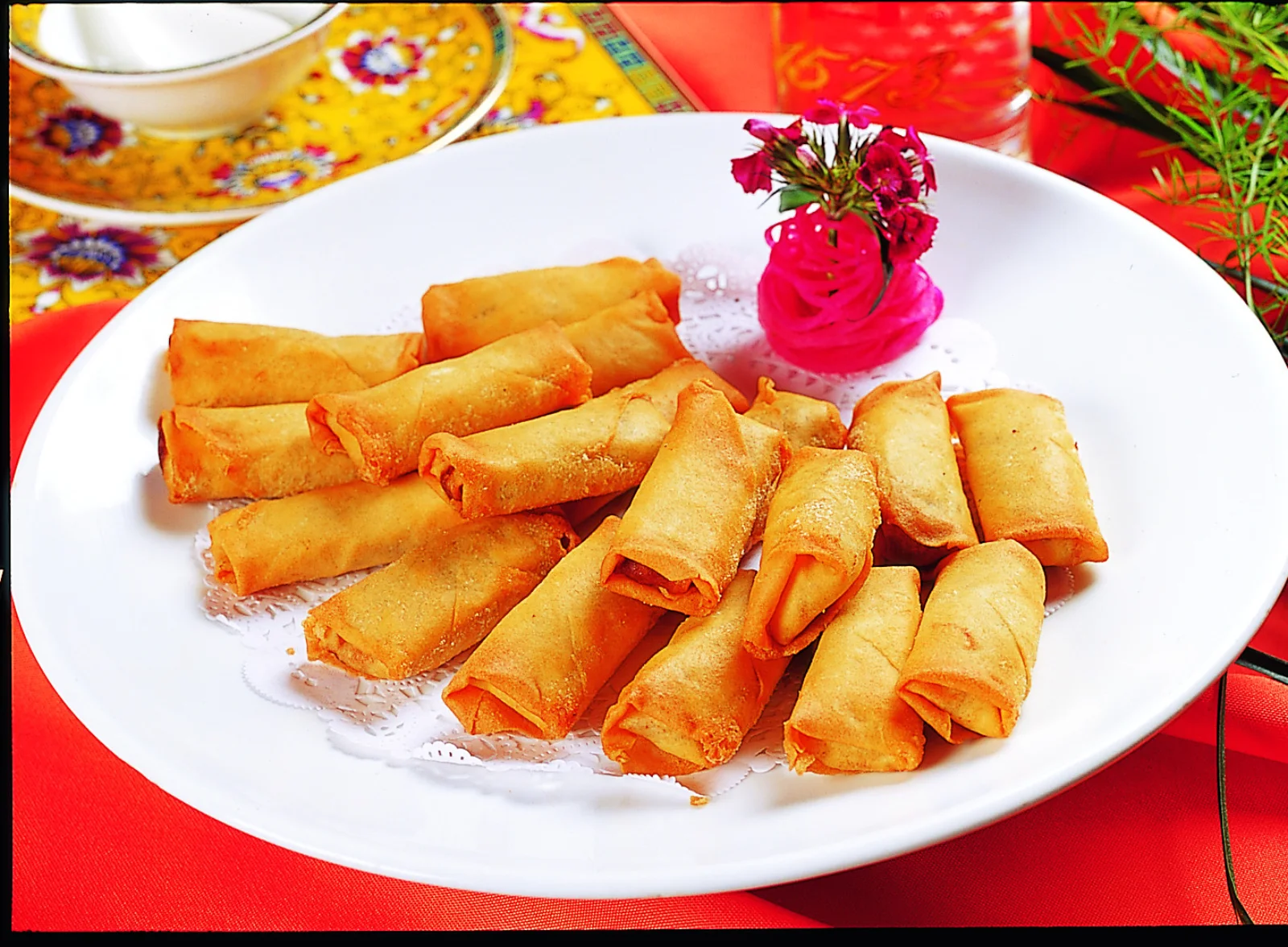
General Tso's chicken is especially revealing because the name sounds historically anchored while the familiar American restaurant form was developed through twentieth-century transnational movement. The dish demonstrates how authority can be created by repetition: once enough menus use a name, customers begin to remember it as tradition.
Kung Pao chicken offers the sharper comparison. Its Sichuan form already has a recognizable chicken–chile–peanut structure, while many American restaurant versions add vegetables, sweetness and more sauce for a different service system. Reading the two plates side by side shows why "Americanized" is too blunt: one adaptation can preserve a dish's name and core rhythm while still changing what reaches the diner first.
Fortune cookies perform a similar trick through the object rather than the sauce. Their folded shape, paper message and restaurant ritual became so closely attached to Chinese American dining that many people assume an origin in China. Repetition can create cultural truth about where something belongs now even when its origin story points elsewhere.
The lesson is not that customers were fooled. It is that restaurant culture builds symbols quickly.
How to trace a Chinese American dish without flattening it
When you meet a dish you do not know, use a four-part route instead of asking whether it is “authentic.”
First, identify the working form. Is it a banquet dish reduced to a single serving, a family preparation turned into restaurant food, a regional recipe renamed for an English-speaking menu, or an invention made for a particular American market? You may not be able to answer immediately, but the question stops a menu title from doing all the historical work.
Second, identify the change that made the dish travel. Ingredients may have been substituted because a local market lacked a Chinese vegetable. A sauce may have become thicker because delivery and reheating demanded it. A portion may have changed because a customer expected one plate rather than a shared table. Adaptation is often practical before it becomes symbolic.
Third, identify what survived. A technique, wok rhythm, cut of meat, texture, spice combination, breakfast habit or family vocabulary may remain even when the final plate looks unfamiliar. A dish can lose one visible feature and preserve a deeper method. Conversely, a plate can keep a Chinese name while discarding most of the cooking logic behind it.
Fourth, name the place and generation. “Chinese American food” in a nineteenth-century mining town, a 1970s suburban takeout shop and a second-generation chef's Brooklyn restaurant are not interchangeable. The city, immigration wave, rent, customer base and family history all alter what a restaurant can make.
This route gives the diner something better than a purity score. It produces a small, testable history: this version uses a familiar name, substitutes local ingredients, preserves a particular technique and belongs to a restaurant shaped by this migration story. That is already more informative than “real” or “fake.”
The method also helps with dishes that have several names. A menu may call a dish “Chinese barbecue pork,” “char siu,” or simply “roast pork.” Ask whether the terms describe the same cut, glaze, cooking method and service context. If they do not, the difference is not a translation error to be corrected from the outside; it is evidence that the dish has moved between food systems.
Authenticity without a purity test
Calling Chinese American food “Americanized” can be descriptive, but it often carries a sneer. It imagines authenticity as a sealed jar kept somewhere in China, unchanged by trade, technology, class or migration. Yet traditional Chinese food has always changed across regions and generations.
A dish should not need to pretend it was served in an imperial palace to deserve respect. A century-old neighborhood restaurant, a family recipe adjusted to an American pantry and a newly invented diaspora dish can each tell the truth about their own origin.
Criticism is still possible. Food can be carelessly cooked, history can be falsely advertised, and stereotypes can flatten a complex culture. Precision is the answer, not purity.
Authenticity becomes more useful when it has an address. Is the dish faithful to a family's method, a New York takeout tradition, a San Francisco banquet lineage, a Taiwanese American bakery or a contemporary Sichuan restaurant? The word can then describe a relationship instead of acting as a border guard.
My own editorial position is simple: adaptation deserves respect, but it should not erase its conditions. A sweeter sauce may be a creative local style, a commercial calculation or both. Naming that history makes the dish more interesting, not less Chinese.
Takeout technology shaped texture
Containers, delivery distance and reheating changed what restaurants could promise. Fried foods lose crispness in steam. Noodles absorb sauce. Thickened sauces protect moisture and remain visually legible after travel. Rice creates a stable base. The classic takeout menu was therefore partly an engineering response to time and packaging.
Digital ordering adds another layer. Search rankings, photographs, reviews and platform categories reward dishes with recognizable names and strong visual contrast. A kitchen may serve nuanced regional food while the orange-glazed item wins the thumbnail competition.
This connects Chinese American food with the wider story of Chinese fast food, but the categories are not identical. Takeout describes a service format. Chinese American food describes communities and histories that also include home cooking, bakeries, banquets, fine dining and food made for no customer at all.
How to explore Chinese food in the US more thoughtfully
Read the menu for place names. Ask whether the restaurant identifies a city, province or community. Try one familiar dish and one dish that reveals the kitchen's particular strength. Notice whether textures are deliberate: crisp food should arrive crisp, greens should retain life, and a sauce should support rather than erase its ingredients.
Most importantly, do not ask staff to perform authenticity for you. Curiosity is welcome; interrogation is exhausting. Restaurants are workplaces as well as cultural classrooms.
Build a three-meal route instead. Begin with a long-running neighborhood restaurant and order one dish central to its regular menu. Next, visit a restaurant that names a specific region or migration community. Finally, try a contemporary Chinese American kitchen where the chef openly treats adaptation as creative authorship.
Do not expect the three meals to agree. The disagreement is the history.
Read beyond the menu when the restaurant shares its story, but do not assume every worker has time to become your private historian. Look at opening dates, neighborhood change, languages on the wall, banquet capacity, delivery traffic and what regular customers order without photographing first.
A practical first order for someone new to Chinese American food
If the menu feels enormous, choose by contrast, not by the most famous name. Order one dish whose texture depends on crispness, one vegetable or tofu dish that shows how the kitchen handles freshness, and one item that carries a clear regional or family reference. Share them if the restaurant serves family-style portions. This lets you compare technique, seasoning and service without turning the meal into a test of courage.
Ask what the kitchen recommends for the way you are eating. A dish praised by regulars may be designed for rice, for several people or for a late-night takeout container. The same item can taste unbalanced when eaten alone because its original job was to sit beside three other dishes. That is not a flaw; it is a clue about the table the food expects.
For takeout, separate the question of flavour from the question of transport. Fried food may be excellent at the counter and softened by a twenty-minute drive. Noodles may be intentionally saucier so they survive reheating. If the texture changes, record the travel time before declaring the recipe wrong. Delivery is part of the dish's design, but it is also a variable you can control.
Finally, learn one Chinese name without demanding that every menu become a language lesson. Knowing that char siu refers to a style of roasted meat, for example, can help you compare versions across restaurants. It should create curiosity about technique and place, not a performance in front of staff.
Frequently asked questions about Chinese American food
What is Chinese American food?
Chinese American food is a group of cuisines created by Chinese immigrants and their descendants in the United States. It includes restaurant dishes adapted to local markets as well as regional, home and community foods that rarely appeared on early English-language menus.
Is Chinese American food authentic?
Yes, when authenticity means truthful connection to the history and community that created it. A Chinese American dish may differ from a dish in China while remaining authentic to a particular restaurant, city, family or migration story.
What are famous Chinese American dishes?
Chop suey, egg foo young, General Tso's chicken, orange chicken, beef and broccoli, crab rangoon, egg rolls and fortune cookies are widely associated with Chinese American restaurants, though their origins and regional popularity differ.
Why does Chinese food in the US taste different from food in China?
Early cooks worked with different ingredients, customer expectations, labor conditions and restaurant economics. They simplified some menus, created new sauces and portions, and also preserved regional food within Chinese communities.
Did fortune cookies come from China?
The modern American fortune-cookie industry developed in the United States and has important Japanese American as well as Chinese American histories. The cookie is not a standard traditional food in China.
A cuisine can have two homes and still be whole
Chinese American food deserves to be read as history written in appetite. It remembers southern China, records American cities and keeps changing with every new migration. Sometimes it is subtle; sometimes it is orange enough to be seen from space. Both can belong to the story.
Continue through the Chinese food guide or compare this diaspora history with Chinese fast food, where speed and service format create a different set of adaptations.
Bring one two-home dish history to East Moment's community: the dish, American place, Chinese lineage or technique and the condition that changed it. Return for histories that treat adaptation as evidence of people making a life, not as culinary failure.
Chinese American food is a Chinese food history, not a failed copy
The lazy question is whether a dish is “authentic Chinese.” The better question is what Chinese cooks preserved, changed and invented under migration, exclusion, ingredient limits and a new restaurant economy.
Sweetness, frying and menu combinations can reflect customer expectation, but adaptation is not surrender. A restaurant must make ingredients legible, survive rent and feed the people in front of it. Some dishes travel from regional Chinese precedents; others become locally stabilised forms with their own memory.
I refuse the insult hidden in “not real Chinese food.” Chinese American food records real Chinese labour and real American history. The limitation is equally important: it does not represent every Chinese American family or every phase of immigration. Name the city, restaurant generation and dish before making the history universal.
Continue through the parent North American diaspora cuisines route to keep migration and region attached to the menu.