
The first surprise in AIR Ai Re is how little force he wastes. He can rap like a competitor who has learned to land every syllable, then open the same track into a melody that feels private, warm and completely unguarded. My reading is absolute: the technique and tenderness are not separate careers. They are the same artist.
That is the key to AIR. The 2018 television championship made him famous, and Kashgar gives his work a real geography, but neither fact explains the music by itself. AIR lasts because he can make precision feel emotional. His verses move with discipline; his hooks make the discipline disappear.
AIR 艾热 in 60 seconds
| What you want to know | The short answer |
|---|---|
| Artist name | AIR, usually styled 艾热AIR in China |
| Home city | Kashgar, Xinjiang |
| National breakthrough | Winner of The Rap of China season two in 2018 |
| What hits first | A firm, measured flow that can turn naturally into singing |
| Start with | Star Falling, Thousand Miles, Kashgar Voice and Don't Fear Growing Old |
| Albums to know | AIR Ai Re, AIR PLAN and Ai Si Ji |
| Current chapter | Ai Si Ji in 2025 and the Wang Yitai collaboration Tai Re Ai in 2026 |
The facts are easy. The useful question is why a rapper with obvious competitive control often sounds most convincing when he stops trying to dominate the room.
The melody is not a soft side project
Plenty of rappers sing hooks. AIR does something more integrated. His melodies often carry the emotional conclusion that the verse has been circling. The rap sets up distance, ambition, family or time; the chorus lets the pressure breathe.
Listen to the transitions. He does not always announce the move from rapping to singing with a huge production change. A line stretches, the vowels begin to hold longer, and suddenly the verse has become a melody. That control makes his vocal range feel structural rather than decorative.
I return to those transitions because they expose the risk. I can hear the exact instant armor becomes openness, and I do not want a bigger chorus to cover it. My favorite AIR moments leave enough breath for tenderness to sound chosen rather than engineered.
His rap voice is equally important. AIR tends to place words cleanly, with enough weight to sound authoritative but not so much aggression that every track becomes a battle. The result is a rare balance: technical listeners can follow the pocket, while casual listeners remember the feeling.
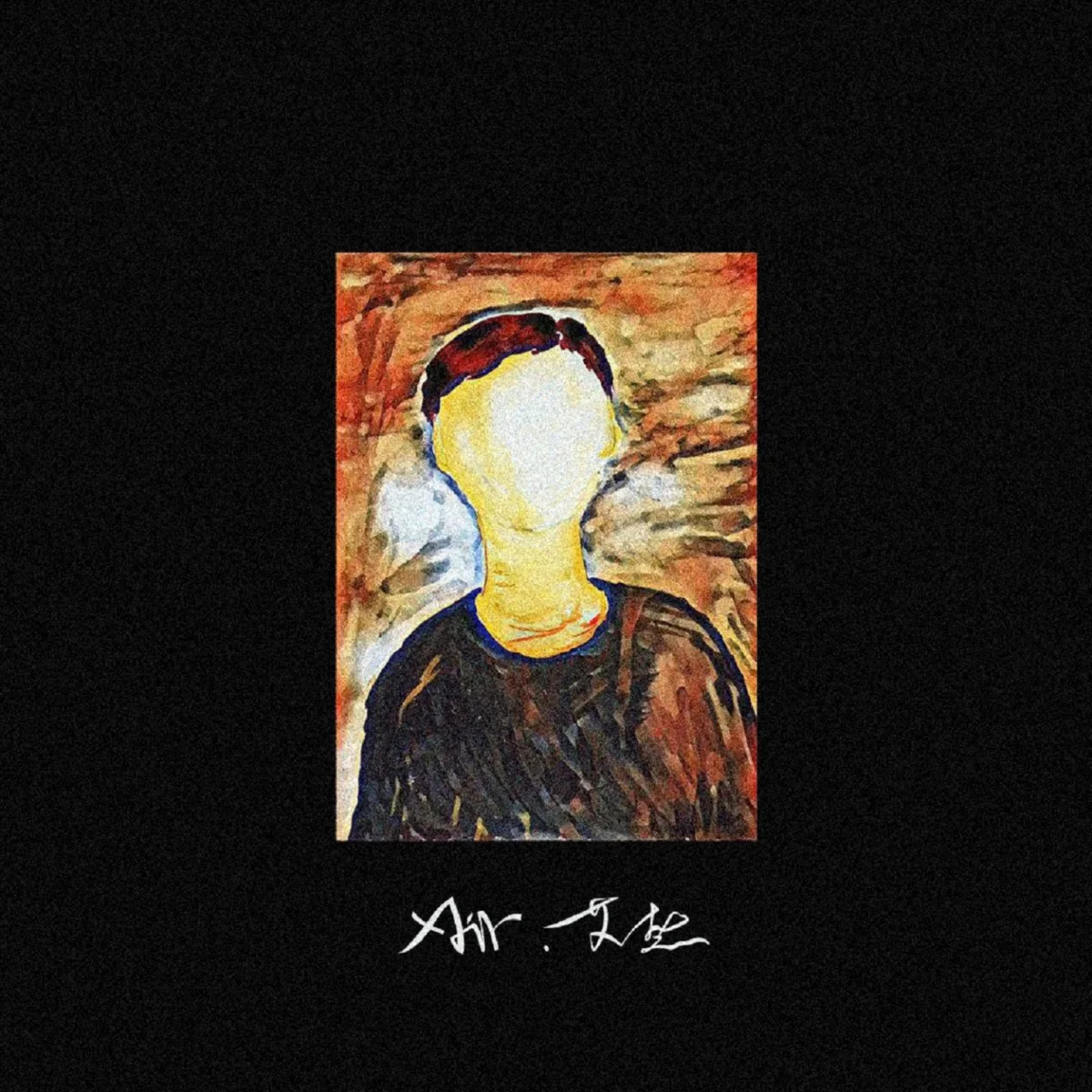
The 2018 AIR Ai Re album arrived in the same year as his national breakthrough, but its range matters more than the timing.
Five songs that unlock AIR
1. Star Falling: the breakthrough had a heart
Star Falling (星球坠落, often rendered as “Falling Planet”) is closely tied to AIR's 2018 breakthrough. It shows why the championship cannot be explained only through battle ability. The track is romantic, spacious and built around a melody that people can carry away after the verse ends.
The performance works because AIR does not treat tenderness as a loss of rap credibility. He keeps the phrasing controlled and lets the melodic lift reveal another kind of confidence. For a first-time listener, this is the quickest proof that “winner of a rap competition” is too small a description.
2. Thousand Miles: movement becomes vocal scale
Thousand Miles (千里万里) gives AIR room to sound expansive without becoming vague. The song's sense of travel is carried by the length of the phrases and the gradual rise of the hook. He sounds as if he is measuring distance with breath.

Watch AIR perform Thousand Miles on iQIYI's official channel. The live clip makes his breath control and calm command easier to hear than a résumé ever could.
The stage is also a useful correction to a common assumption. AIR does not need constant motion or shouting to hold attention. He can stand inside the arrangement, control the pace and make restraint feel large.
3. Kashgar Voice: a hometown, not a costume
Kashgar Voice (喀什之声) matters because it names the city directly. Kashgar sits far west in Xinjiang and carries Uyghur language, history, trade routes and everyday life that most overseas listeners cannot reduce to one familiar Chinese-city image.
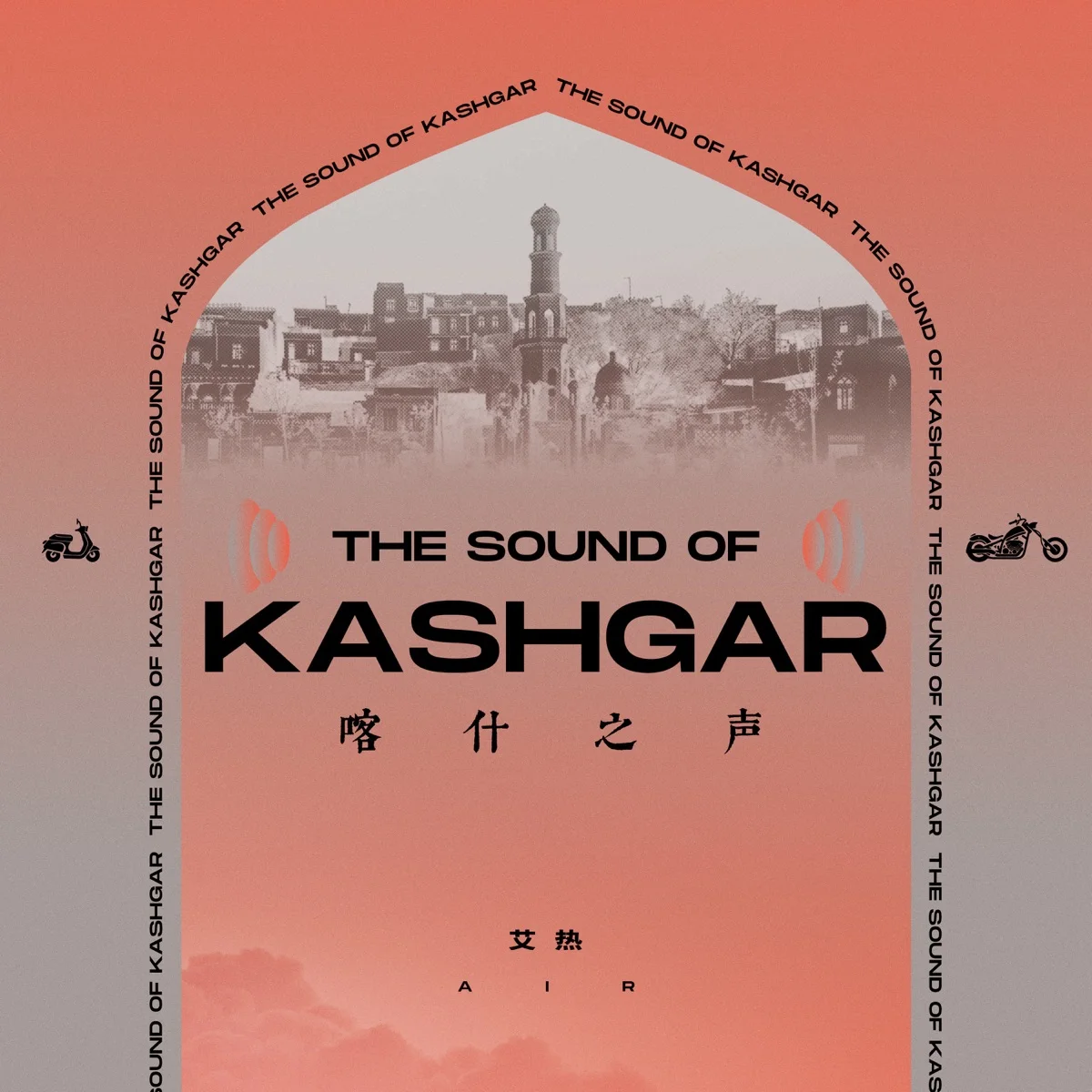
The Kashgar Voice single puts the city in the title rather than using it as anonymous scenery.
The right way to hear the track is not as “ethnic flavor” added to standard rap. AIR is speaking from a hometown with its own social world. Regional references, musical color and identity belong to the person making the record. Our Kashgar travel guide supplies the urban context; the song supplies a resident artist's scale of feeling.
4. Don't Fear Growing Old: AIR and Wang Yitai leave space
AIR and Wang Yitai work well together because neither needs to overcrowd an emotional beat. Don't Fear Growing Old (别怕变老) lets companionship and time sit in the center. The performances are conversational, then the melody widens the idea without forcing a dramatic climax.

The official iQIYI stage of Don't Fear Growing Old shows two rappers trusting tone, timing and a shared chorus more than spectacle.
This is an important AIR track because it reveals maturity without pretending maturity means becoming quiet. The rhythm still moves. The emotional center simply has more room.
5. You Know My Name: technique without a TV trophy
You Know My Name (你知道我的名字) returns attention to AIR's command. The title sounds like a victory lap, but the more interesting detail is how he manages density. He can tighten the cadence, switch emphasis and keep the line readable rather than using speed as proof by itself.
Put it after the melodic songs and the full picture appears. AIR is not a singer who can rap a little, or a battle rapper with one successful ballad. The identity depends on both abilities remaining credible.
What Kashgar changes in the music
International profiles often make one of two mistakes with artists from Xinjiang. They either erase the region and discuss only television fame, or they make ethnic identity the entire explanation. AIR deserves more precision.
Kashgar matters because it shapes memory, language, distance and the sense of coming from a place far from China's coastal entertainment centers. Uyghur identity matters because it is AIR's own cultural position, not a production accessory. At the same time, his songwriting also belongs to contemporary Chinese pop, competitive rap, televised performance and collaboration with artists from other scenes.
That combination is the point. AIR can make Kashgar audible without claiming to summarize every Uyghur experience. He represents one artist's route outward and back.
Winning in 2018 did not explain the winner
RADII's contemporary report records AIR defeating fellow Xinjiang finalist Nawukere in the 2018 final. The result pushed a previously less nationally known artist into mainstream attention.
The show rewarded qualities that remain obvious: composure, technical control, adaptability and the ability to complete a stage rather than merely deliver a verse. Yet the trophy can distort how new listeners approach him. They arrive expecting aggression and miss the singer, writer and arranger of emotional space.
The better way to understand the championship is as evidence of range under pressure. AIR could survive the competition format without allowing the format to become his whole identity.
The albums show a patient career
The self-titled AIR Ai Re arrived in December 2018, followed by AIR PLAN in 2019. Those releases established that the television run would lead to a catalog, not only appearances.
Ai Si Ji (艾·思集) arrived in December 2025. Its title plays on AIR's Chinese stage name and the idea of a collected set of thoughts. The project feels suited to an artist whose strongest work has always balanced public scale with inward reflection.

The Ai Si Ji album is AIR's latest solo full-length on Apple Music as of July 2026.
In July 2026, AIR and Wang Yitai released Tai Re Ai, extending a partnership that already had an audience through songs and televised stages. The collaboration makes sense: both artists can write rap for people who care about verses without closing the door on listeners who enter through melody.
Test whether melody changes the meaning
AIR should not be divided into the rapper and the singer. Play a song where the delivery moves between both and mark the transition. Does melody release pressure, reveal uncertainty or simply make the hook easier to remember? The answer tells you whether the sung section belongs to the emotional argument or sits on top of it.
Next, listen to breath. Technical clarity can make difficult passages appear effortless, but the live performance reveals where air is taken, which syllables receive force and whether a melodic line remains controlled after a dense verse. Competition skill matters here as training, not as a permanent genre.
Place and identity require equal care. Kashgar context can deepen the reading, but a birthplace must not become an exotic explanation for every instrument, image or vocal decision. Ask which references the song itself makes, which language choices are audible and which associations come only from an outsider's expectation.
My judgment is that AIR is strongest when technique protects tenderness instead of competing with it. Start with the five songs above and listen for the moment control becomes openness. That transition is the signature.
Compare a dense verse with a song built around a held melody. Count how many technical choices remain: breath placement, consonant clarity, timing before the beat and the decision to leave a phrase unresolved. Melody is not the moment technique disappears. It is the moment technique becomes less visible.
Watch how the audience responds as well. Competition applause rewards impact; a quieter chorus asks whether people will carry the emotion back. AIR's range matters when both rooms feel earned rather than stitched together for market coverage.
That is why the gentler track should never be treated as an intermission between technical performances. It is often the harder test of control.
Current listener discussion confirms that audiences hear more than softness: they describe warmth, melody, technical attack, album ideas, collaboration and a six-minute stage in the same search space. My conclusion is that AIR should never be reduced to “a rapper who can sing.” A short hook proves access. A long performance proves whether melody can carry transitions, memory and unresolved feeling without the verse architecture collapsing around it.
Control is the feeling, not its enemy
AIR is at his best when control and feeling arrive together. His clean delivery means a first listen rarely feels chaotic, while the melodic instinct gives the songs replay value beyond technical admiration. He also carries Kashgar into Chinese rap without turning every record into a regional statement.
The tradeoff is that polish can sometimes smooth away the danger. Listeners who want the most abrasive or unpredictable edge in rap may find parts of his mainstream catalog too settled. Some large-stage arrangements underline emotions that his voice could have carried alone.
But that criticism also clarifies the appeal. AIR is not trying to make instability his brand. His art is the disciplined conversion of pressure into a song people can actually live with.
A four-track route from impact to tenderness
Use four tracks in this order:
- Star Falling for the breakthrough and melodic core.
- Thousand Miles for vocal scale and stage control.
- Kashgar Voice for the hometown perspective.
- Don't Fear Growing Old for mature collaboration.
Then move into AIR Ai Re, AIR PLAN and Ai Si Ji. That route prevents the 2018 trophy from becoming the only story.
Continue with VaVa for another artist whose television breakthrough did not define the whole catalog, GAI for a very different balance of regional voice and melody, or the Chinese musicians directory for the wider map.
Why AIR matters
AIR proves that technical credibility and emotional accessibility do not need to cancel one another. He can sound exact without sounding cold, melodic without giving up rap structure, and rooted in Kashgar without turning identity into a marketing label.
The television win is the headline. The deeper achievement is a voice that can hold competition, distance, romance and hometown memory without becoming four different artists.
Do not tell me only that AIR is “versatile.” Put a timestamp on the exact bar where a controlled verse opens into melody and explain what changes: breath, distance, memory or trust. Add that listening note as a Moment, then return after hearing the same song live. If the transition still carries feeling without studio polish, you have found the part of AIR worth keeping.