
ICE Yang Changqing has spent most of his recording career arguing with one successful first impression: the technically sharp young rapper who broke through on national television in 2018. That version was real. It was never large enough to hold the catalog that followed.
ICE's projects move restlessly among battle-ready delivery, romantic melody, crew chemistry, interior writing and status rap. The movement is not always smooth, but it reveals an artist determined to be remembered for accumulation rather than one televised season.
ICE Yang Changqing in 60 seconds
| What you want to know | The short answer |
|---|---|
| Real name | Yang Changqing, 杨长青 |
| Home city | Chengdu, Sichuan |
| National breakthrough | A prominent run on The Rap of China in 2018 |
| Important correction | ICE did not win that season; AIR was the winner |
| What hits first | Precise cadence, clean attack, adaptable melody and competitive composure |
| Start with | Kung Fu, Success City, Message and Carefree |
| Key projects | ICEKINGDOM, the Romantic Trip series, Life and Evergreen |
| Latest release | Evergreen Deluxe, released July 30, 2026 |
The correction about the show matters because search summaries frequently compress a memorable finalist into a winner. AIR and ICE are different artists with different careers. Accuracy is the minimum; the more useful question is what ICE did after the cameras moved on.
Television made technique visible and identity narrow
A competition performance rewards immediate readability. The audience must understand the skill, attitude and story within minutes. ICE was suited to that format: clear rhythmic attack, physical composure and enough melodic flexibility to move beyond one battle mode.
The format also creates a trap. Once millions of viewers know an artist as “the technical contestant,” later music is judged as proof of the same identity or departure from it. Albums become footnotes to a season rather than the main record of development.
ICE's catalog makes more sense when the show is treated as a door, not an origin myth. Technical discipline existed before national recognition, while the years after 2018 supplied the material that a competition could not predict.
Five songs that explain ICE
1. Kung Fu: technique becomes a public shorthand
Kung Fu (功夫) is closely associated with the early national image. The title is efficient because international and Chinese audiences immediately understand it as discipline, speed and practiced skill.
The danger of the metaphor is familiar. Chinese rappers are often packaged overseas through martial-arts vocabulary whether or not it illuminates the music. ICE uses the idea more effectively when “kung fu” means repetition and control rather than exotic scenery.
Hear the track for clean articulation and competitive structure, then resist using it to explain every later record.
2. ICEKING: turning a stage name into a territory
ICEKING appears near the beginning of ICEKINGDOM. The sequence is deliberate: the person becomes ruler, and the album becomes territory.
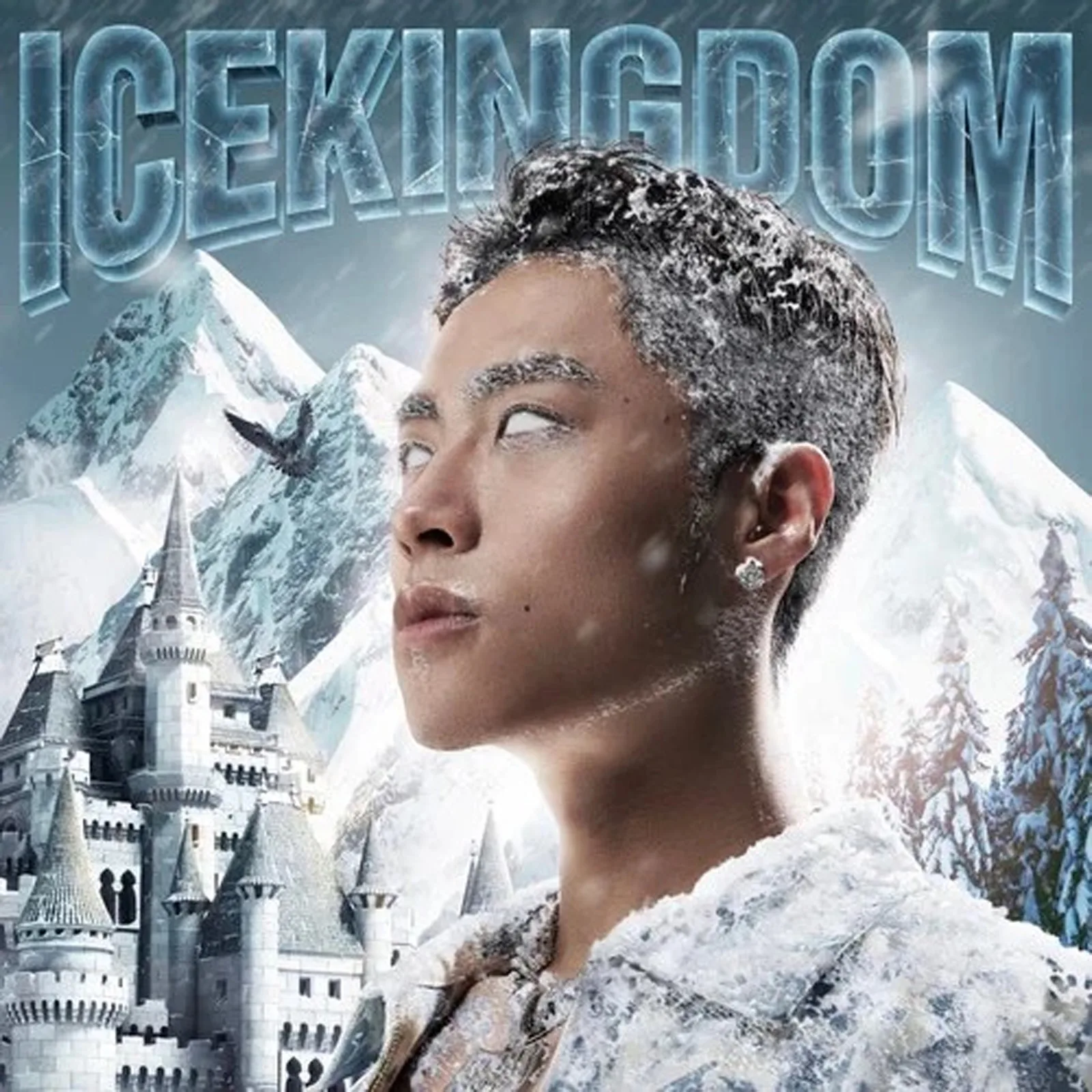
The 2020 ICEKINGDOM album is the first essential post-show statement, building an extended world around the ICE name rather than one competition performance.
The royal naming is conventional rap language, but the project uses two emotional sides. Harder “black heart” material and more romantic “red heart” songs reveal an early effort to prevent the kingdom from becoming one-note.
3. Carefree: looseness has to be performed precisely
Carefree (潇洒) belongs to the 2024 album Life. 潇洒 is difficult to translate fully. It can mean free, stylish, unburdened and able to move through a situation without visible strain.
That description fits ICE's public technique. The performance looks easy because preparation has been hidden. In Chinese social language, 潇洒 is not only internal freedom; it is an admired way of carrying oneself before others.
The track therefore connects skill and image without repeating the old competition frame.
4. Success City: Chengdu ambition with a verbal twist
Success City (成功之都) plays on Chengdu's name. 成都 is Chengdu; 成功之都 can be read as “the capital of success.” The title turns the city into an ambition statement through sound and character association.

The official Success City video belongs in the guide because the wordplay links local identity to career ambition without pretending Chengdu has only one rap sound.
For an overseas listener, this is a useful example of meaning that disappears in romanization. “Chengdu” and “success city” are not the same phrase, but the written and spoken language allows one to shadow the other.
5. Message: the catalog finally speaks after the performance
Message (留言) appears on Evergreen. A message is communication left when direct contact does not happen. That indirectness suits a later ICE who has accumulated more roles and more distance from the contestant image.

The official Dream Music Group video for Message is the clearest entrance into the reflective side of the 2026 project.
The song's maturity does not come from abandoning rap technique for singing. It comes from using technique to control what is left unsaid.
ICEKINGDOM is a double-sided identity document
Released in 2020, ICEKINGDOM separates harder material from a more romantic side. The album contains ICEKING, Too Much, Wuya, Lowboy, then songs such as Fall in Love, Ripples and I Hate This Game.
The design is understandable after television. ICE needed to preserve the force that made him legible while showing that the artist was not limited to competition energy.
The division is also slightly too neat. Hard rapper and romantic singer are presented as separate rooms. Later work becomes more convincing when those impulses interrupt each other inside one song rather than being assigned different halves of a kingdom.
Romantic Trip was not a side project
ICE released Romantic Trip in 2020, followed by Romantic Trip 2 and Romantic Trip 3 in 2021. Three projects make the point impossible to dismiss as one crossover experiment.
The series matters because melodic rap can be treated unfairly in two directions. Rap purists may hear commercial compromise; pop audiences may hear a rapper borrowing singing without vocal depth. ICE uses repetition across the series to make romance a sustained part of his catalog identity.
Not every track escapes familiar mood-rap language, but the commitment changes how the hard records should be heard. The controlled voice is capable of desire and regret; those emotions were not added after the technical identity failed.
Life is the compact mature entry point
The 2024 album Life contains nine tracks, including Master, Carefree, Make It Real, Seven-Second Headache, Other People's Kid and Time Tango. Its scale is useful after the larger and more fragmented earlier catalog.
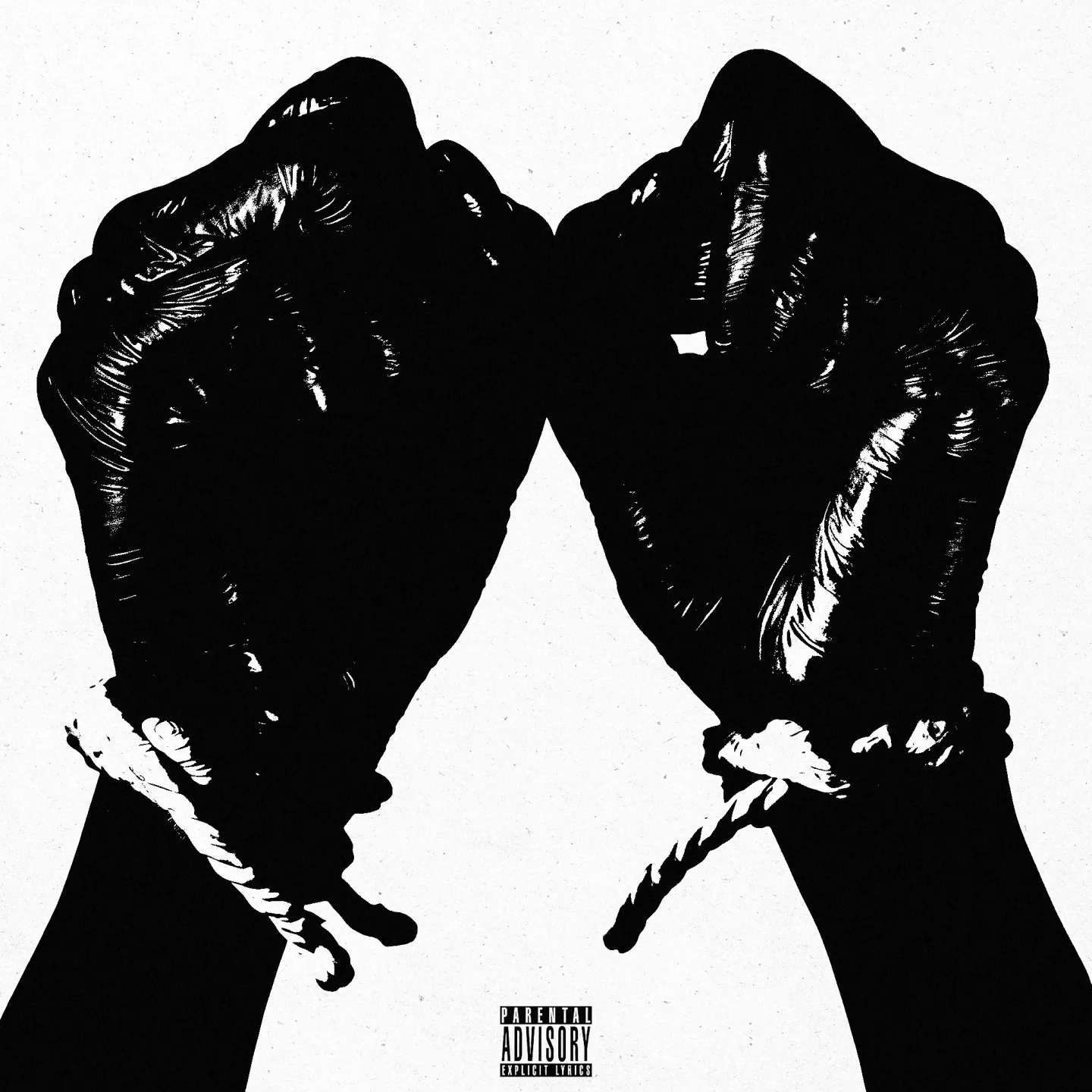
The concise Life album is the best project for hearing ICE's technical, stylish and reflective voices share one frame.
Other People's Kid (别人家的娃) carries specifically Chinese social pressure. “Other people's child” is the imaginary perfect child parents use for comparison: better grades, better behavior, better future. The phrase can be comic, painful or both.
That subject gives ICE's achievement language a deeper context. Success is not only rapper competition. It sits inside family comparison and the demand to become visible proof that effort was worthwhile.
Evergreen arrives as a statement about duration
ICE released Evergreen (长青) in June 2026 and an expanded deluxe edition on July 30, two days before this page's editorial date. 长青 literally suggests remaining green: continued vitality rather than one seasonal peak.
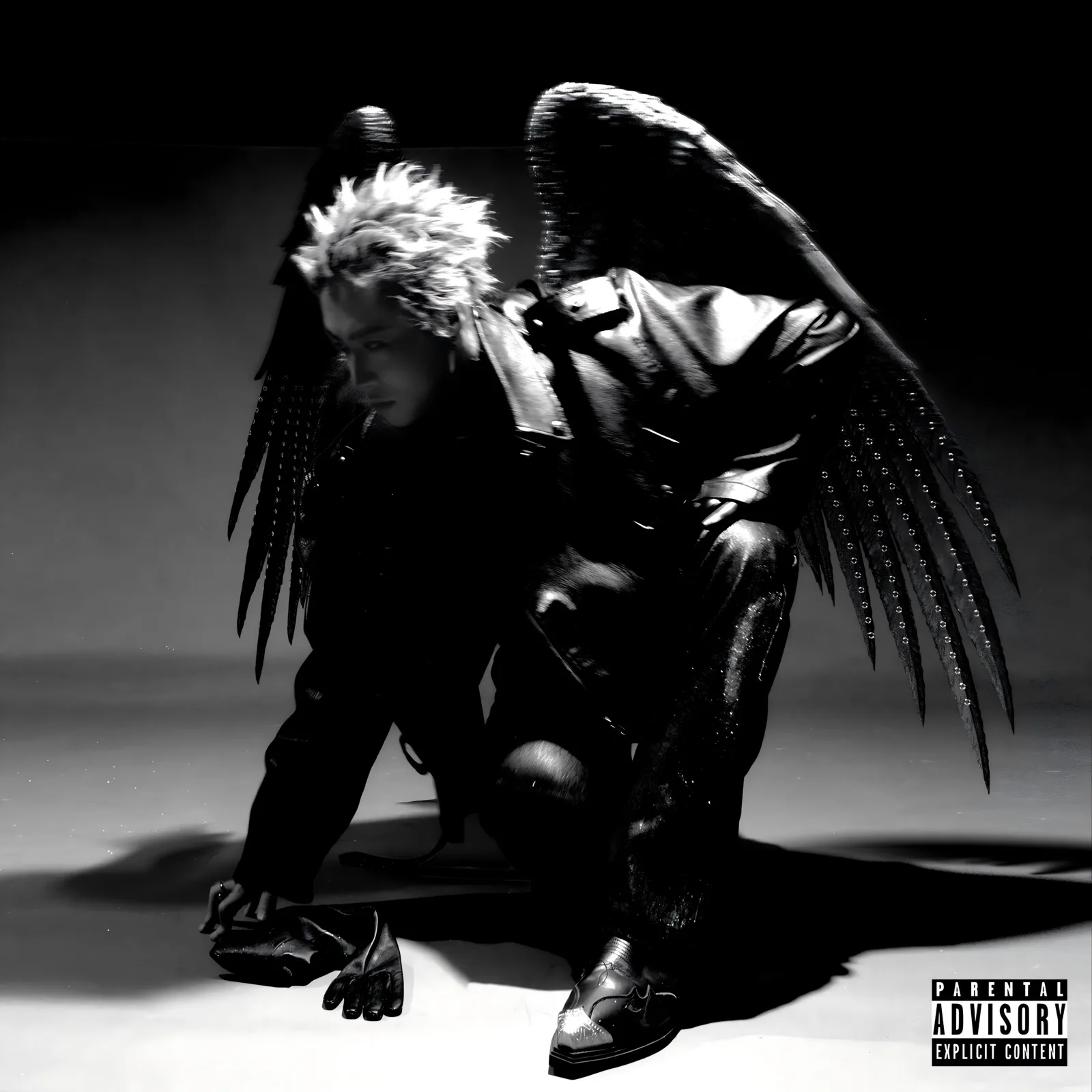
The 2026 Evergreen Deluxe album turns career duration into the explicit subject after eight years of public identity beyond the 2018 show.
The track list brings together ambition, luxury, collaboration and reflection: Wolf of Wall Street, Money Counter with Vinida Weng, Downtown Boss with GALI, Message, Sensitive Skin, 29 and Take Me Home.
The variety is the argument. ICE no longer needs to prove he contains more than the competition rapper; he can organize the different versions around endurance.
The deluxe timing also requires caution. A newly released project has not yet developed the fan history that older albums possess. This guide can document its place in the catalog and analyze its framing, but it should not manufacture instant consensus about legacy.
Chengdu is a network, not a sound preset
ICE comes from Chengdu, a city whose rap reputation now reaches far beyond China. But “Chengdu sound” can become an empty label when it covers Xie Di, Higher Brothers, Wang Yitai, Ty., ICE and many others without explaining their differences.
Xie Di makes dialect itself a form of local authority. Masiwei uses bright hooks and global mobility. Wang Yitai builds through arrangement and emotional design. ICE brings competition-honed clarity and a catalog unusually determined to test multiple formats.
The city's importance is infrastructural: collaborators, producers, venues, audience habits and the expectation that rap can become a serious long-term path. Our Chengdu cultural guide gives that network a wider urban context.
Separate the television entrance from the album room
Watch one competition performance, then close the video and play a later album track. Television rewards an immediate proof of technique: clean attack, fast recognition and a moment the episode can frame. An album asks whether the artist can control mood, sequence and uncertainty without a judge or crowd confirming the result.
Current listener discussion shows why that separation remains urgent. People praise the authoritative tone, a clean electronic charge and the ability to return to a major stage years after 2018, but votes, appearance and comparisons with Melo occupy just as much attention. My conclusion is that television return is a pressure test, not proof. The voice must remain legible under new production, and the album must still move after the ranking graphic and opponent disappear.
Listen for what remains from the first impression. Precision may still anchor the verse, but melody, romantic language or a slower structure can change its purpose. Growth is not the abandonment of technical rap; it is the ability to stop using technique as the entire identity.
My view is that ICE becomes interesting after the obvious success story. The catalog should be judged by whether each project opens another room, not by how faithfully it recreates the 2018 doorway through which many listeners arrived.
Use sequencing as the evidence. Does a project place technical impact, romance, doubt and reflection in an order that changes the performer, or does it feel like several market lanes parked beside one another? A varied album is not automatically a coherent one.
Then return to the television performance. What once looked like a complete identity should now look like one concentrated skill. That reversal is the fairest way to measure a career after breakthrough visibility.
A profile that stops at the breakthrough preserves the audition and deletes the artist. The albums must have the final word.
ICE makes composure sound like a wager
ICE earns respect through output. He did not allow one successful television season to become the permanent summary. The catalog is large enough that listeners can enter through technical rap, melody, Chengdu collaborations or reflective later writing.
The weakness is unevenness. Constant expansion can produce projects that document activity more clearly than artistic necessity. Some status records return to familiar king, money and success language without discovering a new angle.
The strongest answer appears when familiar technique carries culturally specific pressure or emotional consequence: Other People's Kid, Success City, Message and the duration argument of Evergreen.
Move from competition precision to album risk
Use this route:
- Kung Fu for the competition-era first impression.
- ICEKING for the first post-show territory.
- Carefree for mature composure.
- Success City for Chengdu wordplay and ambition.
- Message for the reflective 2026 voice.
Then hear Vava for another artist who had to turn televised visibility into a durable catalog, Wang Yitai for Chengdu rap with more arrangement-led vulnerability, or use the Chengdu travel guide to understand the city behind the network.
Why ICE matters
ICE represents a generation whose national breakthrough came through rap television but whose artistic value cannot be left inside the format. His catalog records the long work of widening a first impression: technician, romantic, city representative, crew collaborator and adult looking back at the cost of duration.
The story is not that he escaped television. It is that he kept making enough music for television to become only one chapter.
Choose one 2018 performance and one later album track, then post the paired timecodes as a Moment. Name the musical decision that survived and the identity that changed. Return after hearing Evergreen in sequence; if the album does not reorganize the first impression, longevity is only a slogan. If it does, bring the track that turned the doorway into a room. Continue through the Chinese musicians directory when you want to test the same post-television problem against another career.