To travel to Chengdu is to learn that leisure can be serious culture. The city is large, digital and ambitious, yet it still understands the social importance of a chair, a cup of tea and an afternoon that refuses to become productive.
This page handles the trip on the ground: where three days should go, when to stop moving and which famous detour is stealing time from the city itself. Place it inside the wider Chinese cities guide before comparing distances and regional routes. Read the Chengdu culture guide for Ancient Shu, Dujiangyan, poetry and opera. Use the Dujiangyan guide when the excursion itself becomes the subject, and western Sichuan when the route climbs into mountain country. When meals begin controlling the route, they have earned their own Chengdu food guide.
Travel to Chengdu by tempo, not attraction count
Chengdu is often described as relaxed. The word is true and insufficient. The city works hard, grows quickly and fills its nights with music, restaurants and screens. What feels different is its permission to pause in public.
In a park tea house, conversation drifts between families, students, card players and visitors. Nobody needs to perform heritage. Tea is simply helping the day remain open.
Who should visit Chengdu
Chengdu suits travelers interested in food, tea, contemporary youth culture, public parks and a softer urban pace. Panda conservation draws many first visits, but the city deserves to survive beyond the panda photograph.
I insist on a simple rule here: pandas can open a Chengdu trip, but they must not consume its identity. I would remove a famous check-in stop before sacrificing the unhurried tea-house hour, because the latter explains how the city actually lives while the former may deliver only another photograph.
It is also a strong base for selected Sichuan excursions, though mountain and heritage trips require realistic transport time.
| Chengdu at a glance | What it means for your trip |
|---|---|
| Best for | Food, tea houses, music, parks and relaxed public life |
| Ideal first stay | Three days; longer for Sichuan excursions |
| City pace | Social and unhurried, despite megacity scale |
| Best way to move | Metro with ride-hailing for cross-city evenings |
| Do not miss | A tea-house afternoon that is not squeezed between attractions |
Choose your route through this guide
| If you need... | Start with... |
|---|---|
| A first itinerary | District geography and the three-day sequence |
| Panda planning | The welfare-first visit and morning timing |
| Cultural context | Jinsha, Wuhou Shrine and Du Fu's Thatched Cottage |
| Food | Meal pacing, spice structure and the Chengdu food guide |
| Contemporary Chengdu | Eastern Suburb Memory, music and commercial districts |
Plan Chengdu by tempo, not only district
Central Chengdu is easier to navigate than Beijing or Chongqing, but its most meaningful experiences require incompatible tempos. A panda visit rewards an early start and controlled movement. A museum asks for concentration. A tea house becomes valuable only after the traveler stops checking the time. A food evening can run late.
Do not stack all four into one heroic day. Group the central historic and park areas together, keep the panda base as a separate morning and give eastern contemporary districts their own afternoon or evening. Dujiangyan, Mount Qingcheng and Leshan are regional journeys rather than city attractions.
Chunxi Road and Taikoo Li provide a central commercial reference point, but they should not define the hotel decision automatically. People's Park, Wuhou areas, museum zones and eastern cultural districts pull in different directions. Choose a base near a useful metro interchange and accept that no neighborhood delivers every version of Chengdu.
The city works through changes of tempo
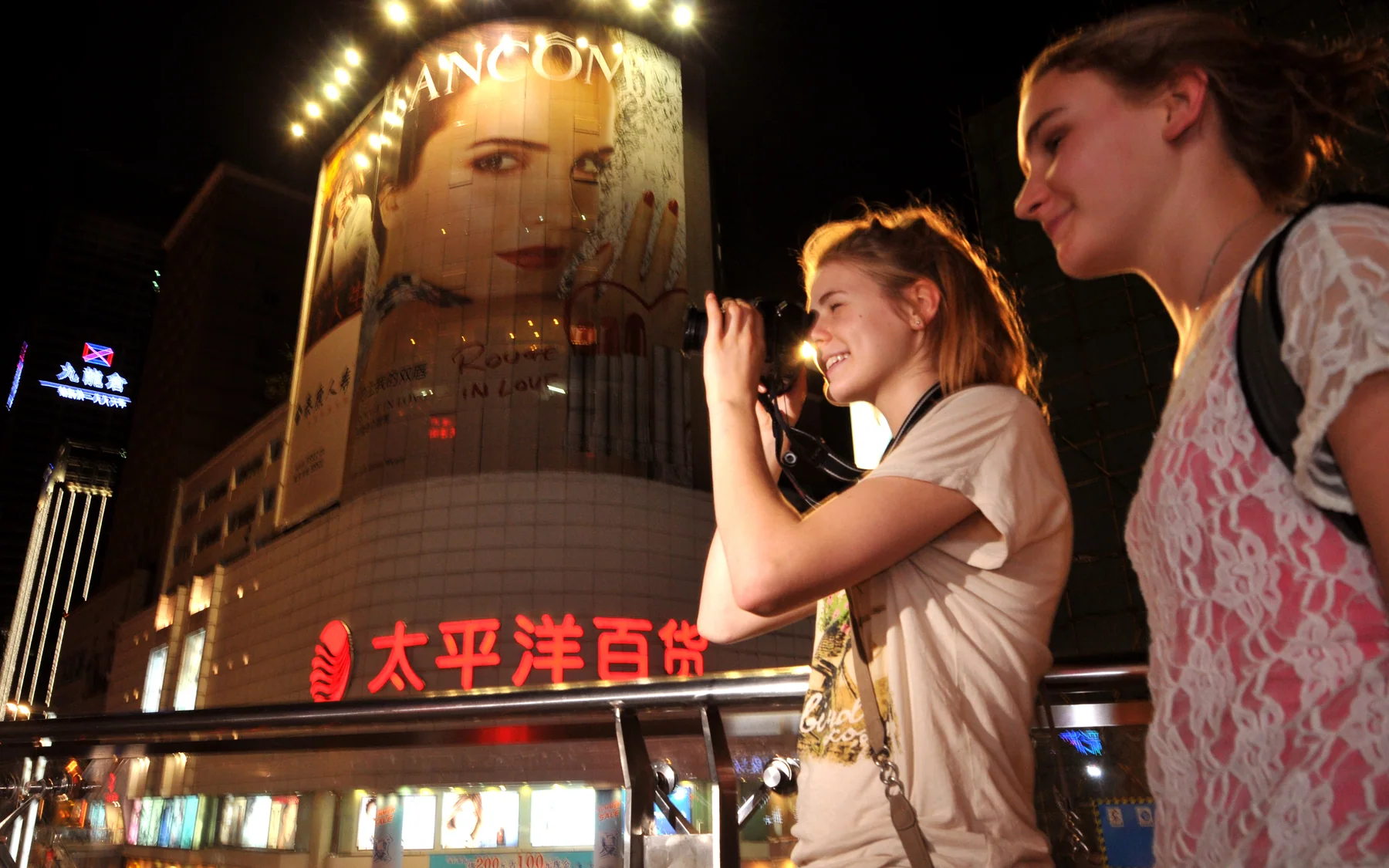
Build each day with one fast component and one slow component. Pair pandas with a park afternoon, a museum with a neighborhood meal or a commercial district with a long tea-house morning. Chengdu's famous leisure culture becomes visible through contrast with the city's scale and productivity.
What to experience in Chengdu
Begin in a park, not a queue
People's Park is the classic introduction because it combines tea, exercise, matchmaking notices and ordinary city life. Sit long enough for your itinerary to become slightly less important.
A tea house is not a staged ceremony. Choose a seat, understand how ordering and water refills work, then let the room continue around you. Card games, conversation, ear cleaning and family gatherings may share the same space. Ask before photographing anyone closely.
Tea quality matters less here than social function. A simple covered-bowl tea can occupy an hour because the chair, shade and repeated hot-water refill make continued conversation possible. Do not order the most expensive leaf expecting the room to become more authentic.
How to use a Chengdu tea house without turning it into a set
Enter, identify whether seating is self-selected or assigned and ask the price before settling in. A thermos or repeated water service may be part of the arrangement. Keep bags out of narrow paths and do not occupy extra chairs during busy periods. If cards, mahjong or ear cleaning are taking place, watch from a respectful distance unless invited.
The point is not to perform slowness for a camera. Put the phone away for part of the visit and notice how long other customers remain, how staff manage refills and how strangers share shade without requiring interaction. Tea-house culture is an operating model for public time: a modest purchase supports a seat, repeated service and social permission to stay.
Different tea houses produce different Chengdus. A famous park room offers density and observation; a neighborhood room may feel quieter and less visitor-facing; a contemporary tea space may emphasize leaf origin, design or younger tastes. Comparing two is more useful than declaring one “authentic.” Continuity survives because the form adapts to different customers.
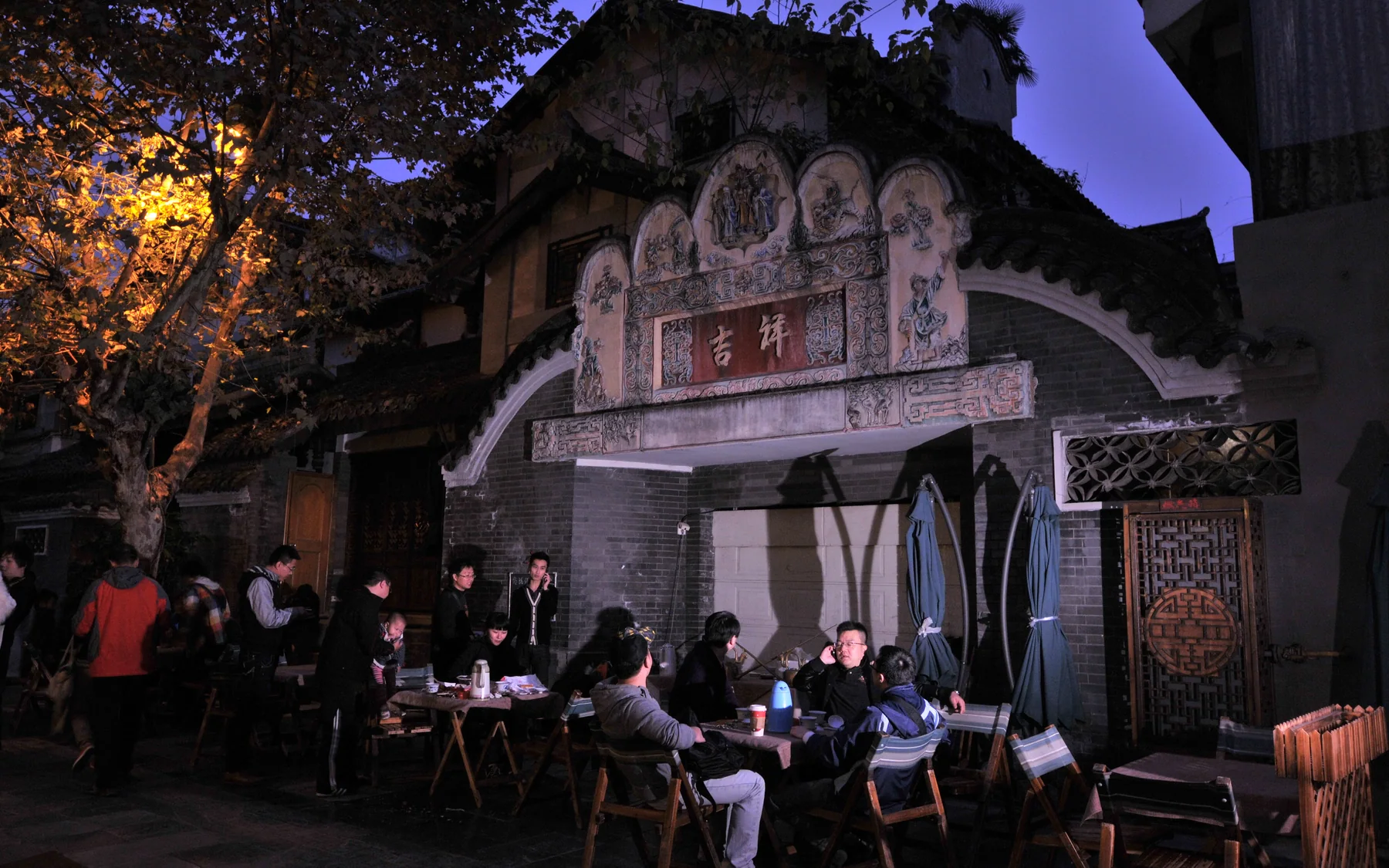
Use one museum to break the panda spell
Jinsha Site Museum introduces Ancient Shu archaeology and the material depth of the Chengdu Plain. Visit before or after a lighter park day, not as a rushed hour between food stops. Focus on excavation context, ritual objects and what archaeology can establish rather than using one famous gold object as the entire story.
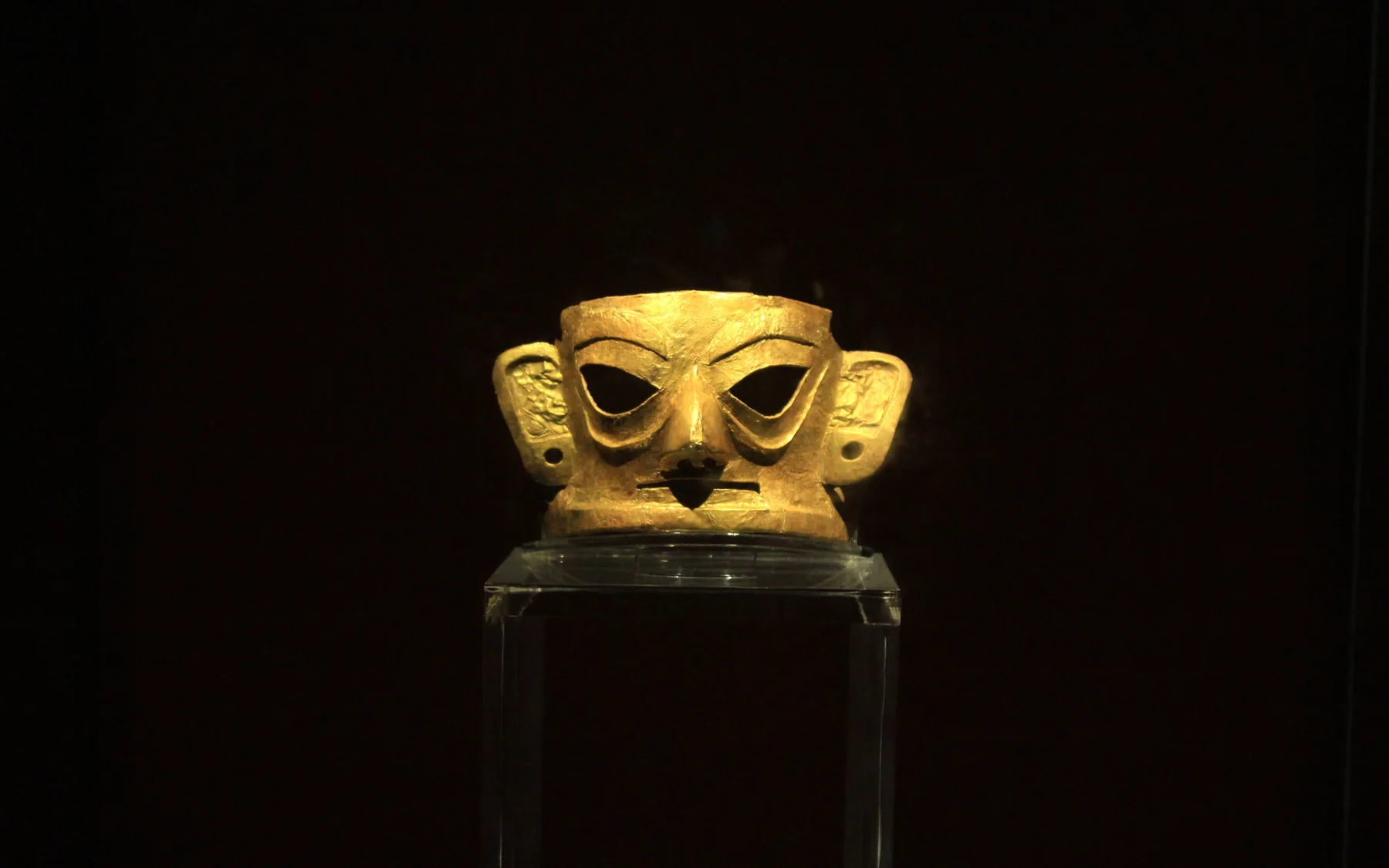
The museum also makes later urban success easier to understand. Chengdu did not begin as a lifestyle brand; it occupies a long-settled, agriculturally productive and strategically connected region.
Visit pandas with patience
Go early when practical, follow current ticket procedures and do not turn animal welfare into a race for the closest selfie. The educational value lies in conservation context as well as charm.
Cooler morning conditions often support more activity, but no schedule guarantees a particular behavior. Read current reservation, shuttle and entrance information directly. The site can involve significant walking and crowds, so decide whether the visit is the day's main event.
Do not tap glass, call to animals or block circulation for video. A sleeping panda is not a failed encounter. Use interpretation to understand habitat, breeding, diet and conservation, then leave enough energy for a different side of the city.
Several panda-related sites and experiences may appear in search results around Chengdu and the wider region. They differ in location, institutional role, transport time and visitor format. Confirm the exact site named on the ticket against the Chengdu Research Base of Giant Panda Breeding rather than assuming every “Chengdu panda base” is the same entrance. A farther facility can consume most of a day even when marketing presents it as a city attraction.
The strongest panda visit has a narrow objective: observe behavior without disturbance, understand one conservation question and leave before crowd fatigue turns the experience into irritation. More viewing time does not necessarily produce more animal activity. If pandas are the only reason for visiting Chengdu, the city becomes a transfer system; pair the morning with a park or neighborhood that shows the human culture around the conservation icon.
Wuhou Shrine and Du Fu's Thatched Cottage need different questions
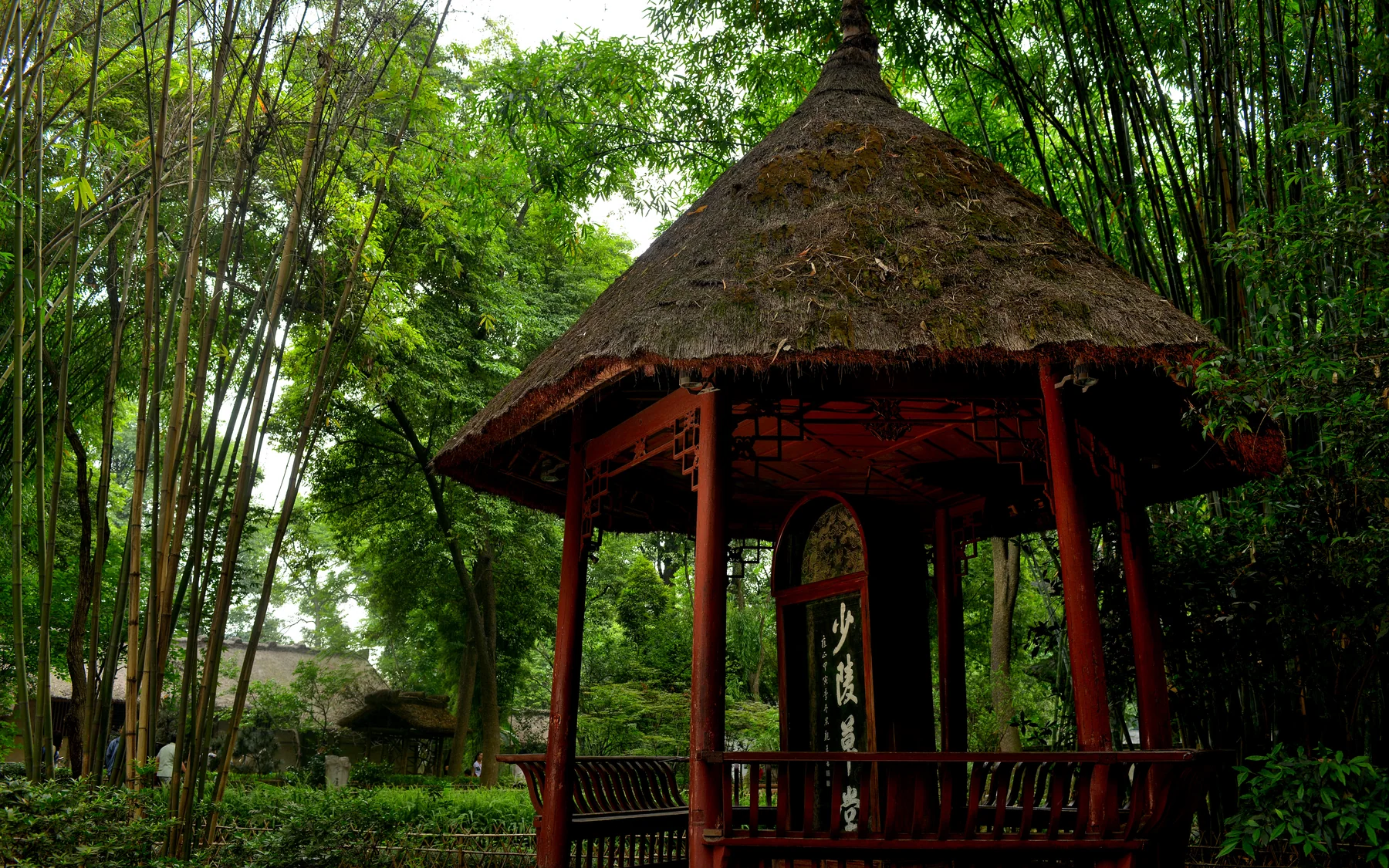
Wuhou Shrine works through political memory, Three Kingdoms culture and later commemoration. Du Fu's Thatched Cottage works through poetry, exile, landscape and the cultural afterlife of a writer. Both are green, visitor-friendly heritage environments, but visiting them as interchangeable "ancient parks" removes their meaning.
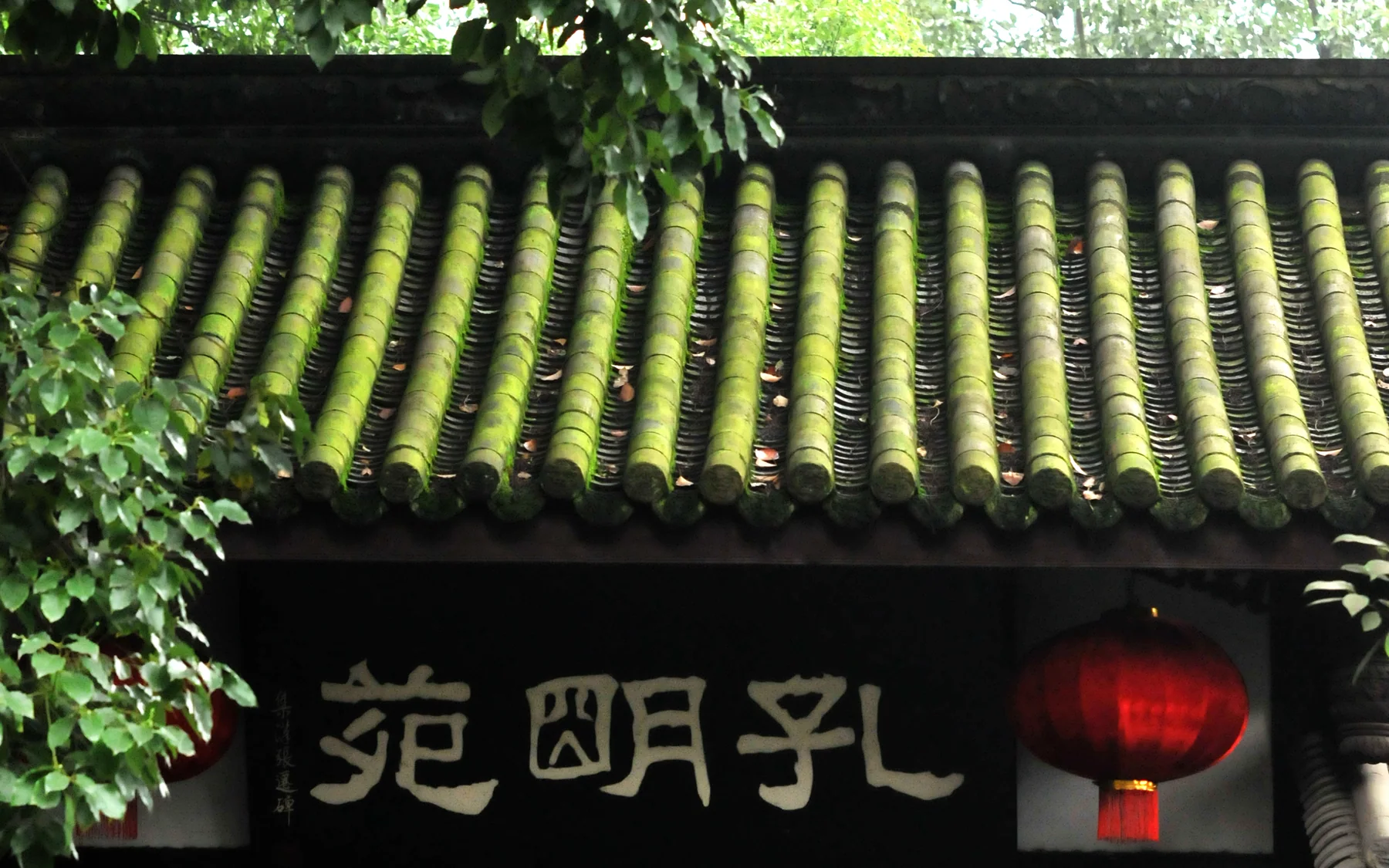
Choose Wuhou Shrine if Three Kingdoms history or popular memory matters. Choose Du Fu if literature, garden atmosphere and slower interpretation are stronger interests. With four days, visit both on separate routes and compare how Chengdu memorializes different kinds of cultural authority.
Find Chengdu after dark
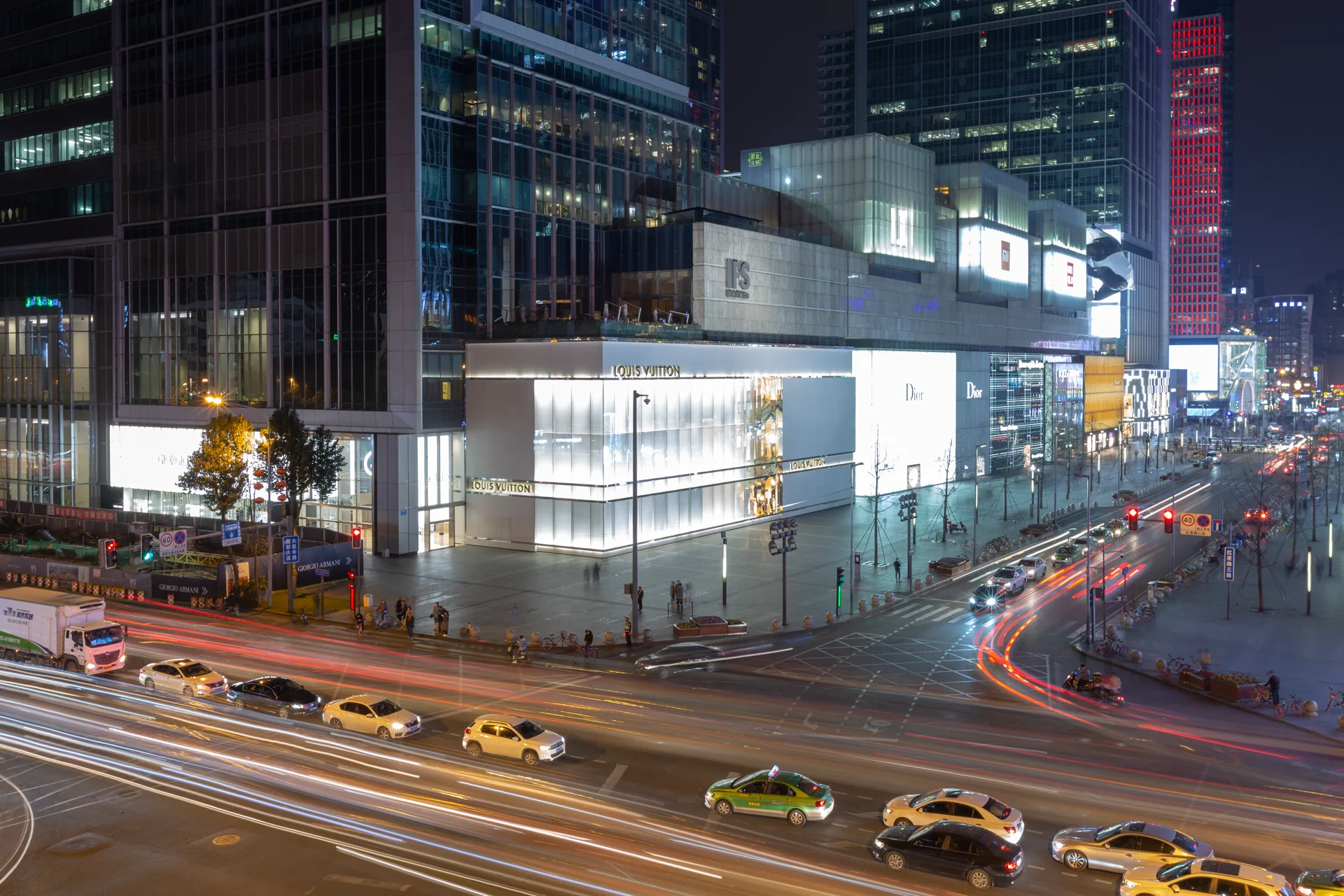
Taikoo Li and IFS show the polished commercial city; smaller streets, music spaces and food neighborhoods reveal different social energies. Jinli and Kuanzhai Alley are atmospheric but commercialized. Enjoy them without mistaking them for untouched daily life.
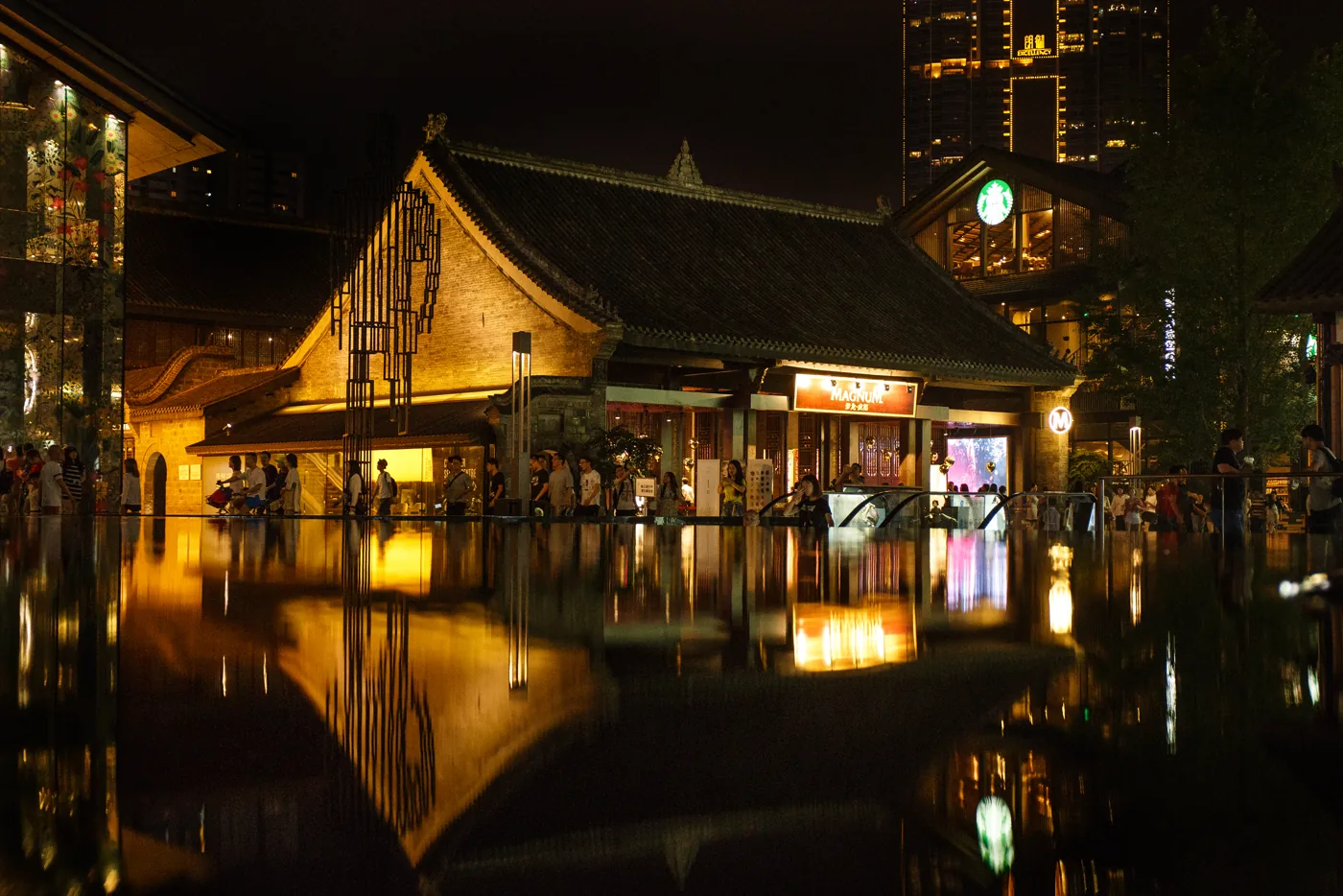
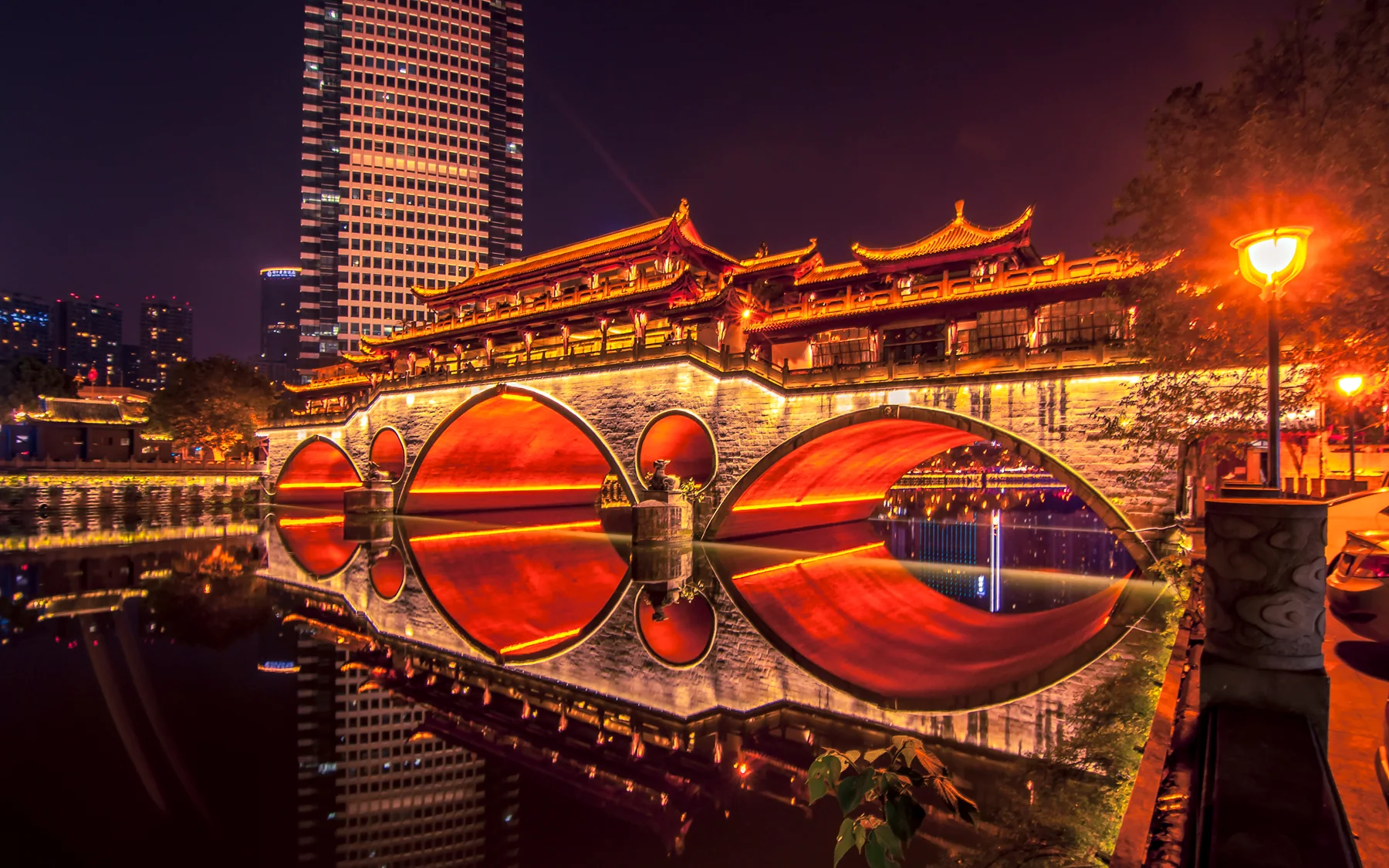
Jiuyan Bridge and riverside nightlife provide another image of the city, but bar districts are only one evening option. Tea, late food, live music, bookstores and neighborhood walks support different budgets and noise preferences.
Let food become geography
Hot pot, mapo tofu, dan dan noodles, wontons in chili oil and rabbit dishes belong to different settings and appetites. Sichuan flavor is not merely maximum heat: fragrance, fermented beans, pickled vegetables and the numbing lift of huajiao create structure.
One neighborhood noodle shop, one shared hot-pot meal and one meal built from cooked dishes teach more than ordering every famous snack in one old street. Observe whether a place specializes in breakfast, quick noodles, family dining or late-night social eating.
Young Chengdu: music, science fiction and room to experiment
Chengdu's relaxed reputation sometimes hides how productive its creative communities are. Music, animation, games, science fiction, fashion and independent retail grow in a city where young people can still imagine social life taking place outside an office tower. The Chengdu rap scene is the clearest listening route into that network; Xie Di shows how ordinary Chengdu speech can carry technical control without losing neighborhood character.
Eastern Suburb Memory is the clearest physical introduction. Former industrial buildings now hold performances, exhibitions and creative businesses. A 2025 international youth music festival proved the site can carry a large current event, but the travel lesson is simpler: check today's calendar. Reused industry is most interesting when the reuse is actually alive.
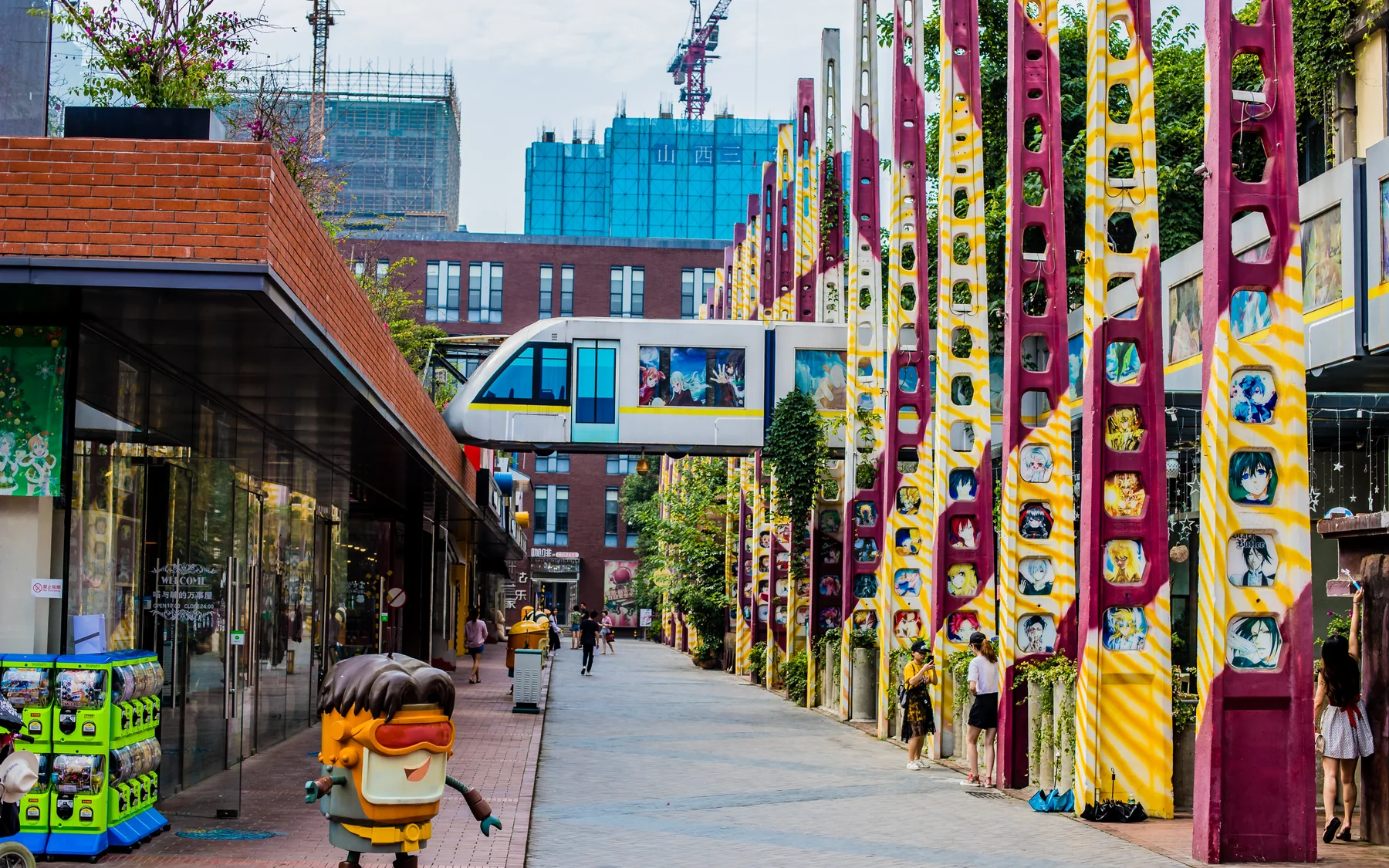
Science fiction also belongs to Chengdu's contemporary identity. You do not need to arrive during a convention to notice the connection: specialist bookstores, animation and game culture, technology companies and a public appetite for speculative worlds sit naturally beside tea-house patience.
A creative Chengdu evening
- Visit Eastern Suburb Memory late enough to see how the old factory fabric is being used.
- Check a current live-music, theater or exhibition listing instead of trusting an old "best venues" article.
- Eat after the event in a working neighborhood rather than returning immediately to a themed tourist street.
- Notice how Chengdu makes creativity feel social: people gather before and after the official program.
Eastern Suburb Memory should be judged by use rather than industrial appearance. Factory structures may remain while production history becomes a design surface. Look for exhibitions or performances that explain the site, then compare cultural visitors with ordinary neighborhood movement around the compound.
Protect the unproductive hour
The hour that looks least efficient on an itinerary is often the hour that makes Chengdu worth the flight. Sit after the first refill. Let the neighboring table finish a round of mahjong. Notice whether the room becomes quieter or louder as lunch approaches. This is not wellness theatre and it is not permission to waste a day: it is fieldwork at the city's natural scale.
My rule is to protect one such hour before adding another attraction. If the schedule cannot tolerate it, remove a check-in spot. Chengdu punishes the traveler who treats every pause as empty space, because the pause is where public life becomes visible.
What most guides get wrong
They describe Chengdu as slow, then create an itinerary that moves from pandas to museum to hot pot to nightlife without pause. The city's distinctive value appears when a traveler allows social time to remain open.
Three days can cover the essentials, but four is better if food and culture matter. The extra day should not automatically become Leshan or Dujiangyan. It can be used for a second tea house, a museum, an ordinary neighborhood and a meal recommended that morning.
Chengdu suits travelers who enjoy public life, shared food and contemporary culture without needing every experience to look monumental. Anyone seeking dramatic architecture may initially find it visually understated. The reward comes at table height, where repetition and company create meaning.
This is why the fourth city day is not empty time waiting to become an excursion. On day one, a tea house can feel like atmosphere. After learning the city, a second visit reveals seating habits, neighborhood differences and the social purpose of refills. Repetition is the method that turns Chengdu's relaxed reputation from a slogan into observable urban culture.
Eat Chengdu across several meal formats
Hot pot is a group event. Confirm broth type, spice level, dipping sauce and ingredients before ordering. A divided pot is not a cultural failure. Heat tolerance varies, and excessive discomfort prevents attention to aroma, texture and conversation.
Small dishes and noodles require another rhythm. Long chaoshou, dan dan noodles, sweet-water noodles, douhua and skewers can be distributed across breakfasts, lunches and snacks. Do not order all of them in one sitting because a list said they are essential. A snack street can be useful when a group wants different things, but its wall of signs is a choice interface—not proof that every counter is good.
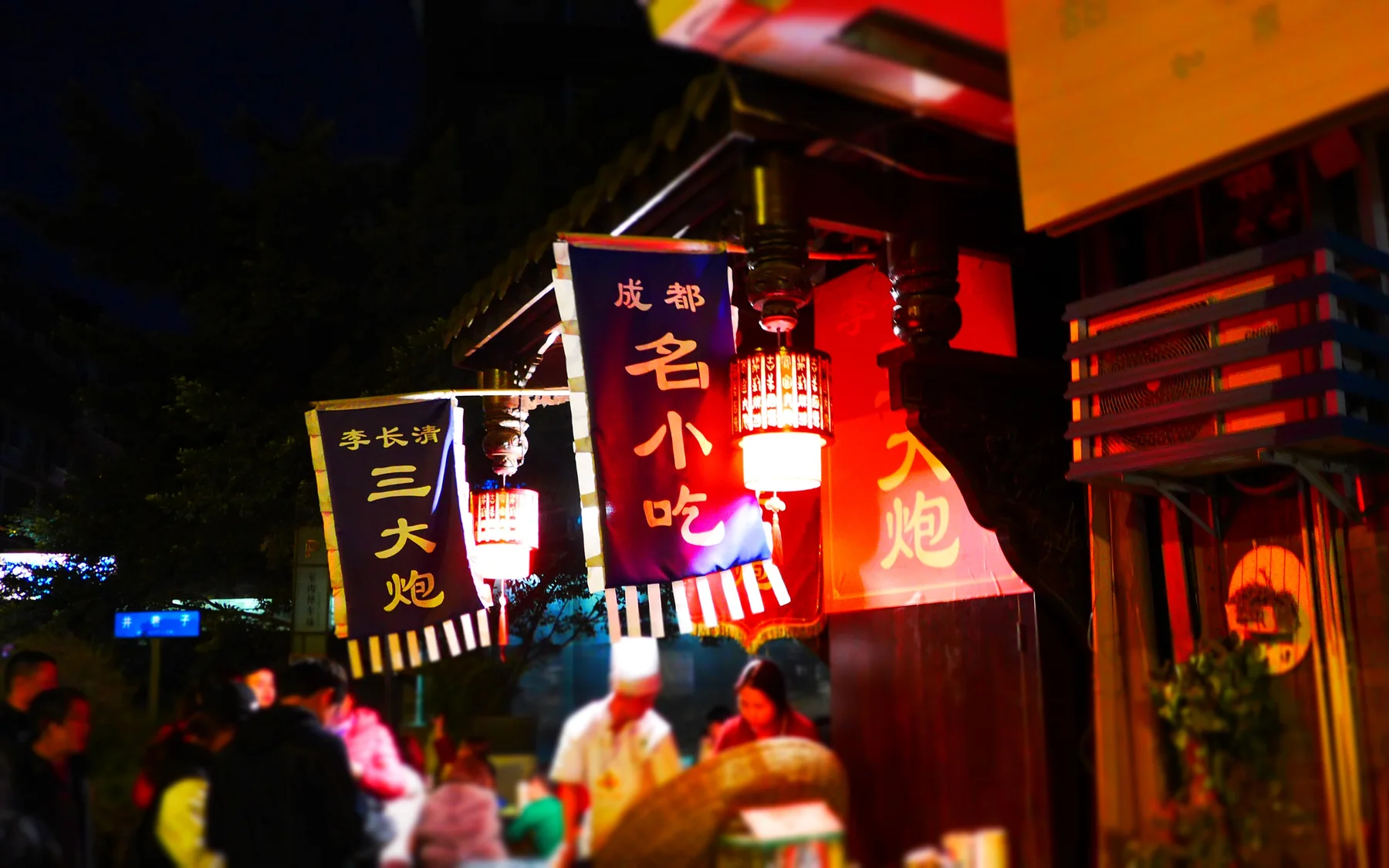
Sichuan cuisine includes fish-fragrant, strange-flavor, garlic, fermented-bean, pickled and clear-broth structures alongside chili and numbing pepper. Ask about both la and ma when describing sensitivity. Some dishes can be adjusted; others depend on the original seasoning.
The Chengdu food guide should own restaurant-style search intent. On this travel page, the core decision is pacing: leave appetite and recovery time between serious meals.
A three-day Chengdu itinerary
| Day | Morning | Afternoon | Evening |
|---|---|---|---|
| 1 | Panda base | Rest and neighborhood walk | Sichuan dinner or hot pot |
| 2 | Museum or historic district | People's Park tea house | Music, market streets or casual noodles |
| 3 | Temple and central neighborhoods | Contemporary Chengdu and shopping streets | A second regional meal, ordered more confidently |
If food is a priority, leave one meal unplanned and ask a local person what they have eaten recently. Recommendations are better when they emerge from appetite rather than an immortal online list.
A stronger four-day sequence
- Visit pandas early, rest and use the evening for a moderate Sichuan meal.
- Choose Jinsha or another museum, then give People's Park a genuinely open afternoon.
- Visit Wuhou Shrine or Du Fu's Thatched Cottage, continue through a nearby neighborhood and eat hot pot with enough time.
- Explore Eastern Suburb Memory and contemporary Chengdu, or use the day for a second heritage route rather than a forced excursion.
Where to stay without turning Chengdu into transfers
Stay near Tianfu Square or a strong central metro interchange for balanced access. Chunxi Road and Taikoo Li suit shopping, dining and late activity but can feel heavily commercial. Wuhou and western central districts may offer calmer neighborhood access, while eastern areas help with contemporary-culture routes.
Map the exact hotel entrance. Large compounds and road layouts can make a central address inconvenient with luggage. Chengdu East is a major rail hub but is not the only station; confirm every ticket.
The metro covers many central routes. Ride-hailing is useful, but traffic can slow short-looking journeys. Summers are humid and winters can feel damp; build indoor pauses into the day.
Chengdu has multiple major transport hubs. Confirm the station printed on a rail ticket. For mobile payment, train booking and entry planning, return to Travel to China.
Spring can be mild and humid. Summer is hot and wet, while winter's damp cold can feel more penetrating than the temperature suggests. Autumn often supports long urban days. The Sichuan Basin can produce overcast conditions, so do not plan the trip around guaranteed mountain visibility.
Excursions must earn the lost city day
Dujiangyan adds infrastructure and long regional history; Mount Qingcheng adds mountain and religious landscape; Leshan adds monumental Buddhist sculpture. Each requires transport and enough time to avoid becoming a vehicle-based checklist. Choose one according to interest rather than combining names.
| Excursion | Choose it for | Do not choose it merely for |
|---|---|---|
| Dujiangyan | Water engineering, regional history and a city beyond central Chengdu | A quick scenic photograph between trains |
| Mount Qingcheng | Mountain paths, religious landscape and a slower outdoor day | Assuming every route is easy or weatherproof |
| Leshan | Buddhist art, monumental scale and river geography | Combining it automatically with every Chengdu itinerary |
Check current ticketing, transport terminals, route closures and walking demands for the exact excursion. “Near Chengdu” can still mean an early departure, a long station transfer and limited time on site. Private tours may simplify movement but do not create extra hours; ask how much of the advertised day is spent in vehicles.
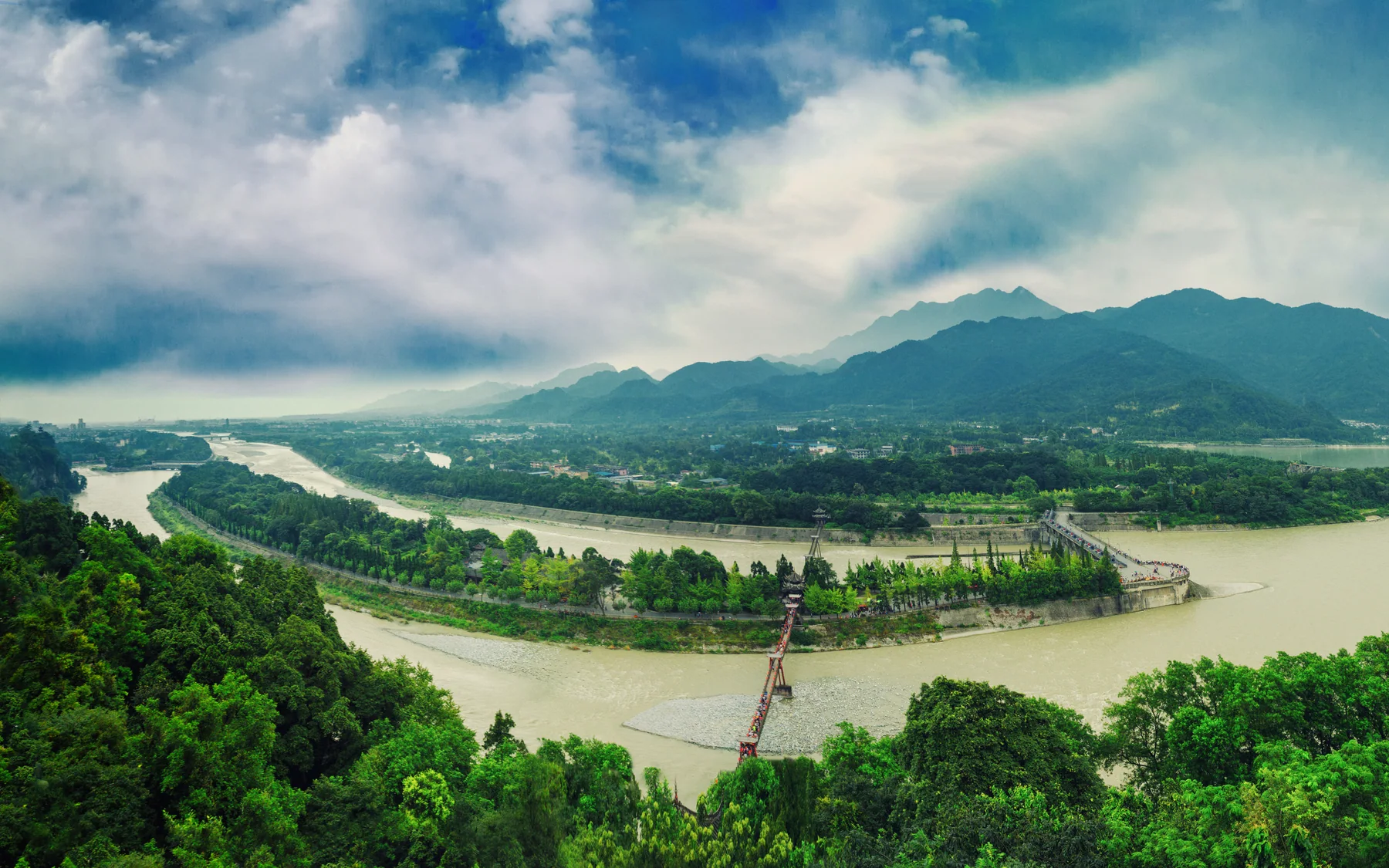
If the first Chengdu visit is only three days, staying in the city usually creates a more coherent experience. Excursions make more sense on a four- or five-day base.
Daocheng Yading is not an ordinary Chengdu excursion. It is a separate high-altitude journey requiring acclimatization, multiple nights and weather margin; use the dedicated Daocheng Yading travel guide rather than attaching it to a city checklist. Jiuzhaigou likewise needs its own arrival and park days. The distance between Sichuan's destinations is part of the province's scale, not dead time to be hidden by an itinerary.
When a day trip is chosen, protect the evening after return. A long road or rail day followed by mandatory hot pot and nightlife creates the same rushed Chengdu that the itinerary was supposed to avoid. Eat close to the hotel, take a short walk and let the next morning begin without accumulated fatigue.
Lijun's note: the city at table height
Some cities are best understood from a tower. Chengdu is better at table height. You notice the practiced hand filling a thermos, the rhythm of mahjong tiles and the way a shared dish creates instant negotiation. The city does not ask you to slow down as a wellness exercise. It simply makes speed look like a poor use of good company.
Frequently asked questions about travel to Chengdu
How many days do I need in Chengdu?
Three days allows time for pandas, central culture, food and a genuinely unhurried tea-house afternoon. Add more time for Leshan, Mount Qingcheng or other Sichuan excursions.
Is all Chengdu food extremely spicy?
No. Sichuan cuisine uses many flavor structures, and restaurants can often adjust heat. Ask about both chili heat and numbing Sichuan pepper if you are sensitive.
When should I visit the pandas?
Earlier hours are generally cooler and more active, but conditions and visitor procedures vary. Check the current reservation and entry requirements before going.