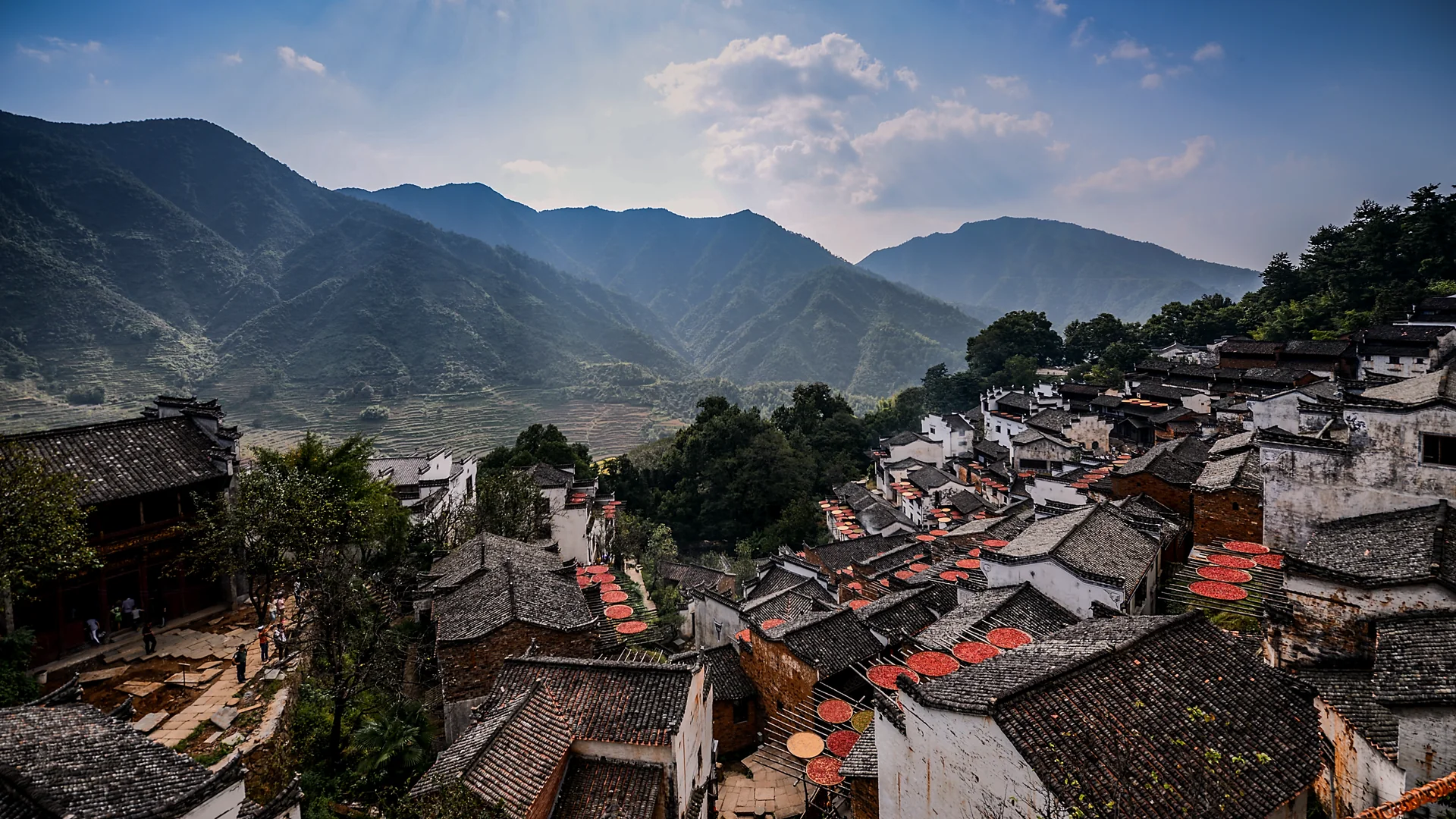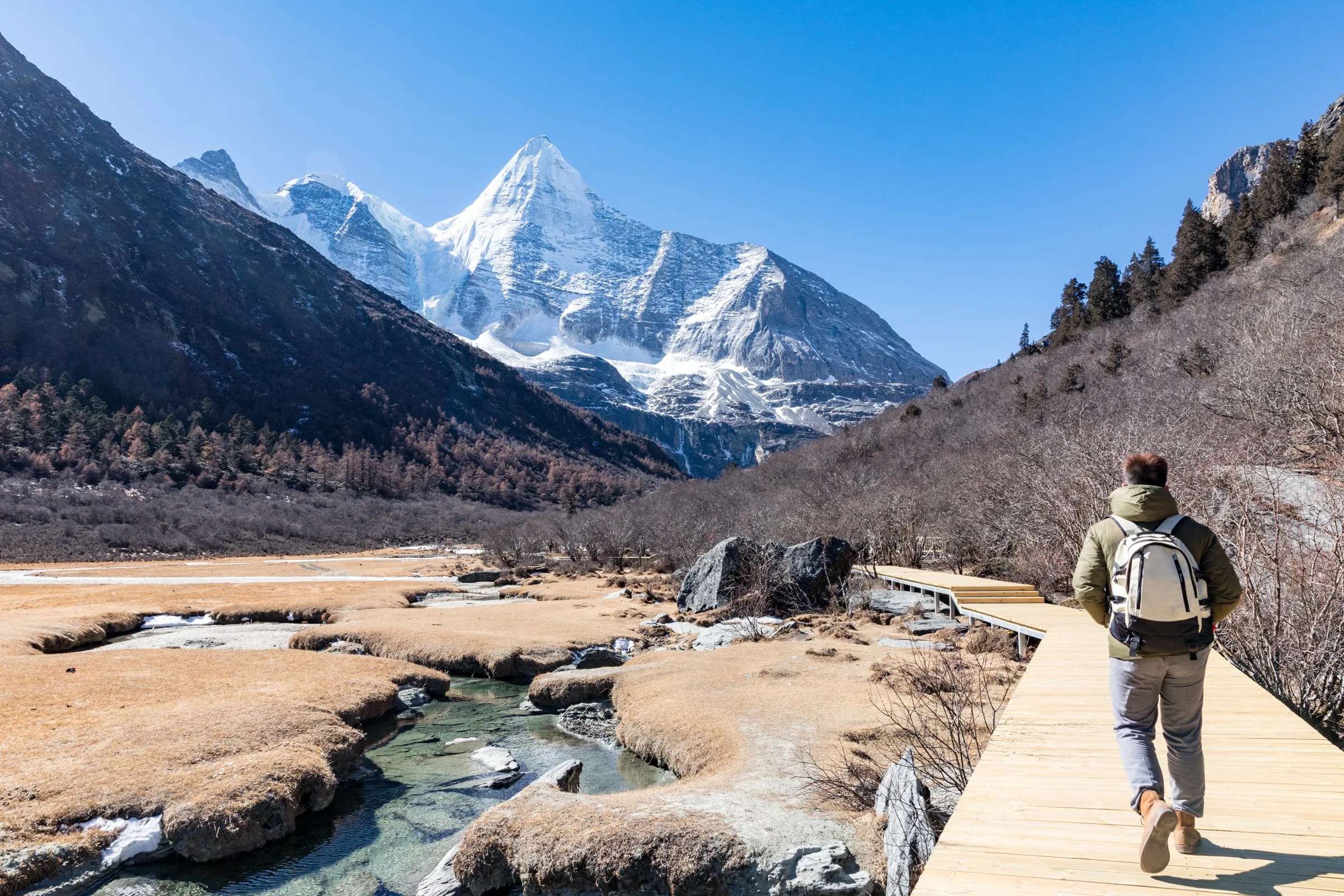
My verdict on travel to Daocheng Yading: altitude must write the itinerary before ambition does. The snow peaks and turquoise lakes are extraordinary, but collecting every viewpoint is the wrong test of a successful trip. A good route protects the body, respects the sacred landscape and leaves enough attention to experience weather, distance and scale instead of merely surviving them.
Travel to Daocheng Yading at a glance
| Planning question | Practical answer |
|---|---|
| What is it? | A high-altitude protected landscape in Daocheng County, not one compact town |
| Ideal minimum | Three nights, with four more comfortable when arrival is rapid |
| Easier route | Chonggu Monastery and Pearl Lake below Xiannairi |
| Hard route | Luorong Pasture toward Milk Lake and Five Color Lake, subject to current access |
| Main physical risk | Rapid ascent, sustained walking above 4,000 meters and sudden weather |
| Best mindset | Turning around is good mountain judgment, not failure |
Choose your route through this guide
| If you need... | Start with... |
|---|---|
| Help choosing a base | Daocheng, Shangri-La Town and the reserve entrance |
| A route decision | The short route and long route comparison |
| Altitude planning | The arrival decision tree and turnaround thresholds |
| Seasonal advice | Weather windows, visibility and trail conditions |
| A realistic itinerary | The four-day sequence rather than a high-lake day trip |
| Cultural context | The three sacred peaks and visitor responsibilities |
The trip is best understood as a chain: arrival method affects acclimatization; acclimatization affects route choice; route choice affects the time and weather margin available for a safe return. Treating each booking separately is how an attractive itinerary becomes an exhausting one.
Who should travel to Daocheng Yading?
Yading suits travelers who value mountain scale, are willing to move slowly and can accept that cloud may hide the most famous peaks. It is less suitable for anyone trying to force a single fixed photograph into a tight China itinerary. Families, older travelers and people with limited mobility may still have a meaningful visit on the lower route, but they should verify current transport, stairs and assistance rather than assuming that every promoted viewpoint is equally accessible.
Altitude should decide the itinerary before ambition does
The name Daocheng Yading compresses an airport, a county center, a lower tourist town, villages and a protected scenic area into one travel brand. They are separated by road time and elevation. Booking a hotel marked “Daocheng Yading” does not reveal whether it is convenient for the park, and landing at the airport does not mean the body is ready to hike.
The UNESCO Yading Biosphere Reserve profile places these peaks, forests, pastures and communities inside one protected high-altitude system. I insist on that frame because the famous lakes are not trophies at the end of a fitness test; they belong to a landscape whose weather, ecology and sacred meaning set the terms of access.
The CDC Yellow Book's high-altitude guidance is the medical boundary for this itinerary: fitness does not predict immunity, gradual acclimatization matters, worsening symptoms require descent, and relevant pre-existing conditions deserve professional advice. It cannot tell you which Yading viewpoint is beautiful or which shuttle is running today. It tells you why ambition cannot overrule the body.
| Place | Role in the trip | Planning consequence |
|---|---|---|
| Daocheng Yading Airport | Fast air access at extremely high elevation | Rapid arrival can intensify altitude stress; do not attach a hard hike to landing day |
| Daocheng town | County center and transport stop at high elevation | More services, but it is not beside the main scenic routes |
| Shangri-La Town | Lower base near the reserve entrance | Usually the most practical balance for park days and recovery |
| Yading village or inner accommodation | Closer to the mountain landscape where available | Higher, more limited and affected by changing access arrangements |
| Scenic area | Shuttle, electric-cart and walking system | Entry time, last transport and open trails control the day |
A simple arrival decision tree
If you fly directly from a low-elevation city, make arrival day deliberately uneventful. Eat, hydrate, sleep and observe how you feel. Do not treat a few symptom-free hours as proof of acclimatization. If you arrive overland after spending time at intermediate elevation, you may have adapted more gradually, but the long route still demands a separate judgment.
The following morning, choose the shorter Pearl Lake route unless you have already spent meaningful time at similar elevation and remain well. After the short route, ask four questions: Did symptoms increase? Did normal stairs feel unusually difficult? Is the forecast stable? Can you begin and turn around early? A “no” to any one of these is a reason to keep the next day lower.
Altitude response is individual. Fitness at sea level does not guarantee comfort, and moving fast is not evidence of toughness. Headache, nausea, unusual weakness, worsening coordination, confusion or breathlessness at rest require serious attention; descending and seeking help may be necessary. Portable oxygen is not a permission slip to continue climbing through deterioration. This guide offers general planning information, not medical advice.
Sleep location is part of recovery
Shangri-La Town is often the practical first choice because it is lower than the airport and closer to the visitor entrance than Daocheng town. Staying inside or closer to Yading may reduce a morning transfer, but a higher sleeping elevation, limited evening services and changing access can offset that advantage. Confirm the property's exact map location, Chinese address, heating, breakfast time, luggage plan and transfer to the gate.
The most expensive room is not automatically the best altitude decision. A quieter room at a manageable elevation, with predictable transport and food, can contribute more to the trip than a dramatic view that leaves you sleepless.
The three snow peaks are a living sacred landscape
Yading is organized visually and culturally around Xiannairi, Yangmaiyong and Xianuoduoji, three snow peaks with religious significance in local Tibetan Buddhist traditions. They are not simply a matching set of landmarks. Their changing positions guide the visitor through valley, forest, pasture and high basin, while prayer, pilgrimage and local naming give the landscape meanings that existed before tourism promotion.
Visitors often describe Yading as a Chinese “Shangri-La.” The comparison can communicate remoteness, but it also imports an outsider fantasy of an untouched paradise. The mountains already have local names, histories and sacred meaning. Use those before turning the landscape into a fictional place waiting to be discovered.
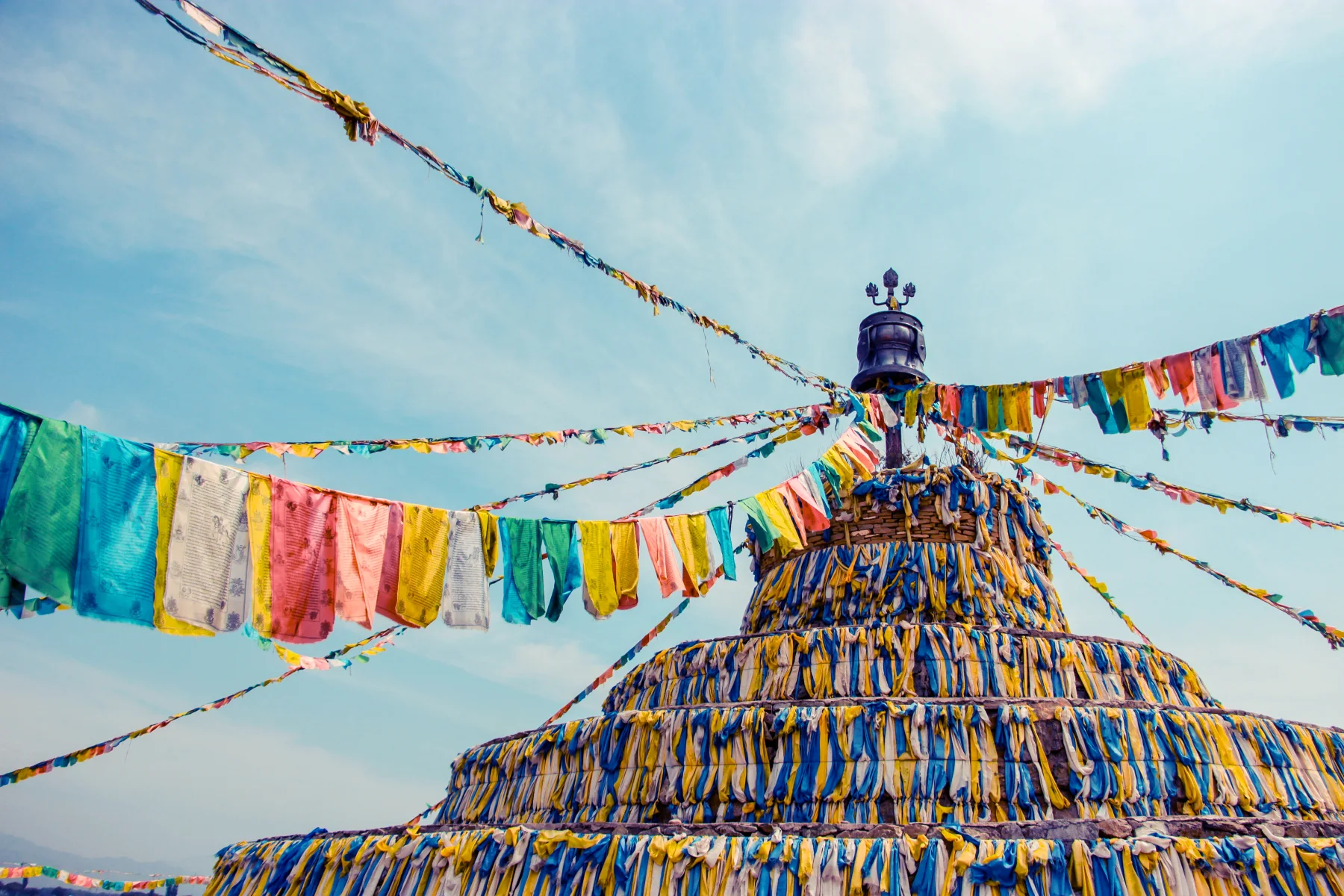
Chonggu Monastery helps make that distinction visible. It is a religious site situated within a heavily photographed route, not a colorful prop between the shuttle and lake. Keep voices low, follow signs, avoid blocking worship and ask before photographing people. Prayer flags should not be rearranged for a cleaner composition, and new fabric or objects should not be attached without understanding local practice.
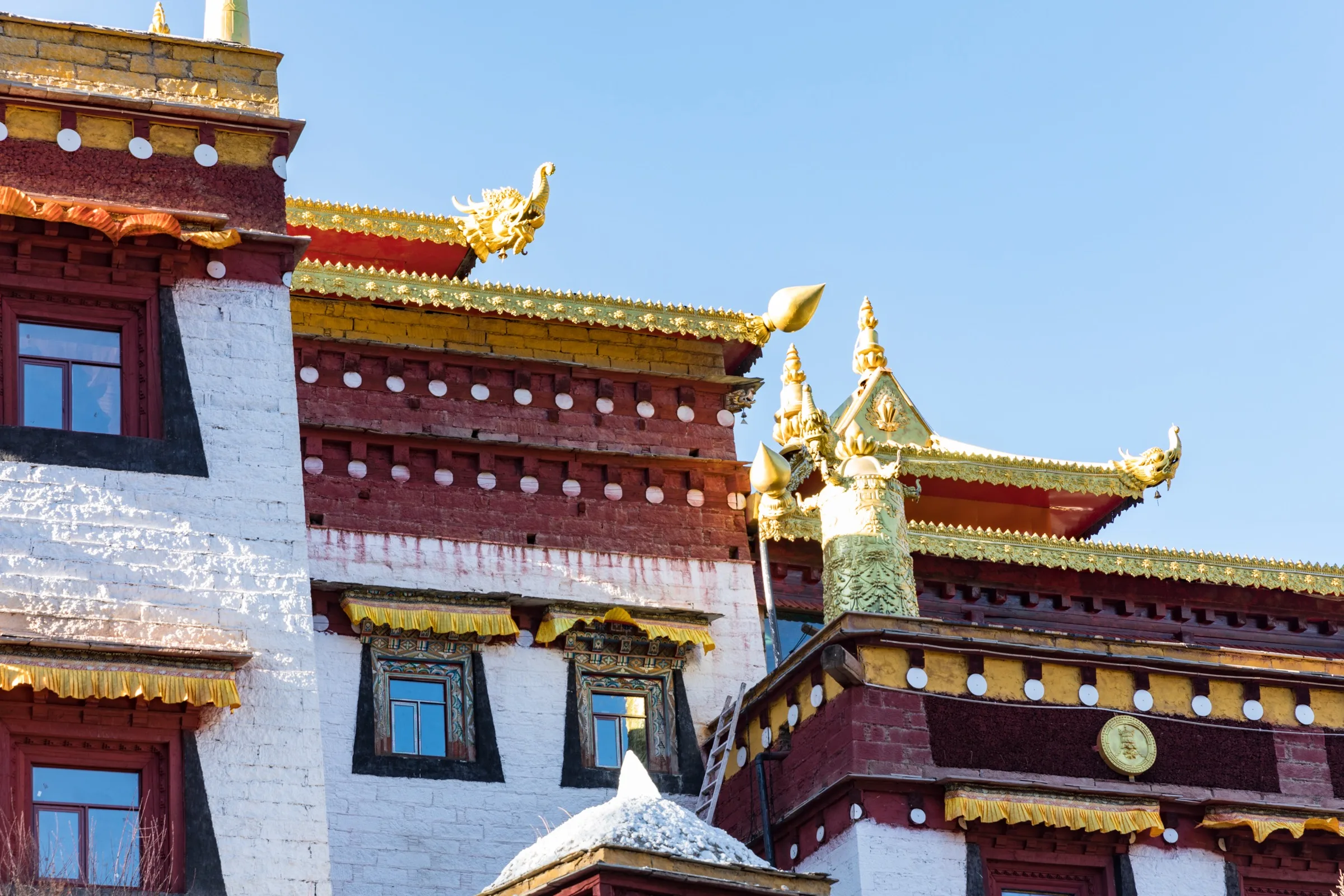
What the landscape asks from a visitor
Protected-area rules and religious respect overlap. Stay on designated routes, do not enter alpine lakes, leave stones and plants in place and keep drones grounded unless explicitly permitted. A prohibition is not an obstacle between the traveler and an “authentic” view. It protects shoreline soil, wildlife, other visitors and spaces that carry meanings beyond recreation.
The Chengdu culture guide explains a very different Sichuan rhythm, while the travel to Chengdu guide is the practical starting point for many overland journeys west. Yading should not be presented as a generic extension of Chengdu: distance, elevation and local Tibetan context make it a separate trip.
The short and long routes offer different complete experiences
The most damaging myth about Yading is that the lower route is only a warm-up and the high lakes are the “real” destination. The two routes reveal different relationships to the peaks. The short route offers forest, monastery, water and a close view of Xiannairi. The long route opens into pasture and increasingly exposed alpine terrain. One is not a failed version of the other.
Short route: Chonggu Monastery and Pearl Lake
The shorter sequence usually connects the shuttle area, Chonggu Monastery and Pearl Lake beneath Xiannairi. It still involves altitude, steps and changing weather, but it has more manageable turnaround points and is the right first route for most arrivals.
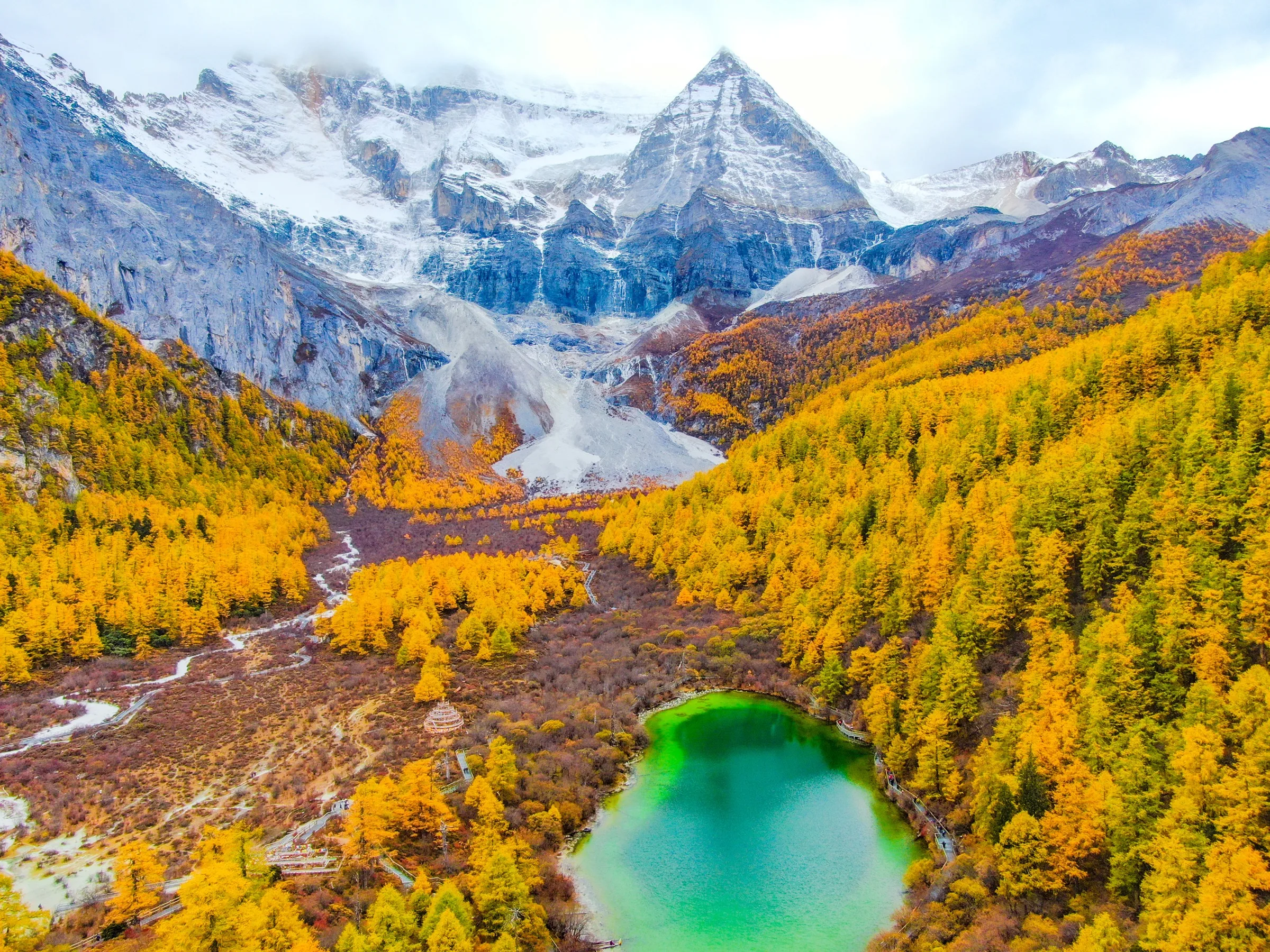
Walk slowly enough to notice the shift from monastery architecture to forest and reflected peak. The lake is not valuable only when the water forms a perfect mirror. Wind, mist and moving cloud show the mountain as weather rather than static scenery. If the body feels heavy here, accept the information. The route has already done useful work.
Long route: Luorong Pasture and the high lakes
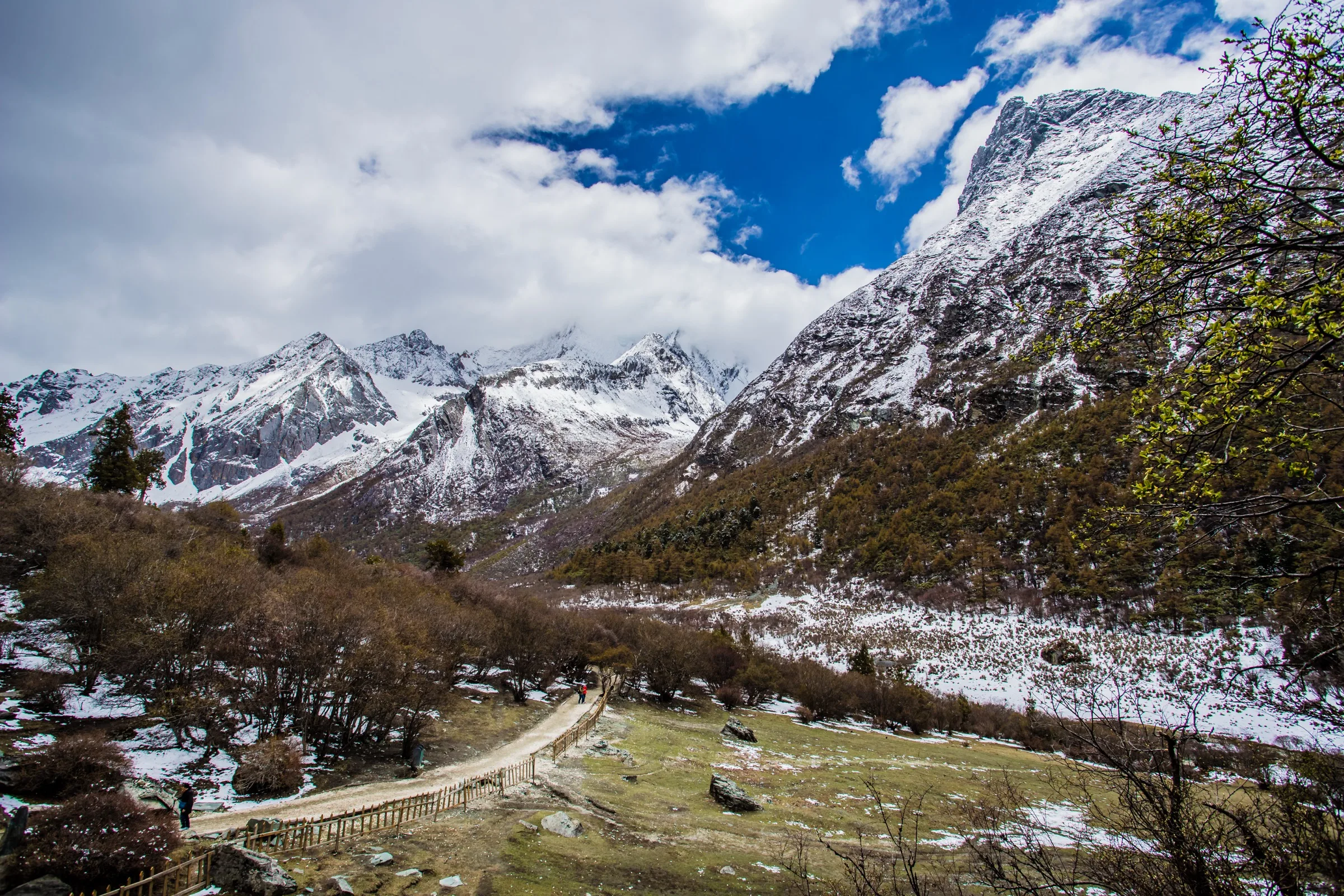
The longer route reaches Luorong Pasture and continues toward Milk Lake and Five Color Lake when trails and management rules permit. An internal transport segment may reduce some distance, but it does not remove the demanding upper climb, exposure or need to return before final services.
| Route issue | Short route | Long route |
|---|---|---|
| Main experience | Monastery, forest, Pearl Lake and Xiannairi | Pasture, Yangmaiyong, Xianuoduoji and the high lakes |
| Elevation stress | Significant | Severe for many visitors |
| Time | Half to most of a day at a responsible pace | A full day governed by transport and turnaround time |
| Exposure | More shelter and easier retreat | Open terrain, rapid weather change and fewer recovery options |
| Best traveler | First-day visitor, moderate walker or uncertain weather | Acclimatized, well-equipped visitor in stable conditions |
Luorong Pasture is already a major destination. The proportions of grassland, water and snow peaks become clear there, and remaining for changing light may be more rewarding than immediately joining the line uphill. The high lakes are optional extensions, not proof that the day counted.
Turnaround thresholds matter more than summit language
Milk Lake and Five Color Lake are not summits, yet online descriptions often borrow the language of conquest. That creates pressure to continue after the sensible moment has passed. Set a turnaround time before starting, then move it earlier when weather, symptoms, queues or pace deteriorate. Never calculate only the time required to reach a lake; the body must return over exposed ground and connect with the last transport.
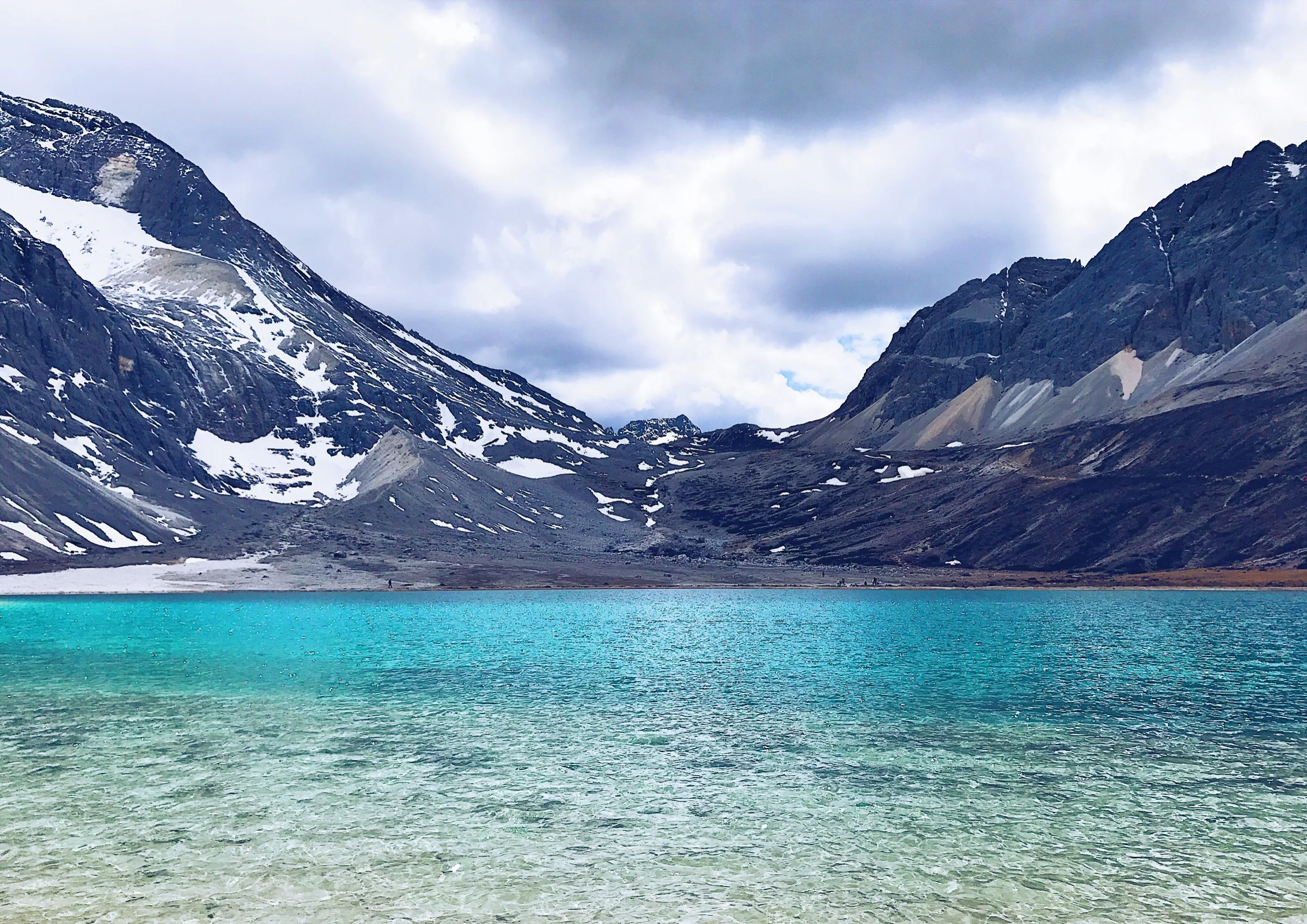
The final distance can feel disproportionately difficult because oxygen is limited and the surface can be steep, muddy, icy or congested. Do not match another hiker's speed or continue because a guide says the lake is “just ahead.” Distance estimates do not measure your condition.
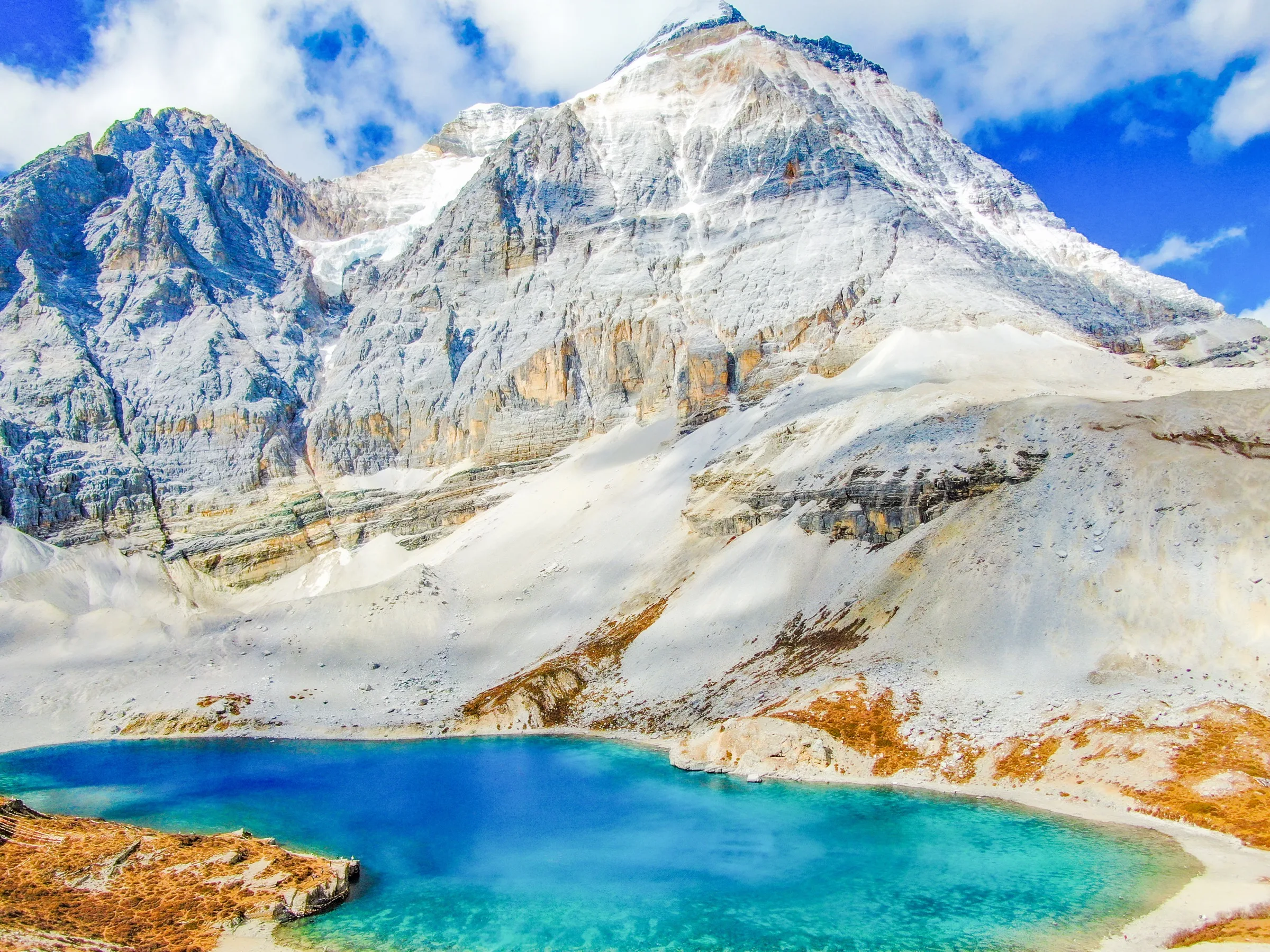
If horses or other paid transport services are operating, verify the current route, price, management system and animal-welfare conditions. A ride may not cover the hardest final section and does not eliminate altitude risk. Do not overload animals, demand unsafe speed or assume that payment transfers all responsibility to the handler.
Season and weather decide what kind of Yading you see
Mountain forecasts describe probability, not a contract. A clear icon for a nearby town may not represent cloud around the peaks, wind in an exposed basin or ice on the upper trail. The valuable itinerary has enough flexibility to accept a hidden mountain without taking a reckless second chance.
| Season | Visual character | Planning reality |
|---|---|---|
| Late spring | Remaining snow, opening meadows and new water | Mud, lingering ice and variable upper-route access |
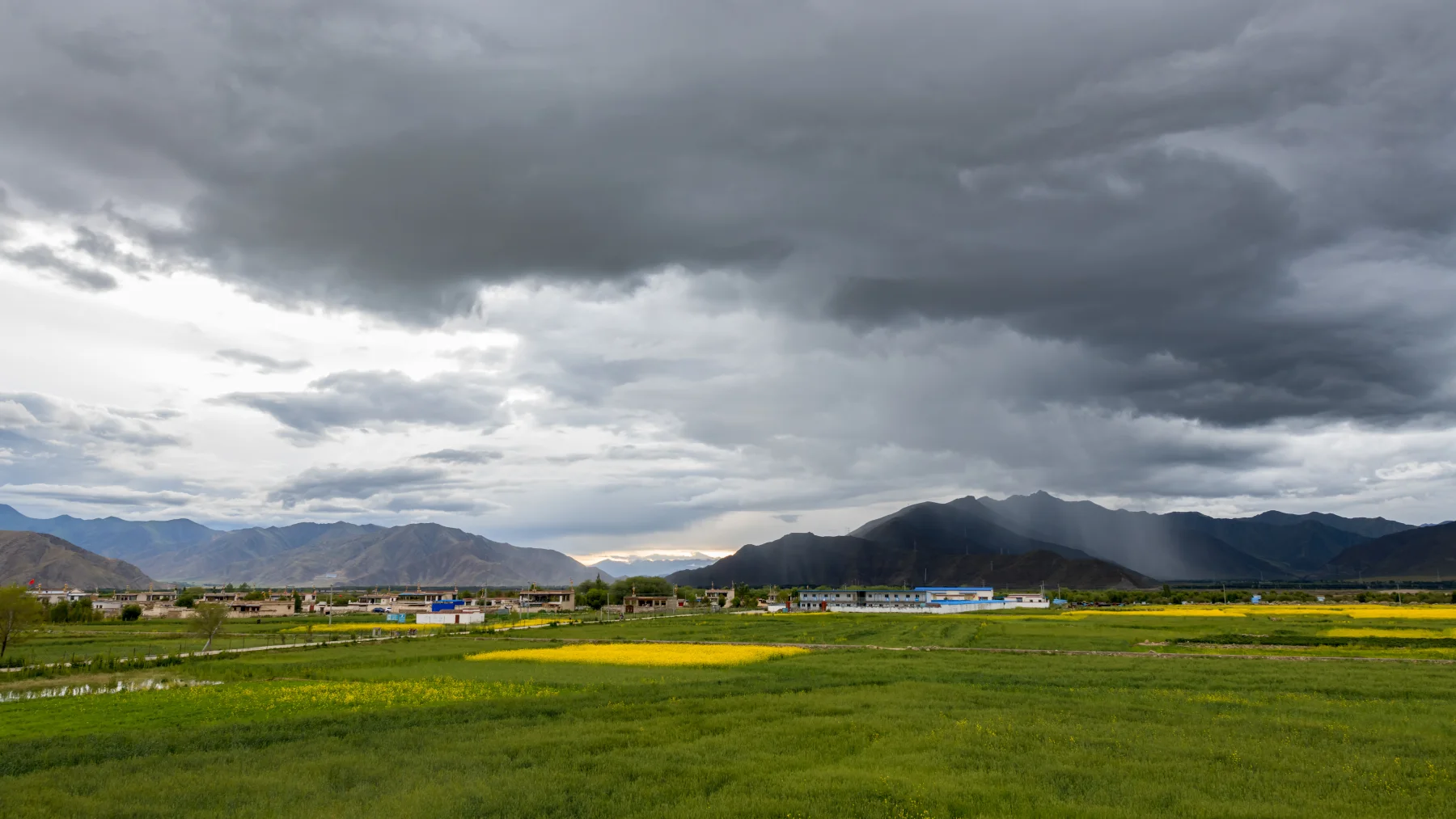
| Summer | Green pasture, flowers and active streams | Rain, cloud and sudden storms frequently hide peaks |
| Autumn | Gold forest, colder clear air and strong contrast | Popular dates, freezing mornings and narrow weather windows |
| Winter | Snow and severe highland conditions | Limited services, closures and demanding cold-weather travel |
Build the day around a weather window
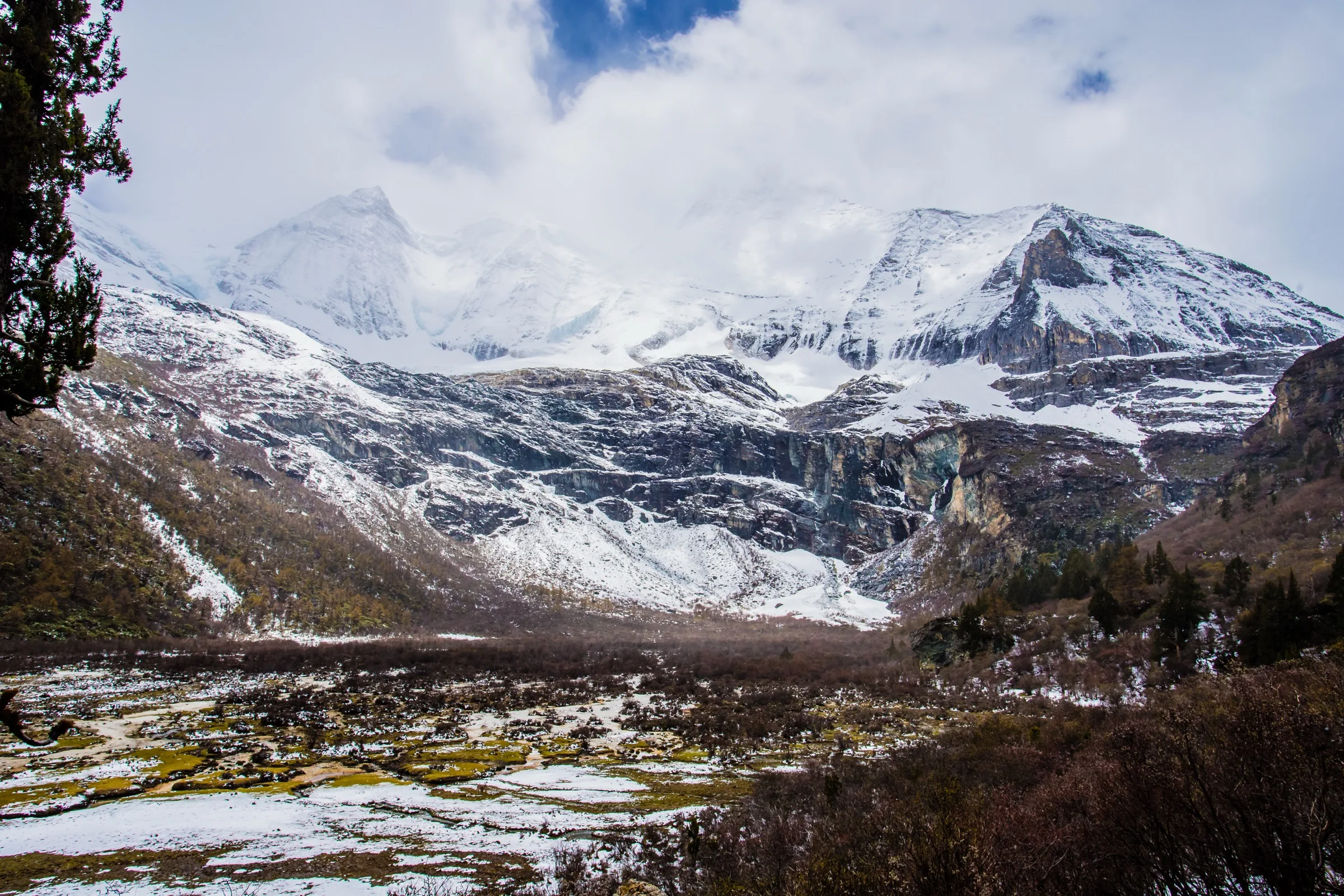
Begin early enough to preserve choices, but do not confuse early entry with permission to rush. Watch the direction and speed of cloud, wind at the pasture and information from staff. If the upper route is closing, do not improvise around barriers. If cloud covers the peaks, use the forest, monastery, streams and human scale of the route rather than waiting in an exposed area for a guarantee that does not exist.
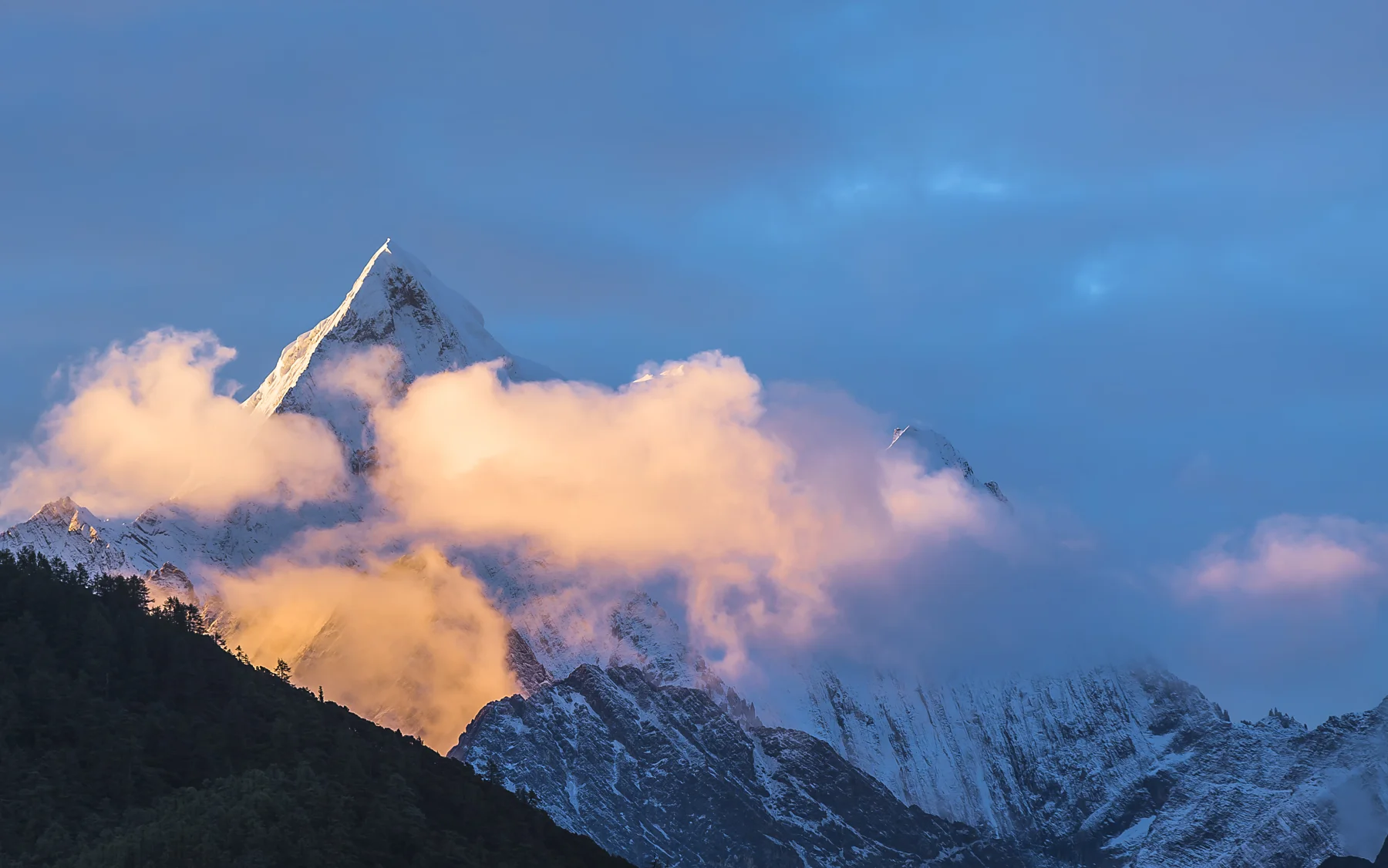
Photography at altitude requires restraint. Batteries drain faster in cold, repeated stops reduce the margin for return, and carrying too much equipment consumes energy. One versatile lens, protected batteries and a small cloth for rain or condensation are usually more useful than a heavy full kit. Include boardwalk, pasture, monastery or people at an appropriate distance to communicate scale; a long lens can make the mountains look close while erasing the journey between them.
Autumn is visually famous, but popularity raises accommodation prices and concentrates visitors at narrow viewpoints. Summer offers a greener, more active landscape with a greater chance of cloud. Winter images can be extraordinary, yet limited operations and severe cold make it a specialist trip. Choose the experience you can manage, not the color palette that performs best on social media.
Getting there and choosing a base are one altitude strategy
Flying is fastest, but Daocheng Yading Airport sits at very high elevation and can deliver the body from low altitude with no gradual transition. Overland travel from Chengdu is much longer and mountain roads can be tiring, though the changing elevation makes the landscape and physical transition more legible. Neither route guarantees acclimatization; the correct choice depends on time, health, comfort and current transport.
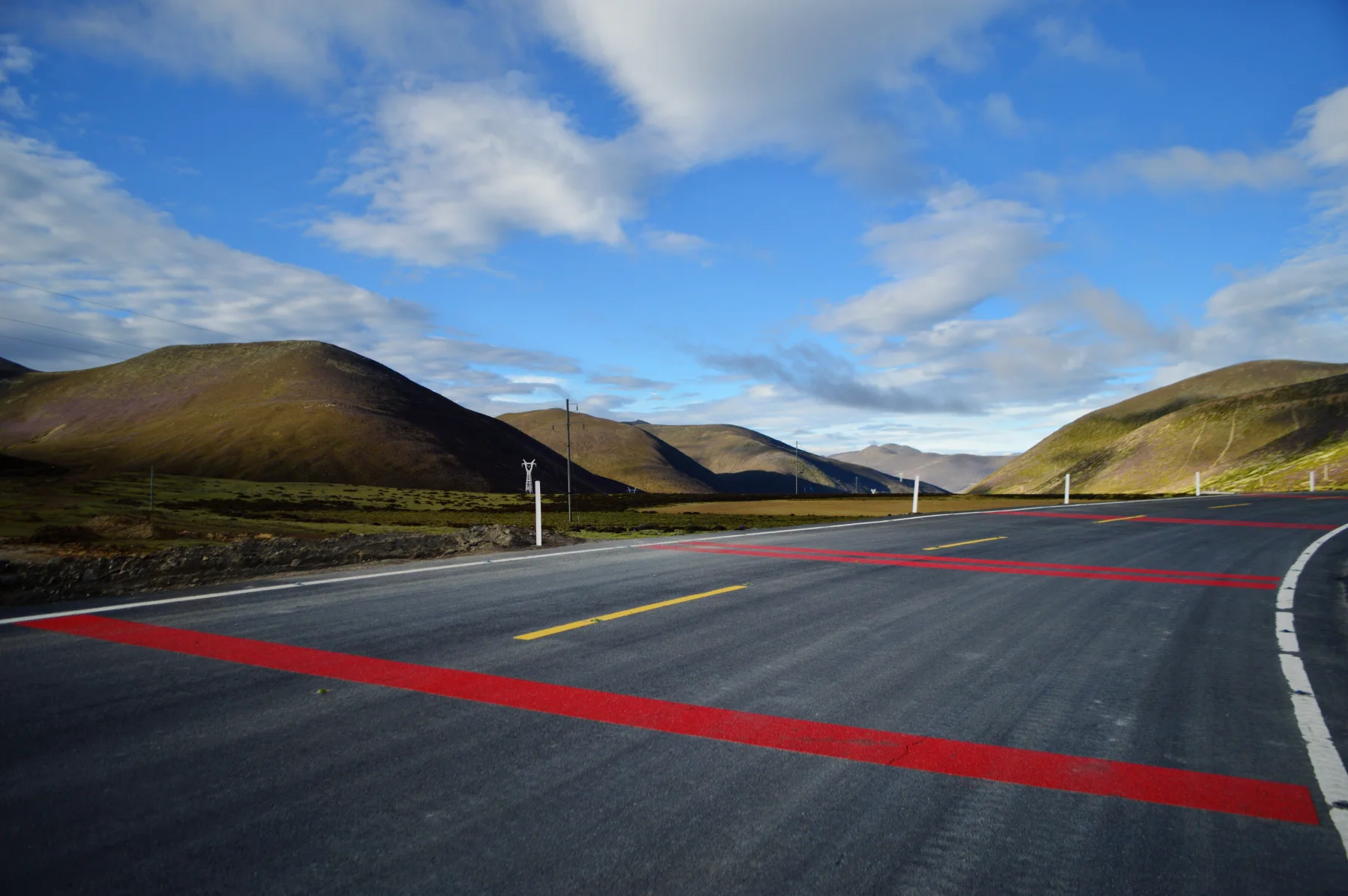
- Confirm whether a ticket or transfer ends at the airport, Daocheng town, Shangri-La Town or the scenic-area entrance.
- Carry the hotel name, address and phone number in Chinese and offline.
- Avoid a late arrival followed by the long route the next morning.
- Expect mountain-road delays and leave a buffer before onward flights or trains.
- Check current shuttle, electric-cart, ticket and trail arrangements shortly before entry.
- Do not assume a private transfer can bypass protected-area transport rules.
The national Travel to China guide covers payments, apps, booking and connectivity. Yading adds a stricter requirement: essential details should work offline because signal, batteries and staff language support can vary along the route.
Accommodation and food are practical, not decorative
Compare hotels by sleep quality, heating, breakfast timing, oxygen or medical support claims that can be independently understood, and actual transfer time. Read recent reviews for hot water, construction noise and room temperature, but remember that one traveler's altitude experience cannot predict yours.
Food near the reserve tends to be more limited and expensive than in a major city because supplies travel farther. Eat familiar, digestible meals before a demanding day rather than using the night before the long route for a heavy feast. Carry compact food and water where current rules permit, then pack out every wrapper. Ask the hotel to explain breakfast and early-departure options; discovering that the kitchen opens after your entry time creates unnecessary stress.
Daocheng town can work as a service stop or as part of a slower regional itinerary, but commuting from it for repeated park days may consume energy and daylight. Shangri-La Town usually makes more sense for a first visit focused on Yading. Staying closer inside the scenic landscape can be atmospheric, yet only when current access, luggage transport and elevation suit the traveler.
A realistic four-day Daocheng Yading itinerary
The itinerary below counts days in the region, not the long journey from another province. Add travel time on both sides when coming from Chengdu or another distant hub.
| Day | Plan | Decision built into the day |
|---|---|---|
| 1 | Arrive, check in and take only a short local walk | Observe altitude response without committing to the reserve |
| 2 | Short route to Chonggu Monastery and Pearl Lake | Learn the transport system, weather pattern and your pace |
| 3 | Long route only if acclimatized and conditions allow | Preserve a full day, fixed turnaround time and lower alternative |
| 4 | Buffer, recovery or departure | Protect the journey from weather, fatigue and road delay |
Day one: resist the empty afternoon
An early arrival can create the illusion of a bonus sightseeing day. Use it to organize tickets, confirm transfers, eat and sleep. A brief flat walk near the hotel is enough. Alcohol, a hard workout or a rushed side trip adds uncertainty before the body has provided useful feedback.
Day two: make the short route complete
Enter early, follow the current shuttle arrangement and take the Pearl Lake sequence at a conversational pace. Spend time at Chonggu rather than treating it as an arrow on the route. If visibility is poor, watch how forest and water change under cloud. Record symptoms and recovery after returning to the hotel; the evening matters to the next day's decision.
Day three: choose between three valid plans
Plan A is Luorong Pasture plus the high lakes when health, weather, trail and transport are all favorable. Plan B is Luorong Pasture without forcing the final climb. Plan C repeats or extends the lower route. All three are successful Yading days. The quality of the decision is more important than the number of lake names in a caption.
Day four: the buffer protects the whole trip
Use the final day for recovery, a delayed transfer or a modest nearby stop only if energy and connections allow. Do not schedule an inflexible same-day flight after a long mountain-road transfer. When the trip has no buffer, drop the upper lakes rather than making the return connection depend on perfect weather and perfect health.
Practical preparation, accessibility and trail behavior
Pack for walking, waiting and sudden change. A light waterproof shell, warm middle layer, gloves, sun protection and broken-in shoes with grip cover more situations than fashion-oriented mountain gear. Cold drains phone and camera batteries, while heavy equipment becomes increasingly expensive with elevation.
| Essential | Why it matters |
|---|---|
| Shoes with reliable grip | Rock, mud, boardwalk and possible ice require stability |
| Waterproof and warm layers | Sun, rain, wind and cold can occur during one route |
| Hat, sunscreen and eye protection | UV exposure remains strong in cool air |
| Water and compact food | Services are limited after entering longer sections |
| Power bank and offline details | Signal varies and cold reduces battery performance |
| Small personal medical kit | Minor problems are harder to solve far from urban services |
Accessibility is route-specific. Shuttle and electric-cart segments reduce distance but do not make every lake step-free. Boardwalks can include stairs, slopes, uneven surfaces and long gaps between rest points. Contact the scenic area or accommodation for current accessible stops, assistance and restroom information rather than relying on a general “easy route” label.
Trail etiquette affects safety. Keep to one side when stopping, do not block narrow viewpoints with tripods and allow faster walkers to pass only where space permits. Avoid shouting across the valley, playing speakers or leaving food scraps. Do not step beyond barriers for a cleaner foreground: fragile soils recover slowly, and the next visitor will copy the path you create.
Families should plan around the least acclimatized member, not the strongest adult. Children may not describe symptoms clearly. Older travelers and anyone with heart, lung or other relevant health concerns should seek professional advice before travel. The lower route, selected shuttle-accessible viewpoints or a non-hiking day can still provide a powerful mountain experience.
Turning back is good mountain judgment
What most guides get wrong
They make Milk Lake the test that separates a “real” trip from an incomplete one. This reverses the value of Yading. The destination matters because sacred peaks, local Tibetan meaning, forest, pasture, weather and human limits meet in one protected landscape. A photograph at the highest promoted viewpoint records only one of those relationships.
The East Moment recommendation is four regional nights when arriving rapidly from low elevation, or at least three with a genuinely flexible third day. Use Shangri-La Town as the practical base for most first visits. Complete the Pearl Lake route before deciding on the long route. At Luorong Pasture, choose again. At the first sign that health, weather or transport margin is weakening, turn around.
Daocheng Yading attracts travelers with images of completion: three peaks, two high lakes and one victorious photograph. Mountains are indifferent to completion. A thoughtful trip notices body, weather and local meaning, then chooses the route that remains responsible. The landscape does not become smaller because you stopped at Pearl Lake; your understanding may become larger because you knew why.
The most memorable Yading story may include cloud, a route changed by staff, a long pause at Chonggu or a return from the pasture before the lakes. Those are not defects to edit out. They are evidence that the traveler encountered a real highland environment rather than consuming a fixed visual product.
For another mountain destination where protected-area logistics matter but altitude is generally less extreme, compare our travel to Jiuzhaigou guide. For a slower old-town and cultural landscape, travel to Lijiang offers a different route through southwest China.
Frequently asked questions about travel to Daocheng Yading
How many days do I need for Daocheng Yading?
Allow at least three nights in the region: one for arrival and acclimatization, one for the shorter Pearl Lake route and one for a longer route only if conditions and health allow. Additional buffer time is wise because weather and transport can change.
How high is Daocheng Yading?
Much of the visitor experience is above 3,000 meters, and the longer hiking route reaches roughly 4,600 meters near the high lakes. Exact elevations vary by point. Altitude response is individual and should be taken seriously.
Can I visit Milk Lake on my first day?
That is a poor plan for most visitors arriving from lower elevation. Milk Lake belongs to the strenuous high route. Acclimatize first, check current access and weather, and turn back if symptoms or conditions worsen.
Is Daocheng the same place as Yading?
No. Daocheng is a county and town area, while Yading is the protected scenic landscape farther south. Accommodation may be in Daocheng, Shangri-La Town or near the reserve, and transfer times matter.
When is the best time to visit Daocheng Yading?
Late spring, summer and autumn offer different combinations of snow, green pasture and colored forest. Weather at high elevation is unstable in every season, and winter or shoulder-season access can be limited. Check current operations before travel.