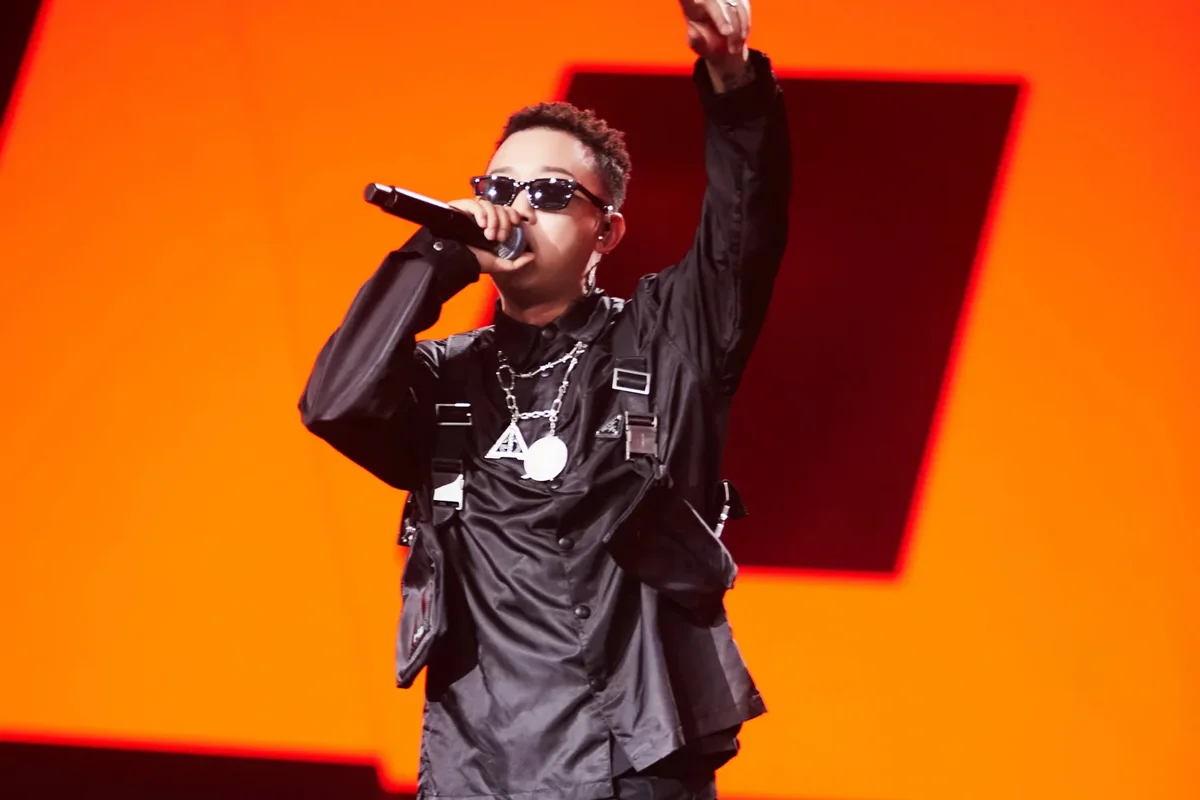
Before Chinese-language rap had televised auditions, luxury stages or a predictable route into brand campaigns, MC HotDog made Mandarin sound rude, ordinary and rhythmically alive. I consider that the real breakthrough: he did not copy hip-hop successfully; he let local speech remain local.
That achievement can be hard to hear after two decades of Mandarin rap. Direct slang, spoken hooks and comic social observation now feel normal. MC HotDog matters because they did not feel inevitable when his early EPs circulated in 2001.
MC HotDog in 60 seconds
| What you want to know | The short answer |
|---|---|
| Real name | Yao Zhongren, 姚中仁 |
| Home city | Taipei, Taiwan |
| Early breakthrough | Four EP-era releases in 2001 |
| Landmark album | Wake Up in 2006 |
| Major recognition | Best Mandarin Album at the 18th Golden Melody Awards |
| What hits first | Colloquial Mandarin, satire, explicit humor and conversational rhythm |
| Start with | MC Is Coming, I Love Taiwan Girls, Mr. Almost and Ghetto Superstar |
| Latest full-length | Dirty Artist in 2023 |
Calling him the “father” of anything is less useful than hearing the specific change. MC HotDog helped Mandarin rap stop sounding like translated technique and start sounding like someone talking too loudly at the next table.
The language sits before the rhyme
MC HotDog's early strength was not immaculate complexity. It was social recognizability. The phrasing followed how people complained, flirted, mocked one another and narrated disappointment in Taiwan Mandarin.
That sounds simple, but localization is difficult. English-language rap places stress flexibly; Mandarin syllables have tones and more even duration. A rapper must decide whether to preserve lexical tone, bend it for rhythm or allow context to repair the meaning. MC HotDog often chose speech first. The beat had to accommodate the personality of the sentence.
His hooks also understood oral repetition. They sound like things people might quote in conversation rather than lines designed only for headphones. That portability made the songs part of youth language.
Five songs that explain MC HotDog
1. MC Is Coming: announcing a form that still felt new
MC Is Coming (MC来了) belongs to the foundational phase. The title is basic because the arrival itself was the subject. A Mandarin-speaking rapper could claim the microphone without disguising the local accent or translating the entire cultural context.
The early production now sounds sparse. That is useful. With fewer layers, the listener can hear how much of the record depends on timing, attitude and phrases built to be repeated.
2. I Love Taiwan Girls: local pop culture, pleasure and problems
I Love Taiwan Girls (我爱台妹), with Chang Chen-yue, became one of MC HotDog's most recognizable songs. “Tai mei” is a socially loaded term. It can carry local pride, class judgment, fashion stereotypes, flirtation and mockery at the same time.
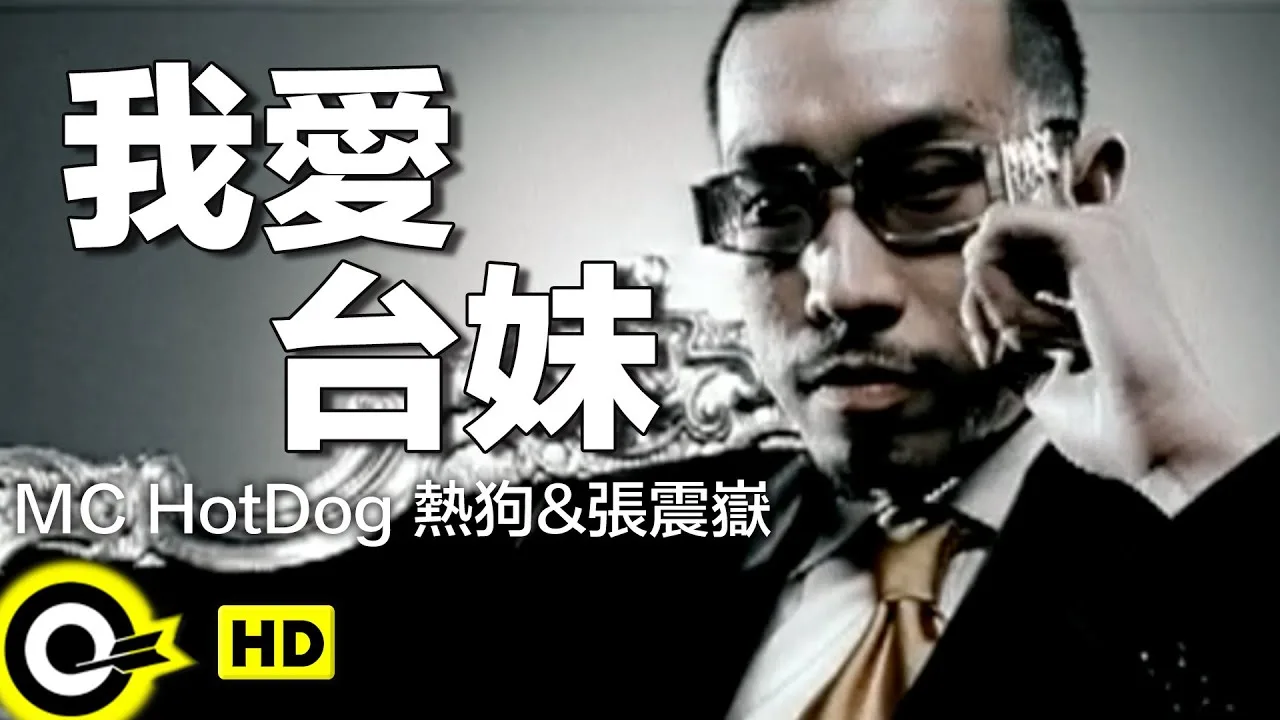
Use the official video as social evidence, not moral permission: notice who gets to look, joke and define the “Tai mei” image before deciding whether local specificity sharpens the satire or exposes its limit.
The song is catchy and historically important, but an honest reading also notices how women become types inside the joke. Local specificity does not place a record beyond criticism.
3. Mr. Almost: repetition becomes social diagnosis
Mr. Almost (差不多先生) builds a character from the phrase “close enough” or “more or less.” In everyday Chinese, 差不多 can express flexibility, resignation or a refusal to demand precision.
The song turns that verbal habit into a whole social personality. Repetition first feels comic, then increasingly uncomfortable. The character accepts mediocrity so consistently that “almost” becomes a life structure.
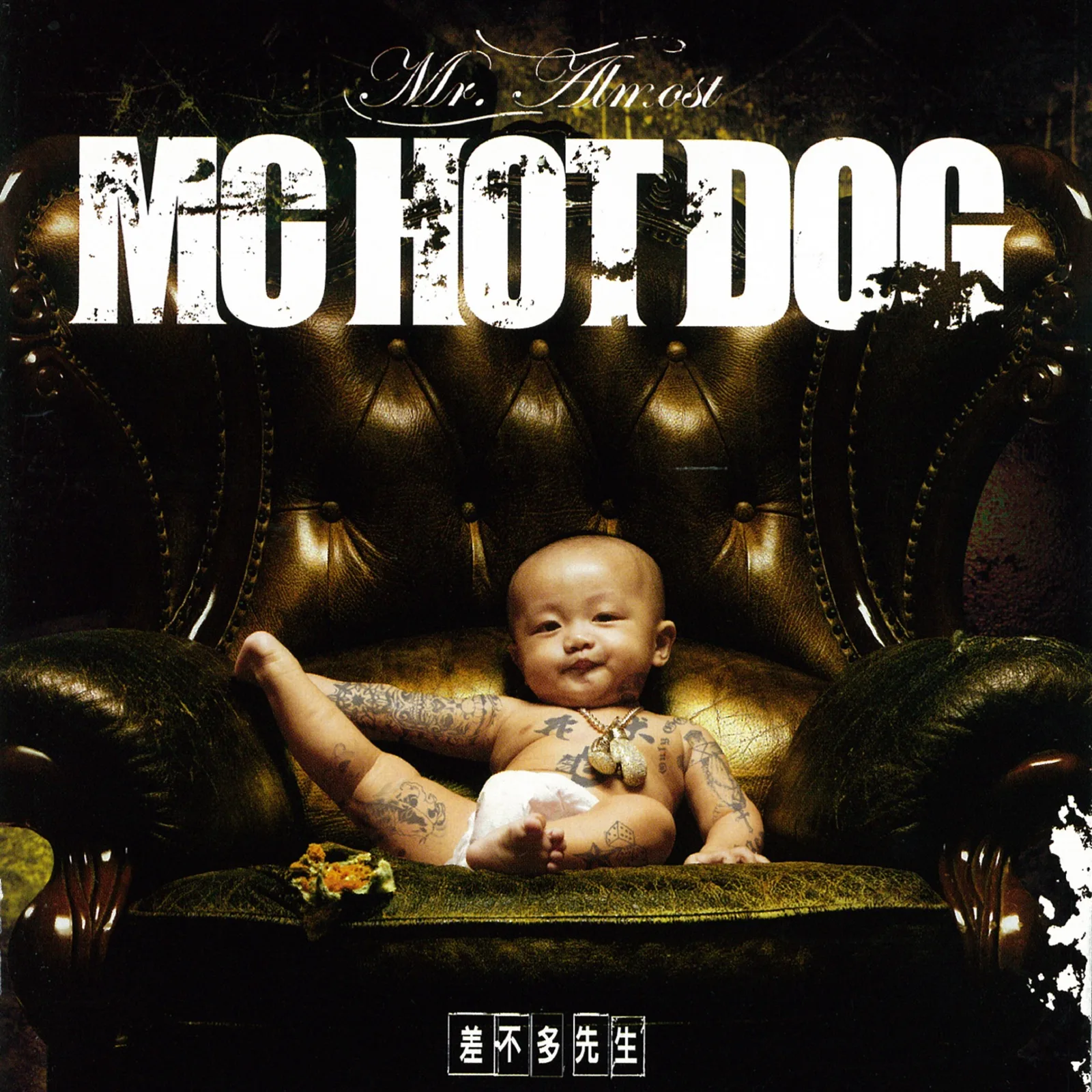
The 2008 Mr. Almost album contains one of Mandarin rap's most durable examples of a common phrase expanded into social criticism.
This is MC HotDog at his best: accessible enough to quote, specific enough to reveal a cultural habit and rhythmic enough that the argument never becomes an essay over drums.
4. Ghetto Superstar: class language without imported scenery
Ghetto Superstar (贫民百万歌星) borrows a global hip-hop archetype, then places it inside a Chinese-language entertainment reality. “Ghetto” does not map neatly onto Taiwan's urban class geography. The song's value lies in that imperfect translation.
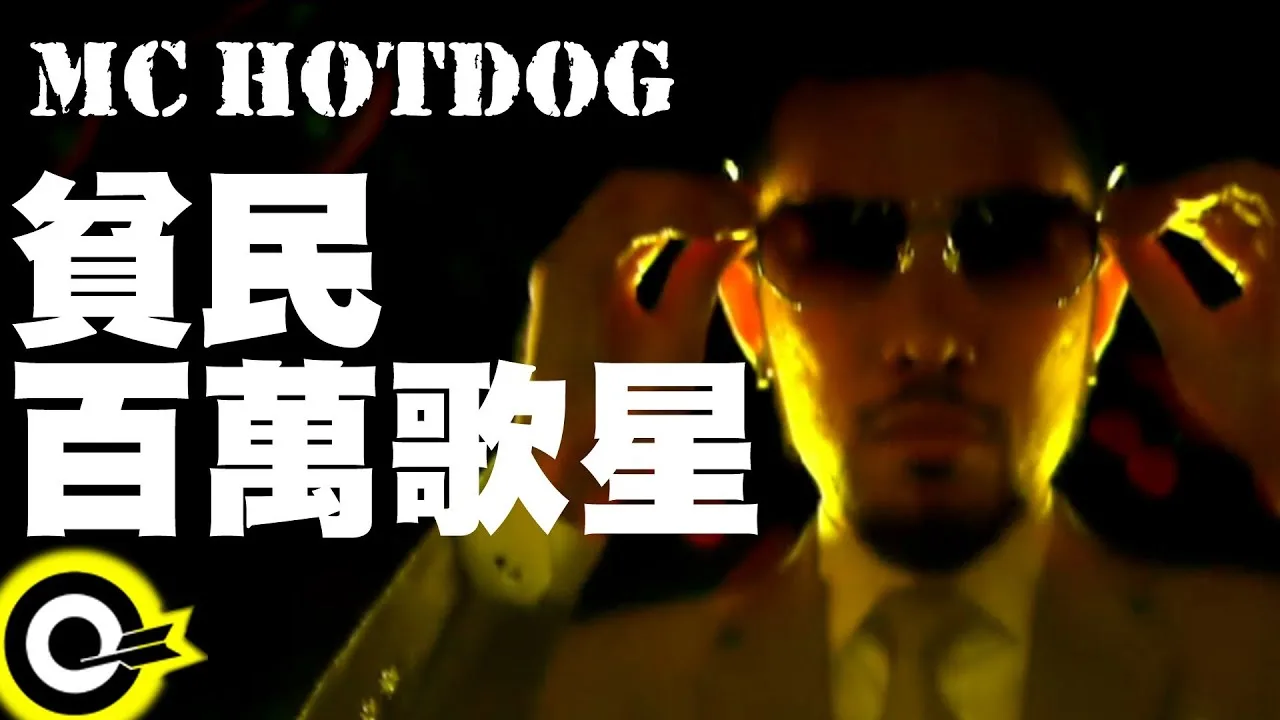
The official Rock Records video shows an artist negotiating mainstream visibility without rewriting himself as a polished pop star.
The Chinese title can be read as “poor person's million-dollar singer.” It captures aspiration and ridicule together, which is where MC HotDog often works best.
5. Dirty Artist: the elder refuses a clean monument
The 2023 album and title track Dirty Artist (脏艺术家) revisit the reputation for explicit, impolite language. “Dirty” can mean vulgar, morally suspect, physically unclean or simply unwilling to perform respectability.
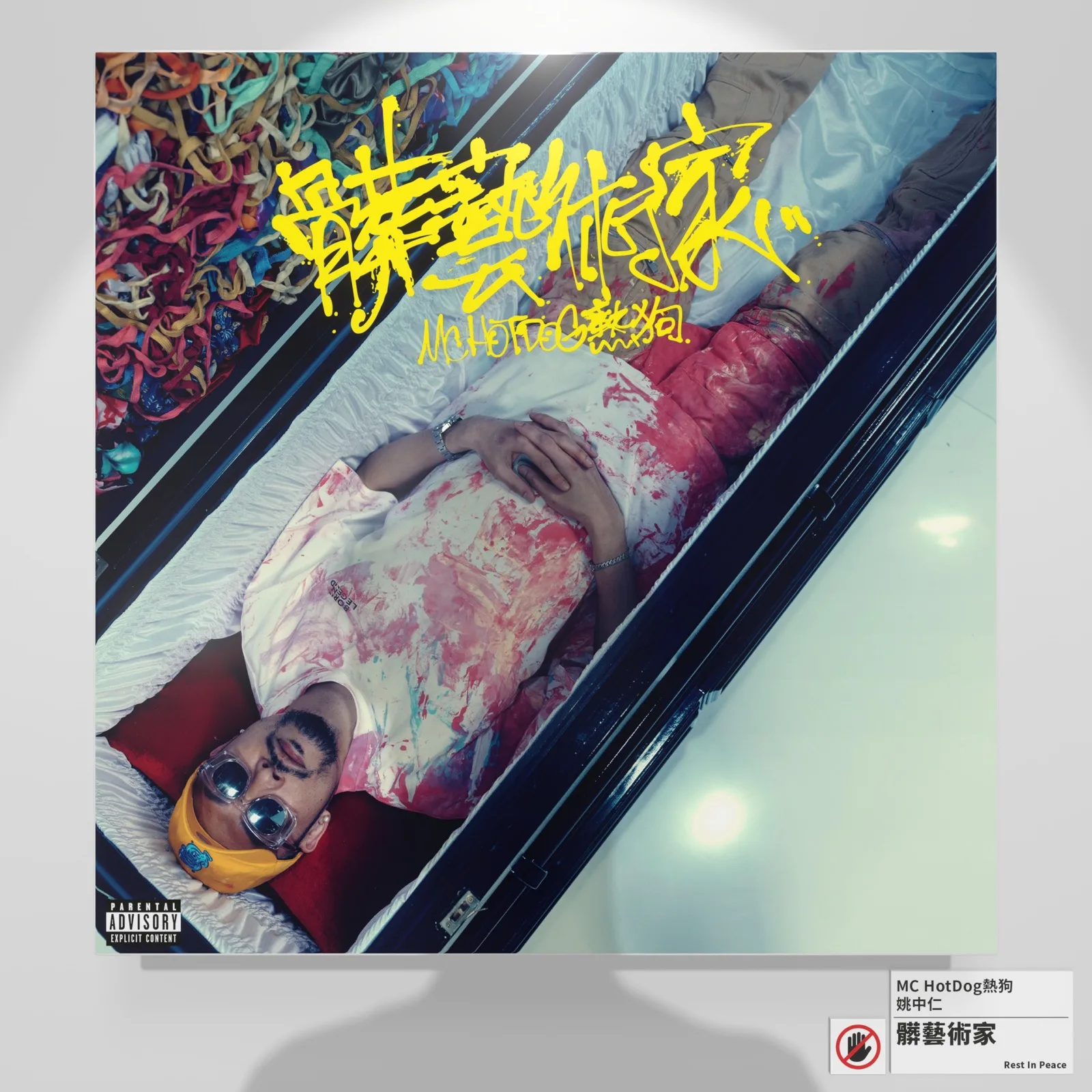
Apple Music lists Dirty Artist as MC HotDog's latest full-length album as of August 2026.
The album's challenge is self-reference. After a long career, the impolite outsider can become an institution. The strongest moments acknowledge that contradiction instead of merely repeating the old pose.
Wake Up changed institutional visibility
MC HotDog released four short projects in 2001, establishing his voice before a conventional album career. Wake Up arrived in 2006 and later received Best Mandarin Album at the 18th Golden Melody Awards.
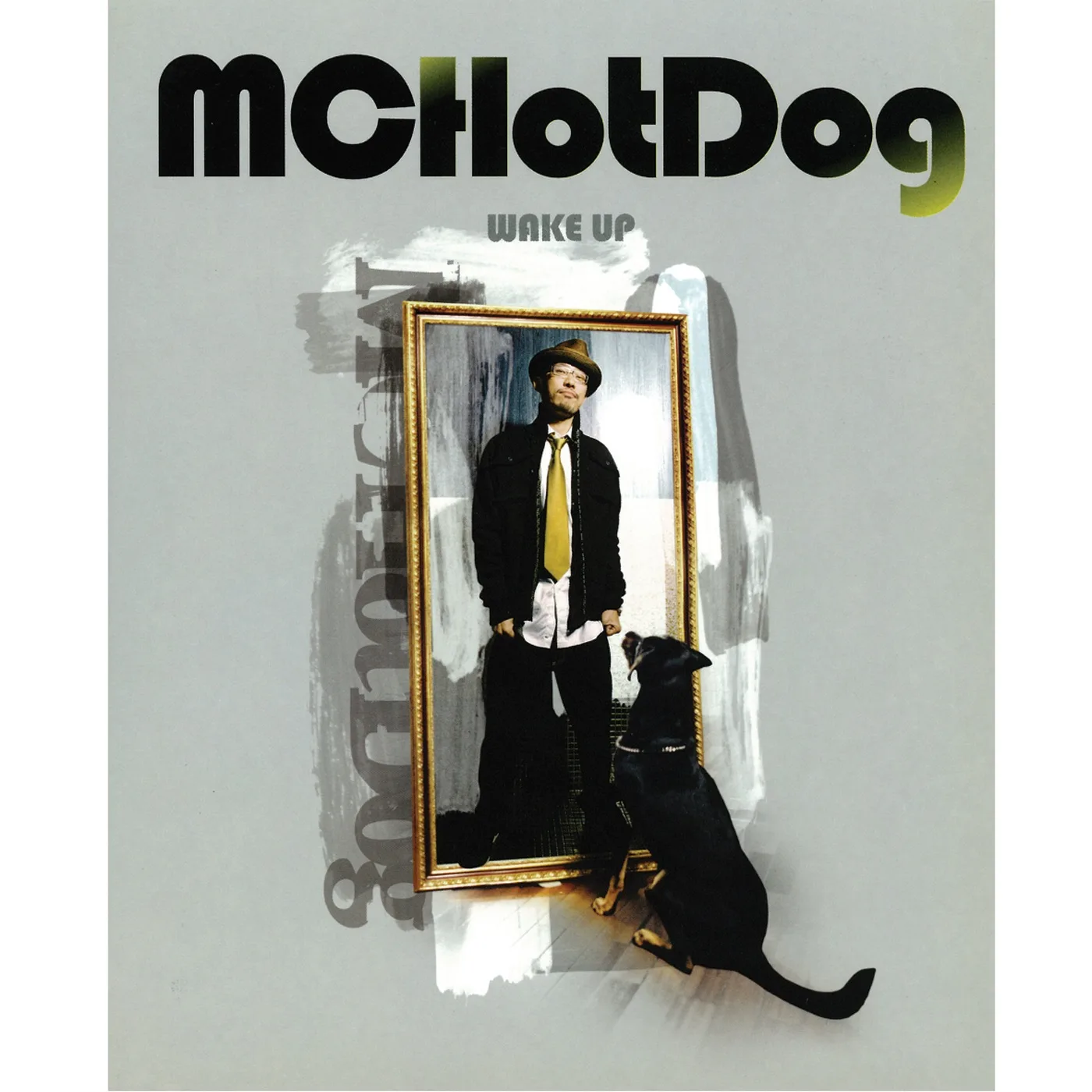
The 2006 Wake Up album moved a previously provocative EP-era rapper into one of Chinese-language music's major award systems.
The award matters, but not because institutions decide whether rap is legitimate. Its importance is infrastructural. Recognition made it easier for labels, media and later audiences to understand Mandarin rap as an album form capable of carrying social observation across a full project.
The sequence is worth remembering: the language and audience came first; the trophy came later.
Taiwan gave Mandarin rap a different early route
Taiwan's early-2000s music environment connected independent youth culture, rock labels, campus audiences, television and a Mandarin pop industry that already circulated across the region. MC HotDog could remain explicit and local while still working near established distribution.
Mainland scenes developed through different infrastructures: small crews, live houses, web forums, mixtapes and later streaming and television competitions. Comparing the routes helps explain why MC HotDog sounded like a veteran when he appeared beside younger mainland rappers on national shows.
He was not imported after The Rap of China made the genre popular. The program introduced a larger mainland audience to a career that had already helped make the format imaginable.
What international listeners miss in translation
MC HotDog's writing depends on registers. He can move between vulgar slang, pop references, institutional phrases and plain everyday Mandarin. Subtitles often preserve the dictionary meaning while losing the class and social position encoded in the word choice.
Mr. Almost is the clearest example. “Almost” in English sounds like failure to complete a task. 差不多 can also sound practical, easygoing or socially acceptable. The song becomes sharper because the phrase is not obviously negative before the repetition exposes it.
The same principle applies to humor. A line may be funny because it sounds like an uncle, a student, a tabloid headline or a man trying too hard to look worldly. Cultural voice is doing as much work as rhyme.
That is also why I care more about the survival of specific songs and Mr. Almost lines than a generic pioneer label. Awards and merchandise prove recognition without proving the writing. My conclusion is that a HotDog song survives when an ordinary phrase still diagnoses a habit after the period reference has faded. Nostalgia can make a crowd recite the line; only observation makes a new listener recognize the behavior.
The work deserves criticism, not automatic reverence
Historical importance does not make every early provocation insightful. Some sexual humor, gender stereotypes and shock language have aged poorly. At times women function more as proof of male status than as people inside the song.
That problem should be stated directly. Fans do not need a cleaned-up hero, and younger overseas readers should not be asked to confuse offensiveness with authenticity.
The stronger defense of MC HotDog is narrower and more convincing: he made Mandarin rap locally speakable. When the writing observes class habits, laziness, aspiration or entertainment hypocrisy, the directness remains powerful. When provocation becomes an end in itself, influence cannot rescue the line.
Listen for the line that sounds too ordinary to be written
The best MC HotDog exercise is to find a line that appears almost conversational, then replay the bar around it. Notice where the sentence begins before the beat expects it, where a filler word creates swing and where the rhyme lands without making the speaker sound newly formal. This is craft hiding inside ordinary speech.
On the second pass, use translation only to locate the argument. Social observation, appetite, embarrassment, desire and provocation depend on local context, but a perfect dictionary rendering can still destroy the timing. Return to the Mandarin and listen for how sarcasm changes pitch, how repetition turns into pressure and how the voice refuses a polished moral posture.
Longevity should not become immunity from criticism. Compare an early track, a major album-era song and later work. Ask whether directness still reveals something or has hardened into a familiar pose. Ask whether the joke challenges power, targets an easier subject or merely repeats the expectation attached to the artist. Respect becomes more useful when it can distinguish influence from automatic correctness.
My position is clear: MC HotDog matters because he gave Mandarin rap permission to sound socially located and imperfect. The point is not to preserve every line as sacred history. It is to hear how a speaking voice became rhythmic evidence that Chinese-language rap did not need to disguise where it lived.
The album test keeps that influence human. Play several songs in sequence and notice where provocation opens into observation, where a joke becomes lazy and where ordinary speech suddenly carries emotional weight. A pioneer label can flatten all of those differences into respect. Listening restores the uneven, risk-taking person behind the institution.
For overseas readers, pair one official recording with a live version. The studio shows phrasing and production; the stage shows whether conversational timing can command a crowd without becoming shouted caricature. That gap explains more about his endurance than a timeline of awards, and it leaves room to criticize individual choices without denying the larger change he helped make possible.
The final question is whether the line still sounds spoken by someone in a room rather than engraved on a monument. When it does, the influence remains alive.
The joke lands because the bruise is real
MC HotDog's best work feels as if rap has entered ordinary conversation and refused to leave. The hooks are quotable, the social characters are recognizable and the humor can reveal discomfort faster than a polished argument.
The tradeoff in later work is repetition of the veteran identity. “I am still the dirty real rapper while the industry changes” is a valid perspective, but it cannot carry every new album. Once the outsider becomes a judge, award winner and institution, rebellion needs a more specific target.
Dirty Artist is most compelling when he notices that problem. Age is not a threat to rap credibility; unexamined self-mythology is.
Begin with social observation, not notoriety
Use this route:
- MC Is Coming for the early declaration.
- I Love Taiwan Girls for local pop language and its complications.
- Mr. Almost for social observation.
- Ghetto Superstar for the mainstream negotiation.
- Dirty Artist for the veteran looking back at his own image.
Then return to the Chinese musicians directory or hear KEY.L Liu Cong for a later form of Mandarin storytelling, GAI for regional language transformed into national drama, and Lexie Liu for a younger artist who treats multilingual music as futuristic design.
Read the Chinese language guide beside these records if you want to understand why Taiwan Mandarin, slang and code-switching change rhythm before translation begins. The wider Chinese culture collection provides context without treating Taiwan's rap history as interchangeable with mainland scenes.
Why MC HotDog matters
MC HotDog's foundational contribution was linguistic permission. Mandarin rap could sound like real local speech: vulgar, funny, lazy, observant, class-conscious and instantly quotable.
The legacy is strongest when separated from worship. Not every joke aged well, and not every later song escapes the veteran pose. But Chinese-language rap after MC HotDog had a larger everyday vocabulary than it did before him. That change is still audible.