Recognize Hunan flavor by what carries the heat
The carrier distinguishes fresh, preserved, smoky and sour systems.
| Flavor route | Evidence on the plate | Shortcut to reject |
|---|---|---|
| Fresh-chili stir-fry | Green or red fresh chili contributes aroma, moisture and variable heat around quickly cooked ingredients. | More chili volume automatically means better Xiang cuisine. |
| Smoked and cured | Larou or other preserved meat carries smoke, salt, fat and seasonal storage history. | Any bacon substitution reproduces Hunan preservation. |
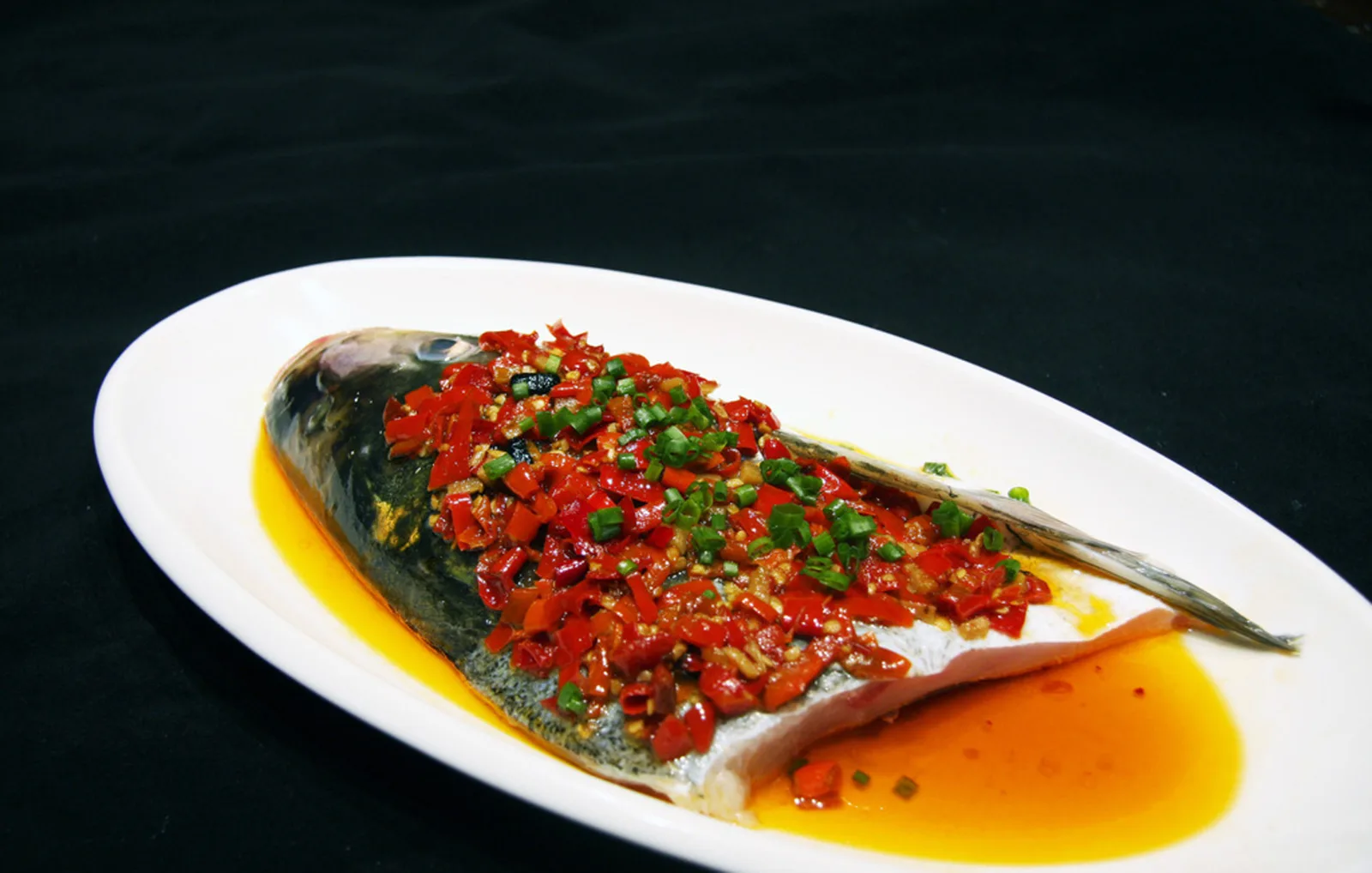
| Chopped or pickled chili | Fermentation or pickling brings acidity and savor, as in chopped-chili fish-head traditions. | Bottled chili sauce is an interchangeable topping. |
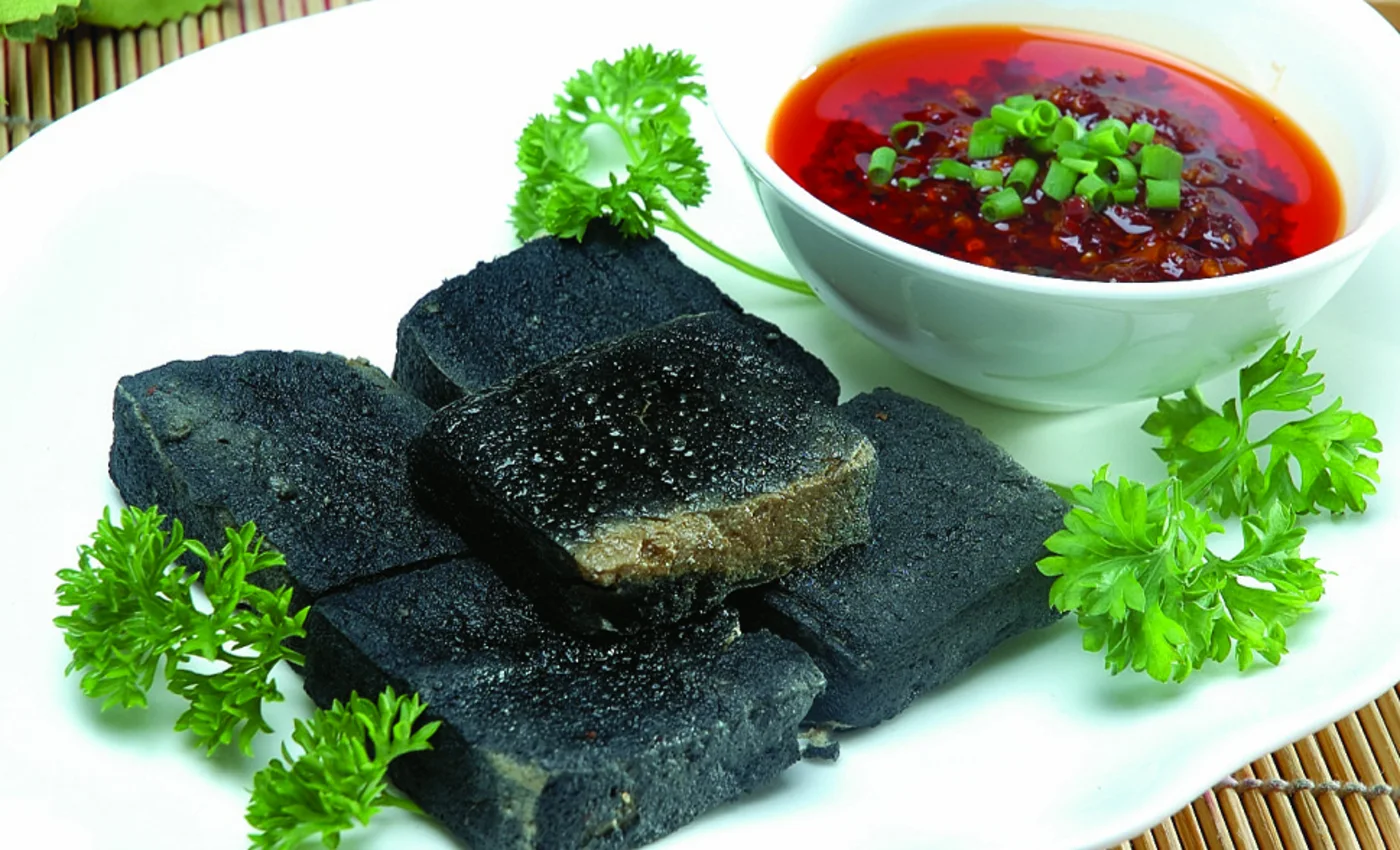
| Changsha snack | Stinky tofu, rice noodles and late-night dishes belong to a city service rhythm and local seasoning. | Viral odor or heat is the whole eating experience. |
The chili is an ingredient before it is a number
Fresh chilies differ in aroma, skin, water, sweetness and heat. Sliced green chili can perfume pork and absorb rendered fat; red chili can bring fruit and color; small hot varieties can dominate a dish in seconds. Hunan cooks choose and combine them for a result, not a dare.
A recipe must identify the chili available to the reader and offer a sensory adjustment. Removing seeds does not always remove most heat, and replacing fresh chili with flakes changes moisture and aroma. The honest substitute explains the consequence.
Smoke and pickle make the winter visible in the summer dish
Cured pork, dried vegetables, fermented beans and pickled chilies preserve food and concentrate flavor. They also carry household timing: what was prepared, hung, jarred and saved. Modern refrigeration changes necessity but not attachment. A piece of larou can bring an entire rural or New Year memory into a city kitchen.
That emotion should not hide safety or quality. Commercial and home products need proper handling, storage and cooking. Smoke is not proof of artisanal origin; dark color is not proof of age. Show cut surface, fat, texture and package evidence when the claim matters.
The city’s food becomes loud because the street is social
Stinky tofu, crayfish, rice noodles and stir-fries are tied to queues, stools, conversation and late hours. The smell that shocks a visitor may signal anticipation to someone who grew up with it. Fermented tofu needs crisp exterior, tender interior and seasoning that does more than cover odor.
I want the page to admit pleasure without turning the city into a carnival. The vendor’s frying control, the diner’s preferred sauce and the neighborhood’s price matter as much as the reaction video. Human familiarity is the story; disgust is the easiest outsider performance.
Dongting and river ingredients complicate the mountain stereotype
Hunan includes lake and river food traditions as well as smoked mountain ingredients. Fish head with chopped chili works because gelatin, flesh, steam and fermented chili meet at different intensities. If the fish is stale or overcooked, chili cannot rescue it.
The dish should be read from the bone outward: flesh moisture, collagen, chopped-chili acidity, aromatics and steaming liquid. That evidence keeps the famous red surface from hiding the ingredient below.
Use rice, vegetables and sourness to make heat readable
Order one preserved-meat dish, one fresh-chili stir-fry, a steamed or fish dish, vegetables and rice. Ask about portion and salt because preserved ingredients accumulate seasoning quickly. A soup or lightly seasoned dish creates contrast without pretending the meal must become mild.
My rule is that a table should reveal more than one kind of force. Smoke, acid, freshness, fermented depth and crisp texture should take turns. If every plate tastes identically hot and salty, the menu has failed Xiang cuisine’s range.
Hunan food is strongest when preservation and freshness collide
The cuisine’s emotional charge comes from contrast: old smoke with new chili, preserved bean with tender fish, dark pork with bright greens. It feels direct because the materials remain legible. That is the standard I use.
I will gladly be sharp about imitations. Heat without chili aroma, smoke without identifiable meat and salt without acid are not bold; they are lazy. Hunan food deserves language as vivid and exact as the plate.
Hunan and Sichuan heat solve different flavor problems
The two cuisines share chili and can both be forceful, but Sichuan often organizes heat with peppercorn numbing and named compound flavor profiles. Hunan often pushes fresh chili aroma, sour pickles, chopped chili and smoke more directly. This is a tendency, not a border wall; dishes and cooks travel.
The distinction helps a diner order. If you want citrus-numbing mala, seek the Sichuan system. If you want green-chili freshness against pork or fermented sour heat on fish, Hunan may answer better. Comparing mechanisms is more respectful than asking which province is ‘spicier.’
The jar and smoke rack can be more important than the restaurant name
Preserved foods depend on household and small-producer knowledge that rarely appears on a menu: when to salt, how dry the air feels, which wood smokes, how a jar is sealed and when a smell signals readiness. Urban families may now buy these ingredients from trusted hometown suppliers, carrying relationships through delivery networks.
Document the supplier, package, cut surface and cooking method without pretending a photograph proves safe fermentation. The emotional source can be personal; the safety claim still needs accountable production and storage evidence.
Photograph the ingredient before the chili covers it
A finished red plate hides the condition of fish, pork, tofu and vegetables. Add a frame before cooking or a clean cross-section after. Show fresh-chili cut, cured-meat fat and lean, or the texture beneath chopped chili. The image then proves what the prose is judging.
This is especially important for Hunan food because color attracts the eye too easily. We want the viewer to see preservation, freshness and doneness—not merely count red pixels. A second image should show the cook’s intervention: sliced green chili hitting hot fat, chopped chili spread over fish before steaming, or smoked pork cut thin enough for quick rendering. Process turns color into causality and keeps visual appetite connected to actual Hunan household craft and living memory.