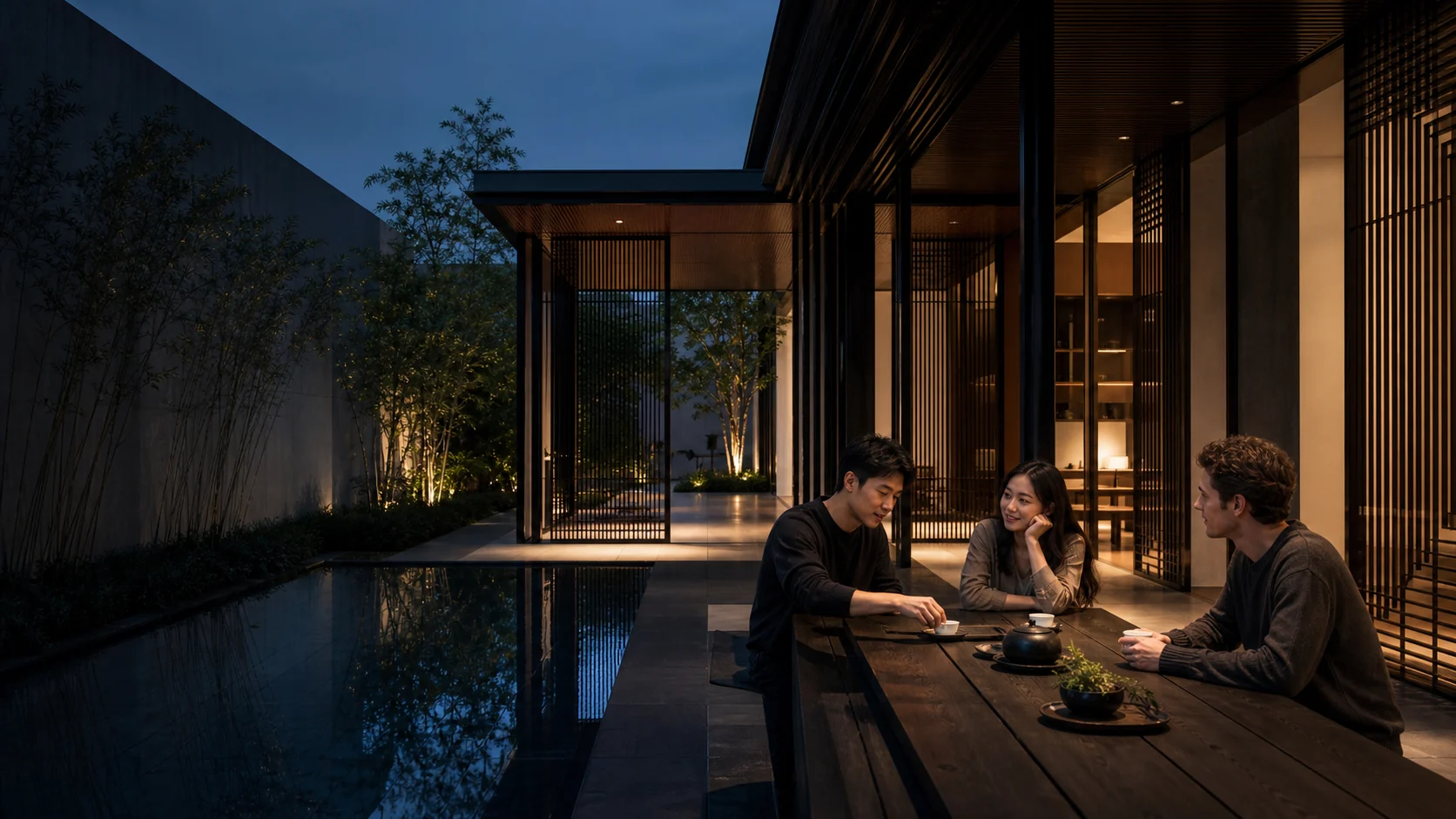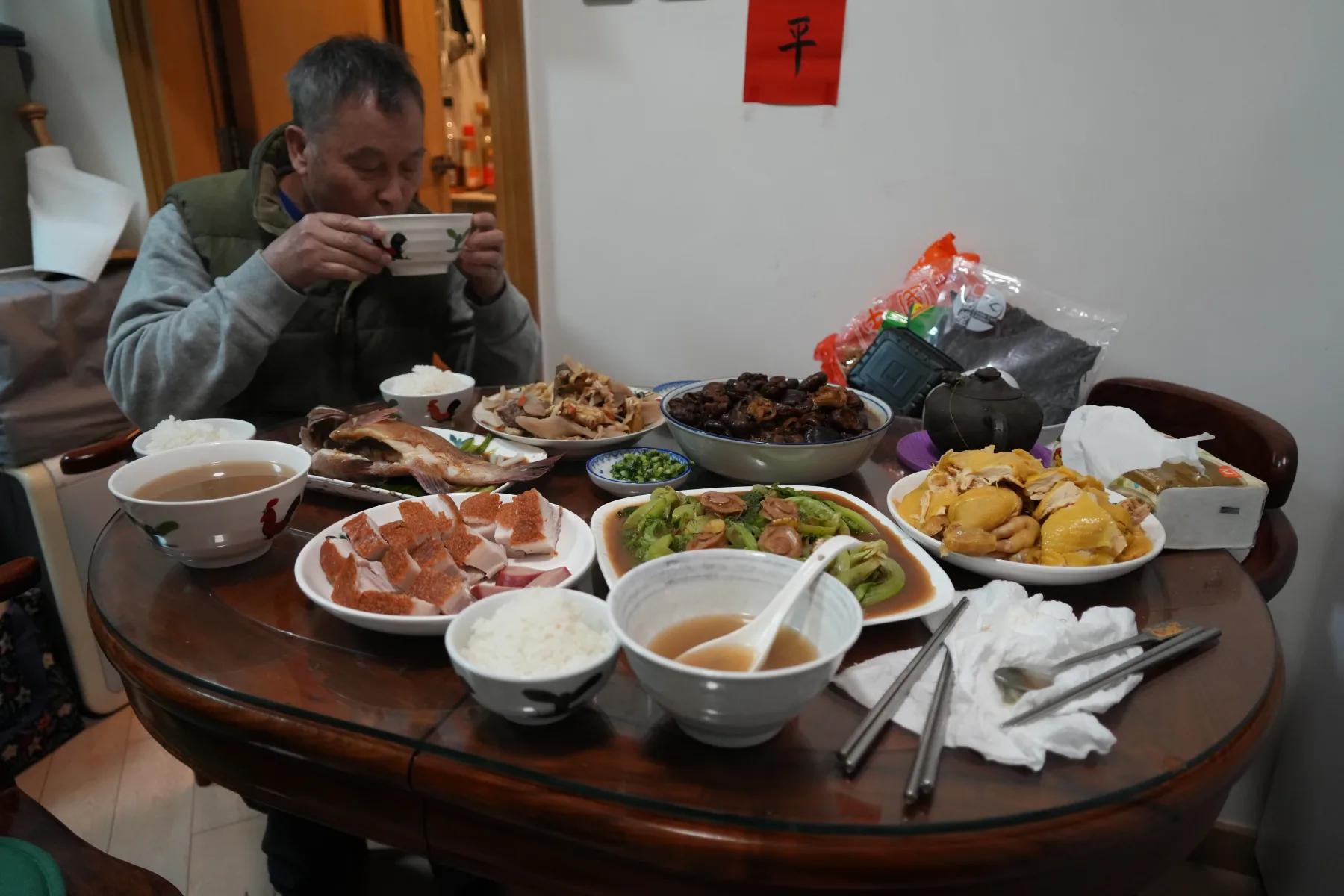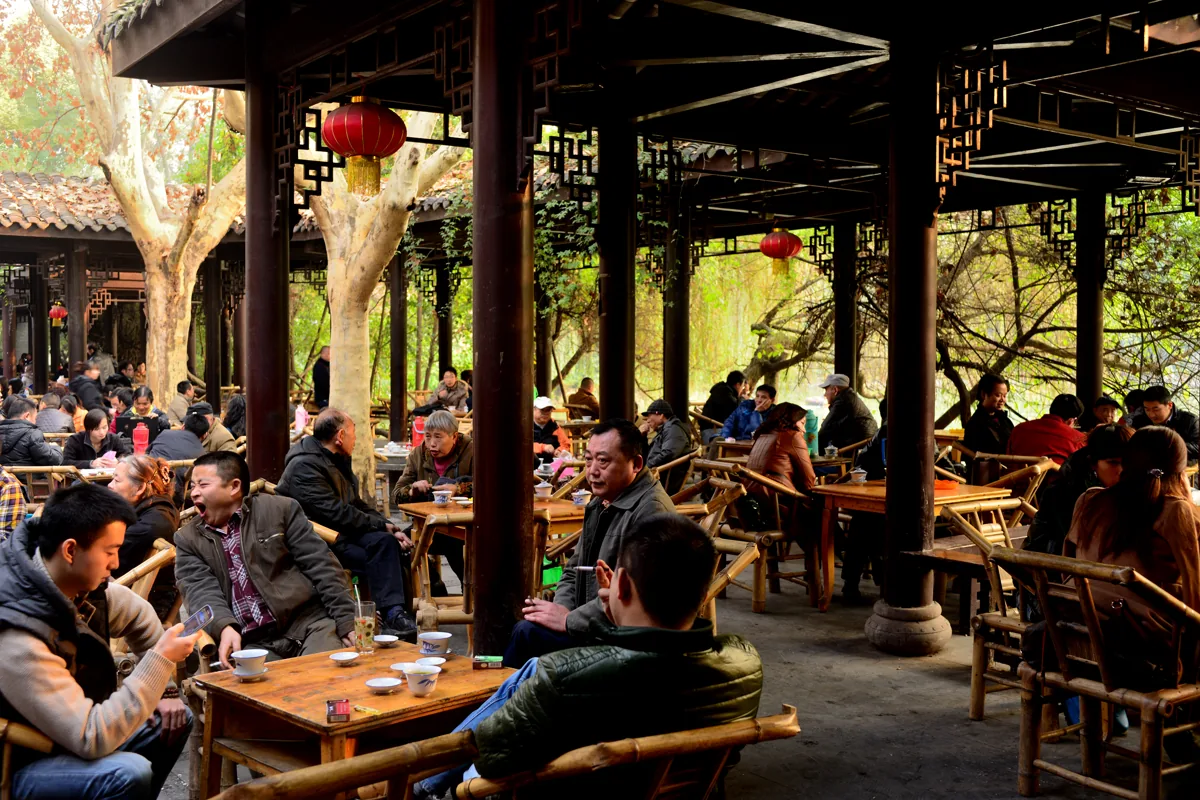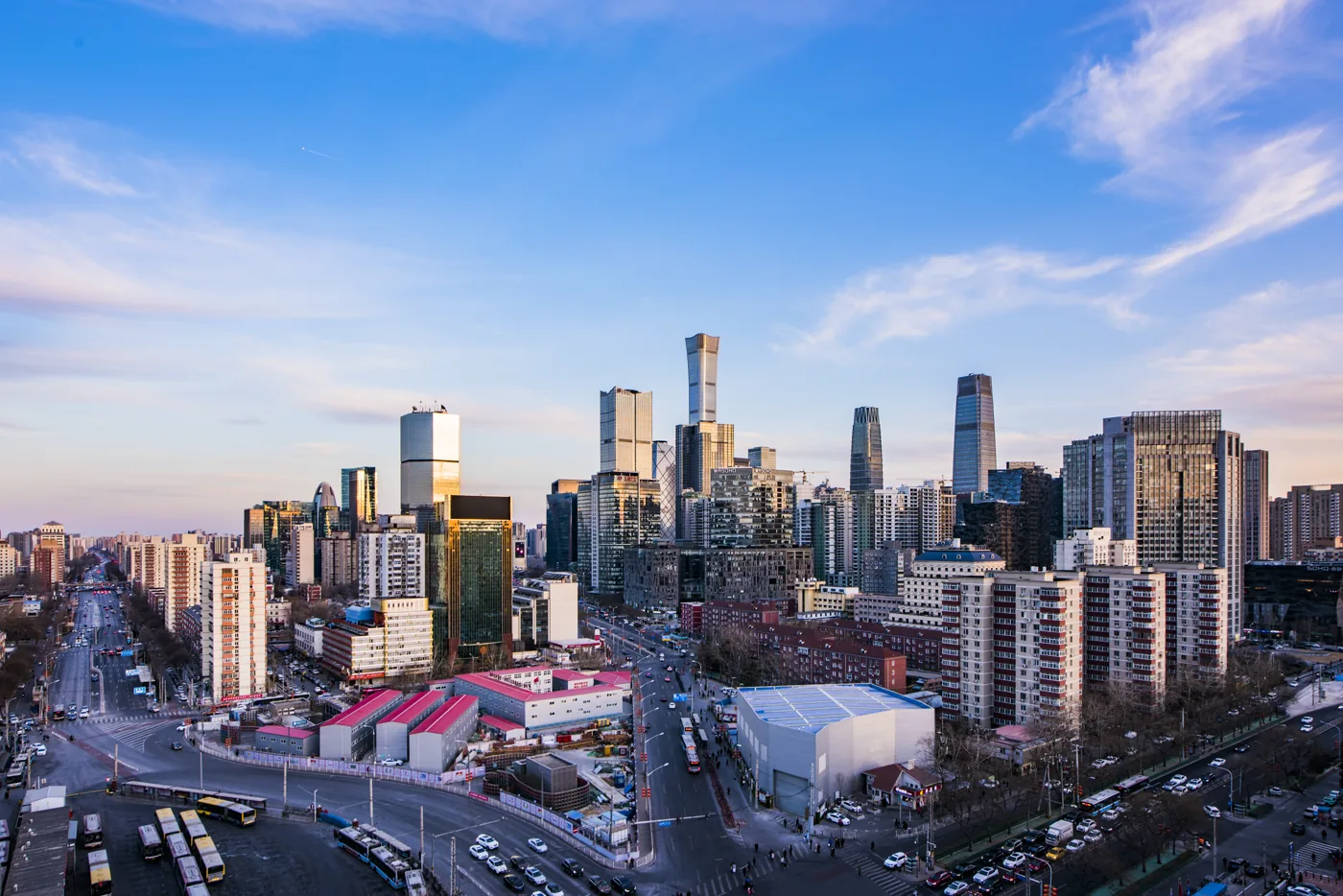
The best city in China for a first-time visitor is not the winner of a national beauty contest. It is the city that gives your trip a strong first question. Beijing asks how imperial space became a modern capital. Shanghai asks how a port city learned to edit itself. Chengdu asks why sitting down can reveal as much as rushing around. I would always choose two sharp comparisons over six famous check-ins, then leave enough unclaimed time for ordinary life to interrupt the plan.
The wider Chinese culture guide explains the subjects each city opens. This page owns the decision before that reading begins: which cities belong together, which famous stop should be omitted and how many nights are required for comparison to become understanding. The UNESCO World Heritage List for China confirms designated sites; it does not rank cities or design a humane itinerary.
I am not neutral about the pace: I would rather watch a traveler recognise one breakfast counter than watch them drag a suitcase through a fourth station. I want the first route to leave room for wrong turns, weather and a city that refuses the itinerary. That spare time is not wasted time; it is where China stops behaving like a list.
Best cities in China for first-time visitors by interest
Search results reward cities that already own famous images. Your trip does not have to obey them. Start with the experience you want at 9 a.m. and 10 p.m., not only the monument you want at noon.
| City | Best for | Suggested first stay | Main strength | Main planning risk |
|---|---|---|---|---|
| Beijing | Imperial history, politics, architecture and northern culture | 4-6 nights | Unmatched concentration of national institutions and major historic sites | Exhaustion from scale, queues and distant attractions |
| Shanghai | Modern history, architecture, design and nightlife | 3-5 nights | Strong contrast between treaty-port layers, socialist city and global finance | Seeing only the Bund and Pudong skyline |
| Xi'an | Archaeology, early empires and Silk Road connections | 3-4 nights | Material evidence for several foundational historical periods | Reducing the city to the Terracotta Army |
| Suzhou | Gardens, canals, craft and compact cultural depth | 3-5 nights | Designed landscapes and a revealing heritage-modernity contrast | Treating it as a rushed Shanghai day trip |
| Hangzhou | Landscape culture, tea and an easy urban-nature balance | 3-4 nights | West Lake joins poetry, religion, memory and public life | Spending the whole trip circling one photogenic shoreline |
| Nanjing | Layered capitals, museums and serious modern history | 4-6 nights | Imperial, Republican, wartime and contemporary layers remain close together | Treating painful memory as another attraction |
| Guangzhou | Cantonese culture, food, trade and subtropical urban life | 3-5 nights | A deep commercial city with living regional language and food systems | Assuming modern Guangzhou has little visible history |
| Hong Kong | Dense urbanism, hiking, cinema and Cantonese-global culture | 4-6 nights | Extreme compression of city, harbor, mountains and migration history | Ignoring separate border, currency and connectivity systems |
| Chengdu | Ancient Shu, tea-house public life, food and creative culture | 4-6 nights | History and contemporary youth culture remain accessible without constant monument-hopping | Reducing the city to pandas, hot pot and one commercial old street |
| Changsha | Han archaeology, intellectual history, Hunan food and nightlife | 3-5 nights | Mawangdui and Yuelu Academy give unusual depth beside a highly visible media city | Arriving only for stinky tofu and viral night districts |
| Chongqing | Vertical urbanism, river geography and night energy | 3-5 nights | Terrain makes infrastructure and daily movement unforgettable | Photographing spectacle without understanding municipal scale |
| Quanzhou | Maritime exchange, living religion and Fujian urban heritage | 3-4 nights | Temples, mosques, shrines and port history reveal long-distance connection at street scale | Treating active sacred places as a checklist of exotic architecture |
| Dali | Bai culture, Erhai landscapes and a slower highland rhythm | 4-6 nights | The city-region joins mountains, lake settlements, craft and migration | Staying only inside the most commercial old-town streets |
| Lijiang | Naxi culture, old-town water systems and mountain landscapes | 3-5 nights | Cultural depth and dramatic scenery remain closely connected | Treating local identity as a costume-photography experience |
| Macau | Chinese-Portuguese urban layers, food and compact walking | 2-3 nights | Temples, churches, civic spaces and resort urbanism sit unusually close together | Reducing the city to casinos or one St. Paul's photograph |
| Lhasa | Tibetan Buddhist pilgrimage, sacred architecture and highland urban life | 4-6 nights | Few cities make ritual movement and monumental geography this visible | Ignoring permits, altitude and respectful conduct around worship |
| Luoyang | Buddhist art, capital archaeology and museum depth | 2-4 nights | Longmen and capital sites reward historically focused travel | Expecting one intact ancient city center |
| Kaifeng | Northern Song memory, markets and reconstructed heritage | 2-3 nights | Excellent case study in how cities rebuild and perform the past | Confusing tourism reconstruction with surviving fabric |
| Zhengzhou | Transport, archaeology and contemporary central China | 2-3 nights | Reveals logistics, new districts and access to Shaolin and early sites | Using it only as a station between famous destinations |
Test a city at 9 a.m. and 10 p.m.
The noon landmark is the least reliable way to choose a city. Famous sites are designed, protected and promoted to concentrate attention. Morning and night reveal how the city distributes ordinary life.
At 9 a.m., ask what breakfast requires. Beijing may give you a fast bowl, a fried ring and commuters moving through a northern morning. Guangzhou can stretch breakfast into morning tea, but neighborhood congee and noodle shops reveal an equally practical city. Chengdu shows whether people can still claim social time before the day becomes productive. Xi'an turns wheat into dozens of morning architectures. The meal is not a bonus beside the “real” sightseeing; it is the first public system you enter.
At 10 p.m., ask what remains alive. Shanghai's answer may be a bar, a riverside walk, a late cafe or people still using a commercial district as public space. Changsha makes late eating part of its visible identity. Chongqing turns terrain, bridges, food streets and river light into one continuous night scene. Suzhou becomes quieter, but that quiet may be exactly what a traveler wants after a day of close looking.
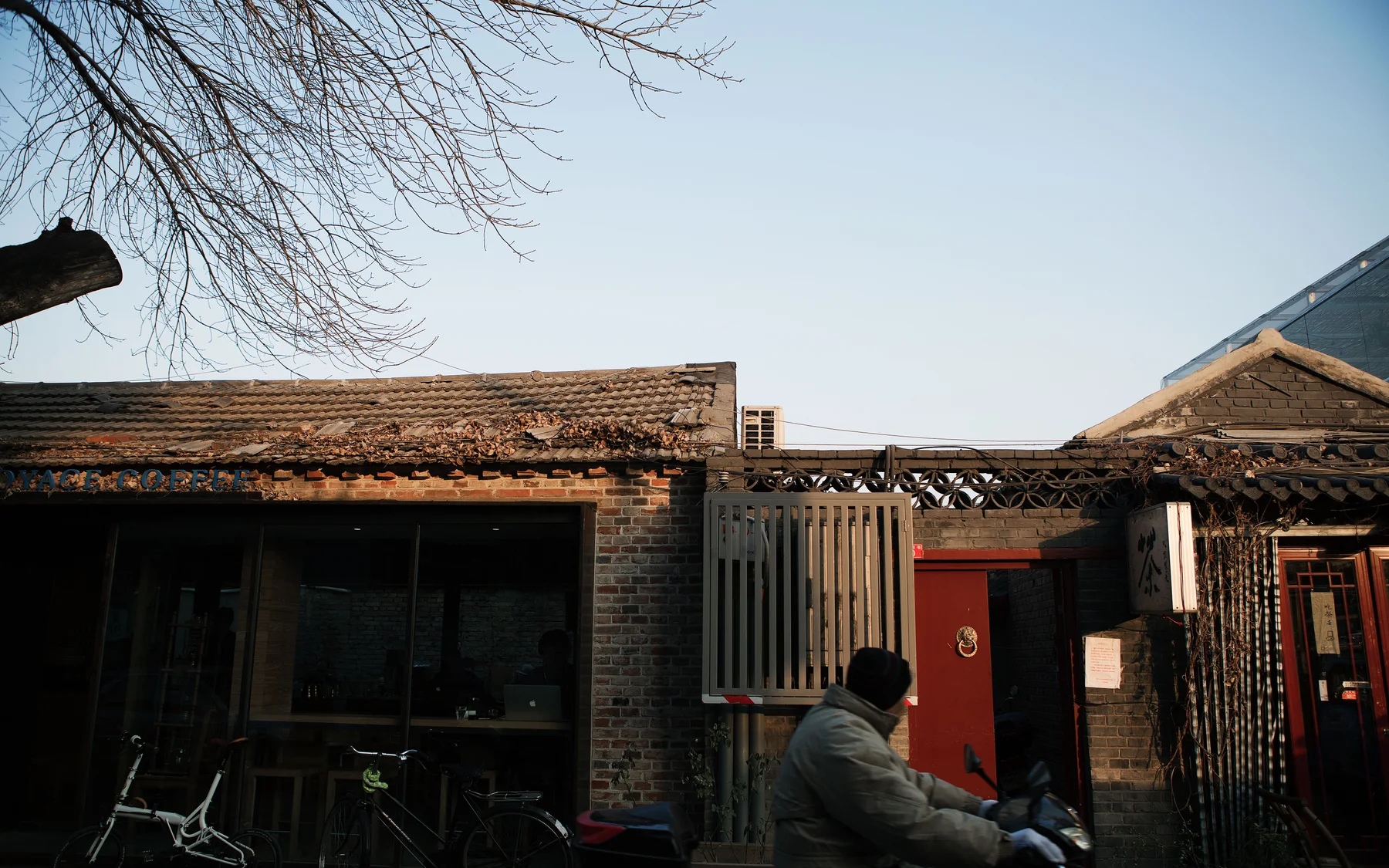
This test prevents a common mismatch. A traveler who wants live music, design stores and a midnight meal should not choose a route entirely from daytime heritage rankings. Someone who wants early walks, gardens and unhurried evenings should not let viral night views dictate the whole trip. Choose the daily rhythm you can love, not the image you can post once.
Nightlife is cultural evidence, not an optional extra
Nightlife does not mean only clubs and alcohol. It includes night markets, river walks, live houses, bookstores, outdoor dancing, food streets, late tea, cinema, shopping and the simple fact that people remain outside together. These activities reveal work schedules, transit hours, climate, housing density and what a city considers safe or sociable after dark.
Shanghai and Hong Kong offer enormous range, from tightly designed cocktail rooms to live music and neighborhood eating. Chengdu joins bars, music, tea and riverside leisure without requiring every evening to become an event. Chongqing's night is inseparable from elevation: the view is spectacular because people, roads and buildings continue to occupy steep terrain. Changsha's media confidence and compact night districts make the city feel younger than a museum-first itinerary would suggest.
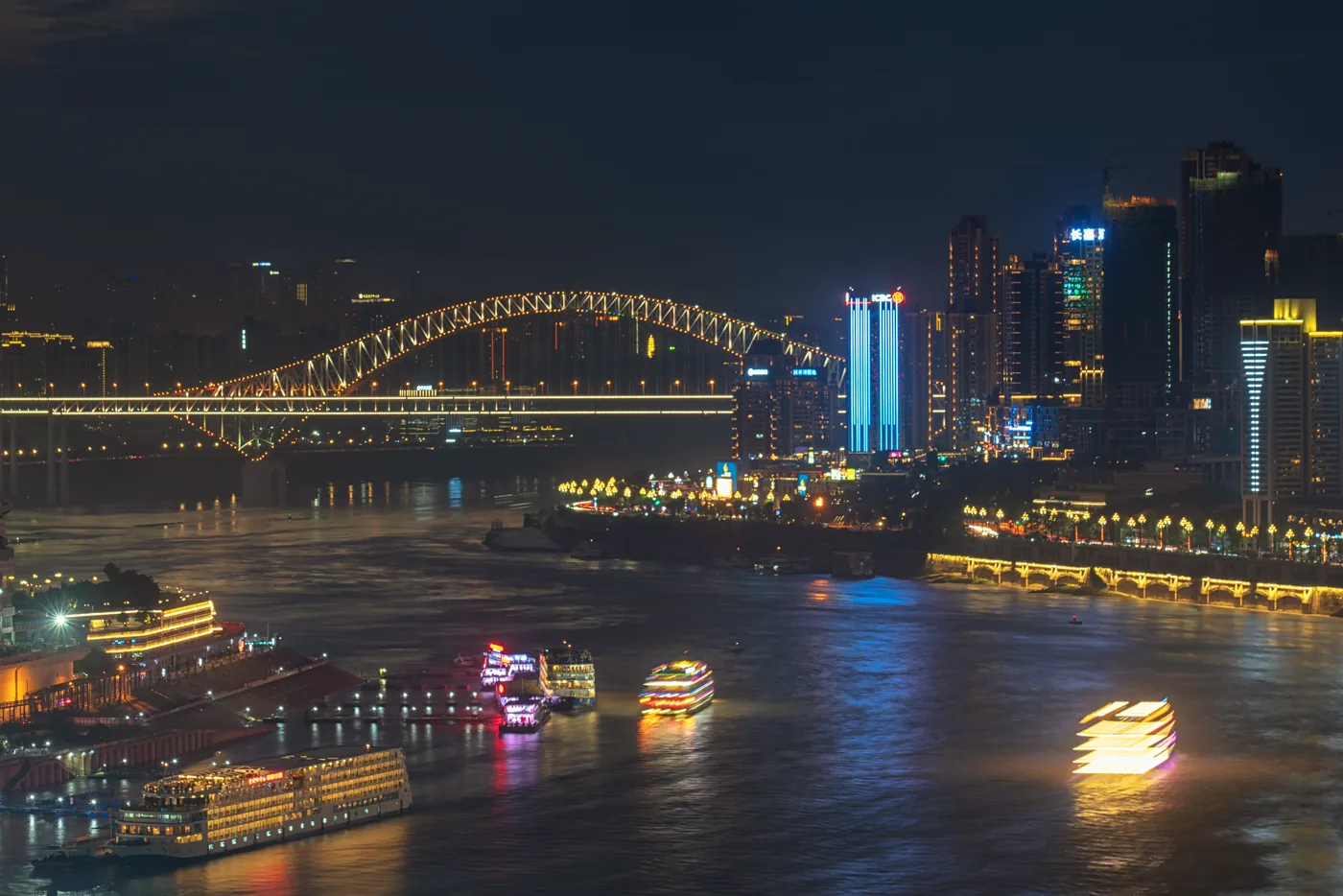
Do not arrive with a generic “Chinese nightlife” template. Venue names change quickly, and a fashionable district can become stale between planning and arrival. Search current local listings, check an official venue account and verify the last train or ride home. The stable question is not which bar is number one. It is what kind of night this city makes possible.
The strongest first trip has an argument
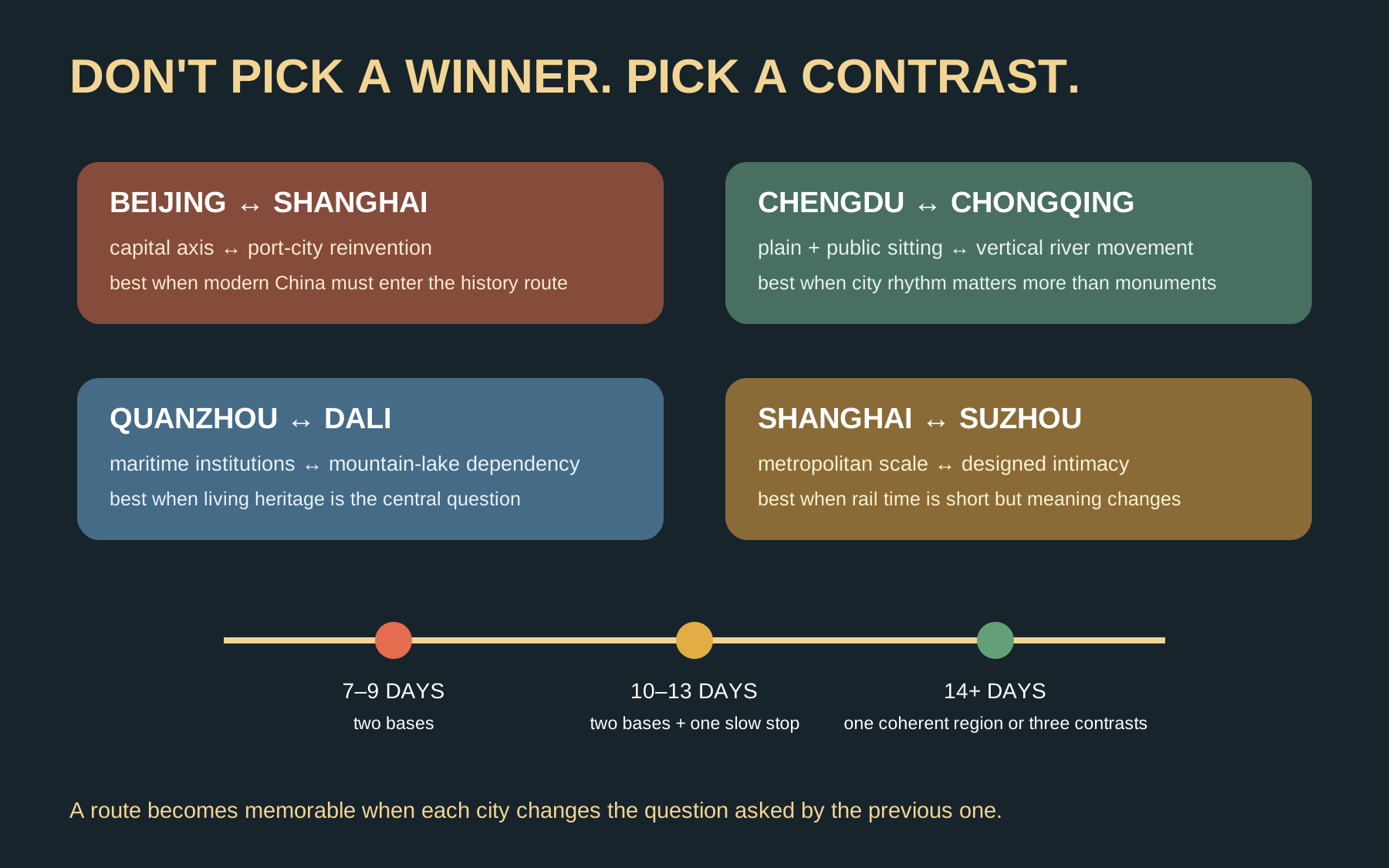
A route should behave like a conversation. The second city must complicate the first: port after capital, vertical movement after public sitting, maritime institutions after mountain ecology. If every stop proves only that China has impressive heritage, the route has repeated one sentence at great expense.
Two cities that look close on a map may tell radically different stories. Contrast creates memory because each place gives the other definition. Without it, even extraordinary landmarks can begin to feel like unrelated tabs left open in a browser.
Beijing and Shanghai: power from two directions
Beijing organizes space through imperial axes, state institutions, ring roads and an enormous northern metropolitan field. Shanghai grew through river, port, concession, industry and finance. One is often read inward from court and capital; the other outward through trade and global contact.
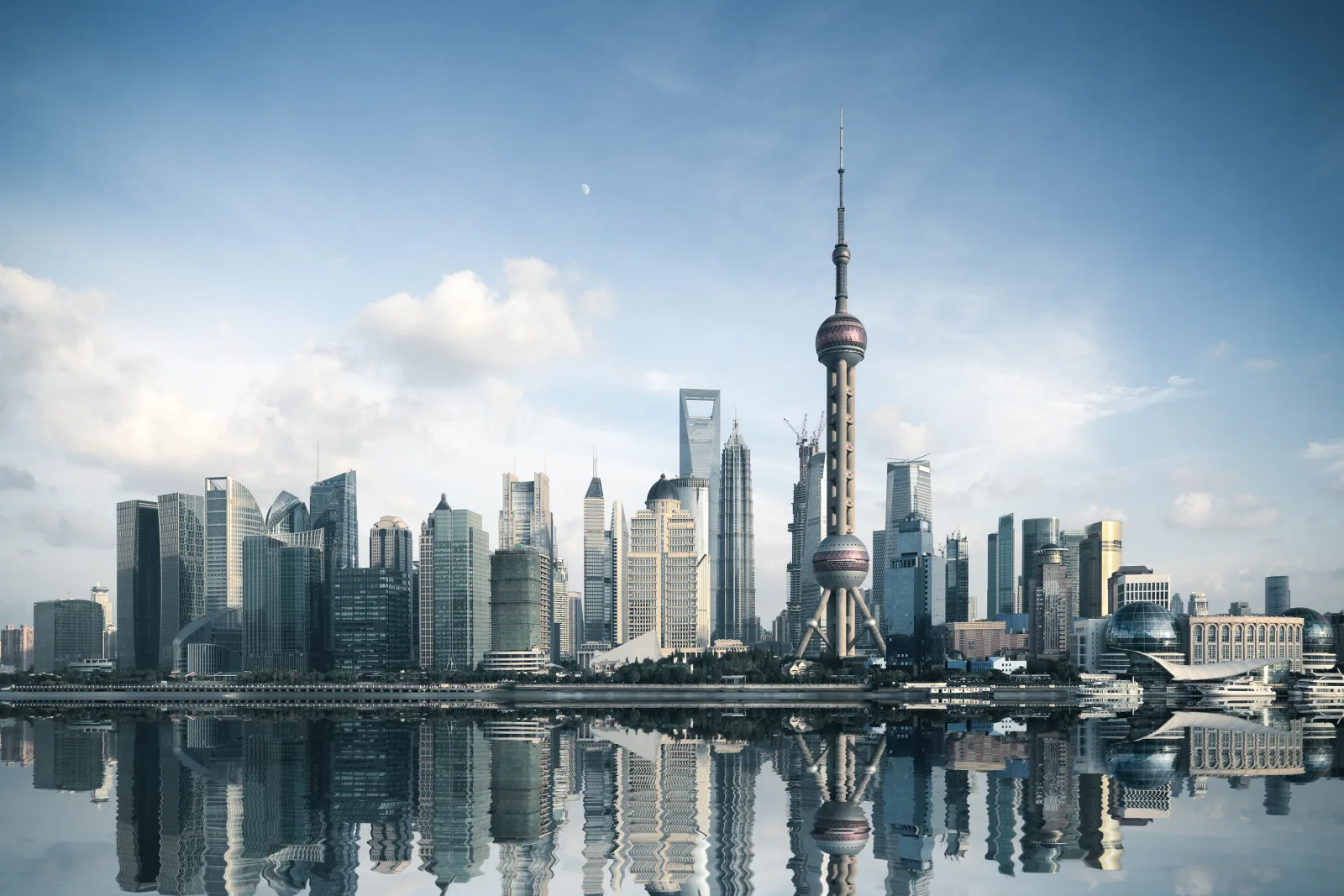
Together they are the clearest first comparison, but they also consume time. Give each at least three full days and resist filling the transfer day with major sites.
Shanghai and Suzhou: modern metropolis and designed intimacy
Shanghai's scale makes Suzhou feel compact, but Suzhou is not preserved scenery outside the real economy. Its gardens, canals and craft traditions coexist with manufacturing, research and Suzhou Industrial Park.
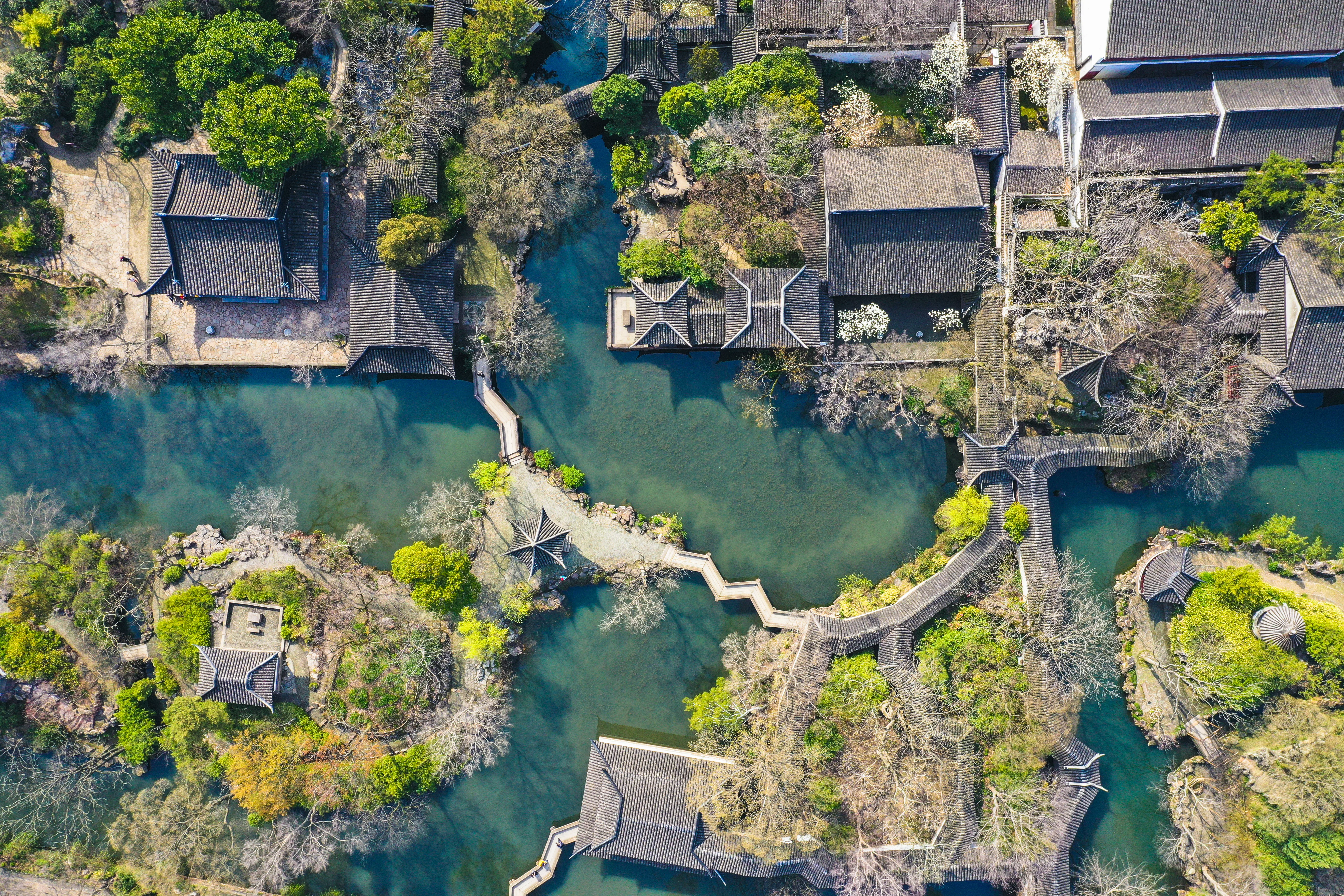
This pairing works well for travelers interested in architecture, design, food and a slower pace. Spend at least two nights in Suzhou so morning and evening belong to the city rather than to a day-trip timetable.
Beijing and Xi'an: two capitals, different evidence
Beijing retains a powerful late-imperial palace-and-ritual landscape. Xi'an's earlier capitals survive more through archaeology, tombs, city sites and museum interpretation. Comparing them prevents "ancient China" from becoming one unchanging visual style.
The route suits history-focused travelers, but it benefits from one contemporary urban day in each city. Universities, music, shopping and transit show that neither city is a historical set.
Guangzhou and Hong Kong: related Cantonese worlds
Guangzhou and Hong Kong share Cantonese linguistic and food connections, yet their colonial histories, political systems, urban forms and international networks differ. Cross-border movement is straightforward for many travelers but is not administratively identical to a domestic train journey.
Use the pairing to study continuity without assuming sameness. Eat dim sum in both, then compare market systems, restaurant service, street density, housing and language use.
Quanzhou and Dali: living heritage in different landscapes
Quanzhou is a coastal port whose temples, mosques, shrines and merchant histories reveal centuries of maritime exchange. Dali is a highland city-region shaped by Bai communities, Erhai, mountain corridors and successive waves of tourism and migration.
They are not a practical two-city route for a short trip. They are a useful comparison for travelers deciding what kind of heritage they want: dense religious and trading history embedded in a working port, or landscape-led cultural travel that requires attention beyond the old-town core.
Chongqing and Chengdu are not substitutes
Even when travelers group the Sichuan basin together, Chongqing's mountain terrain, municipality scale, port history and food identity differ from Chengdu's plain, tea-house public life, Ancient Shu archaeology and creative economy. Use the Chengdu food guide to compare its small dishes and seasoning systems with Chongqing hot pot and noodles rather than pretending one city represents the whole region.
How many cities fit your trip?
| Trip length | Realistic scope | Strong pattern |
|---|---|---|
| 5-7 days | One major city plus one nearby contrast | Shanghai + Suzhou, or Guangzhou + Hong Kong with border planning |
| 8-10 days | Two major cities | Beijing + Shanghai, or Beijing + Xi'an |
| 11-14 days | Two major cities plus one slower city | Beijing + Xi'an + Shanghai, or Shanghai + Suzhou + Hangzhou + Nanjing with shorter stays |
| 15-21 days | Two regions with recovery days | Northern capitals + Jiangnan, or east-coast cities + Chongqing |
| More than 3 weeks | Multi-region route | Add smaller cities only when they answer a new question |
Every city change costs more than train time. Packing, reaching stations, security, waiting, local transfer and hotel check-in can consume half a day. A route with six cities in ten days is mostly a route through stations. Entry and transit rules can also decide whether a proposed route works at all, so check the National Immigration Administration's current policy page against your passport and exact itinerary before booking. I will never let a beautiful city pairing outrank a border rule.
Three first-trip routes that work
Classic 10-day contrast
| Days | City | Focus |
|---|---|---|
| 1-4 | Beijing | Forbidden City, Temple of Heaven, one Great Wall day, hutong and contemporary districts |
| 5 | Transfer | Travel, check-in and one neighborhood walk only |
| 6-9 | Shanghai | Bund history, former industrial and residential districts, Pudong and public life |
| 10 | Departure buffer | Museum, food or a nearby district based on flight time |
Jiangnan 9-day route
Use Shanghai for three nights, Suzhou for two, Hangzhou for two and Nanjing for two. This route has strong rail connections and a dense internal comparison among port, gardens, lake culture and former capitals. See the full Jiangnan travel route.
History 14-day route
Combine Beijing, Xi'an, Luoyang and Nanjing. The route moves from late-imperial monumental survival to archaeology, Buddhist art and modern historical memory. It is demanding but intellectually coherent. Our ancient capitals itinerary gives the full sequence.
City choice by traveler personality
| You want... | Choose first | Add second |
|---|---|---|
| Major monuments and historical scale | Beijing | Xi'an or Nanjing |
| Contemporary architecture and nightlife | Shanghai | Hong Kong or Chongqing |
| Gardens, design and photography with context | Suzhou | Hangzhou |
| Food-led travel | Guangzhou | Hong Kong, Yangzhou or Chongqing |
| Archaeology with strong contemporary nightlife | Changsha | Chengdu |
| Living religious and port heritage | Quanzhou | Guangzhou or Hong Kong |
| Highland landscape and culturally grounded slow travel | Dali | Chengdu |
| Naxi culture and mountain heritage | Lijiang | Dali |
| Tibetan Buddhist sacred geography | Lhasa | Chengdu as a lower-elevation buffer |
| Compact Chinese-Portuguese urban history | Macau | Guangzhou or Hong Kong |
| Archaeology and museums | Xi'an | Luoyang |
| Slower historic urbanism | Yangzhou | Suzhou or Nanjing |
| Terrain, infrastructure and visual intensity | Chongqing | Hong Kong |
| Fewer international visitors | Zhengzhou or Kaifeng | Luoyang |
What first-time visitors often get wrong
| Mistake | Better approach |
|---|---|
| Trying to see "all of China" | Choose one region or two strong contrasts |
| Booking only global hotel districts | Stay near useful transit and one walkable local area |
| Treating reconstructed streets as ancient proof | Ask what survives, what was restored and what was newly built |
| Scheduling every hour | Protect one flexible half-day in each major city |
| Eating only famous dishes | Include breakfast, markets, vegetables and one ordinary neighborhood meal |
| Assuming apps and payments work like home | Prepare current payment, map, translation and connectivity options before arrival |
| Ignoring distances inside cities | Group sites geographically and check the last local transfer |
My final rule: choose fewer cities and let one become familiar
The first moment of recognition matters more than the tenth arrival. Return to the same breakfast shop. Walk one street in daylight and again after dark. Learn which subway exit actually places you on the useful corner. A city begins to reveal itself when your body stops treating every block as new information.
I want that recognition more than another famous skyline in the camera roll.
This is why I refuse the itinerary that collects five or six cities in ten days. It produces evidence that you traveled, not evidence that you understood where you went. Pick one major city that answers your central interest, add one city that challenges it and protect a half-day with no famous noun attached. That route will feel larger than a rushed map covered in pins.