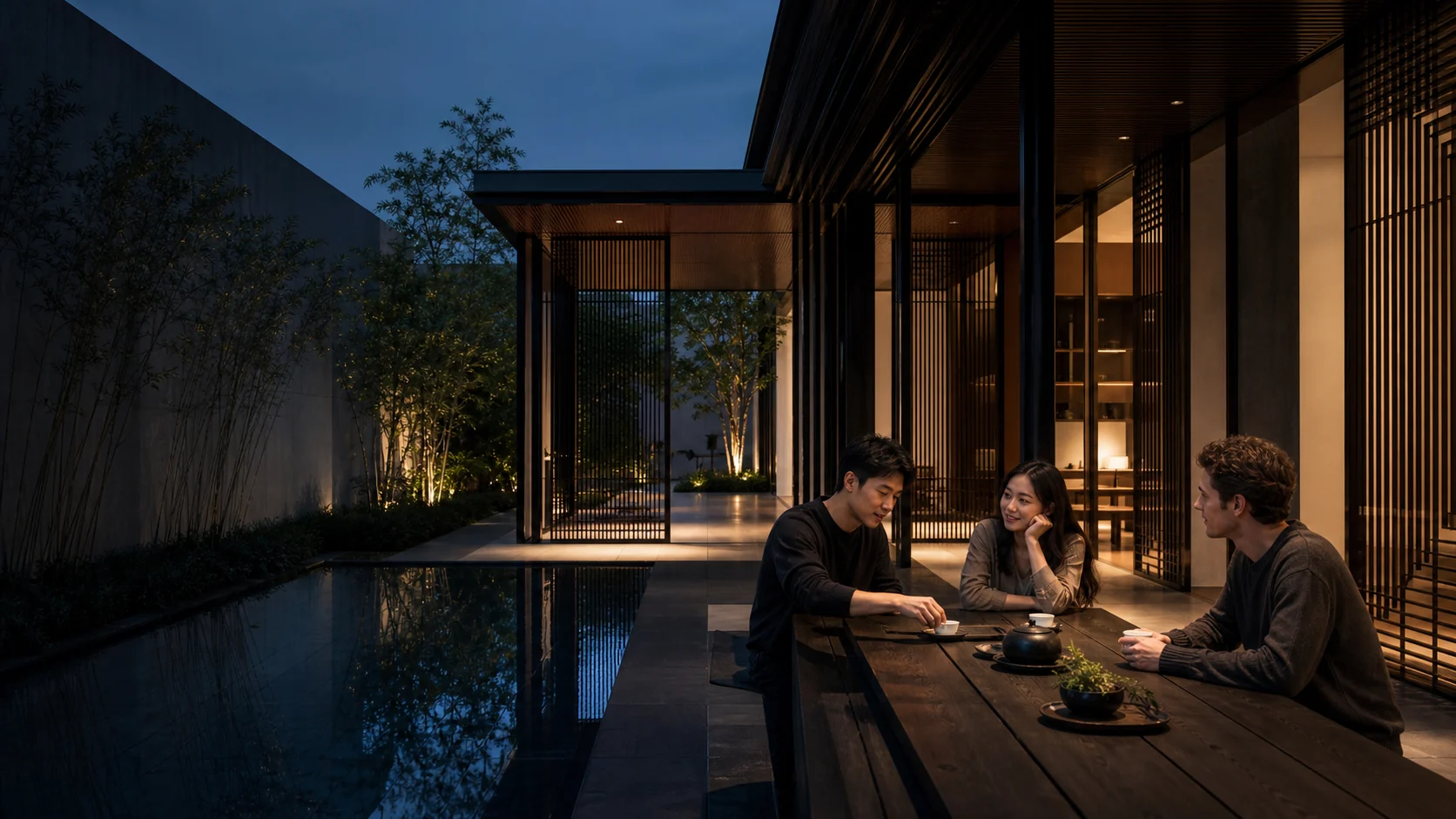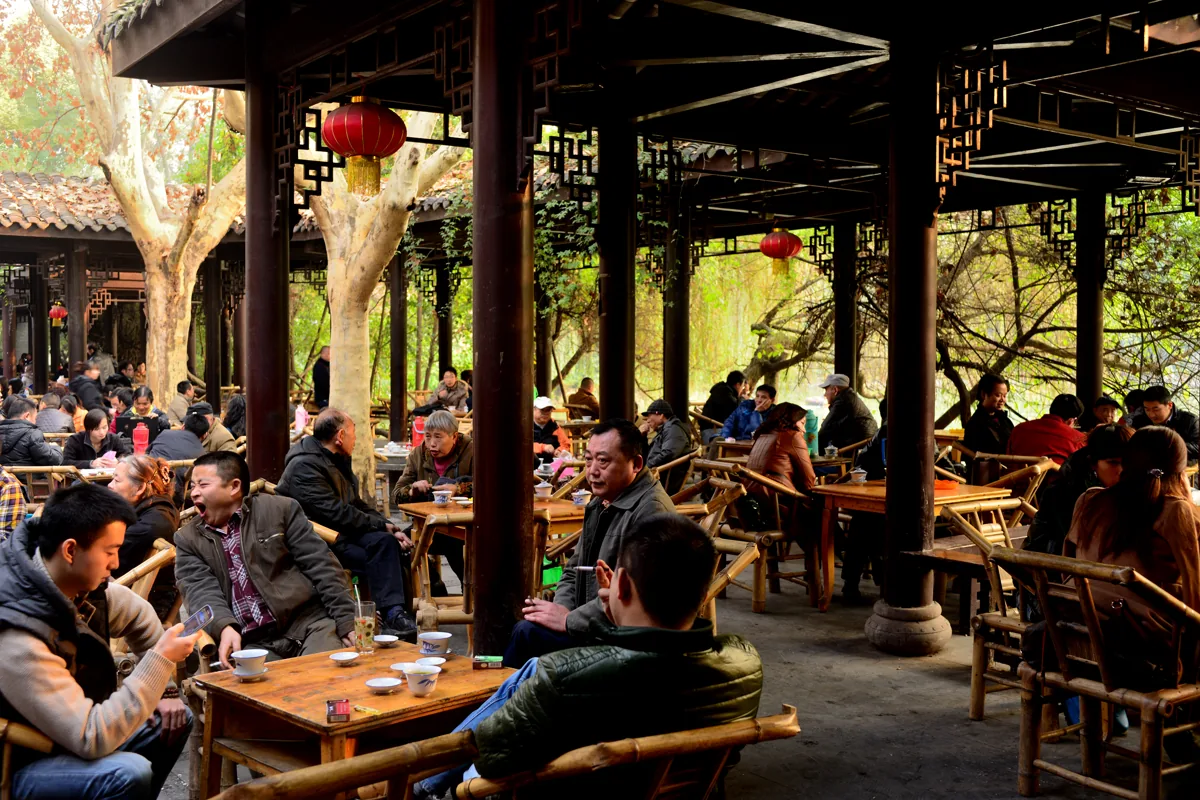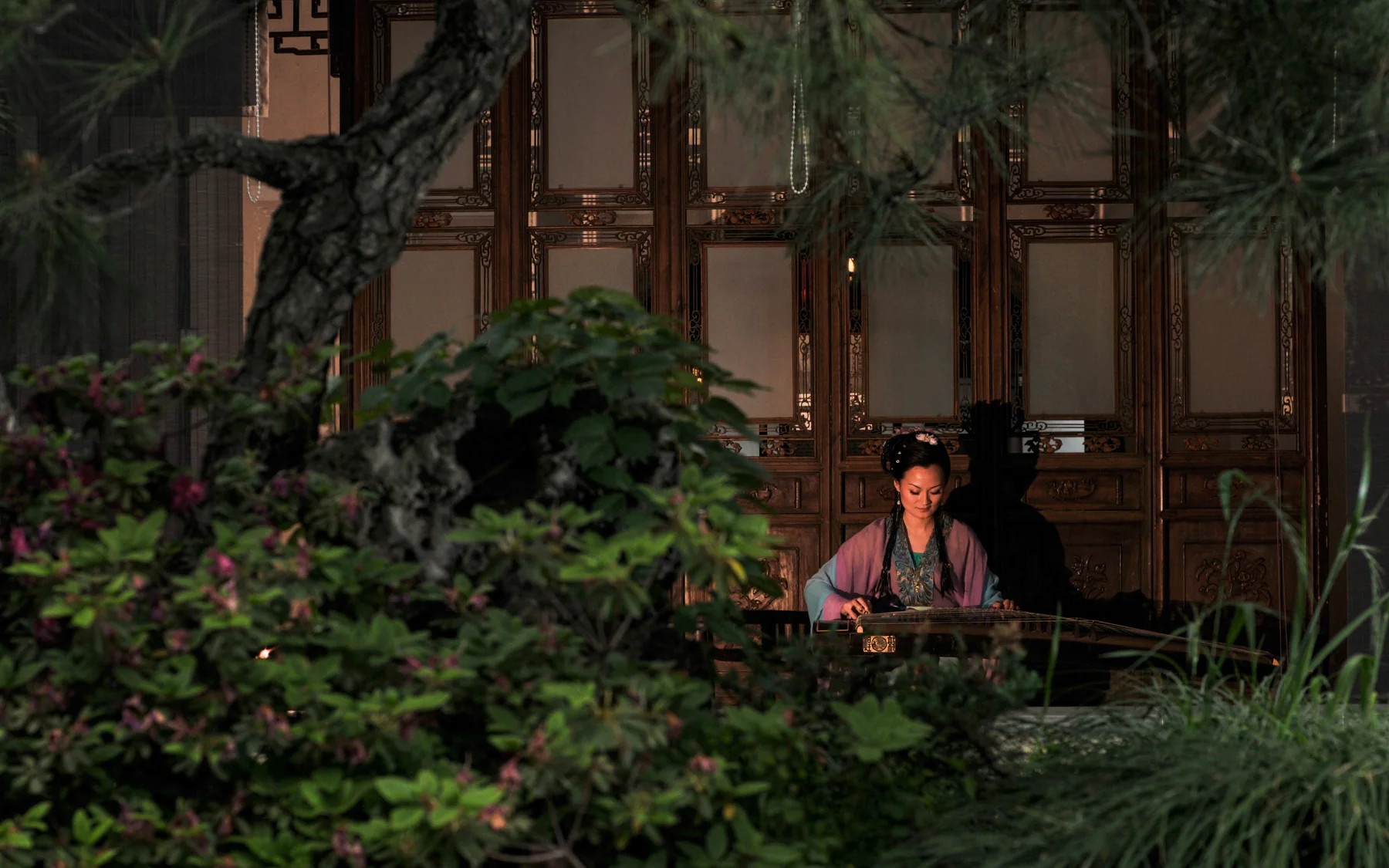
Suzhou (苏州) is not simply a city with beautiful gardens. It is a city that learned to make limited space feel intellectually and emotionally larger: a wall becomes a screen, a window borrows a distant view, a corridor edits movement, a rock suggests a mountain and a pond changes scale with every turn. Canals carried goods, waste, people and news through neighborhoods that were never as silent as heritage photography implies. Silk, opera, storytelling and food grew within commercial life. Today, factories, laboratories, apartment districts and Suzhou Industrial Park place that inherited landscape beside one of China's strongest modern urban economies.
Suzhou culture guide: limited space becomes a complete world
The UNESCO account of the Classical Gardens of Suzhou establishes their historical importance. My argument is more personal and more useful on the ground: Suzhou culture repeatedly turns constraint into concentration. A small urban plot becomes mountains and water; a narrow canal carries a commercial city; a quiet voice carries drama; a thin silk thread carries accumulated labor.
Within the wider Chinese culture collection, Suzhou is the clearest lesson in concentration rather than monumentality. The separate Chinese gardens guide explains the moving-eye design system; this page asks what happens when the same habits of editing space also shape sound, craft, commerce and modern identity.
| Question | Short answer |
|---|---|
| Why does Suzhou matter? | It turns designed landscape, waterways, craft, performance and commerce into a distinctive Jiangnan cultural system |
| Cultural center | The historic city and its gardens, with important extensions through the Grand Canal, Taihu and modern Suzhou |
| Best way to read it | Compare garden space, working canals, silk labor, performance and industrial growth rather than isolating one picturesque district |
| Essential cultural forms | Classical gardens, Kunqu, pingtan, silk, collecting, seasonal food and canal-side urban life |
| What makes it different? | Suzhou turns landscape design into a way of reading architecture, art, social life and controlled movement |
| Main misunderstanding | Treating every white wall and black roof as ancient or assuming the industrial city is culturally irrelevant |
Choose the Suzhou you want to meet
| If you care most about | Build your days around | Add this contrast |
|---|---|---|
| Garden design | Humble Administrator's Garden, Lingering Garden and Master of the Nets | Compare scale, circulation and borrowed views instead of counting photo spots |
| Urban waterways | Pingjiang Road, quieter canal lanes, Panmen and Grand Canal edges | Walk in daylight before taking a night boat |
| Architecture | Garden halls, corridors, windows, rockeries, Panmen and Suzhou Museum | Separate surviving fabric, restoration and contemporary interpretation |
| Performance | Kunqu, pingtan and garden-scale evening programs | Read the form before attending; do not reduce costume to atmosphere |
| Food | Morning noodles, freshwater dishes, pastries and seasonal produce | Use our Suzhou food guide rather than ordering only squirrel fish |
| Contemporary China | Suzhou Industrial Park, Jinji Lake, transit, campuses and worker districts | Ask how a heritage city became a global production and technology center |
Suzhou's history lives in water, trade and repeated rebuilding
Suzhou grew in the lower Yangtze delta where waterways connected rice-growing plains, Taihu, the Grand Canal and markets toward the coast. Its association with the ancient state of Wu gives the city a deep historical identity, but the visible city is not one continuous survival from antiquity.
Dynastic change, warfare, fire, flood, silting, new roads, industry and conservation repeatedly altered the urban fabric. The useful question is not "Is Suzhou old?" but "Which layer is this, and how has it been maintained?"
| Urban layer | Evidence visitors can read | Important limitation |
|---|---|---|
| Ancient Wu memory | Place names, museums, regional identity and archaeological interpretation | The present historic center is not an intact Spring and Autumn period city |
| Imperial commercial city | Canal routes, bridges, temples, gardens, guild and residential patterns | Functions and buildings changed across centuries |
| Scholar and merchant gardens | Surviving layouts, rockeries, halls, inscriptions, plants and later restoration | A preserved garden is not a frozen private household |
| Treaty-port and industrial change | Mills, transport, new institutions and changing labor landscapes | Garden-centered tourism often hides this history |
| Reform-era growth | Industrial parks, export production, research, housing and metro expansion | Contemporary Suzhou is far larger than the heritage core |
The classical gardens are designed arguments
UNESCO's Classical Gardens of Suzhou property brings together a group of gardens whose design traditions developed across different periods. They are not interchangeable examples of "Chinese beauty." Each solves problems of limited land, social display, seasonal change, privacy and movement differently.
Water can unify a garden while walls divide it. Rockeries produce height and compressed paths. Windows frame scenes beyond the room. Corridors delay arrival. Inscriptions and room names connect physical space to literature and memory. Plants are timed: lotus, plum, bamboo, wisteria and autumn foliage change what a garden means through the year.
The gardens were homes and social spaces as well as aesthetic compositions. Servants, craftspeople, tenants, gardeners and visitors made them function. Their present condition also reflects conservation, restoration and visitor management.
Which Suzhou garden fits your trip?
| Garden | Spatial character | Best for | Likely challenge |
|---|---|---|---|
| Humble Administrator's Garden | Broad water, islands, pavilions and long views | A first lesson in water-centered composition | Heavy crowds and rushed group circulation |
| Lingering Garden | Dense sequences of courts, halls, rocks and changing scales | Architecture, thresholds and controlled movement | Easy to miss the logic when chasing individual landmarks |
| Lion Grove Garden | Labyrinthine limestone rockery and compressed passages | Understanding rock as inhabitable landscape | Congestion inside narrow paths |
| Master of the Nets Garden | Small, precise and intimate around a central water court | Seeing how limited space can feel complete | Requires patience; spectacle-seekers may move too quickly |
| Canglang Pavilion | Strong relationship between garden wall and exterior water | Reading boundary, sound and approach | Less immediately theatrical than larger gardens |
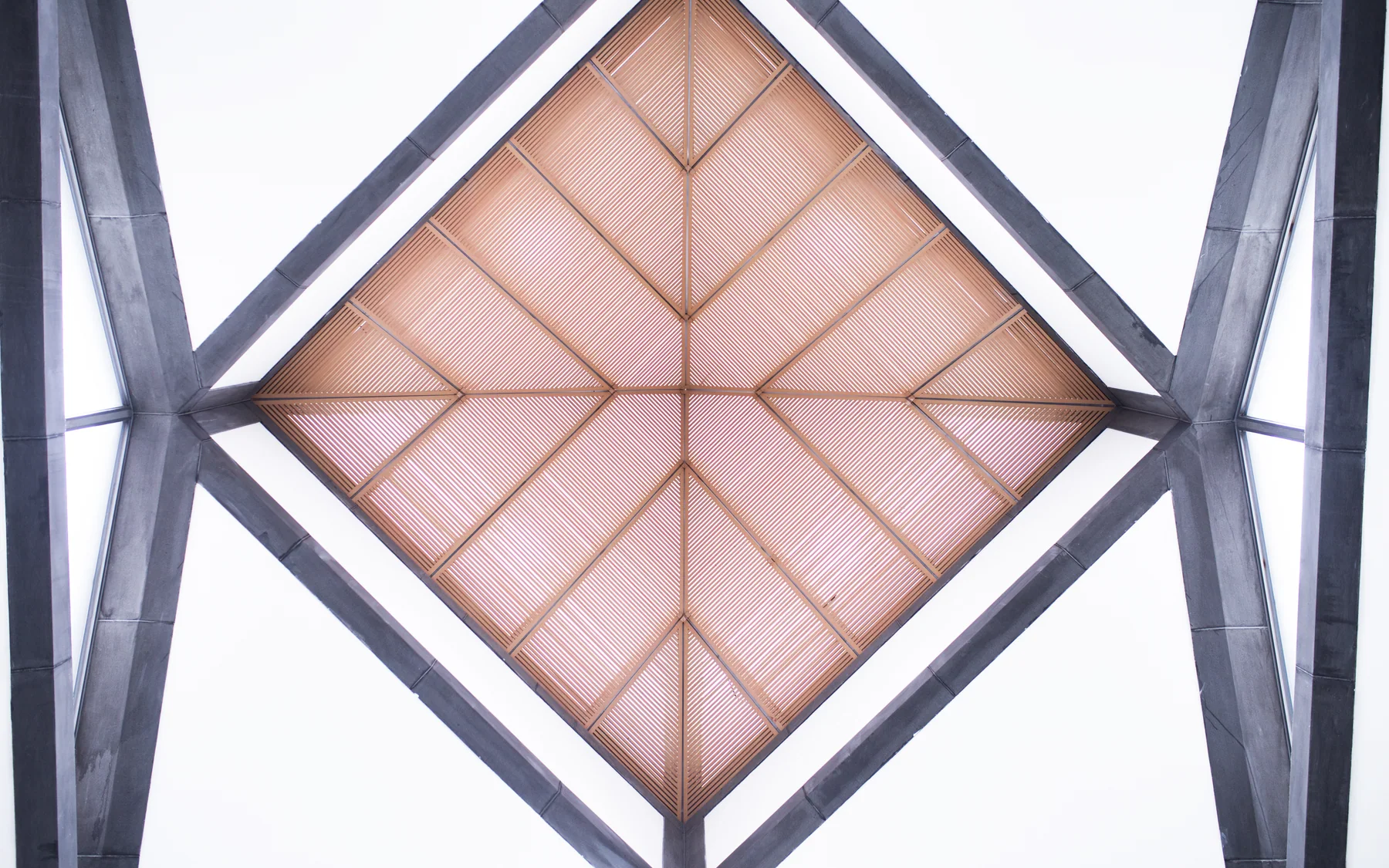
Visit one large garden early, then a smaller garden later the same day or on the next morning. The comparison trains the eye. Four consecutive gardens often produce visual fatigue rather than deeper understanding.
Rockeries make mountains from urban material
Taihu limestone, valued for perforated and weathered forms, is one of the most recognizable materials in Suzhou gardens. Individual rocks can be displayed as objects, but larger rockeries create paths, caves, peaks, platforms and changing sightlines.
Lion Grove is the clearest place to experience rock as movement rather than sculpture. The route is intentionally unstable: you rise, turn, disappear from companions and reappear above them. Crowds can reduce the effect, which is why opening time matters.
Do not treat every rock as ancient or untouched. Gardens repair foundations, reset stones and manage vegetation. Conservation keeps a living structure usable, but it also complicates the fantasy of perfect survival.
Windows edit the city into pictures
Suzhou garden windows are often photographed as ornamental patterns. Their deeper role is spatial. A perforated screen allows air, light, sound and partial vision to pass while preserving separation. A framed opening can make a planted court appear like a painting, then change as the viewer moves.
This is borrowed scenery in a practical sense: the garden does not own every visible tree, roof or patch of sky, but design makes the outside participate. The technique is not one fixed formula. It depends on angle, distance, season and the viewer's body.
Canals were infrastructure before they were romance
Suzhou's waterways supplied transport, drainage, trade and neighborhood access. The city's relationship to the UNESCO-listed Grand Canal connects local urban form to a much larger water system that moved grain, goods, officials and armies across eastern China.
Canal photographs often remove smell, work and congestion. Historically, water carried refuse as well as silk. Bridges organized routes. Houses used both street and water edges. Modern embankments, sanitation, dredging and tourism changed what the canals do.
Pingjiang Road is the best-known canal-side district. Walk it once in the morning, when deliveries and local movement remain visible, and again after dark if you enjoy the commercial atmosphere. Tea rooms, souvenir shops and rented clothing are part of the present district; they do not automatically prove or erase the past.
Shantang Street has a long relationship with canal movement and the route toward Tiger Hill, but its most visible sections are highly curated. Move beyond the brightest entrance before deciding what the district is.
Panmen reveals the fortified water city
Panmen is useful because it shifts attention from private gardens to gates, walls and water control. The surviving and restored complex shows how land routes and waterways entered a defended city.
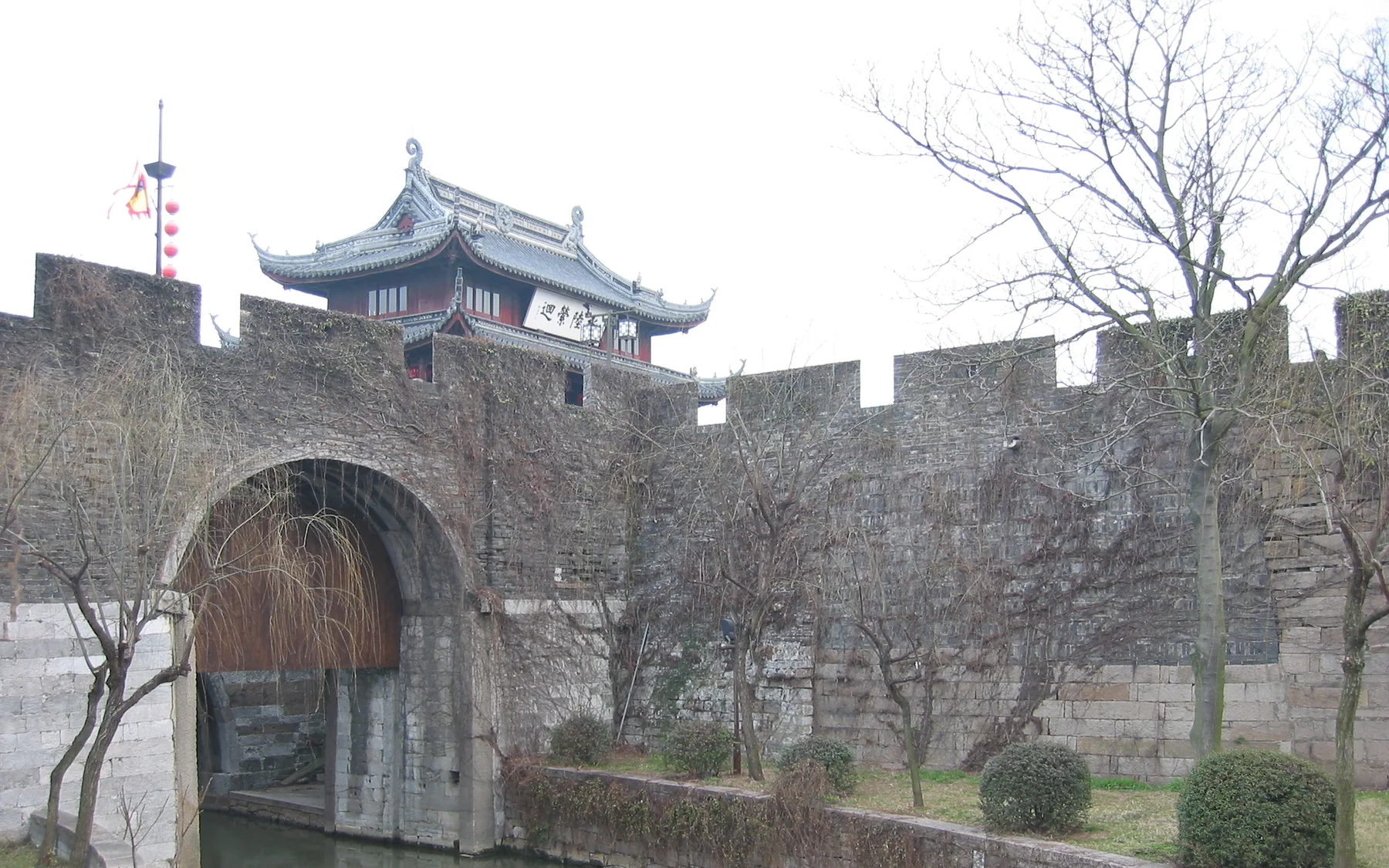
Read masonry, gate openings and the relation between water and wall before focusing on reconstructed scenic elements. Panmen works best as part of a longer walk that asks how the old city managed movement, not as one isolated photogenic tower.
Suzhou Museum is a modern conversation with the garden city
The current Suzhou Museum building designed by I. M. Pei uses white walls, dark roof lines, courtyards, water and rock to converse with local architecture without copying a historic garden room by room.
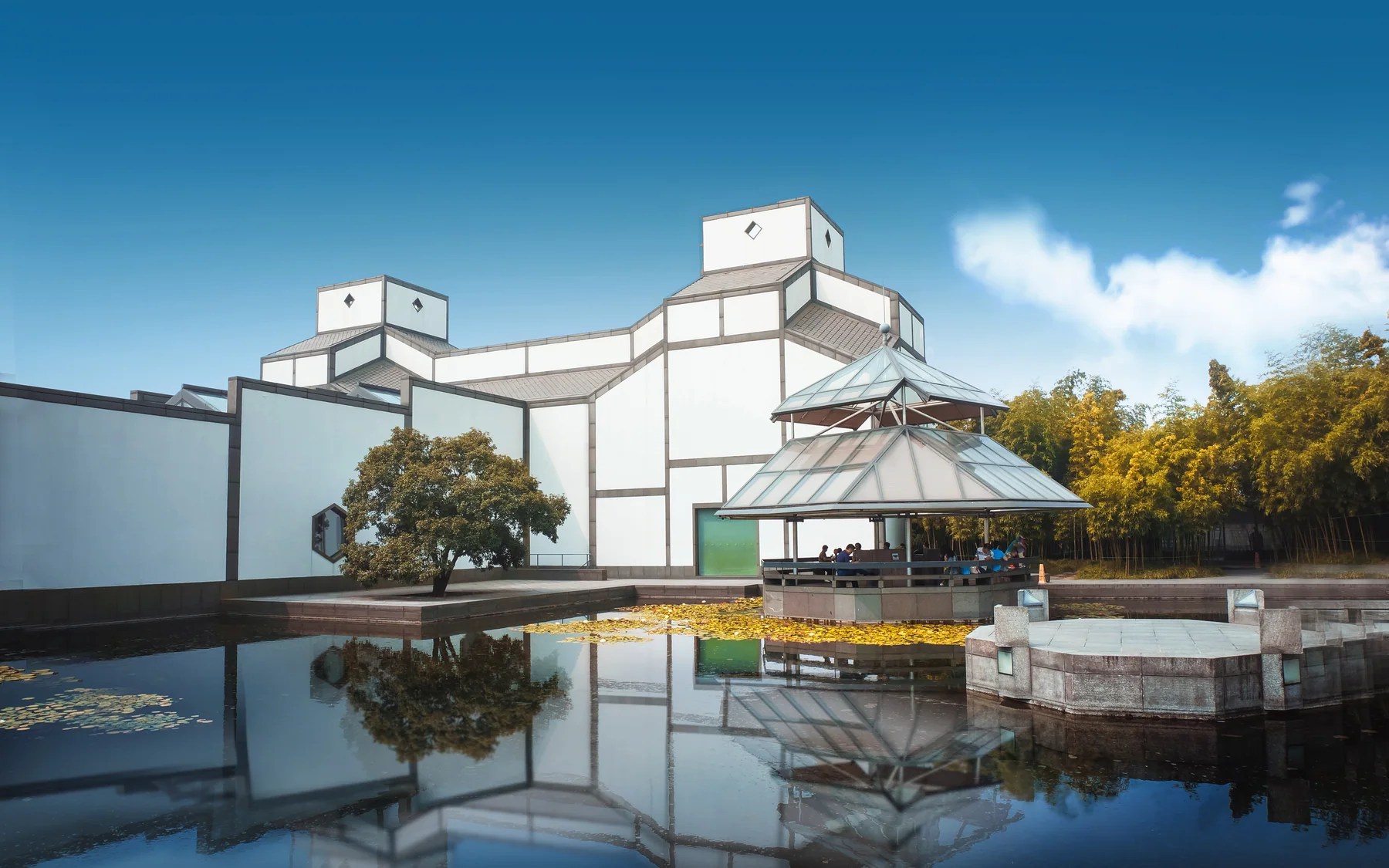
Its landscape is especially revealing. Stone slices read as distant mountains across water, turning a modern museum boundary into a contemporary ink-like composition. The design is elegant, but the collections matter too: ceramics, painting, calligraphy, scholar objects, textiles and local archaeology place visual culture behind the city's famous scenery.
Reserve entry when required and do not use the museum only as an architectural backdrop. Objects explain who could build gardens, what rooms contained and how Suzhou participated in wider networks of production and collecting.
Kunqu and pingtan make Suzhou an acoustic city
Kunqu opera, recognized by UNESCO as intangible cultural heritage, developed through highly disciplined relationships among text, melody, gesture, voice, costume and instrumental accompaniment. It is often called refined, but refinement here means training and formal control, not a vague soft mood.
Suzhou pingtan joins storytelling and ballad singing traditions performed in the Suzhou dialect area, commonly with plucked-string accompaniment. Language can be a barrier for foreign visitors, yet rhythm, vocal contrast and audience behavior remain readable.
I reject the postcard version of Suzhou because it removes the pressure that made the city intelligent. I believe the garden, the canal, Kunqu and silk are all answers to limits: little land, controlled movement, disciplined breath and patient hands. The mistake is to call that softness. I insist it is concentration—beauty made sharper because space, sound and labor cannot be wasted.
Choose a program with subtitles or an introduction when possible. A short excerpt in a garden can be an accessible first encounter, while a theater or specialist teahouse usually gives the form more room. Avoid treating performers as moving heritage decoration.
Silk connects beauty to labor and trade
Suzhou has long been associated with silk production, weaving and embroidery. Finished robes and double-sided embroidery can hide the systems behind them: sericulture, reeling, dyeing, design, workshop organization, trade and changing industrial technology.
Museum displays are more useful when they show tools, stages and labor rather than only final luxury objects. In shops, ask whether a work is hand embroidered, machine assisted or printed, and request material information before accepting a heritage story as product documentation.
Modern Suzhou belongs in the itinerary
Suzhou Industrial Park and the districts around Jinji Lake present a different spatial language: wide roads, metro stations, offices, apartments, malls, cultural venues and planned waterfronts. The park emerged from China-Singapore cooperation and became part of Suzhou's global manufacturing and technology identity.
The contrast is not "real Suzhou" versus soulless development. People work, study, date, raise children and build careers there. A city able to maintain famous gardens while producing electronics, machinery, biomedicine and software is more interesting than a sealed postcard.
Visit after dark, use public transport and observe how the lakefront functions as contemporary public space. Then return to the old city and notice how different planning systems manage water, leisure and density.
Water towns are satellites, not substitutes
Tongli, Zhouzhuang, Luzhi and Mudu are often sold as equivalent "Venices of the East." The label is visually easy and historically lazy. Each town has different canal patterns, institutions, gardens, resident life and degrees of tourism reconstruction.
| Water-town choice | Why consider it | Main caution |
|---|---|---|
| Tongli | Canals, bridges and the UNESCO-listed Retreat and Reflection Garden | Central visitor routes can become crowded and repetitive |
| Zhouzhuang | Highly legible water-town form and a strong tourism infrastructure | Commercialization is intense; go early and walk beyond the core |
| Luzhi | Smaller scale and a quieter first impression in some areas | Fewer English-language explanations |
| Mudu | Close relationship to western Suzhou hills and garden culture | Some streets and attractions are heavily rebuilt |
Choose one, not three. A water-town day should answer a specific interest in settlement and waterways, not simply generate another set of white-wall photographs.
Plan the visit on the travel page
This page owns the cultural question: why gardens, canals, performance, silk and modern industry belong to one Suzhou story. The separate travel to Suzhou guide owns the practical decisions, including which gardens to pair, how many days to stay, where to base yourself, train-station choice, seasons and realistic daily routes.
Use the Suzhou food guide when the next question is what to eat and in what order. Keeping those intentions separate lets this page remain an interpretation of Jiangnan culture rather than a second itinerary competing for the same search.