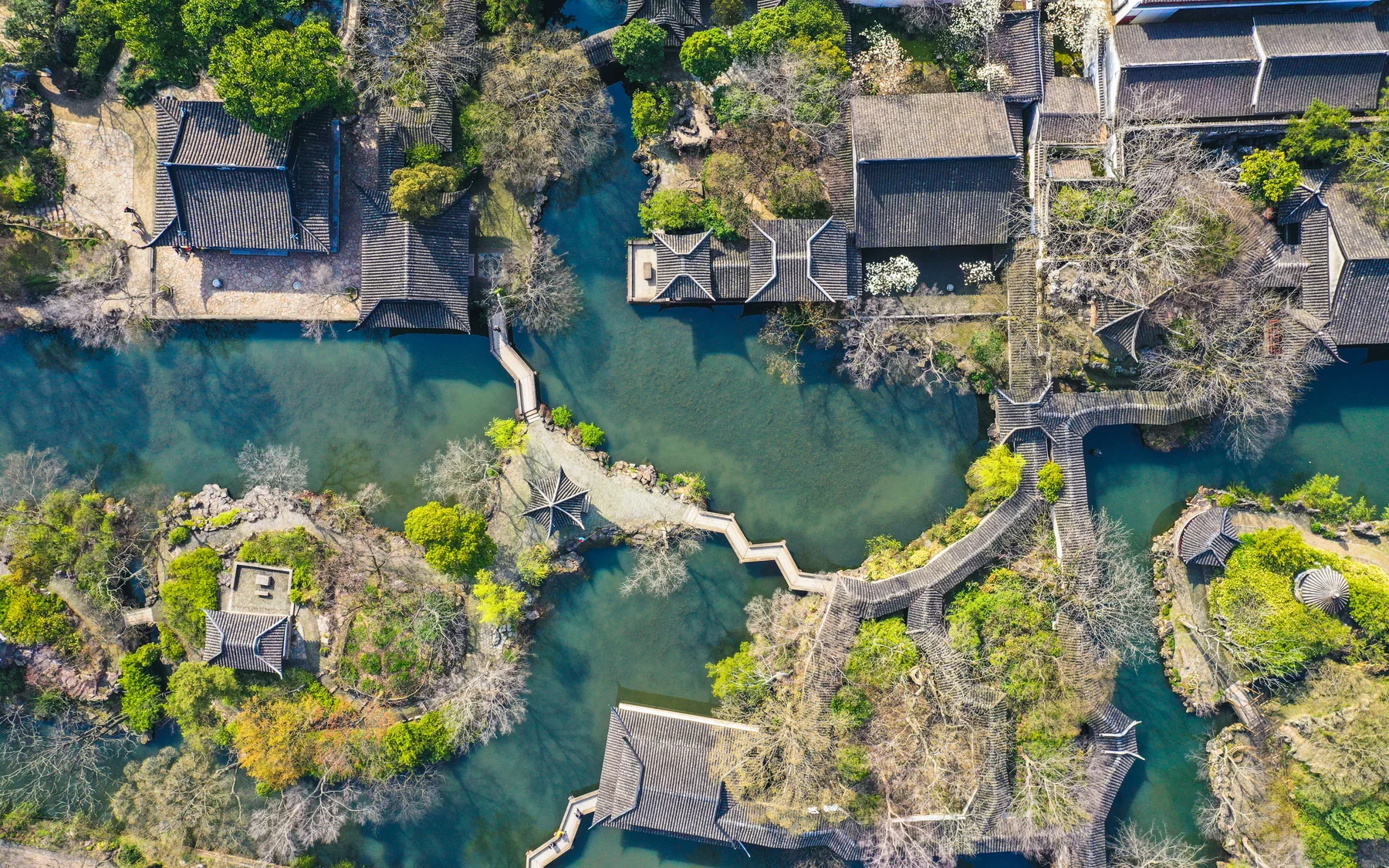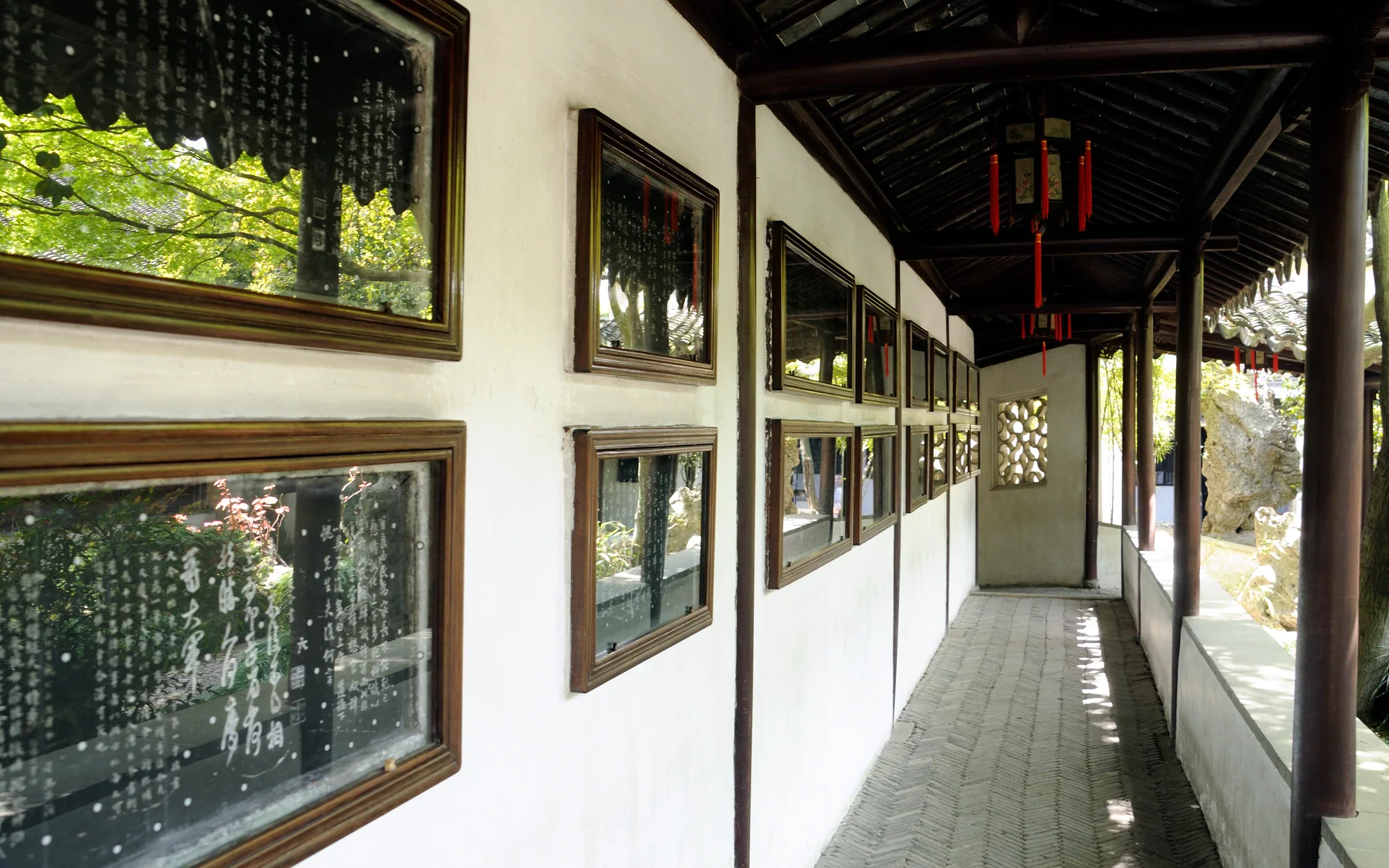
To travel to Suzhou well, stop counting gardens. The city rewards comparison: one expansive garden against one intimate garden, a canal street against an ordinary lane, and the historic core against the scale of contemporary Suzhou.
I love Suzhou when a wall delays the view and makes one step feel consequential. I reject the itinerary that treats five gardens as five boxes, because the fourth hurried rockery teaches less than the first garden revisited in different light. My rule is severe: every stop must introduce a new spatial question. If it only repeats “water, white walls and stone,” remove it from the day.
I also refuse the fantasy that historic Suzhou is the whole city. The industrial park, lakefront scale, metro movement and contemporary museum experience are not interruptions of Jiangnan; they reveal what Jiangnan has had to become. A good trip must let old-city intimacy and metropolitan ambition argue with each other.
The separate Suzhou culture guide explains Jiangnan identity, canals, silk, opera and the modern economy. This page helps you choose where to go, when to go and what deserves your limited time.
Travel to Suzhou by comparing two different experiences
This page sits under the Chinese cities collection, but Suzhou needs a specific rule: compare rather than collect. The UNESCO garden record tells you why the classical gardens matter; the itinerary must decide how crowd, time of day and spatial contrast let you perceive that value.
Use the Suzhou Museum's official English site to verify the institution and current visitor information before fixing a museum stop. The building is not merely a rain backup or an I. M. Pei photo; it is where objects, display choices and a modern architectural language can interrupt garden fatigue.
| Travel decision | East Moment recommendation |
|---|---|
| Ideal first stay | 3 days and 2 nights |
| Possible day trip | One major garden, Suzhou Museum or a smaller garden, and one canal district |
| Strongest first route | Large garden early, museum and Pingjiang area, then a contrasting small garden the next day |
| Best for | Designed landscapes, architecture, photography, craft, food and quiet observation |
| Main mistake | Visiting four famous gardens in one day and remembering only gates, crowds and ticket checks |
Choose your route through this guide
| If you need... | Start with... |
|---|---|
| A first itinerary | Old-city geography and the 2-to-4-day plan |
| Garden selection | The garden comparison and crowd strategy |
| A deeper city reading | Canals, modern Suzhou and controlled revelation |
| Craft and food | Silk, embroidery and the meal-by-meal links |
| A Shanghai side trip | The day-trip tradeoff and station planning |
The old city and modern Suzhou need different days
The classical gardens, Suzhou Museum, Pingjiang Road and many traditional neighborhoods sit in or near the historic urban core. Jinji Lake and Suzhou Industrial Park belong to a much larger contemporary city to the east. Panmen and Grand Canal sites create another route toward the south and west.
Do not zigzag between these zones because a map makes the distances look modest. Build one day around the old city on foot, another around a second garden and canal or craft district, then use a third day for modern Suzhou or a more distant heritage site.
The sequence protects early garden hours and keeps the old city and modern Suzhou on separate days.
Essential Suzhou experiences
Suzhou is a city of controlled revelation
The most important visual principle in Suzhou is not beauty but delay. A gate rarely gives away the entire space behind it. A corridor directs your body before a window redirects your attention. A wall may appear blank until a branch, shadow or opening turns it into a frame. The city becomes much more rewarding when you stop expecting every place to announce itself immediately.
That principle extends beyond the gardens. In the old city, a narrow lane can end at a canal, an ordinary doorway can conceal a courtyard and a busy commercial axis can give way to quiet residential space within one turn. Suzhou trains the visitor to notice transitions. If you move quickly, those transitions disappear and the city becomes a repetitive collection of white walls, bridges and ticketed gardens.
Build deliberate pauses into the route. After leaving a major garden, do not immediately open a ride-hailing app. Walk several blocks without seeking another landmark. Notice how garden walls meet shops, schools, apartment compounds and traffic. The contrast reveals that classical Suzhou is not an isolated historical set; it is a layer inside a large, functioning city.
A useful method is to choose one recurring visual device each day. On the first day, look for framed views. On the second, follow changes in sound between streets and enclosed courtyards. On the third, compare old-city scale with the broad roads and skyline of Suzhou Industrial Park. This produces a coherent memory instead of an album of unrelated attractions.
Choose a garden for the experience you want
| Garden | Choose it for | Planning reality |
|---|---|---|
| Humble Administrator's Garden | Water, scale, planted islands and the best-known first impression | Highest crowd pressure; reserve and arrive near opening |
| Lingering Garden | Architecture, corridors and a carefully controlled sequence of spaces | Better when you move slowly and resist following a large group |
| Lion Grove Garden | Dense rockery, changing levels and playful navigation | Can feel congested when narrow routes fill |
| Master of the Nets Garden | Intimacy, proportion and a concentrated small-garden experience | Pair it with a larger garden instead of treating size as importance |
The useful question is not "Which garden is best?" It is "Which two gardens will teach me different things?" A large and a small garden produce a stronger memory than a rushed collection of UNESCO names.
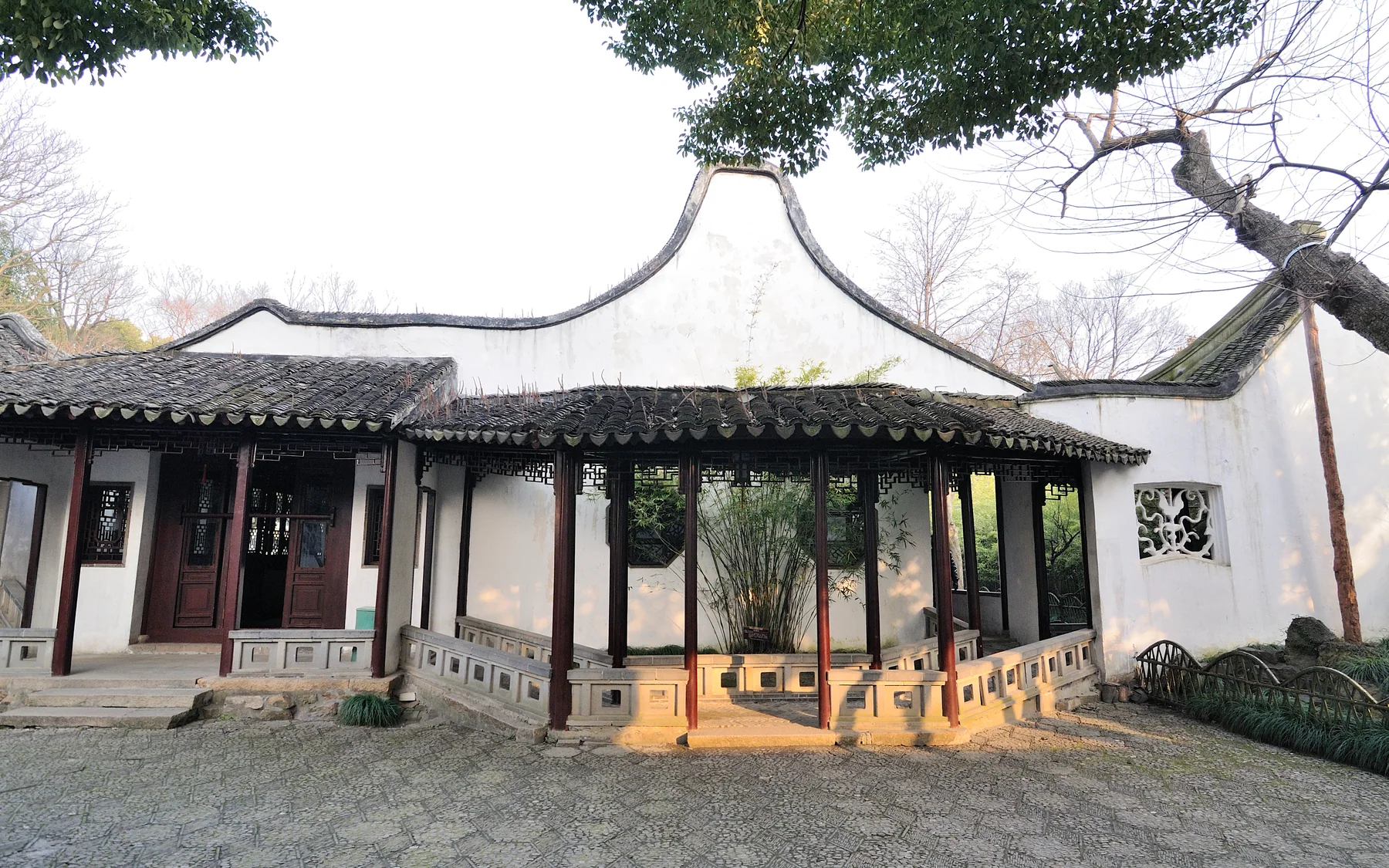
What to notice once you are inside
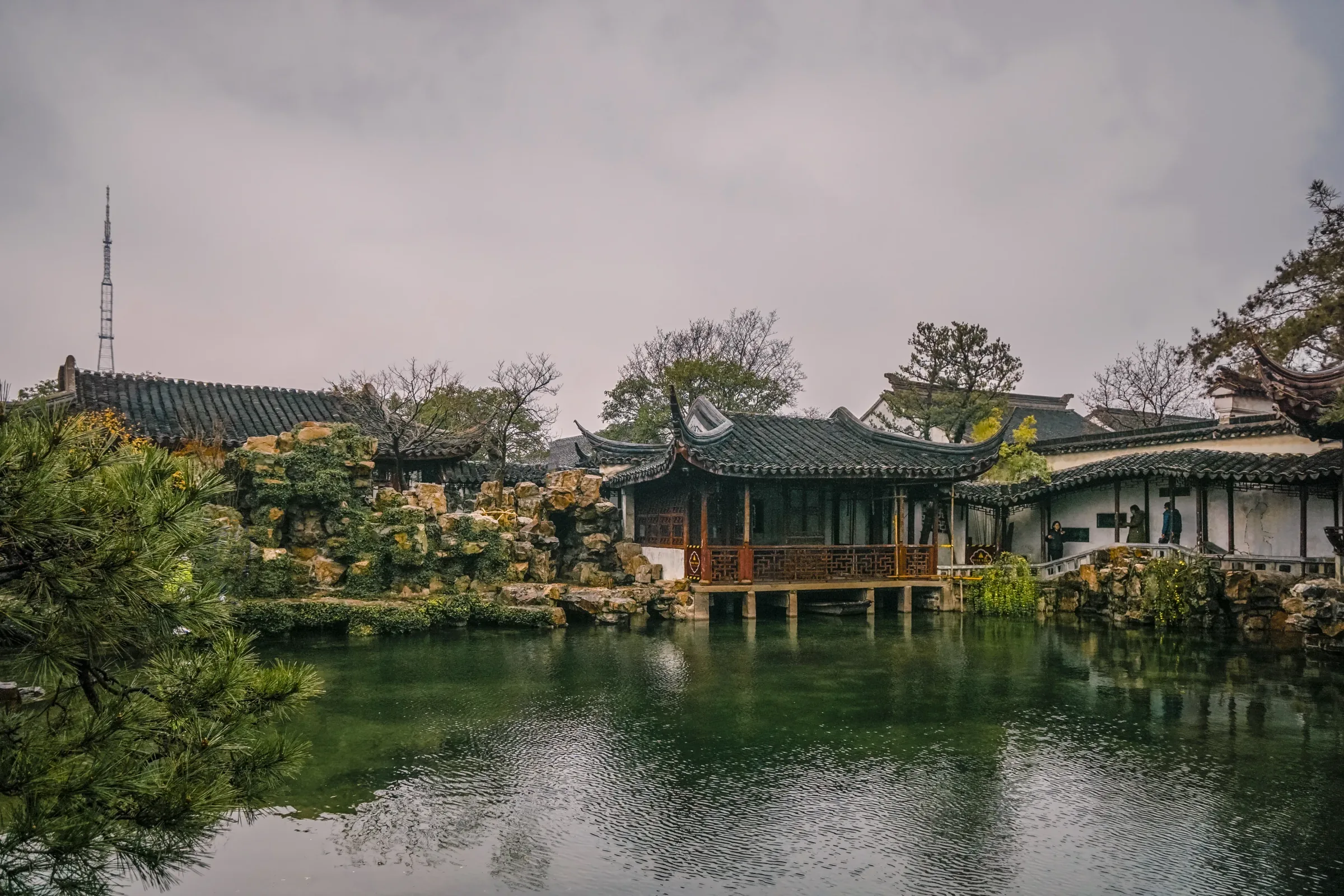
Look for moments when a wall blocks the full view, a window borrows one fragment of scenery or a corridor makes you turn before the garden opens again. Rocks are not simply decoration; they can compress an imagined mountain landscape into a courtyard. Water changes the apparent distance between buildings and multiplies light.
Our Chinese gardens guide explains borrowed scenery, framed views and spatial sequencing in wider Chinese architectural context.
How to visit a famous garden without letting the crowd design it for you
Crowds do more than make a garden uncomfortable. They change the sequence. When a large group stops at one viewpoint, everyone behind it is pushed toward the same photograph and the same explanation. Narrow corridors become queues, while secondary courtyards remain almost empty. If you simply follow the flow, you experience crowd management rather than garden design.
Arrive near opening for the garden that matters most. Once inside, let the first group move ahead. When the obvious route becomes congested, take a permitted side path or wait in a less celebrated courtyard. Revisit one space from another direction. The point is not to find an empty garden; in a major destination that may be unrealistic. It is to recover enough personal pacing to understand how the spaces unfold.
Do not use a wide-angle lens as a substitute for looking. A lens can make a small courtyard appear monumental and can erase the compression that gives the garden its effect. Take one establishing photograph, then use the eye to trace relationships among rock, water, planting, wall and roofline. Sketching a simple plan or writing down the order of three spaces often produces a deeper memory than another panoramic image.
Garden fatigue is real because the visual vocabulary repeats. Once you stop noticing sequence and begin photographing every moon gate automatically, leave. A noodle lunch, museum gallery or ordinary neighborhood walk resets attention better than forcing a fourth garden to justify its ticket.
Suzhou Museum works best as a bridge, not a box to tick
Suzhou Museum connects regional objects, garden ideas and contemporary design. Its location near the Humble Administrator's Garden makes the pairing obvious, but do not assume entry procedures or same-day availability. Check the museum's current official reservation rules before travel.
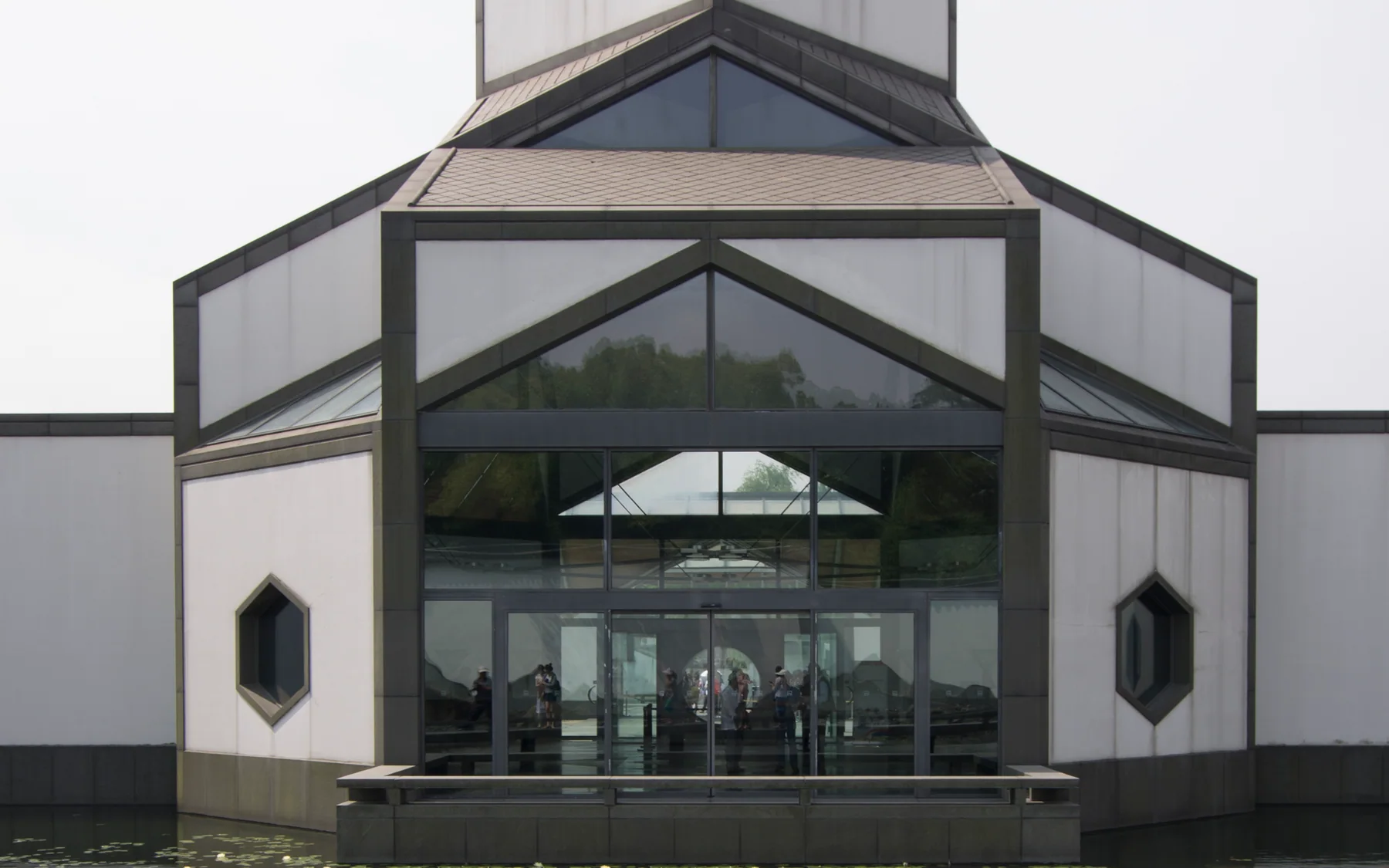
Use the museum to slow down after a crowded garden. Choose a few galleries and ask how painting, craft, collecting and domestic design relate to the spaces you have just walked through.
Canals are infrastructure before they are scenery
Suzhou is often marketed through romantic comparisons with European canal cities. Those comparisons are easy to understand but usually flatten the local story. Water in Suzhou supported movement, trade, drainage, domestic access and the larger geography of the Jiangnan region. A bridge or embankment is therefore not only a picturesque object; it records how people and goods crossed, stopped and entered the city.
On Pingjiang Road, look beyond the reflection of white walls. Notice the difference between buildings that address the water and those that turn toward the street. Watch where steps descend to the canal, where newer barriers interrupt older access patterns and where deliveries now rely on roads rather than boats. The canal remains visually central even when its economic role has changed.
Rain alters this experience. Wet stone, umbrellas and higher humidity intensify the visual atmosphere, but slippery paving and crowded covered passages make movement slower. Do not treat rain as a ruined day; reduce the route, protect equipment and use tea, food or a museum as part of the rhythm. Suzhou often makes more sense in changing weather than under a schedule that assumes uninterrupted sunshine.
The Grand Canal introduces a larger scale than the intimate waterways of the old city. If your trip includes a canal museum, Panmen or another infrastructure-focused site, place it after a classical garden. The contrast between private landscape design and regional movement helps explain why Suzhou became both a refined cultural center and an economically connected city.
Pingjiang Road is a route; side lanes are the city
Pingjiang Road follows a historic canal-side pattern, but the main axis is now heavily commercial. Walk it early or after day-trip groups begin leaving. Then turn into side lanes, where bridges, residential doors, deliveries and water access reveal how a district functions beyond its souvenir frontage.
Shantang Street offers a different canal history and a busier evening atmosphere. Most first-time visitors do not need both districts on the same day. Choose Pingjiang for a garden-and-museum route; choose Shantang if evening canal scenery and the northwest side of the old city fit your plan.
A Shanghai day trip is possible, but it changes what Suzhou becomes
Fast trains make Suzhou look like a simple extension of Shanghai. Logistically, a day trip is easy. Experientially, it has a clear cost. Day visitors tend to arrive during the same late-morning window, move between the most famous garden, museum and canal street, then leave before the old city relaxes in the evening. This produces an efficient introduction but not a balanced picture.
If one day is all you have, accept the limitation and design a focused comparison. Reserve one major garden near opening, choose either Suzhou Museum or a smaller garden, walk part of Pingjiang Road and eat one proper meal. Do not add Jinji Lake, a water town and multiple gardens simply because transport apps show that they are technically reachable.
Staying two nights changes the experience more than the raw number of hours suggests. You gain an early start without a train transfer, an evening after day groups depart and enough flexibility to change a garden reservation or respond to rain. You can also see Suzhou as a place where people wake, commute and spend leisure time rather than as a heritage excursion attached to Shanghai.
The strongest combined trip gives the two cities different roles. Let Shanghai provide metropolitan scale, speed and global urban history. Let Suzhou provide controlled space, canal geography and close observation. When both are treated as lists of famous buildings, their differences become less meaningful.
Panmen gives Suzhou a more defensive and infrastructural story
The gardens can make Suzhou appear entirely private and contemplative. Panmen changes the frame through gates, water, bridges and the city's relationship to movement and defense. It works well on a third day or as a contrast after a small garden.
Include one evening that is not only a canal photograph
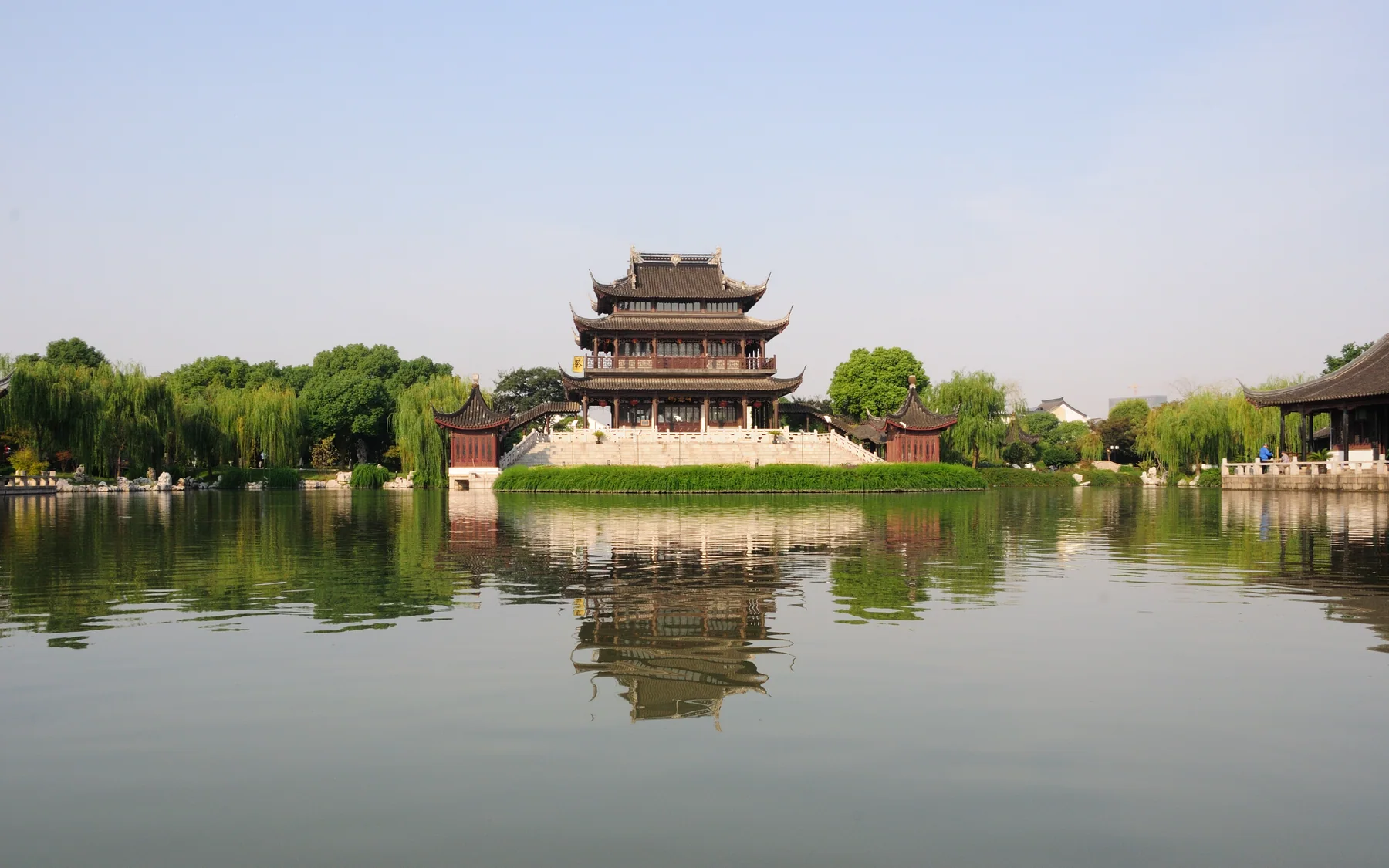
An evening performance, when available and properly researched, can introduce Kunqu or Suzhou storytelling through voice, language and gesture. Use the Kunqu Opera guide to follow breath, text and restrained movement instead of treating the performer as garden decoration. A night visit to the Master of the Nets Garden may offer a different relationship between architecture and performance, but programs and access change. Verify the current format rather than booking from an old blog post.
If performance is not your priority, eat slowly and walk an ordinary commercial street. Suzhou's contemporary life is not less authentic because it lacks white walls and a canal.
Modern Suzhou is not a betrayal of the garden city
Many first-time visitors avoid Suzhou Industrial Park because they think modern districts will weaken the historical atmosphere. In fact, one carefully chosen modern route makes the old city easier to understand. Around Jinji Lake, distances expand, skyline views replace enclosed courtyards and large public spaces support a different kind of movement. The contrast shows how radically the scale of Suzhou has changed.
Do not expect the modern district to behave like a heritage attraction. Its value lies in evening public life, contemporary architecture, commercial culture and the experience of a prosperous urban region that cannot be explained only through silk and gardens. Walk part of the lakefront, observe how residents use the space and resist turning the skyline into a quick photo before returning west.
This comparison also protects the old city from nostalgia. Suzhou's economic importance did not end when the classical gardens were completed. Manufacturing, technology, logistics and regional integration belong to the present-day city. A travel guide that ignores them may be visually consistent, but it leaves the reader with a museum version of Suzhou.
Keep the modern route on a separate afternoon or evening. Moving directly from a quiet garden to a large shopping complex can feel abrupt; that is precisely the point, but it needs enough time to register. The best sequence is old-city detail first, modern scale second, then a final return to a smaller neighborhood where the two Suzhous overlap.
Silk, embroidery and craft require careful looking
Suzhou's craft reputation creates many visitor experiences that combine education and retail. Some are useful; others move quickly from a brief demonstration to a sales room. Before buying, ask what process is actually being shown, where the object was made, which parts are handmade and whether the price reflects material, labor, brand or tourist positioning.
A museum or documented workshop can teach you to see technique before you shop. For embroidery, look at stitch direction, density, front-and-back finishing and how color changes are produced. For silk, distinguish raw material, weaving, patterning and the later construction of a finished object. You do not need to become an expert, but learning two or three visible criteria makes the encounter more than a purchase.
Avoid assuming that a higher price guarantees local authorship or that a low price proves deception. Contemporary craft economies include studios, factories, designers, retailers and heritage institutions. The useful question is whether the seller clearly explains the object's origin and process. If that information remains vague, buy only if you value the object itself, not because a short presentation created a false sense of cultural obligation.
Travelers who are not shopping can still benefit from craft context. It changes how you read patterned windows, textiles in domestic interiors, opera costume and the precision of garden maintenance. Suzhou's visual culture is built through repeated acts of skilled making.
Choose a water town only if it adds a new question
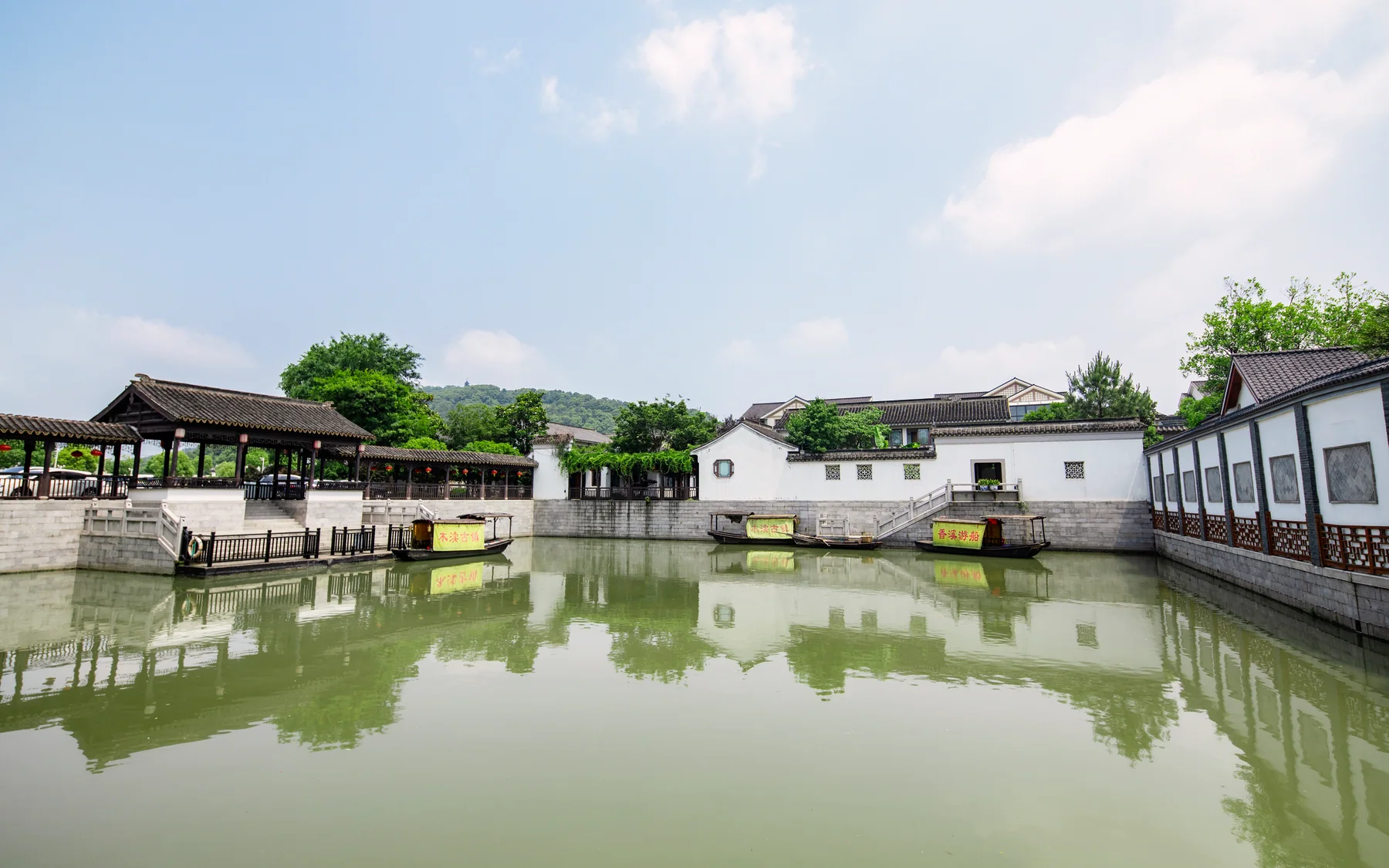
Zhouzhuang, Tongli and other canal towns are often added to a Suzhou itinerary as automatic day trips. They can be worthwhile, but another bridge-and-lane destination does not necessarily deepen the trip. Decide what the water town will help you understand that Suzhou itself does not.
Choose one if you want to compare settlement scale, tourism management or the relationship between houses and water. Skip it if you have only two days, dislike transfer-heavy schedules or are already experiencing canal fatigue. The most famous town is not automatically the best fit; current transport, crowd patterns and the specific architecture or museum you care about matter more than ranking.
Do not pair a water town with two major gardens and an evening performance. That schedule turns Jiangnan into visual repetition. A better four-day trip gives the town most of one day, then returns to Suzhou for a contrasting meal or modern district.
Water towns are also inhabited communities. Keep voices low in residential lanes, do not photograph through windows and remember that a doorway without a ticket desk is not an invitation. The quieter the scene appears, the more important it is to distinguish public space from private life.
Compare instead of collect
What most guides get wrong
They rank gardens as if the traveler needs a winner. Suzhou becomes memorable when one large garden, one intimate garden, one canal district and one modern zone are allowed to challenge each other. More admissions usually produce less understanding.
A realistic 2, 3 or 4-day Suzhou itinerary
| Length | Recommended sequence | What not to force in |
|---|---|---|
| 2 days | Humble Administrator's Garden, museum and Pingjiang; then one small garden plus food or craft | A distant water town and multiple modern districts |
| 3 days | Add Lingering Garden or Panmen, then spend an evening around Jinji Lake or a performance | Four major gardens with no time to compare them |
| 4 days | Add silk, embroidery, another neighborhood or one carefully chosen water town | Treating every canal settlement as interchangeable |
Where to stay
Stay near the old city or a central metro connection if gardens and walking are the priority. The area near Suzhou Railway Station can be practical for short trips, but station-adjacent convenience is not the same as neighborhood atmosphere. Stay near Jinji Lake if your focus includes contemporary architecture, business travel or a quieter modern hotel base, accepting longer trips to the classical gardens.
Before booking, map the exact hotel to the exact railway station. "Suzhou station" is not enough information because the city has multiple passenger stations serving different routes.
Eat Suzhou by season and meal type
Start with noodles because toppings and broths make the city's preference for detail easy to understand. Add seasonal river or lake ingredients, pastries and one shared dish if you are traveling with others. Squirrel-shaped mandarin fish is visually famous and often sweet-sour; it makes more sense as part of a table than as proof that you have completed Suzhou.
Our Suzhou food guide builds a meal-by-meal route, while the Jiangsu cuisine guide explains how Suzhou relates to Nanjing, Yangzhou and Huaiyang cooking.
When to visit and how to avoid garden fatigue
Spring brings flowers and crowds. Summer is green but hot, humid and often tiring inside packed gardens. Autumn usually supports long walking days, while winter reveals architecture and branch structure with fewer visitors, though damp cold can be uncomfortable.
Book the most important garden or museum first, place it at the start of the day and leave an unscheduled hour afterward. The point of Suzhou is not that it contains many beautiful things. It is that space, time and attention can be designed together.
Read Travel to China for current rail booking, mobile payment and connectivity preparation.
Frequently asked questions about travel to Suzhou
Is Suzhou worth more than a day trip?
Yes. A day trip can cover one major garden and an old street, but two nights give you early garden hours, an evening canal walk and enough time to compare a large garden with a smaller one.
Which Suzhou garden should I visit?
The Humble Administrator's Garden offers scale and fame; the Master of the Nets Garden is smaller and more concentrated; the Lingering Garden is celebrated for spatial sequence. Choose two different gardens rather than racing through many.
How do I travel from Shanghai to Suzhou?
Frequent fast trains connect Shanghai and Suzhou, but both cities have multiple stations. Match the exact departure and arrival stations to your accommodation before booking.