Suzhou food is often introduced through one bright red fish and one word: sweet. That image is real but incomplete. Suzhou's food culture is equally visible in the quiet discipline of a noodle shop, the timing of river shrimp, the texture of eel, the autumn arrival of crab, the perfume of osmanthus and the spring labor behind Biluochun tea. Sugar can balance vinegar, soy and pork fat, but the city's best cooking depends on contrast: crisp and tender, clear and rich, fresh and preserved, everyday and ceremonial.
The Suzhou municipal profile of Dongshan helps connect Taihu orchards, tea and local landscape. It does not replace tasting judgment: on the table, the decisive evidence is timing—whether broth stays clear, fish keeps its texture and final oil reaches eel while it can still release aroma.
Suzhou food at a glance
| Choose your route through this guide | Start here |
|---|---|
| One day in Suzhou | The noodle section, shared classics and two-day route |
| Interested in everyday food | Su-style noodles and restaurant formats |
| Interested in famous dishes | Squirrel fish, eel, fried noodles and ribs |
| Visiting by season | Taihu, waterways, tea and sweets |
| Low sweetness preference | Broth, seasonal ingredients and balanced ordering |
| Vegetarian or allergy planning | Restaurant-format and dietary guidance |
| Food | Chinese name | Best context | What defines it |
|---|---|---|---|
| Su-style noodles | 苏式面 | Breakfast or lunch | Fine noodles, carefully built broth and separately prepared toppings |
| Squirrel mandarin fish | 松鼠鳜鱼 | Shared restaurant meal | Scored whole fish fried crisp and covered with a vivid sweet-sour sauce |
| Sizzling eel paste | 响油鳝糊 | Shared hot dish | Tender eel strips, garlic, pepper and hot oil added for aroma |
| Two-sided fried noodles | 两面黄 | Shared snack or meal | Noodle cake crisp on both sides with a sauced topping |
| Braised pork or ribs | 焖肉 / 糖醋排骨 | Shared meal or noodle topping | Soy-rich, often sweet-savory concentration |
| Freshwater shrimp and fish | 河虾 / 湖鲜 | Seasonal meal | Ingredient freshness and short cooking |
| Osmanthus and jiuniang sweets | 桂花 / 酒酿甜品 | Dessert or snack | Floral aroma, fermented-rice sweetness and soft textures |
| Biluochun tea | 碧螺春 | Spring tea or gift purchase | Fine curled green tea associated with Dongting Mountain beside Taihu |
Suzhou cuisine is a city tradition inside Jiangsu
The broader Jiangsu cuisine guide places Suzhou beside Nanjing, Yangzhou, Huai'an, Wuxi and northern Jiangsu. Suzhou cooking belongs to Jiangnan, but neither word describes one fixed flavor.
I do not need every visitor to love Suzhou's sweetness. I do need them to judge the cuisine on its own logic. A red noodle broth is not merely soy water when stock, topping and noodle timing work together; a sweet-sour fish is not good because the sauce is bright, but because knife work leaves crisp and tender zones that survive it. Dislike is honest. A verdict made before noticing the structure is lazy.
The city's restaurant canon grew through wealth, trade, gardens, literati culture and access to freshwater ingredients. Everyday workers, market vendors and noodle-shop specialists built a parallel food world. Both are local. One is not more authentic simply because it is expensive or old-looking.
| Formal restaurant image | Everyday Suzhou | Why both matter |
|---|---|---|
| Whole fish shaped for the table | Noodles with one braised topping | Banquet cutting and daily repetition teach different techniques |
| Seasonal crab feast | A bowl of shrimp or fish noodles | Expensive ingredients do not define every local meal |
| Garden-inspired pastry set | Breakfast pastry or sweet soup | Visual delicacy and practical appetite can coexist |
| Multi-course Jiangnan menu | Small cold dish, noodles and tea | Meal structure changes with time, budget and company |
The city is best read through two clocks. The morning clock belongs to noodle shops, markets, fresh broth and regular customers. The shared-table clock belongs to fish, eel, braises, vegetables and seasonal restaurant dishes. Pastries and tea sit between them. A visitor who begins with a large sweet-sour banquet at noon and then searches for five snacks will experience abundance, but not the rhythm that gives each food a role.
Suzhou's garden image can also distort food expectations. Restraint does not mean every dish is pale, miniature or decorative. Eel can be dark and aromatic; fried noodles can be aggressively crisp; braised pork can be rich; osmanthus sweets can be fragrant and sticky. What links these foods is controlled contrast rather than a single “elegant” appearance.
Keyword ownership should remain clear. This page answers what to eat in Suzhou, how to order it and how to structure a food day. The Jiangsu cuisine guide explains the province's subregions and techniques, while the Suzhou cultural guide handles gardens, canals, history and practical sightseeing. Internal links should deepen the trip, not repeat the same paragraph under three URLs.
Su-style noodles begin with broth and timing
Suzhou noodle shops often divide the bowl into white broth and red broth, though recipes vary. White broth aims for a lighter appearance and clean savor; red broth uses soy sauce for deeper color and aroma. Neither term guarantees weak or strong flavor.
Noodles are commonly fine and cooked with attention to firmness. Toppings, or jiao tou, may be prepared in separate pots and added to order. A braised pork topping carries a different sauce and temperature from fried fish, shrimp, eel or gluten.
A practical Suzhou noodle guide
| Topping | Taste and texture | Who should order it | What to check |
|---|---|---|---|
| Braised pork | Rich, soft, soy-sweet and filling | First-time visitor wanting the classic contrast | Order less fatty meat if preferred |
| Fried fish | Savory-sweet, crisp at first and broth-soaked later | Diners comfortable with fish bones | Ask whether bones remain |
| Shrimp | Clean, tender and relatively light | Spring or a lighter breakfast | Small river shrimp may be seasonal and expensive |
| Eel | Soft, savory and aromatic | Diners who enjoy a richer topping | Texture should not be muddy or overcooked |
| Gluten and mushroom | Porous, juicy and meat-free in appearance | Vegetarian-leaning diners | Confirm the broth is not meat based |
| Seasonal bamboo or vegetables | Fresh and crisp-tender | Anyone wanting relief from braised toppings | Availability changes quickly |
Go early. Morning service reveals the shop's rhythm, broth freshness and regular customers. State noodle firmness only if the shop accepts customization; otherwise taste the local default before trying to redesign it.
The first bowl should have one topping. Ordering braised pork, fried fish and shrimp together makes the bowl photographically generous but analytically useless. Taste the broth before disturbing it, then notice how the topping's separate sauce changes the soup. A white broth may become richer and sweeter under braised pork; a fish topping may soften and release seasoning as it sits.
Temperature and timing matter. Fine noodles continue to absorb liquid, so a bowl left untouched for photography loses the texture the cook intended. Fried toppings change fastest: crisp edges become tender, which can be pleasurable, but the diner should experience both stages. Noodle shops are specialists in controlled repetition, and eating promptly is part of respecting that craft.
Breakfast is also the most accessible way for a solo traveler to study Suzhou food. Whole fish, eel and multi-course restaurant meals need company, while one noodle bowl allows a direct comparison of broth, wheat texture, topping and preserved garnish. Return on a second morning for a different broth or topping. Repetition reveals the shop more clearly than a citywide ranking assembled from one visit to each address.
Read our Chinese noodles guide for the wider difference between regional noodle systems.
Shared Suzhou classics are built on timing and contrast
The city's famous restaurant dishes are not interchangeable “must-eats.” Squirrel fish is a whole-fish centerpiece; sizzling eel is an aromatic hot dish; two-sided noodles provide changing starch texture; ribs are a concentrated meat course. Ordering all four for two people repeats sauce, oil and richness while wasting the contrast each dish was designed to create.
Squirrel mandarin fish is knife work hidden by sauce
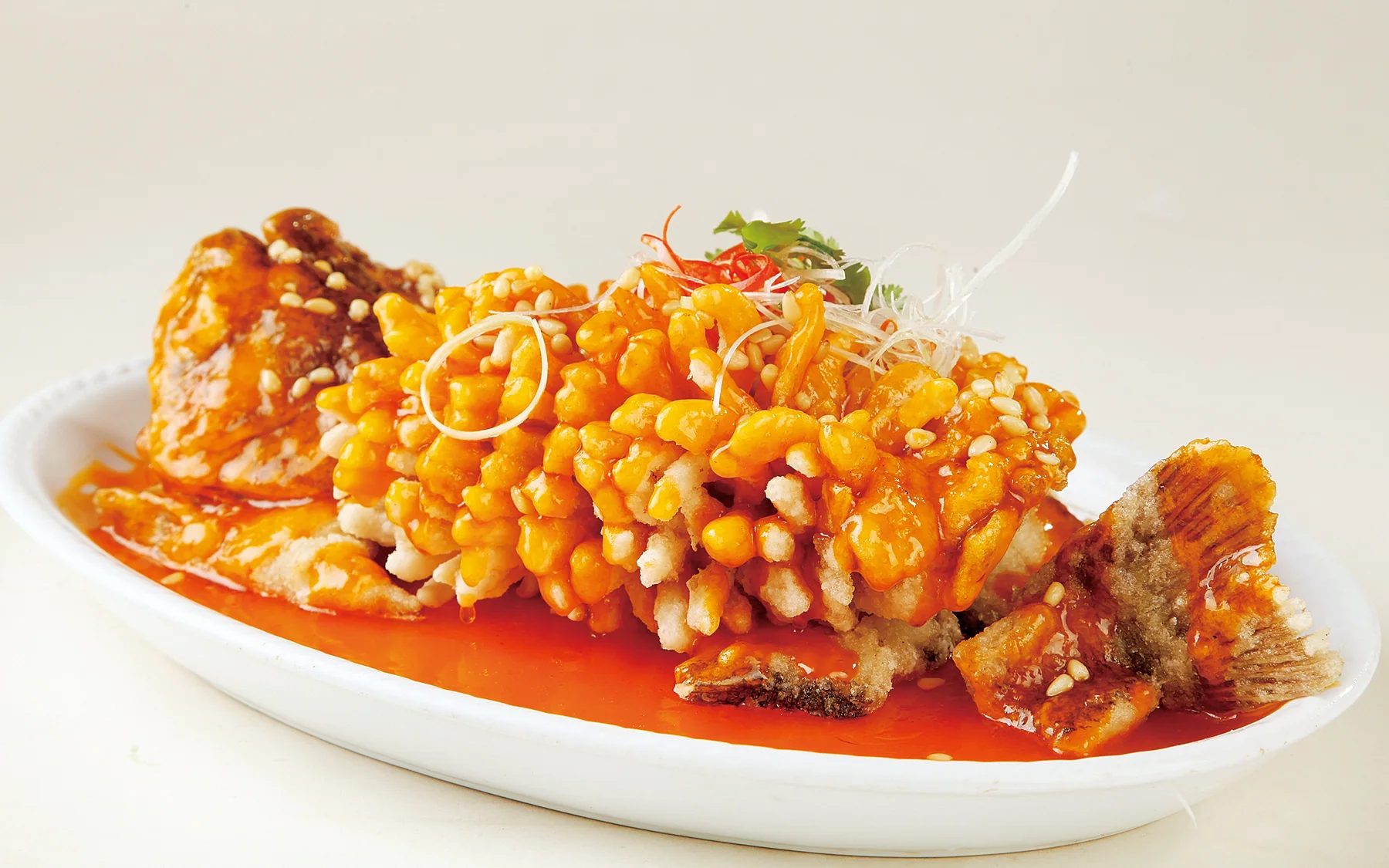
Squirrel mandarin fish is visually theatrical. The fish is deboned and scored so sections open during frying, producing a crisp, tufted surface. A sweet-sour sauce is poured over the fish, sometimes with small garnishes.
The name refers to the finished shape and, in some explanations, the sound of hot sauce meeting the fried fish. Origin stories vary and should not be used as proof of one unchanged imperial recipe.
Judge the dish beneath the color. The flesh should remain moist, the scored exterior should retain some crispness and the sauce should carry vinegar as well as sugar. A thick red coating cannot rescue stale fish or careless bone removal.
Order it for three or more people. The head and tail remain part of the presentation, and bones may remain around the structure. Share slowly rather than treating it as a boneless fried fillet.
Sizzling eel makes aroma arrive at the table
Xiangyou shanhu, often translated as sizzling eel paste, uses eel cut into strips and seasoned with soy, sugar, wine, pepper, garlic and other aromatics depending on the kitchen. Hot oil added near service releases fragrance and creates the characteristic sizzle.
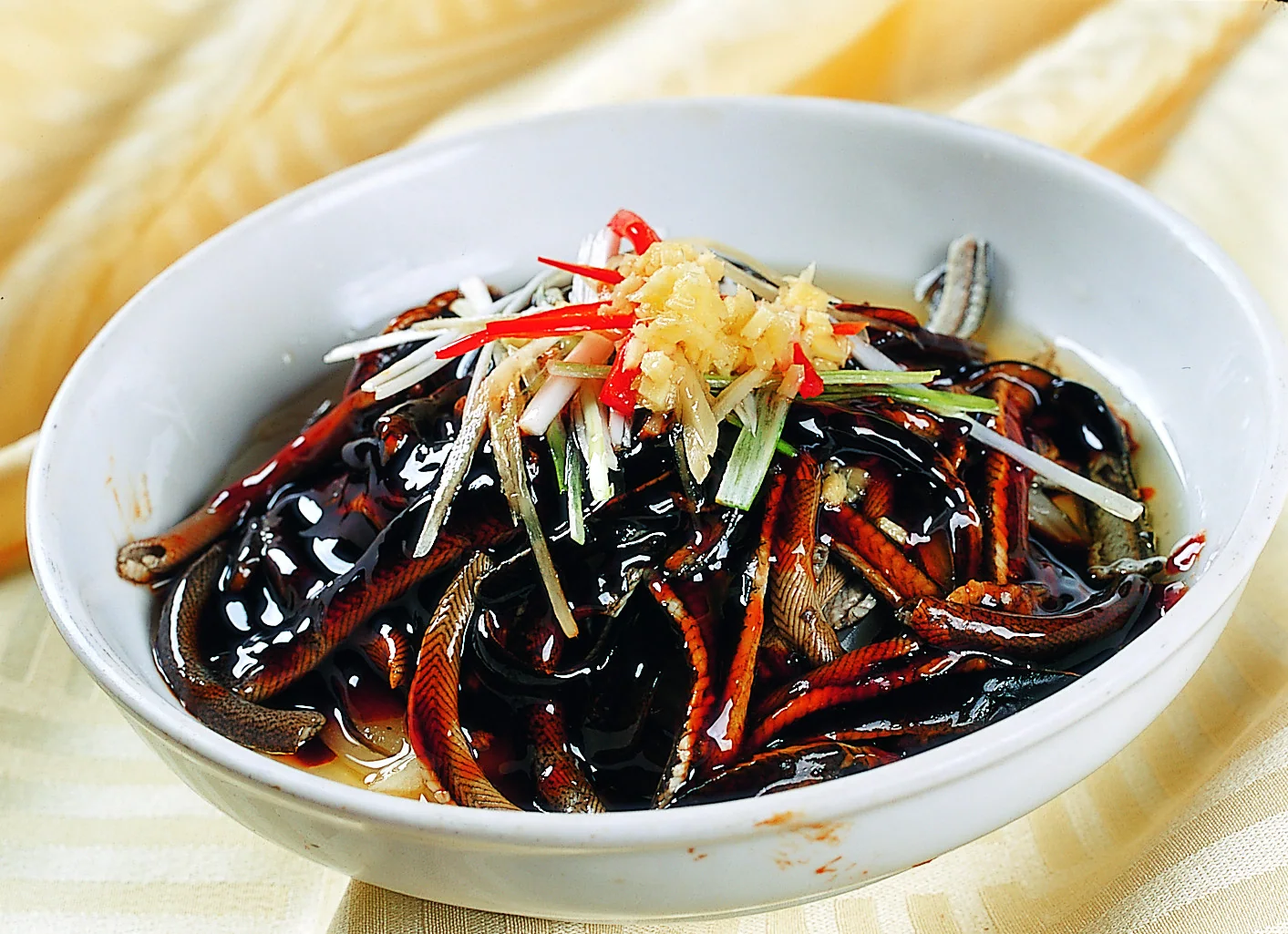
The English word "paste" is misleading if it suggests a puree. The eel should remain visible in strips with a tender, slightly resilient texture. Too much thick sauce turns the dish monotonous; the final oil should lift aroma rather than leave a greasy pool.
Eat it while hot and pair it with rice and a plain vegetable. It is an effective counterexample to the idea that Suzhou food is always pale or timid.
Two-sided fried noodles are built around contrast
Liangmian huang begins with noodles fried into a cake that is crisp on both sides. A topping and sauce are added so part of the cake softens while other edges retain crunch.
The pictured version uses seafood and vegetables; toppings vary. The dish should be eaten soon after assembly because time is the central ingredient. Wait too long and every strand softens. Eat too quickly and the sauce has not moved into the interior.
Share one plate. Its pleasure comes from moving between soaked, chewy and brittle textures rather than from a large portion of noodles alone.
Sweet-savory ribs need a plain table around them
Suzhou-style sweet-sour ribs and nearby Wuxi rib traditions are often grouped together in English, though local recipes, cuts and sauce balance vary. Suzhou versions may use sugar, vinegar, soy and aromatics to create a glossy surface and concentrated flavor.
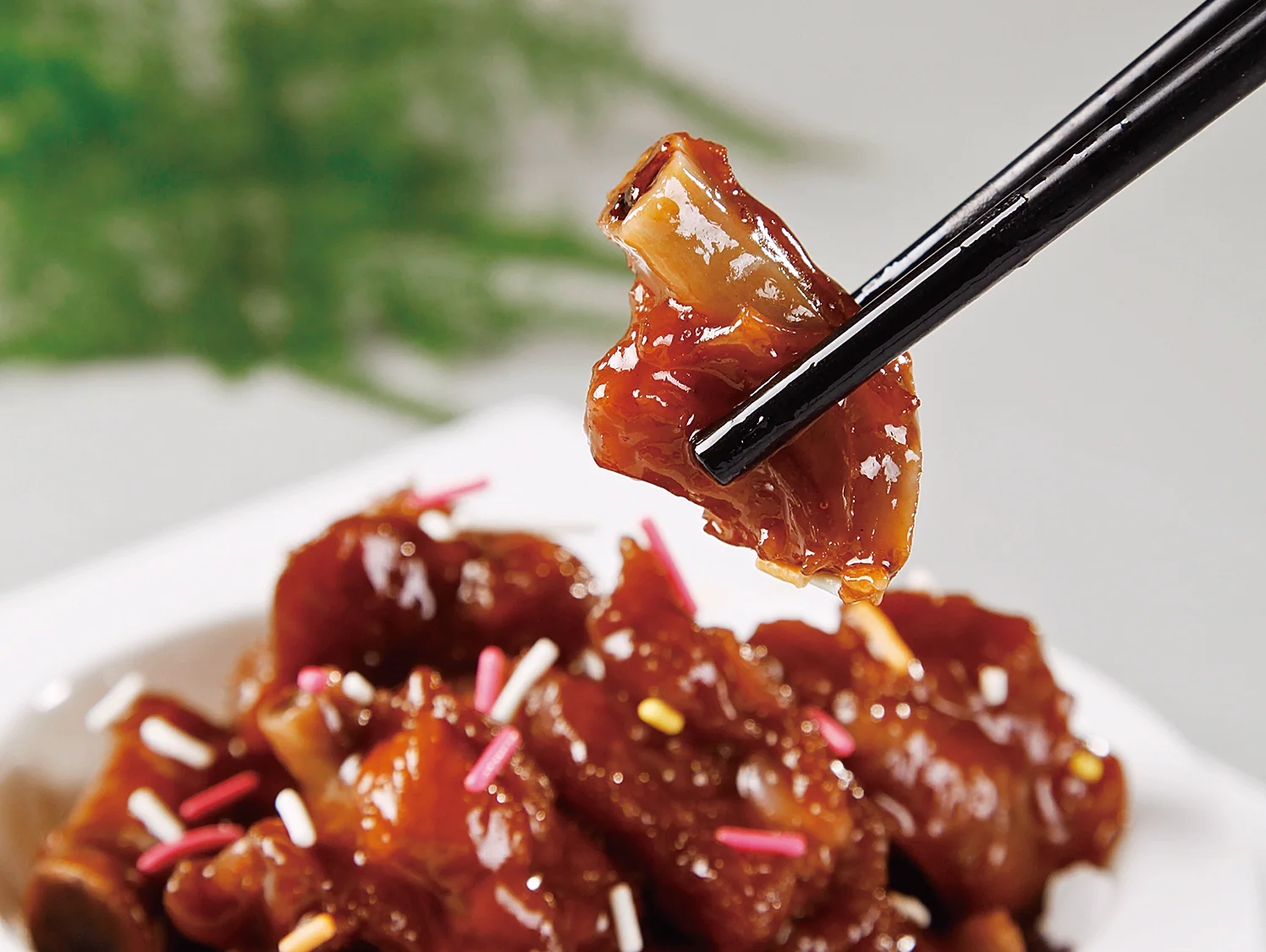
Order a small portion. The dish becomes more persuasive beside rice, greens and clear soup. Paired with squirrel fish, braised pork and another glazed meat, it makes the whole cuisine appear sweeter than local eating actually is.
| If the centerpiece is | Add | Avoid |
|---|---|---|
| Squirrel mandarin fish | One green vegetable, tofu or clear soup and rice | Another sweet-sour or glazed meat |
| Sizzling eel | Plain rice, seasonal greens and a lighter fish or tofu dish | A second oil-finished organ or meat dish |
| Two-sided fried noodles | Cold vegetable or tofu and a small soup | Treating the noodle cake as an extra starch after a full meal |
| Sweet-savory ribs | Greens, broth and a less sweet seasonal dish | Braised pork plus another sugary glaze |
The shared principle is controlled arrival. Fish must retain crispness under sauce; hot oil must reach eel at service; noodles should include both brittle and softened zones; ribs need reduction without dryness. These dishes are less about a static recipe than the narrow window in which texture and aroma are most persuasive.
Taihu and the waterways shape seasonal appetite
Taihu and connected rivers, ponds and canals bring fish, shrimp, crab and aquatic plants into Suzhou's food imagination. Famous ingredients can become expensive seasonal status goods, but local water culture is broader than luxury crab.
| Season | Foods to notice | Practical question |
|---|---|---|
| Spring | River shrimp, bamboo shoots, tender greens and Biluochun tea | Is the ingredient genuinely in season or only listed year-round? |
| Summer | Eel, lotus, cold dishes and lighter freshwater preparations | How does the kitchen protect freshness in heat? |
| Autumn | Hairy crab, osmanthus sweets, rice wine and richer dishes | Does the crab source and price make sense? |
| Winter | Braised meats, preserved foods, soups and warming noodles | Which dishes improve through longer cooking? |
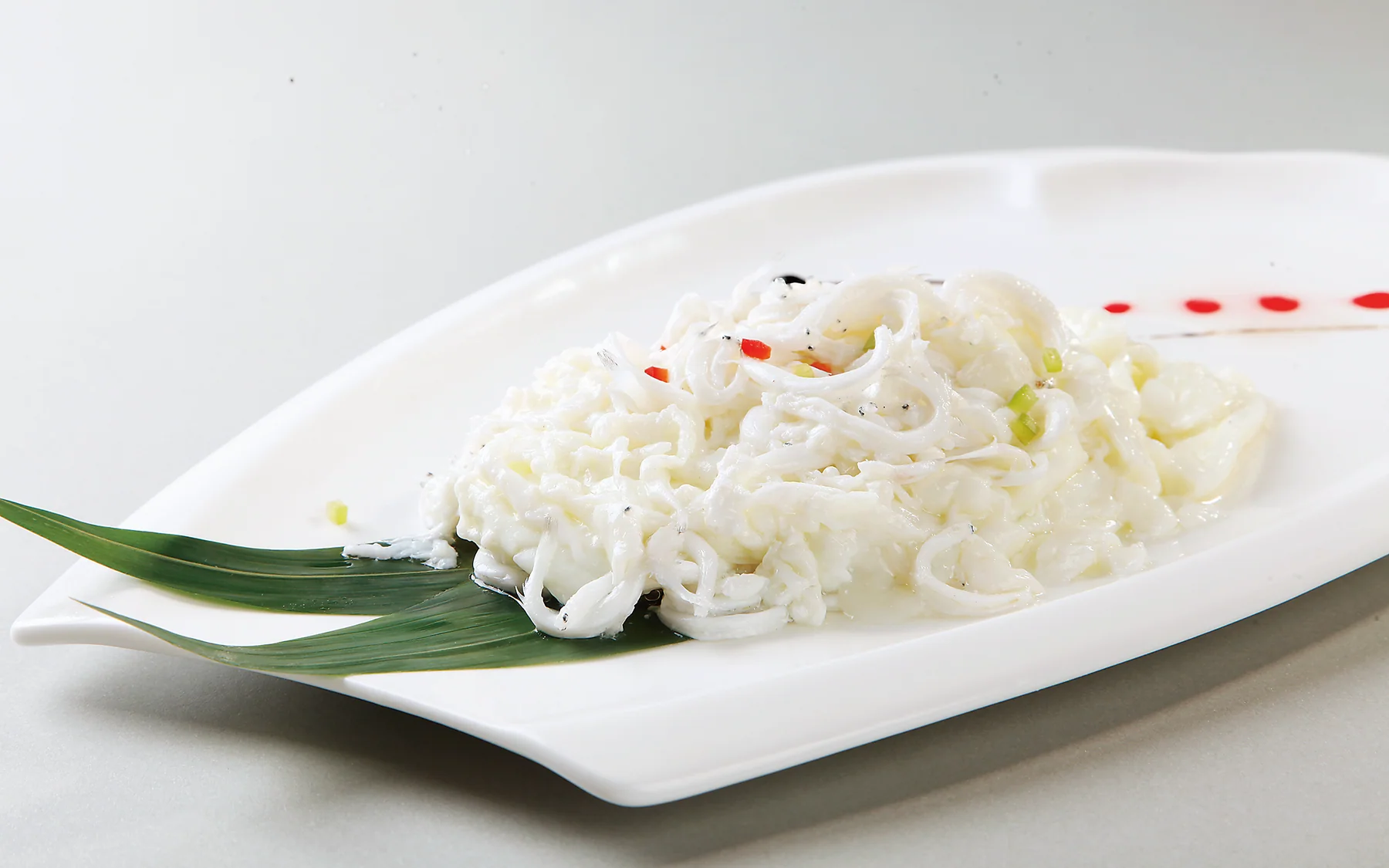
Seafood and freshwater food require basic judgment. Choose busy restaurants with clear turnover, avoid raw or undercooked freshwater products, and do not interpret a high price as proof of origin.
Seasonality changes technique as well as ingredients. Tender spring shrimp need short cooking and little concealment. Summer appetite favors lighter textures even when eel is rich. Autumn crab is slow, expensive and social, while winter rewards braises and hot noodles. A menu that lists every seasonal icon all year may be convenient, but convenience is not evidence that each ingredient is at its best.
Aquatic vegetables deserve as much attention as prestige seafood. Lotus root, water chestnut, bamboo shoots and local greens provide crisp, tender or starchy textures that reset a fish-heavy table. Ask what vegetable is currently best instead of ordering the same generic stir-fried greens at every meal.
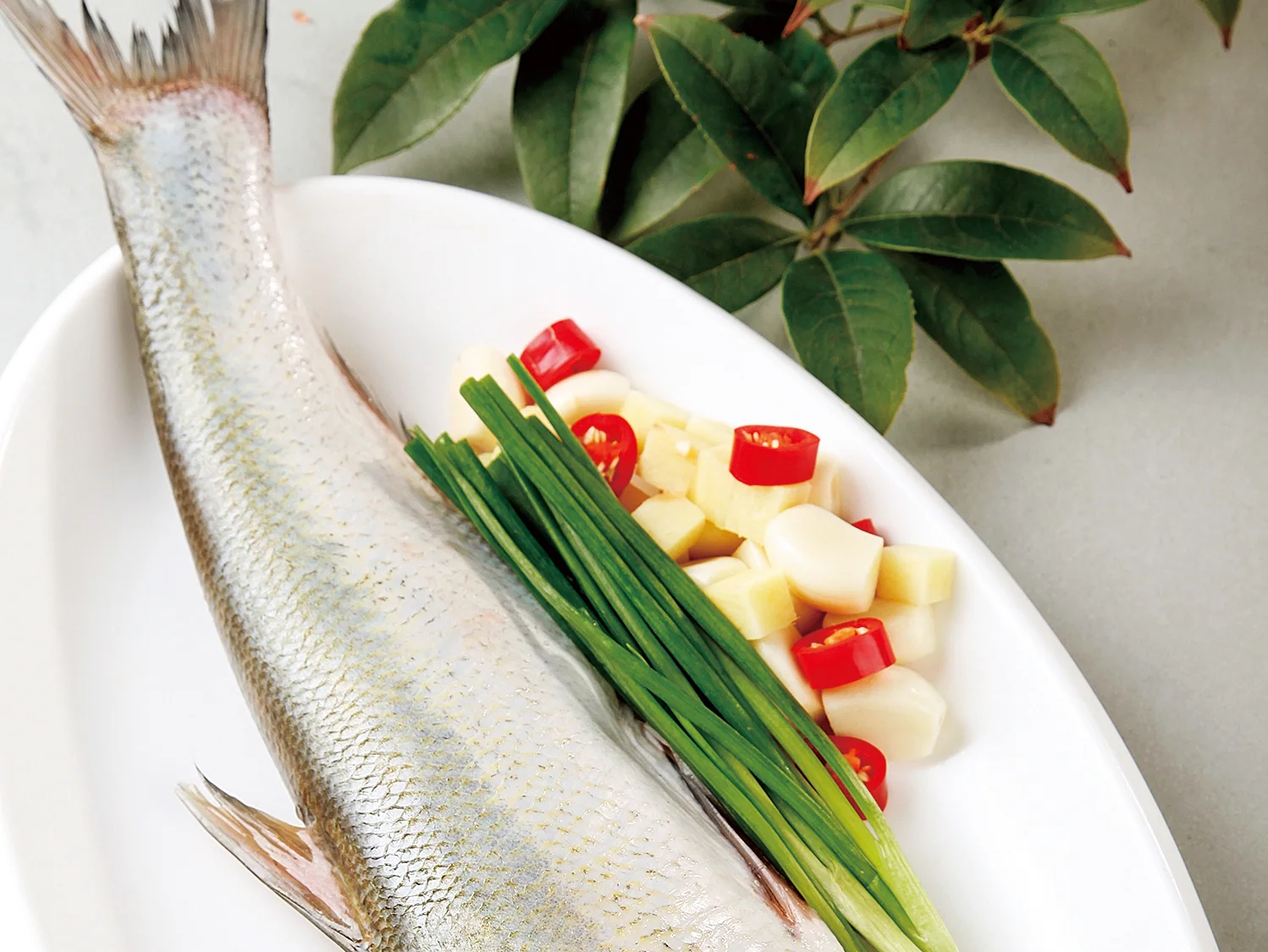
Taihu is a real ecological and cultural context, but it should not be used as a vague luxury label. Species, source, farming or fishing method, preparation and current market conditions matter. Responsible curiosity means asking specific questions, avoiding protected wildlife and refusing to treat rarity alone as culinary value.
Tea, pastries and sweet soups follow another calendar
Biluochun connects tea to orchard and lake
Biluochun is a fine curled green tea associated with Dongting Mountain beside Taihu in Suzhou. Protected origin matters: not every spiral-shaped green tea sold under the name comes from the designated area.
Traditional accounts connect tea gardens with mixed orchard landscapes. The orchard is a cultural and agricultural context, not proof that nearby blossoms automatically perfume the leaf. Cultivar, weather, picking, heating, rolling and storage all shape aroma.
Spring tea is easily turned into a shopping performance. Price rises with origin, picking standard, harvest timing, producer reputation and scarcity, but the most expensive tin is not automatically the most enjoyable for a new drinker. Ask where the leaf was grown, when it was picked, who processed it and how it has been stored. Brew a small sample before buying when possible.
Tea should also change the pace of a food day. After noodles and before a shared dinner, a quiet cup provides aroma without another heavy plate. It creates time to notice whether hunger has returned instead of turning every garden exit into a snack obligation.
Use the specialist-reviewed Biluochun tea guide to separate protected origin, visible spiral form and performance in the cup, then compare the broader green tea collection.
Pastries and sweet soups change with the calendar
Suzhou's sweet foods include flaky pastries, filled cakes, glutinous-rice preparations, sesame or bean fillings, osmanthus, jiuniang and festival foods. "Su-style pastry" is a family of techniques and products, not one universal recipe.
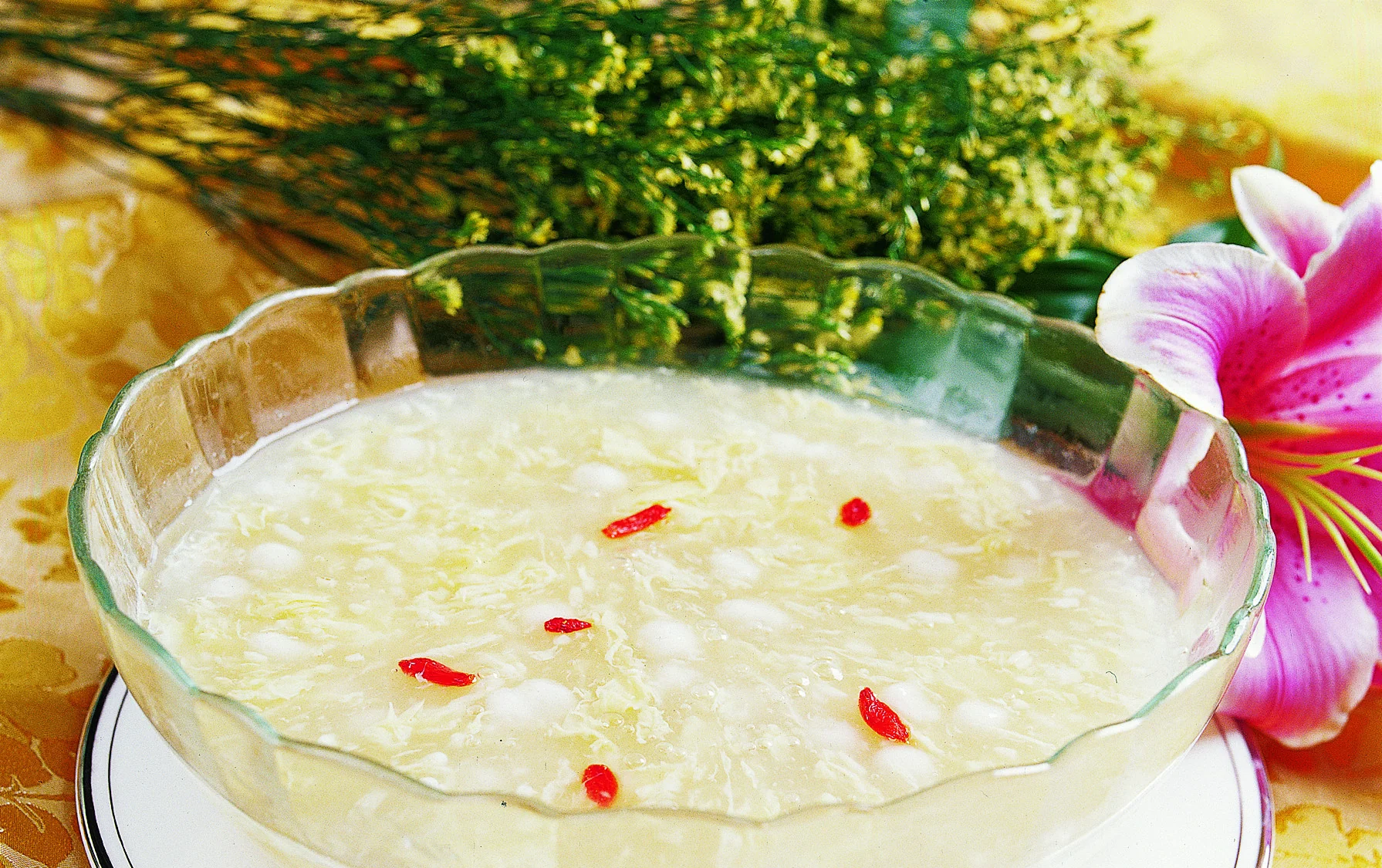
Jiuniang contributes a lightly fermented aroma and gentle sweetness. Osmanthus can perfume sweets, but commercial flavoring varies. Ask whether a pastry is savory or sweet, when it was baked and whether lard is used. Many traditional flaky pastries are not vegetarian even when the filling contains only vegetables or bean paste.
Freshness matters more than souvenir packaging. A flaky pastry loses its contrast as fat cools and moisture moves through the layers. Jiuniang desserts vary in fermentation aroma and alcohol level. Osmanthus can be elegant in small amounts and perfumed in excess. Share one or two products, then choose what deserves to be carried away.
Festival foods should be explained through their calendar rather than presented as permanent daily staples. A traveler may find a commercial version outside its traditional season, but availability does not mean local families eat it every week. The better question is what residents are buying now.
Where to eat Suzhou food by format
| Format | Best use | What it teaches |
|---|---|---|
| Neighborhood noodle shop | Breakfast or focused solo lunch | Broth, noodle timing, toppings and daily repetition |
| Traditional Jiangnan restaurant | Shared fish, eel, tofu and vegetable meal | How rich and light dishes balance across a table |
| Seasonal freshwater specialist | One deliberate group meal | Species, source, current season and appropriate technique |
| Pastry or sweet-soup shop | Afternoon or after dinner | Freshness, fat, fermentation and floral flavor |
| Tea shop with tasting | A planned pause, not an impulse purchase | Origin, harvest, storage and brewing |
| Scenic-area restaurant | Convenience during sightseeing | Whether location has replaced specialization or local use |
Do not build the trip around a permanent “best restaurant” list. Kitchens change, branches vary and seasonal dishes move. Look for a focused menu, visible turnover and a format that matches the food. A noodle shop should be judged as a noodle shop; it does not need squirrel fish. A formal restaurant should be able to explain fish size, source, preparation and portion rather than merely display an expensive menu photograph.
Keep food geography compact. A canal or garden neighborhood can support breakfast, walking, tea and one nearby dinner without repeated cross-city transfers. The goal is not to make every meal scenic. It is to let Suzhou's waterways, old streets and modern residential life remain part of the appetite.
How to order a first Suzhou day of food
| Time | What to eat | Why |
|---|---|---|
| Breakfast | Su-style noodles with one topping | Broth and shop rhythm reveal everyday craft |
| Midday | Small cold dish, vegetable and two-sided fried noodles | Texture without a heavy banquet |
| Afternoon | Tea and one fresh pastry or sweet soup | Compare fragrance and fat without over-ordering |
| Dinner | One fish or eel dish, tofu or soup, greens and rice | A balanced shared table shows the cuisine beyond sweetness |
For a second day, skip the famous whole fish and choose seasonal shrimp, a less glossy fish preparation or another noodle topping. Repetition with variation teaches more than completing a checklist.
A realistic second day begins with another noodle bowl, not another oversized breakfast. Use midday for a compact seasonal lunch, spend the afternoon without food obligations and make dinner the main comparison: if day one used squirrel fish, choose eel, shrimp, tofu or a steamed fish on day two. Two dinners with different centerpieces reveal more than one table crowded with every famous dish.
Dietary and ordering notes
| Need | What to say or check |
|---|---|
| Vegetarian | Ask whether broth, sauce and pastry fat contain meat, lard or dried seafood |
| Fish allergies | Sauces and stocks may contain shrimp or fish even when the visible dish is meat or tofu |
| Low sweetness preference | Choose clear broth, seasonal greens, steamed fish or shrimp and ask for less sugar where customization is realistic |
| Bone sensitivity | Whole fish, fried fish toppings and chopped poultry may contain small bones |
| Small group | Avoid ordering a whole fish plus several braises; noodle shops and half portions are more efficient |
| Tea purchase | Request origin, harvest and producer information; shape alone does not prove Dongting Biluochun |
Suzhou rewards comparison more than spectacle
What most Suzhou food guides get wrong
They use squirrel mandarin fish as the city's entire visual identity and explain everything else with the word “sweet.” That approach misses breakfast specialization, seasonal waterways, eel and noodle texture, aquatic vegetables, tea purchasing judgment and the difference between a festival sweet and an everyday meal.
East Moment recommends two breakfasts, one shared classic and one seasonal dinner. Let the first noodle bowl establish the city's ordinary standard. Order squirrel fish only with enough people to share it, and surround it with greens, tofu or soup. Use tea and walking to separate meals instead of treating pastries as a compulsory checklist.
Suzhou's depth comes from controlled change: crisp fish softening under sauce, fried noodles moving from brittle to chewy, a topping altering clear broth and a seasonal ingredient appearing briefly before the menu changes. The city is not quiet because its food lacks force. It is quiet because timing, texture and proportion do much of the speaking.