Jiangsu cuisine is best understood as a conversation among river cities, canal towns, lake districts, coastal markets and northern wheat-growing communities. The Jiangsu provincial government provides the administrative frame; the food refuses to behave like one administrative flavor. It belongs inside the wider Jiangnan food region, but Jiangnan cannot stand in for the whole province. Compare the practical tables in Nanjing, Suzhou and Yangzhou: shared waterways do not produce one technique or one pace of eating.
Jiangsu cuisine at a glance
| Choose your route through this guide | Start here |
|---|---|
| First overview of Jiangsu cuisine | The regional map and seasonal ingredient sections |
| Interested in Huaiyang technique | Knife work, stocks and banquet-versus-everyday cooking |
| Planning a food trip | The Nanjing, Suzhou-Wuxi and three-city route sections |
| Worried that the food is too sweet | The Suzhou-Wuxi explanation and balanced-order table |
| Vegetarian or allergy planning | Ordering guidance on stocks, fats, seafood and cross-contact |
| Comparing city pages | Use this page for the provincial system, then follow the dedicated city guides |
| Question | Short answer |
|---|---|
| What defines it? | Precise cutting, careful stocks, freshwater and seasonal ingredients, controlled braising, texture and a strong relationship between banquet craft and everyday food |
| Is it one of China's major cuisines? | It appears in several influential classification systems, but those lists simplify a province with distinct city and regional traditions |
| Is it sweet? | Some famous dishes are sweet-savory, especially around Suzhou and Wuxi; Nanjing, Yangzhou and northern Jiangsu offer many salty, clear, peppery and deeply savory counterexamples |
| Best cities for a first food trip | Nanjing for duck and snacks, Suzhou for noodles and freshwater dishes, Yangzhou for Huaiyang cooking and morning tea |
| Essential technique to notice | Knife work that changes texture, especially in shredded tofu, fish preparation and banquet vegetable cutting |
| Main ordering mistake | Choosing five glossy meat dishes because they look famous, then missing broth, vegetables, noodles, breakfast and seasonality |
One province contains several food regions
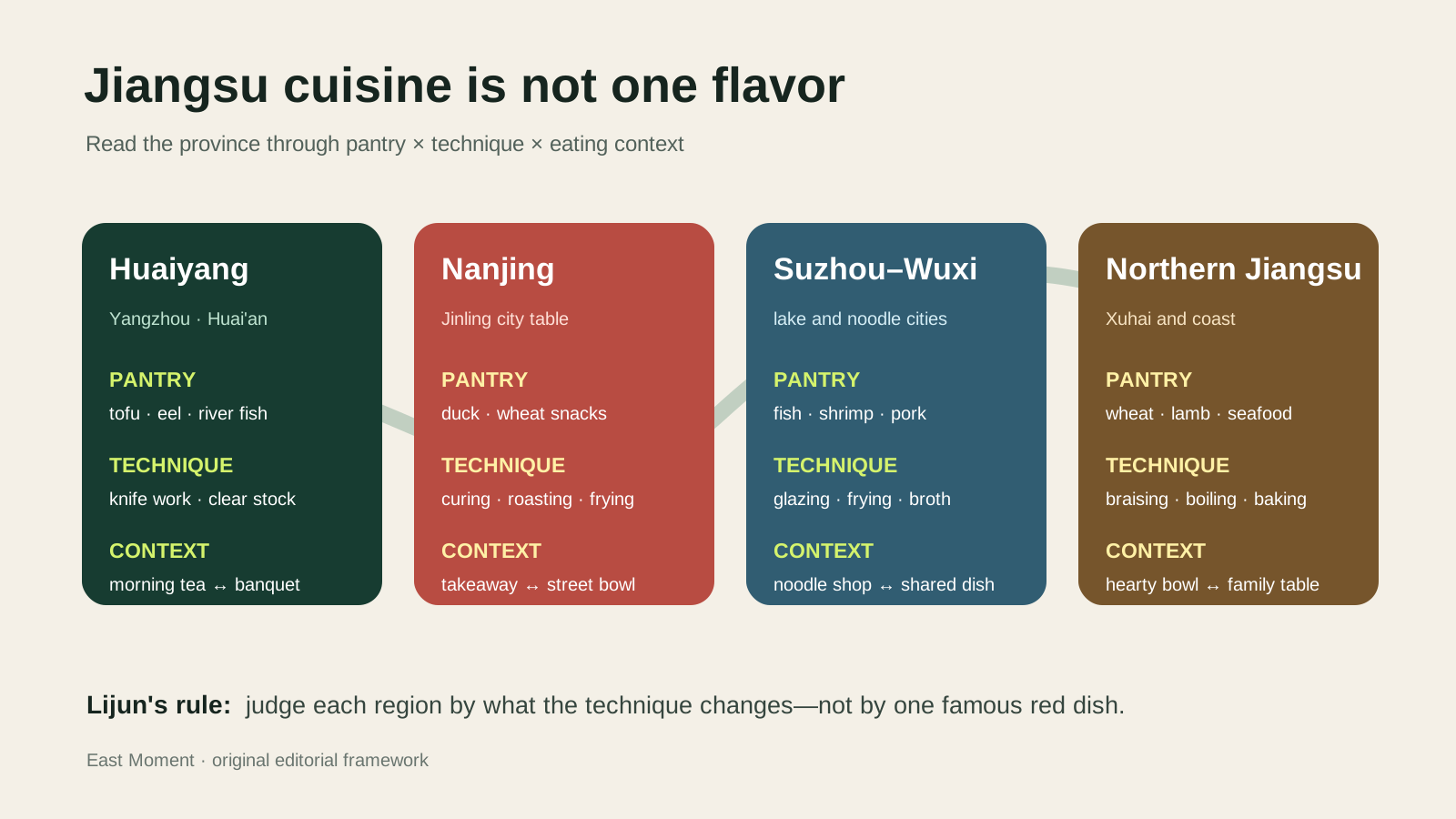
Regional labels overlap and restaurant histories travel, so no map is absolute. The following framework is useful because it prevents "Jiangsu food" from collapsing into one elegant banquet.
| Regional lens | Places commonly associated | Ingredients and techniques | A useful first dish | What not to assume |
|---|---|---|---|---|
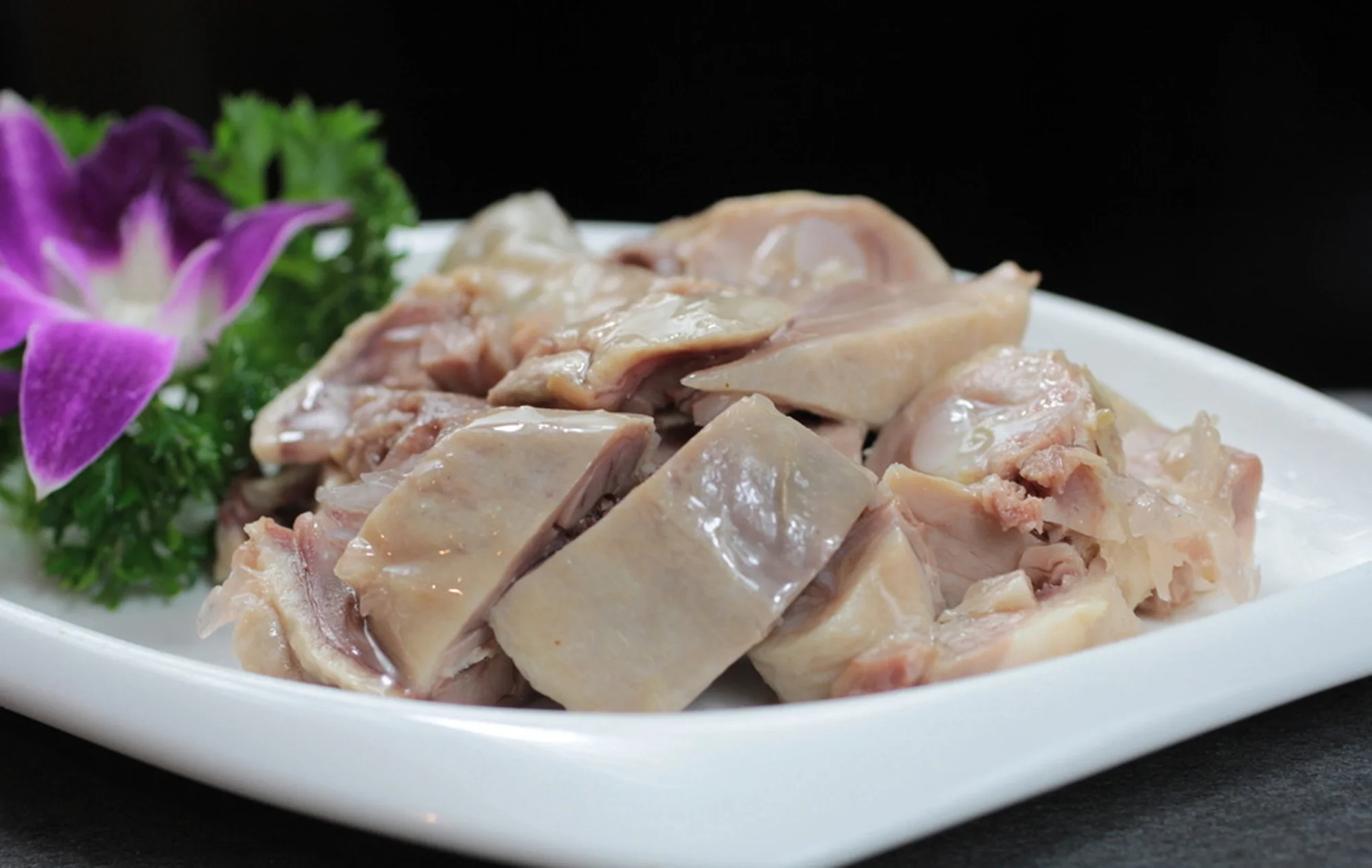
| Jinling or Nanjing | Nanjing and surrounding lower-Yangtze districts | Duck, river foods, Muslim beef snacks, soups, pastries and seasonal greens | Saltwater duck or duck blood vermicelli soup | The provincial capital represents every Jiangsu table |
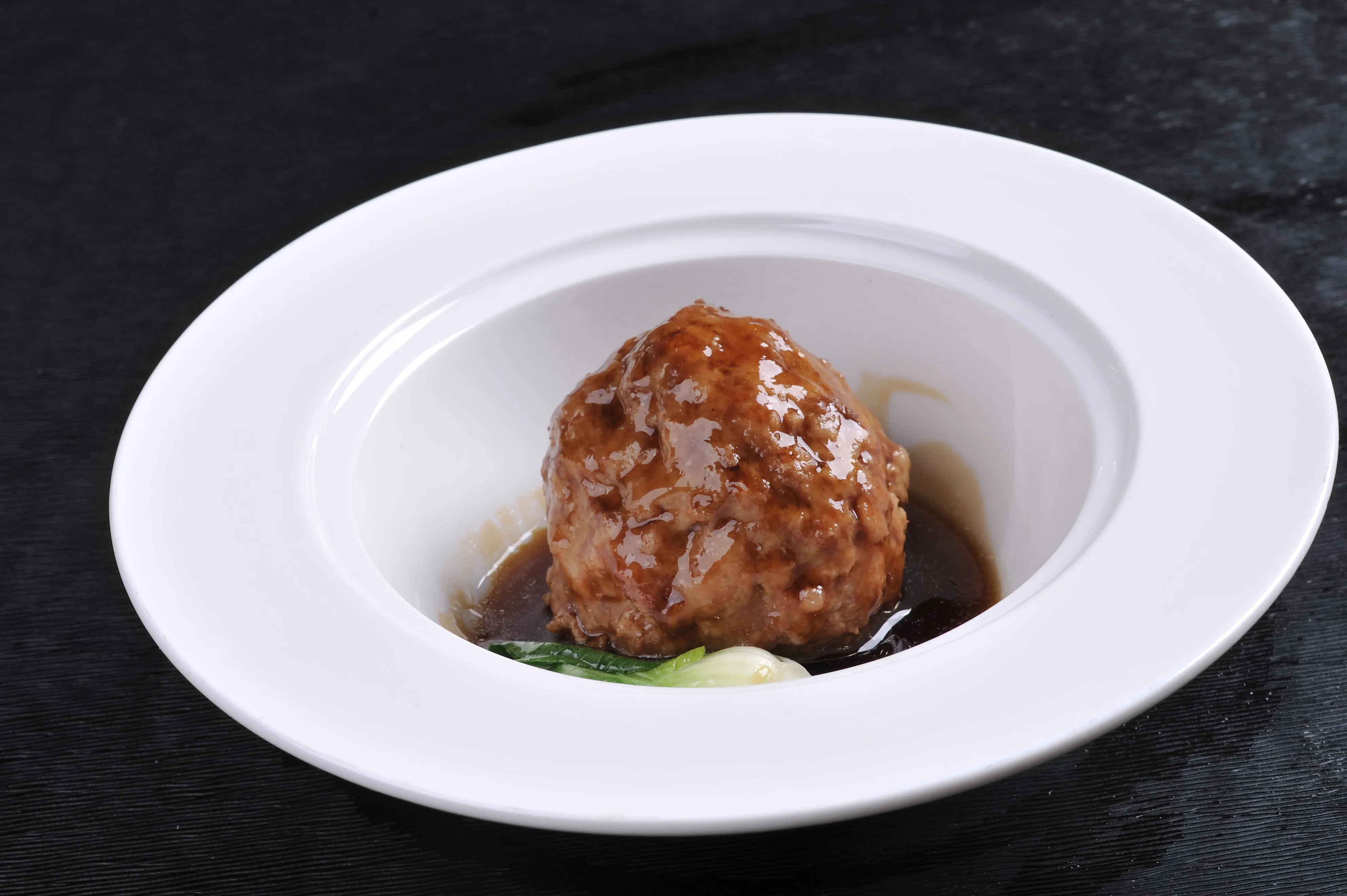
| Huaiyang | Yangzhou, Huai'an and connected canal-river regions | Knife work, clear and rich stocks, braising, stewing, freshwater fish, pork and tofu | Dazhu gansi or lion's head meatballs | Refined banquet cooking has no everyday counterpart |
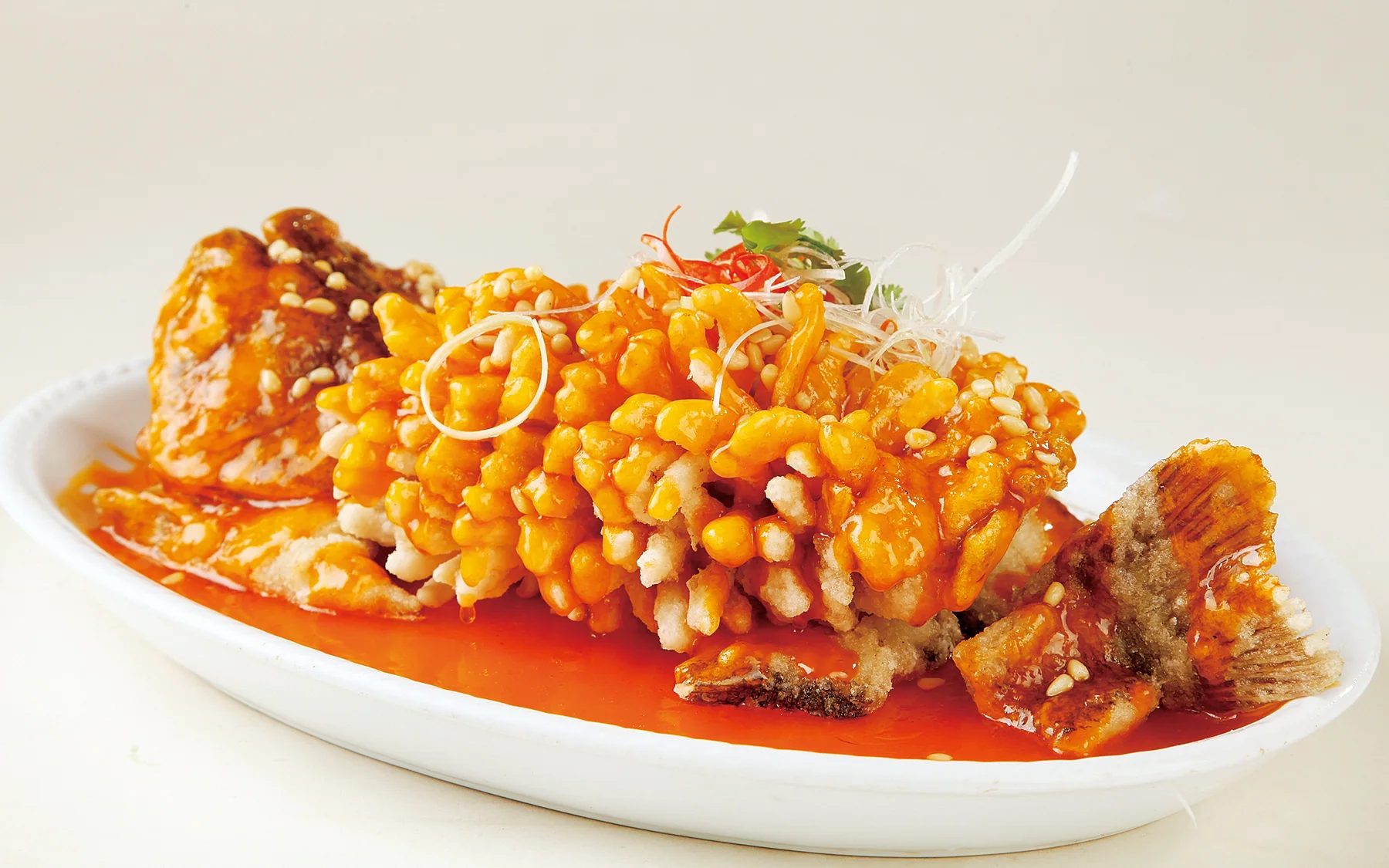
| Suzhou-Wuxi | Suzhou, Wuxi and the Taihu basin | Freshwater fish, eel, noodles, pastries, soy braises and measured sweetness | Su-style noodles or squirrel mandarin fish | Every dish is sugary or delicate |
| Xuhai and northern Jiangsu | Xuzhou, Lianyungang and northern counties | Wheat foods, soups, lamb, poultry, garlic, seafood and hearty braises | A local noodle, soup or wheat-based breakfast | Jiangsu is culturally and culinarily only Jiangnan |
| Coastal and lake communities | Yancheng, Nantong, Taihu, Hongze Lake and other waterside areas | Fish, crab, shrimp, shellfish, aquatic plants and preservation | Whatever is genuinely seasonal and local | Every famous freshwater ingredient is available year-round |
These lenses are not sealed culinary borders. Cooks move, restaurants borrow and canal and rail connections carry ingredients and reputations. Huaiyang techniques can appear in Nanjing banquet rooms; Suzhou-style noodles travel beyond Suzhou; northern wheat foods enter southern cities through migration. The map is useful when it explains tendencies, not when it is used to declare one restaurant impure.
The north-south difference is especially important. Southern Jiangsu's international image is built around waterways, gardens, rice, freshwater fish and polished restaurant cooking. Northern Jiangsu is closer to wheat-growing food zones, with noodles, flatbreads, dumplings, lamb and garlic more visible. A provincial guide that ignores this difference mistakes Jiangnan, a cultural region, for the entire modern province.
The Grand Canal is another organizing line. It linked grain transport, salt wealth, official travel, markets and urban hospitality. That history helps explain why Yangzhou and other canal cities developed sophisticated restaurant and banquet traditions, but wealth did not erase practical food. Boatmen, merchants, clerks, artisans and households all needed affordable bowls, breads, tofu, pickles and cooked meats. Jiangsu cuisine is therefore not a choice between elite refinement and ordinary appetite; it is a record of how the two scales continually exchanged techniques.
Huaiyang cuisine turns cutting into flavor
Huaiyang cuisine is often described through refinement, but the word becomes useful only when attached to work. A chef cuts tofu into extremely fine strands so that stock can move around and through them. Pork for a lion's head meatball is chopped to create a tender, loose structure rather than ground into a rubbery sphere. Fish may be scored so heat and sauce reach the flesh evenly.
This is not decoration performed after cooking. Shape determines surface area, cooking speed, absorption and mouthfeel. The knife begins the seasoning before soy sauce or salt reaches the pan.
Stock is the second invisible structure. Clear does not mean weak, and pale does not mean unseasoned. Poultry, pork, fish or dried ingredients may contribute depth without leaving a heavy surface. The best Huaiyang dishes make technique legible without turning the meal into a demonstration.
Texture is the third structure. A lion's head meatball should yield rather than bounce. Tofu strands should remain separate enough to move through broth. Fish must be cooked through without losing moisture, and a quick-fried kidney or eel dish depends on seconds of heat control. This is why “delicate” can be a misleading translation. The flavor may be restrained, but the technical decisions are forceful and exact.
Huaiyang cuisine also has several restaurant identities. UNESCO's Yangzhou Creative City of Gastronomy profile gives the city's food culture an institutional frame, but the useful test still happens at the table. A formal banquet may use expensive stock, individually plated courses and elaborate cutting. A morning-tea table presents the same concern for dough, broth and knife work at a more social scale. A neighborhood restaurant may serve braised meatballs, tofu and seasonal greens without theatrical presentation. Visitors should compare these formats instead of assuming the most expensive dining room contains the only serious version.
The East Moment test is simple: can the diner feel what the cutting changed? If fine tofu tastes merely soft, or a meatball is uniformly rubbery, the visual reputation has outrun the cooking. Technique deserves attention because it changes pleasure, not because it creates a difficult photograph.
Nanjing builds an everyday city from duck
Nanjing food shows the province at its most direct and urban. Saltwater duck foregrounds controlled curing and clean meat flavor. Roast duck is commonly chopped and served with savory juices. Duck blood, intestine, gizzard and liver enter vermicelli soup. Rendered duck fat perfumes shaobing.
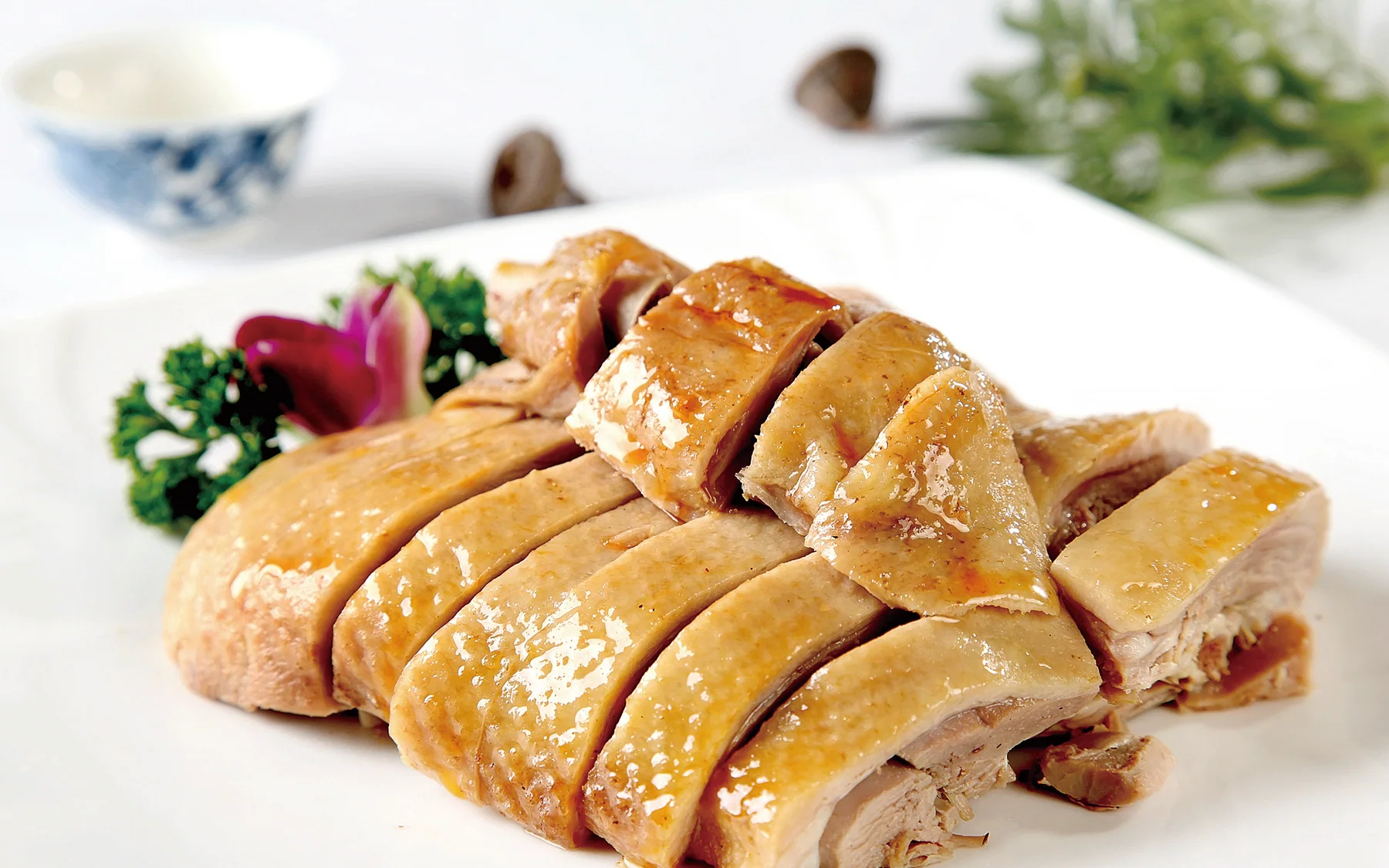
The range matters more than any single icon. It joins specialist shops, household takeaway, breakfast counters and restaurant dining. It also shows why "light Jiangsu cuisine" is an inadequate label: duck blood soup can be mineral-rich, peppery, oily and full of organ textures.
Saltwater duck and duck blood soup also occupy different social roles. The first can be bought chopped to take home, served cold at a family table or used as a restaurant opening dish. The second is a hot, compact meal whose vermicelli, broth, blood tofu, organs and tofu products must arrive in balance. Calling both merely “duck dishes” misses the difference between a prepared protein and an assembled urban bowl.
Nanjing's Hui Muslim food businesses add another layer through beef guotie and other wheat foods. The city's food history is shaped by migration, political change and working neighborhoods, not only by courtly memory.
Beef guotie complicates another stereotype: that Jiangsu's most meaningful foods are all rice-based, aquatic or formally plated. Good guotie need a juicy filling, dough strong enough to hold it and a base fried crisp without turning the upper wrapper hard. They belong to breakfast and snack life, not to a provincial banquet canon.
For a deeper account of duck shops, soups, Muslim snacks and city neighborhoods, use the dedicated Nanjing food guide. The keyword distinction matters: this provincial page explains why Nanjing expands the Jiangsu system; the city page helps a traveler decide what to eat and in what order.
Suzhou and Wuxi use sweetness as a tool
The international shorthand for eastern Chinese food is often "sweet." In Suzhou-Wuxi cooking, sugar can glaze ribs, soften the salt of soy sauce, balance vinegar or give a cold dish a polished finish. The mistake is treating that tool as the whole cuisine.
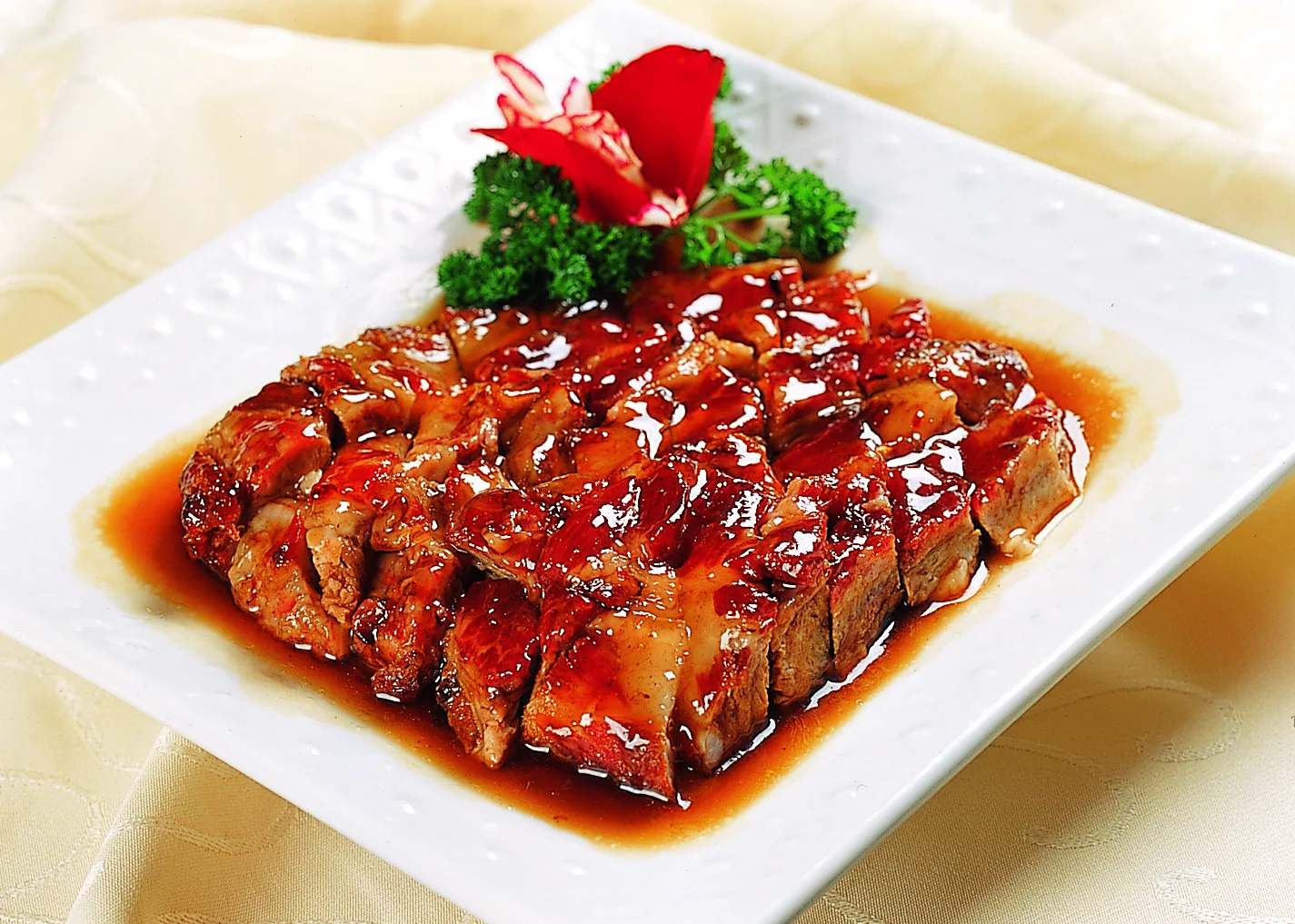
Suzhou's famous squirrel mandarin fish combines difficult fish preparation, frying and a vivid sweet-sour sauce. Eel dishes depend on aroma and texture. Su-style noodle shops organize breakfast and lunch around broth, noodles and separately prepared toppings. Seasonal river and lake ingredients can be cooked with much less sweetness than the city's famous braises.
Two-sided fried noodles show why texture is as important as sugar. A crisp noodle cake receives a hot topping so the surface softens unevenly: some strands stay brittle, others become sauced and chewy. Sizzling eel works through another kind of timing, bringing hot oil and garlic aroma to the table while the eel remains tender.
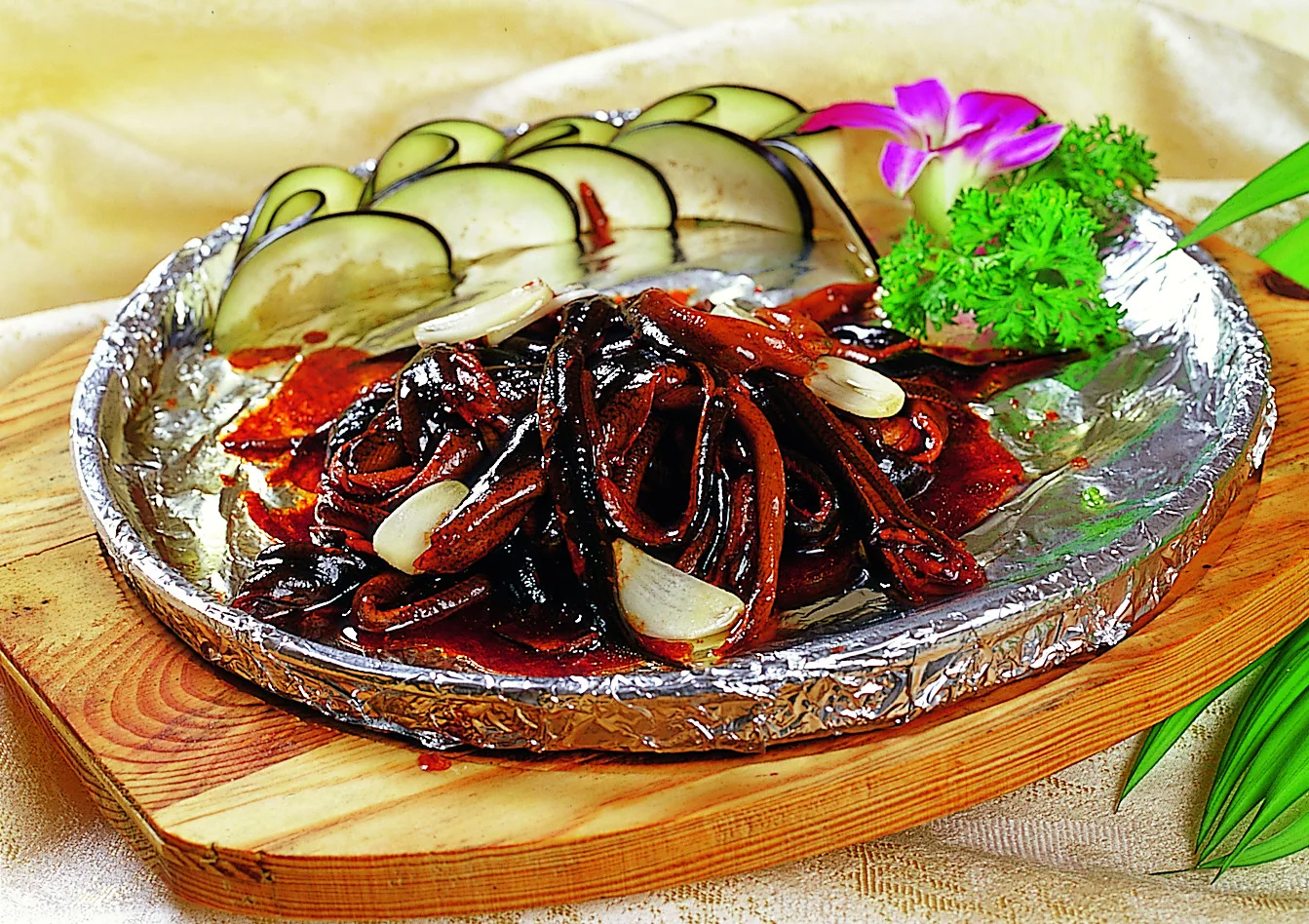
Wuxi-style ribs usually push further toward lacquered sweet-savory concentration. Order them beside rice, greens and soup rather than building an entire meal from dishes with similar sauces.
Sweetness in this subregion often has a structural purpose. It rounds soy, helps form a glaze, balances vinegar or carries the rich aroma of pork and fried fish. Problems begin when a traveler orders ribs, sweet-sour fish and another red braise together. The dishes may each be well made, but their shared color and concentration erase contrast.
At breakfast, Suzhou can taste entirely different. Fine noodles, clear or dark broth and separately prepared toppings create a modular meal. A diner can compare broth clarity, noodle firmness and seasonal toppings without ordering a banquet. The dedicated Suzhou food guide owns that practical city search intent; here, the noodle shop demonstrates how everyday specialization sits beside the subregion's famous formal dishes.
Water, fields and seasons shape the provincial pantry
Jiangsu's rivers, canals, lakes, ponds and wetlands support fish, crab, shrimp, eel, lotus root, water chestnut and other aquatic foods. Agricultural plains contribute rice, wheat, rapeseed, vegetables and livestock. The coastal edge adds marine ingredients and preserved seafood.
Seasonality is not a decorative menu heading. It changes fat, texture, price and the techniques that make sense.
| Season | Ingredients and dishes to notice | What changes |
|---|---|---|
| Spring | Bamboo shoots, tender greens, river shrimp, tea and light broths | Short harvest windows favor quick cooking and clean aromas |
| Summer | Eel, lotus, cold dishes, aquatic vegetables and lighter soups | Texture and appetite matter in humid heat |
| Autumn | Crab, osmanthus sweets, duck and richer freshwater dishes | Fragrance and concentrated flavor enter the table |
| Winter | Braised meats, cured foods, soups, root vegetables and warming noodles | Longer cooking and stored ingredients become more prominent |
Restaurant availability does not always follow the ideal calendar. Ask what is actually fresh rather than assuming a seasonal name guarantees a seasonal ingredient.
Freshwater cooking requires precise language. “River fish,” “lake fish” and “crab” are not quality guarantees, and origin claims can become marketing shorthand. Ask the species, source, price method and preparation. Avoid raw or undercooked freshwater products, and do not assume that a tank in the dining room proves sustainable or local sourcing.
Aquatic vegetables are equally revealing. Lotus root can be crisp, sticky or powdered depending on variety and method. Water chestnut adds clean crunch. Water shield and other local plants may enter soups or seasonal dishes. These ingredients provide the fresh, vegetal half of a cuisine often represented overseas by meat and fish.
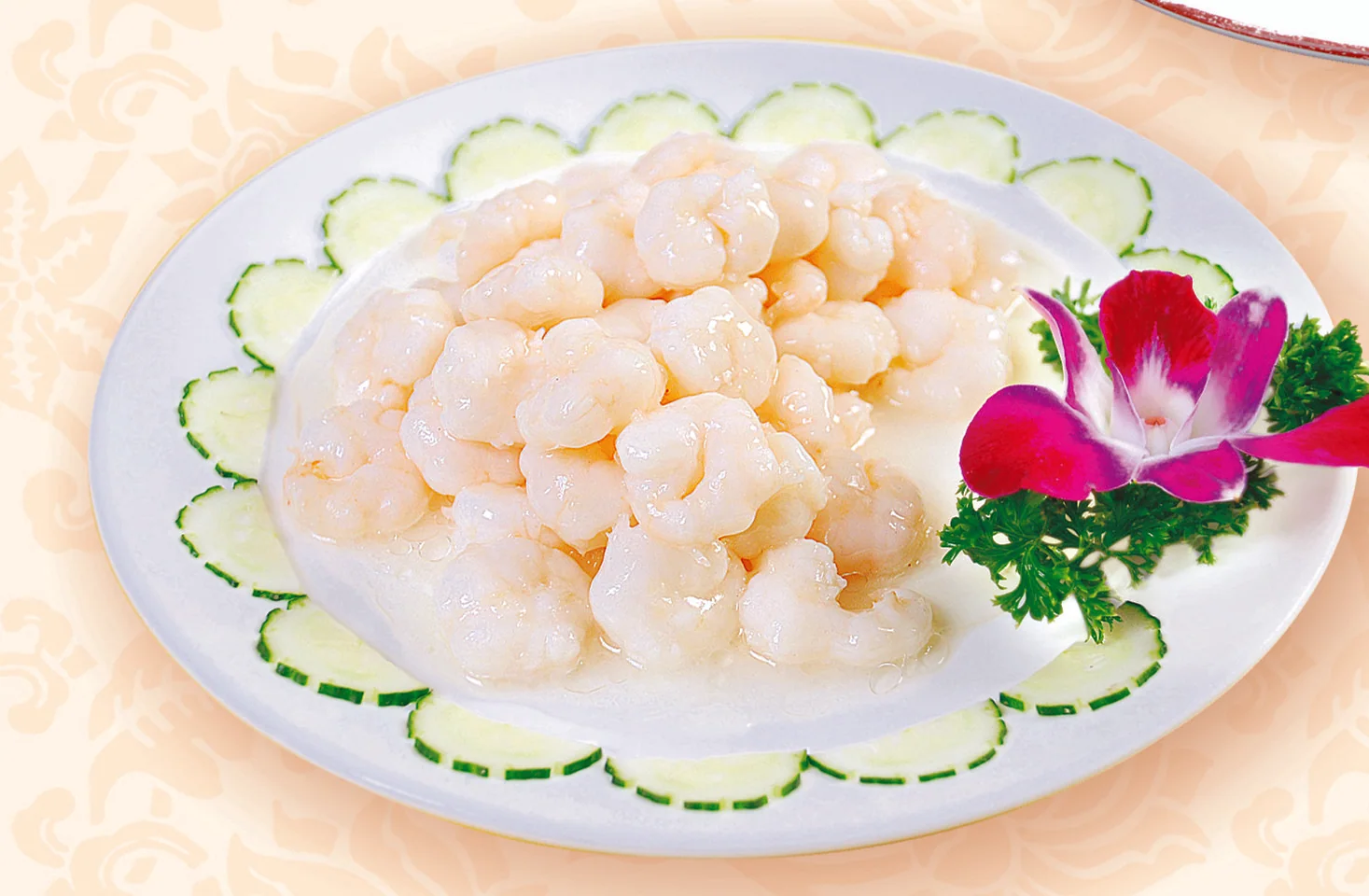
Away from the lower-Yangtze image, northern Jiangsu brings wheat, lamb, garlic, sturdy soups and coastal seafood into the provincial frame. Breakfast may be built from noodles, breads or dumplings rather than congee and rice. Seasoning may feel more direct, and larger cuts or warming broths make sense in a colder food landscape. This is not an exception at the edge of “real” Jiangsu cuisine; it is evidence that provincial borders contain more than one agricultural and cultural zone.
Signature dishes are best read as techniques
| Dish | Place association | Technique to notice | Better ordering context |
|---|---|---|---|
| Saltwater duck | Nanjing | Curing, aromatic cooking and moisture control | Cold starter or takeaway shared with vegetables |
| Lion's head meatballs | Huaiyang and Yangzhou | Hand chopping, loose shaping and gentle braising or steaming | One portion shared with rice and greens |
| Dazhu gansi | Yangzhou | Fine tofu cutting and stock building | Mid-meal dish that reveals knife work |
| Squirrel mandarin fish | Suzhou | Scoring, deboning, frying and sweet-sour sauce balance | Group meal where the whole fish can be shared |
| Wuxi-style ribs | Wuxi | Slow cooking and sauce reduction | Small rich plate, not the only protein |
| Yangzhou fried rice | Yangzhou and a global restaurant history | Separate grains, controlled heat and balanced small ingredients | End of a shared meal or a simple meal on its own |
| Su-style noodles | Suzhou | Broth, noodle texture and separately prepared toppings | Breakfast or lunch at a specialist shop |
| Beef guotie | Nanjing Hui Muslim food culture | Juicy filling and a crisp pan-fried base | Eat immediately as breakfast or snack |
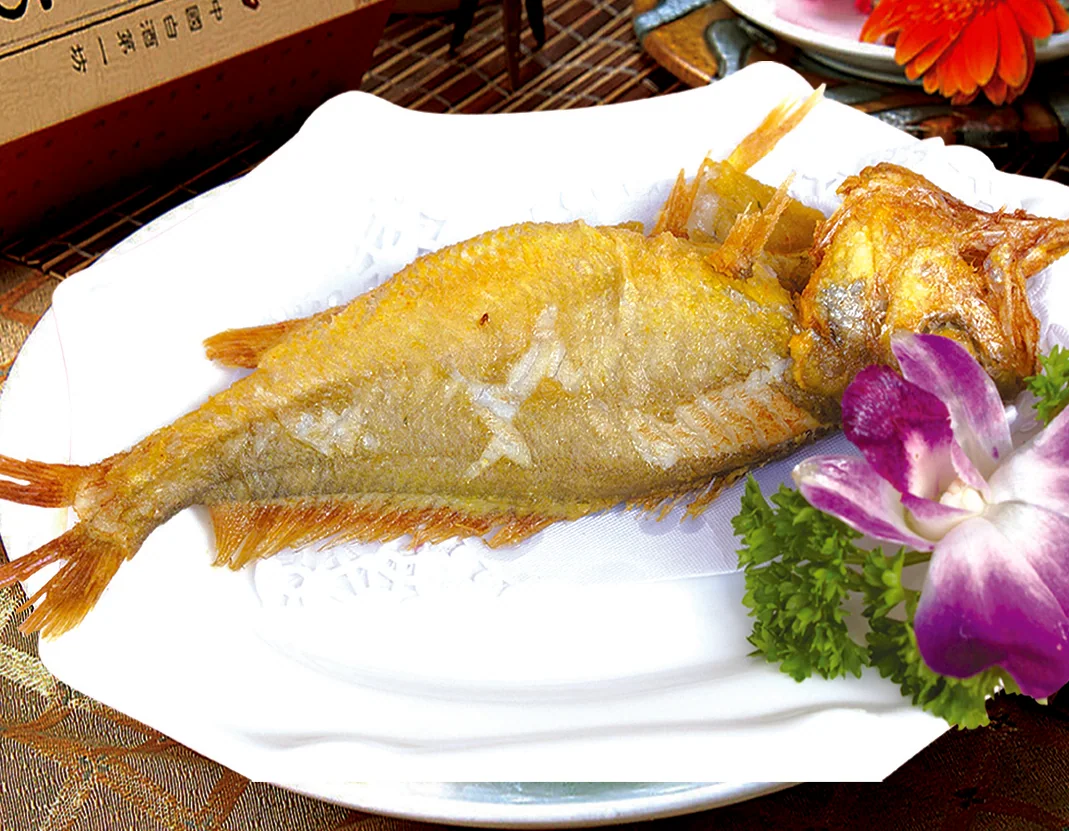
Read the table horizontally. The dishes differ in city and price, but each becomes meaningful through an action: curing, chopping, shredding, scoring, reducing, frying or timing a broth. This prevents a familiar SEO problem in which a regional cuisine page becomes a list of nouns with no explanation of how they taste.
Preservation belongs in this technical vocabulary too. Nanjing's cured or cooked duck products, Yangzhou cured goose, salted vegetables, dried seafood and winter meats connect season, storage and concentrated flavor. They should be paired with rice, broth or fresh vegetables rather than consumed as isolated “must-try” trophies.
Banquet Jiangsu and everyday Jiangsu are different scales
The provincial reputation for elaborate knife work grew through restaurants, official hospitality and banquet systems. Everyday life has different priorities: speed, price, warmth, portability and familiarity.
| Banquet lens | Everyday lens | What the contrast teaches |
|---|---|---|
| Whole fish with formal cutting and sauce | Noodle soup with a small fish or meat topping | Technique survives at different price points |
| Clear soup built from expensive stock | Breakfast broth or wonton soup | Clarity may be an everyday preference, not only luxury |
| Large lion's head meatball served individually | Braised meatballs in a family meal | A famous name can cover several scales and recipes |
| Fine seasonal presentation | Market greens cooked quickly | Seasonality is often clearest in ordinary vegetables |
| Structured dessert course | Pastry, sweet soup or fruit bought separately | Meals do not always follow a formal restaurant sequence |
Restaurant format changes what can be learned. A noodle specialist reveals repetition: the same broth and noodles must work for hundreds of ordinary meals. A duck shop reveals curing, chopping and takeaway rhythm. A morning-tea restaurant shows how many labor-intensive items can arrive in a relaxed social sequence. A banquet room reveals course design, stock hierarchy and expensive seasonal ingredients. None is automatically more authentic; each exposes a different economic and technical scale.
The distinction also protects travelers from false disappointment. Lion's head in a family restaurant may be smaller, darker or more strongly braised than a formal clear-soup version. Shredded tofu at breakfast may contain fewer luxury toppings. Suzhou noodles may look plain beside squirrel mandarin fish, yet they tell more about daily standards. Variation is not proof that one version is fake. The useful questions are whether the texture fits the method, whether the seasoning has balance and whether the restaurant's format makes sense for the dish.
Everyday food is also where waste and appetite become visible. A banquet menu encourages whole fish, multiple cold dishes and elaborate mains, while a solo traveler may only need noodles, guotie or duck soup. Ordering beyond group size does not create deeper research. It produces leftovers and makes every dish harder to judge.
How to order a balanced Jiangsu meal
For three or four people, begin with one cold item, one technique-centered main dish, one seasonal vegetable, one soup or tofu dish and rice or noodles. Add a second main only if appetites are large.
| Group interest | Order this combination | Avoid this pattern |
|---|---|---|
| First Jiangsu meal | Saltwater duck, dazhu gansi, a seasonal green, one fish or meat dish and rice | Duck, ribs, braised pork and sweet-sour fish together |
| Technique | Shredded tofu, a carefully prepared fish, one clear soup and a simple vegetable | Choosing only dishes whose main appeal is sauce |
| Everyday food | Noodles or vermicelli soup, guotie or pastry and one cold dish | Eating only in heritage-district banquet restaurants |
| Vegetarian-leaning | Tofu, bamboo, mushrooms, lotus root and greens after confirming stock | Assuming pale broth or vegetable names mean meat-free |
| Food-city trip | Nanjing duck, Suzhou noodles and fish, Yangzhou morning tea and Huaiyang dinner | Repeating the same famous dish in every city |
Think in course functions. A cold duck or cured-goose plate supplies concentration. Shredded tofu or clear soup provides broth and texture. One fish, meatball or eel dish becomes the center. Greens, bamboo or lotus supply freshness, while rice or noodles complete the meal. When every plate is glossy, sweet-savory and protein-heavy, the order has ignored the cuisine's strongest contrasts.
| Restaurant format | What it is best for | What to verify |
|---|---|---|
| Noodle or soup specialist | Everyday broth, toppings and service rhythm | Specialty, opening hours and whether toppings sell out |
| Duck or cooked-meat shop | Saltwater duck, roast duck and takeaway cold dishes | Turnover, chopping time and portion size |
| Morning-tea restaurant | Tofu, buns, pastries and social breakfast | Queue, ordering system and whether dishes are full or half portions |
| Home-style Jiangsu restaurant | Seasonal vegetables, fish, tofu and braises | Group size and which dishes are genuinely local |
| Huaiyang banquet restaurant | Knife work, stocks and formal course structure | Reservations, set-menu size and seafood pricing |
| Pastry or sweet shop | Freshly baked goods, jiuniang and festival foods | Production time, lard and filling ingredients |
Dietary restrictions require ingredient-level questions. Vegetable dishes may use lard or meat stock. Clear soup may contain poultry, ham or dried seafood. Pastries can look vegetarian while relying on animal fat, and tofu dishes may include shrimp. Soy sauce introduces wheat concerns; sesame, peanuts, shellfish and freshwater fish create common allergy risks. A written Chinese explanation is more reliable than asking only whether a dish is “vegetarian” or “gluten free.”
A three-city Jiangsu food route
Spend two days in Nanjing for saltwater duck, duck blood soup, beef guotie and seasonal greens. Move to Suzhou for an early noodle breakfast, a garden day and one shared freshwater-fish dinner. Finish in Yangzhou with morning tea, dazhu gansi, lion's head meatballs and enough time to understand the Grand Canal and salt-merchant economy behind the city's dining culture.
The route is not a ranking. It is a controlled comparison: one province, three urban histories and three different relationships between specialist craft and daily appetite.
Use repetition deliberately. Eat one ordinary breakfast in each city and one shared dinner. The comparison becomes clearer when the meal formats remain stable: Nanjing's hot duck soup against Suzhou noodles and Yangzhou morning tea; Nanjing's urban cooked meats against Suzhou freshwater cooking and Yangzhou Huaiyang technique. Constantly changing both city and meal type makes the province feel more confusing than it is.
Travel time should not become an eating contest. Two nights in each city is more useful than a day trip built around three famous restaurants. Markets, canals, old neighborhoods and gardens provide the physical context for ingredients and hospitality, while periods without food allow appetite to return.
Jiangsu cuisine is a system of controlled differences
What most Jiangsu cuisine guides get wrong
They call the province “light and sweet,” present Huaiyang banquet cooking as the whole tradition and then list famous dishes from unrelated cities. That removes northern wheat foods, Nanjing's direct urban appetite, everyday noodle and breakfast shops, aquatic vegetables, preservation and the seasonal logic behind freshwater cooking.
The better interpretation is not that Jiangsu cuisine lacks a center. It has several centers connected by water, trade, migration and restaurant history. Huaiyang cuisine contributes influential knife work and stock craft; Nanjing demonstrates how a city can organize ordinary eating around duck; Suzhou and Wuxi show how sweetness, soy and texture can be controlled; northern and coastal areas prevent Jiangnan elegance from becoming a provincial stereotype.
East Moment recommends learning one technique, one breakfast and one shared table in each city. Ask what the knife changed, what the stock contains, what is in season and why a dish belongs in that restaurant format. Those questions create a provincial food map that an isolated “top ten dishes” list cannot provide.