Yangzhou food is famous for making difficult work look gentle. A bowl of tofu strands may appear almost weightless, yet each strand depends on exact cutting. A lion's head meatball looks rustic, yet its tenderness comes from hand chopping, fat balance and controlled cooking. Morning tea seems leisurely because cooks began working long before the guest sat down. UNESCO's Creative City profile confirms the city's formal gastronomy role; this page tests what that reputation means at an actual table. The Jiangsu cuisine guide explains the provincial system, the Yangzhou city guide explains the canal economy around it, and our Chinese food guide connects the meal to wider regional habits.
Yangzhou food at a glance
| Choose your route through this guide | Start here |
|---|---|
| First visit | Morning tea, knife work and the two-day route |
| Interested in Huaiyang cuisine | The regional relationship and technique sections |
| Traveling alone | Morning tea in stages, noodles and fried rice guidance |
| Eating with a group | Lion's head, tofu, fish, vegetables and balanced dinner |
| Vegetarian or allergy planning | Hidden stocks, lard, shrimp and pastry ingredients |
| Comparing Jiangsu cities | Use this city page for practical Yangzhou eating and the Jiangsu guide for the provincial system |
| Food | Chinese name | Best context | What defines it |
|---|---|---|---|
| Boiled shredded tofu | 大煮干丝 | Morning tea or shared meal | Fine tofu strands, clear savory stock and restrained toppings |
| Lion's head meatballs | 狮子头 | Shared lunch or dinner | Hand-chopped pork, loose tender structure and gentle braising or steaming |
| Wensi tofu | 文思豆腐 | Banquet or technique-focused meal | Extremely fine tofu cutting suspended in soup |
| Three-dice bun | 三丁包 | Morning tea | Steamed bun filled with finely diced savory ingredients |
| Layered oil cake | 千层油糕 | Morning tea or sweet course | Soft layered dough with fat and gentle sweetness |
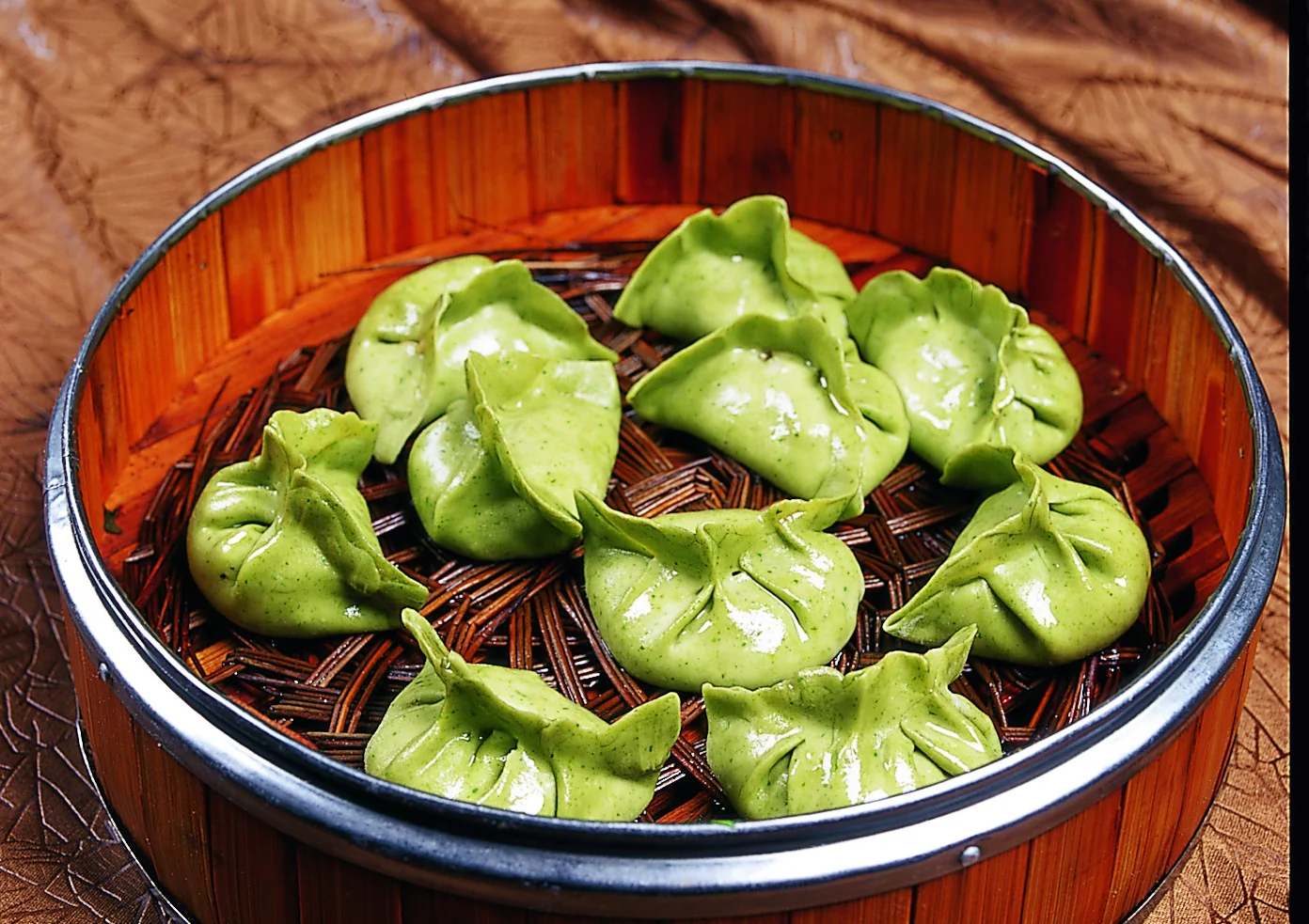
| Jade-green shaomai | 翡翠烧卖 | Morning tea | Open dumpling with a green vegetable filling and careful wrapper work |
| Yangzhou fried rice | 扬州炒饭 | Simple meal or shared staple | Separate grains, egg and balanced small ingredients cooked with controlled heat |
| Cured goose | 风鹅 | Cold dish or drinking food | Dense poultry flavor shaped by salting, drying or curing methods |
Yangzhou is a center of Huaiyang cuisine, not its only owner
Huaiyang cuisine is associated with the Huai and Yangtze river regions, especially Yangzhou and Huai'an. It is influential in banquet and official dining traditions because its techniques can create clear, balanced dishes suited to formal multi-course meals.
That reputation can make Huaiyang food sound detached from ordinary appetite. In reality, the same values appear at breakfast: a clear broth, exact dough, finely cut filling and a topping cooked separately so it reaches the table at the right texture.
The broader Jiangsu cuisine guide shows why Yangzhou should not stand in for the whole province. Nanjing's duck system, Suzhou's noodles and sweetness, Wuxi braises and northern Jiangsu wheat foods all complicate the picture.
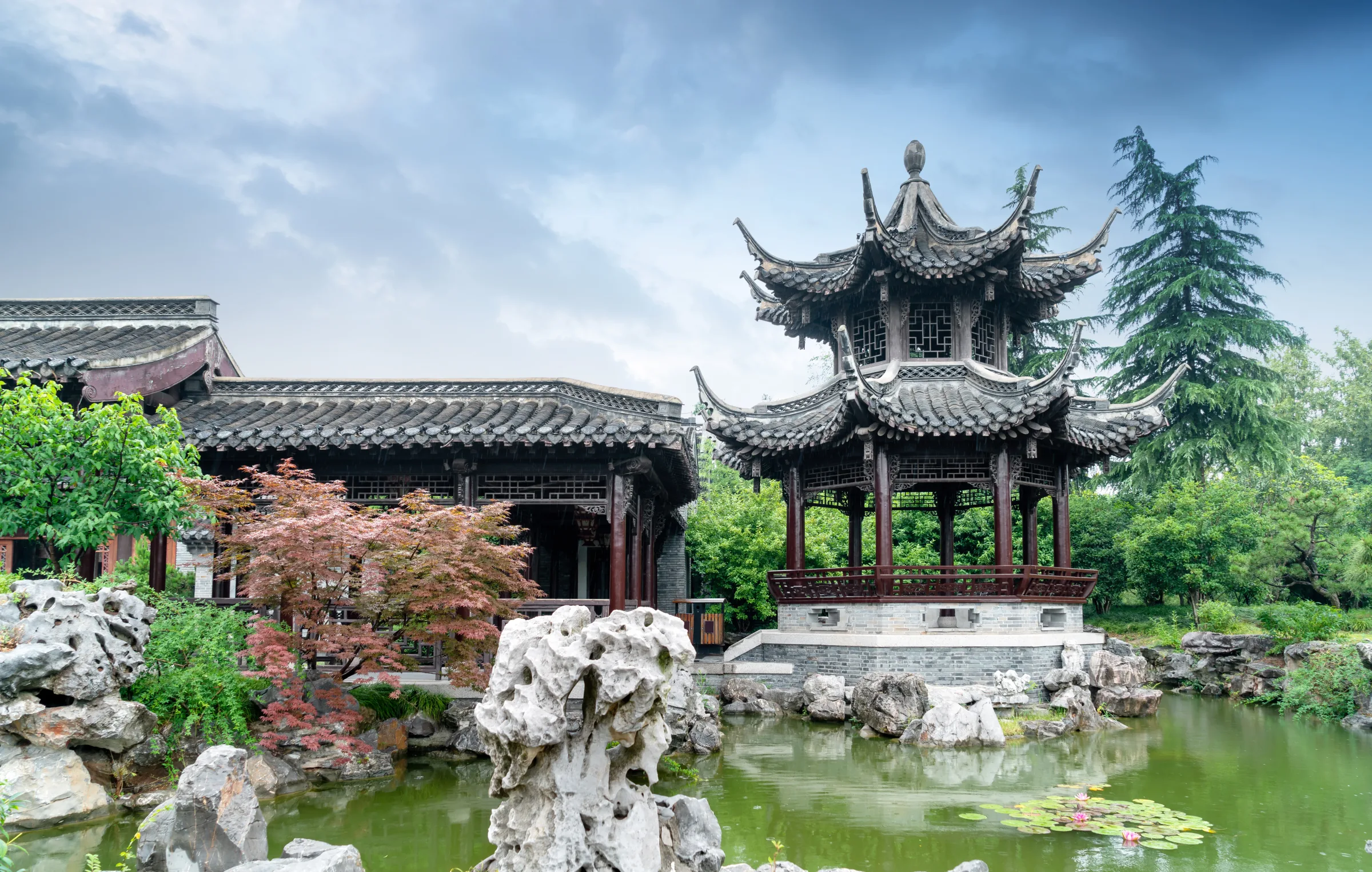
Yangzhou's food reputation grew from more than aesthetic taste. Canal transport, salt wealth, official travel, merchant households and restaurant competition created demand for hospitality and skilled cooks. The historical frame developed in The Food of China helps explain why technique, geography and social organization belong in the same food story. But that history should not turn the city into a story about elites alone. Bakers, tofu makers, noodle cooks, market vendors and morning-tea workers made the system repeatable.
That distinction protects keyword clarity. Huaiyang cuisine is a regional culinary tradition extending beyond Yangzhou. Yangzhou food is the practical city experience: when morning tea happens, how to order a local table, what fried rice means here and how preserved or quick-wok dishes sit beside famous knife work. The pages should link to one another without pretending the terms are synonyms.
Knife work is an ingredient
In Huaiyang cooking, cutting changes surface area, cooking time, absorption and texture. The visual result matters, but it is not the final purpose.
| Ingredient | Cut | Culinary effect |
|---|---|---|
| Pressed tofu | Long, fine strands | Stock circulates through the mass and the tofu feels light rather than blocky |
| Soft tofu | Hair-fine threads | The soup carries an almost floating texture while preserving the ingredient's fragility |
| Pork | Hand-chopped pieces of controlled size | Fat and lean remain distinct enough to create a loose, tender meatball |
| Fish | Scoring, filleting or fine slicing | More even cooking, sauce contact and easier sharing |
| Vegetables | Threads, dice or shaped slices | Consistent timing and a deliberate relationship to broth or filling |
Fast cutting is not automatically good cutting. Strands must remain intact, dice must match the cooking method and the ingredient should still taste like itself.
Knife work changes how stock reaches food. A block of pressed tofu has relatively little exposed surface; hundreds of strands create spaces through which broth can circulate. Hand-chopped pork preserves small differences between lean meat and fat instead of turning them into a uniform paste. A scored kidney curls under high heat and changes the way sauce clings. The cut is therefore an early cooking decision, not decorative labor added for prestige.
The diner should judge results rather than difficulty. Fine tofu must remain coherent enough to lift. A meatball should yield under a spoon without disintegrating in the pot. Vegetable dice inside a bun should cook at the same rate. If a dish only produces admiration for the chef's speed, it has not yet explained why the technique belongs on the plate.
Dazhu gansi turns pressed tofu into a main event
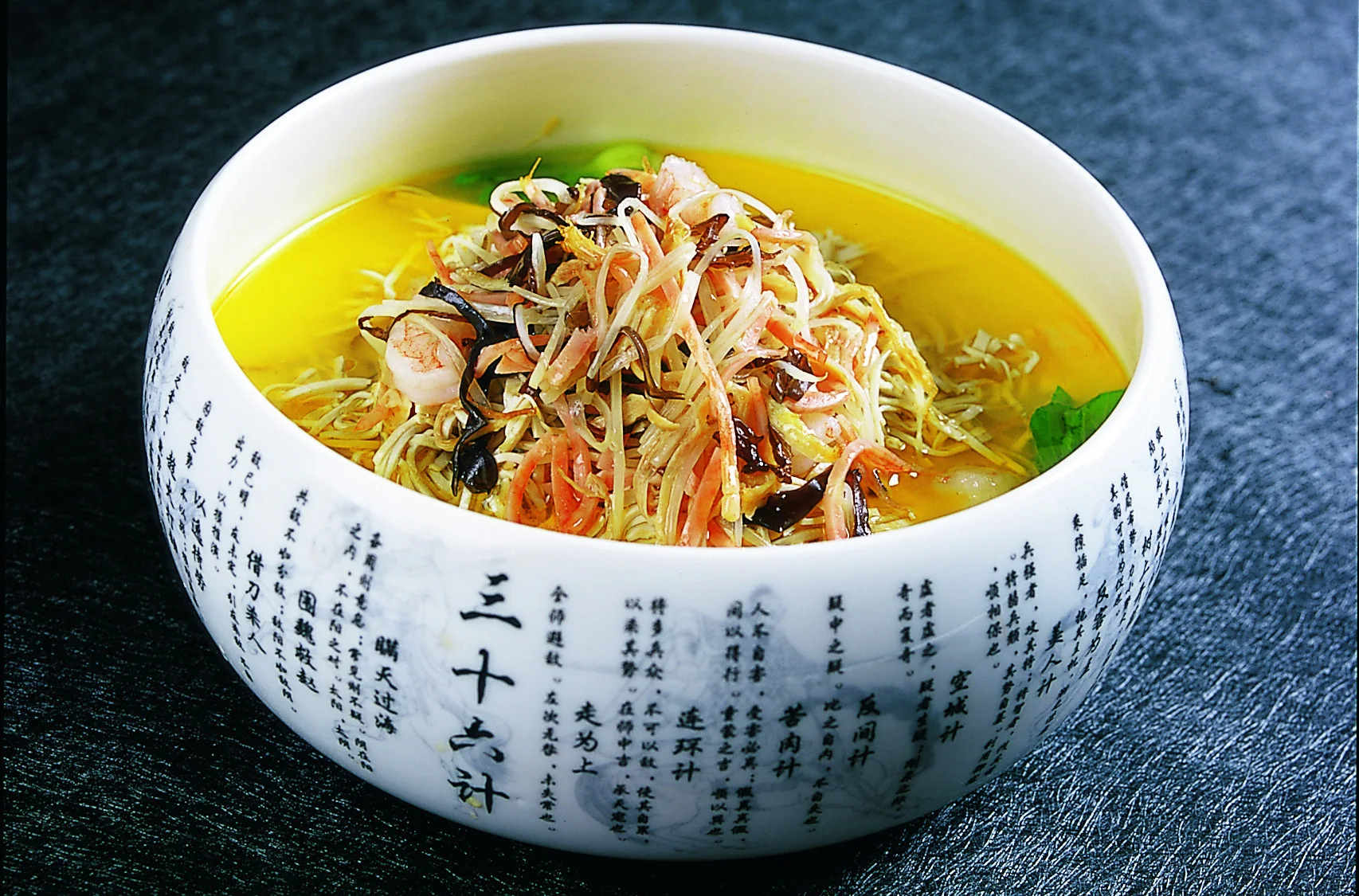
Dazhu gansi, or boiled shredded tofu, uses sheets or blocks of pressed tofu cut into very fine strands and simmered in stock. Ham, chicken, shrimp, bamboo, mushroom or seasonal ingredients may be added depending on the restaurant and price.
The English name can sound plain. The dish is compelling because tofu becomes a network of surfaces carrying broth. It should remain tender but coherent, with strands distinct enough to lift.
The pictured restaurant version is rich with shrimp and mushroom; simpler morning-tea versions may use fewer toppings. Do not judge authenticity by abundance. Judge the cutting, stock and temperature.
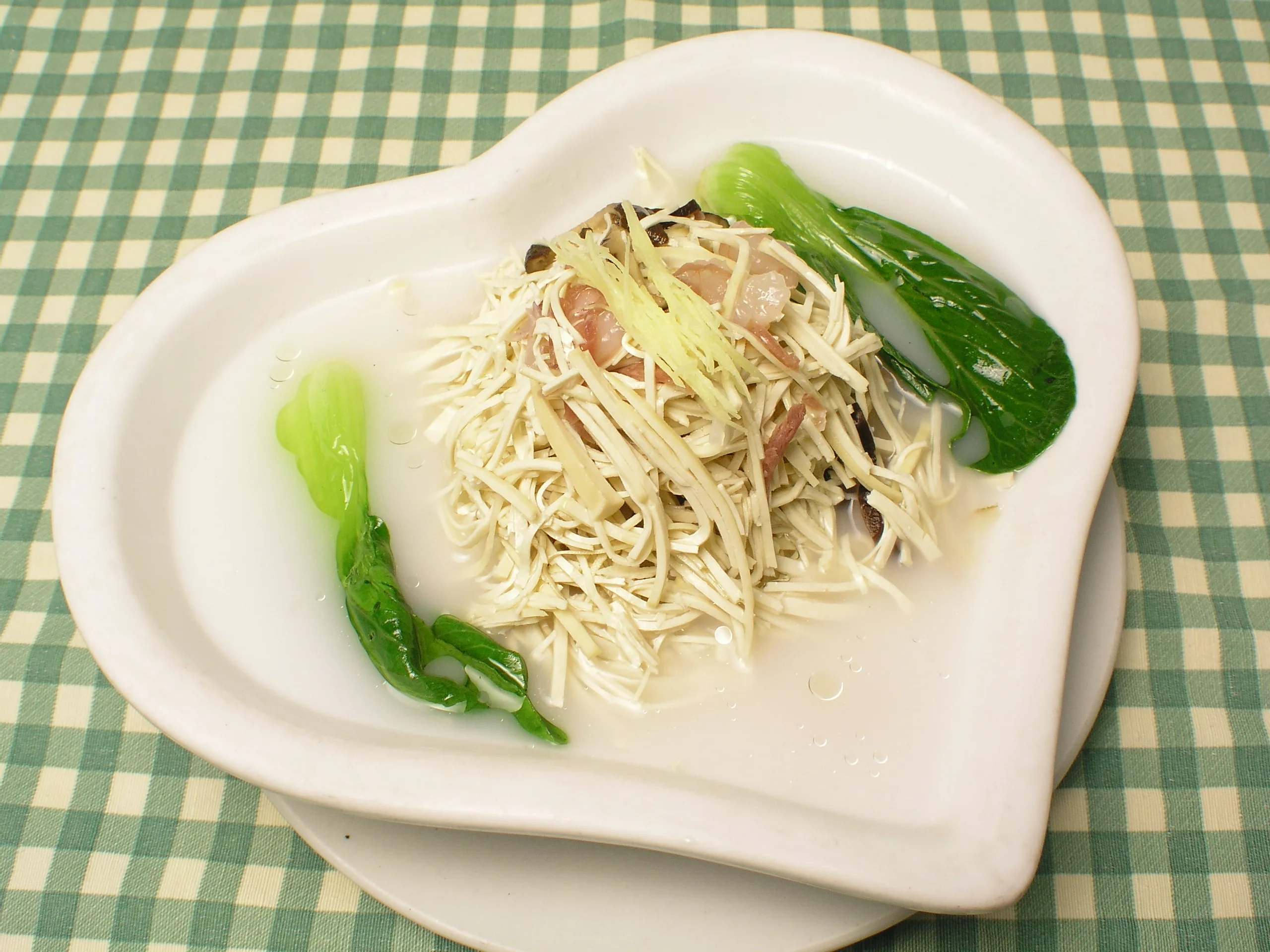
Dry or cold shredded-tofu preparations provide a useful comparison. Without a large volume of stock, the cut must carry seasoning while retaining spring and separation. Try only one shredded-tofu dish at the first meal, then compare another format later rather than ordering two near-identical plates at once.
Wensi tofu makes fragility visible
Wensi tofu uses soft tofu cut into exceptionally fine threads and suspended in soup. The dish is commonly linked through culinary tradition to a monk named Wensi, but origin stories vary in detail and should not replace evidence for the technique itself.
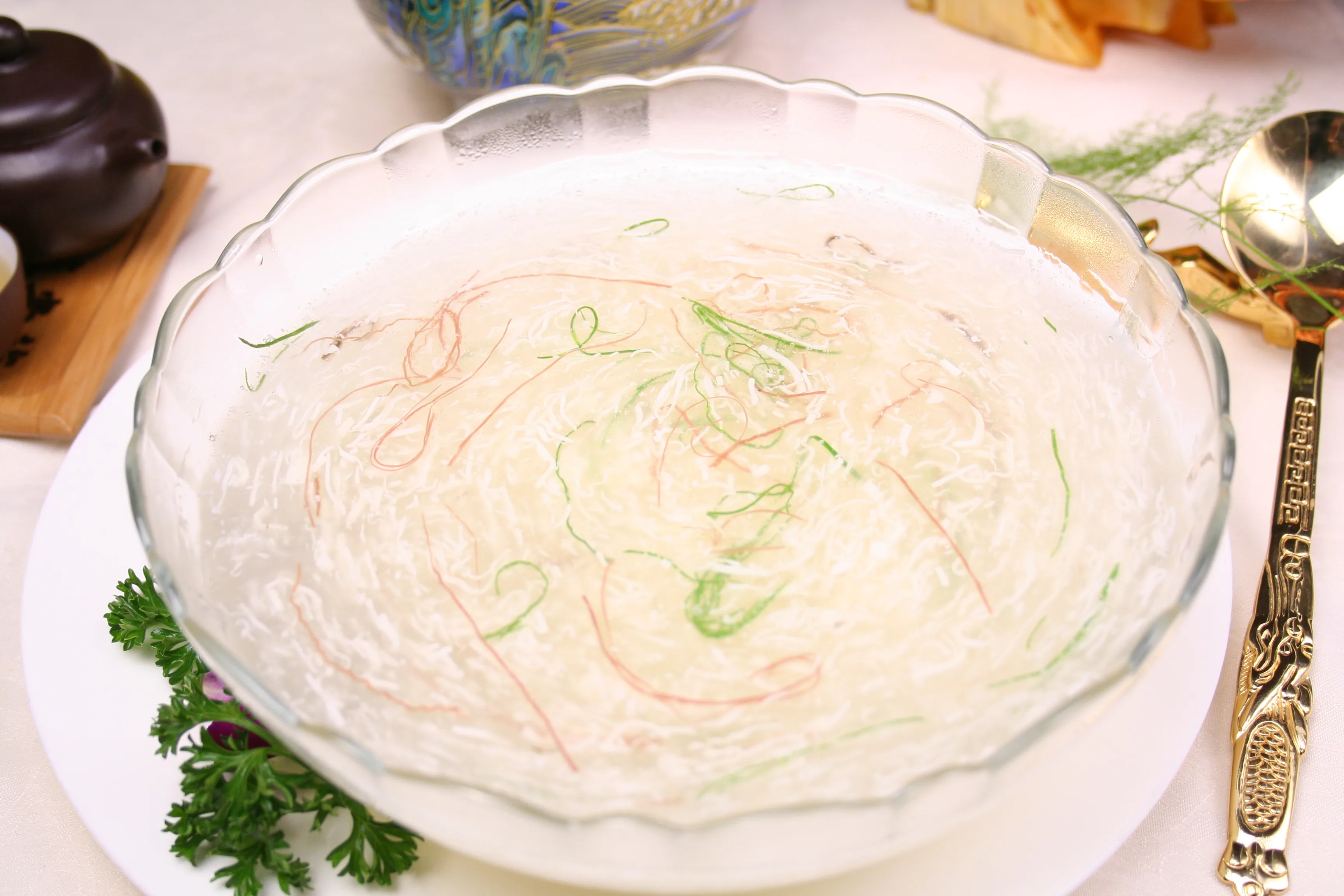
Soft tofu breaks under pressure, so the cook must control blade angle, rhythm and transfer. The threads should move in the broth without dissolving into cloudiness. It is a demonstration dish, but a successful version remains pleasurable after the demonstration is understood.
Lion's head meatballs should be tender, not bouncy
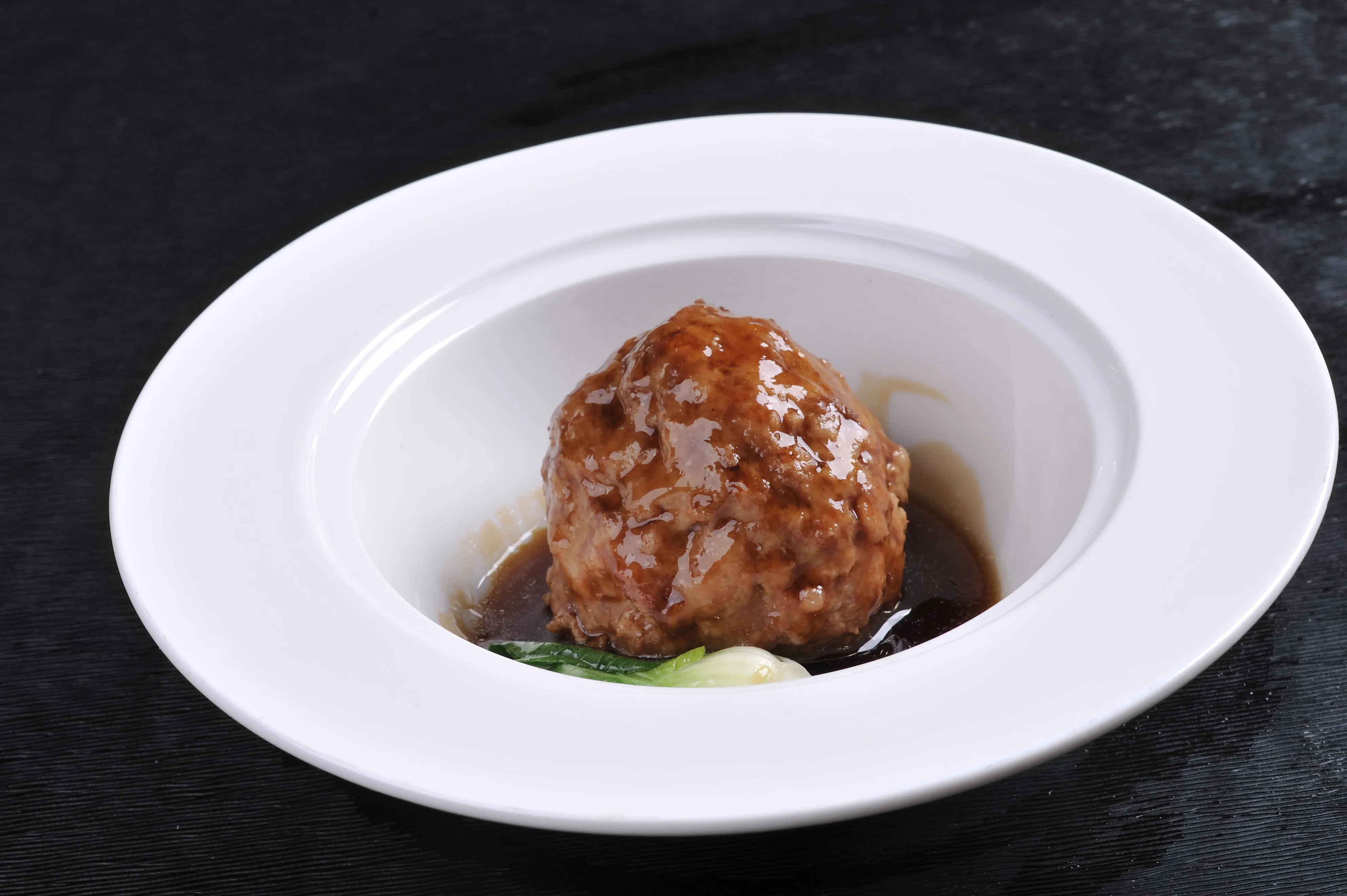
Lion's head refers to large pork meatballs served braised, steamed or in soup, sometimes with greens arranged around them. The name describes the imposing form rather than an ingredient.
The pork is traditionally associated with hand chopping rather than being processed into a perfectly uniform paste. Pieces of lean and fat create a tender structure that yields under a spoon. Water chestnut or other crisp ingredients may appear, but recipes vary.
A dense, rubbery sphere misses the point. The meatball should hold together through cooking while remaining soft enough to separate easily. One is usually enough for two people when several other dishes are ordered.
Together, dazhu gansi, Wensi tofu and lion's head form a technique lesson in three materials: pressed tofu, soft tofu and pork. Their textures should not converge. One is strand-like and absorbent, one is fragile and floating, and one is loose but substantial. A restaurant that serves them well demonstrates control across cutting, transfer, stock and heat.
Yangzhou morning tea is a meal, not a beverage break
Morning tea, or zaocha, gives breakfast the duration of a social event. Tea supports the table, but the food can become substantial.
| Morning-tea item | Role on the table | What to notice |
|---|---|---|
| Tea | Opens and carries the meal | Refill rhythm and how it balances rich dough and meat |
| Dazhu gansi | Savory center | Knife work, broth and topping restraint |
| Three-dice bun | Filled steamed bread | Even dice, juicy filling and dough-to-filling ratio |
| Soup dumplings | Rich small dish | Wrapper strength, broth heat and filling balance |
| Jade-green shaomai | Vegetable contrast | Fresh filling, open wrapper and controlled moisture |
| Layered oil cake | Soft sweet finish | Fine layers, warmth and sweetness that does not become greasy |
| Noodles | Appetite and comfort | Broth, portion and whether toppings are made to order |
Order in stages. A full portion of every famous item can overwhelm two people before the meal has found its rhythm. Start with tea, one tofu dish, one bun basket and one pastry; add only after tasting.
A sensible order for two people is one pot of tea, one shredded-tofu dish, one basket of savory buns and one small sweet item. Four people can add soup dumplings, shaomai or noodles. The aim is not to reproduce a tasting menu from social media; it is to let dough, broth, filling and tea change the pace of the table.
Tea is functional. It refreshes the mouth after pork, pastry fat and concentrated fillings, and the refill rhythm gives conversation time. It should not be used to wash down food at speed. Notice when savory dishes arrive, whether pastries are served warm and whether the table has enough space to share safely.
Well-known teahouses can be busy and reservation systems change. The cultural value is not limited to one historic brand. A clean, active local restaurant with skilled dough and tofu work can provide a more relaxed introduction.
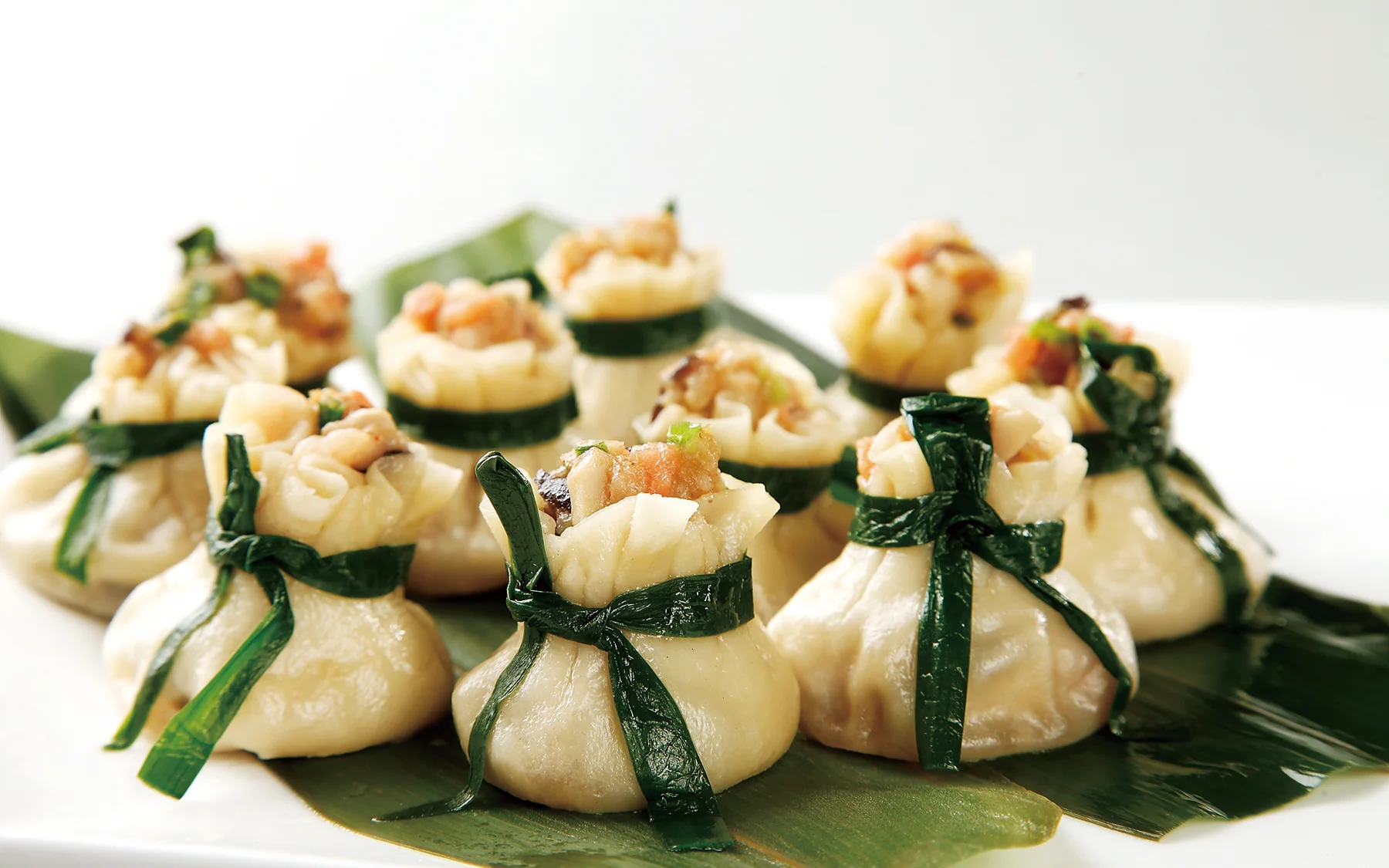
Morning tea is often romanticized as timeless leisure, but it depends on labor and scheduling. Dough must be prepared, fillings diced, tofu cut and stock maintained before guests settle into their seats. Busy dining rooms also have queues and table-turning pressure. Respecting the tradition means arriving at a practical time, understanding the ordering system and not occupying a high-demand table long after the meal has ended.
Buns and pastries reveal the savory-sweet range
Yangzhou morning tea is often reduced to steamed buns, but the dough family is varied. Three-dice buns use savory diced filling. Soup buns emphasize broth. Shaomai expose the filling. Layered oil cake uses laminated softness and sweetness.
These items also reveal hidden ingredients. Lard may make a pastry flaky or soft. Meat stock may season a vegetable filling. Dried shrimp can add savor. Travelers with dietary limits should ask about the whole preparation, not only the name.
Chinese dumplings and buns vary by wrapper, cooking method and regional use; Yangzhou's morning-tea system is one local organization of that larger family.
The savory-sweet sequence is flexible. A layered oil cake may finish the meal, but some diners alternate it with tea and savory foods. Three-dice buns are richer than their size suggests, while green shaomai can still contain fat or dried seafood. Ask before assuming the green filling makes an item vegetarian.
Yangzhou fried rice belongs to both a city and the world
Yangzhou fried rice is internationally famous, but overseas restaurant versions may contain different meats, seafood, peas, carrots, seasoning and grain textures. The global dish documents migration and restaurant adaptation; it should not be dismissed as simply wrong.
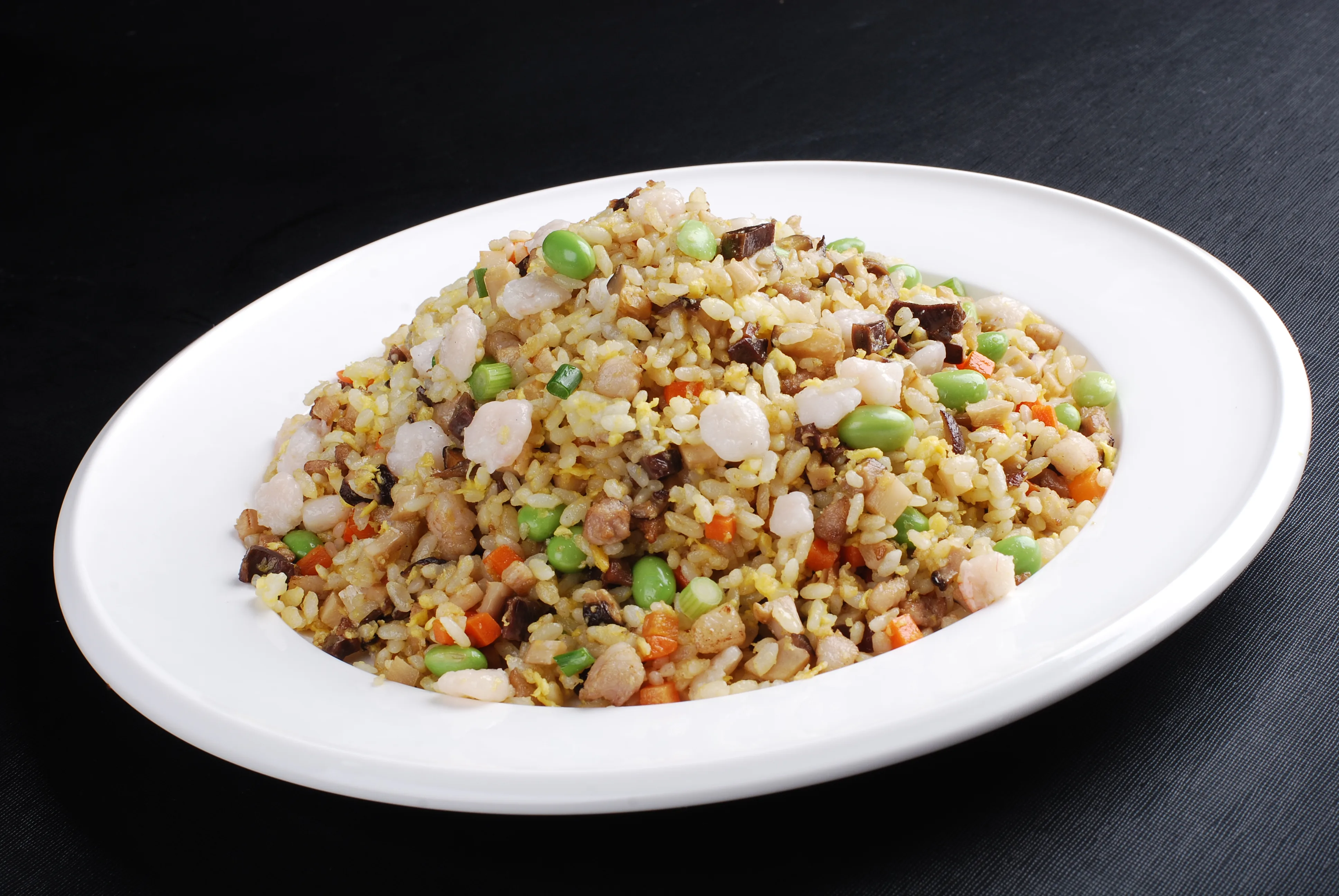
A strong local version keeps grains separate and distributes egg and small ingredients evenly. Oil should carry aroma without leaving the rice wet. The wok must be hot enough to remove excess moisture, but theatrical flame is not the only measure of skill.
Fried rice is a useful simple meal and a reasonable final staple for a group. It is not the best first and only dish through which to judge Yangzhou.
The name now belongs to two histories at once. In Yangzhou it refers to local craft, civic identity and a family of restaurant standards. Around the world it also describes adaptable Chinese restaurant rice containing whatever proteins and vegetables made sense in another market. The global versions are evidence of migration, not counterfeits that must be ridiculed.
For evaluation, ignore ingredient quantity first. Look for grains that remain separate, egg distributed rather than sitting in rubbery clumps, small ingredients cut to a compatible size and seasoning that does not make the rice wet. A plate crowded with premium seafood can still fail if steam has replaced frying.
Cured goose shows preservation beside refinement
Yangzhou cured goose, often called feng'e, uses salting, drying, curing and cooking methods that create concentrated poultry flavor. Exact techniques and textures vary by producer.
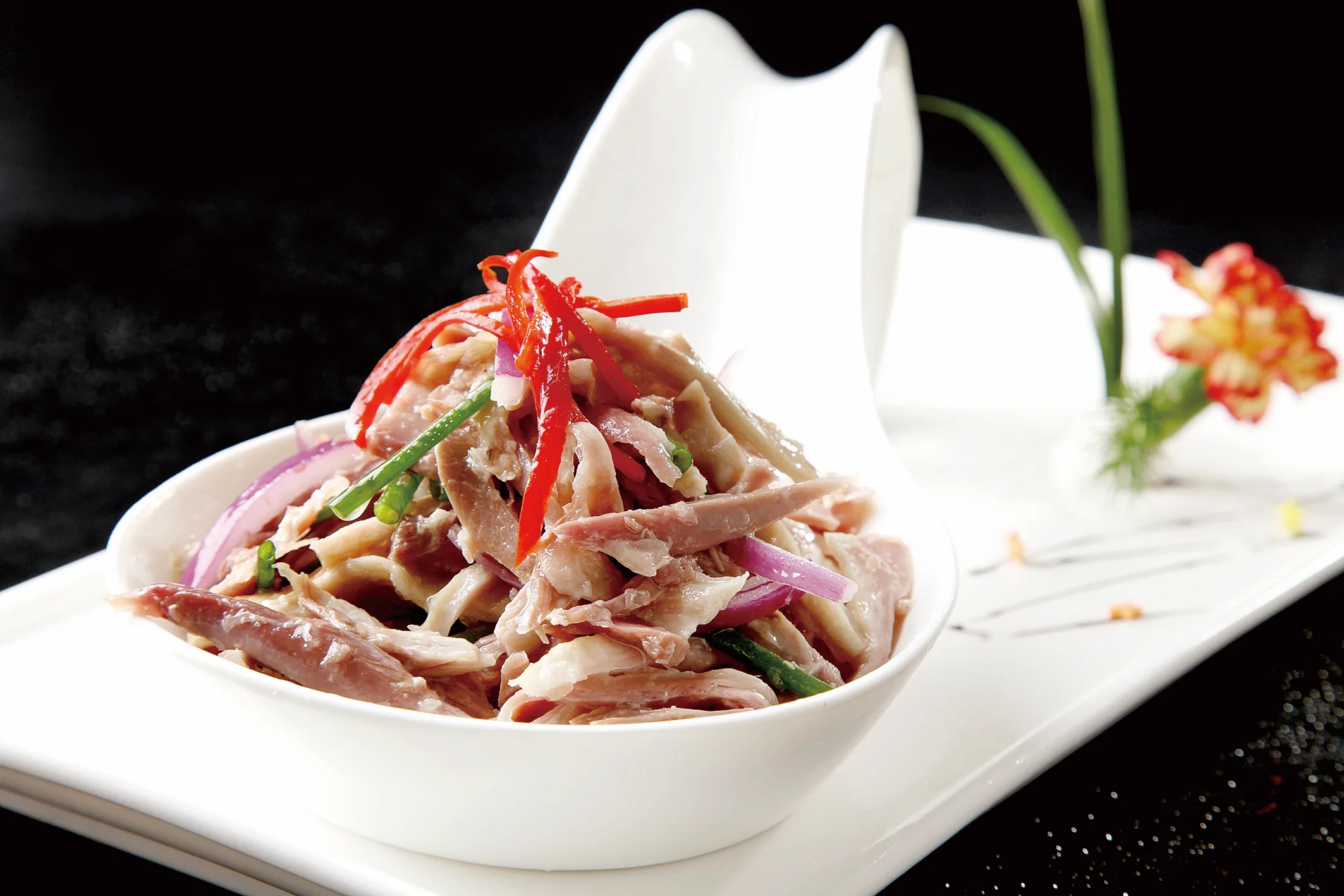
The dish complicates the idea that Huaiyang cuisine is always fresh, pale and delicate. Preservation belongs to the regional table. Serve a small cold portion with tea, rice wine or a meal containing fresh vegetables and soup.
Judge cleanliness, storage and aroma carefully. Cured poultry should smell concentrated, not rancid or sour.
Preservation adds density to a table built around clear stocks and tender textures. That density needs a partner: tea, plain rice, a seasonal vegetable or a light soup. Cured goose should usually open a meal in a small portion rather than compete with lion's head and another rich meat course.
Quick wok dishes require exact heat
Huaiyang cuisine is famous for slow stocks and braises, but quick cooking also matters. Pork kidney, eel, shrimp and vegetables can become tough within seconds.
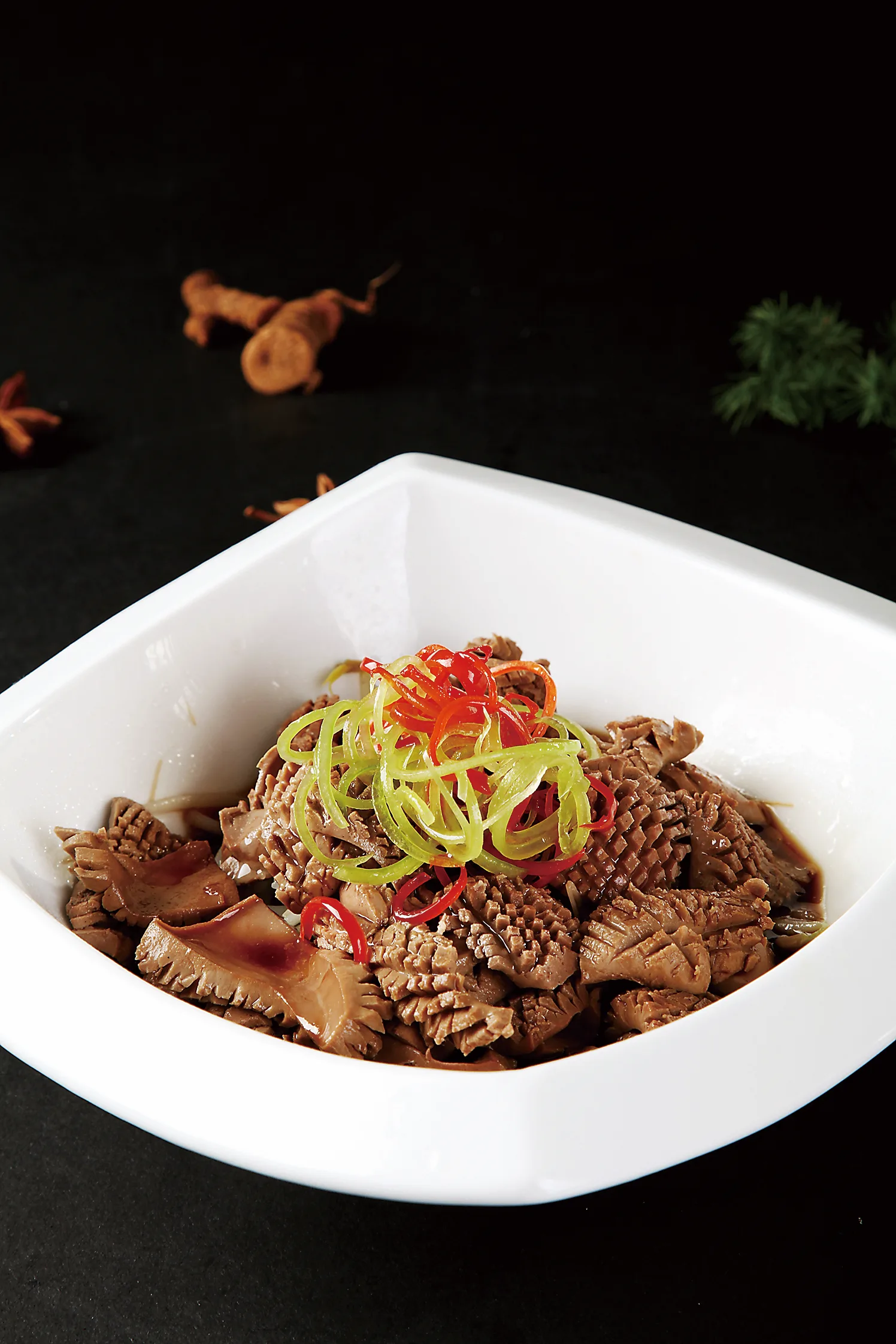
Kidney must be cleaned, scored and cooked so it curls while remaining tender. Strong aromatics may balance the organ flavor, but excessive sauce can hide poor preparation. Order organ dishes only from a busy kitchen with good turnover.
Shrimp, eel and greens demand similar speed even when the cutting is less dramatic. Huaiyang cooking is sometimes described as patient and slow because its stocks and braises are famous, but patience includes knowing when to stop. Seconds of excess heat can erase the texture that hours of preparation were meant to protect.
Night streets are useful for atmosphere and small comparisons, but they should not replace morning tea or a proper shared dinner. Choose one pastry, cooked meat or warm snack from a busy specialist, then keep walking. A street where every storefront sells the same famous gift box is showing tourism supply more clearly than the full local diet.
Where to eat Yangzhou food by format
| Format | Best time | What it teaches |
|---|---|---|
| Morning-tea restaurant | Early morning to late breakfast | Dough, tofu, stock, tea and social pacing |
| Noodle or simple rice shop | Midday | The city beyond formal Huaiyang dining |
| Huaiyang restaurant | Shared dinner | Knife work, stocks, fish, meatballs and course balance |
| Cooked-meat specialist | Cold opening or takeaway | Curing, slicing, storage and portion discipline |
| Pastry shop | One fresh item between meals | Dough, lard, filling and production time |
| Heritage-street vendor | Controlled snack stop | Tourism, branding and convenience rather than the whole cuisine |
Choose formats before addresses. A famous teahouse may be worthwhile for history and range, but a smaller active restaurant can reveal better pacing. A formal Huaiyang dining room makes sense when three or four people can share technique dishes; it is inefficient for a solo traveler ordering one oversized meatball and a whole fish.
Restaurant quality and opening arrangements change more quickly than cuisine. Check current hours and reservations, then look for specialization, turnover and staff able to explain portion size. Do not interpret antique furniture as proof of old technique, or a modern dining room as proof that local food has disappeared.
How to order a first Yangzhou day of food
| Time | Order | Why |
|---|---|---|
| Morning | Tea, dazhu gansi, one savory bun basket and one small pastry | Establishes the city's breakfast rhythm and knife work |
| Midday | Noodles or a simple rice meal | Prevents the day from becoming one continuous banquet |
| Afternoon | Tea, fruit or one small sweet | Leaves appetite for dinner |
| Dinner | Lion's head, Wensi tofu or clear soup, seasonal vegetable, one fish or poultry dish and rice | Compares chopping, broth and seasonal cooking |
Save Yangzhou fried rice for a second lunch or the end of a group dinner. It is easier to appreciate after the city's broader technique is visible.
Use day two for comparison rather than completion. Return to morning tea but change one element: another tofu preparation, a different bun or a simpler noodle. At dinner, choose fish, eel or quick-cooked shrimp if day one centered on lion's head. Repeating the meal format while changing the technique makes the city's range visible.
A realistic route leaves the middle of each day open for Slender West Lake, gardens, museums and canal neighborhoods. Continuous snacking flattens appetite and turns delicate dishes into labor. One morning meal and one serious dinner are enough anchors.
A balanced Huaiyang dinner
| Course role | Good choice | Why it works |
|---|---|---|
| Cold opening | Small cured-goose or seasonal cold dish | Concentrated flavor without a huge portion |
| Technique dish | Dazhu gansi or Wensi tofu | Makes knife work and stock visible |
| Main | Lion's head, fish or quick-cooked eel | One rich center is enough |
| Relief | Seasonal green or bamboo dish | Adds freshness and texture |
| Staple | Rice, noodles or a small fried-rice portion | Carries sauce and completes appetite |
Avoid ordering lion's head, braised pork, cured goose and fried rice as the entire meal. Famous dishes can crowd out the clarity that makes Huaiyang cooking distinctive.
Dietary and safety notes
| Need | What to check |
|---|---|
| Vegetarian | Meat stock, lard, shrimp and ham can appear in tofu, vegetables and pastry |
| Pork-free | Lion's head, many buns, stocks and pastry fats may contain pork even when not visible |
| Shellfish allergy | Shrimp may appear as a topping, stock ingredient or small dice in fried rice |
| Organ sensitivity | Kidney and other offal should be ordered explicitly, not treated as a surprise challenge |
| Low-sodium diet | Stocks, cured goose and soy-rich dishes can be salty; ask for plain vegetables and rice |
| Food handling | Choose busy shops, eat hot food hot and avoid raw freshwater ingredients |
Yangzhou makes labor feel like leisure
What most Yangzhou food guides get wrong
They begin with fried rice, add lion's head and treat morning tea as a list of photogenic dumplings. That misses the system connecting them: exact cutting, stocks, dough work, controlled heat, preservation and enough social time for small dishes to arrive in sequence.
East Moment recommends two mornings and one carefully ordered Huaiyang dinner. On the first morning, learn dazhu gansi and one savory bun. On the second, compare another tofu or noodle format. At dinner, choose one technique centerpiece, one fresh vegetable, one soup and a modest staple. Fried rice can finish the meal, but it should not be forced to represent the city alone.
Yangzhou's deepest appeal is not softness for its own sake. The city hides effort inside texture: tofu becomes threads, pork becomes a loose meatball, filling becomes even dice and clear stock carries hours of preparation without looking heavy. The meal feels unhurried because the work has been organized before the guest begins.