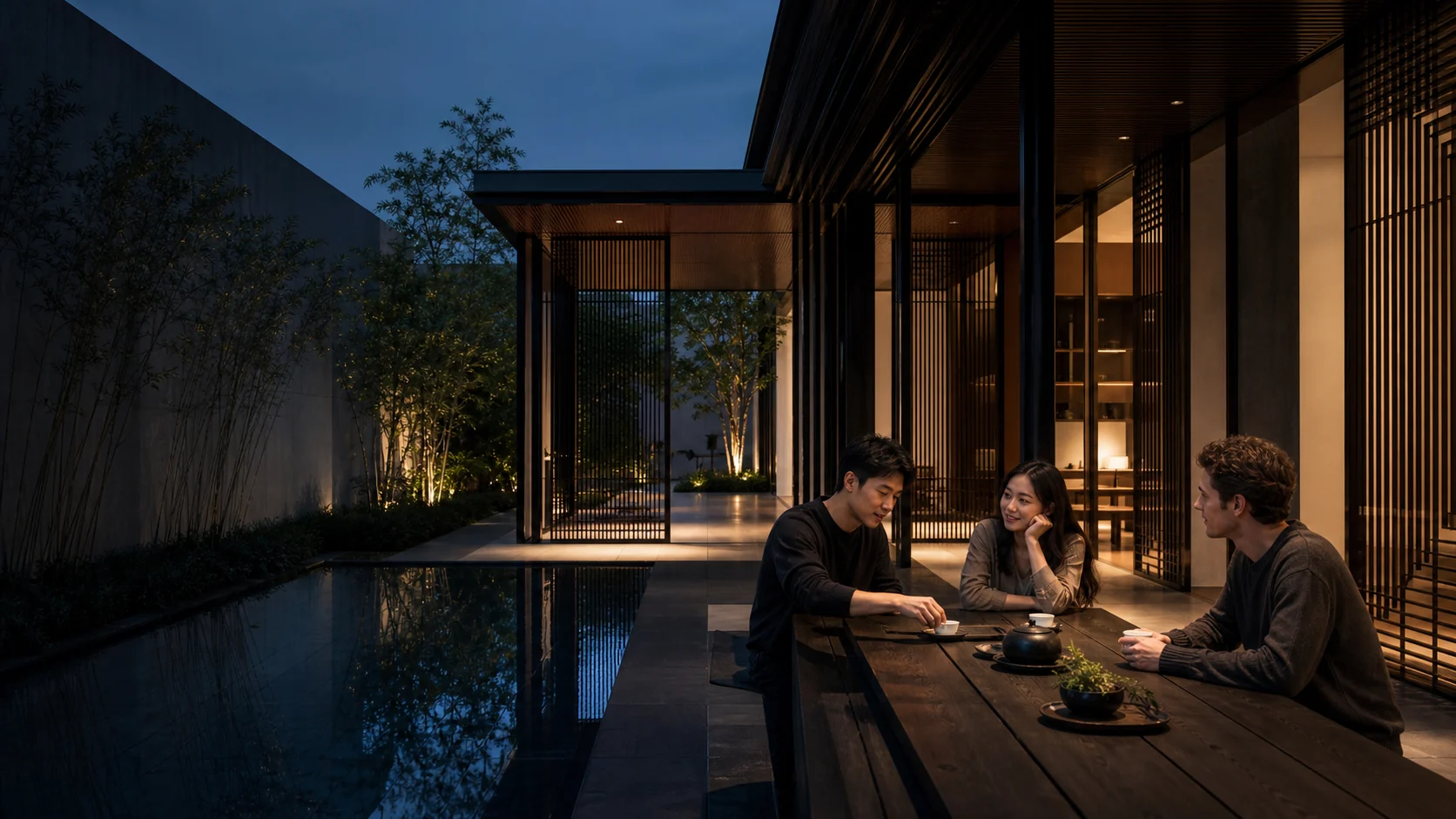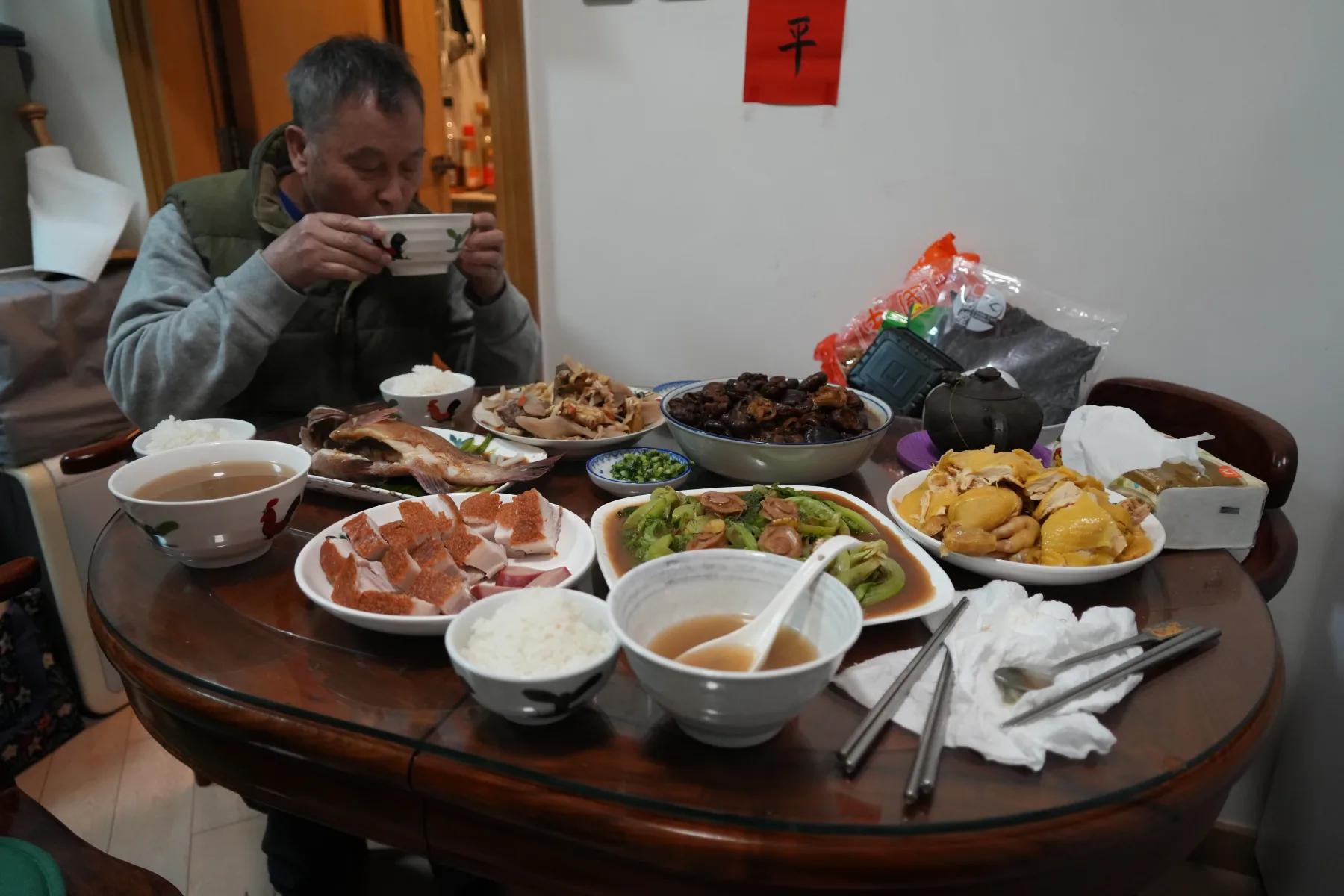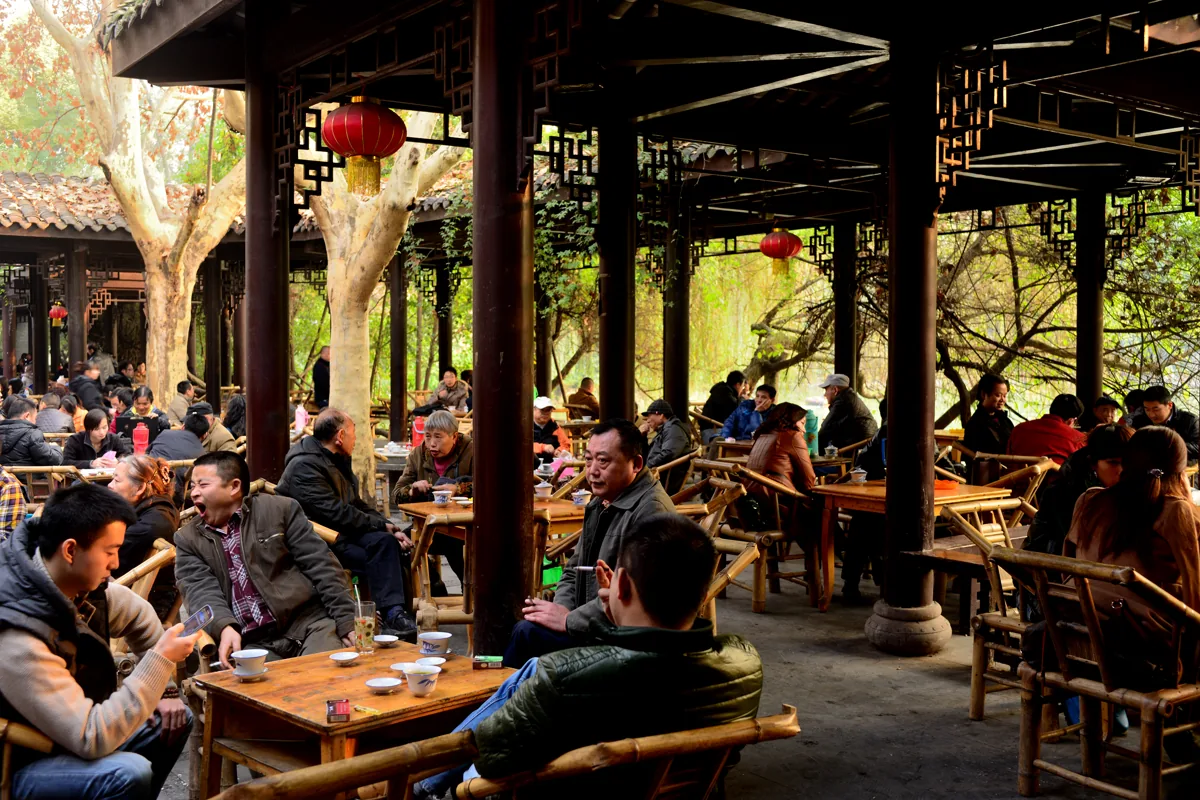
This Yangzhou travel guide reads the city as a place where infrastructure became culture. The Grand Canal moved grain, salt, officials, soldiers, pilgrims, performers and ideas. Merchant fortunes funded gardens and collecting. Teahouses transformed slow breakfast into urban ritual. Bathhouses made bodily care part of the city's social reputation. Printing and craft workshops turned knowledge and ornament into objects that could travel. Yet Yangzhou's beauty sits beside harder history: state monopolies, unequal wealth, war, massacre and repeated decline. Read it beside our Chinese culture guide, then follow the morning ritual into Yangzhou food and the wider Jiangsu cuisine system.
Yangzhou travel guide: read the canal before collecting gardens
| Question | Short answer |
|---|---|
| Why visit? | For the Grand Canal, landscaped water, merchant gardens, Huaiyang food, religious history, printing and craft, and a slower urban scale |
| Ideal first stay | Four days: one Slender West Lake and temple day, one gardens day, one canal-and-craft day and one memory-and-neighborhood day |
| Best first base | Near the historic center with easy access to Dongguan Street, gardens and morning-tea restaurants |
| Essential experiences | Walk Slender West Lake beyond one bridge, compare Ge Garden and He Garden, visit Daming Temple, eat morning tea and give Shi Kefa memory proper time |
| What makes it different? | Canal infrastructure, salt wealth, garden patronage, craft and food remain unusually legible in one compact city |
| Main planning trap | Reducing Yangzhou to a pretty lake, repeating Marco Polo claims as fact or treating merchant luxury without asking who produced it |
Choose the Yangzhou you want to meet
| If you care most about | Build your days around | Add this contrast |
|---|---|---|
| Grand Canal history | Canal museums, surviving waterways, transport geography and salt-commerce interpretation | Compare imperial logistics with present-day urban water management |
| Gardens | Ge Garden, He Garden and Slender West Lake's scenic sequence | Separate private residence, rockery design and public scenic landscape |
| Food | Morning tea, dazhu gansi, lion's head and specialist Huaiyang cooking | Use our Yangzhou food guide to avoid making fried rice the whole story |
| Art and craft | Block printing, lacquerware, jade carving, paper cutting and the Yangzhou painting tradition | Look for tools and labor, not only finished souvenirs |
| Religion and exchange | Daming Temple and the memory of the monk Jianzhen | Distinguish living worship, rebuilt architecture and international memory |
| Historical ethics | Shi Kefa Memorial and carefully contextualized accounts of the 1645 violence | Avoid casualty-number spectacle and attend to evidence, mourning and political use |
The Grand Canal made Yangzhou a strategic city
Yangzhou's location near the Yangtze and within the Grand Canal system connected northern political centers to the grain, goods and taxable wealth of the lower Yangtze. The UNESCO-listed Grand Canal is a serial property extending across many regions; Yangzhou is one of the places where its administrative, commercial and cultural consequences are especially visible.
Canals do not create prosperity by themselves. They require dredging, embankments, locks, warehouses, boats, taxation, military protection and labor. Routes shift when waterways silt, political centers move or rail and road systems take over. Yangzhou's fortunes rose and fell with those systems.
| Canal function | What moved | Urban consequence |
|---|---|---|
| Grain transport | Tax grain and provisions toward northern capitals | Warehouses, administration, boat labor and state oversight |
| Salt distribution | Regulated salt through merchant and official networks | Enormous fortunes, elite consumption and political influence |
| Passenger movement | Officials, scholars, monks, traders and performers | Inns, temples, entertainment, publishing and cultural exchange |
| Local water management | Goods, drainage and neighborhood access | Bridges, embankments, markets and water-facing urban form |
| Contemporary heritage | Visitors, museum narratives and conservation investment | Restored landscapes and new debates over authenticity |
Visit a canal museum or interpreted site before taking a scenic cruise. Infrastructure becomes more meaningful once you know what the water was expected to carry.
Salt merchants turned regulated trade into cultural power
Salt was a state-regulated necessity, and merchants licensed or positioned within its distribution could accumulate extraordinary wealth. In Yangzhou, that wealth supported residences, gardens, collections, publishing, performance and elaborate hospitality.
The aesthetic legacy is real, but it should not be romanticized as effortless taste. Merchant wealth depended on monopoly structures, official relationships, transport workers, household labor, cooks, craftspeople and producers across a large region. Gardens are records of design and also records of inequality.
Yangzhou became a market for painters and calligraphers, including the diverse artists later grouped under the label Eight Eccentrics of Yangzhou. The term helps identify an artistic milieu, but it should not make independent careers look like one school with one style.
Slender West Lake is a sequence of designed views
Slender West Lake is not best understood as a wild natural lake. It is an elongated landscaped water system shaped by waterways, embankments, gardens, bridges, pavilions and changing patronage.
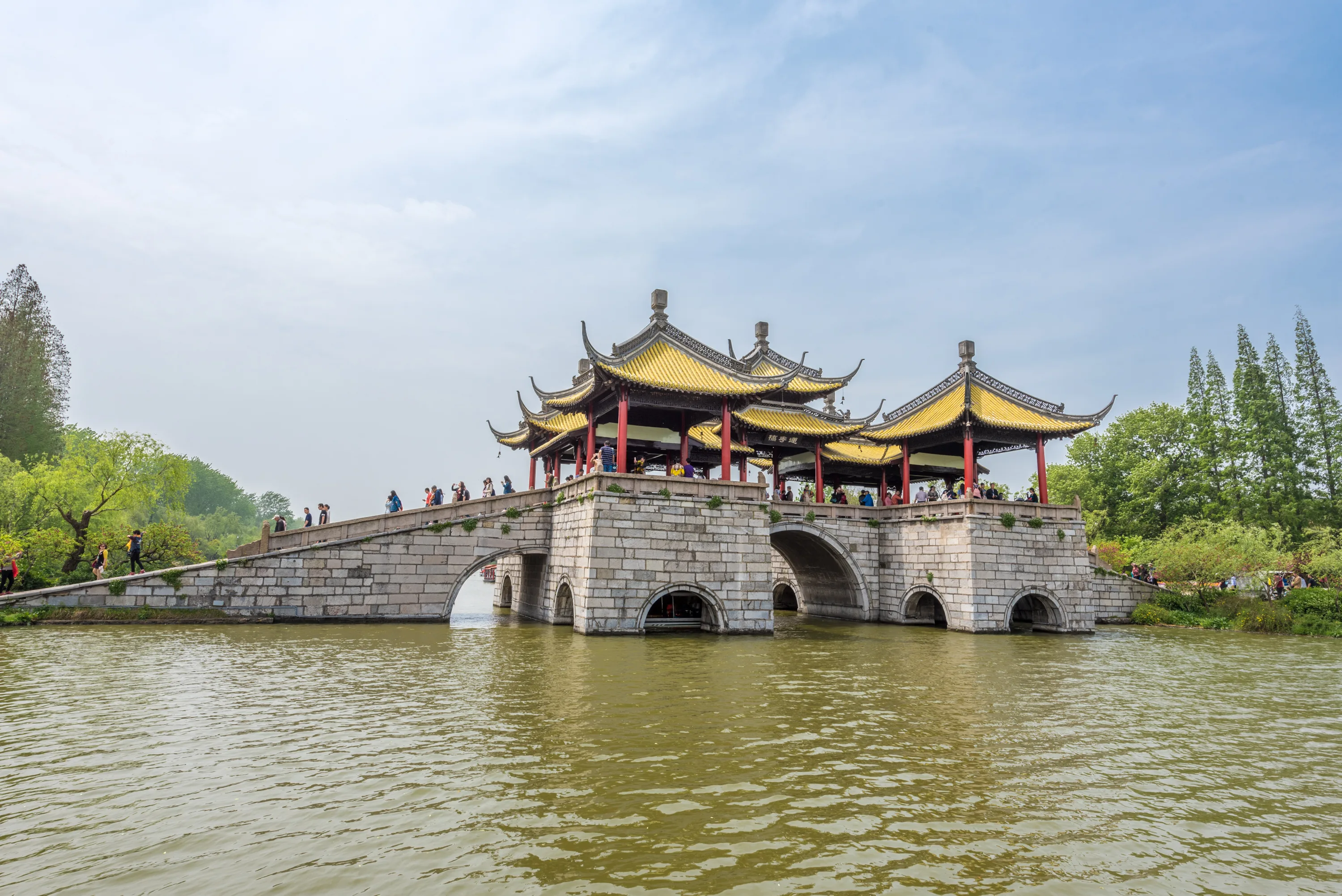
The Five Pavilion Bridge is the most recognizable structure. Its pavilions, arches, reflections and position across the water make it a compositional device as much as a crossing. Crowds often stop at the obvious frontal view; continue walking to see how the bridge changes between foreground, frame and distant landmark.
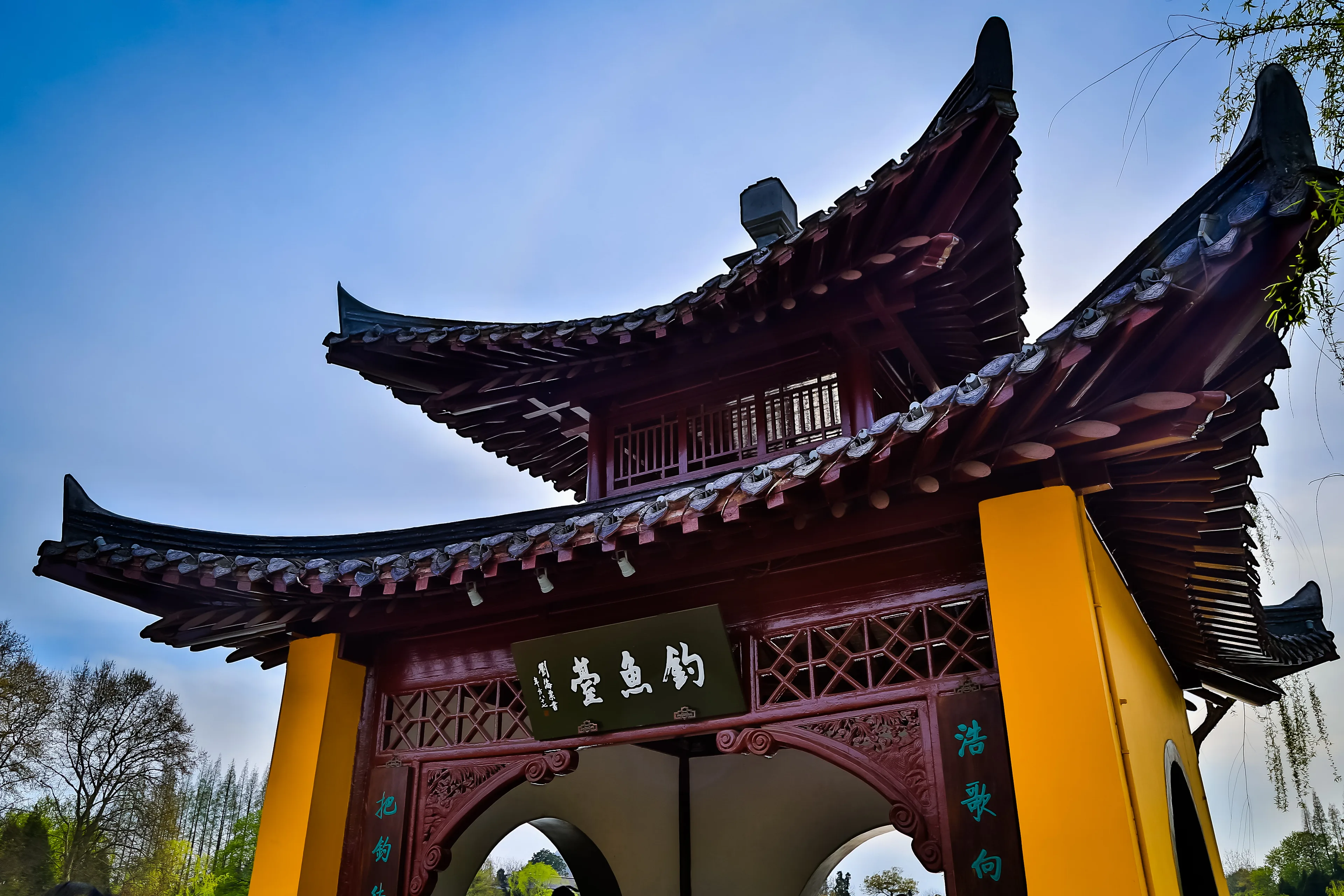
The fishing platform and other small structures work through controlled sightlines. Openings frame water and distant buildings. Paths delay views. Planting hides and reveals. The scenic area teaches the same principle as a private garden at a larger scale: movement edits landscape.
Reserve at least half a day. A quick photograph of the bridge misses the long sequence that gives the place meaning.
Ge Garden turns rock into four seasonal worlds
Ge Garden is strongly associated with bamboo and rockeries commonly interpreted through the four seasons. Different stones, colors, openings and spatial effects guide that reading.
Treat the seasonal scheme as a designed interpretation rather than a mechanical code in which every stone has one guaranteed meaning. The pleasure lies in transition: a visitor moves from one material climate into another while courtyards and residential spaces regulate scale.
The garden also documents a wealthy household. Notice service access, rooms, storage and the relation between ornamental space and domestic organization. The rockery is only one part of the estate.
He Garden joins late-imperial domestic life to new influences
He Garden is known for layered corridors, courts, rockeries and residential architecture that combine local garden traditions with features influenced by changing technologies and global contact.
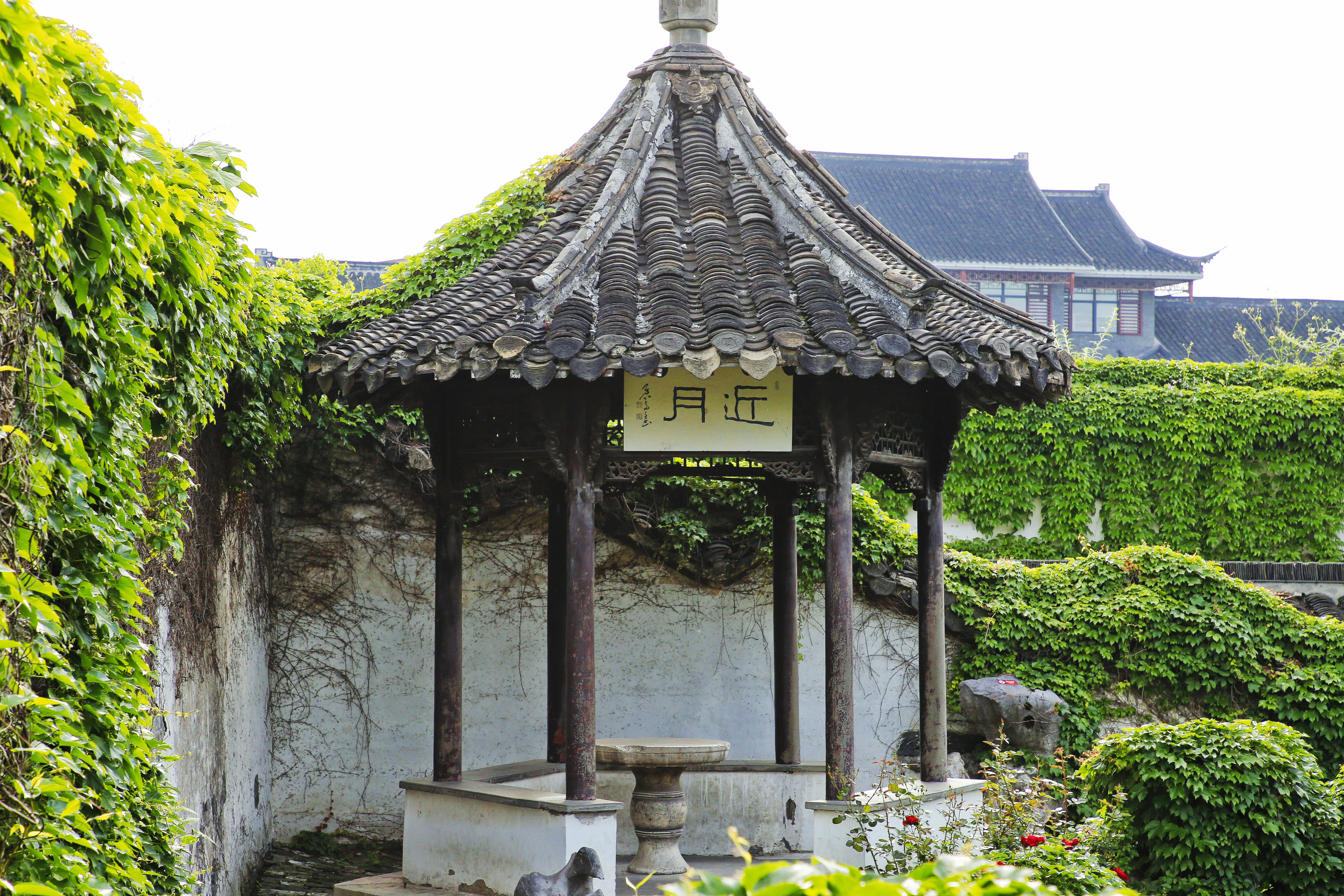
Its elevated and covered circulation creates multiple routes through a limited area. Views pass between upper and lower levels, private and semi-public spaces, Chinese timber structures and later architectural details.
Avoid reducing the garden to a list of "Chinese and Western" features. Ask how circulation, ventilation, privacy, display and family life changed during a period when wealthy households were negotiating new materials and social expectations.
Daming Temple connects Buddhism, the city and Japan
Daming Temple is an active Buddhist institution and a major historical site. It is closely associated with the monk Jianzhen, known in Japan as Ganjin, whose attempts and eventual voyage to Japan made him an important figure in Buddhist and cultural exchange.
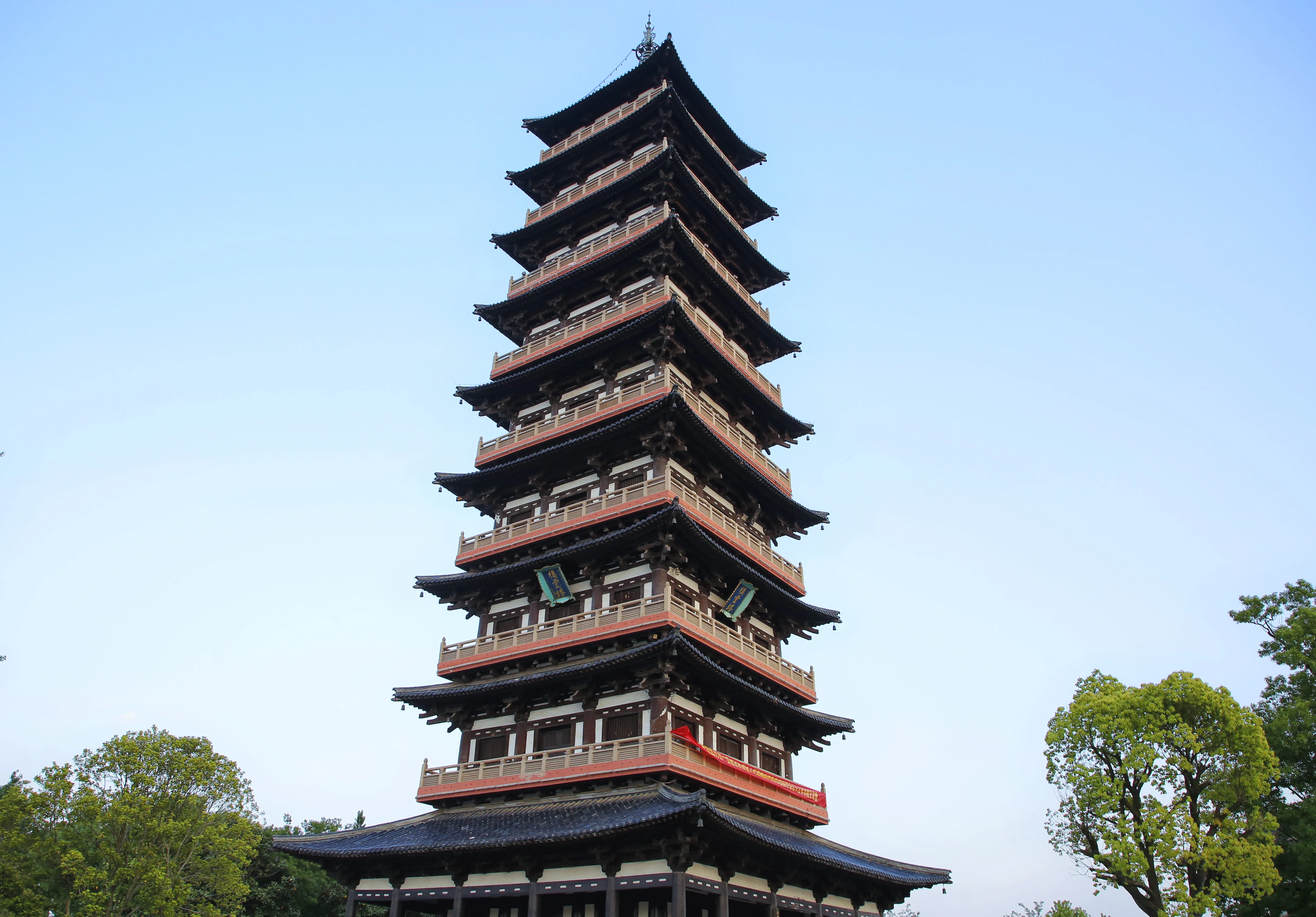
The visible complex includes structures from different building and rebuilding phases. Long institutional history does not mean every hall is ancient fabric. Observe worship quietly, follow photography rules and distinguish the religious site from memorial architecture created to narrate international friendship.
Combine the temple with the northern end of Slender West Lake, but do not treat it as one more scenic pavilion. It remains a place of practice.
Shi Kefa memory requires seriousness
The Shi Kefa Memorial commemorates the Ming official associated with the defense of Yangzhou during the Qing conquest in 1645. The fall of the city and subsequent killing occupy a powerful place in historical writing and collective memory.
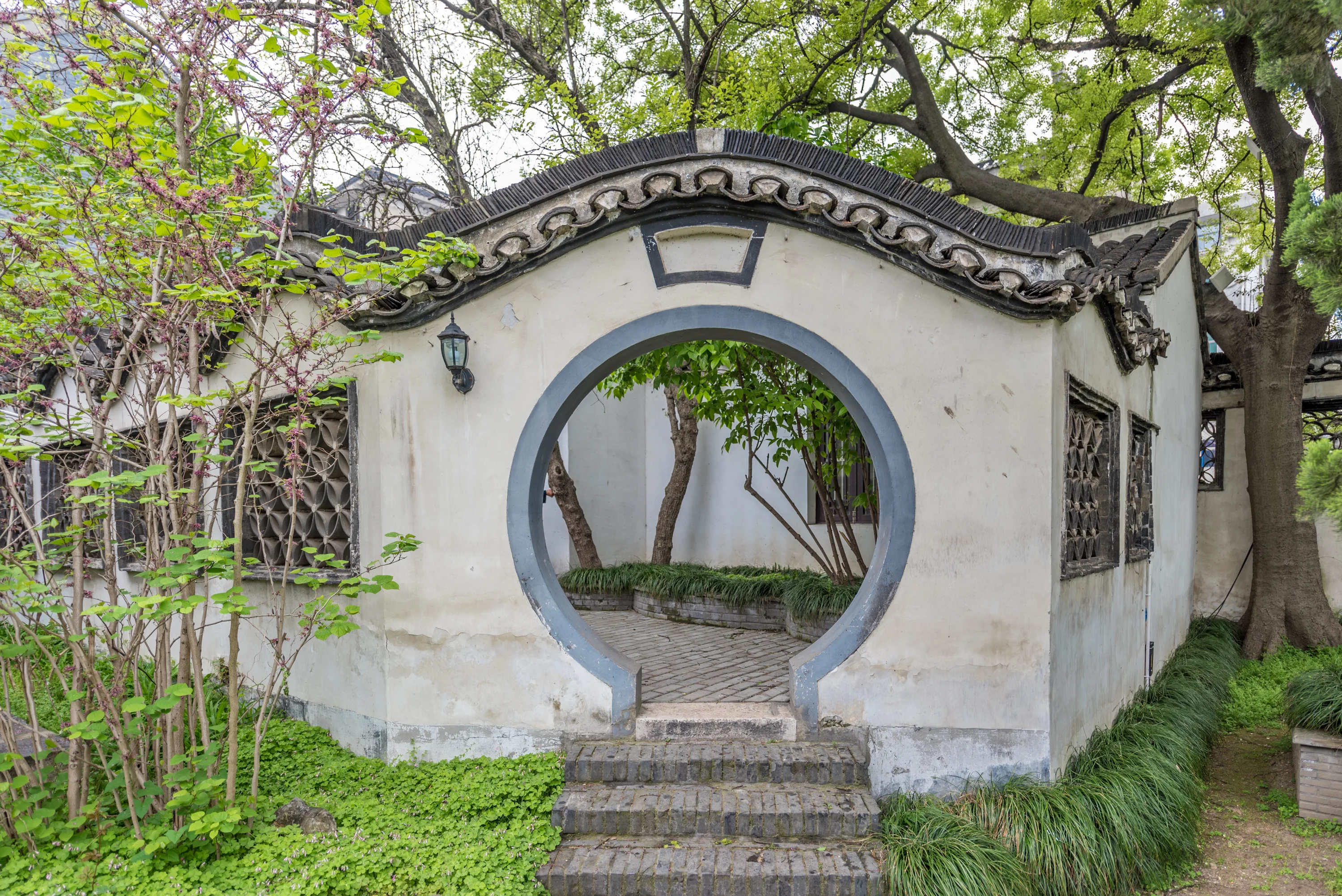
Numerical claims about the violence have been debated and politicized. A responsible visit should not turn the site into a contest over the largest number. Focus on the historical transition, surviving and transmitted texts, how loyalty was memorialized, and how later periods used the event.
Keep voices low, avoid cheerful staged portraits and allow the memorial to interrupt the pleasure itinerary. A city with beautiful gardens can also be a city of mourning.
Dongguan Street is a living-commercial heritage district
Dongguan Street follows an old urban-commercial corridor and now concentrates shops, snacks, restored facades, visitor services and access to nearby historic sites.
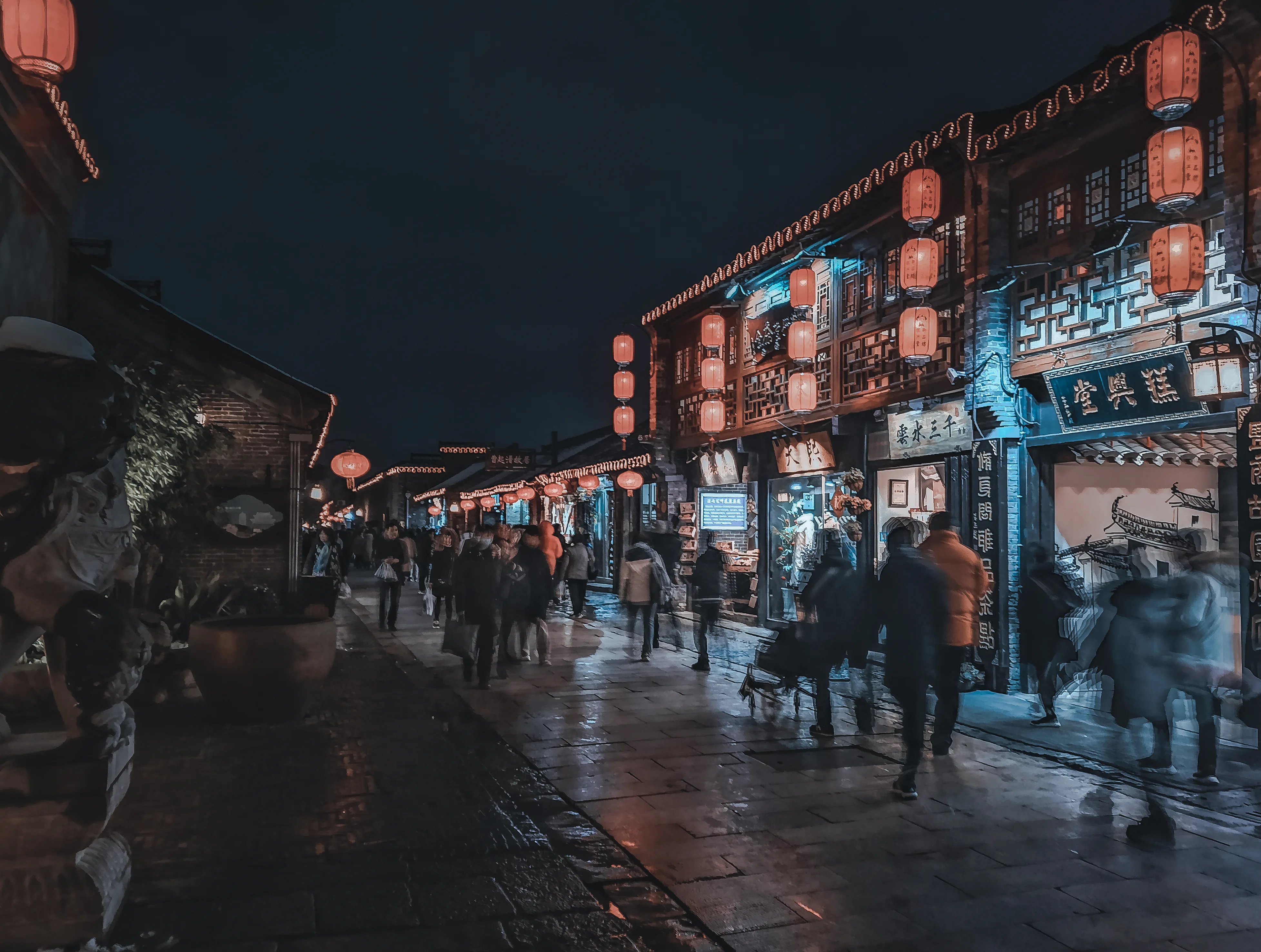
At night, lighting turns the street into performance. Enjoy that contemporary scene, then return in daylight to examine building depth, side lanes, thresholds and the boundary between adapted historic fabric and recent scenic design.
Do not buy craft objects only because a shop uses heritage language. Ask who made the piece, what material it uses and whether the technique is hand, machine or mixed.
Wenchang Pavilion marks the modern center as well as the old city
Wenchang Pavilion stands within a busy traffic and commercial environment, making it a useful image of Yangzhou's layered center rather than an isolated monument.
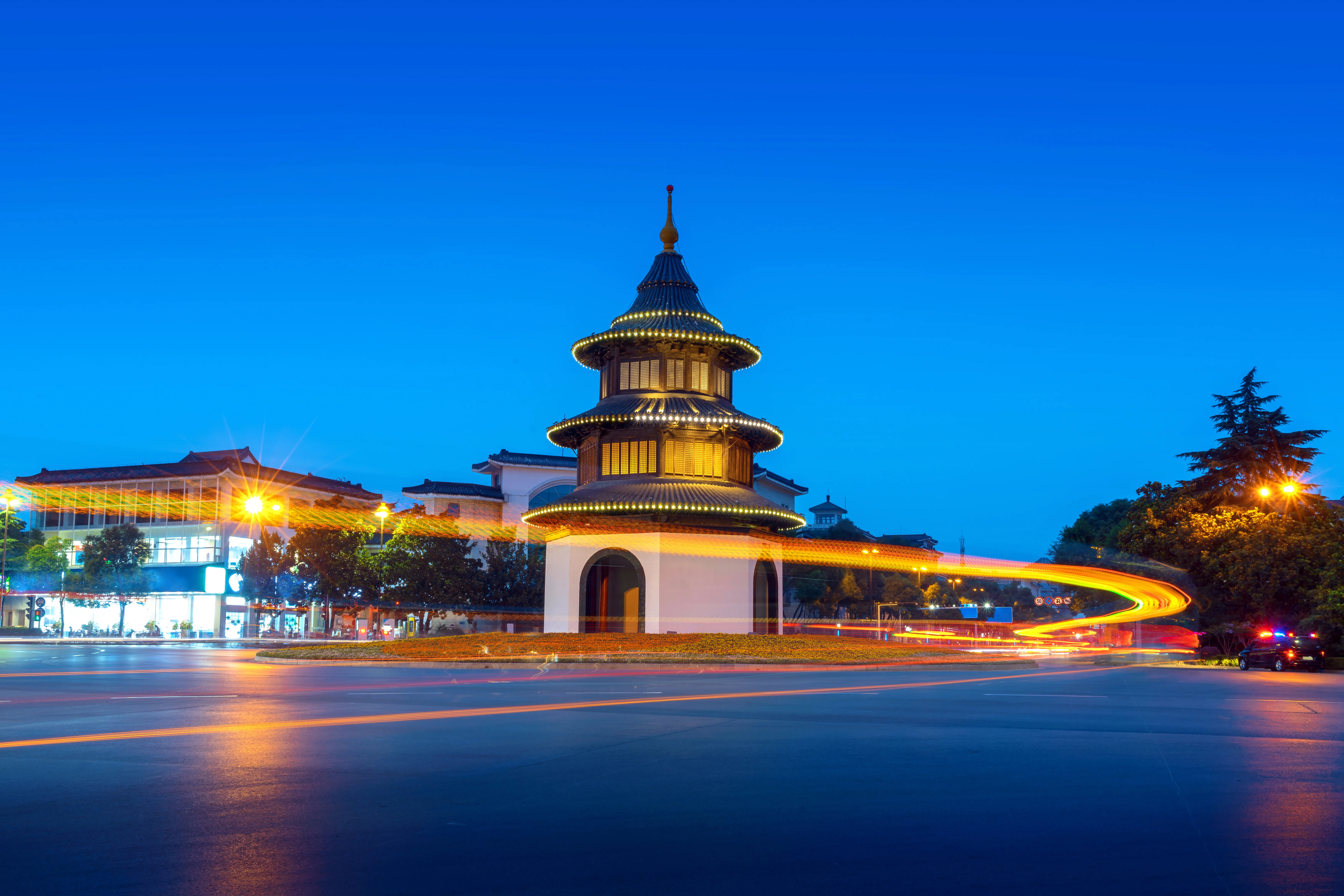
The surrounding city has moved around it. Roads, lights, shops and high-density movement are not visual contamination; they show how a historic structure acquires new urban roles. Visit at different times to see the pavilion function as landmark, traffic island and civic image.
Block printing makes text material
Yangzhou remains an important center for Chinese woodblock printing and the preservation of traditional bookmaking skills. UNESCO's listing of the China engraved block printing technique establishes a living knowledge system involving writing, carving, ink, paper, registration, printing and binding.
The process is slow and collaborative. Carvers must reverse text on wood, control line depth and preserve the visual character of calligraphy. Printers judge moisture, pressure and ink. A finished page can make that labor disappear.
Visit a museum or workshop that demonstrates stages rather than selling only decorative prints. Do not assume every souvenir made with a stamped block represents the full book-printing tradition.
Lacquerware, jade carving and paper cutting need material questions
Yangzhou is associated with lacquerware, jade carving and paper cutting, but the labels cover different levels of skill, material and production.
| Craft | What to inspect | Question before buying |
|---|---|---|
| Lacquerware | Surface depth, carving or inlay, substrate and finish | Is this traditional lacquer, synthetic coating or a mixed process? |
| Jade carving | Stone type, translucency, carving marks and documentation | What material is it exactly, and is treatment disclosed? |
| Paper cutting | Line control, symmetry, hand cuts and design repetition | Is it hand cut, laser cut or printed? |
| Block print | Woodblock evidence, ink variation, paper and edition | Who carved and printed it, and is the block or edition documented? |
Material clarity protects both traveler and craftsperson. Heritage names should not replace exact product information.
Morning tea and bathhouse culture organize time
Yangzhou's reputation for morning tea and bathing is captured in a widely repeated local saying about enjoying tea in the morning and bathing later. Treat the saying as a modern shorthand for urban leisure culture, not proof that every resident follows one timeless routine.
Morning tea can be slow and social: tea, shredded tofu, buns, dumplings, noodles and pastries arrive in a sequence shaped by appetite and company. Bathhouses historically offered cleaning, grooming, rest and social contact at different price levels.
UNESCO's Yangzhou Creative City of Gastronomy profile establishes the city's contemporary food identity and the institutional effort around culinary heritage. It cannot tell you which teahouse deserves breakfast. That judgment begins at the table: whether the tea, dough, knife work, service rhythm and willingness to let a meal take time still agree with one another.
For visitors, the lesson is pace. Do not schedule a 45-minute breakfast before a full sightseeing day. A proper first experience needs time, and a bathhouse visit requires clear understanding of local etiquette, services, privacy and gender arrangements.
Marco Polo is a question, not a city identity
Marco Polo's narrative has long been linked to Yangzhou, sometimes through claims that he served as a governor or official. The exact role and the reliability of parts of the account remain debated.
This uncertainty is useful. It reminds visitors that travel writing is evidence shaped by transmission, translation and audience. Yangzhou does not need an uncertain European endorsement to prove its global connections; the canal, salt trade, Buddhism, printing and material culture already do that work.
A four-day Yangzhou itinerary
| Day | Morning | Afternoon | Evening |
|---|---|---|---|
| 1: Water landscape | Slender West Lake from opening | Continue north to Daming Temple | Light Huaiyang dinner and early rest |
| 2: Merchant city | Ge Garden | He Garden and surrounding lanes | Dongguan Street after dark |
| 3: Canal and craft | Grand Canal museum or interpreted canal site | Block printing, lacquerware or local art collection | Neighborhood meal away from the scenic core |
| 4: Memory and daily life | Shi Kefa Memorial | Wenchang area, markets or a slower old-city walk | Bathhouse or teahouse only with clear etiquette and booking |
Begin at least one day with a long Yangzhou morning-tea meal. With a fifth day, explore smaller gardens, nearby canal heritage or a specialist craft institution rather than repeating Slender West Lake.
I would not rush Yangzhou into a day trip merely because the rail map makes it possible. I want the city to change my pace: breakfast must be allowed to become a social morning, and a garden must be walked slowly enough for one framed view to replace the last. Yangzhou is not a softer Nanjing or a smaller Suzhou; any route that treats it that way has already missed the canal city it came to see.
Practical travel notes
| Topic | Guidance |
|---|---|
| Pace | Yangzhou rewards four unhurried days more than two compressed scenic checklists |
| Morning tea | Reserve well-known restaurants when needed or arrive early; order gradually |
| Gardens | Compare Ge Garden and He Garden rather than treating them as interchangeable |
| Memorial etiquette | Keep voices low, follow photo rules and avoid staged portraits |
| Craft shopping | Ask exact material, maker and process; heritage labels are not documentation |
| Water landscapes | Wear comfortable shoes and allow for long linear walks around Slender West Lake |
| Accessibility | Historic thresholds, rockeries and narrow lanes can be difficult; check specific site routes |