Zhengzhou (郑州) is often introduced as a place to change trains. That description is accurate in the narrowest sense and misleading in every other one. Beneath its flyovers and wide roads lies a major Shang-period walled city. Around its stations, twentieth-century railway labor became political memory. To the north, the Yellow River carries both the promise and danger of the Central Plains. To the west, Songshan gathers Buddhist, Daoist, astronomical and architectural traditions into one of China's densest historical landscapes.
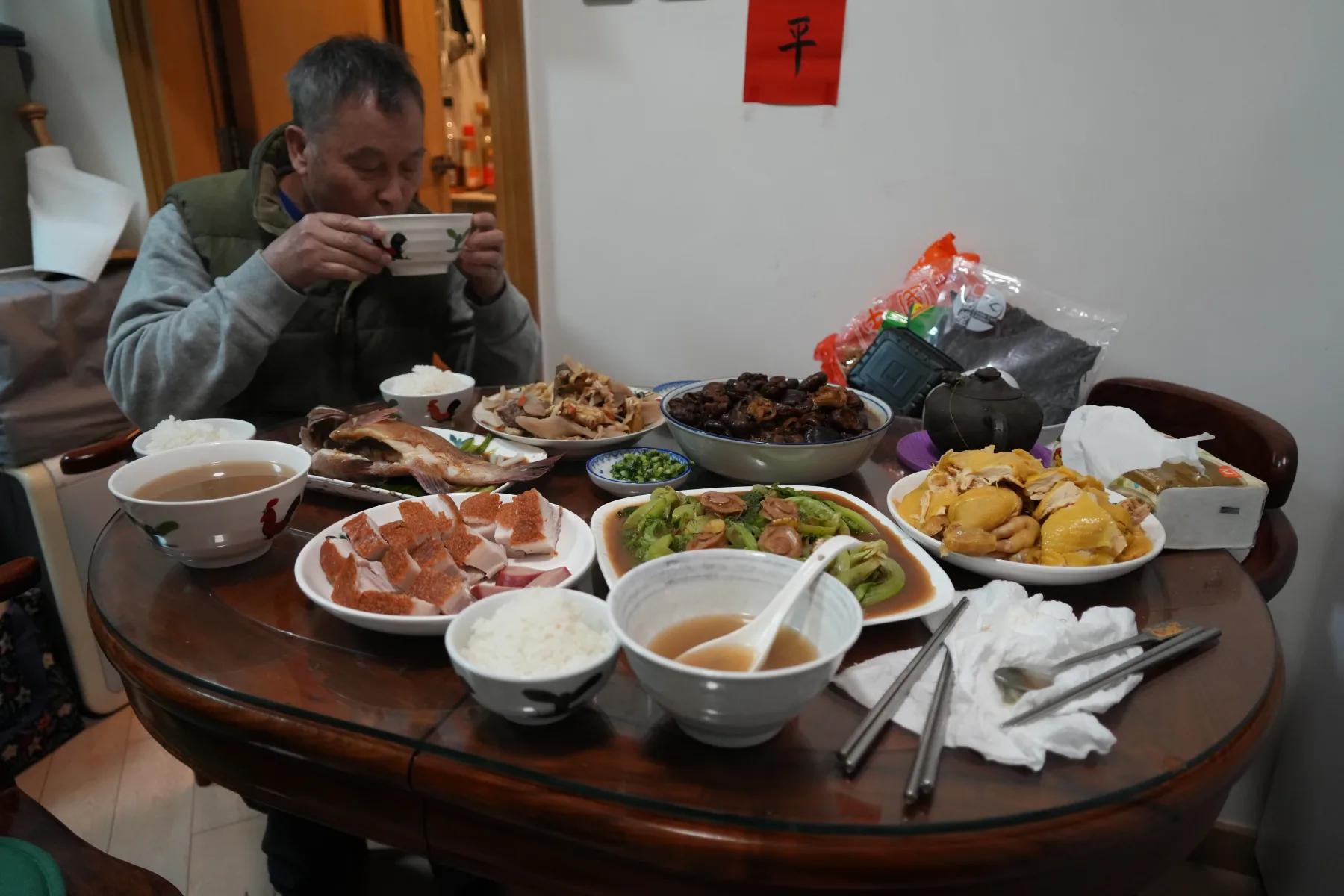
Eat at least one morning in the city rather than inside a station. Our Henan cuisine guide explains why hulatang, huimian, lamb broth and wheat staples are not incidental fuel: they are the daily structure that joins the metropolitan junction to the wider province.
Zhengzhou travel guide: read the junction before chasing landmarks
This page belongs inside East Moment's wider Chinese culture field guide, but Zhengzhou requires a different reading method from Beijing, Luoyang or Kaifeng. The point is not to make a reluctant case that the city is secretly picturesque. It is to show why archaeology, railways, production and migration occupy the same ground—and how a visitor can feel that relationship rather than merely memorize it.
| Question | Short answer |
|---|---|
| Why visit? | For early Bronze Age archaeology, one of China's strongest provincial museums, railway history, Central Plains food and access to Songshan and Shaolin Temple |
| Ideal first stay | Five days: three in the city, one in Dengfeng and one for the Yellow River or a slower contemporary-city day |
| Best first base | Erqi for the old center; Zhengdong for high-speed rail; Henan Museum area for a quieter cultural stay |
| Essential experiences | Study artifacts before visiting the Shang walls, walk through railway memory, eat breakfast locally and give Dengfeng a full day |
| Best travel style | Use the metro for long urban distances, group sites by district and resist turning Zhengzhou into a base for three rushed day trips |
| What makes it different? | The city's deepest history is archaeological rather than monumental, while its modern identity is built through movement and production |
Choose the Zhengzhou you want to meet
| If you care most about | Build your days around | Add this contrast |
|---|---|---|
| Archaeology | Henan Museum, Zhengzhou Shang City and the Erligang archaeological story | Walk Zhengdong afterward to see how a new city constructs identity above different layers |
| Chinese religion and architecture | Dengfeng, Shaolin Temple, Pagoda Forest and Zhongyue Temple | Visit the museum first so "ancient culture" becomes specific objects, dates and institutions |
| Martial arts | Shaolin's religious setting, documented lineages and contemporary schools | Read our Chinese martial arts overview before treating performance as complete history |
| Modern China | Erqi, rail stations, logistics, manufacturing and Zhengdong New District | Add the Shang city wall to feel how radically the city's center of gravity has shifted |
| Food | Hulatang breakfast, huimian, neighborhood bakeries and one regional Henan dinner | Separate Zhengzhou staples from dishes that properly belong to Kaifeng, Luoyang or other Henan cities |
Zhengzhou's ancient city survives through archaeology
The Zhengzhou Shang City is one of the most important early urban archaeological sites in China. Its rammed-earth wall, palace zone, workshops, burials and artifacts point to a large, organized center in the second millennium BCE. Scholars have debated how the site relates to capitals named in transmitted texts; visitors should not confuse a useful hypothesis with a universally settled identification.
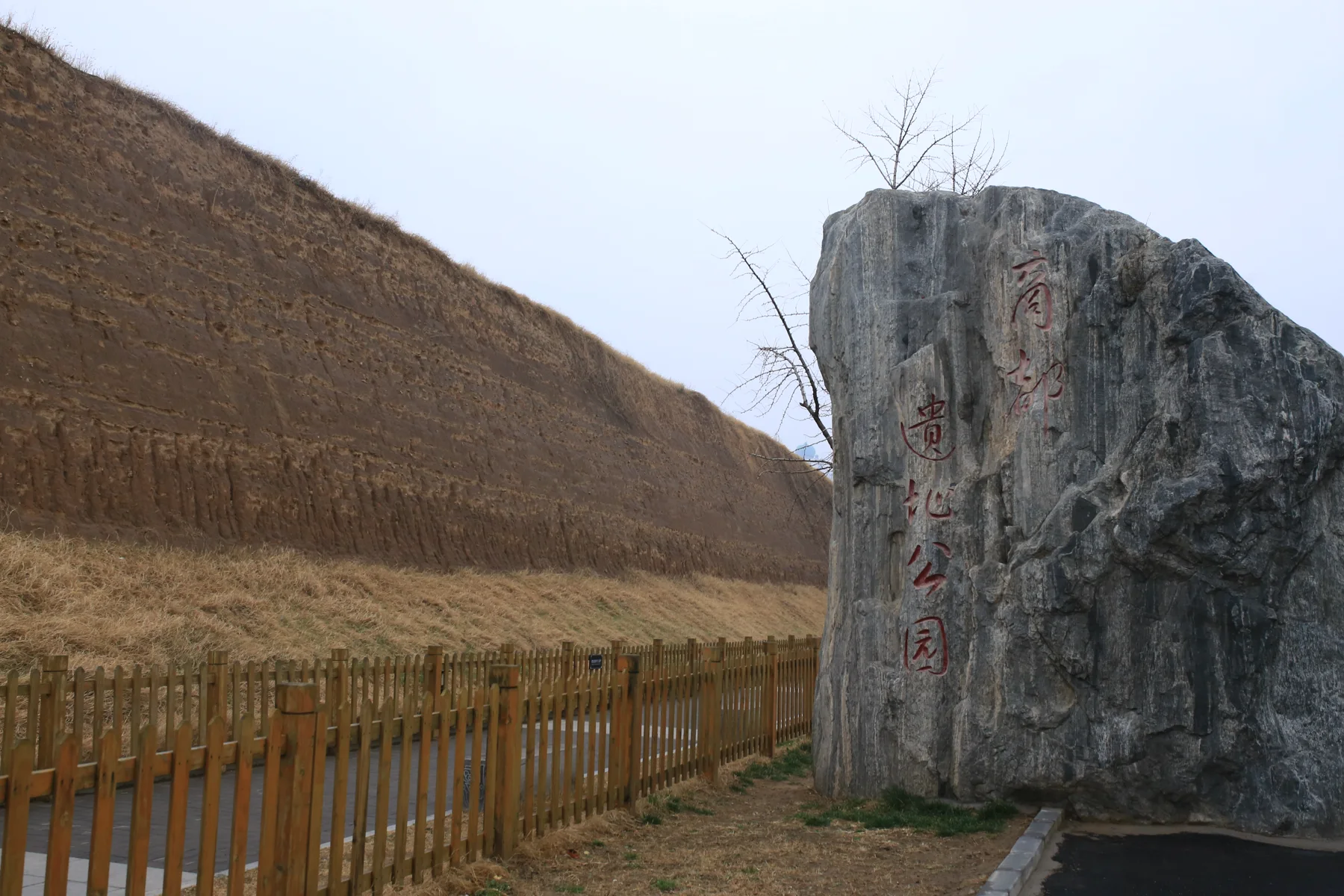
The wall can look like an ordinary raised bank until its scale and material are explained. Rammed earth was built by compacting layers inside temporary frames. What survives is not a photogenic palace but evidence of coordinated labor, boundaries and authority.
This makes Zhengzhou a useful place to learn how archaeology works. A city does not become historically important only when towers remain standing. Soil layers, bronze fragments, bone, pottery, workshop debris and the shape of a wall can reconstruct an urban system that architecture alone no longer displays.
Erligang changed the map of early China
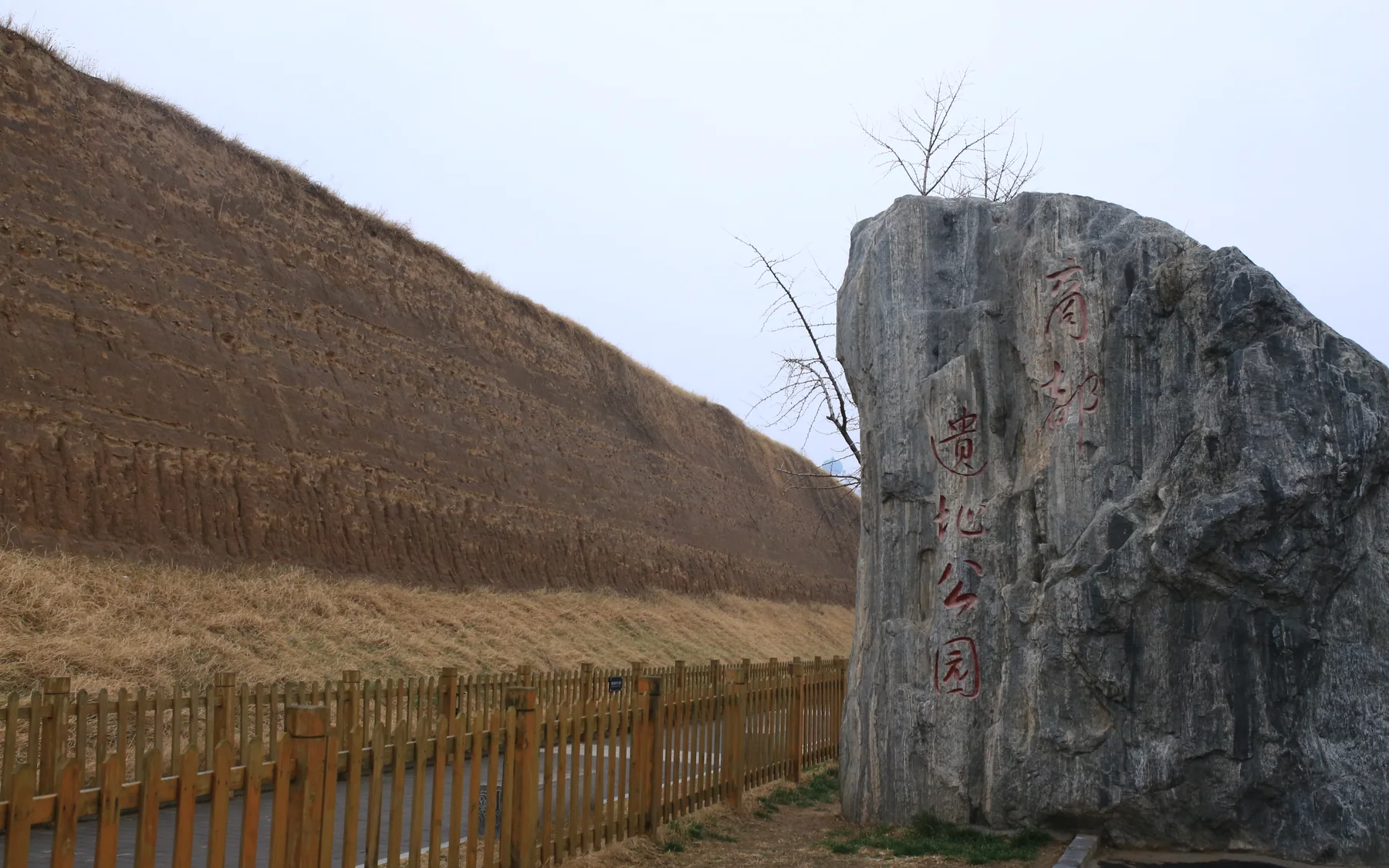
The archaeological culture called Erligang takes its name from a site in Zhengzhou. It is associated with a major phase of early Bronze Age urban and political expansion. Bronze production, settlement hierarchy and material similarities across a wide region show networks larger than one modern city.
Avoid translating this immediately into a simple story of one dynasty, one capital and one continuous national center. Archaeological cultures are analytical categories based on material patterns. They overlap with historical questions, but they are not identical to the labels in later texts.
The best sequence is museum first, wall second. I want the labeled objects in mind before the earthwork asks the imagination to reconstruct a city. Artifacts supply the detail; the archaeological landscape supplies the scale.
Henan Museum gives the region a voice beyond capitals
The Henan Museum is essential because Henan's archaeological record is too large for any single ruin to explain. Bronze vessels, ceramics, stone carving, jade, tomb objects and later religious art connect changing centers across the province. I reject the idea that Zhengzhou is only a hotel for other Henan destinations; this museum is the evidence that breaks that lazy itinerary.
The museum also corrects a common travel habit: using Zhengzhou only to reach Luoyang, Kaifeng or Shaolin Temple. Those places matter, but the museum demonstrates that Henan's history is a network of settlements, courts, workshops, ritual systems and routes rather than a collection of isolated ancient capitals.
Allow at least half a day. Read excavation locations and dates instead of moving only between visual masterpieces. Provenance is what turns a beautiful bronze into historical evidence.
The old center was rebuilt by the railway
Modern Zhengzhou rose because railways crossed here. The north-south Beijing-Hankou corridor and east-west Longhai line made the city a strategic junction for passengers, freight, industry and administration. The contemporary reputation as a transport hub is therefore not a recent slogan; it is a long urban structure.
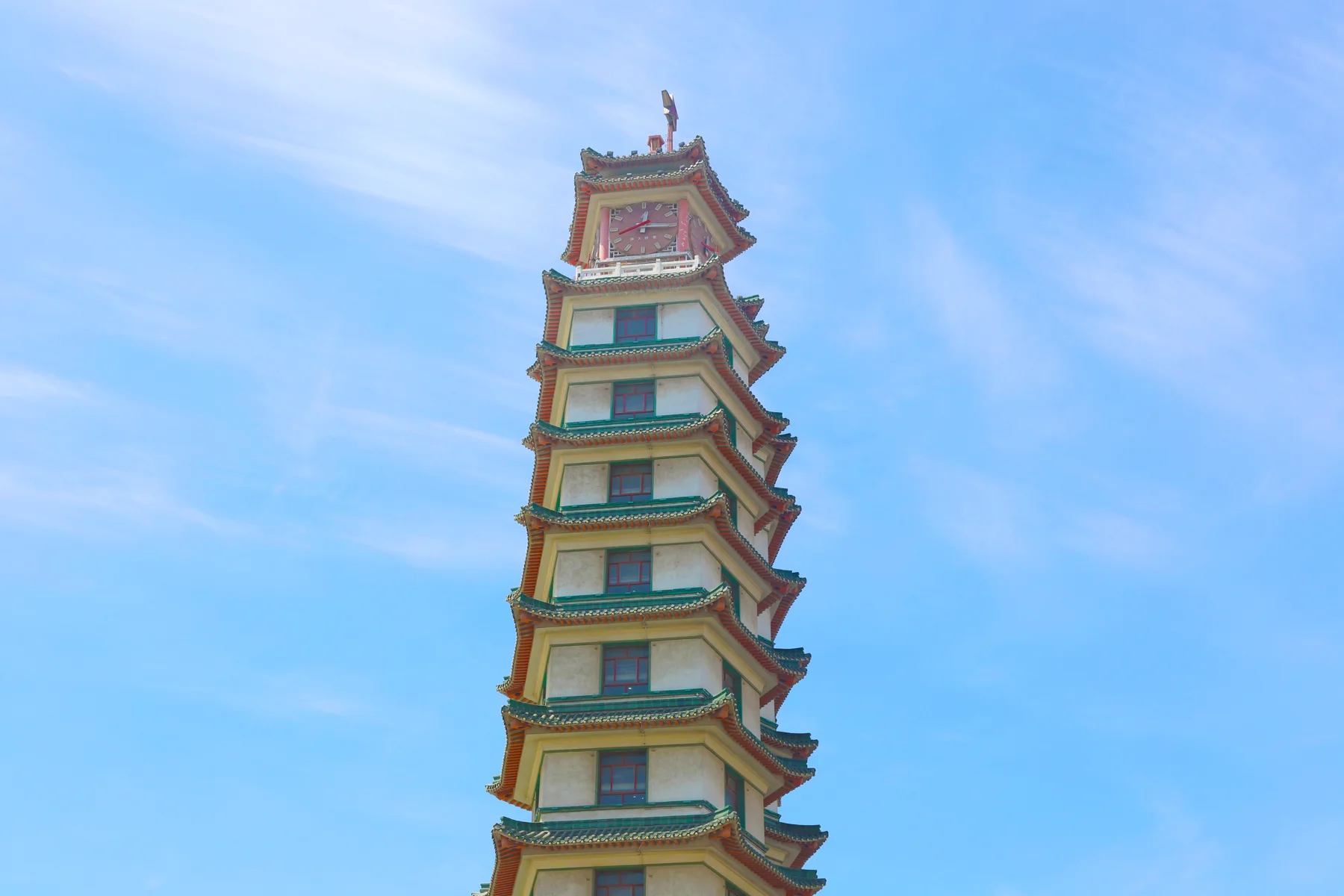
The Erqi Memorial Tower commemorates the February 7 events of 1923 connected with the Beijing-Hankou railway workers' strike and violent suppression. The surrounding district has become intensely commercial, which can make the political memory easy to miss.
Read the monument before entering the shopping streets. Railway history here is about labor and organization as much as engineering. Stations moved people and goods, but they also concentrated workers who could act collectively.
Zhengzhou East Station is a city-scale machine
High-speed rail has reinforced Zhengzhou's centrality. Zhengzhou East Station is more than a departure hall: platforms, metro lines, roads, hotels and the surrounding business district form a regional transfer system.
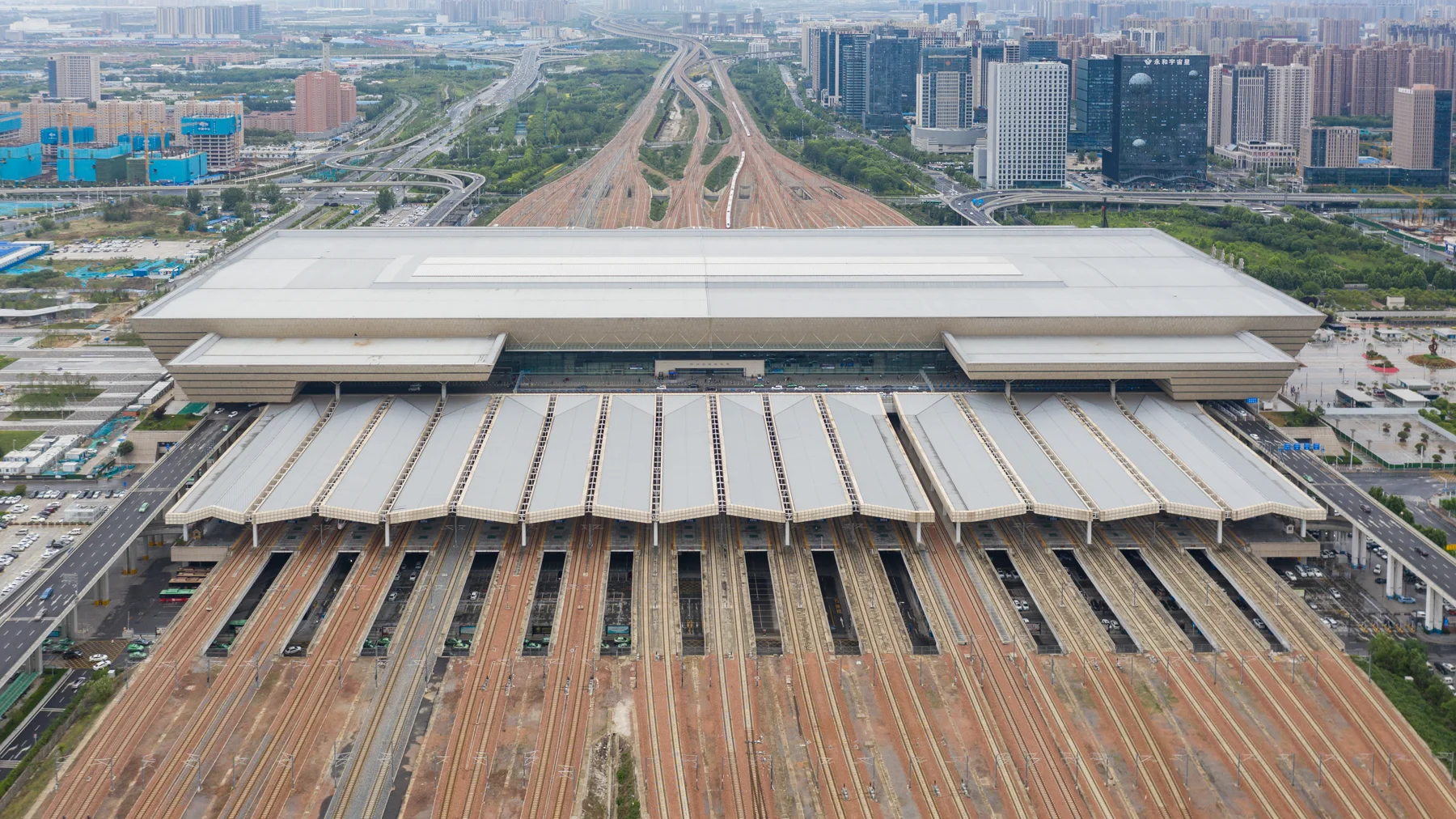
For a young traveler, this network makes ambitious itineraries tempting. Kaifeng, Luoyang, Xi'an and other cities may appear close on a timetable. But transfer time, station size and the depth of each destination still matter. Fast trains should create better travel, not a faster collection of names.
How to use Zhengzhou as a regional base
| Destination | Why go | Best rhythm | Common mistake |
|---|---|---|---|
| Dengfeng / Songshan | Shaolin Temple, UNESCO monuments, mountain landscape | Full day or overnight by road | Assuming it sits beside a Zhengzhou metro station |
| Kaifeng | Northern Song history, urban heritage and food | Full independent day by rail | Treating reconstructed attractions as intact Song architecture |
| Luoyang | Longmen Grottoes, museums, temples and dynastic history | At least one full day; preferably overnight | Squeezing Longmen and the entire city into a few hours |
| Yellow River north of Zhengzhou | River geography, embankments and regional scale | Half or full day depending on site | Expecting one scenic area to explain the entire Yellow River system |
The Yellow River is landscape, infrastructure and risk
The Yellow River flows north of central Zhengzhou. Across the Central Plains, its water and sediment supported agriculture while channel shifts and floods repeatedly destroyed settlements and forced enormous systems of embankment, drainage and governance.
The river should not be reduced to a national symbol or a panoramic viewpoint. Look for levees, suspended-channel conditions, irrigation, sediment and the distance between today's river and urban districts. The landscape is engineered because it must be.
Zhengzhou's catastrophic rain and flooding in July 2021 also belong to the city's recent memory. It is inappropriate to turn that disaster into travel atmosphere. For visitors, the practical lesson is to take extreme-weather warnings seriously, avoid underpasses and underground transport during severe rainfall, and follow current official instructions.
Zhengdong New District shows planned urban confidence
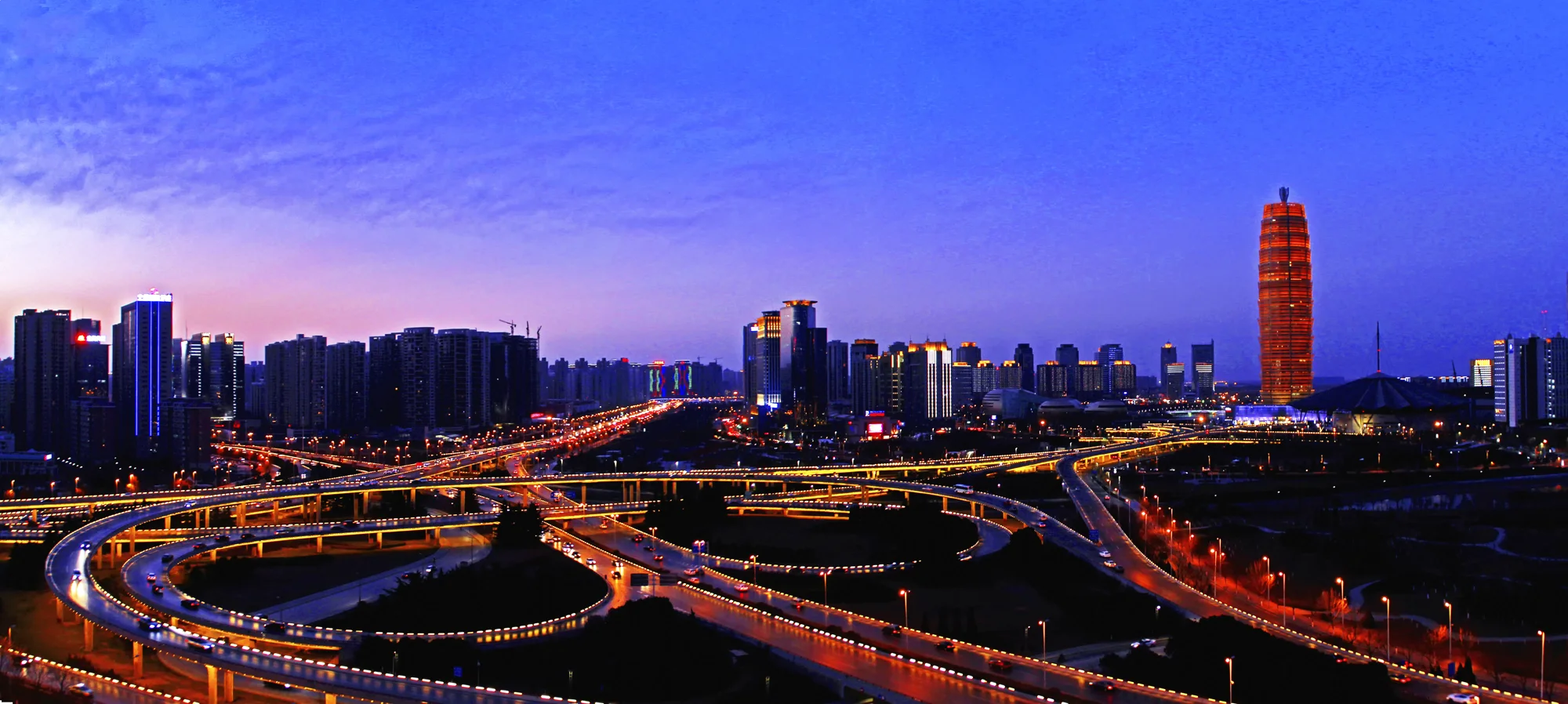
East of the older center, Zhengdong New District presents a different Zhengzhou: ringed water, broad avenues, cultural venues, offices, residential towers and the landmark Millennium Royal Plaza, widely nicknamed the "Big Corn."
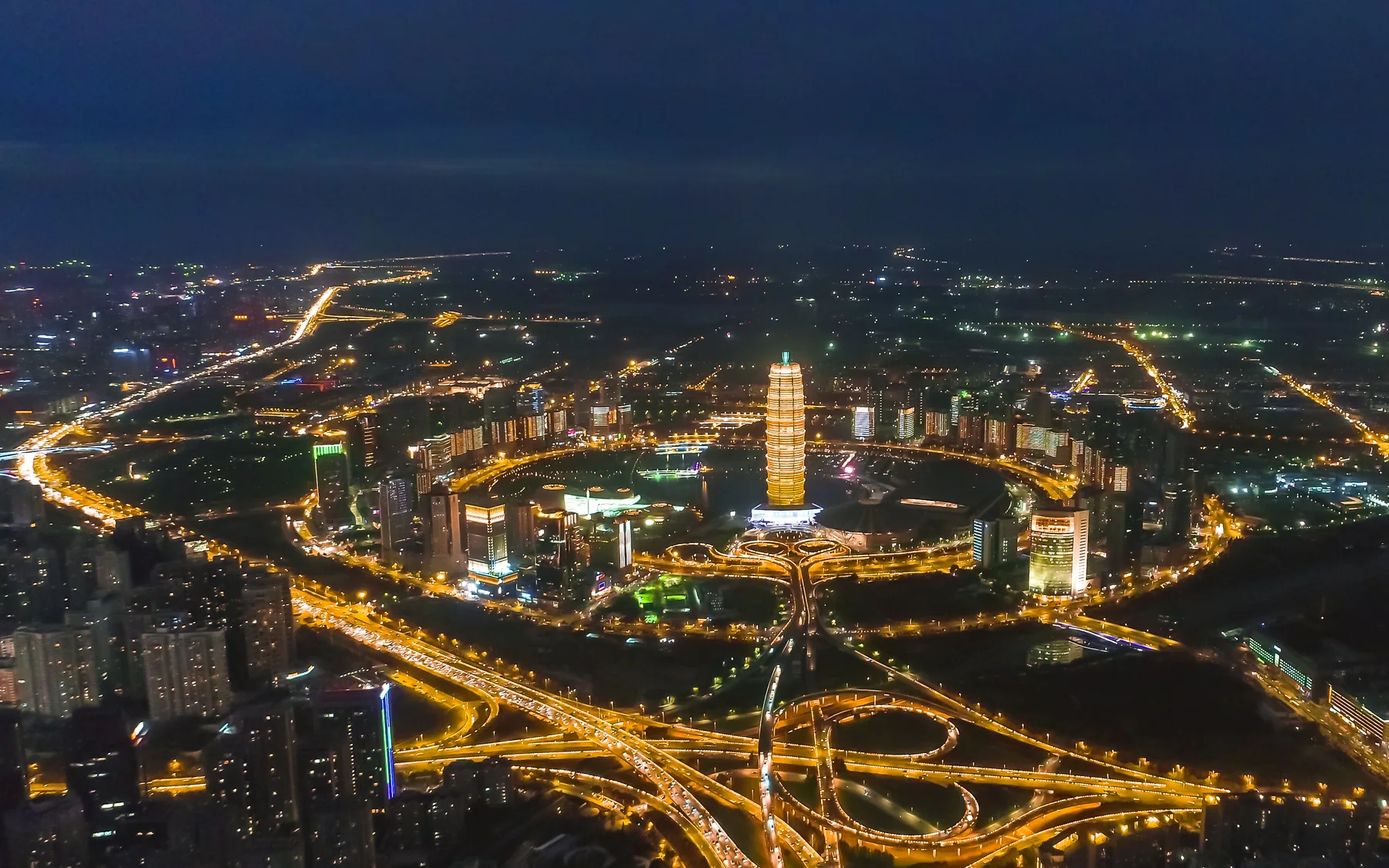
The district is often photographed as proof that Zhengzhou is modern. A more useful question is how planned form changes daily life. Distances are longer, blocks are larger and waterfront space is more monumental than the old commercial core. Architecture produces clarity at skyline scale while sometimes making street-level intimacy harder to find.
Visit around late afternoon, walk the lake and stay into evening. Then compare it with Erqi or an older neighborhood. The difference is not simply old versus new; it is two distinct models of movement, commerce and public space.
Manufacturing and logistics make the skyline possible
Zhengzhou's economy includes food processing, machinery, automobiles, electronics, aviation and logistics. Its rail and air connections have made it a major distribution center, while large production zones tie the city to global supply chains.
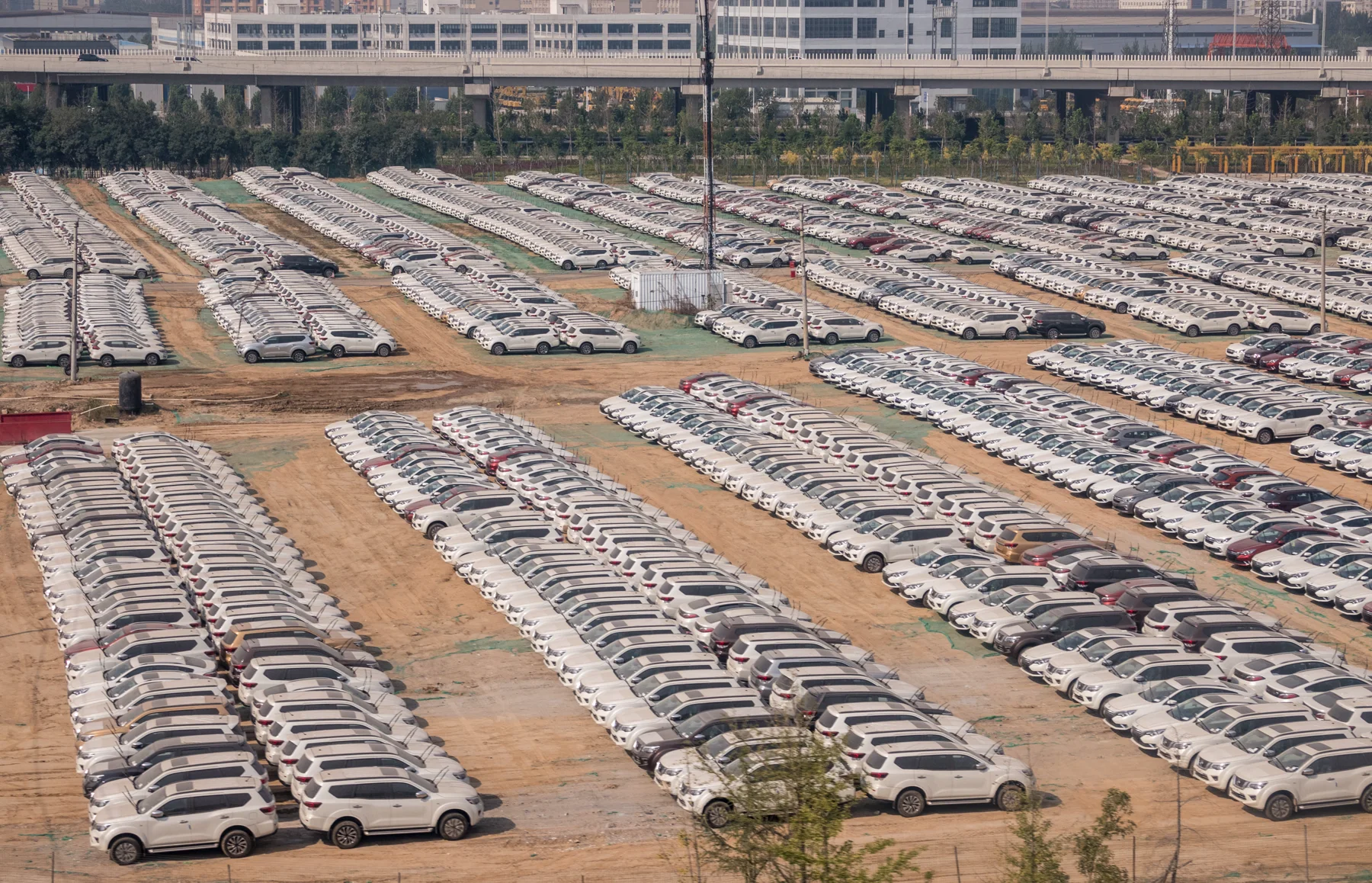
This side of Zhengzhou rarely enters cultural travel writing. Yet warehouses, factories, driver networks and migrant labor explain the speed at which goods and people move through the city. A technology product shipped from Zhengzhou is also part of its material culture.
Do not visit operational industrial areas without permission. Instead, use museums, public planning exhibitions, former factory sites and the visible transport landscape to understand production without turning workers into scenery.
Older institutions survive inside a rebuilt city
The Zhengzhou Confucian Temple represents a different historical layer from the Shang city. Like many Chinese temple complexes, it has experienced destruction, repair and reconstruction. The buildings visible today should not all be imagined as untouched fabric from the earliest foundation.
Confucian temples were connected to education, ritual and local administration. Visit with attention to spatial sequence, tablets and the civic role of learning, not merely decorative roofs.
Nearby archaeological and temple sites can feel visually modest beside Zhengdong. Their importance comes from the institutions and practices they record.
Creative reuse reveals a post-industrial city
Former warehouses and factories in Zhengzhou have been adapted for studios, cafes, events and cultural businesses. Liangku Cultural and Creative Park is one visible example of industrial space gaining a second life.
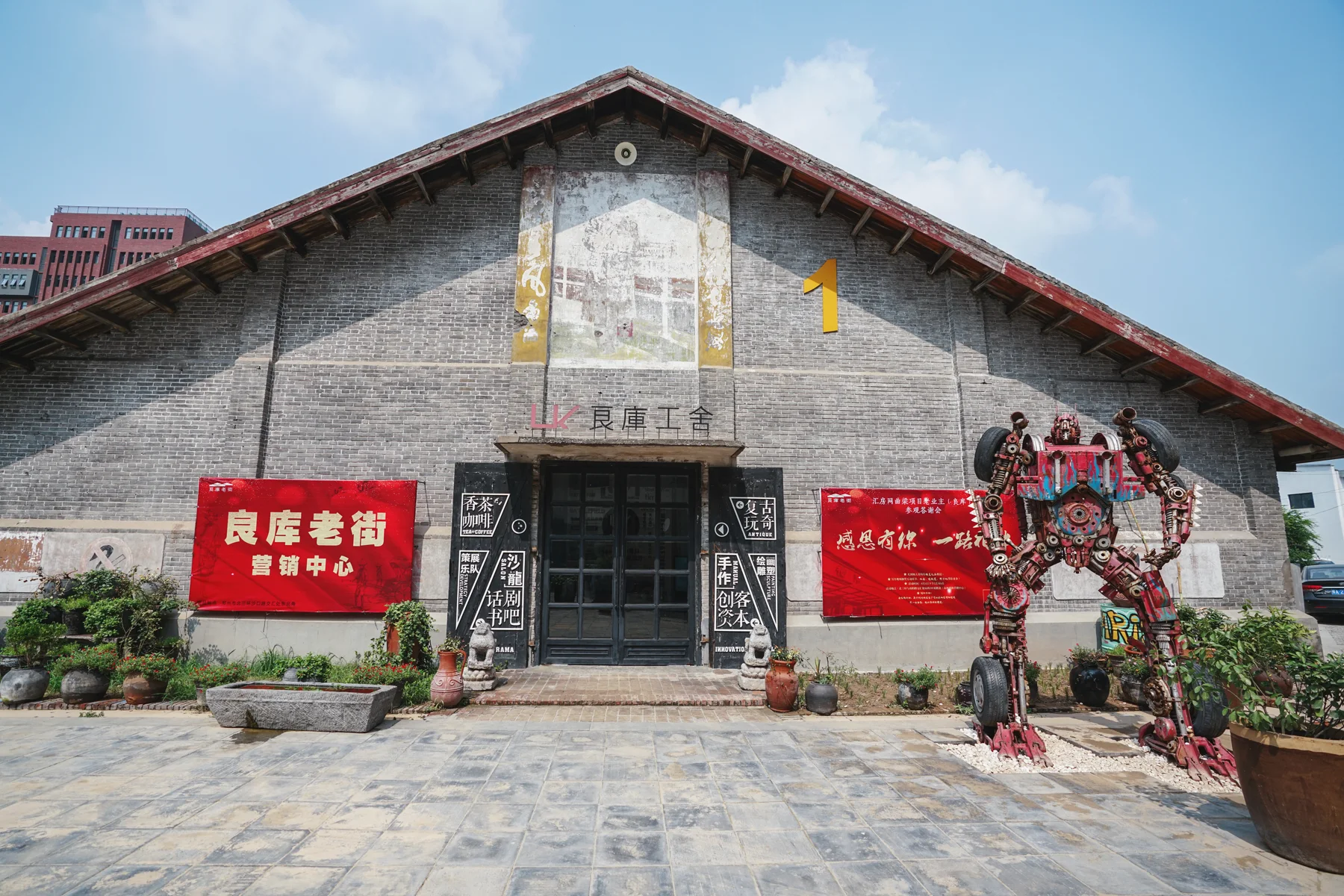
Adaptive reuse preserves scale and texture, but it can also replace labor history with lifestyle branding. Look for traces of what the site stored or produced, how rail and roads served it and whether interpretation includes workers rather than only new tenants.
These districts, university areas and live-music venues are where younger Zhengzhou becomes easier to meet. Check current programming locally; cultural spaces change faster than archaeological sites.
Contemporary art belongs in the itinerary
Zhengzhou's museum and arts infrastructure gives visitors a way to see how contemporary artists respond to rapid construction, migration, rural change and Central Plains identity.
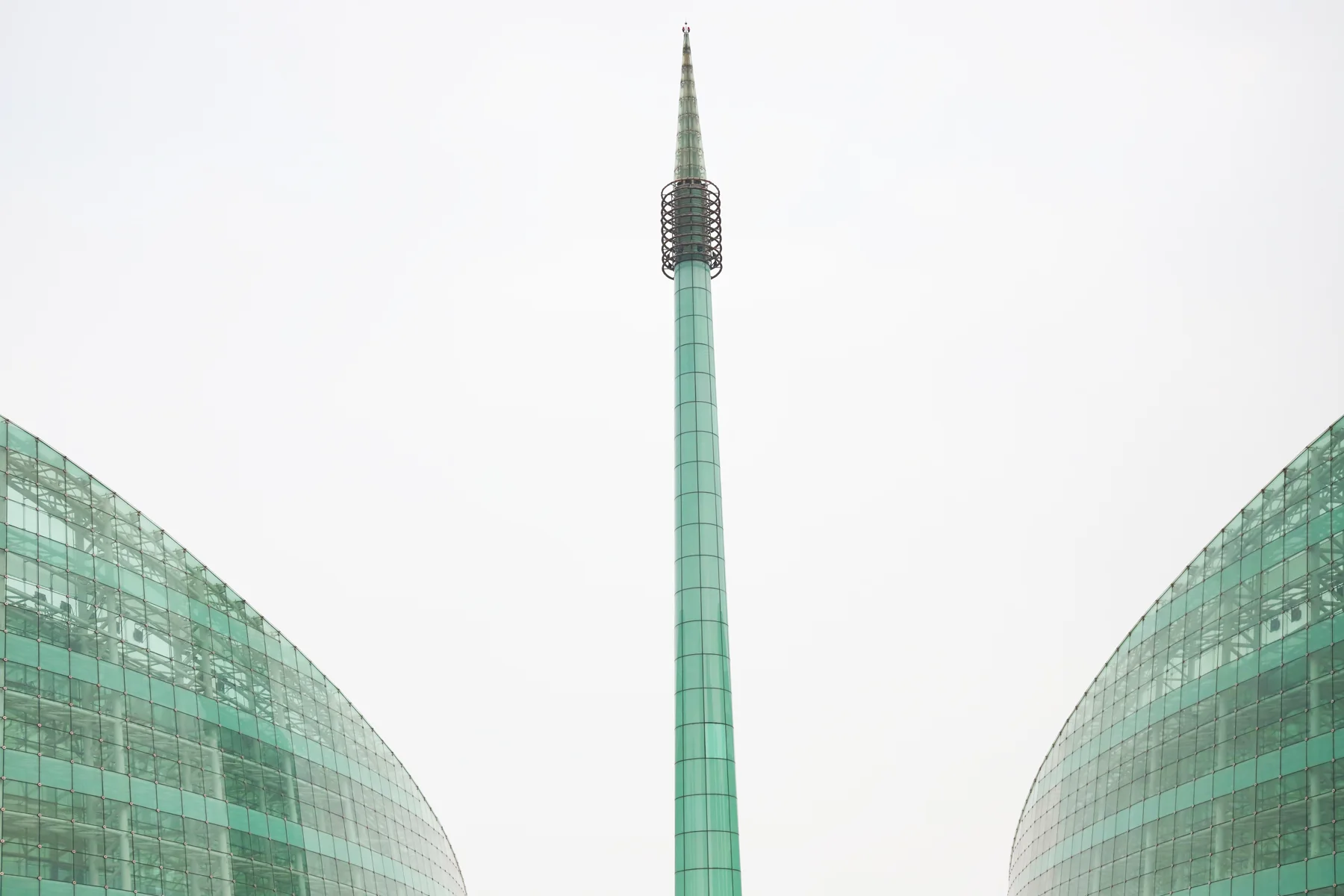
Do not expect every institution to maintain the same international-language support. Exhibition titles, artists' names and dates can still provide orientation. Contemporary work is especially valuable after Henan Museum: the contrast prevents the province from being sealed inside antiquity.
Songshan is a cultural landscape, not only a mountain backdrop
West of Zhengzhou, Songshan rises around Dengfeng. Its position near the Central Plains helped make it important to Buddhist, Daoist, Confucian and state ritual traditions. Astronomical observation, education, monastic life and mountain worship accumulated in the same region.
UNESCO inscribed the Historic Monuments of Dengfeng in "The Centre of Heaven and Earth" in 2010. The serial property includes monuments from different periods and functions. Shaolin Temple is famous, but it is not the whole inscription.
Understand Dengfeng by institution
| Place | What it represents | What to notice |
|---|---|---|
| Shaolin Temple complex | Buddhist monastic history and the later global fame of Shaolin martial arts | Active religious space, reconstruction history and the difference between temple and performance venues |
| Pagoda Forest | Memorial pagodas associated with generations of eminent monks | Changes in form, inscriptions and density across periods |
| Zhongyue Temple | Daoist and state-sacrificial traditions connected to the central sacred mountain | Axial planning, courtyards and institutional continuity |
| Songyang Academy | Classical learning and the academy tradition | Landscape, teaching memory and later restoration |
| Gaocheng Observatory | Historical astronomical observation and calendrical work | The relationship between measurement, state knowledge and architecture |
Shaolin Temple is more than a martial-arts brand
Shaolin's global image is dominated by kung fu. Martial traditions are genuinely important, but the temple is first a Buddhist institution with a long, interrupted and reconstructed history. War, fire, political change, tourism and modern performance have all shaped what visitors see.
Separate three things that tourism often blends: monastic religious life, documented martial lineages and choreographed performance. They overlap, but none is a complete substitute for the others.
Our Chinese martial arts guide explains the larger field. At Shaolin, watch how religious halls, souvenir commerce, training schools and international expectation occupy the same valley.
The Pagoda Forest records community across centuries
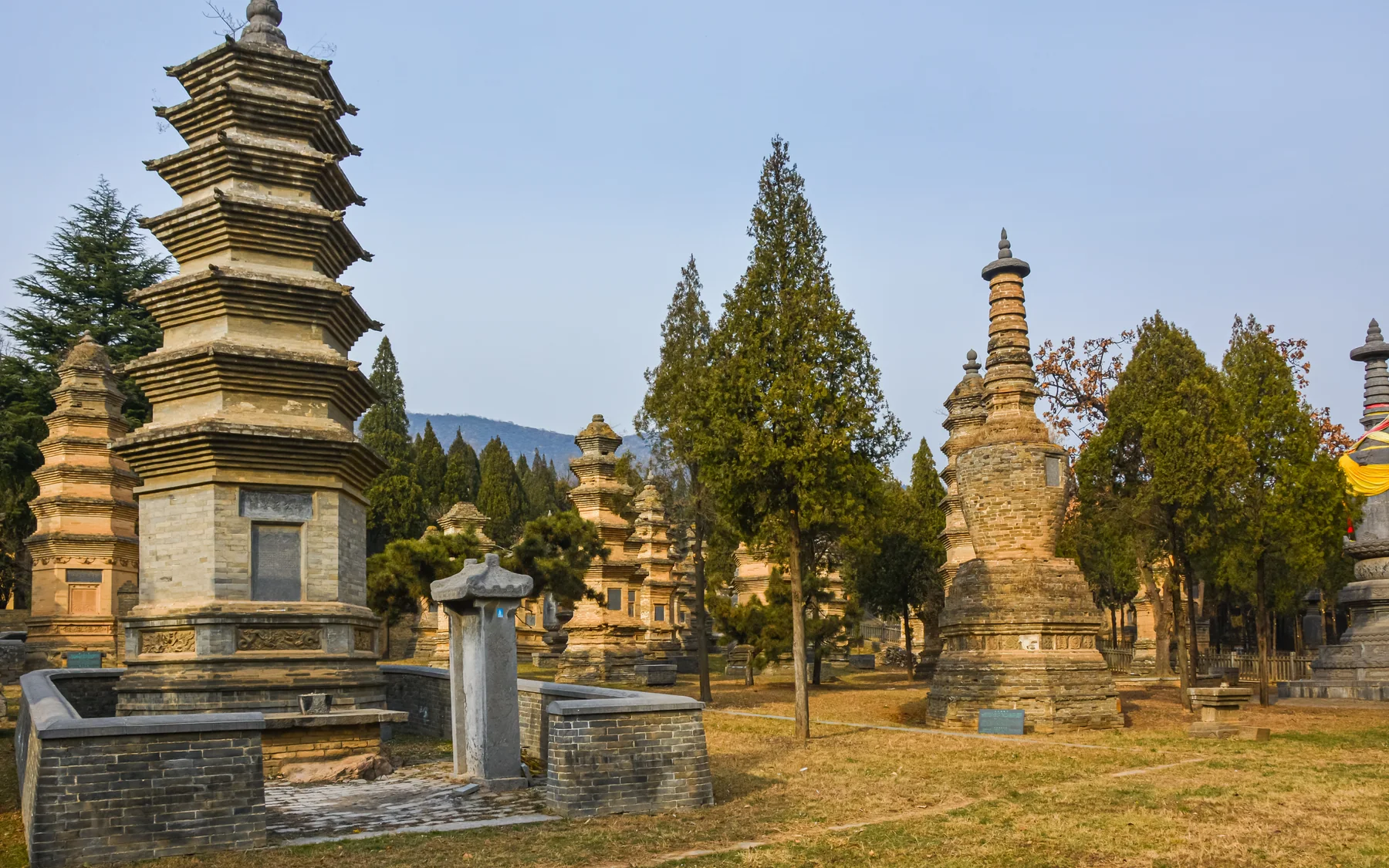
The Pagoda Forest contains memorial structures associated with prominent monks. The name can mislead visitors into expecting identical towers. In fact, form, proportion, inscription and decorative detail vary.
Walk quietly and avoid using memorial architecture as a stage for comic martial-arts poses. Stone weathering and repaired surfaces are part of the record. A guide who can read inscriptions will reveal far more than a fast photo circuit.
Zhongyue Temple widens the religious picture
Zhongyue Temple belongs to Daoist traditions and the ritual geography of the central sacred mountain. Its courtyards and halls remind visitors that Songshan cannot be represented by Buddhist Shaolin alone.
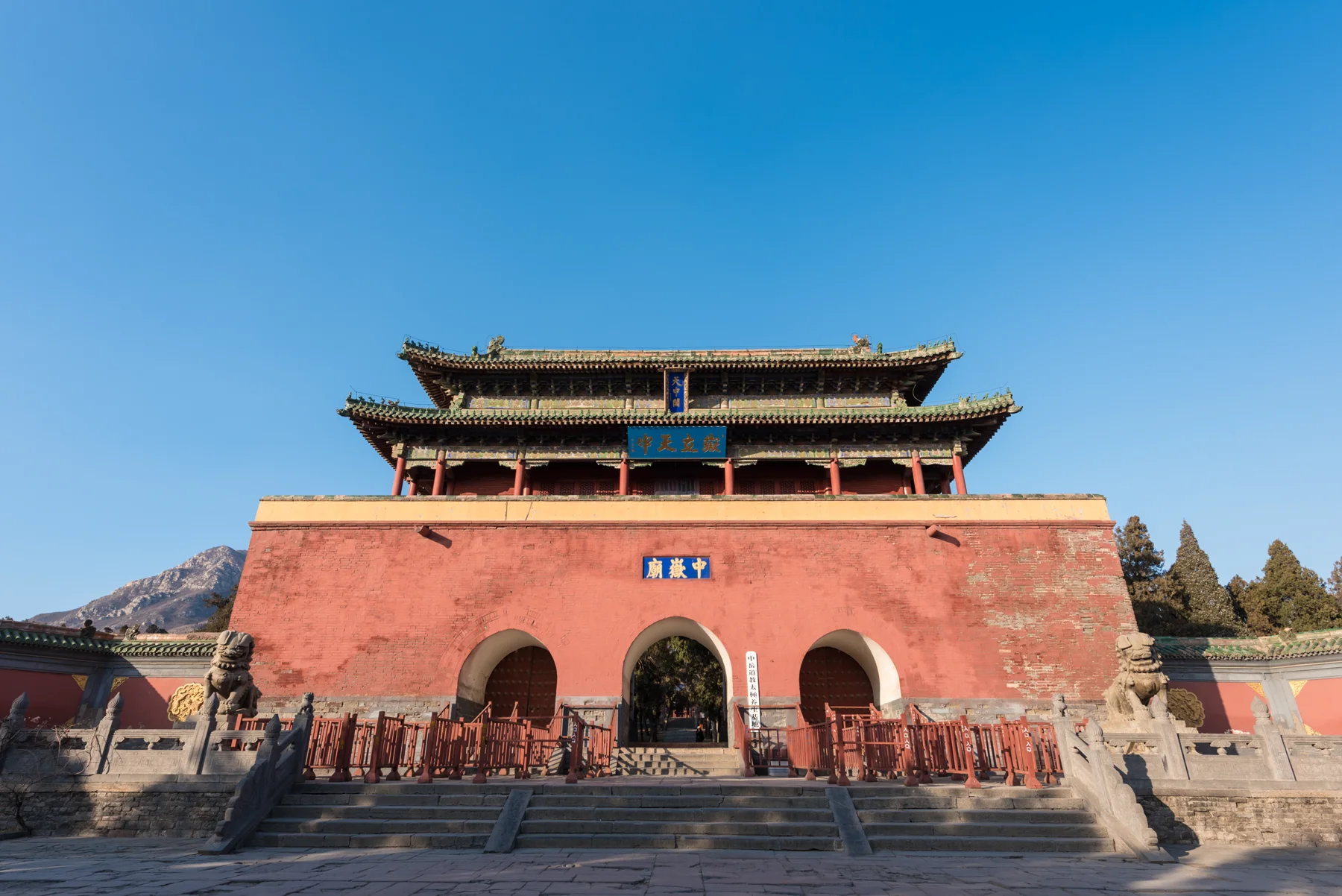
If time allows, pair Zhongyue Temple with Shaolin rather than adding another martial-arts show. The contrast between institutions is more culturally useful than repeating similar performances.
Nature around Zhengzhou needs realistic expectations
Mountains west and southwest of the city offer gorges, trails and developed scenic areas. Fuxi Mountain attractions combine natural rock landscapes with substantial tourism infrastructure.
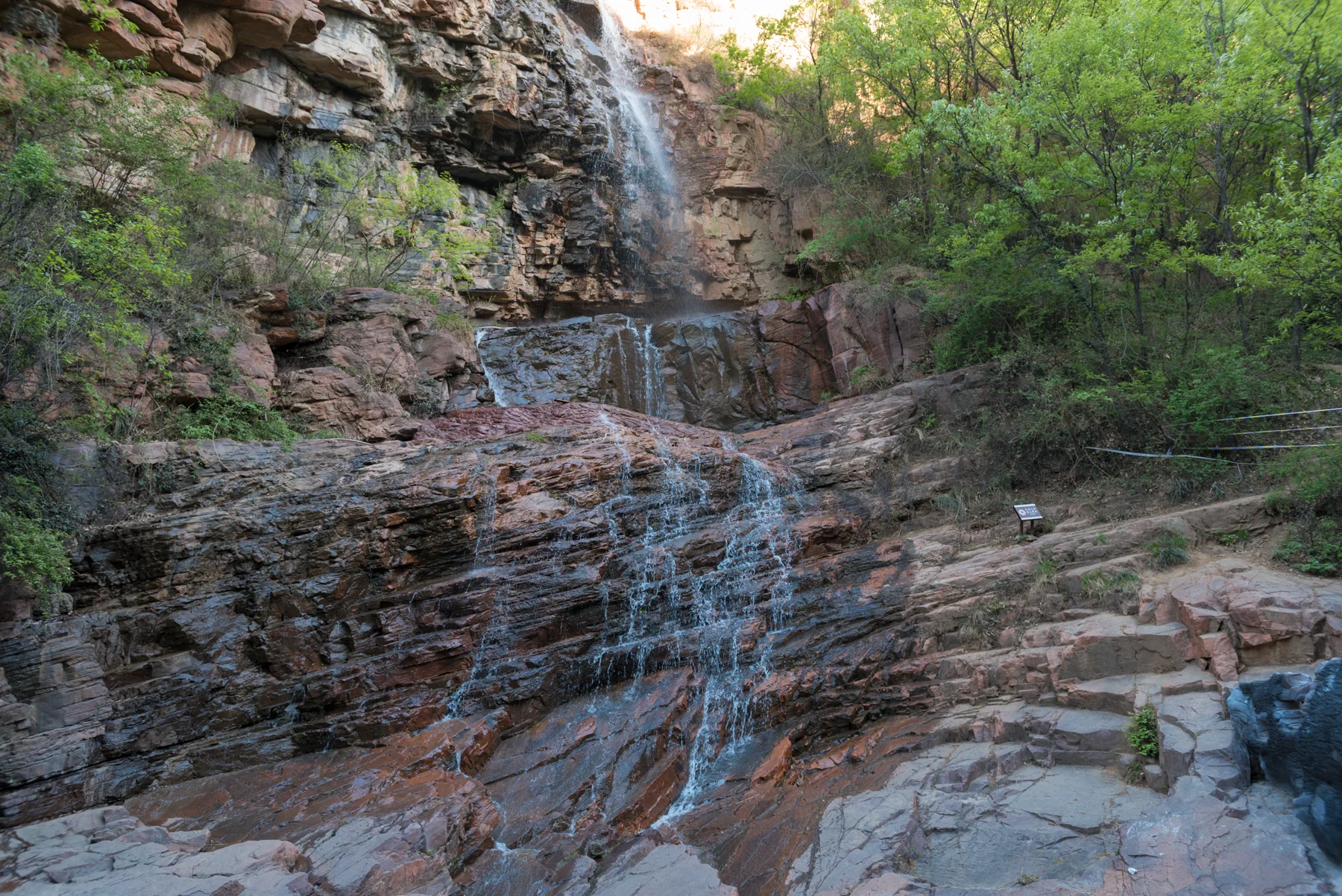
Distinguish a natural landscape from the glass bridges, swings and themed installations built within it. Check trail length, stairs, water conditions and transport before traveling. Many sites are easiest by car and are not practical additions to an already full Dengfeng day.
Where to stay in Zhengzhou
| Area | Best for | Advantages | Trade-offs |
|---|---|---|---|
| Erqi / old center | First-time street life and railway history | Dense food, metro access and central energy | Crowded, noisy and some blocks feel commercially repetitive |
| Henan Museum / Jinshui | Museums and a calmer stay | Cultural access, mature neighborhoods and restaurants | Less convenient for very early high-speed trains |
| Zhengdong New District | Architecture, business travel and East Station | Modern hotels, rail access and planned public space | Large blocks and less intimate evening street life |
| Longzihu | Universities and younger local rhythm | Campuses, cafes and lake space | Farther east from historic sites |
| Dengfeng | Songshan and Shaolin depth | Early site access and less rushed mountain time | Not a substitute for staying in central Zhengzhou |

Three, five and seven-day Zhengzhou itineraries
Three days: city before excursions
| Day | Morning | Afternoon | Evening |
|---|---|---|---|
| 1 | Henan Museum | Neighborhood lunch and a contemporary art venue | Hulatang or huimian district walk, depending on appetite and opening hours |
| 2 | Zhengzhou Shang City | Confucian Temple and old-center streets | Erqi railway history and central Zhengzhou after dark |
| 3 | Zhengzhou East Station and planning-scale urbanism | Zhengdong New District and Henan Art Center surroundings | Ruyi Lake walk and a regional Henan dinner |
Five days: add Dengfeng and the river
Use day four for Shaolin Temple, the Pagoda Forest and one additional Dengfeng monument. Use day five for the Yellow River landscape, a slower museum day, industrial heritage or university districts. If religious architecture matters deeply, stay overnight in Dengfeng and reduce the city checklist.
Seven days: connect the Central Plains
Add Kaifeng and Luoyang as separate full days. This produces a powerful comparison: Zhengzhou's archaeological and railway city, Kaifeng's Northern Song memory and Luoyang's dynastic and Buddhist landscape. Do not market all three as one vague "5,000-year civilization" experience; each city preserves different evidence and has undergone different degrees of reconstruction.
Seasons and weather
| Season | What it feels like | Best for | Watch for |
|---|---|---|---|
| Spring | Mild, windy and increasingly green | Museums, city walking and Songshan | Dust, pollen and busy holiday periods |
| Summer | Hot, humid and storm-prone | Early museum visits and long evenings | Extreme rain, heat stress and transport disruption |
| Autumn | Generally clearer and comfortable | Dengfeng, archaeology and regional day trips | National Day crowds and cooler mountain evenings |
| Winter | Cold, dry to hazy and quieter | Museums, hot soup, architecture and lower crowds | Ice on mountain paths and reduced visibility |
Zhengzhou logistics beyond the transfer station
| Need | Useful approach |
|---|---|
| Getting around | Metro covers major urban corridors; taxis and buses fill gaps; Dengfeng and mountain sites require road transport |
| Stations | Zhengzhou Station and Zhengzhou East Station serve different routes and districts; confirm the exact station before departure |
| Navigation | Save Chinese names and entrances because large museums, parks and stations can have distant gates |
| Payments | Mobile payment is dominant, but carry a bank card and some cash as backup because visitor setup can change |
| Museums | Reserve ahead where required and carry your passport; opening days and temporary galleries can change |
| Air and weather | Check current air quality and severe-rain warnings; move indoor plans forward when conditions are poor |
| Accessibility | New stations and museums are generally easier, while archaeological earthworks, mountain paths and older temples include uneven surfaces |
| Day trips | Verify current buses, tour pickup points and return times; map distance alone does not show mountain-site logistics |
Travel with historical discipline
Zhengzhou invites grand claims because so much early history lies beneath it. Resist converting every archaeological layer into a direct national origin story. Read labels, dates and excavation context. Allow uncertainty to remain visible.
At temples, remember that worship is not performance. At the Pagoda Forest, respect memorial space. At former factories, look for labor history. During severe weather, treat safety instructions as infrastructure rather than inconvenience.
Frequently asked questions about Zhengzhou
Is Zhengzhou worth visiting?
Yes, especially for travelers interested in archaeology, early Chinese history, railways, museums, regional food and the Songshan-Dengfeng heritage area. Zhengzhou is less immediately picturesque than some Chinese cities, but it is an excellent place to understand how the ancient Central Plains and modern transport economy meet.
How many days do you need in Zhengzhou?
Three days cover Henan Museum, the Shang city site, central railway history and one modern district. Five days allow a full Dengfeng and Shaolin Temple excursion plus the Yellow River or another neighborhood day. Seven days create room for Kaifeng and Luoyang without reducing Zhengzhou to a transit stop.
Can you visit Shaolin Temple from Zhengzhou?
Yes. Shaolin Temple is near Dengfeng within Zhengzhou Municipality, but it is a substantial day trip rather than a central-city attraction. Road travel, site shuttles, walking and crowds make an early start important. An overnight stay in Dengfeng allows a slower visit to Songshan and other UNESCO-listed monuments.
What is Zhengzhou best known for?
Zhengzhou is known as a national rail and logistics hub, the capital of Henan, the location of a major Shang-period walled city, home of Henan Museum and the main gateway to Songshan, Dengfeng and Shaolin Temple.
Where should a first-time visitor stay in Zhengzhou?
Stay near a metro line rather than choosing only by landmark. Erqi and the old center suit railway history and dense street life; Zhengdong New District is convenient for Zhengzhou East Station and contemporary architecture; the Henan Museum area is quieter and useful for a culture-focused visit.
The city becomes interesting when transit turns into context
Zhengzhou may never deliver the instant visual coherence of West Lake or Chongqing's river cliffs. Its depth arrives differently. A soil wall reveals an early city where the skyline appears absent. A railway tower turns shopping streets into labor history. A planned lake district shows modern confidence at enormous scale. A mountain day reveals Buddhist, Daoist and astronomical institutions sharing one sacred geography.
Change trains here if you must. But leave the station long enough to understand why the junction exists, what was here before the rails and how the Central Plains continue to move through the city.