Kaifeng (开封) was one of the world's great cities when it served as the Northern Song capital, known as Bianjing or Dongjing, from 960 to 1127. Yet today's Kaifeng is not a preserved Song city. Its deepest streets lie beneath later flood deposits, its most famous urban image survives in a painted handscroll, and many monumental visitor attractions are modern reconstructions. The city's power comes from the conversation between those layers.
This is the Kaifeng chapter of our Chinese culture guide, and Encyclopaedia Britannica's city history provides the institutional timeline behind the argument. My job here is different: to show why the gaps between buried city, surviving monument and performed memory are the culture, not an embarrassment to hide.
Kaifeng culture guide at a glance
| Question | Short answer |
|---|---|
| Why does Kaifeng matter? | It preserves the memory of a major Northern Song capital even though much of that city is buried or lost |
| Cultural center | The old city and museum network, interpreted through archaeology, surviving monuments and modern Song imagery |
| Best way to read it | Separate Song material, later architecture, popular legend and contemporary historical performance |
| Essential cultural forms | Urban archaeology, pagodas, temple institutions, merchant carving, Bao Zheng stories, food markets and festival culture |
| What makes it different? | Kaifeng's most important historical city is largely underground, while its most visible Song city is largely modern |
| Main misunderstanding | Assuming every palace-style gate is ancient or that a modern Song-themed park is preserved Bianjing |
Choose the Kaifeng you want to meet
| If you care most about | Build your days around | Add this contrast |
|---|---|---|
| Northern Song history | Kaifeng Museum, Iron Pagoda, Fan Pagoda and city-layer archaeology | Visit Qingming Riverside Garden afterward to compare evidence with popular imagination |
| Architecture | Iron Pagoda, Shanshangan Guild Hall and Daxiangguo Temple | Separate Song fabric, Qing merchant craft, later temple rebuilding and modern scenic architecture |
| Bao Zheng | A focused memorial or Kaifeng Fu visit plus historical context | Compare the official who served in Kaifeng with the incorruptible judge created through theater and fiction |
| Food | Morning shops, soup dumplings, local lunch and one night-market circuit | Use our Kaifeng food guide to avoid ordering every famous dish at once |
| Youth culture | Night performances, costume photography, universities and contemporary cafes | Ask how young people turn a historical brand into work, leisure and local identity |
| Yellow River history | Museum interpretation, flood history and a carefully chosen river or embankment excursion | Notice that water management shaped the buried city as powerfully as emperors did |
The Northern Song capital was a city of movement
Kaifeng became the Northern Song capital because it was connected. The Bian River and wider canal system moved grain, taxes, timber, luxury goods and people toward the court. Roads and waterways tied the capital to productive regions far beyond Henan.
The city is often celebrated as an early commercial metropolis. Markets, shops, restaurants, entertainment quarters, temples, guilds and services operated at a scale that challenges the idea of a strictly closed ceremonial capital. Night activity, print culture and urban consumption became central to later memories of Song prosperity.
But do not turn this into a simple claim that Kaifeng was a modern city born early. Government provisioning, military needs, elite demand, household registration and environmental vulnerability all structured its economy. Commercial energy existed inside an imperial political system, not outside it.
The Qingming handscroll is evidence and interpretation
Along the River During the Qingming Festival, traditionally attributed to Zhang Zeduan and held by the Palace Museum in Beijing, is the most influential image of Northern Song urban life. The handscroll moves from rural edges through traffic, a dramatic bridge crossing and dense city commerce.
It is not a photograph and should not be used as a literal street map without argument. A handscroll organizes time as the viewer unrolls it. Artists select, compress and compose. The painting can reveal clothing, transport, occupations, architecture and social density while still being a constructed visual narrative.
This distinction makes the painting more interesting, not less. Kaifeng's contemporary tourism industry uses it as a script for buildings, performances and costumes. The ancient image continues to generate a modern city.
Kaifeng is a city built above cities
Repeated Yellow River flooding, sedimentation, warfare and rebuilding created buried urban layers below present-day Kaifeng. Archaeological work has identified city walls, roads, gates and structures from different periods at different depths.
The popular phrase "city upon city" is useful if it does not become fantasy. The layers are not perfectly preserved transparent cities waiting to be opened. Flood deposits can destroy, move or seal evidence; later construction cuts into earlier remains; groundwater and active urban life limit excavation.
How to read Kaifeng's historical evidence
| Evidence type | What it can show | What it cannot prove alone |
|---|---|---|
| Excavated wall or gate | Urban boundary, construction method, orientation and rebuilding phase | The complete appearance of an entire capital |
| Street and drainage remains | Movement, infrastructure and changes in ground level | That every modern road follows a Song street |
| Portable objects | Trade, craft, diet, belief and household life when context is recorded | A continuous tradition from one artifact to today's product |
| Historical text | Administration, events, named places and elite observation | A neutral account of every resident's experience |
| Handscroll or painting | Visual culture, selected activities and spatial imagination | A camera-like record of one day in Bianjing |
| Modern reconstruction | A possible scale, route or atmosphere | Original building fabric or settled archaeological certainty |
Kaifeng Museum should come early
Kaifeng Museum is the strongest orientation point for the city's chronology. It connects archaeological objects, political history, urban plans, craft, religious life and local memory across periods before and after the Northern Song. Use the museum's official site for current exhibitions and visitor arrangements rather than trusting a stale attraction listing.
Begin with maps and excavated context. A ceramic object or building fragment becomes useful when you know where it was found and which layer surrounded it. Without that information, Kaifeng easily collapses into one undifferentiated "ancient capital."
Reserve at least half a day and confirm current booking requirements. Museum-first planning improves every later visit, particularly reconstructed palace and government-office attractions.
The Iron Pagoda is real Song fabric
The Iron Pagoda, completed in 1049, is a brick pagoda faced with dark glazed tiles. Its color led to the popular name "iron," although the tower is not built from solid iron.
Up close, the surface is a field of molded architectural and religious detail. Glazed components protect, decorate and divide the elevation. The structure's survival matters because so much of Northern Song Kaifeng is underground or reconstructed.
Visit in daylight even if you also see the lighting. Night color creates drama but makes material harder to read. Check whether interior access is available; narrow historic towers can close for conservation, safety or crowd control.
The earlier Fan Pagoda preserves another significant connection to Song Kaifeng. It receives fewer visitors and therefore provides a useful counterweight to the city's larger entertainment attractions. The Chinese pagoda guide shows why the Iron Pagoda's glazed mass should not be mistaken for a universal Chinese tower type.
Daxiangguo Temple is an institution renewed over time
Daxiangguo Temple was a major Buddhist institution in imperial Kaifeng and appears in histories of religious, commercial and urban life. The temple was destroyed and rebuilt across periods, so the present halls should not be labeled simply as untouched Northern Song architecture.
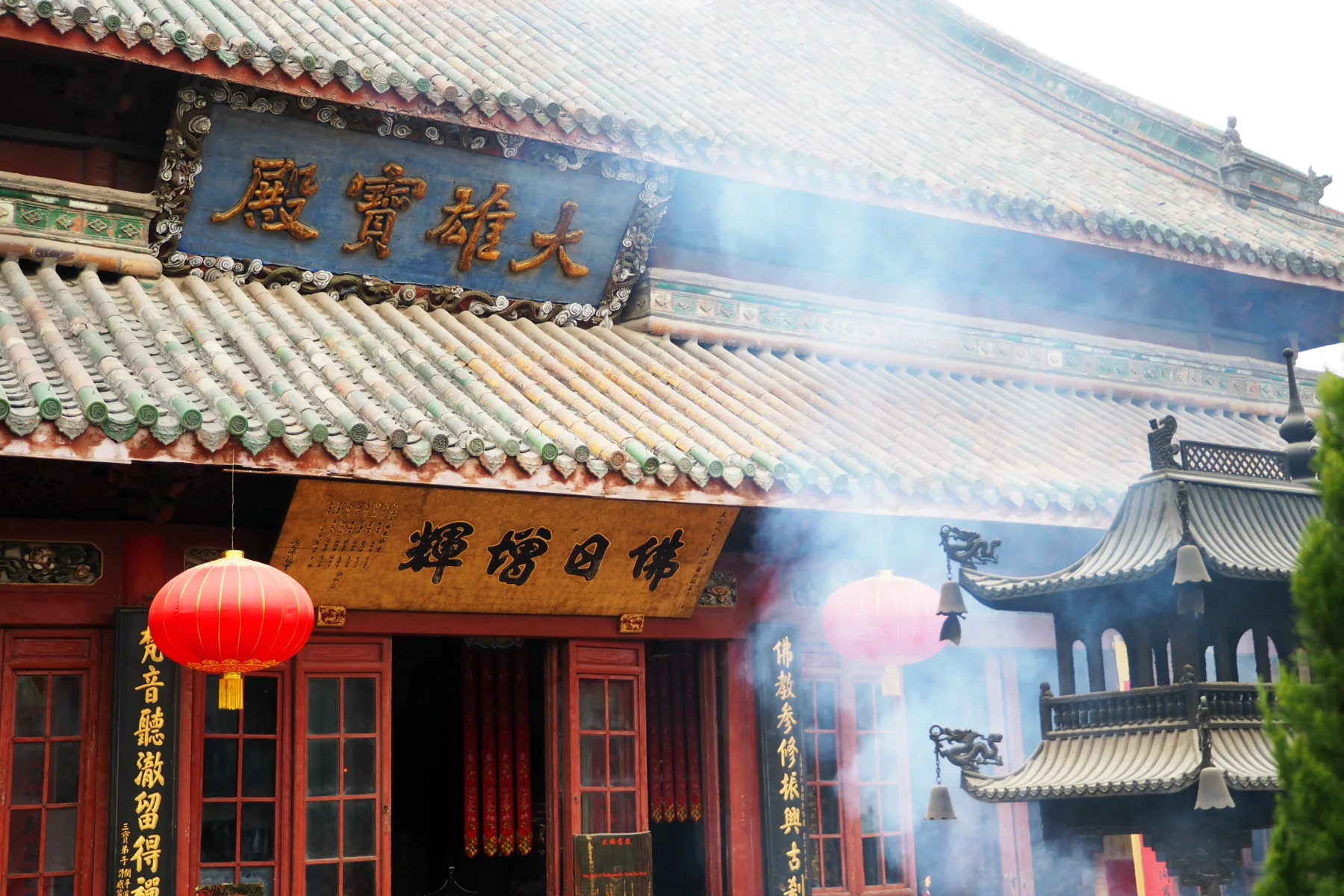
The important continuity is institutional and devotional as much as architectural. Worshippers, monastics, visitors, ritual objects and repeated rebuilding maintain a place whose physical form changed.
Treat active religion respectfully. Observe before photographing, follow hall restrictions and avoid using incense smoke only as an atmospheric effect.
Shanshangan Guild Hall records merchant power in wood and stone
The Shanshangan Guild Hall was associated with merchants from Shanxi, Shaanxi and Gansu. Its elaborate Qing-period carving reveals the wealth, networks and public identity of long-distance commerce.
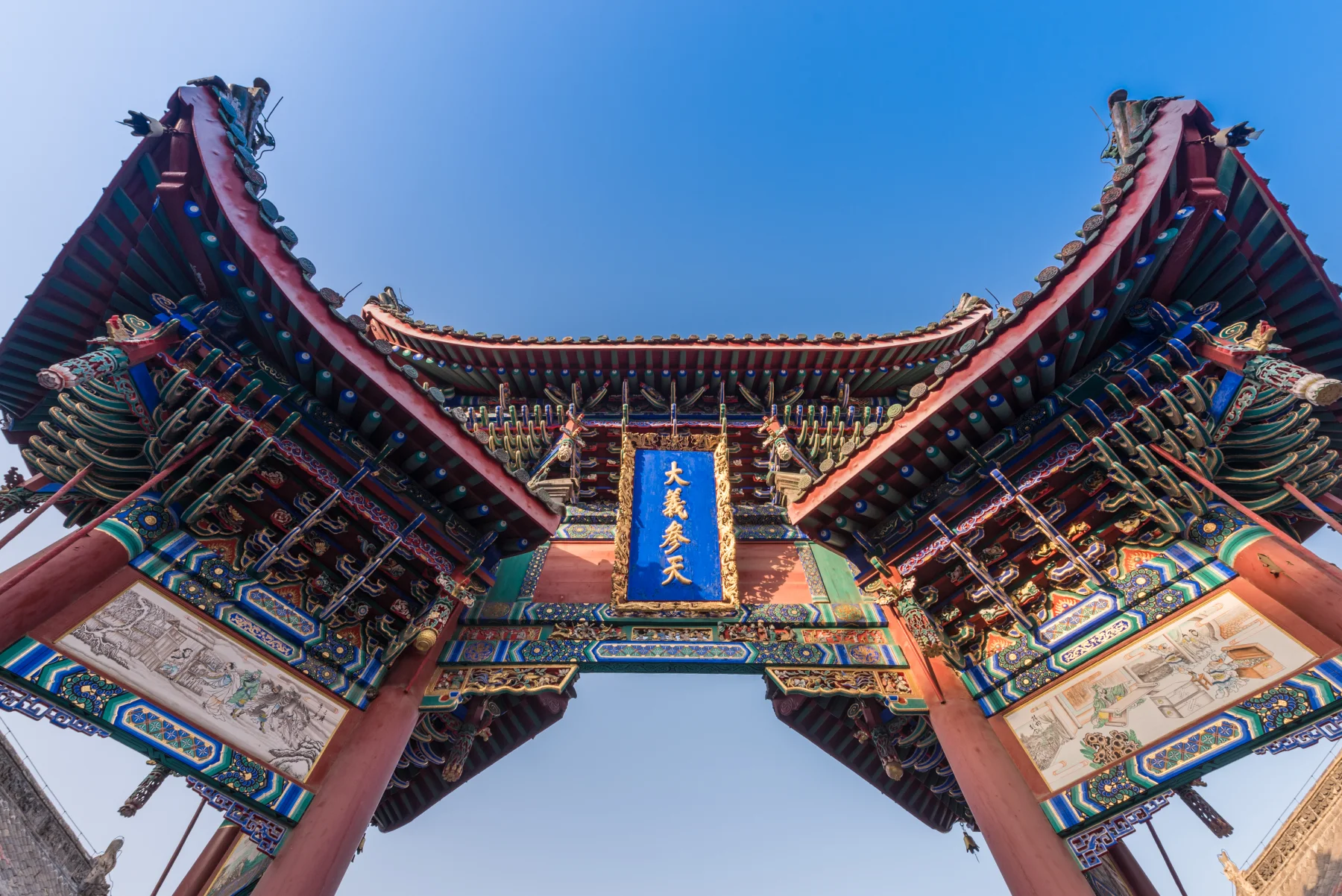
Look beyond decorative abundance. Carved scenes, animals, plants, figures and auspicious motifs communicate relationships and status. The building also asks a social question: how did merchants from elsewhere establish trust, worship, welfare and business connections in Kaifeng?
This site prevents the city from being only Northern Song. Kaifeng remained connected to regional trade and migration long after it ceased to be an imperial capital.
Bao Zheng is history, law and popular imagination
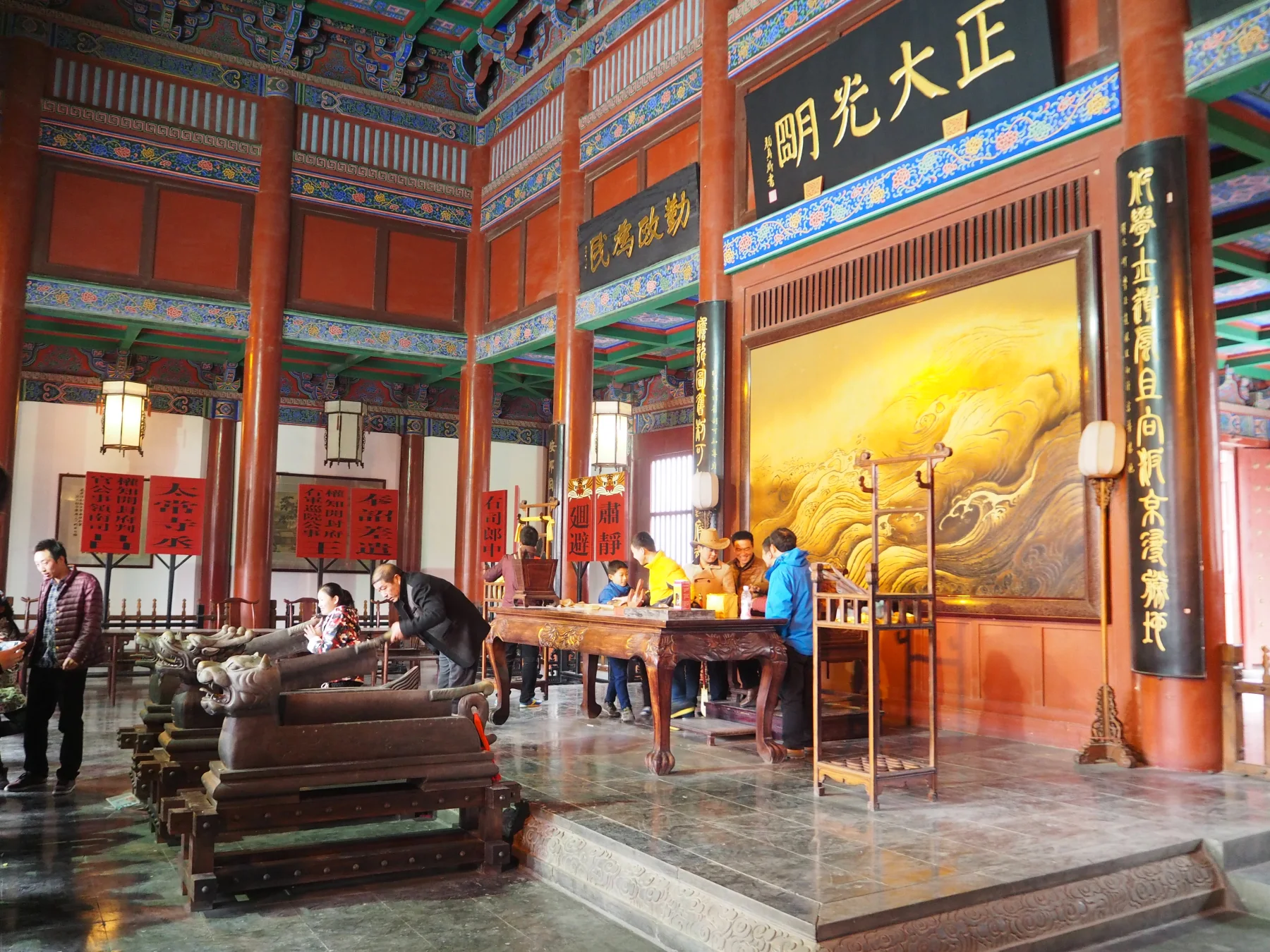
Bao Zheng served as an official in Northern Song government and held office in Kaifeng. Over centuries, drama, storytelling, opera, novels, television and temple culture transformed him into Bao Gong, the black-faced judge who punishes corruption without fear.
The popular figure is not false simply because it is literary. It shows what later audiences wanted justice to look like: direct, incorruptible and powerful enough to discipline elites. But the theatrical cases and execution devices of fiction should not be treated as a complete administrative biography.
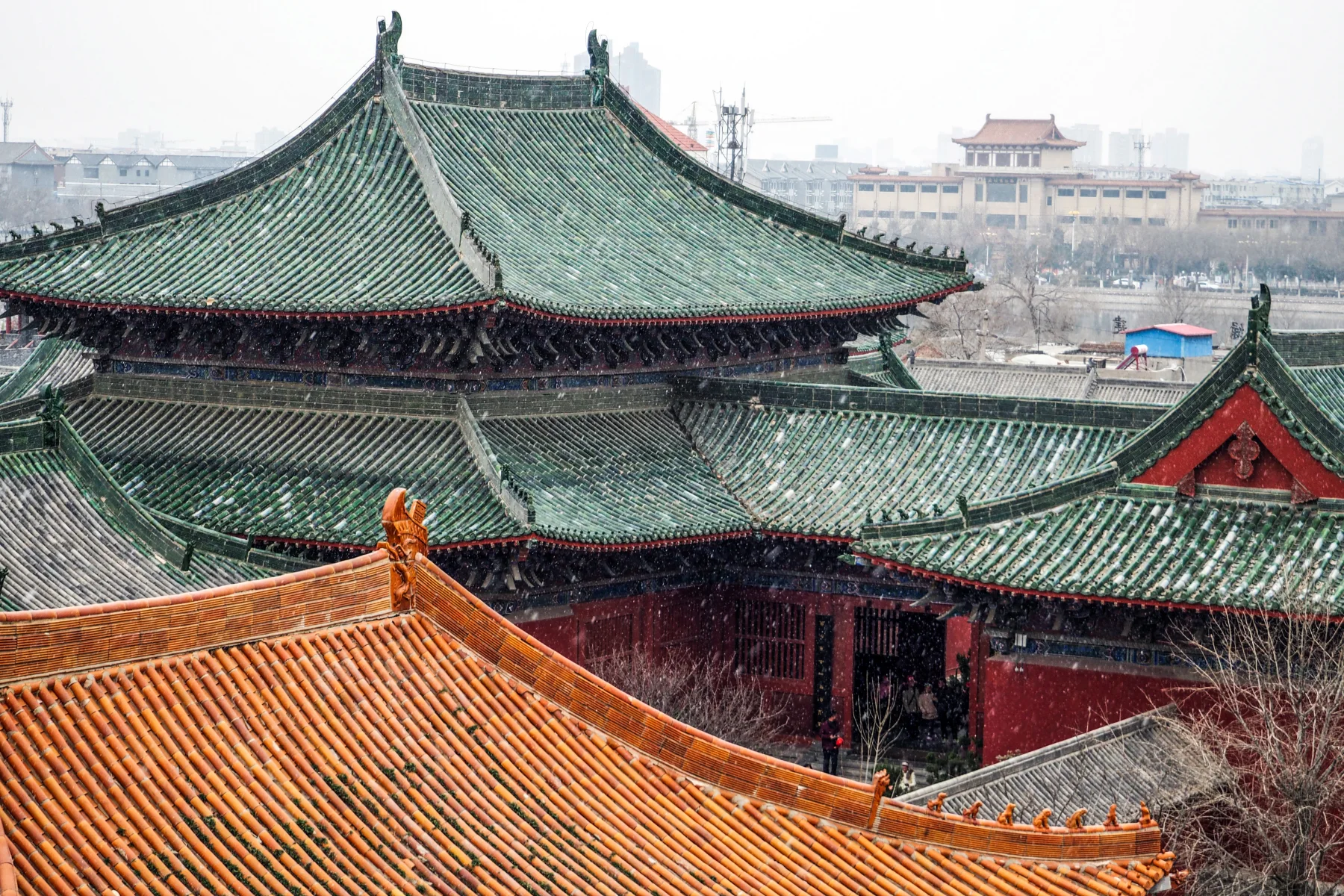
Choose one Bao Zheng site carefully. Kaifeng Fu is a modern reconstruction of the prefectural-office idea, useful for performance and institutional imagination rather than original building fabric.
Longting stands over a political landscape, not an intact Song palace
The Longting area is associated with successive palace and administrative landscapes, but the visible architecture and park are the result of later building and modern presentation. A visitor should not describe the current hall as the preserved Northern Song imperial palace.
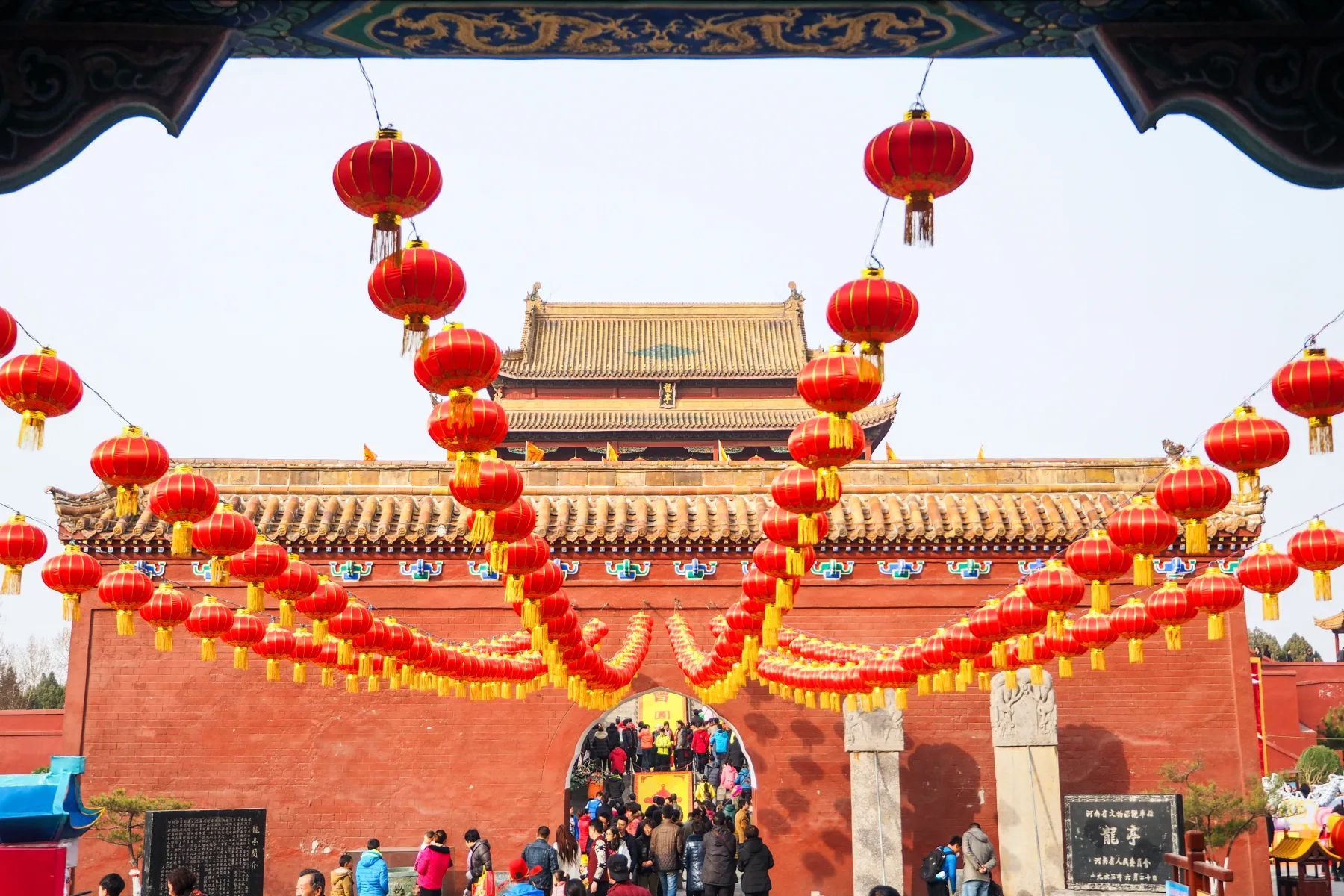
Its elevated axis still helps explain why place matters. Capitals organize approach, height, water and visibility. Read the area as a political landscape with layered memory, then use archaeology and museum plans to imagine what cannot be seen.
Qingming Riverside Garden is a modern historical machine
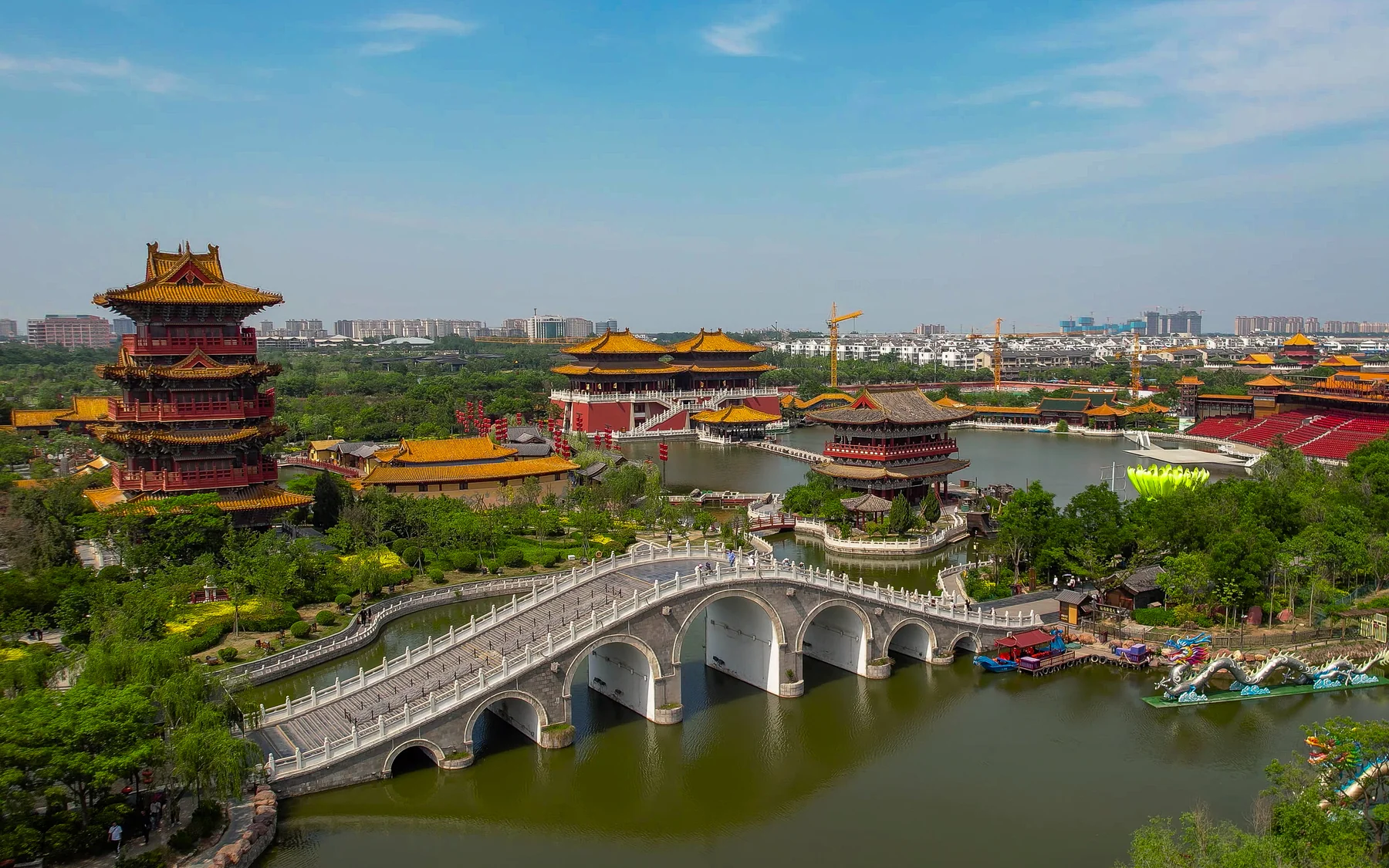
Qingming Riverside Garden is a large modern theme park inspired by the famous handscroll and by popular visions of Northern Song Kaifeng. Its bridges, waterways, performances, shops, costumes and reconstructed streets turn a horizontal painting into a space visitors can enter.
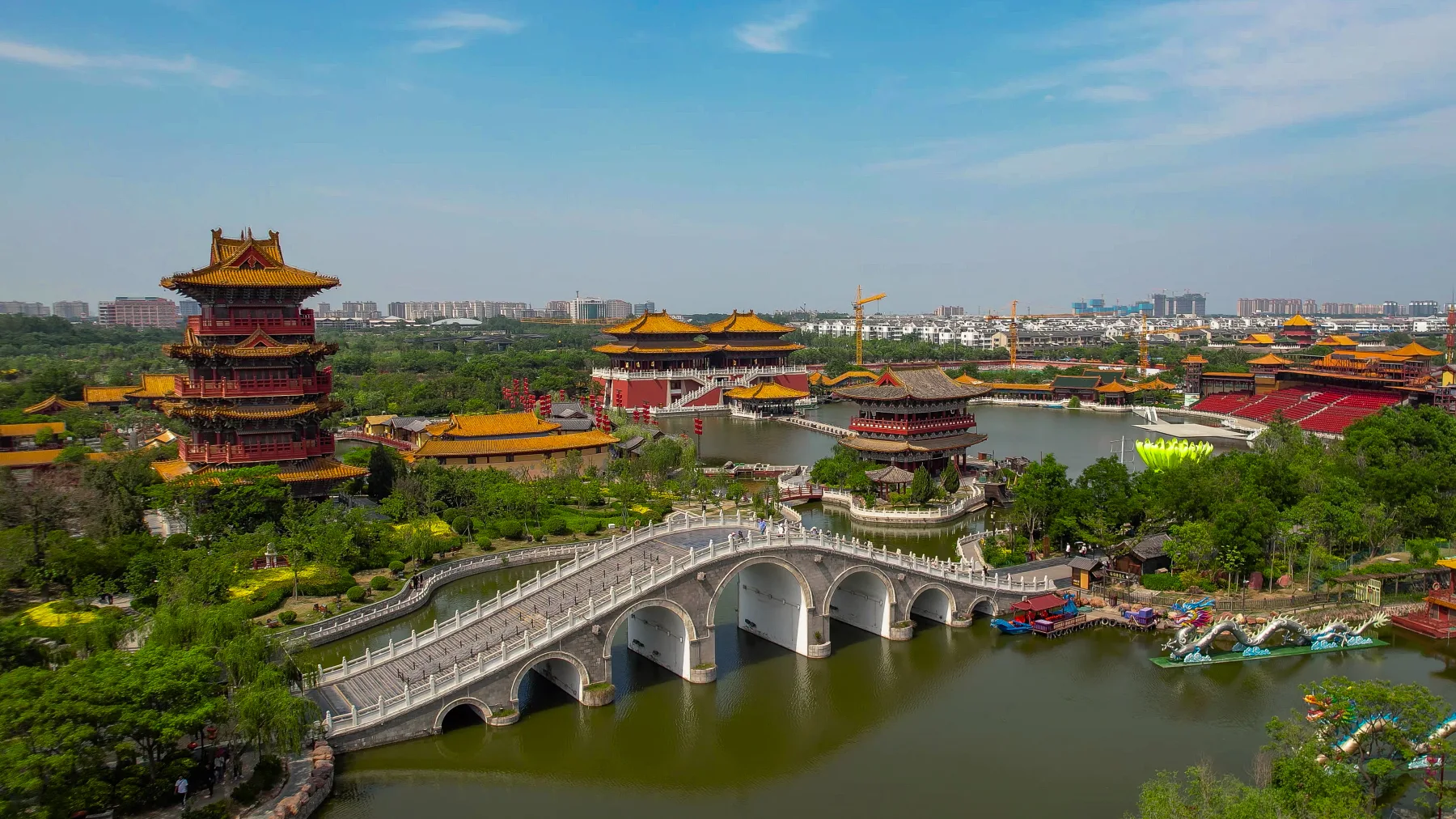
This is not an archaeological reconstruction in which every building has been established by excavation. It is a creative tourism environment. That label should free visitors to ask better questions: Which scenes come from the scroll? Which come from later fiction? Which are designed for crowd flow, restaurants and night performances?
Historical site versus theme-park experience
| Question | Iron Pagoda / archaeological evidence | Qingming Riverside Garden |
|---|---|---|
| What is original? | Surviving material or excavated context from a documented period | The modern park and its contemporary performance culture |
| Main value | Evidence, chronology, material and conservation | Immersion, entertainment and public imagination |
| Best behavior | Slow looking, labels, material study and respect for conservation | Enjoy performances while remembering the setting is interpretive |
| Main mistake | Ignoring a quiet monument because it lacks spectacle | Calling every building and costume authentically Song |
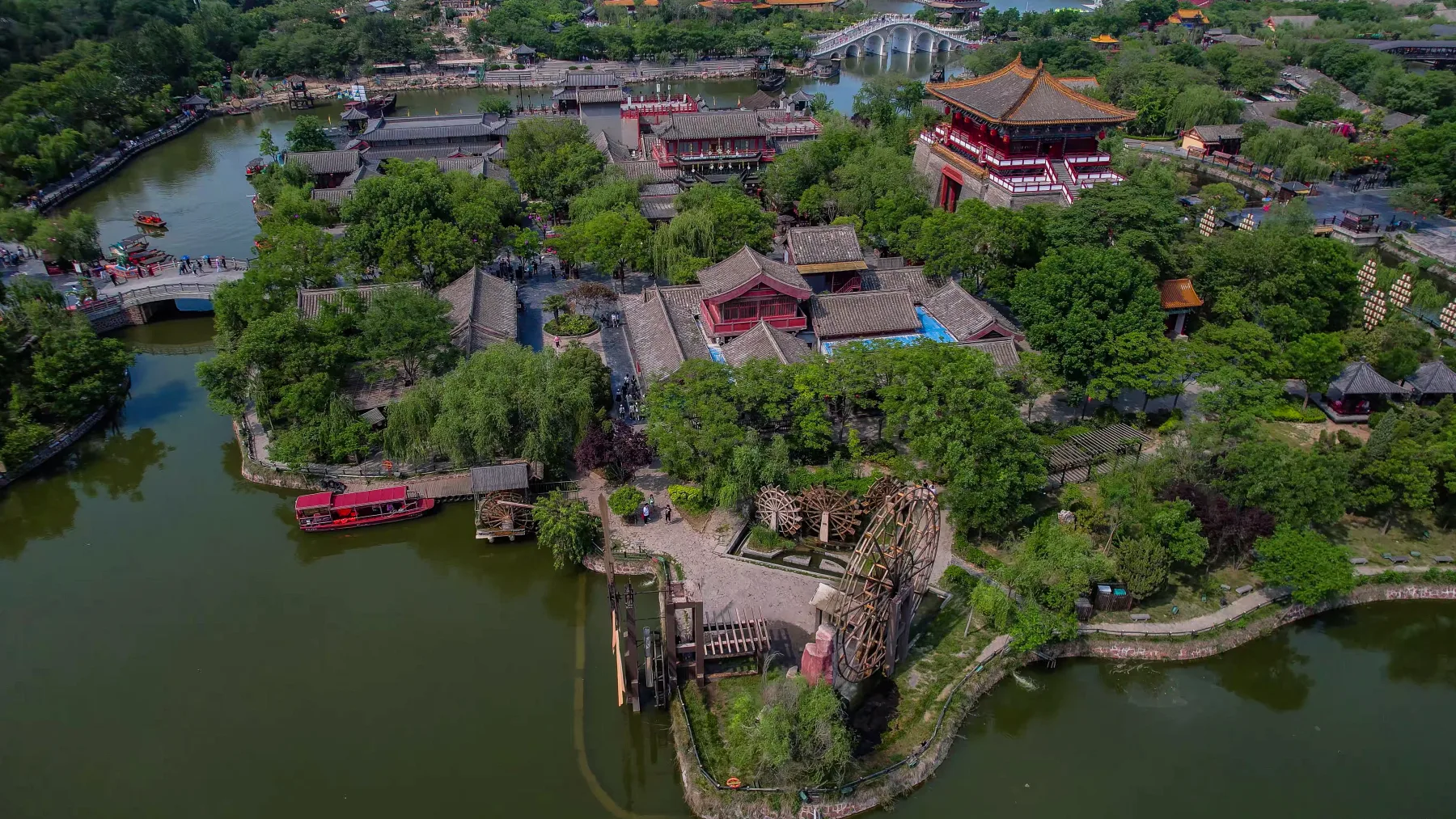
The park becomes most persuasive after dark, when lighting and performance hide the seams between structures and produce a unified dream of Bianjing.
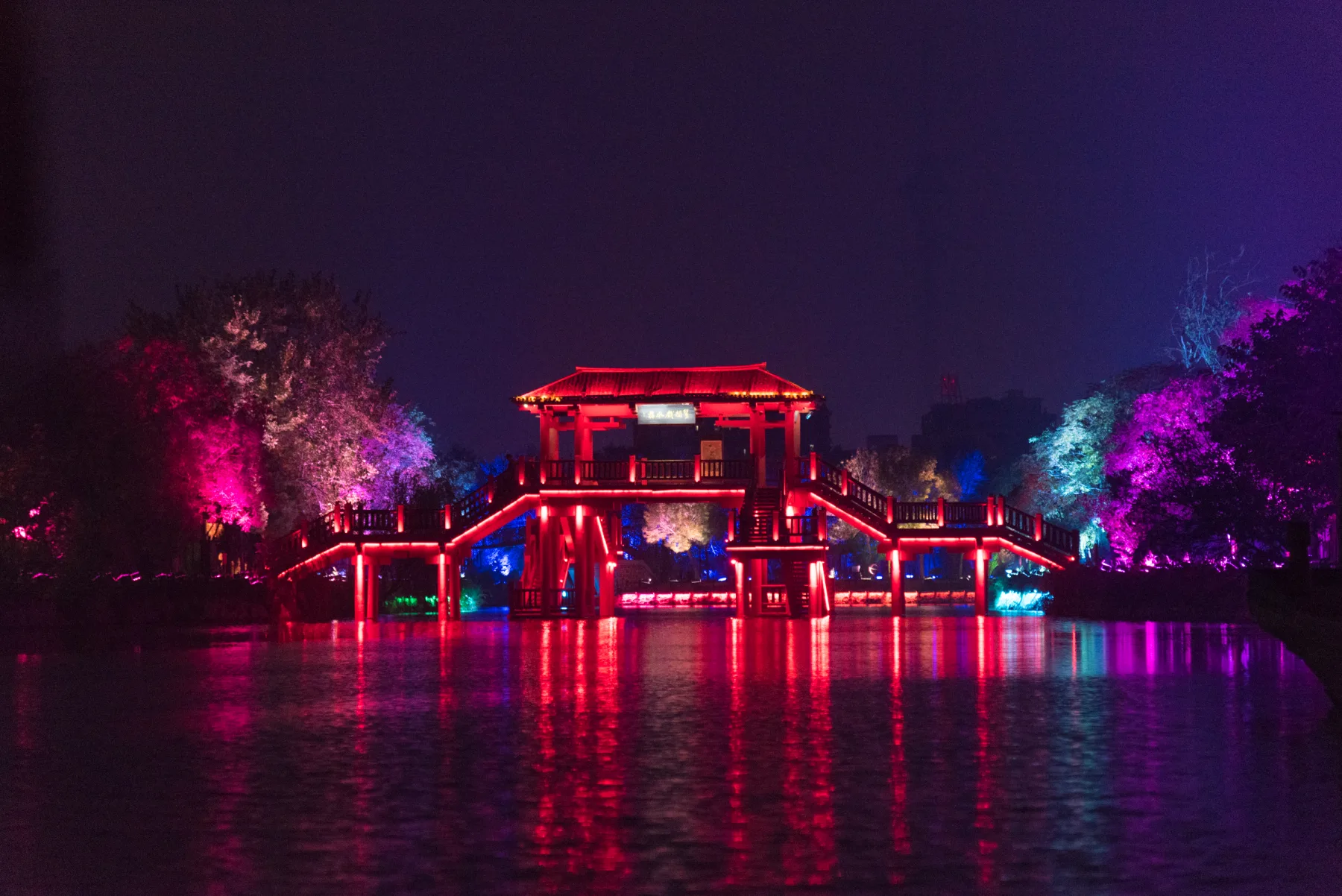
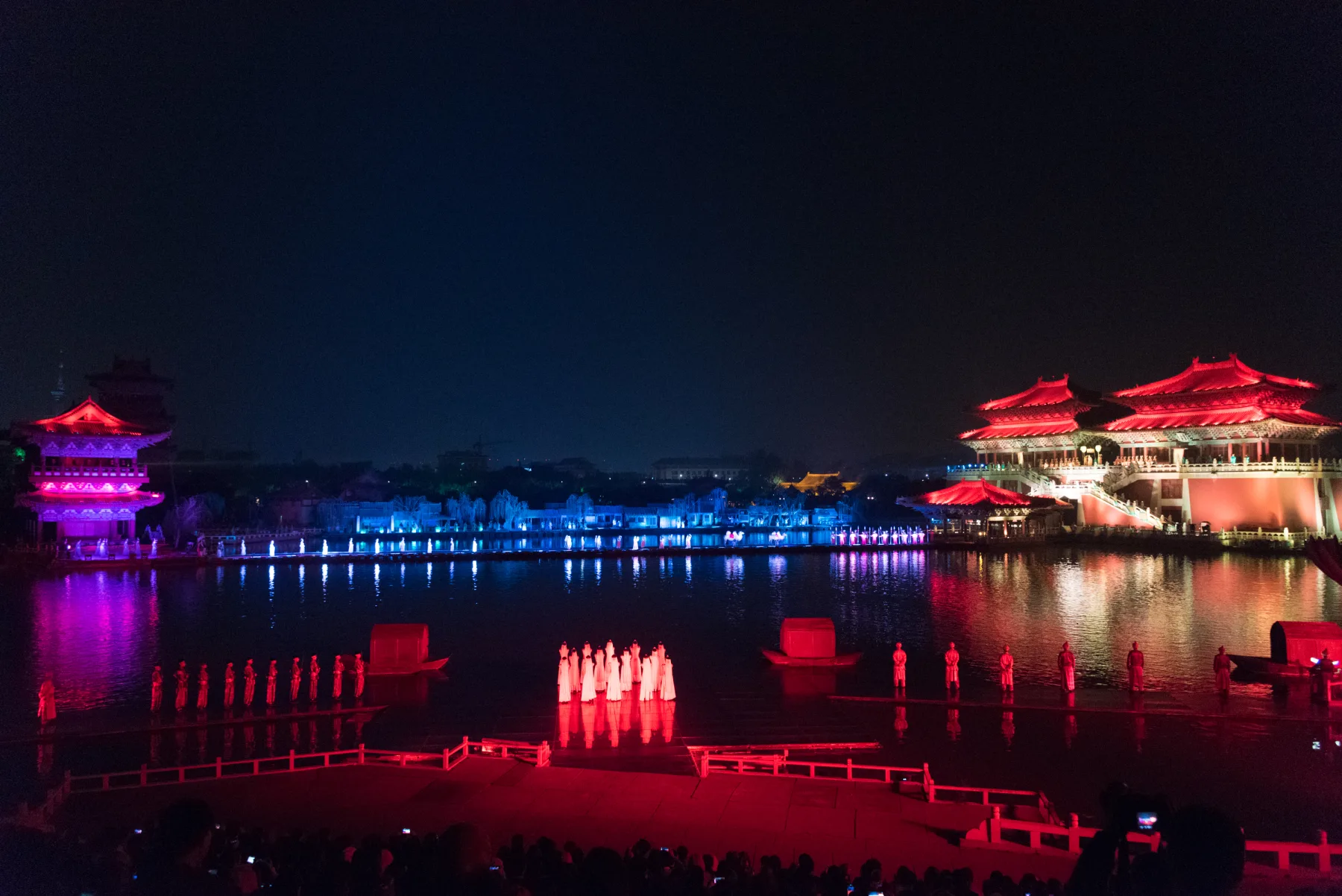
Allow half or a full day only if this kind of experience interests you. Culture-focused travelers should not sacrifice the museum, Iron Pagoda and guild hall merely because the park is larger and stays open later.
The Yellow River created wealth and catastrophe
The Yellow River runs north of central Kaifeng. River and canal connections helped supply the capital, but flooding and sediment repeatedly reshaped the city. Dikes, channels and transport infrastructure were political systems, not just natural scenery.
The catastrophic flood of 1642 occurred during warfare, when dikes were breached amid the siege. Accounts debate responsibility and numbers, but the destruction and mass death were real. Treat it as human disaster rather than a dramatic anecdote about a buried city.
Modern embankments, flood control and water diversion continue this history. A river excursion is useful only when it explains sediment, elevation, dikes and settlement. A generic scenic viewpoint does not automatically reveal the system.
Kaifeng's Jewish history requires care
Kaifeng supported a Jewish community whose history is documented through Chinese inscriptions, genealogies, outside accounts and surviving descendants. A synagogue once stood in the city, but it no longer survives as an intact historical complex.
The community adapted to Chinese language, dress, surnames and social structures while maintaining forms of Jewish identity for centuries. Its history should not be framed as an exotic mystery or as proof that assimilation happened without loss.
Access to related sites and community information can be sensitive and change over time. Use reputable scholarship, avoid intrusive photography and do not seek out private individuals as tourist attractions.
Night markets are real urban life and a powerful brand
Kaifeng markets food aggressively through its Northern Song identity. Historical sources support a lively commercial and nighttime culture in the capital, but a present-day night market is not an unchanged thousand-year-old institution.
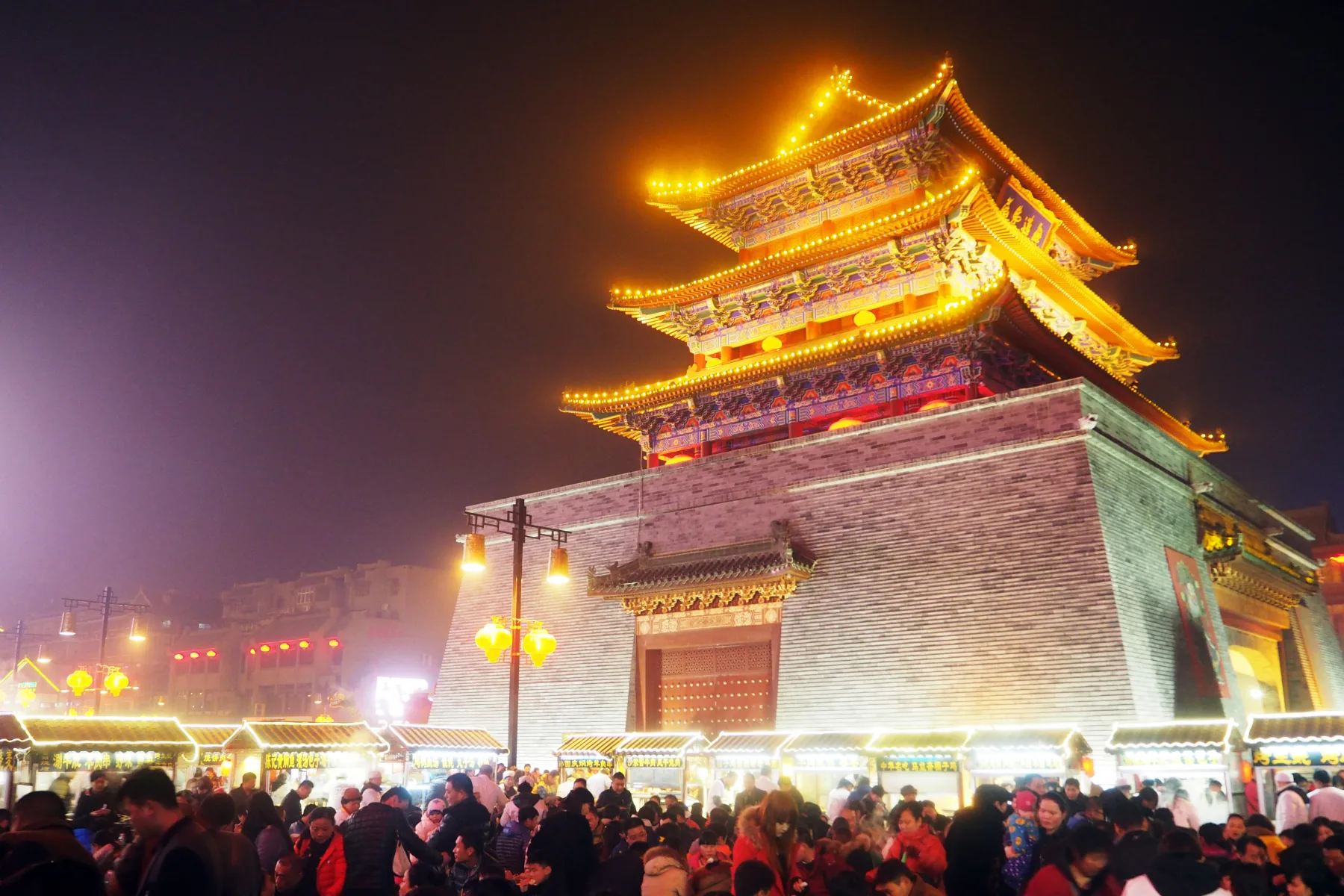
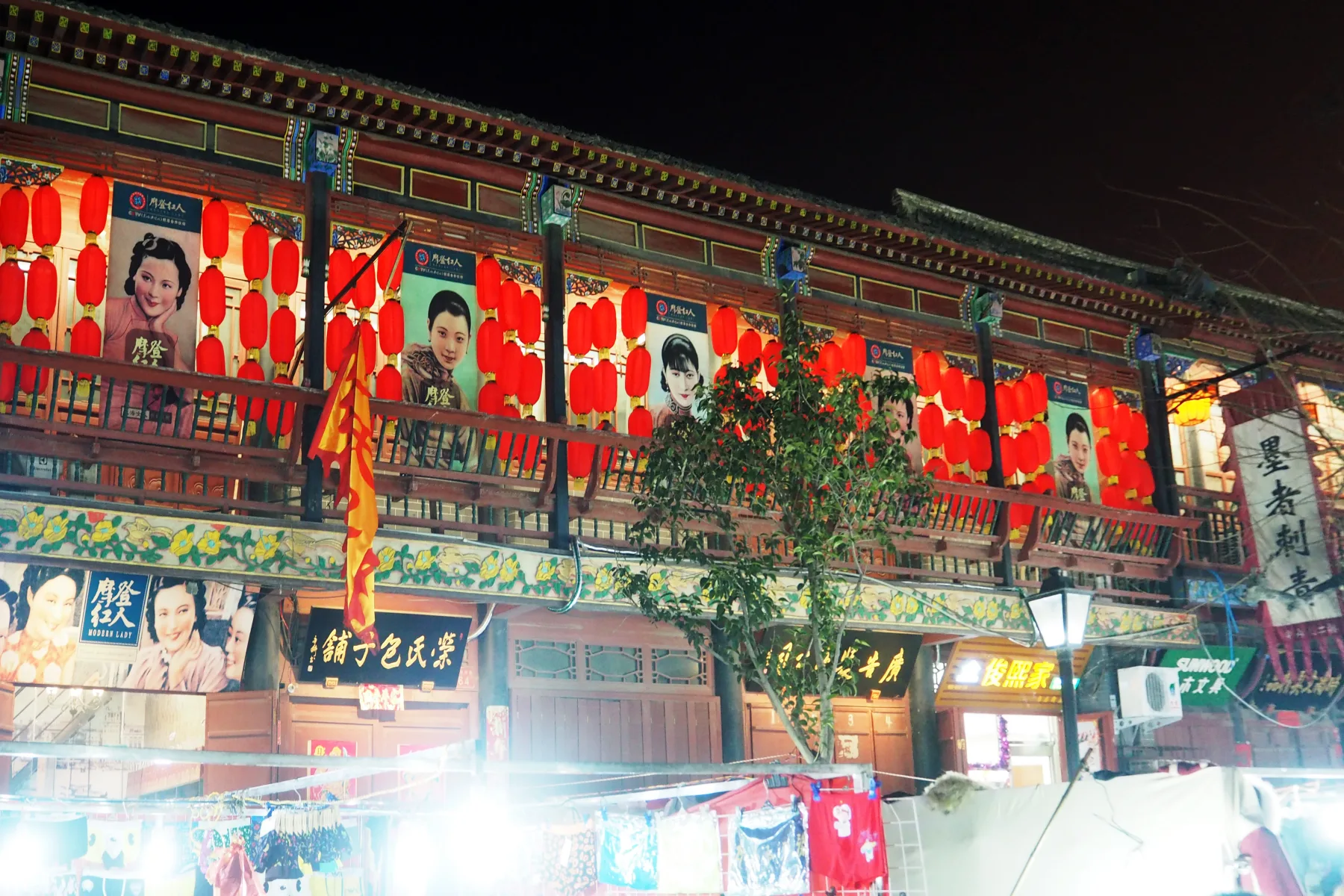
Visit one famous market for scale, then eat in a morning shop or residential district. The contrast reveals what is designed for visitors and what residents repeat throughout the week. Our Kaifeng food guide explains how to pace the city's dense list of snacks.
Chrysanthemums turn the city into a seasonal exhibition
Kaifeng has a long association with chrysanthemum cultivation and display. Autumn exhibitions transform parks and public spaces through cultivar competitions, shaped beds, sculpture-like arrangements and mass tourism.
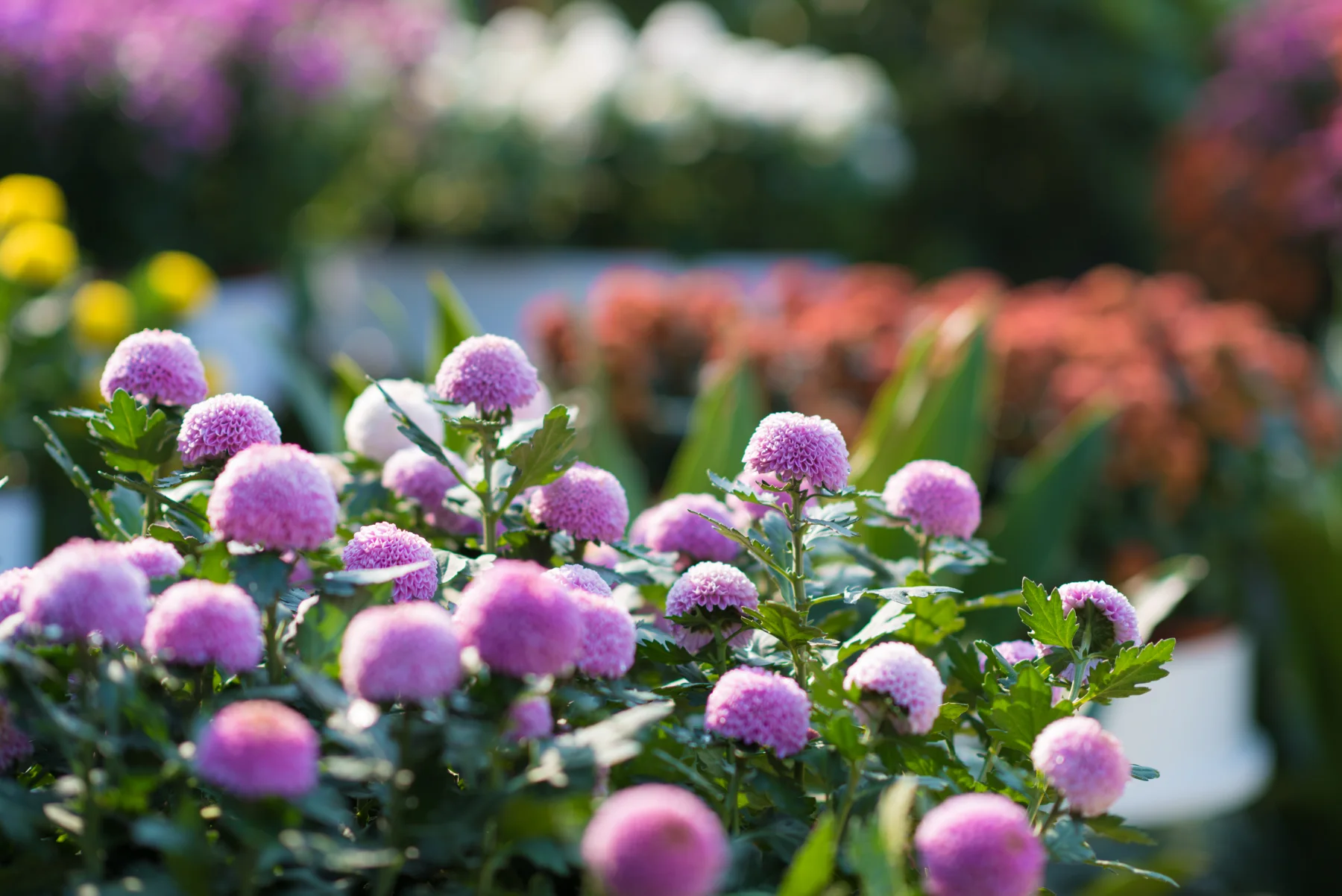
The flower carries literary associations with autumn, endurance and reclusion, but the modern festival is also horticultural industry, civic branding and public entertainment. Check current dates and display locations because peak quality changes with weather.
Lantern events create another seasonal city. They are contemporary public festivals even when they draw on older forms.
Young Kaifeng works with history rather than escaping it
Costume rental, historical performance, short video, food businesses and festival production employ many younger residents. This can look like nostalgia, but it is also a contemporary creative economy built around a city with limited access to the scale of opportunity found in Zhengzhou or coastal metros.
Universities, cafes, music spaces and neighborhood restaurants exist beyond the theme parks. The strongest evening combines one formal performance with somewhere unprogrammed: a student district, a local restaurant or a walk where ordinary residential Kaifeng remains visible.
Plan the visit on the travel page
This page owns Kaifeng's cultural question: how a buried Northern Song capital survives through archaeology, monuments, texts, food, legend and modern performance. The separate travel to Kaifeng guide owns hotel areas, rail stations, trip length, daily sequencing, seasons and the decision to include Qingming Riverside Garden.
Continue to the Kaifeng food guide for breakfast, soup dumplings and night-market pacing. That separation keeps this page focused on evidence and memory instead of becoming a second practical itinerary.
Frequently asked questions about Kaifeng
What defines Kaifeng culture?
Kaifeng culture is shaped by memory of the Northern Song capital, Yellow River floods, surviving pagodas, later religious and merchant institutions, Bao Zheng's cultural afterlife, food markets and modern performances of Song urban life.
Why is the Northern Song city difficult to see in Kaifeng today?
Flood deposits, warfare and repeated rebuilding raised ground levels and transformed the city. The Northern Song capital is therefore understood through archaeology, surviving monuments, objects, texts and later visual imagination rather than one intact old district.
Was Kaifeng the capital of the Song dynasty?
Kaifeng, then known as Bianjing or Dongjing, was the capital of the Northern Song from 960 until the Jurchen conquest in 1127. The Southern Song subsequently established its principal capital at Lin'an, present-day Hangzhou.
Is Qingming Riverside Garden an original Song-dynasty site?
No. Qingming Riverside Garden is a modern cultural theme park inspired by the famous handscroll Along the River During the Qingming Festival and by popular images of Northern Song urban life. It can be engaging, but its buildings, performances and street scenes should not be described as an intact Song city.
What original Song architecture survives in Kaifeng?
The Iron Pagoda, completed in 1049, is Kaifeng's most prominent surviving Northern Song monument. The earlier Fan Pagoda also preserves important Song fabric. Many other famous sites represent institutions with long histories but buildings reconstructed or renewed in later periods.
Can you visit Kaifeng from Zhengzhou in one day?
Yes, rail connections make a day trip possible, but one day forces major choices. Stay overnight if you want museums, daytime monuments, a night market and a historically careful visit to Qingming Riverside Garden without rushing between stations.
Kaifeng is deepest where the Song city is least visible
Kaifeng asks travelers to resist easy visual proof. The Northern Song capital survives through a pagoda, buried roads, excavated walls, objects, texts and a handscroll that was never simply a map. Modern parks then rebuild the city as performance, allowing millions of people to imagine what archaeology cannot make whole.
Both forms matter. The key is to name them correctly. Study the Iron Pagoda as material, the museum as evidence, the guild hall as later commerce and Qingming Riverside Garden as contemporary historical creativity. Kaifeng becomes richer when no single dynasty is allowed to swallow the entire city.