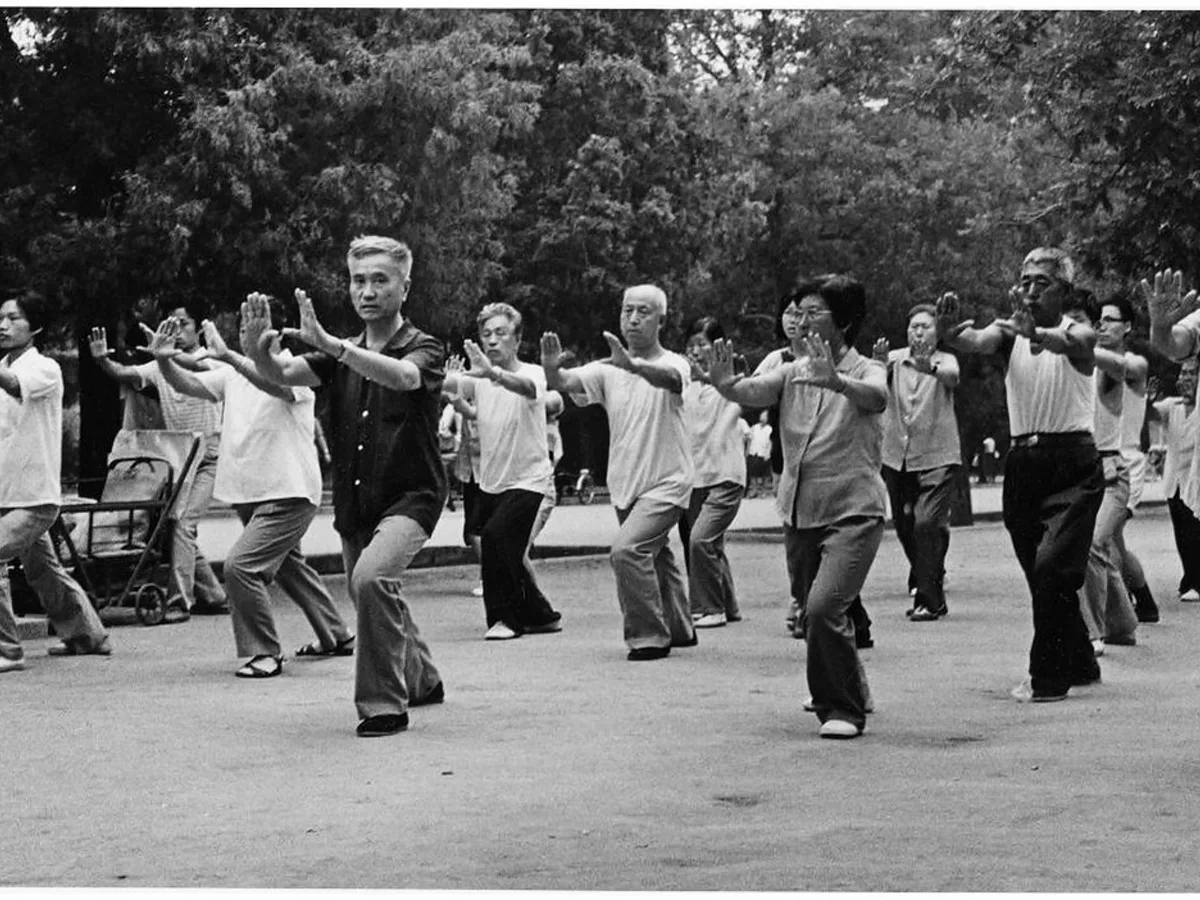
Tai Chi: History, Meaning, Styles and Living Practice
What is tai chi? Explore its Chinese martial roots, major styles, movement principles, modern practice and cultural meaning without exaggerated health claims.
Read the deep guide
Purpose · lineage · body · consequence
Tai chi, kung fu, wushu and related movement traditions explored through history, training communities and changing practice around the world.
Choose the training question12 published guides across 4 core paths.
Ask what the training is for
Chinese martial arts include combat, self-cultivation, health practice, performance, sport and screen imagination. A slow form and a sanda bout do not fail the same test. Name the training purpose, lineage claim, body method and evidence before ranking a style.
The international federation provides formal sport definitions and competition context; it cannot authenticate every lineage or reduce Chinese martial arts to competition wushu. International Wushu Federation
Published guides, organized by intent
A collection page must do more than list recent posts. Choose the question that brought you here, open a focused guide, then keep moving through works, people and related cultural context without returning to search.
6 published guides
Combat practice, health-oriented movement, performance and regulated sport answer different questions. These guides establish history, body method and training purpose before any style is praised, dismissed or turned into cinema shorthand.
What is tai chi? Explore its Chinese martial roots, major styles, movement principles, modern practice and cultural meaning without exaggerated health claims.
Read the deep guide
Chinese kung fu explained without the movie fog: what the term means, why it is not one style, and how to choose between history, training, Shaolin, Tai Chi and screen culture.
Read the deep guide
Kung fu history explained: why kung fu is Chinese, what the word actually means, how martial arts traditions developed and where Shaolin fits.
Read the deep guideA readable guide to kung fu styles, from Shaolin and Wing Chun to Tai Chi, Bajiquan and modern wushu, with practical cultural context.
Read the deep guide
Shaolin kung fu explained through Songshan temple culture, training, Buddhist memory, modern performance and the myths cinema made global.
Read the deep guide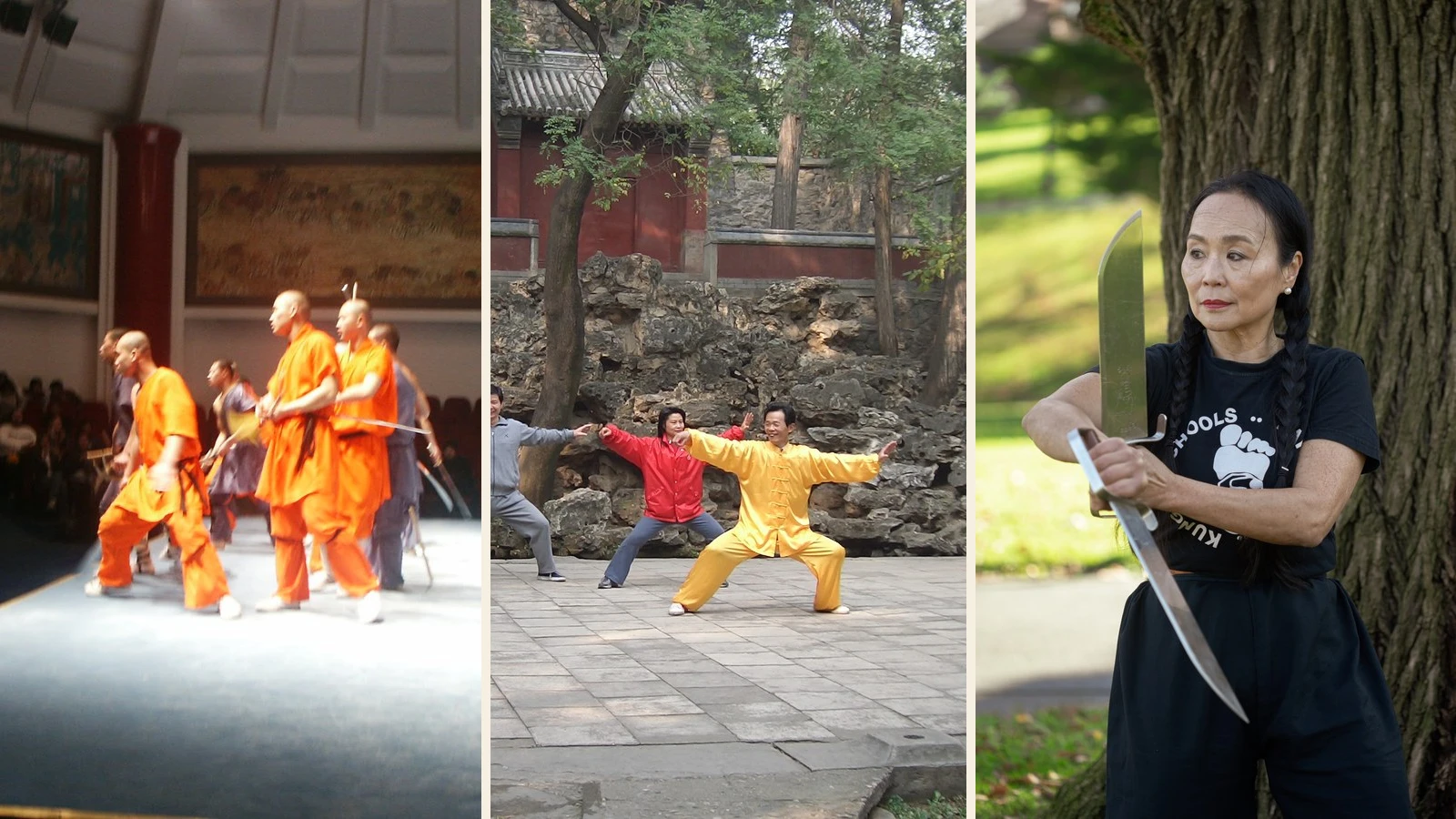
Wushu explained through its two competitive arenas: taolu routines and sanda fighting, with a clear guide to events, judging, culture and what each discipline proves.
Read the deep guide4 published guides
Jian, dao, spear and empty-hand practice do not share one rhythm. Follow the weapon's physical demands and training context before borrowing the heroic meaning that novels, opera and film have layered onto it.
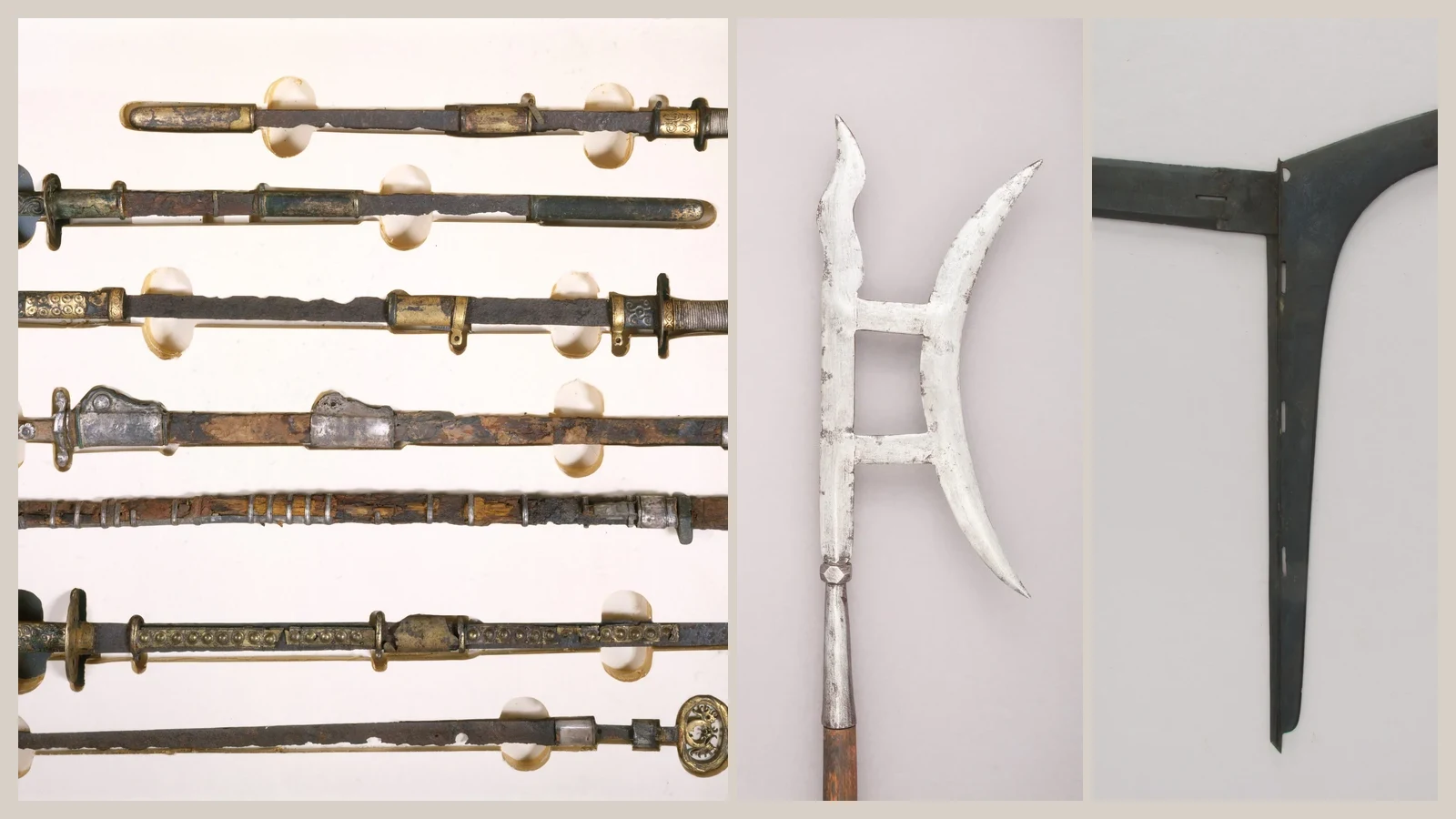
A visual guide to Chinese martial arts weapons, from the jian and dao to the staff and spear, explained through movement, distance, film and game design.
Read the deep guide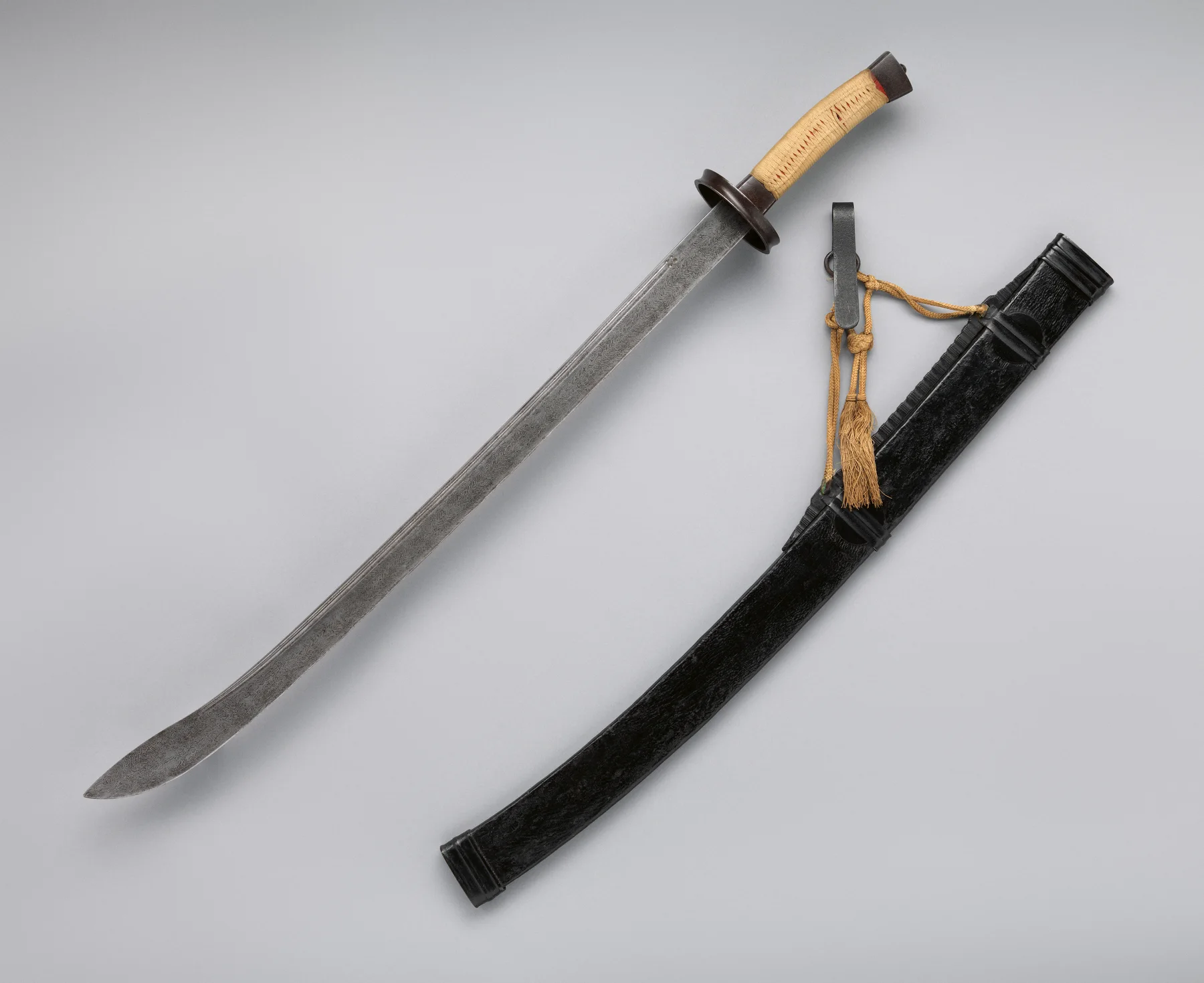
Jian sword versus dao sword explained through blade geometry, historical objects, wushu, wuxia, film and games—without reducing Chinese swords to stereotypes.
Read the deep guide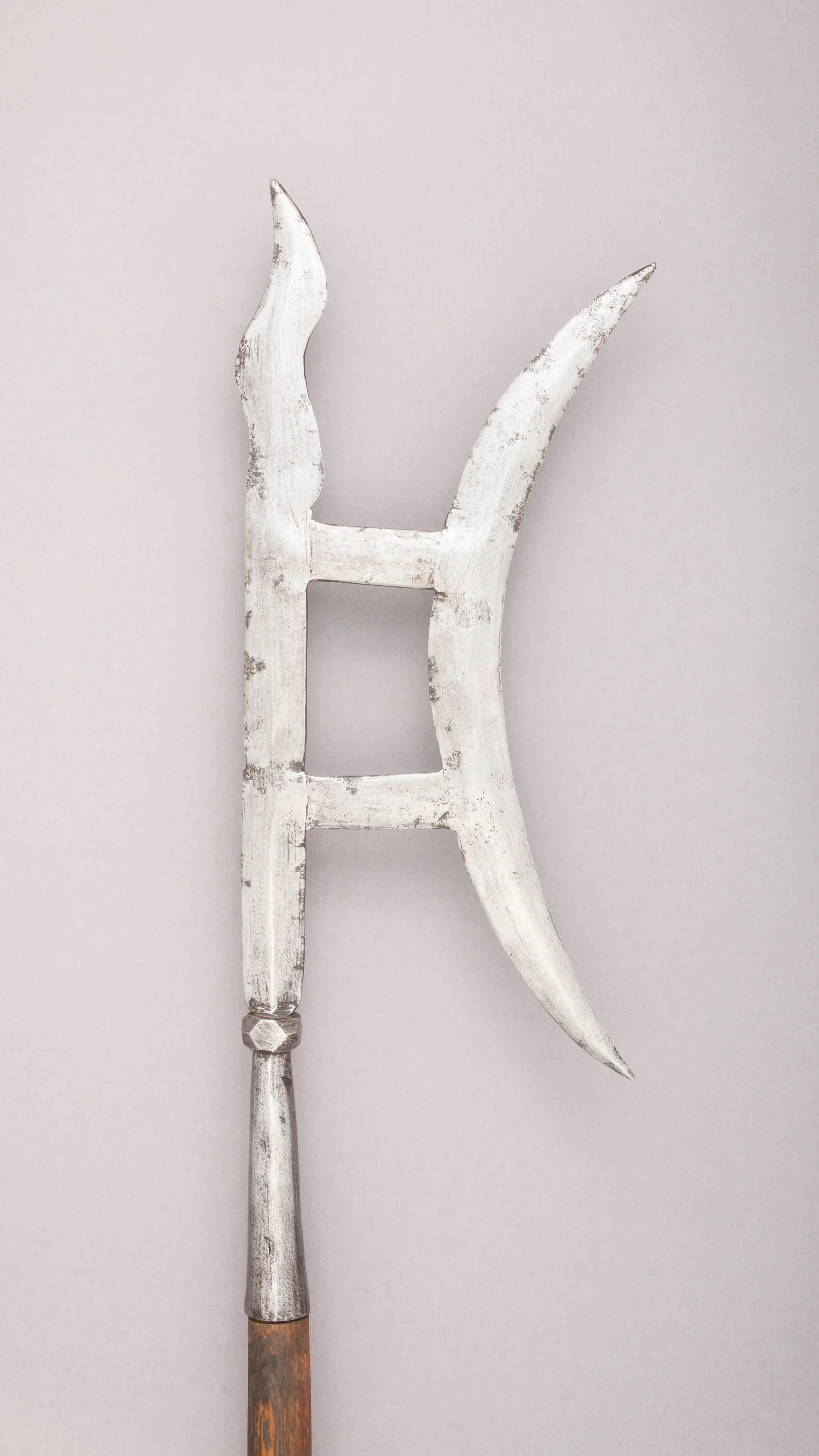
Understand the Chinese spear through museum objects, qiangshu, the red tassel, spear versus staff, and the visual language films and games often exaggerate.
Read the deep guide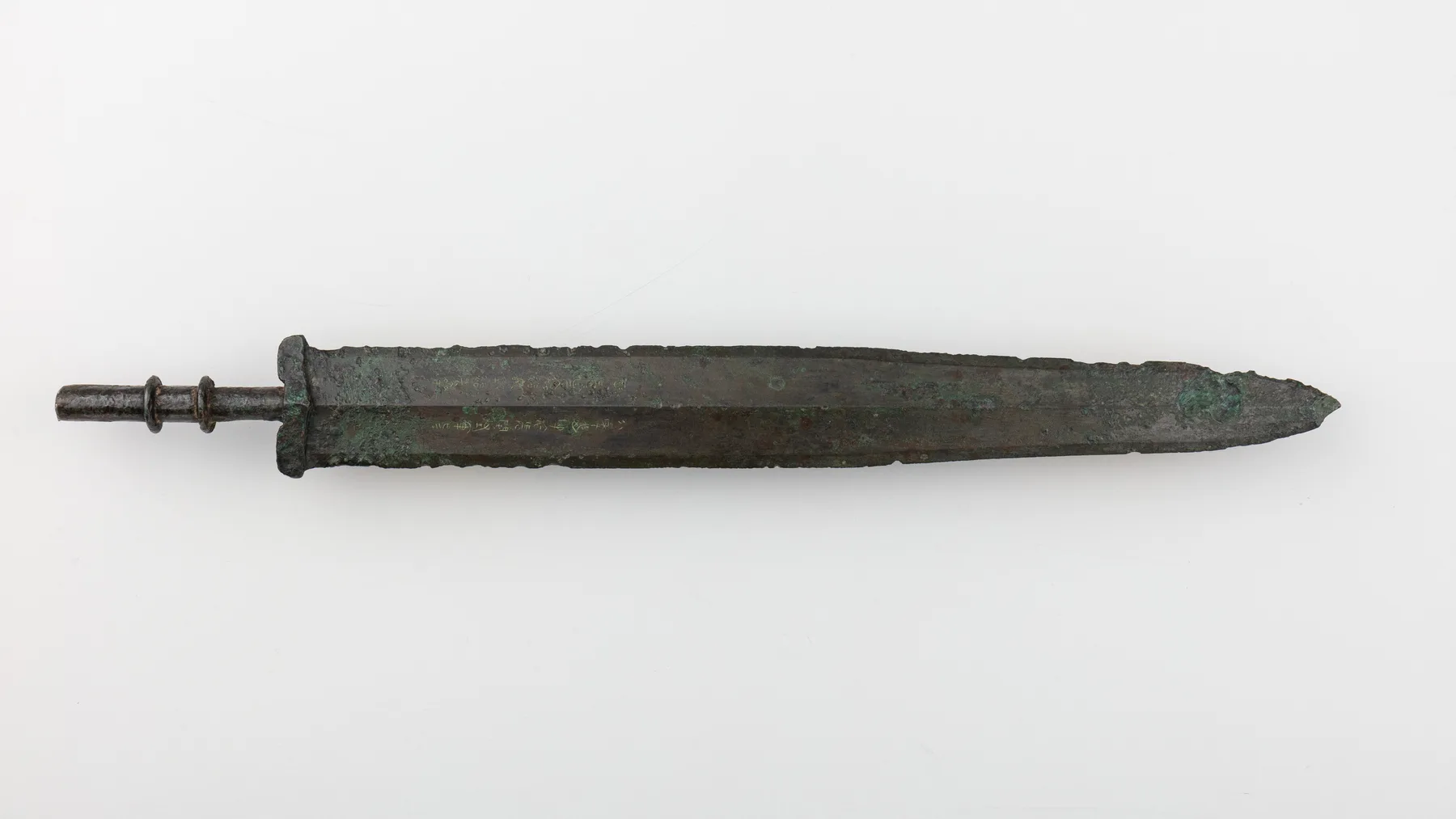
Understand Chinese swordsmanship through body alignment, distance, recovery, museum swords, modern jianshu, wuxia and screen choreography.
Read the deep guide2 published guides
Jianghu ethics, cultivated bodies and supernatural ascent borrow from real traditions without documenting them. Read the genres seriously as moral imagination while keeping fiction and embodied practice unmistakably separate.
What does wuxia mean? A clear cultural guide to xia, jianghu, wandering heroes, loyalty, martial ethics and the stories behind the label.
Read the deep guideXianxia vs wuxia explained through power scale, morality, worldbuilding and representative Chinese dramas, donghua and games.
Read the deep guidePurpose before prestige
Chinese martial arts are routinely forced into one false contest: which style wins. The question is childish until purpose, rules, distance, equipment, training partners and evidence are named. A taijiquan form in a park, a sanda bout, a wushu taolu, a weapons set, a self-defence class and a lineage practice are not failed versions of one another. They train different capacities under different conditions. I admire the beauty of Chinese martial arts, but admiration becomes honest only when cinema, health, sport, combat and heritage stop borrowing proof from each other.
Kung fu in English usually points toward Chinese martial arts, especially through Hong Kong cinema. In Chinese, gongfu can refer more broadly to skill earned through time. Wushu literally concerns martial methods and can name the broad field, while modern competitive wushu identifies organized taolu and sanda systems. These meanings overlap in ordinary speech, but context decides which one is active.
That vocabulary matters because translation can smuggle in a false category. A school advertising traditional kung fu may teach forms, conditioning, partner drills, weapons, performance or applications in different proportions. A wushu athlete may train extraordinary speed, flexibility and spatial control without claiming that a judged routine is an unregulated fight. A tai chi class may emphasize health and balance while another maintains martial partner work.
I refuse to rank the whole field with one scoreboard. The honest comparison starts inside the claim. If a school promises combat effectiveness, test partner resistance and rules. If it promises balance or mobility, ask for the population, outcome and qualified evidence. If it preserves a form, judge transmission, precision and meaning. Clear categories do not diminish martial arts; they rescue real skill from fantasy.
Use formal sport definitions and competition context without treating one federation as proof of every lineage, health claim or combat application. International Wushu Federation
Forms can organize posture, sequencing, balance, coordination, breathing, rhythm and cultural memory. They let a practitioner repeat complex material without injuring a partner. At high level, they reveal physical control that deserves respect. What they do not prove by themselves is adaptation against an unwilling person whose timing, distance and intention keep changing.
Partner work changes the question. Fixed drills can teach alignment and an initial response; progressive resistance reveals whether the response survives variation. Sparring introduces decision, fear, fatigue and consequence under rules. Competition further clarifies the test by making constraints public. No single layer is complete, but each should be named honestly instead of hidden behind a story about secret technique.
The most trustworthy teacher I can imagine is not the person who wins every demonstration. It is the person who explains what a drill develops, what it excludes, how intensity progresses and how safety is managed. Mystery can preserve wonder. It can also protect weak instruction. When every failure is blamed on the student or on rules that forbid the real technique, credibility has already left the room.
Slow movement exposes transfer, alignment and balance because momentum cannot hide every mistake. Repetition can cultivate attention and make a social routine sustainable across age groups. Those are meaningful qualities. They do not justify claims that one form cures disease, defeats any attacker or transmits force without physical contact.
Health research must remain outcome-specific. Evidence about balance or fall prevention in some groups cannot be stretched into a universal treatment statement. A class also has practical risks: unsuitable depth, unstable surfaces, fatigue and instruction that ignores a participant's condition. Cultural familiarity is not a substitute for qualified care.
I prefer tai chi without the defensive mythology. A body learning to shift weight deliberately is already worth watching. A group returning to the same park can create discipline and companionship. Push-hands practice can explore sensitivity and structure under a particular rule set. None of this needs a supernatural story. Precision is a stronger form of respect.
Martial lineages can carry technique, pedagogy, community and moral identity. They can also be reconstructed, commercialized or simplified. A famous temple, legendary founder or old name may establish cultural importance without proving that every modern method descends unchanged from one origin. Historical claims need documents, material evidence and comparison across periods.
Shaolin is a powerful example because institution, religion, fighting practice, theatre, tourism and film memory occupy the same name. Treating that complexity as corruption misses how traditions actually survive. Treating every modern performance as ancient continuity is equally careless. The useful history asks what changed, who transmitted it and which new institution gave the practice another life.
Lineage deserves neither automatic belief nor automatic ridicule. A teacher's inherited sequence may matter deeply even when a heroic origin cannot be verified. We can value the social and technical continuity that is visible while narrowing the historical claim. That distinction lets practitioners keep meaning without asking outsiders to suspend evidence.
A sword in wuxia can make loyalty visible. Wire-assisted flight can externalize moral freedom. A close-range exchange can turn friendship, betrayal or restraint into rhythm. These are cinematic truths, not training demonstrations. The mistake is not enjoying them. The mistake is using genre grammar as evidence for bodies outside the frame.
Weapons make the boundary sharper. Jian, dao and spear alter distance, hand use, timing and risk. Museum objects can establish material form and period; a modern routine can show one performance vocabulary; a film can create a heroic silhouette. None alone proves historical battlefield method. The evidence must stay attached to the question it can answer.
My recommended route is therefore experiential and strict: watch a complete film, observe a real class, identify the training goal, ask how resistance and safety work, and read history that admits uncertainty. Chinese martial arts do not need one final winner. They need readers capable of seeing beauty, discipline, invention and limitation at the same time.
Combat training, health practice, performance, competition, cultural transmission and screen choreography answer different questions. A slow form may reveal balance and weight transfer without claiming to prepare a person for a sanda bout. A taolu athlete can display extraordinary speed, flexibility and weapon control under a judged sport system. A traditional school may preserve pedagogy and lineage while still needing honest evidence for combat claims. The broad field becomes clearer when purpose is stated before superiority.
Terms also travel. Kung fu in global popular culture often points toward Chinese martial arts, though gongfu more broadly names skill developed through sustained effort. Wushu can name the larger martial field and the modern sport system depending on context. Wuxia is a storytelling tradition organized around jianghu, obligation and imagined skill; it is not a training certificate. A screen fight can be brilliant cinema without proving practical effectiveness. Keeping these categories apart protects both art and practice.
Watch the whole body. Where does force begin, how does weight transfer, what distance is controlled and what happens after contact? A weapon changes space before it changes style: spear, staff, straight sword and saber create different lines, risks and training demands. Costume, editing and sound can clarify or falsify those relations. The eye becomes more respectful when it stops treating every fast movement as the same kind of mastery.
Lineage can preserve teaching relation, curriculum, community memory and responsibility. It does not automatically prove age, combat effectiveness or exclusivity. A historical claim needs documents, material evidence and attention to gaps. A practical claim needs observable training under the conditions it names. Marketing often uses the prestige of antiquity to avoid both tests. Honest teachers do not need impossible certainty to make their practice valuable.
Safety is part of truth. Partner work, weapons, impact and repeated joint loading carry real risks. A visually gentle practice can still be unsuitable for a particular injury; a spectacular drill can hide progressive preparation outside the frame. Learn from qualified instruction, state limitations and distinguish demonstration from a sequence a beginner should imitate. Romance about toughness is not cultural respect.
Bring one movement, drill or screen sequence and name its purpose, distance, evidence and unanswered question. Another practitioner may correct the mechanics; a historian may narrow the attribution; a filmmaker may explain the visual choice. That conversation is stronger than style warfare because each claim can move. Return when practice or better evidence changes what you see. Martial arts live through trained revision, not through slogans defended at any cost.
A school visit should therefore begin with observation rather than lineage prestige. Who teaches beginners, how is contact introduced, what protective equipment appears, how are injuries handled and can the instructor explain the purpose of a drill without insulting another style? Atmosphere is evidence. A room built on secrecy, impossible claims and humiliation should not become trustworthy because the décor looks traditional. Respect is visible in how training responsibility is organized.
Film remains a legitimate door. Bruce Lee, Jackie Chan, Jet Li, Michelle Yeoh and later screen traditions made Chinese martial movement emotionally available far beyond training halls. The next step is not to shame the viewer for entering through cinema. It is to identify what choreography, editing and performance transformed, then follow curiosity into history and practice with better questions. Imagination can begin the journey; it cannot authenticate the destination.
East Moment Community
Share its purpose, partner pressure, rules, safety boundary and what changed after repetition. Specific training evidence matters more than lineage prestige.
Why return: We will connect useful notes to styles, weapons, history and film while keeping each claim inside the conditions that support it.