Yangsheng: Nourishing Life Without Buying a Miracle
Understand yangsheng as the Chinese practice of nourishing life through ordinary routines, social care and attention, with firm boundaries around medical claims.
Read the deep guide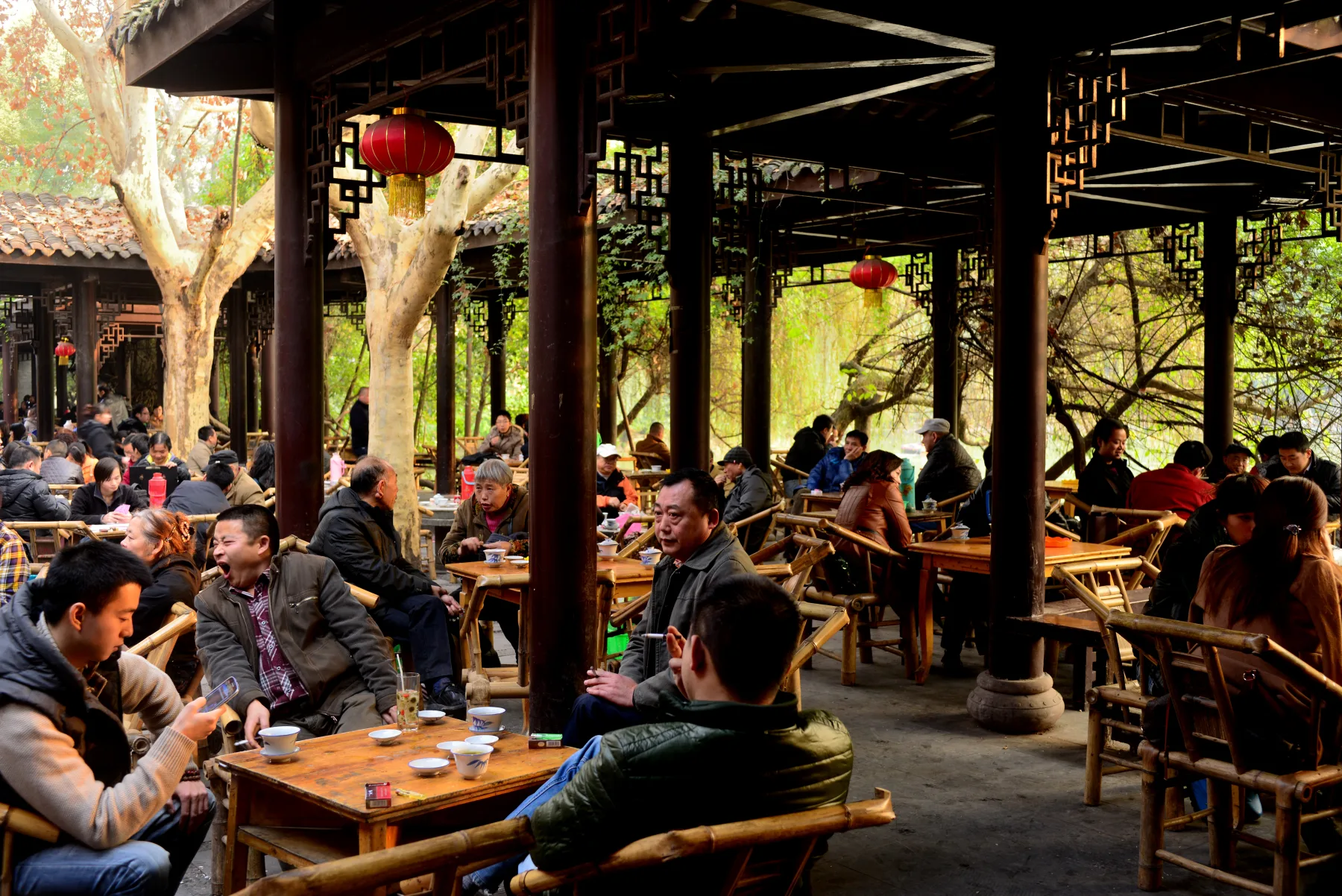
Movement · rest · company · evidence
Chinese wellness as lived practice: movement, food, rest, social rituals and changing youth habits, with clear boundaries around health claims.
Return wellness to ordinary life8 published guides across 6 core paths.
Keep ordinary life larger than the cure claim
Chinese wellness is strongest when it stays close to an ordinary day: moving in a park, drinking tea with company, eating with the season and resting before exhaustion becomes identity. Culture can explain why a routine feels sustaining. It must never be used to smuggle a cure claim past evidence, dosage or professional care.
The international evidence and safety frame used when cultural practice touches health claims. WHO traditional medicine programme
Published guides, organized by intent
A collection page must do more than list recent posts. Choose the question that brought you here, open a focused guide, then keep moving through works, people and related cultural context without returning to search.
3 published guides
Yangsheng is the broad cultural question: which meals, rests, relationships and repeated routines make a life more inhabitable? Start here before turning one ingredient or movement into the whole tradition.
Understand yangsheng as the Chinese practice of nourishing life through ordinary routines, social care and attention, with firm boundaries around medical claims.
Read the deep guide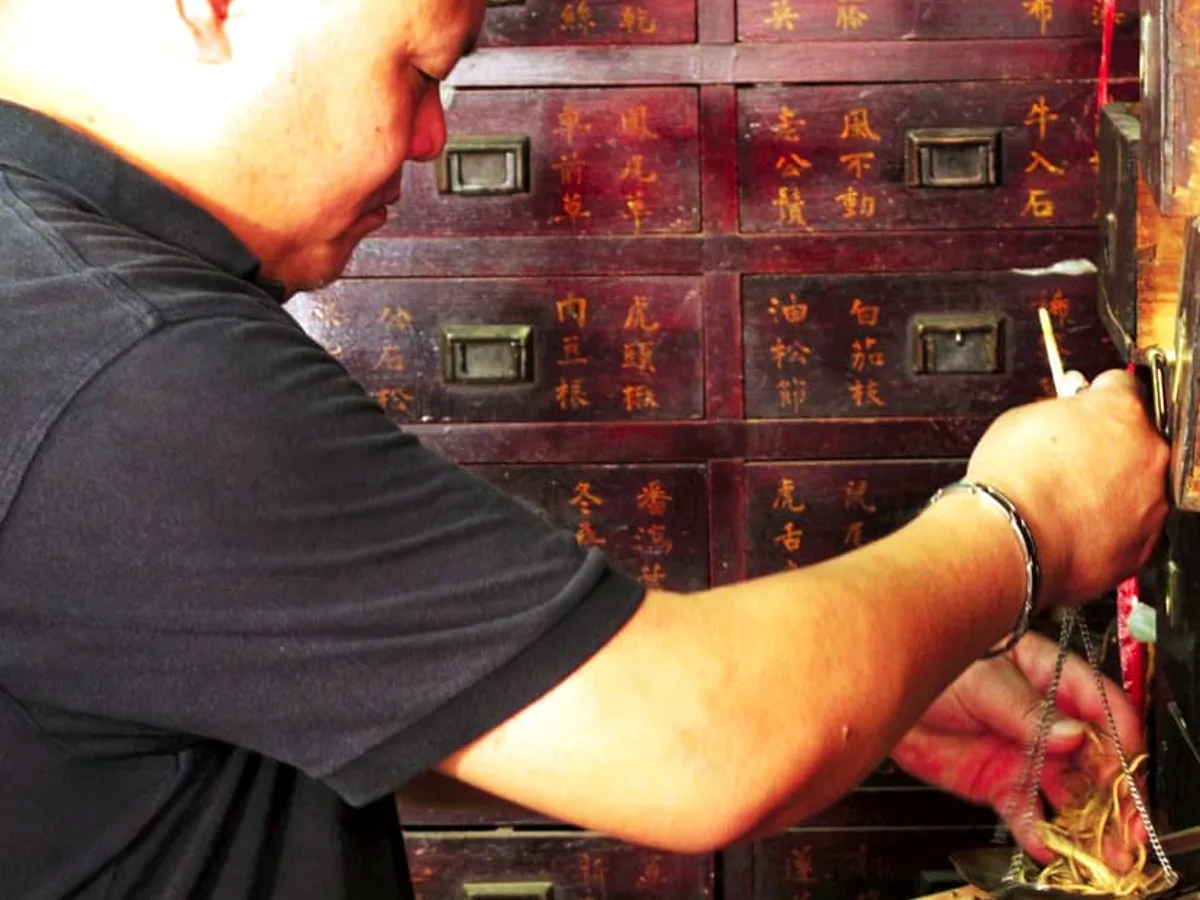
Explore Chinese herbs through pantry traditions, flower infusions, seasonal habits, preparation, family memory and practical safety without cure claims.
Read the deep guide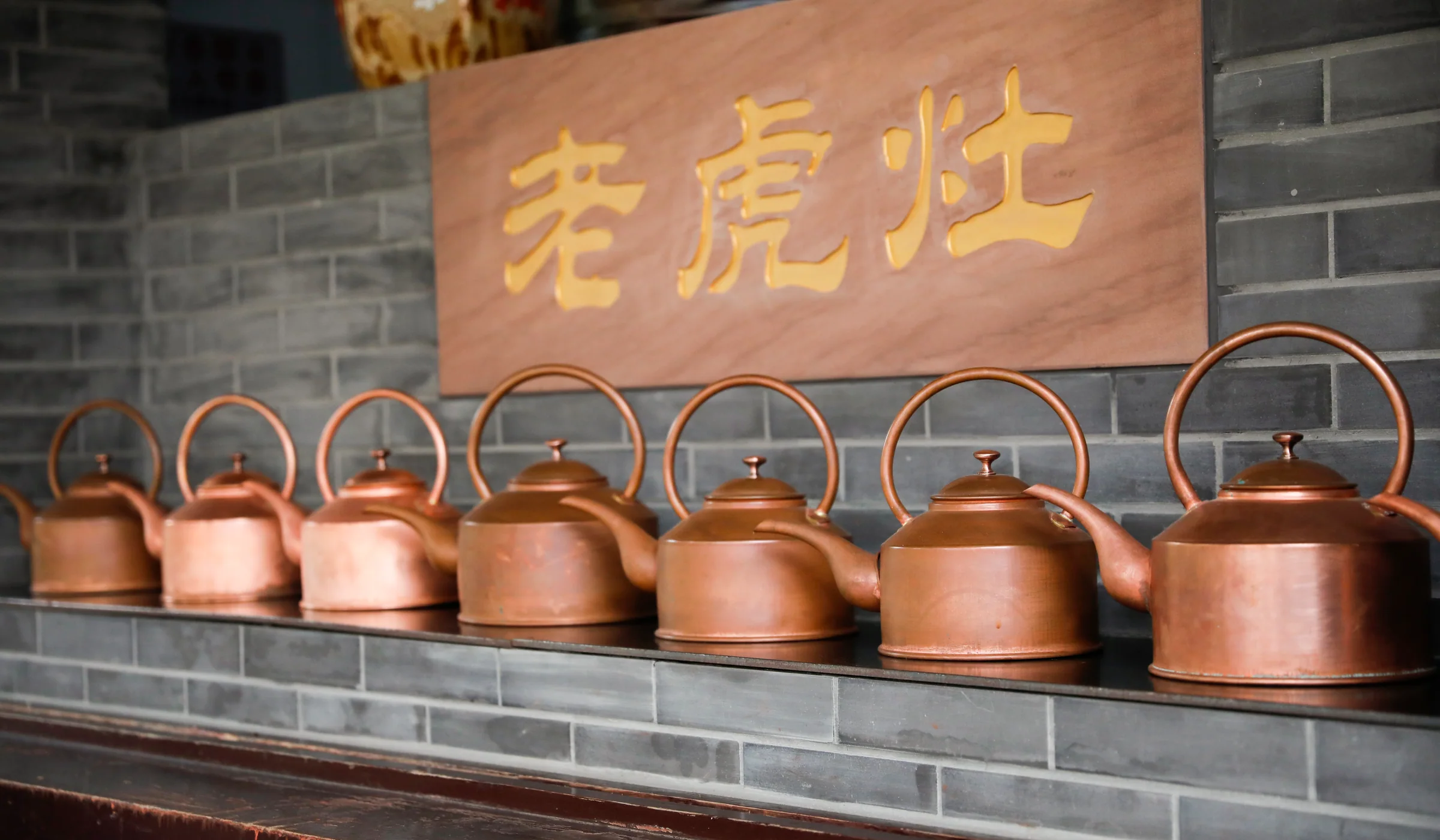
What is Chinese tea? Learn the six tea families, choose a beginner-friendly style, match tea to a vessel, and avoid prestige-led buying mistakes.
Read the deep guide2 published guides
Baduanjin makes eight compact movement problems visible; tai chi adds martial lineages, partner response and longer forms. Both become clearer when stance, transition and teaching stay separate from miracle claims.
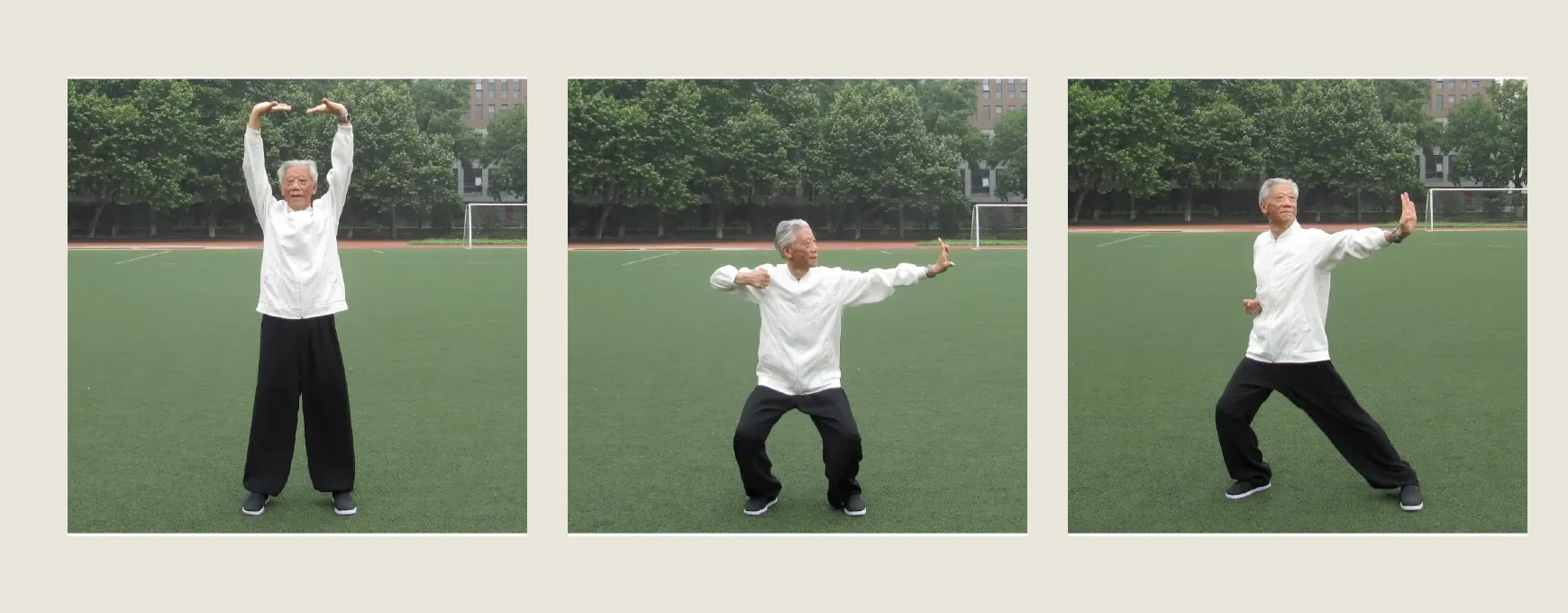
Understand Baduanjin qigong through its eight-section structure, historical change, visible movement logic and responsible evidence boundaries.
Read the deep guide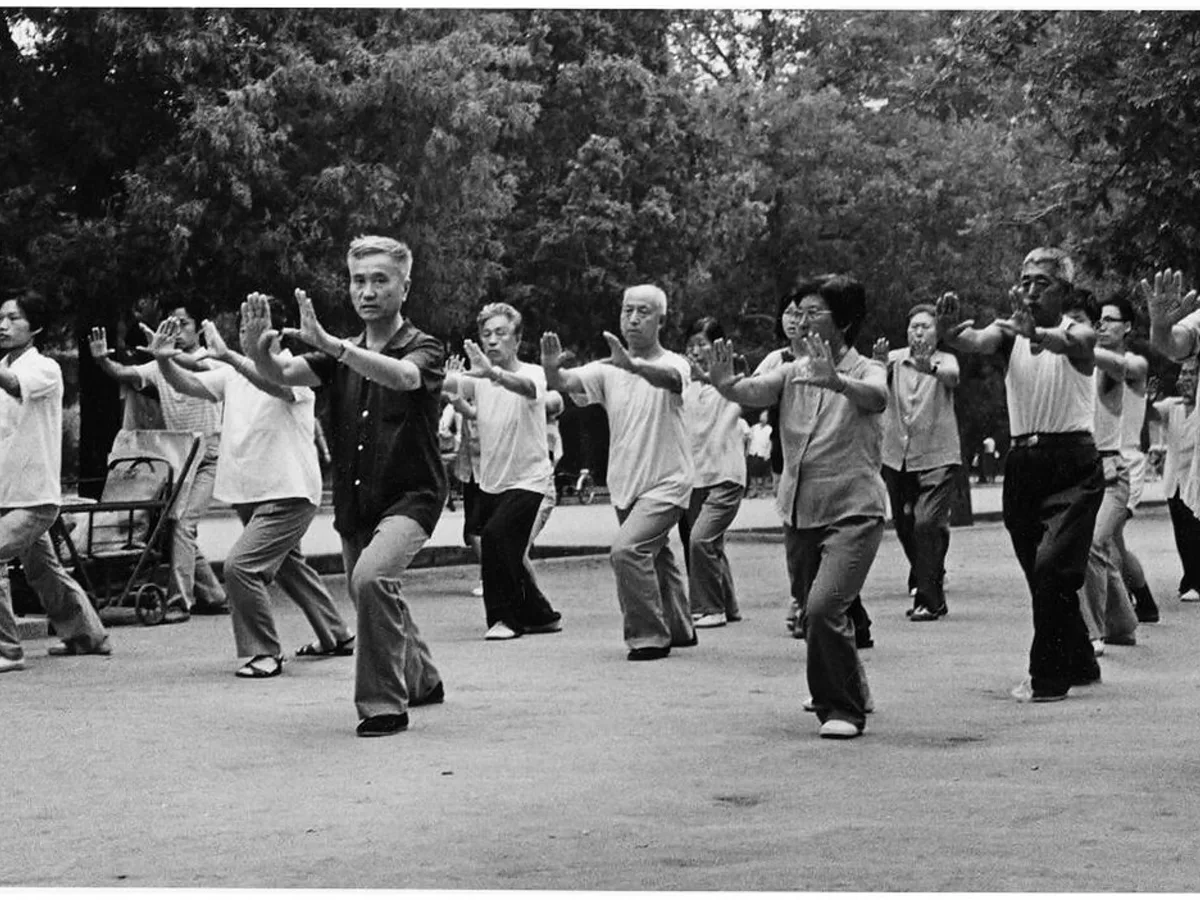
What is tai chi? Explore its Chinese martial roots, major styles, movement principles, modern practice and cultural meaning without exaggerated health claims.
Read the deep guide1 published guide
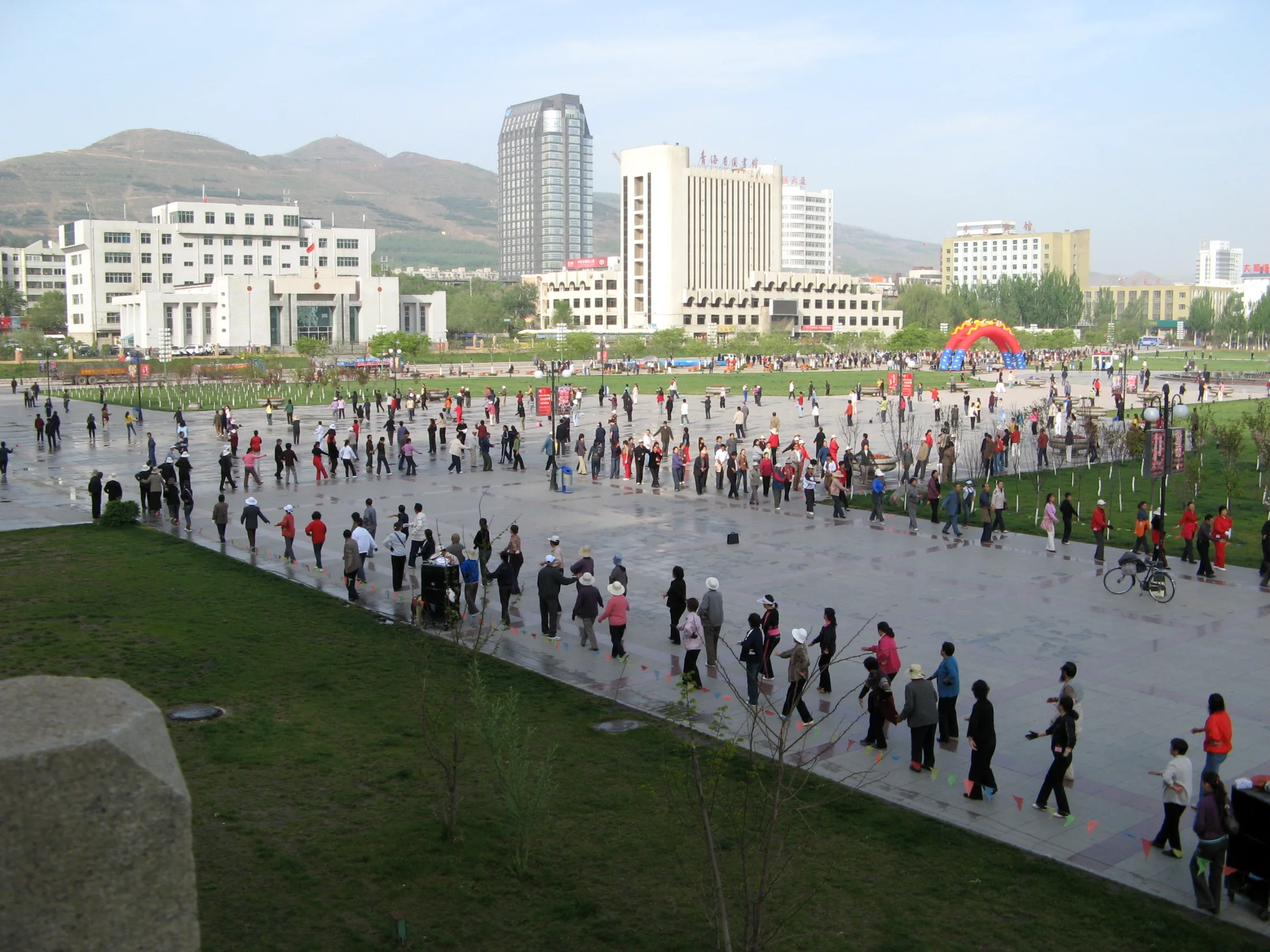
Guangchang wu turns a plaza into exercise, informal learning and social visibility. Its value depends on the same practical question as any public routine: can one group's return coexist with another person's route, rest and need for quiet?
Routine without miracle
A walk after dinner, tea poured slowly, vegetables chosen for the season, tai chi in a park and an early night can hold cultural meaning without becoming medicine. I defend that ordinariness. The moment every familiar practice is sold as detoxification, balance or cure, lived culture becomes a marketing funnel. Chinese wellness deserves warmth, evidence and a firm boundary: comfort is real, community is real, treatment claims require much more.
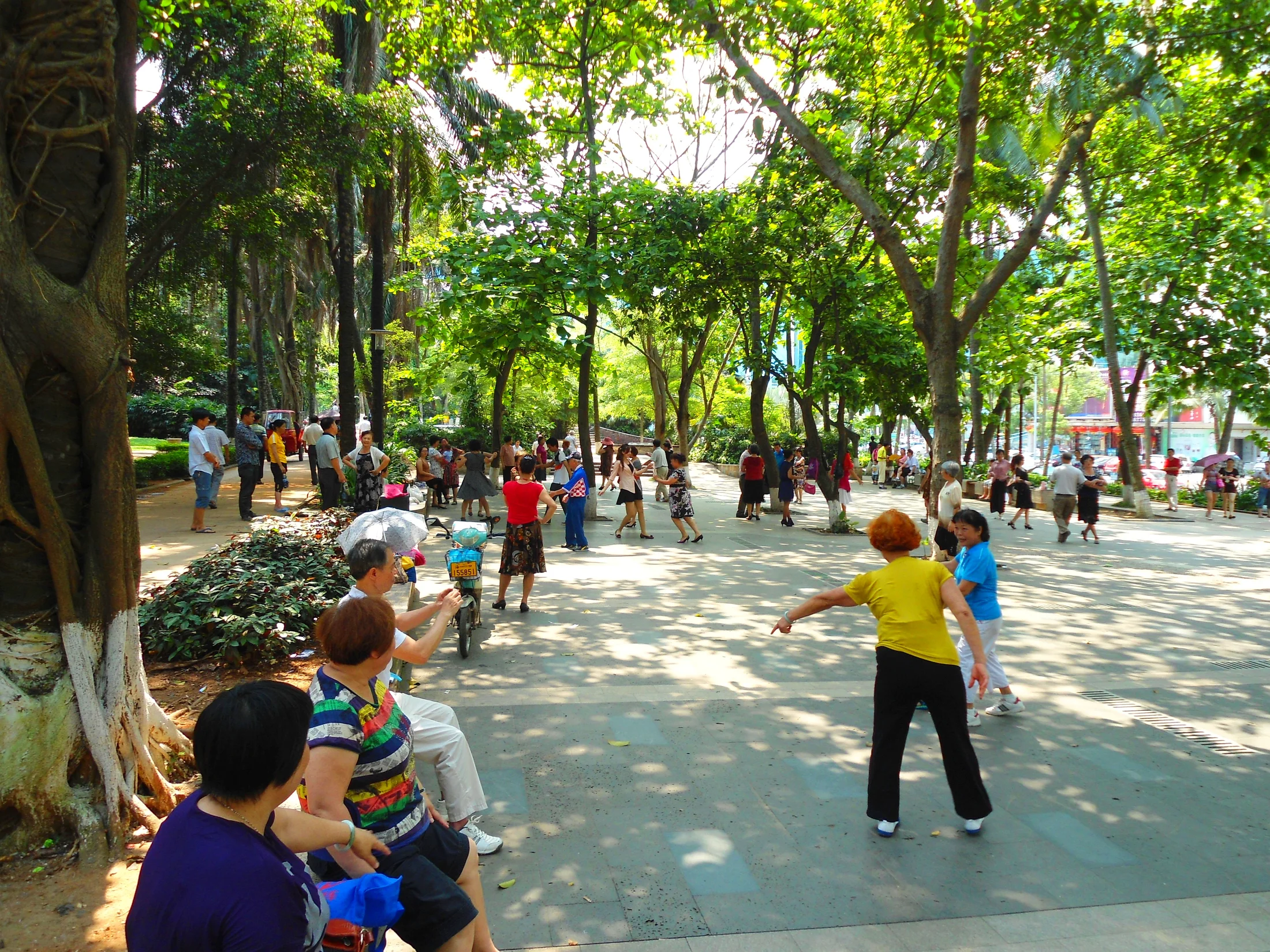
Slow movement in a Chinese park is not simply exercise placed outdoors. It creates appointment, visibility and low-cost companionship. People recognize who arrived, who has been absent and who is learning the sequence. Music, conversation, correction and repetition make health behaviour social. That social layer may be the reason a routine survives long after a purchased programme would have been abandoned.
Tai chi is also more than a wellness image. It has martial histories, lineages, training principles and modern health adaptations. NCCIH notes evidence that tai chi may help balance and fall prevention in some older adults while carefully stating where evidence remains uncertain. That is the language responsible health writing must preserve: specific population, specific outcome, degree of certainty and safety boundary. 'Good for health' is too vague to be useful.
Use the evidence by outcome and population; do not convert a limited finding into a universal promise. NCCIH: Tai Chi—What You Need To Know
Chinese households often describe food through season, temperature, digestion and bodily feeling. That language can preserve observation and family care. It can also be over-literalized for overseas readers, especially when hot and cold categories are mistaken for measured temperature or presented as universal biomedical fact. Cultural explanation should tell readers how people use the idea, not certify every explanation attached to it.
A bowl of soup given during illness can nourish, hydrate and communicate love. Those values do not need a miracle claim. The strongest wellness writing protects the ordinary benefits that marketing considers too small: regular meals, varied foods, less isolation, shared preparation and attention to appetite. When ingredients are sold as treatment, the standard changes. Identity, dosage, contamination, medication interaction, pregnancy and diagnosis matter.
Tea slows a room because preparation gives attention a sequence. Rinse, pour, wait, taste, refill. The sequence can calm without proving a biochemical theory. It can give hosts something to do with care and guests a way to remain. That social rest is not fake because it cannot be bottled as a clinical outcome. It may be the most honest reason people return to the table.
I reject the habit of turning every tea into a detox product. Taste, cultivar, craft, caffeine, agricultural origin and social use are already rich subjects. Health claims often flatten that richness while creating needless risk. A person with a medical condition, pregnancy or medication question needs qualified advice, not a romantic paragraph about ancient wisdom.
Editing East Moment's tea, herb and tai chi pages has taught me an uncomfortable rule: the warmer the cultural story, the easier it is to smuggle in a claim the evidence never made. A family drink can carry memory. A park routine can make a morning less lonely. A dried ingredient can be photographed and named precisely. None of those facts gives me permission to promise treatment. I would rather disappoint a reader looking for a miracle than use Chinese culture to make uncertainty sound ancient and therefore safe.
The rise of wellness among younger Chinese consumers is sometimes framed as a charming blend of tradition and trend. The less comfortable truth is that exhausted people are buying small rituals of control. Herbal drinks, sleep products, fitness classes, supplements and digital tracking enter lives shaped by long work hours, uncertain futures and constant comparison. The desire is real. The market did not create all of it, but the market is skilled at converting unease into recurring purchase.
This does not make every product foolish. A routine can be pleasurable, a class can build strength and a device can reveal a useful pattern. The question is whether the product expands agency or deepens dependence. Does it help a person sleep, move or seek care—or make them monitor themselves with new fear? Wellness becomes cruel when ordinary tiredness is treated as personal failure and every discomfort becomes a sales opportunity.
Traditional knowledge, evidence, safety and health-system questions must be considered together rather than used as interchangeable approval. WHO Global Traditional Medicine Centre
For a Chinese wellness practice, I ask what people actually do, what they say it means, what outcome is being claimed, what evidence supports that exact outcome and who could be harmed by careless advice. Personal experience belongs in the first two questions. It cannot leap by emotion into the fourth. 'I felt better' is an honest sentence. 'This treats your condition' is a medical claim.
Chinese wellness does not need inflated certainty to matter. Its deepest value may be a culture of noticing: appetite, season, fatigue, breath, company and rhythm. Noticing can lead to wiser daily choices and earlier professional care. It can also become superstition or obsession when detached from evidence. I choose the ordinary practice that helps people inhabit life more fully, and I reject the miracle that asks them to surrender judgment.
The boundary becomes urgent online because a personal diary can be copied as a prescription after the original context disappears. A creator may honestly describe relief while viewers supply a diagnosis the creator never made. Platforms reward certainty, transformation photographs and simple routines; bodies do not obey that format. Responsible storytelling states what was experienced, what else changed, what is unknown and when professional care entered the picture.
I am equally wary of cultural arrogance from the other direction. Calling every inherited practice superstition can erase generations of observation, pleasure and relationship. Evidence does not require contempt. It requires accurate questions. We can honour a grandmother's soup as care, study a movement practice carefully, test an ingredient rigorously and still refuse a cure claim. That combination is not indecision. It is respect with a spine.
The page therefore refuses personalized medical instruction. A reader with persistent symptoms, medication questions, pregnancy, allergy or a diagnosed condition needs a qualified clinician who can see the whole situation. Cultural knowledge can improve the conversation by helping a person name what they do and why it matters. It must never become an excuse to delay urgent care, stop prescribed treatment or assume that 'natural' means harmless.
Walking after dinner, moving slowly in a park, drinking tea with another person, sleeping on time and cooking with the season can matter without being sold as treatment. Their value may be physical, social, emotional or simply rhythmic. Chinese wellness becomes dishonest when every familiar routine is forced to prove a cure. I prefer the smaller truth: repeated ordinary care can make a day more inhabitable, and companionship often matters as much as the branded ingredient.
Different practices need different evidence. A family food memory can explain meaning and preparation. It cannot establish a medical effect. A movement class can show instruction, balance and community. It cannot guarantee safety for every body. An herbal product changes exposure through concentration, combination and dose; familiarity with the plant is not a safety certificate. The page keeps cultural life visible while sending diagnosis and treatment back to qualified professionals.
Young people in China also remake wellness through running, gyms, cycling, outdoor travel, sleep tracking and digital self-management. Some practices create community and agency. Others turn every meal, step and hour of sleep into a performance score. The tension is real: measurement can reveal a pattern and can also make rest impossible. Wellness should give life back to the person, not recruit the person into endless optimization.
Every routine costs time, attention, money, space or social energy. A park practice may be accessible and still exclude someone through mobility or schedule. A premium tea ritual can produce calm and become another purchasing identity. A tracking app can support consistency while transferring intimate data into a commercial system. Naming cost does not cancel benefit. It prevents aspiration from impersonating universal advice.
Use a seven-day question rather than a transformation promise. What can you repeat safely, what does it replace, who helps you continue and what signal would make you stop? Keep the answer modest enough to observe. If a practice touches symptoms, medication, pregnancy, injury or mental health, professional guidance is part of the routine rather than a footnote. Culture can shape care; it cannot exempt care from evidence.
Share one ordinary routine with its real conditions: time, place, company, effort and limitation. Do not claim that it cures another reader. We can compare how tea tables, parks, kitchens, gyms and screens organize rest across different lives. Return when the routine changes, fails or becomes sustainable. That honest adjustment teaches more than a perfect morning checklist ever will.
Social rest deserves its own attention. A teahouse table, square dance group or slow morning in a public park can reduce isolation because the routine is shared and expected. That value does not need to be translated into a biomarker before it matters. It does need boundaries: noise, access, neighborhood conflict and unequal leisure time change who benefits. Community is not automatically gentle; it is a structure people continually negotiate.
Food language can also become moral pressure. Seasonal eating and balance may help someone pay closer attention to appetite and climate, yet rigid purity rules can produce guilt and obscure nutrition, allergy or medical need. I refuse to turn Chinese foodways into another global wellness brand. The strongest practice remains recognizable as food, relationship and pleasure, with health claims held to the evidence they actually possess.
Rest is not always visually impressive, which is why wellness media often replaces it with products and poses. Look instead for duration and relation: who has permission to stop, who prepares the tea, who watches a child, who can reach a park and whose shift schedule makes every routine fragile. A wellness page becomes socially honest when calm is treated as a condition people need, not a personality trait the disciplined individual can simply purchase.
Reader-built field guide
Share one daily practice, its family or social context and what it changes in your rhythm. Do not prescribe treatment or promise medical outcomes.
What this builds: We will connect routines to cultural context and qualified safety sources while keeping personal comfort distinct from medical evidence.