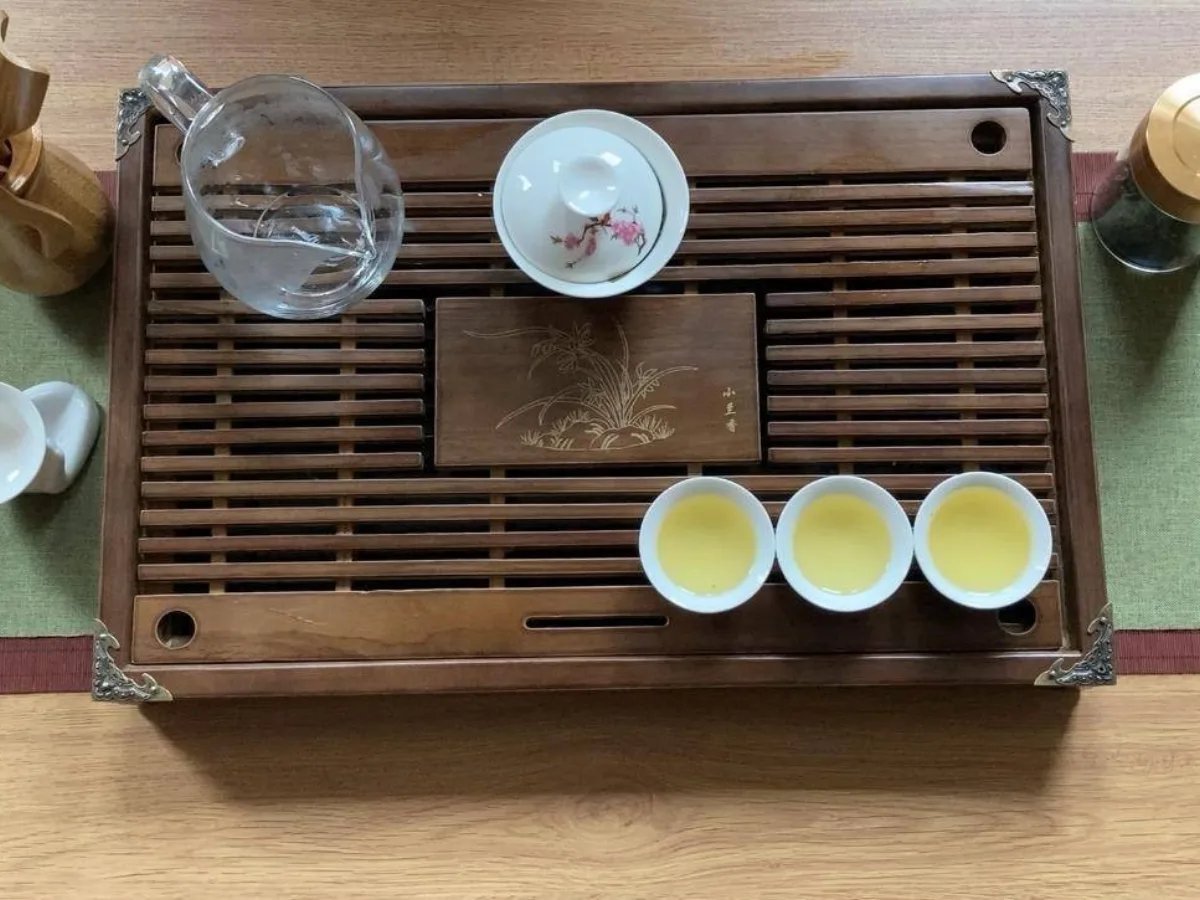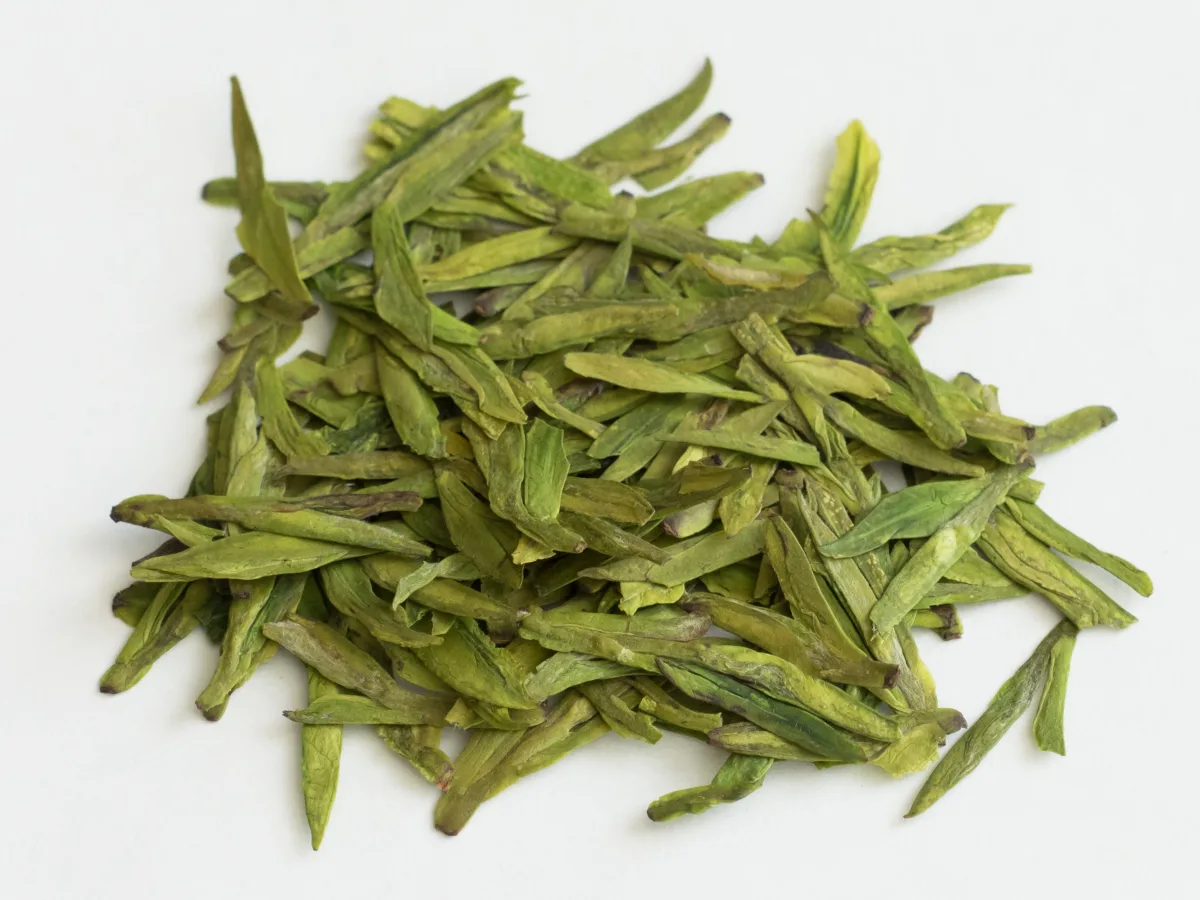
Pan-fired leaves and fresh regional styles
Types of Chinese Green Tea
Longjing, Biluochun, Huangshan Maofeng and other Chinese green teas organized by origin, craft and flavor.
Explore collection
Water · leaf · vessel · company
Tea varieties, histories, ceremonies, teaware and the social meanings carried by the simple act of preparing a cup.
Choose your first cup35 published guides across 3 core paths.
Choose the cup before the prestige label
The useful entrance is not the rarest name or the most expensive cake. Choose the taste and brewing rhythm you want, then trace processing family, origin, storage, water, vessel and the people sharing the table. Those variables explain more than prestige ever will.
8 collections
Chinese tea classification is a map of production, not a color chart or quality ranking. Begin with Camellia sinensis, identify the decisive processing stages, then narrow the leaf by place, cultivar, form and batch evidence.
Pan-fired leaves and fresh regional styles
Longjing, Biluochun, Huangshan Maofeng and other Chinese green teas organized by origin, craft and flavor.
Explore collection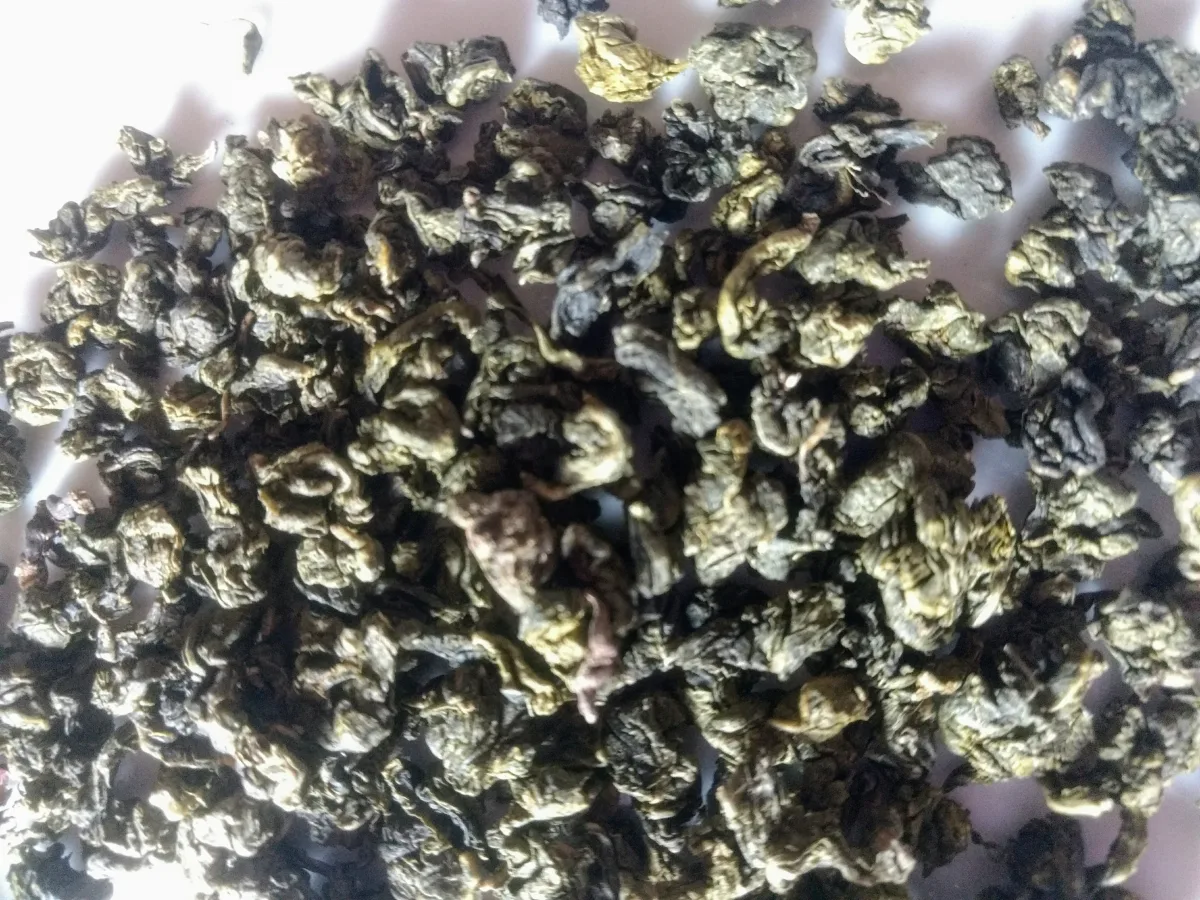
Anxi, Wuyi and Phoenix Mountain traditions
Compare Tieguanyin, Da Hong Pao, Phoenix Dan Cong and the major regional families of partially oxidized tea.
Explore collection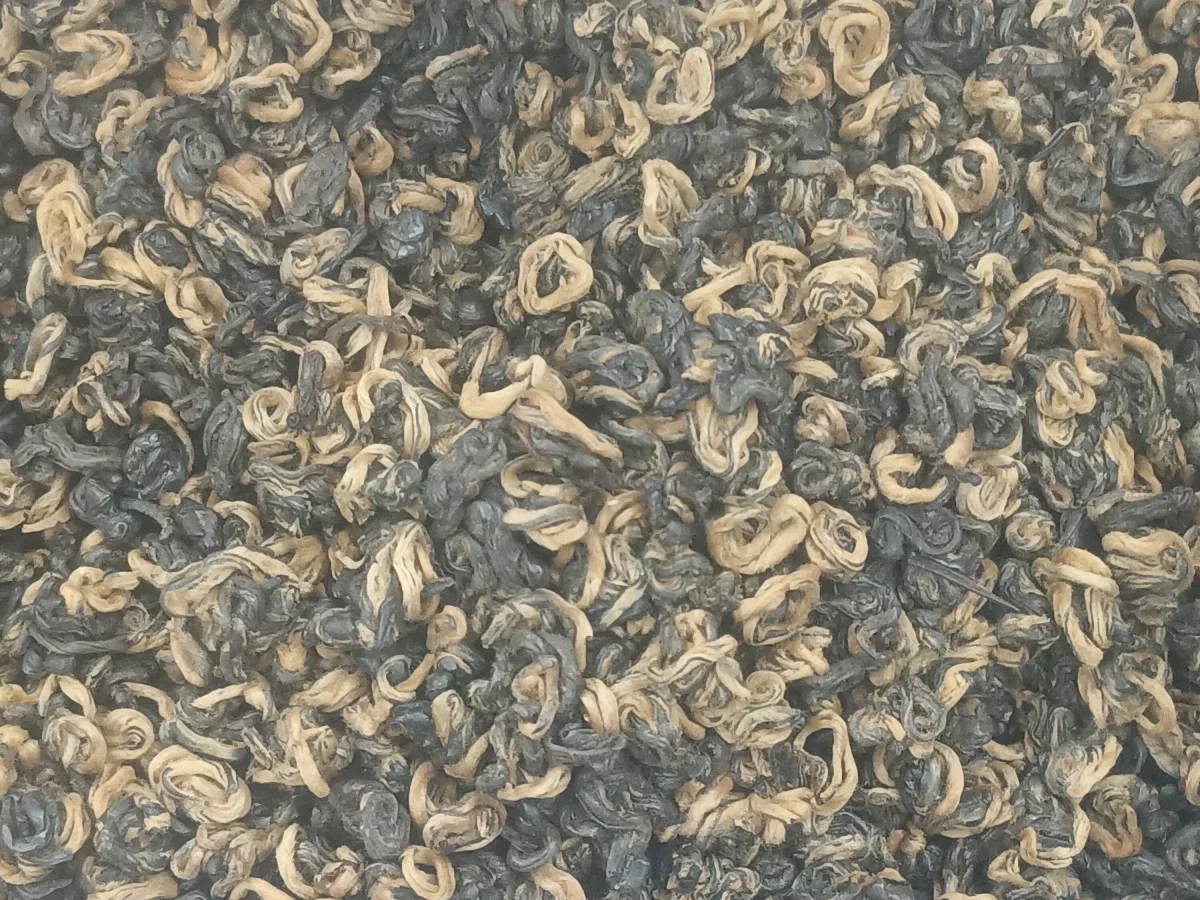
Hong cha from Fujian, Anhui and Yunnan
Jin Jun Mei, Keemun, Dianhong and Lapsang Souchong explained through origin, processing and brewing.
Explore collection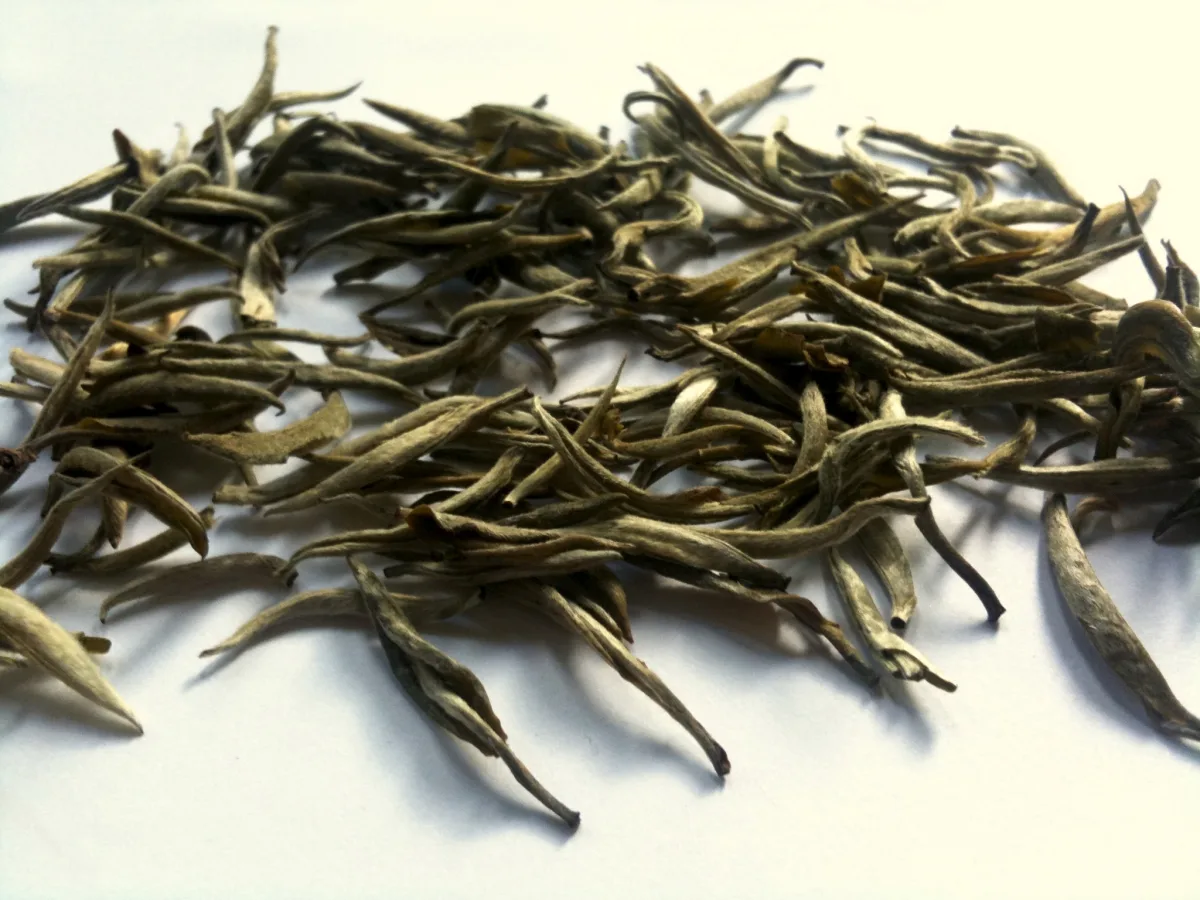
Withering, drying and grades
Silver Needle, White Peony and Shou Mei organized by plucking standard, origin, age and preparation.
Explore collection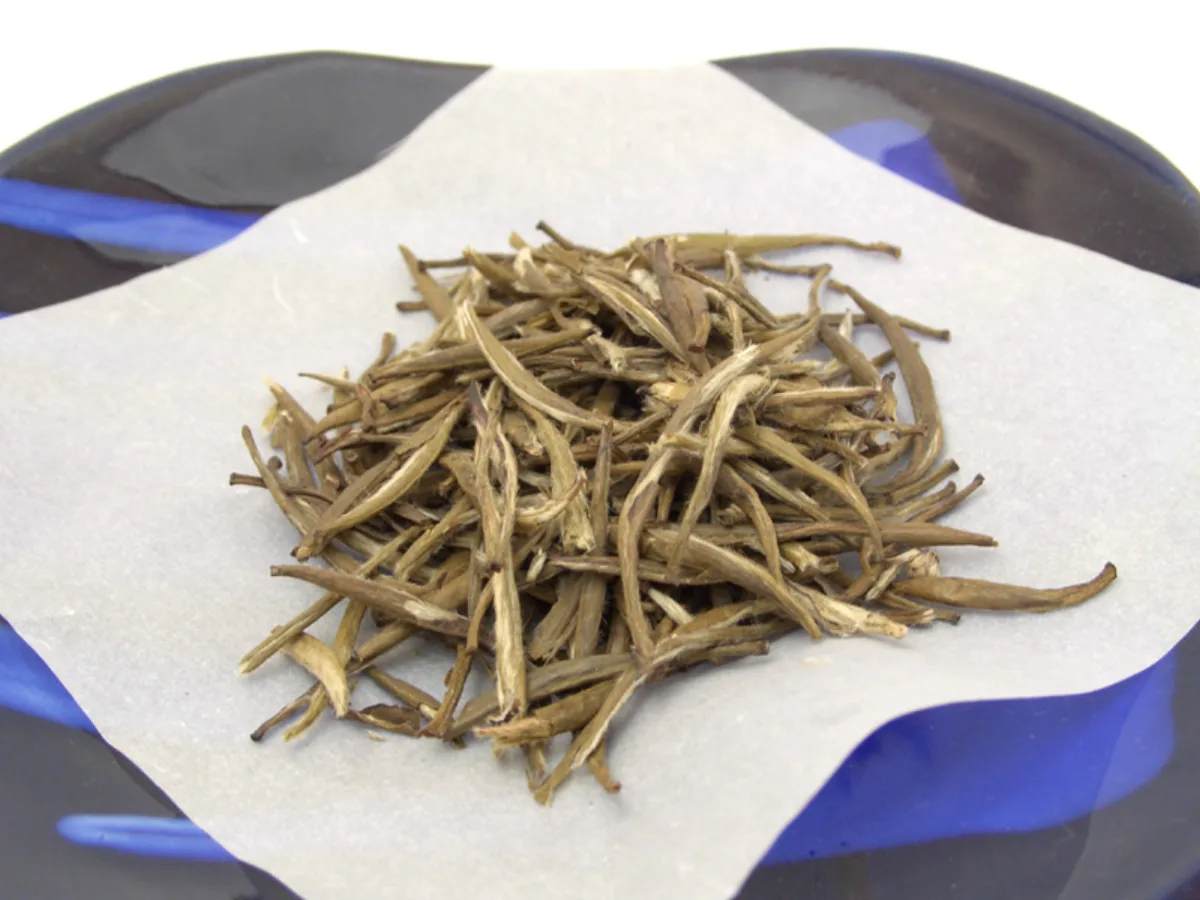
Rare teas shaped by sealed yellowing
A focused guide to yellow tea processing and named traditions such as Junshan Yinzhen.
Explore collection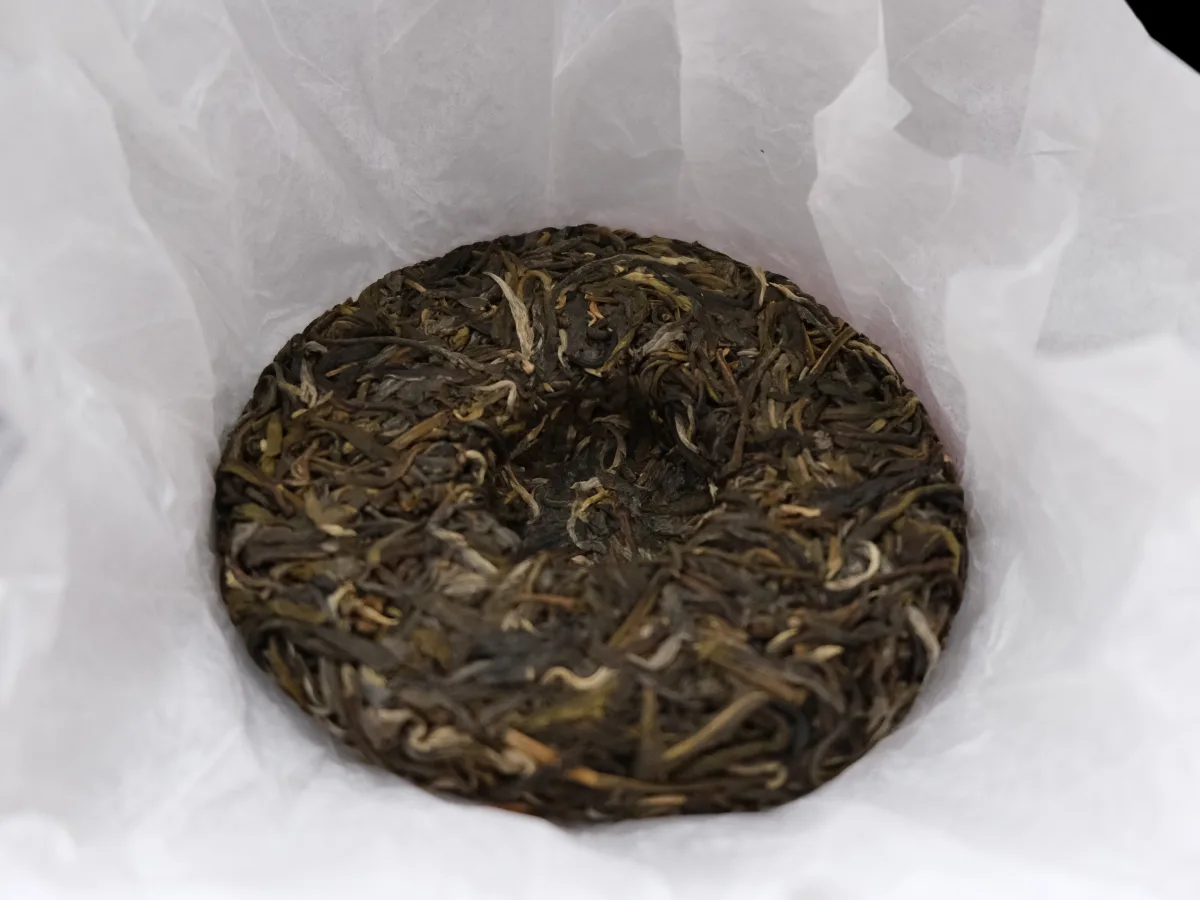
Microbial transformation, compression and aging
Pu-erh, Liu Bao and Fu brick tea separated by region, processing, storage and drinking tradition.
Explore collection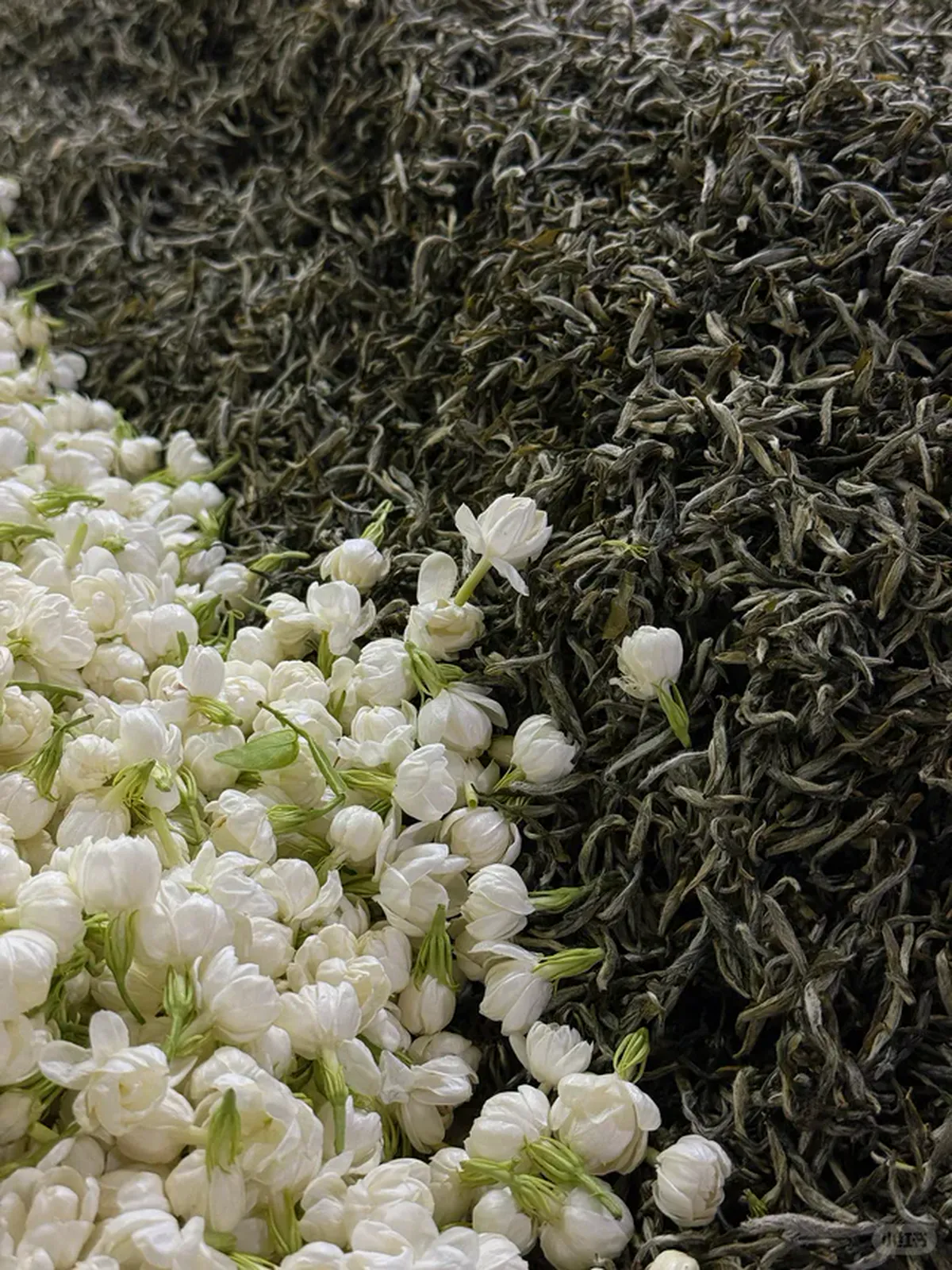
Tea leaves scented with flowers
Jasmine tea and other scented teas clearly distinguished from caffeine-free flower infusions.
Explore collection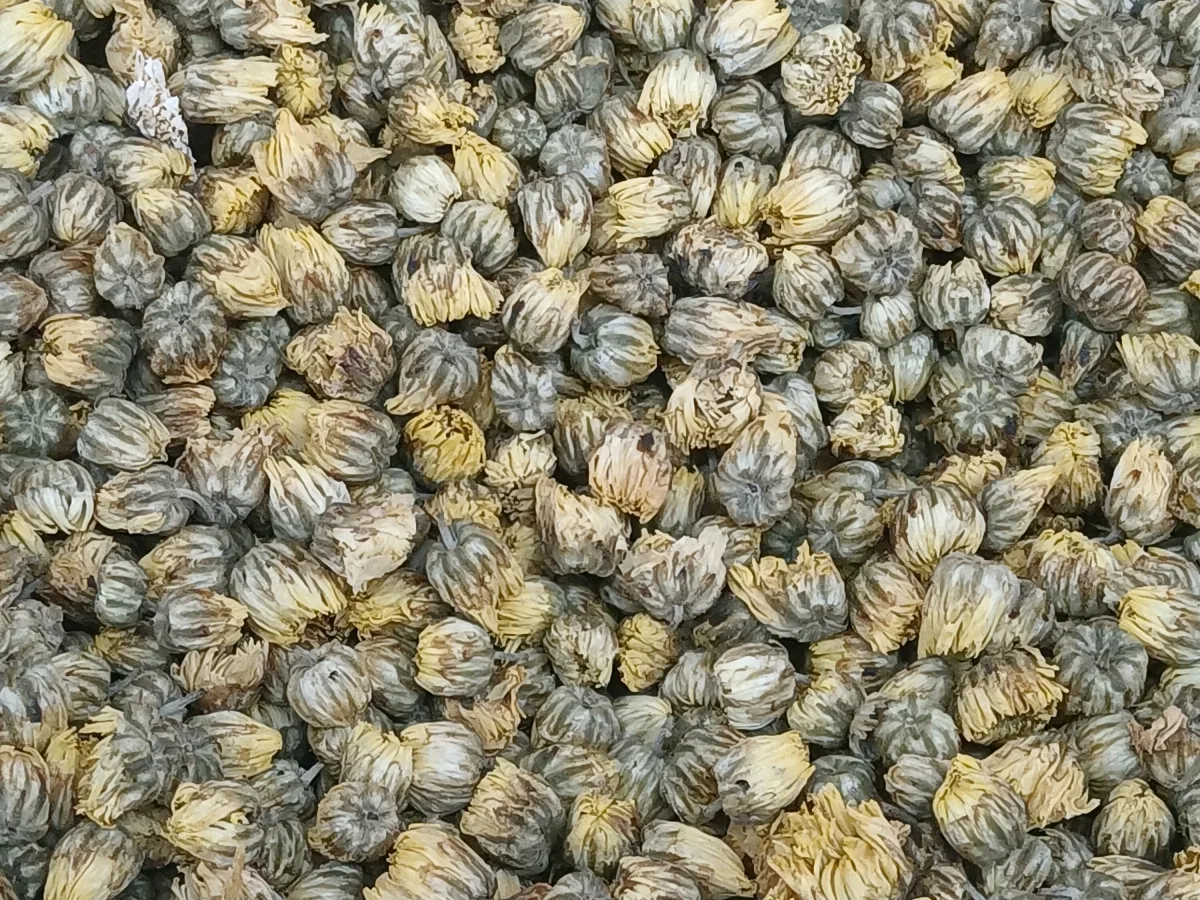
Flowers, fruits, roots and seeds
Chrysanthemum, ginger, jujube and goji drinks commonly called tea in English but made without tea leaves.
Explore collection1 collection
There is no single national Chinese tea ceremony. Brewing methods and gestures respond to the leaf, equipment, region, teacher and relationship between the people present.
1 collection
A tea set is not a fixed checklist. A gaiwan, clay pot, glass, thermos or porcelain cup can each be appropriate depending on the tea and occasion.
This subject currently contains 10 focused collections, with further guides added as editorial review is completed.
What is Chinese tea? Learn the six tea families, choose a beginner-friendly style, match tea to a vessel, and avoid prestige-led buying mistakes.
My verdict on Chinese tea: start with the cup you want, not the most expensive name a seller can attach to a packet. Chinese tea is a living system built from one plant, six broad processing families and countless regional ways of making, brewing and sharing the leaf. Prestige is a poor substitute for clear identification, clean storage and a method you can repeat.
If you came here asking what is Chinese tea, the short answer is this: it is not one flavor, one ceremony or one luxury product. Chinese tea is a large living system built from Camellia sinensis, regional growing conditions, processing decisions, brewing habits and social relationships. The six broad tea families are green, white, yellow, oolong, black and dark tea. They begin with the same botanical species but diverge through withering, heating, rolling, oxidation, drying, roasting and, for some teas, later microbial transformation.
The categories describe processing direction, not quality, price, caffeine level or prestige. A cheap tea brewed carefully can teach more than a famous packet opened once for its label.
Chinese tea culture is larger than classification. It includes the work of growers and makers, ordinary brewing in glasses and thermoses, concentrated infusions from a gaiwan, hospitality between people and practices tied to particular regions and families. There is no single taste or national ceremony that can represent all of it.
Most first purchases go wrong before the kettle boils. A buyer sees “imperial,” “ancient tree” or a celebrated place name and assumes prestige will produce pleasure. It may produce only an expensive lesson. My blunt advice is to begin with a clean, clearly identified green or black tea, not an expensive aged tea whose story you cannot verify. Green tea makes leaf, water and cooling easy to see; Chinese black tea is usually more forgiving when your timing is still clumsy.
Choose by the experience you want, then let the first cup correct your expectation:
| If you want... | Start with... | Continue here |
|---|---|---|
| Fresh, green, toasted or gently vegetal character | A modest, recent green tea such as Longjing-style or Biluochun-style leaf | Chinese green tea |
| Soft hay, flowers, honey or a broad easy cup | White Peony or Shou Mei | Chinese white tea |
| Aroma that changes across several short infusions | A balanced Tieguanyin or medium-roast Wuyi oolong | Chinese oolong tea |
| Malt, fruit, cocoa or a forgiving larger cup | Keemun or Dianhong black tea | Chinese black tea |
| Wood, dates, fermentation or the effect of storage | A clean, clearly documented ripe Pu-erh or Liu Bao | Pu-erh tea |
| A subtle category comparison after learning green tea | A documented yellow tea | Junshan Yinzhen |
These are starting tendencies, not promises. Cultivar, harvest, craft, storage, water and brewing can make two teas in the same family taste strikingly different. The complete guide to types of Chinese tea explains the processing distinctions; this page helps you decide where to enter.
My own rule is simple: the best first tea is not the most prestigious sample you can afford. It is a clean, clearly identified tea you can brew repeatedly without being afraid to make a mistake.
For a first purchase, a small sample is more useful than a large gift box. You need enough leaf to repeat one comparison with the same vessel and water. If the second cup tastes different from the first, that is not a failure; it is the beginning of knowing whether the difference came from the tea or from your method.
The six-family map matters because leaf color alone misleads. White tea is not merely green tea with slightly more oxidation. Yellow tea has controlled yellowing stages after early heating. Oolong depends on repeated handling and partial transformation. Dark tea changes through post-production processes that cannot be placed neatly at the end of one oxidation scale.
| Family | The useful processing idea | What it does not guarantee |
|---|---|---|
| Green | Early heat limits enzymatic oxidation | Freshness, sweetness or low bitterness |
| White | Withering and drying with comparatively restrained handling | Delicacy, age-worthiness or premium grade |
| Yellow | Early heating followed by controlled yellowing | Authentic origin or a yellow-colored cup |
| Oolong | Partial oxidation through managed handling, then fixation and often roast | One standard “oolong flavor” |
| Black | Extensive oxidation before final drying | Strength, smokiness or a British-style blend |
| Dark | Post-production transformation, often involving microorganisms | Clean storage, old age or automatic improvement |
China's category standards provide technical anchors for families including yellow tea, white tea and congou black tea. A standard defines a category or product framework. It does not certify the story told about an untraceable packet.
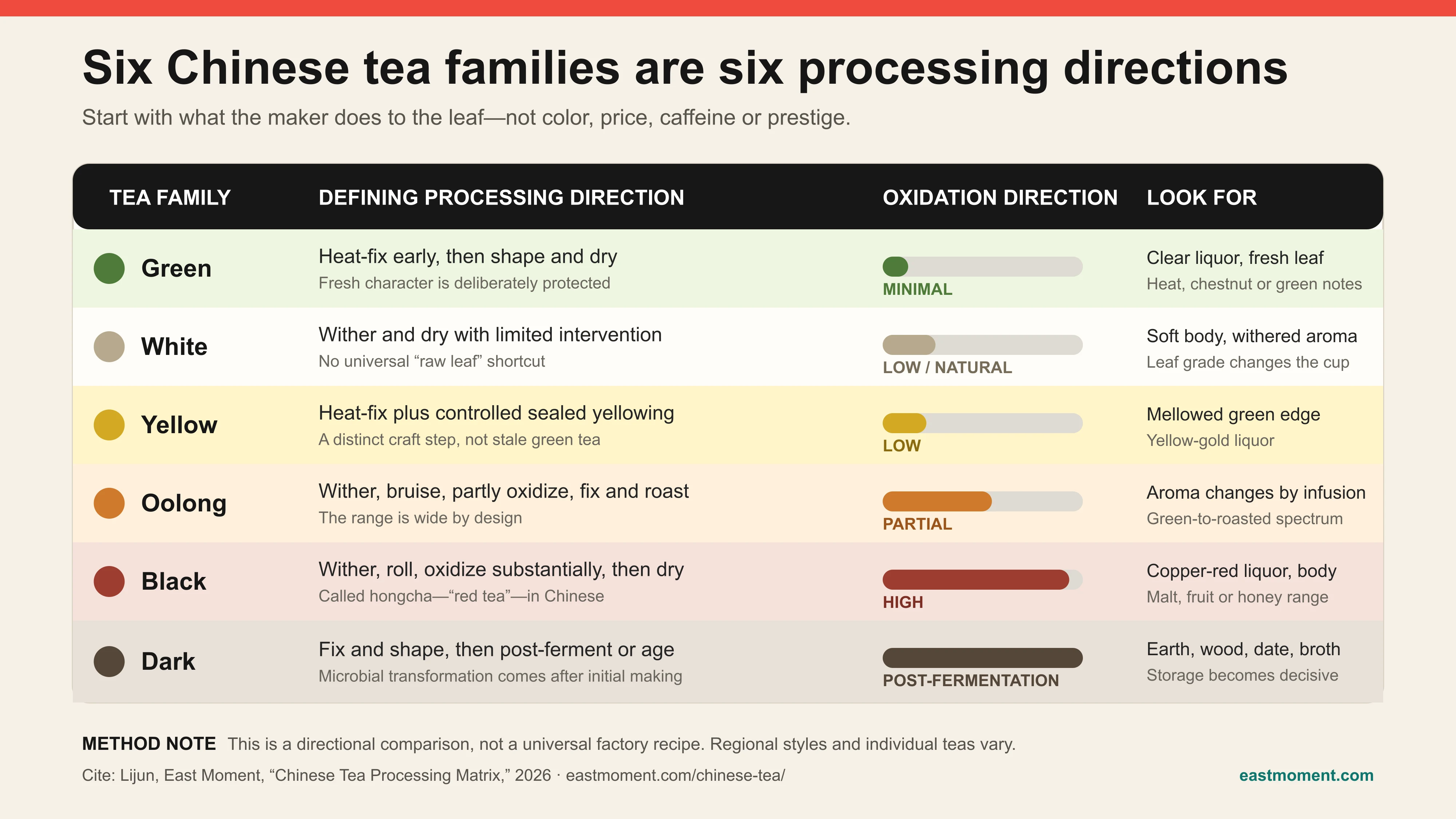
This matrix is East Moment's original synthesis of the six-family system. It compares the intervention that most clearly separates each direction, the broad oxidation path and a sensory clue worth testing in the cup. It does not claim that every regional style follows one factory recipe.
Download the high-resolution raster image · Download the structured CSV
Cite this asset: Lijun. “Chinese Tea Processing Matrix.” East Moment, 2026.
https://eastmoment.com/chinese-tea/#user-content-original-cultural-asset-chinese-tea-processing-matrix
Chinese 红茶 (hong cha), literally “red tea,” is the broad family normally called black tea in English. Chinese 黑茶 (hei cha), literally “dark” or “black tea,” is a different family shaped by later transformation. If a menu says only “red tea” or “black tea,” ask for the Chinese term.
Jasmine tea is generally a reprocessed or scented true tea: a Camellia sinensis base takes on aroma through contact with jasmine flowers. Chrysanthemum, goji and other plant infusions may be called tea in everyday English, but they are not automatically botanical tea. The distinction clarifies ingredients and caffeine; it is not a ranking of cultural value.

The decisive difference is when heat stops the leaf's oxidation. Green tea is heated relatively early, preserving a largely unoxidized character. Oolong is first withered and handled so that some oxidation develops, then heat fixes the chosen point; an oolong may also be roasted. Both begin with tea leaves, and neither is a single flavor. The distinction is a production choice, not a ranking of purity or health benefits.
| Question in the cup | Chinese green tea | Chinese oolong tea |
|---|---|---|
| What shaped it? | Early heating limits enzymatic oxidation. | Withering and controlled handling allow partial oxidation before fixation; roast varies. |
| What might you notice? | A fresher, greener or toasted-leaf direction, depending on style. | Floral, creamy, fruity or roasted directions, depending on style. |
| What should you not assume? | That every green tea is grassy or low in bitterness. | That every oolong is dark, roasted or stronger in caffeine. |
If I had to choose one example from each side for a newcomer, I would not compare an anonymous green teabag with a heavily roasted oolong and call the result a fair test. I would put a recognizable pan-fired green tea beside a lightly oxidized oolong and ask what changed before the water touched them. The green leaf was heated to limit oxidation early; the oolong maker allowed a different sequence of withering, handling and fixation. The second cup may smell more floral, but that is a possibility of the particular leaf, not a legal definition of oolong. Roast, cultivar and storage can overturn the easy flavor adjectives.
The wet leaves are more informative than liquor color alone. Unfold a few after brewing and look at size, shape and any uneven coloring, then read the seller's processing description. A photograph may show rolled versus flat leaf, but it cannot establish oxidation percentage, caffeine content or a protected origin. Nor does the darker cup automatically contain more caffeine: cultivar, leaf dose and brewing method change what reaches the cup. If a health claim is the only reason to buy, I would spend less and taste more carefully first.
For a useful test, compare small samples rather than two anonymous supermarket bags. Use the same vessel and record leaf weight, water temperature, time and the second infusion. Do not force both leaves into one “ideal” brewing temperature: adjust each enough to reveal its own structure, then decide which cup you want to revisit. Our Chinese green tea guide and Chinese oolong tea guide take the next step with real styles and examples. If a seller's only distinction is “green is healthy, oolong is stronger,” ask how each leaf was actually made.
A useful tea image should teach you to inspect something. In a glass of green tea, watch whether intact leaves sink gradually, how quickly the liquor gains color and when suspended fragments begin to make the cup rough. The glass is not more authentic than a gaiwan; it simply makes this material easy to read.
Rolled oolong makes a different process visible. A small dry pellet can occupy much more space after water enters. Packing a vessel by visual volume rather than weighing the dry tea can therefore leave too little room for expansion and create uneven extraction.
White tea also corrects the misleading phrase “minimally processed.” Withering is active work: leaf depth, airflow, humidity and time alter the result. Less visible intervention does not mean less skill.
Compression makes dark tea easy to romanticize because age can be printed on a wrapper. The cake still has to answer concrete questions: What material was used? Where and how was it processed? Was storage clean? Does the opened leaf smell clear rather than damp or moldy? China's Pu-erh geographical-product standard defines a protected product, but shape and age claims alone do not establish quality.
You do not need a complete tea set to begin. Choose the vessel according to leaf behavior, heat and the number of people drinking.
| Tea or situation | Useful first vessel | Why it helps |
|---|---|---|
| Tender green tea | Heatproof glass or medium porcelain cup | Shows the leaf and makes cooling easy |
| White tea | Porcelain gaiwan or roomy glass | Gives bulky leaf space and keeps the material visible |
| Oolong | 90-120 ml porcelain gaiwan or small pot | Supports quick, repeated infusions and full decanting |
| Chinese black tea | Gaiwan, glazed pot or ordinary mug | Works for short infusions or one longer brew |
| Pu-erh and other dark tea | Porcelain gaiwan or clean small pot | Handles hot water and lets you inspect changing infusions |
| Several guests | Brewing vessel plus fairness pitcher | Stops extraction and divides one infusion more evenly |
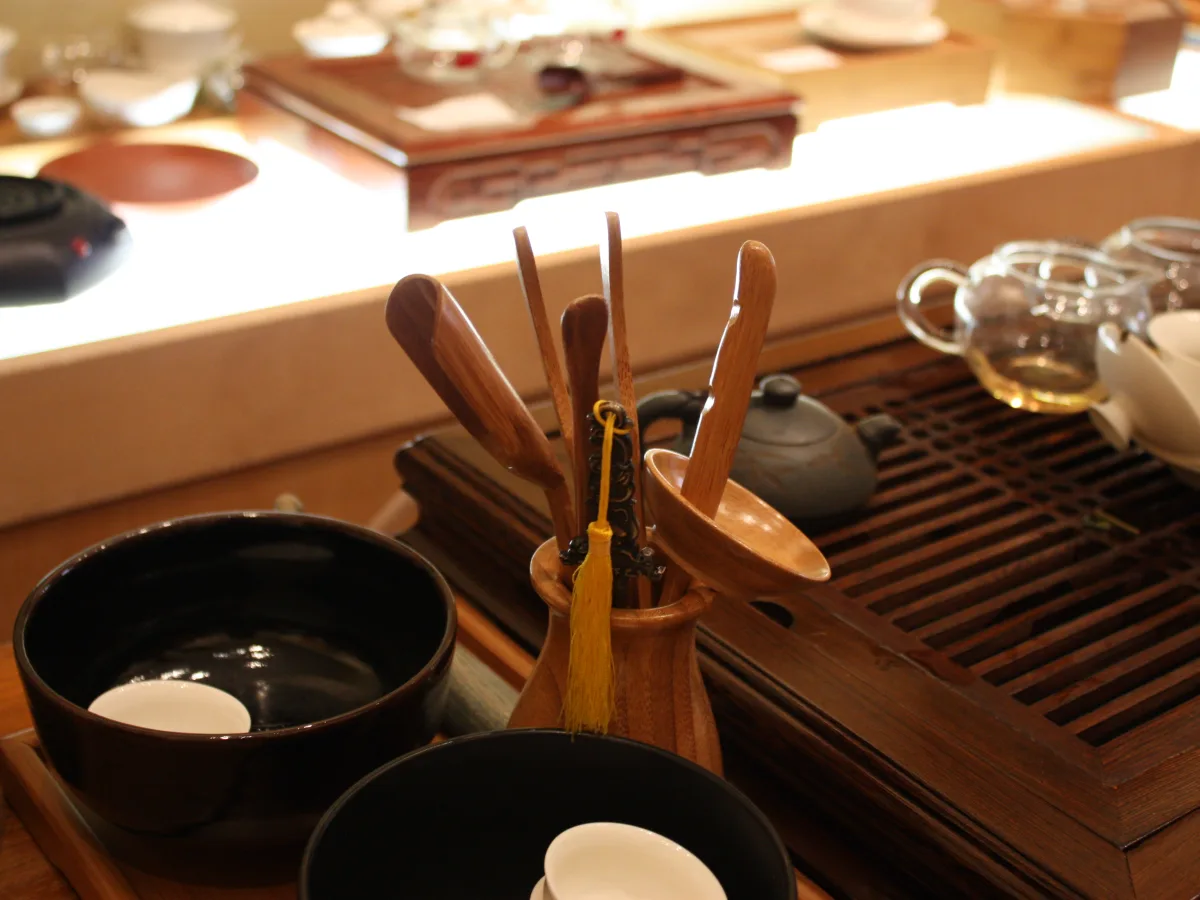
A gaiwan is useful because glazed porcelain is neutral and the open bowl reveals the leaf, but not every gaiwan is equally safe or efficient. Our measured gaiwan guide compares usable capacity, weight, rim geometry and pour control. For a first purchase, those variables matter more than painted decoration.
If you want exact starting ratios, water ranges and a method for correcting weak or harsh tea, use how to brew Chinese tea. Its central rule is more valuable than any fixed recipe: change leaf, water temperature or time one variable at a time, then taste what changed.

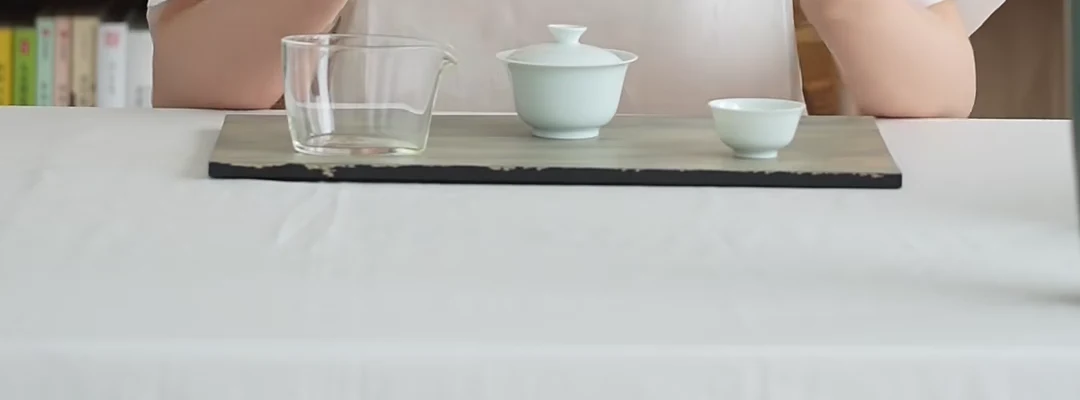
These two real brewing frames prove only what is visible: loose leaf in a covered bowl, controlled lid position and liquor leaving the vessel. They cannot identify the tea family, origin or correct timing. Their value is practical—the timer has not truly stopped while liquor remains around the leaf.
You can learn Chinese tea with a glass, mug or small porcelain vessel. A complete tea set is optional. What matters first is that the method makes the result legible.
This is why I resist the idea that Chinese tea requires a ceremonial performance before a beginner is allowed to enjoy it. Technique matters, but technique should make a tea easier to understand, not make the drinker afraid of touching the kettle. Once the basics are repeatable, a gongfu tea guide can help you explore shorter infusions, shared service and more deliberate hospitality.
UNESCO's 2022 record for traditional tea processing techniques and associated social practices in China covers plantation management, leaf picking, manual processing, drinking and sharing. It names six categories and reprocessed teas, but its most useful lesson is broader: tea knowledge lives through producers, families, apprenticeships and repeated social practice.
That evidence does not support one official national ceremony. A concentrated gongfu session, a glass on an office desk, a pot served with a family meal and a wedding ritual solve different human problems. They should not be flattened into one stage performance.
After decades of drinking tea in China, I no longer think the rarest cup explains Chinese tea best. The glass beside a worker, the thermos in a meeting and the pot set down before a guest has decided whether to stay may reveal more. Tea is often less a performance than a way of saying: sit first; we can talk after the water boils.
The English phrase Chinese tea ceremony can refer to several unrelated things: skill-centered gongfu brewing, a family wedding ritual, a public cultural demonstration or simply attentive service for guests. Even gongfu practice varies by place, tea, teacher and household.
Ask, “Which community, place and occasion is this?” A gongfu tea guide should explain brewing practice. A wedding tea ceremony should document family relationships and regional variation. Neither should claim to be the single script for China.
Tea history is often led by legends. Legends show how later people gave tea meaning, but they are not dated evidence. For a first guide, three historical consequences matter more than a procession of dynasties.
First, preparation changed. Chinese tea has been compressed, ground, whisked, steeped loose and scented. A modern loose-leaf routine should not be projected backward as timeless practice.
Second, vessels changed with preparation. The Metropolitan Museum of Art's documented 11th-12th-century Jian ware tea bowl and later porcelain pots do not form one matching “traditional set.” Material, form and use shifted across periods and places.
Third, tea moved through trade and migration. Chinese leaf and porcelain influenced drinking elsewhere, while overseas communities and markets developed their own habits. A contemporary family practice in Malaysia, London or California may be culturally Chinese without reproducing one mainland scene unchanged.
The practical conclusion is direct: when someone calls a method or object traditional, ask where, when and for whom. Specificity gives tradition depth; vagueness turns it into decoration.
A trustworthy listing should let you identify the tea beyond a grand name.
Age is not a universal upgrade. Fresh green tea and some aromatic oolongs can lose the qualities for which they are valued. White and dark teas may change over time, but suitable material and clean storage come before the number on the wrapper.
Expensive equipment is not an authenticity certificate either. A neutral glazed vessel lets a beginner compare teas without assigning each one a special pot. The Chinese tea set guide starts with function, volume and pour speed rather than a retail checklist.
Do not taste six categories in one crowded afternoon. Use four sessions to learn differences you can actually remember.
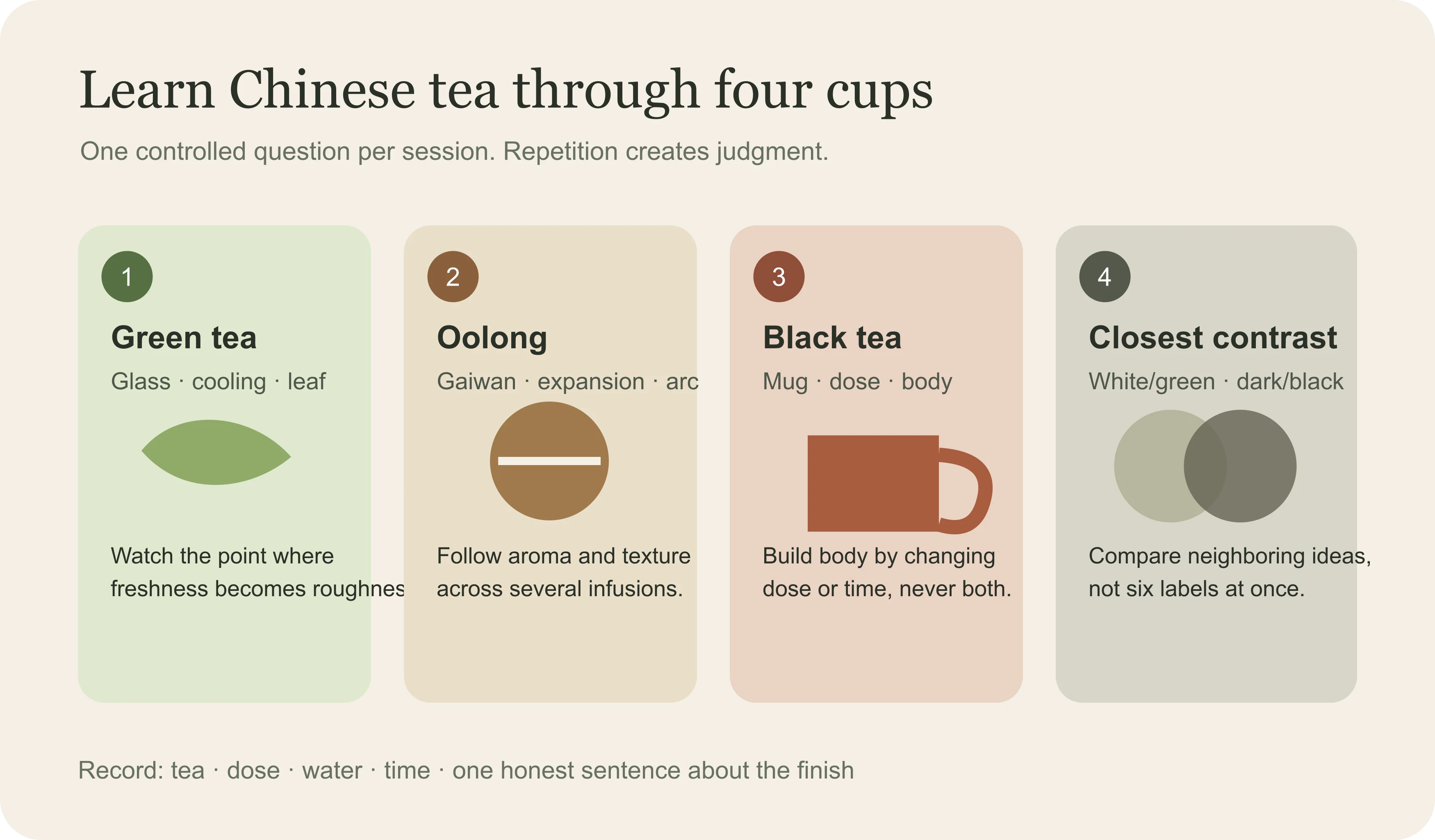
Record only tea, dose, water, time and one sentence about the finish. Repeat the most interesting tea before buying another famous name. Repetition turns information into judgment.
From here, choose the route that matches your next question: compare the six types of Chinese tea, learn brewing variables, select a gaiwan, build a functional Chinese tea set or distinguish everyday tea practice from the many meanings of Chinese tea ceremony.
Chinese tea does not need mystery to remain profound. A leaf is grown, transformed by skilled hands, measured into a vessel and offered across a small distance. Culture lives in that distance: between maker and drinker, host and guest, memory and the next cup.
One useful question
Between the first and third infusion, what changed most—aroma, texture, bitterness or finish? Name the tea, dose, water and timing so another reader can repeat your result.
Loading the conversation…
Reader-built field guide
Record the tea, dose, water, time and one honest sentence for each cup. The change between infusions matters more than a prestige label.
What this builds: Follow Food and Culture to return for approved three-cup tests, corrected brewing variables and new comparisons built from repeatable reader notes.
These sources verify institutional records, protected traditions and claims that benefit from direct evidence. They support the story; they do not replace Lijun's judgment.