The white-tea grades are material descriptions before they are price categories
Use the pluck as a starting point. Origin, season, manufacture, storage and the actual cup still decide whether a tea is good.
| White-tea route | Material and likely direction | Myth to remove |
|---|---|---|
| Chinese white tea | Withering and drying do most of the structural work, while leaf material and environment shape the outcome. | White tea is unoxidized, caffeine-free or automatically delicate. |
| Silver Needle | Bud-focused material can emphasize down, soft texture and subtle aromatic detail when manufacture is clean. | Buds alone prove Fuding origin, highest quality or lowest caffeine. |
| White Peony | Bud-and-leaf material can join fragrance with more body and a wider everyday brewing range. | Leaf presence makes it a lower or less refined white tea. |
| Shou Mei | More mature leaf can bring fuller fruit, herb, wood and aging potential at an accessible price. | Dark color or compression proves beneficial age. |
Simple manufacture makes every mistake easier to taste
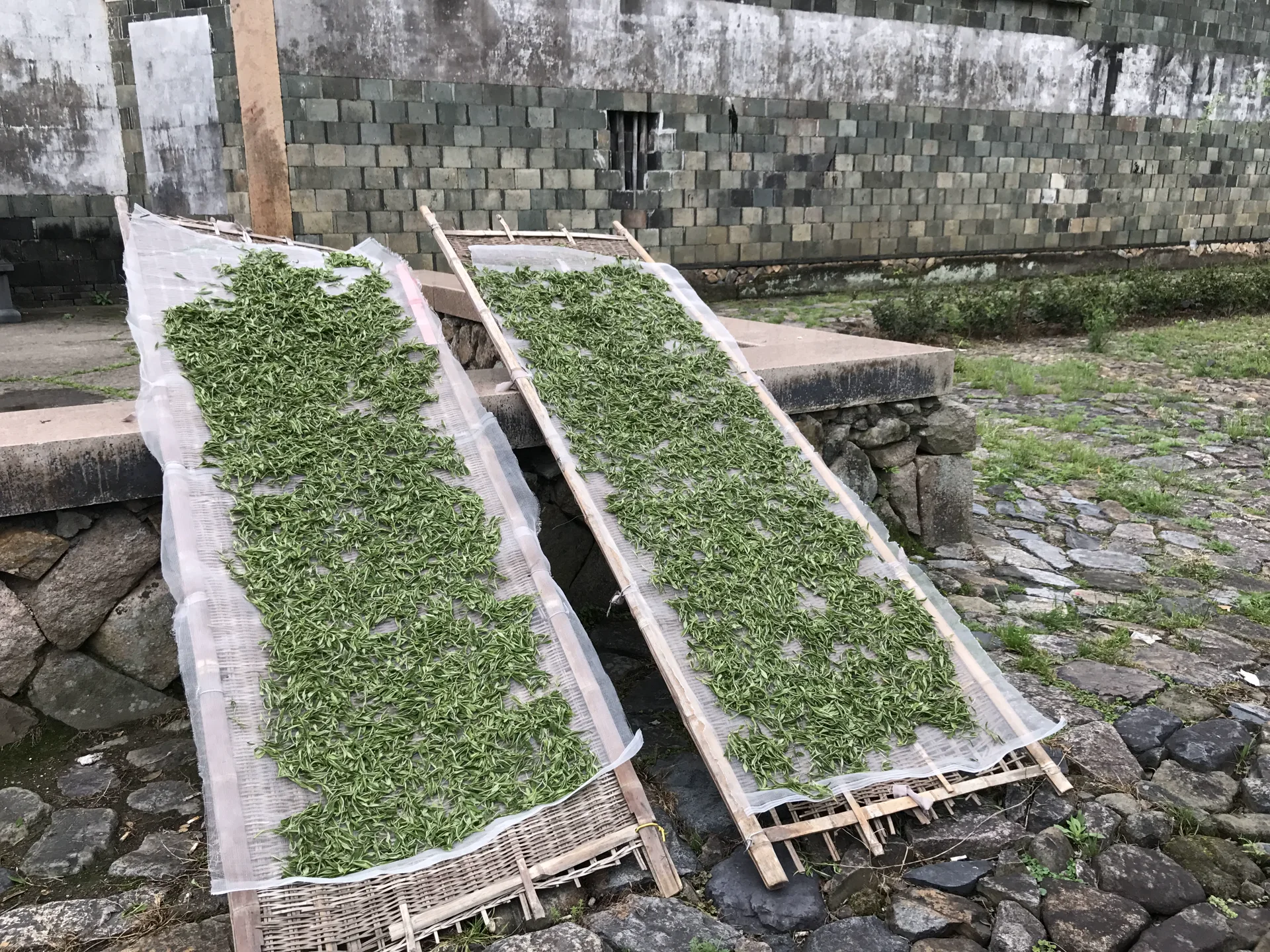
White tea is often called the least processed tea, a phrase that creates the false image of leaf left alone to dry. Withering is active work. Thickness, humidity, airflow, temperature, spread depth and duration determine how moisture leaves and how aroma develops. Drying must stabilize the result without scorching it or trapping unwanted moisture. Some modern production includes choices and handling beyond the simplified textbook line. Less visible intervention does not mean less judgment.
The opened leaf can reveal uneven material, redness, breakage and coarse handling, but it cannot reconstruct every hour of withering. Taste supplies the rest: clean sweetness, texture and changing aroma should appear without sourness, mustiness or a hollow hay character being excused as natural. White tea is merciless because there is nowhere for a weak leaf to hide behind roast or smoke.
A tray of silver buds is beautiful evidence and terrible proof of origin
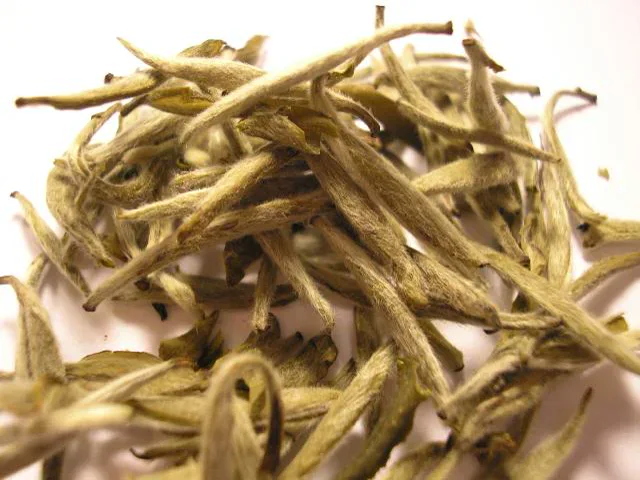
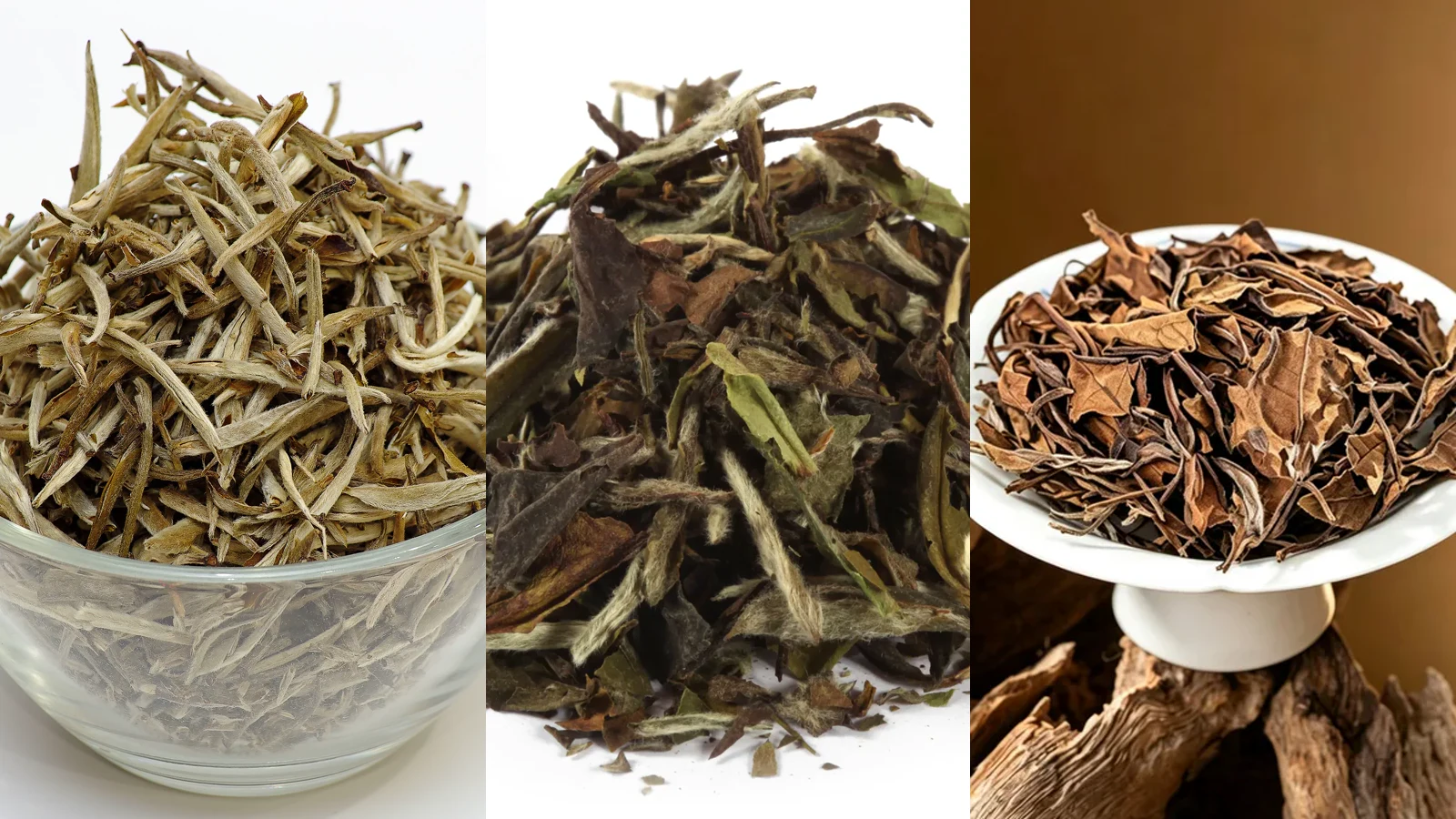
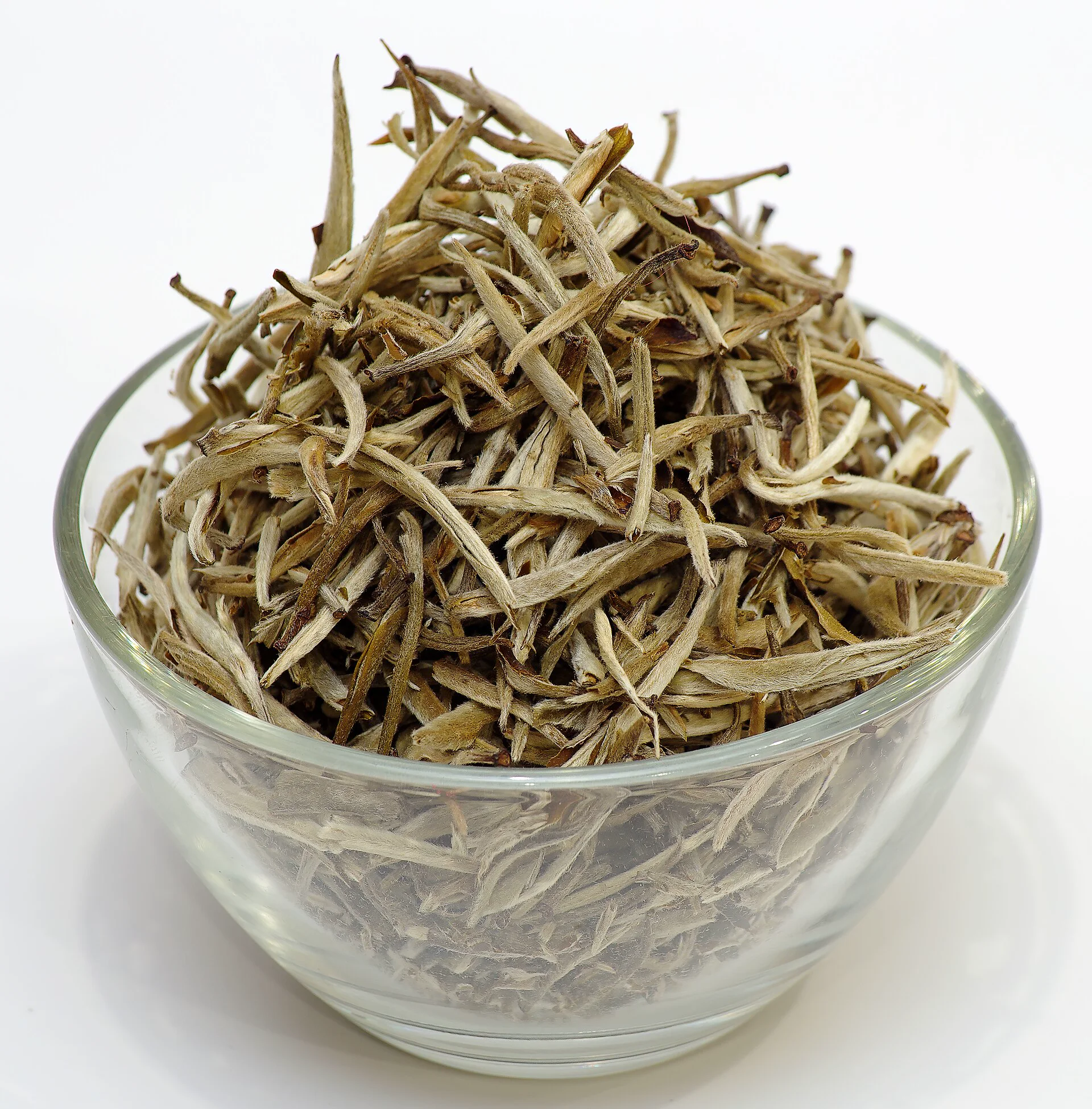
Silver Needle photographs brilliantly: pale buds, dense down and visual uniformity suggest rarity before anyone tastes. The bud-focused pluck can produce a soft, viscous and quietly aromatic cup, but appearance cannot authenticate Fuding, Zhenghe, Yunnan or any other claimed origin. Different places, cultivars and standards can all produce bud teas that look convincing on a screen. The packet needs a traceable identity beyond color.
Spread the dry buds, inspect size and integrity, then brew enough leaf to avoid mistaking weakness for elegance. After infusion, look for living flexibility rather than brittle exhaustion. Taste the middle of the cup and the finish, not only the first pale sweetness. I admire Silver Needle when subtlety has pressure behind it. I will not praise expensive hot water because a seller taught me that delicacy must be silent.
White Peony is where bud fragrance meets enough leaf to speak clearly
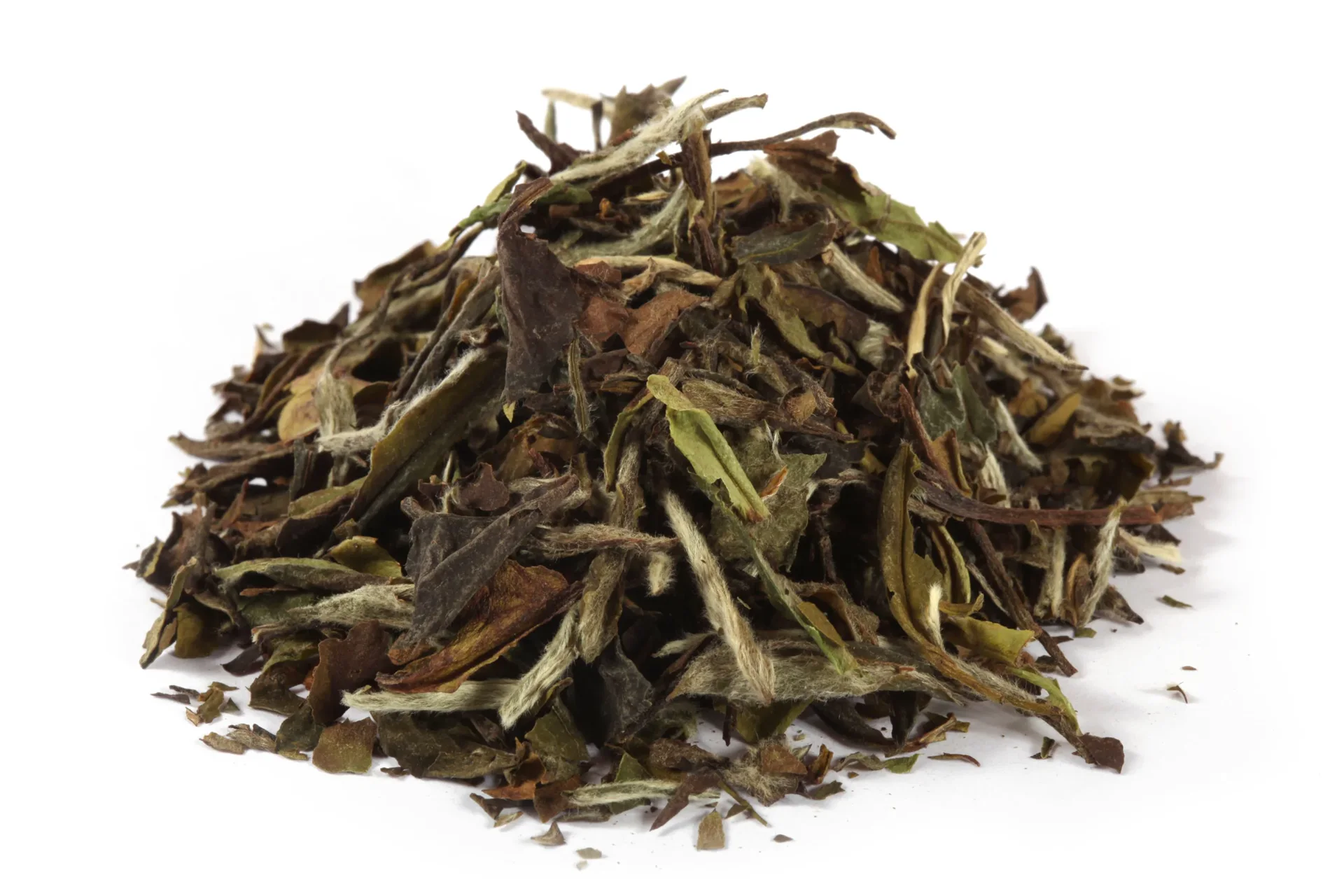
White Peony, or Bai Mudan, commonly combines a bud with young leaves. That broader material can make the tea easier to read: floral and fresh notes may sit over more body, fruit and herbal depth than a bud-only tea. Grades and plucking standards vary, so the poetic name does not guarantee one exact ratio. The leaves should be examined rather than imagined from a printed peony.
For many drinkers this is the most intelligent entry point. It can tolerate glass, bowl, pot or gaiwan brewing, while still showing the relationship between tender bud and leaf. A good White Peony does not apologize for its leaves. They are the reason the cup can feel complete. When a shop hides them under a hierarchy that worships buds, it is selling status instead of teaching tea.
Mature leaf is not failed youth
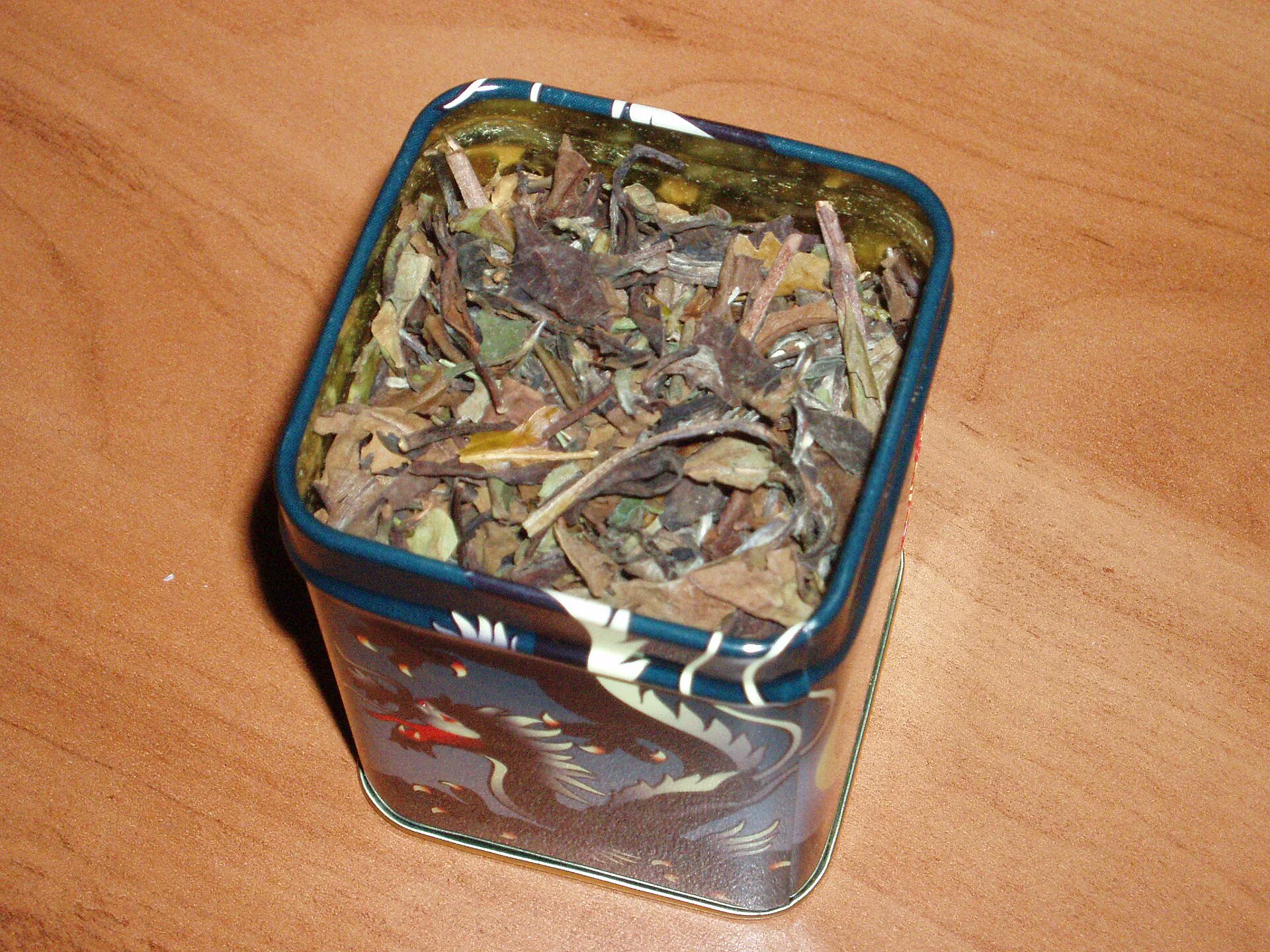
Shou Mei uses more mature leaf and can appear rougher, darker and less uniform. Those traits often make it cheaper, but they do not sentence it to inferiority. Well-made material can carry dried fruit, herbs, honey, wood and satisfying body. It can also accept boiling water and larger-vessel household brewing with less fragility than very tender material. Its usefulness is a strength, not a consolation prize.
The danger arrives when compression and darkness are used to manufacture an old-tea fantasy. A brown cake can be newly made, badly stored or composed of weak material. Break it open and compare the center with the surface. Smell for dampness, sourness or foreign odor. Ask for production and storage history. I would rather drink a clean young Shou Mei every week than own an old cake whose only flavor is somebody else's story.
Time is an ingredient only when storage has a name
White tea can change with age: fresh green and floral notes may move toward fruit, honey, herbs, wood and deeper sweetness. But change is not automatically improvement. Starting material, moisture, temperature, oxygen, packaging and odor exposure determine the path. A printed year without storage history is only ink. Medical slogans attached to aged white tea are a second, more serious leap and should be rejected unless supported by appropriate clinical evidence.
Buy old white tea only after learning a clean young version and a documented middle-aged one. Compare dry aroma, liquor clarity, texture and opened leaf. Mustiness is not age; flat sweetness is not depth. Store your own tea dry, stable and protected from odors, then record what actually changed. The romance of time becomes richer when it survives a notebook.
White tea can take heat; the leaf decides how long
Advice to protect every white tea with cool water often produces pale, under-extracted cups and teaches beginners that elegance means absence. Bud-heavy tea may reward gentler contact, but good material can also respond to hotter water when time is shortened. Leafier Shou Mei can be brewed, steeped in a pot or simmered carefully. Vessel and ratio matter. There is no single sacred method shared by all grades.
Start with porcelain or glass so the tea remains visible. Use near-boiling water with a moderate ratio and short contact, then adjust one variable. If texture and sweetness expand without harshness, the tea had more to give. If heat exposes sour or rough edges, record the limitation rather than blaming yourself. Brewing is an interrogation conducted with care; it should reveal the leaf, not flatter it.
Keep one bud tea, one bud-and-leaf tea and one leafier tea
A small comparative shelf teaches the family better than a collection of expensive cakes. Choose one Silver Needle, one White Peony and one Shou Mei from sellers who state origin, harvest or production year and storage at an honest level. Brew them side by side once, then separately in the conditions each prefers. Photograph dry and opened material. Note texture, aroma movement, body and the moment each tea becomes tired.
The result is not a universal ranking. You may want Silver Needle for quiet attention, White Peony for a flexible daily cup and Shou Mei for a fuller shared pot. That practical division is more valuable than repeating a grade ladder. My final position is firm: the best white tea is the one whose material you can identify, whose history you can trust and whose cup you genuinely want again.
Fujian is central to white-tea history, but the modern category travels
Fuding and Zhenghe in Fujian are central names in white tea, with their own cultivars, manufacturing histories and market identities. Yunnan and other producing areas now make white teas from different plant material and environments. Calling every bud tea Fuding erases that expansion; calling every new region inauthentic freezes a living category. The correct label states origin and lets the tea be judged within it.
Regional comparison becomes useful when it moves past slogans. Look at pluck, leaf thickness, down, withering character, body and aging behavior. Yunnan material may present differently from Fujian tea, but no sentence can replace the batch. Place should sharpen observation, not pre-write the tasting note.
A cake changes access and storage; it does not manufacture history
White tea is sold loose and compressed into cakes, bricks or other forms. Compression saves space, changes air exposure and makes sampling more difficult. It can also conceal mixed material: the attractive surface is not guaranteed to match the center. Break from more than one area and compare leaves before accepting a uniform grade claim.
Compression encourages Pu-erh language to migrate into white-tea marketing—ancient trees, cellar value, inevitable appreciation. Resist it. A cake needs material identity, production date, compression date when different, storage history and a clean cup. Buy it to drink under conditions you can maintain, not because a graph promises retirement money.
White tea is not caffeine-free because the liquor looks pale
Bud material can contain substantial caffeine, and extraction changes with dose, heat and time. The family name does not guarantee a gentle physiological effect. Claims about immunity, weight, aging or disease often jump from laboratory findings to a retail cup without dose or human context. That is not cultural knowledge; it is marketing wearing scientific vocabulary.
Keep the claim narrow. White tea can be fragrant, comforting and personally meaningful. It can accompany quiet work or family conversation. People sensitive to caffeine should test carefully, and medical decisions belong with qualified care. A beautiful tradition loses nothing when miracle language is removed.
The pale liquor is especially persuasive because it looks innocent. Appearance is not dosage. Note the dry-leaf amount, vessel and total session, and remember that repeated infusions accumulate. Respecting the body does not make tea less poetic; it keeps the poetry from becoming a false health promise.
The same restraint applies to children and guests: ask, offer alternatives and never use tradition to pressure someone into a cup they do not want.