The regional decisions hidden by the single word oolong
These are working routes, not a claim that every tea from a region tastes alike.
| Oolong route | Evidence to compare | Shortcut to reject |
|---|---|---|
| Chinese oolong | Withering, agitation, oxidation control, fixation, shaping and roasting form a process family with wide variation. | One oxidation percentage explains quality, flavor or brewing. |
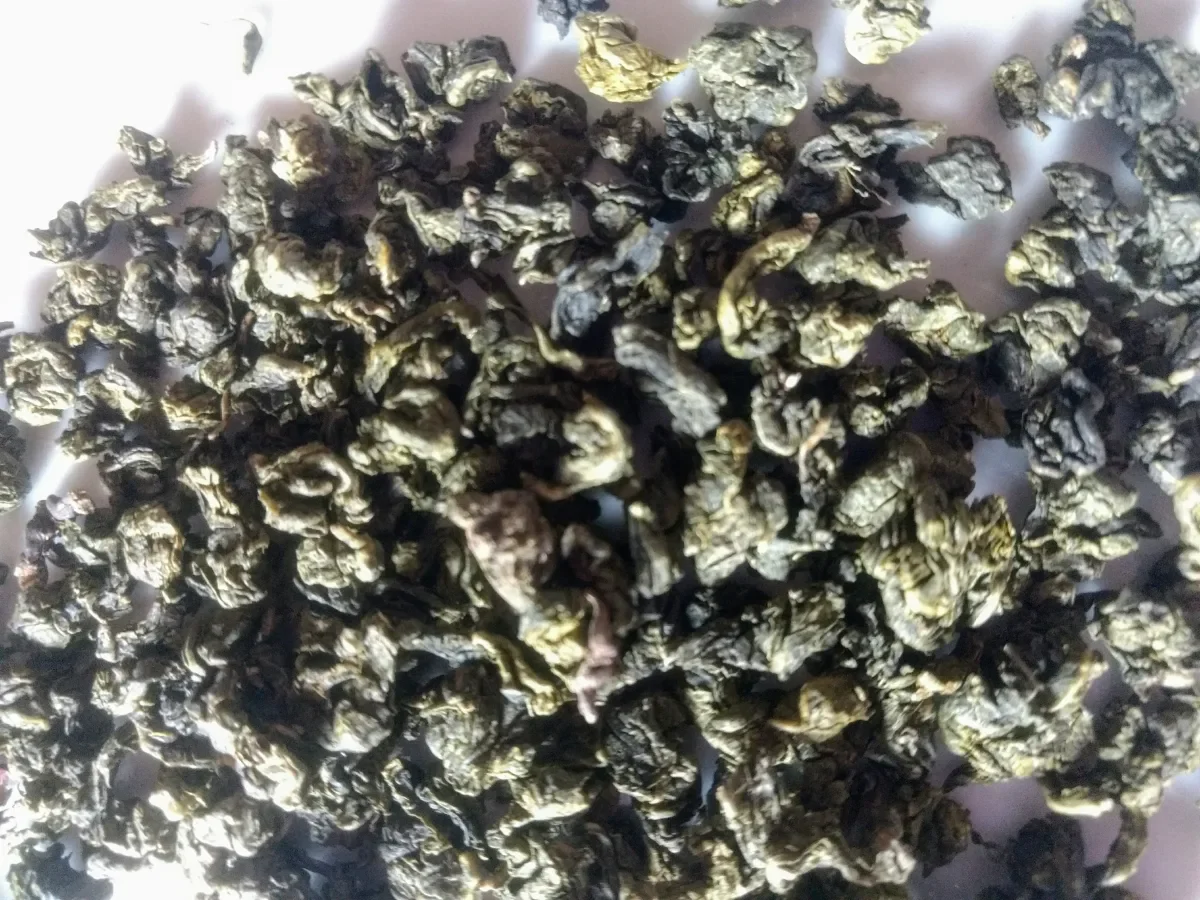
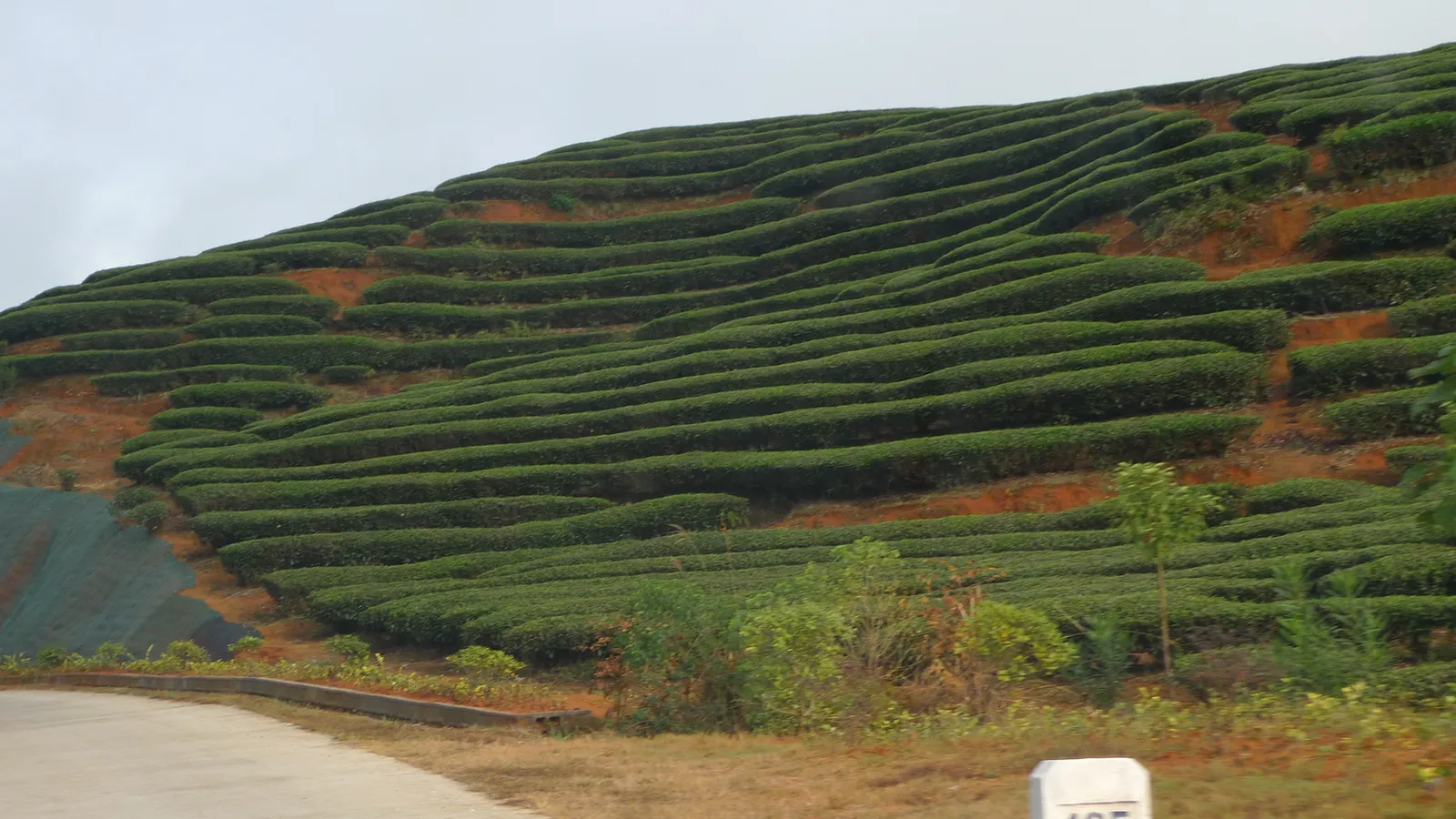
| Tieguanyin | Cultivar identity, Anxi context, rolled leaf, roast and modern light-versus-traditional processing must be separated. | Every jade-green rolled pellet is authentic Anxi Tieguanyin. |
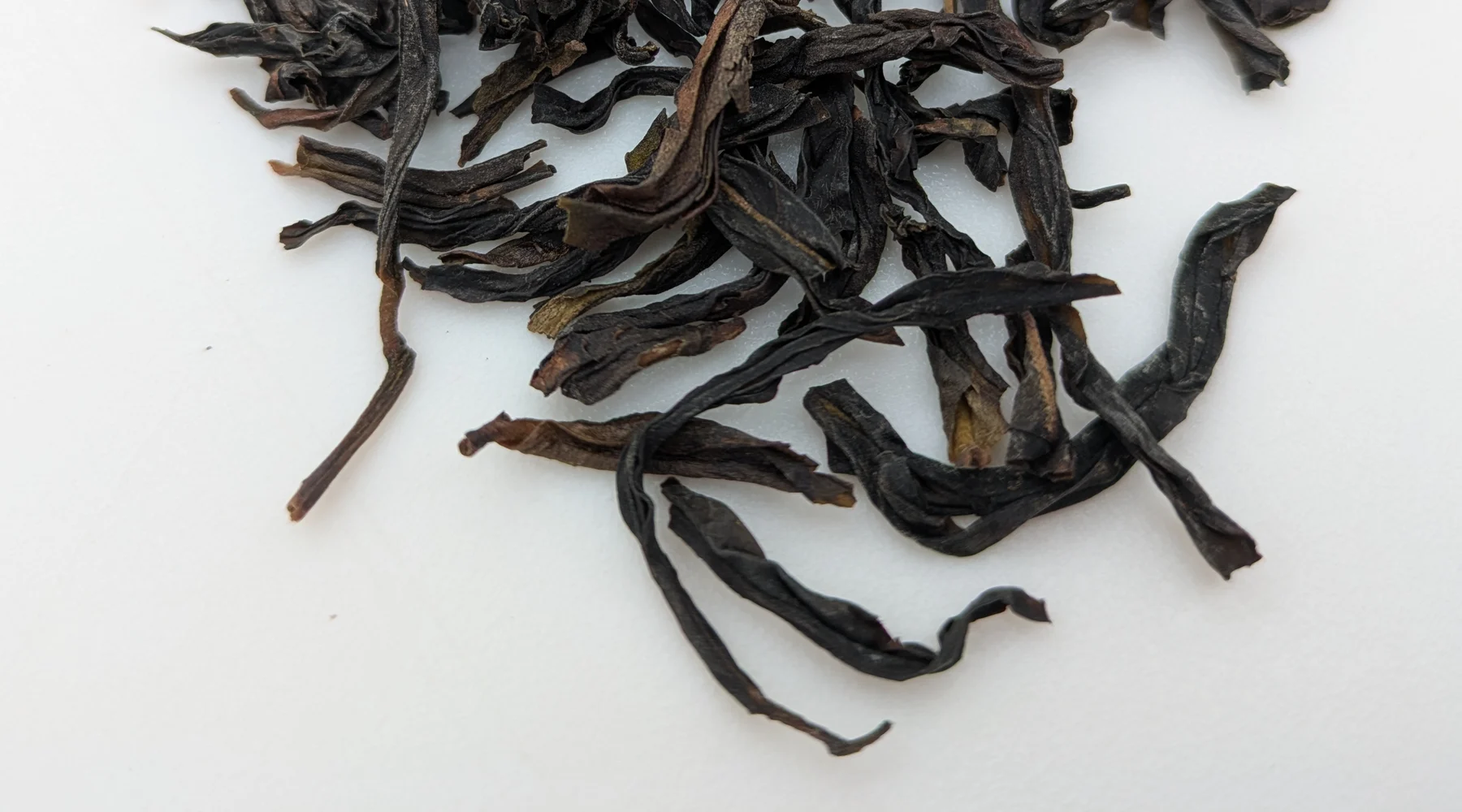
| Wuyi and Da Hong Pao | Twisted leaf, cultivar or blend, roast condition and a credible Wuyi origin claim belong together. | The famous mother bushes explain the contents of a retail packet. |
| Phoenix Dan Cong | Named cultivar or aroma type, Phoenix Mountain context, twisted leaf and disciplined extraction shape the experience. | A perfume-like aroma proves old-tree material or natural origin. |
Oolong is not tea paused at fifty percent
The familiar green-to-oolong-to-black ladder suggests that makers simply stop the same process at different percentages. Real oolong manufacture is more active. Leaves are withered and moved so cell damage occurs unevenly; oxidation develops in relation to leaf edge, interior, cultivar and handling; heat fixes the chosen state; shaping and roasting continue to transform aroma and structure. A single number cannot describe that sequence, and many retail percentages are neither measured nor comparable.
Look instead for process consequences. Rolled Anxi leaves open dramatically and may show a greener modern style or a warmer roast. Wuyi strips often carry roast, mineral and fruit relationships across repeated infusions. Dan Cong can produce astonishing fragrance while punishing careless over-extraction. None of these observations proves origin by itself. Together they give the reader better questions than 'How oxidized is it?'
Tieguanyin carries a cultivar, a county and a century of changing taste
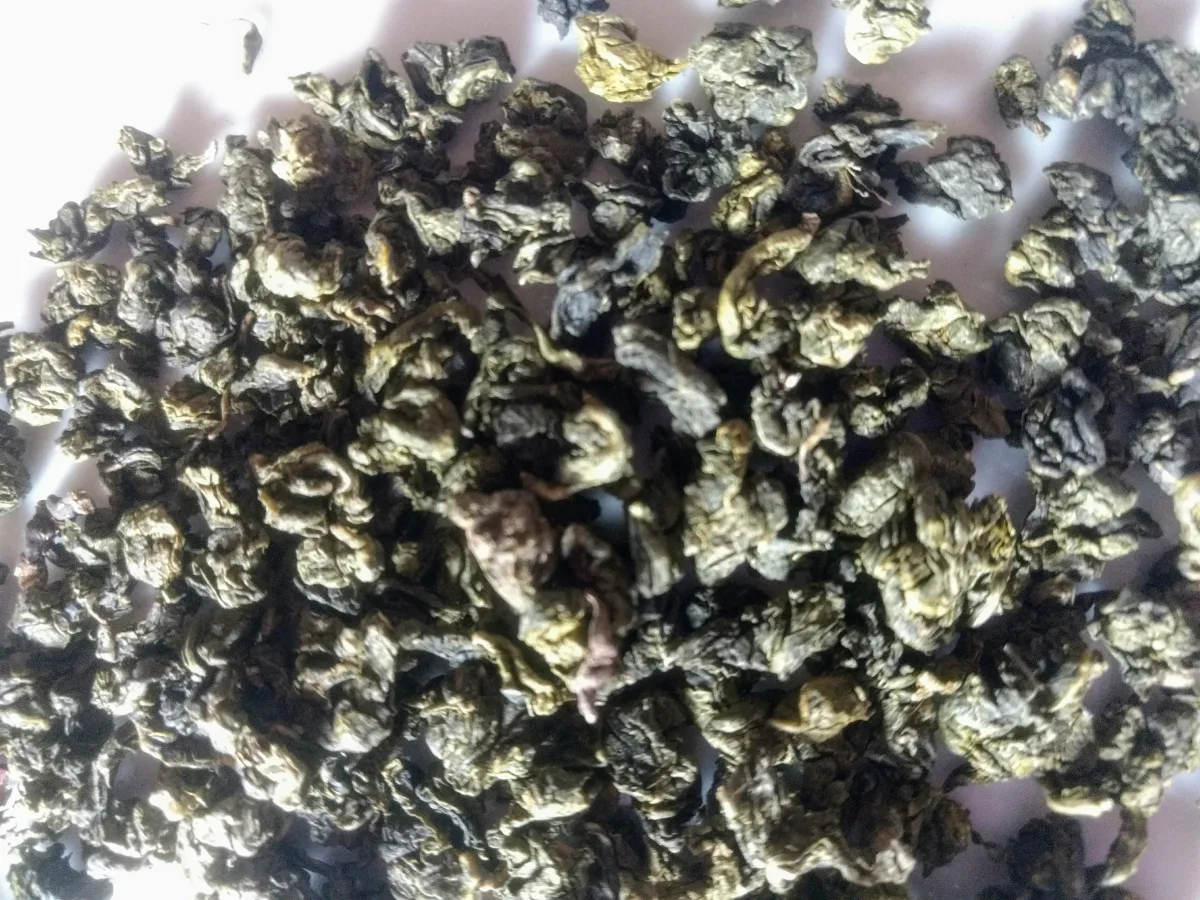
Tieguanyin is often sold through the visual shorthand of tight green balls and orchid aroma. That describes only part of the modern market. The name belongs to a cultivar and a tradition strongly associated with Anxi, while processing styles range from greener, lightly roasted expressions to warmer, more developed forms. Storage and finishing matter because a very green aromatic tea can lose clarity or acquire stale notes quickly when handled badly.
I do not treat electric color or perfume as proof of quality. Let the pellets open completely. Examine leaf thickness, tearing, red edges, stems and uniformity. Taste beyond the first floral burst. Does texture remain? Does the aroma return through the throat, or vanish like sprayed fragrance? A convincing Tieguanyin should become more understandable as it opens, not more suspicious.
Rock tea should not need a myth about six bushes to feel substantial
Da Hong Pao is surrounded by the mother-bush story, imperial legends and prices that can make ordinary drinkers feel they are always tasting an imitation. The historic bushes matter to heritage. They do not supply normal retail shelves. Commercial Da Hong Pao may involve cultivated material, named cultivars or blending within the Wuyi rock-tea tradition. The responsible seller explains that reality instead of borrowing the aura of protected plants.
Judge a rock tea by the actual batch: roast condition, clean aromatic layers, texture, finish and how the leaf holds across infusions. Recent heavy roast may dominate; time can settle it, but age is not a repair service for poor leaf. Rock rhyme can name a compelling mineral, tactile and aromatic relationship, yet it should not become a word that ends all questions. If the cup only tastes burnt, poetry cannot add the missing mountain.
Dan Cong fragrance is thrilling precisely because it can turn against careless brewing
Phoenix Dan Cong is associated with named cultivars, old-tree claims and aroma categories that evoke honey, orchid, ginger flower, almond and many other impressions. The vocabulary can help memory, but it can also become theatre. Aroma type does not mean flavoring, and a dramatic fragrance does not verify tree age. Origin, cultivar, garden and harvest remain claims requiring a traceable source.
This tea exposes technique. Too much leaf and long contact can produce a beautiful first smell followed by hard bitterness. Use a small vessel, a decisive pour and short early infusions; then adjust. Bitterness itself is not automatically a defect—it can carry fragrance and return sweetness—but blunt, drying force that never reorganizes is not depth. I love Dan Cong when it feels like tension under control. I reject the idea that pain proves authenticity.
Roasting is not one flavor; it is a moving condition
Roast can stabilize leaf, transform aroma, reduce raw edges and give oolong warmth and structure. It can also flatten weak material or arrive so recently that fire dominates everything else. The same tea may taste different after resting because volatile roast notes settle. A seller should be able to describe the finishing style and approximate timing without pretending every detail is secret master knowledge.
Smell the warmed dry leaf, first rinse and cooled cup. Char, fruit, spice, cream, flowers and mineral impressions should reorganize rather than repeat one burnt note. Keep a little sample and revisit it after several weeks under good storage. Oolong teaches time on a human scale: not only decades of collector mythology, but the ordinary way roast and aroma change after the packet opens.
Small-vessel brewing is useful because it makes change impossible to hide
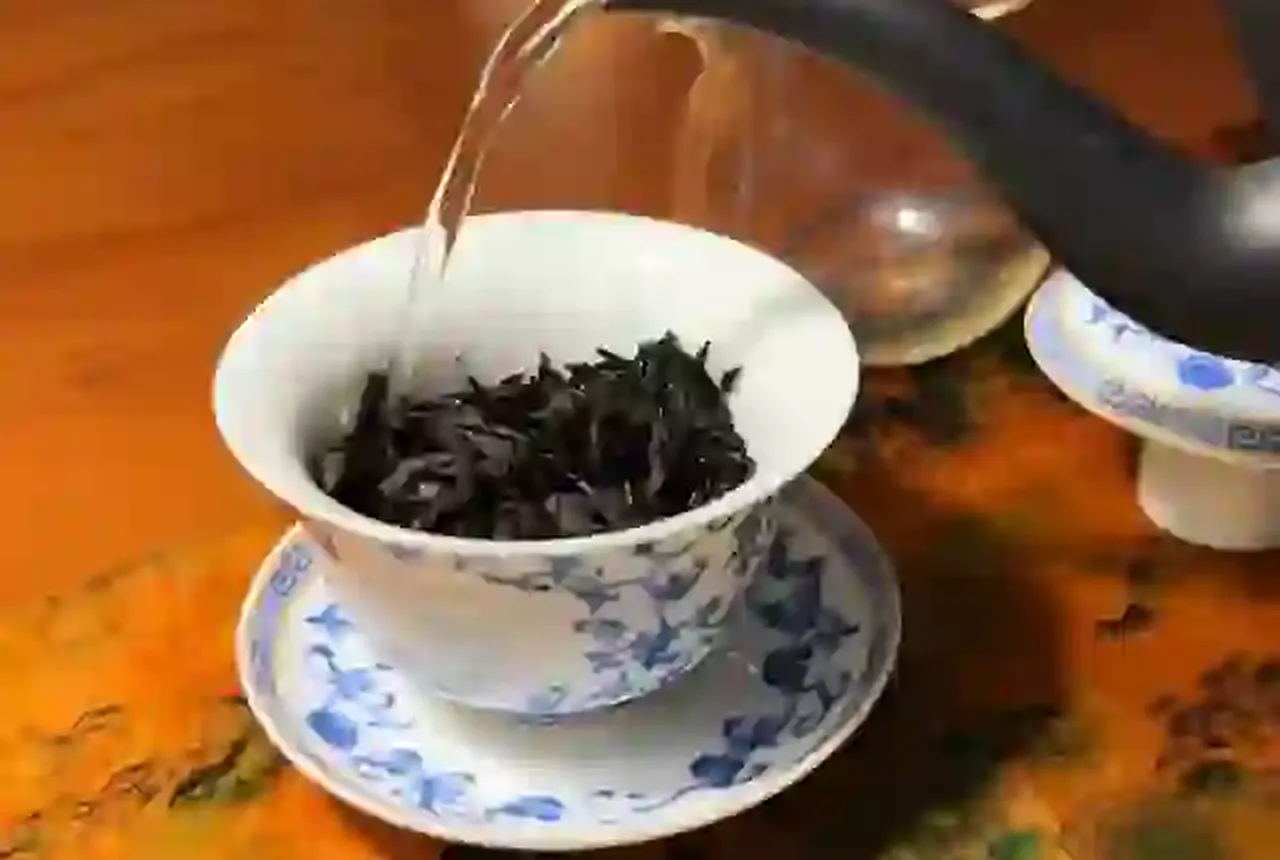
A gaiwan or small pot with complete decanting gives repeated snapshots of an oolong. The first infusion may carry roast, the next opens flowers or fruit, later cups reveal texture and endurance. This is why gongfu-style brewing suits the family. It is not a performance requirement. A large mug can still make a satisfying drink when leaf and time are adjusted, but it compresses the sequence into one result.
Measure the vessel once, learn its complete pour and stop copying huge leaf ratios built for online spectacle. The right amount lets you perceive change without fighting concentration. When serving friends, conversation matters more than hitting a stopwatch. Precision exists to free attention, not to make everyone watch the brewer prove expertise.
The best first oolong lesson uses three regions and no scorecard
Choose one honest Tieguanyin, one Wuyi rock tea and one Phoenix Dan Cong in small quantities. Use the same neutral vessel and water. Do not try to make equal brew recipes force equal behavior; adjust contact so each tea becomes readable. Note dry form, expansion, roast, dominant aroma, texture, bitterness, finish and the shape of the opened leaf. The goal is not to crown a winner. It is to feel three regional grammars with your own mouth.
Return to each sample on another day. Mood, food and attention change perception, and one spectacular session can seduce a buyer into a large purchase. Repetition separates a relationship from a stunt. My verdict is personal and fixed: a quieter oolong that keeps revealing itself is worth more than a perfume bomb I stop wanting after the third cup.
A regional name should narrow the claim instead of enlarging the legend
Oolong lots may be single cultivar, mixed material or commercial blends designed for consistency. Blending is not automatically dishonest. It becomes dishonest when a famous mountain, bush or village is used to imply a narrow origin the seller cannot support. Ask whether the product is a named cultivar, an aroma type, a house blend or a regional category. Each answer sets a different evidence burden and price logic.
This distinction is especially important with Da Hong Pao and Dan Cong, where legendary plants and old-tree language dominate attention. A blend can express a recognizable house style and give a satisfying cup. It should be sold proudly as that. Truthful category language creates more room for pleasure because the drinker no longer has to pretend a packet contains a museum object.
Green modern oolong and roasted oolong do not age under the same assumptions
Lightly processed, intensely aromatic rolled oolong can lose freshness and acquire stale refrigerator or packaging odors. Roasted Wuyi or traditional-style tea may settle and change, but it can also absorb dampness or become flat. Airtight, dry, odor-free and stable storage is the baseline; temperature and duration depend on style and packaging. 'Oolong improves with age' is too broad to be useful.
Open small packs, date them and compare the first session with a later one. If fragrance collapses, buy less next time. If roast integrates and texture grows clearer, record the conditions rather than declaring a universal aging law. A personal storage notebook is modest evidence, but it is more honest than inherited certainty.
Oxidation percentage is not a caffeine dial
Oolong is often placed between green and black tea on a caffeine chart because it is imagined as halfway oxidized. That shortcut fails. Dry-leaf dose, bud and leaf material, cultivar, infusion time, temperature and number of brews all affect what reaches the cup. Gongfu sessions can use much more leaf than a mug even when individual infusions are short.
Drinkers should observe sleep, heart rate, stomach comfort and total intake without turning one reaction into a universal rule. Strong tea on an empty stomach can feel unpleasant. Offering food, water or a lighter cup is hospitality, not weakness. Oolong's complexity deserves attention, but no cup should demand bodily loyalty.
Keep the practical record plain: tea, dry-leaf weight, vessel volume, number of infusions and the time the session ended. That is enough to compare your own response across days. A vague statement that oolong feels gentle is not transferable evidence, and a dramatic reaction is not a diagnosis.
Water and food belong in the record too when they changed the session. Personal evidence becomes useful through context, never through certainty borrowed from one evening.