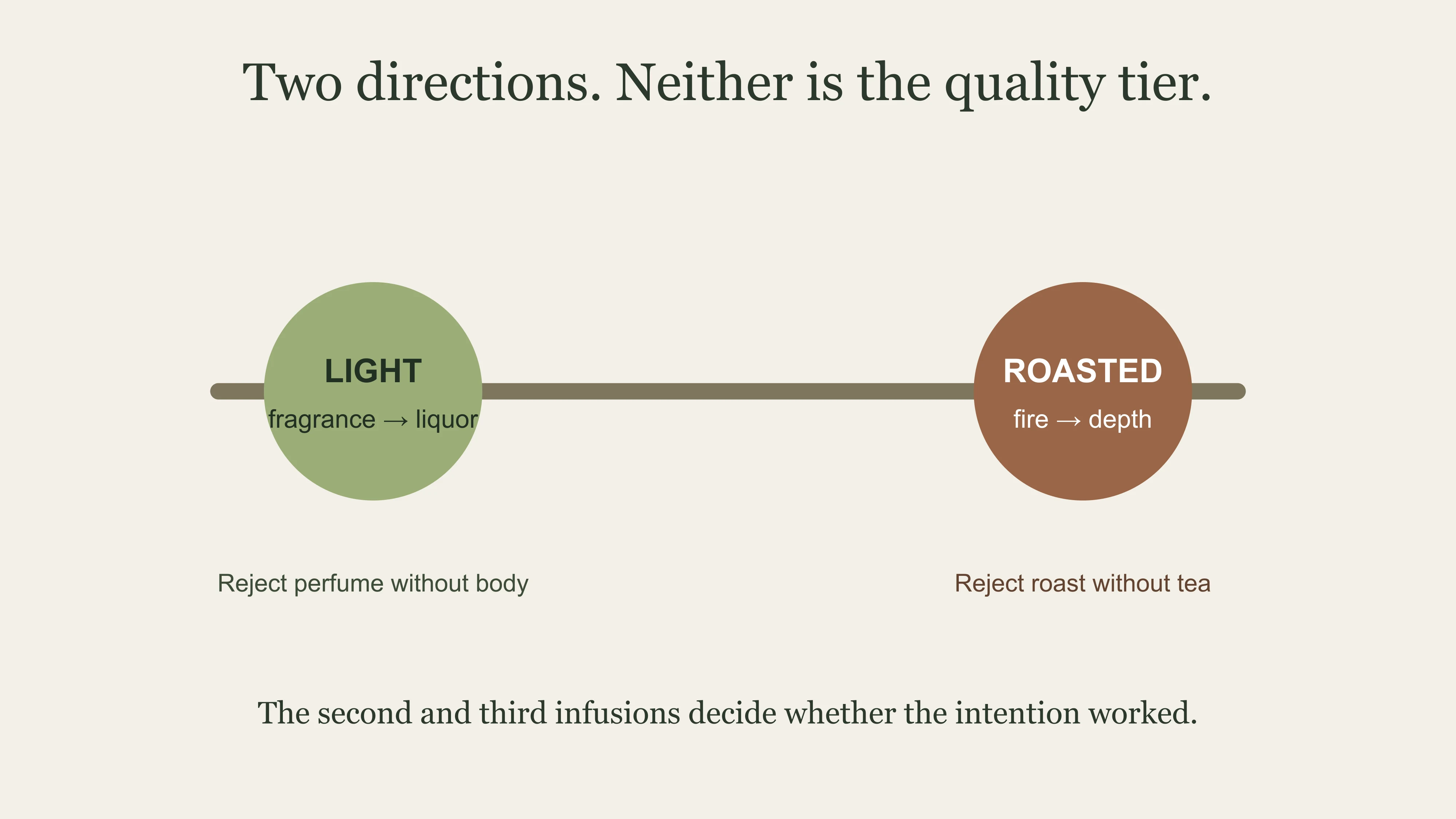
Choose Tieguanyin by processing direction and by the structure of three infusions, not by how green the pellets look or how loudly the first cup smells. A good light style turns high floral aroma into clear, textured liquor. A good roasted style lets the fire recede and the underlying tea return. Perfume without body and roast without tea are both failures.
Tieguanyin tea: the 60-second answer
Tieguanyin is an oolong associated above all with Anxi County in Fujian. The name can refer to a cultivar, a style of rolled oolong or the protected product Anxi Tieguanyin. Those are related claims, not interchangeable ones.
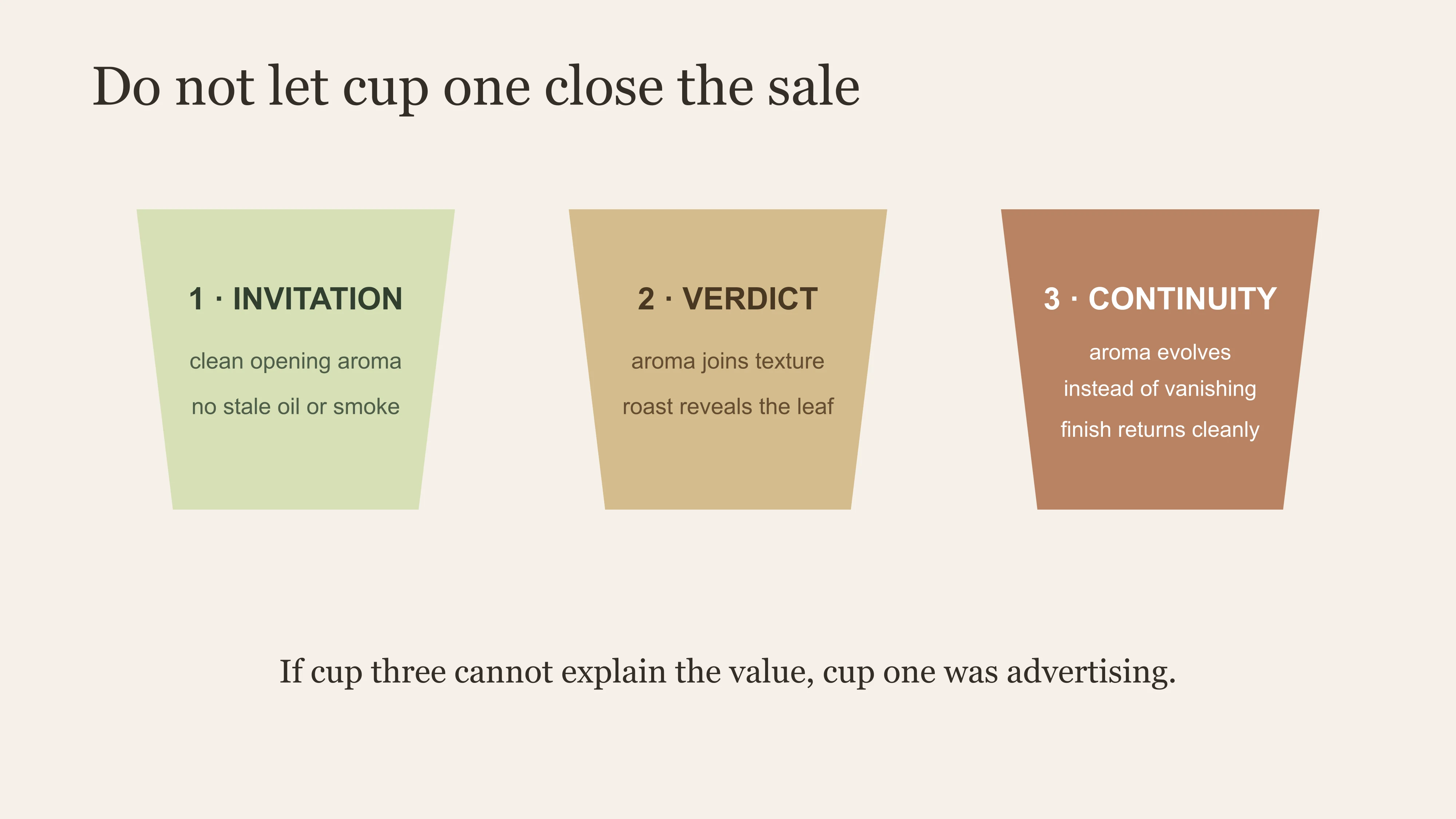
If you want a bright, lifted cup, buy a light-fragrant style in a small, well-sealed quantity and drink it while its aroma is vivid. If you prefer baked grain, nuts, ripe fruit and a warmer finish, choose a more roasted style with a stated roast date. In either case, buy the tea that remains coherent in infusions two and three. The first aroma is an invitation; it is not the verdict.
First establish what the seller is claiming
The English name “Iron Goddess tea” is memorable but imprecise. Tie means iron and Guanyin is the bodhisattva of compassion. The name also carries Wei and Wang discovery stories, but these are legends, not proof of a documented inventor.
Three commercial meanings are commonly compressed into the same label:
| Label | What it can mean | What it does not prove |
|---|---|---|
| Tieguanyin cultivar | Tea made from the named tea-plant variety | Anxi origin, a particular roast or high quality |
| Tieguanyin style | A tightly rolled oolong made in a recognizable style | Use of the cultivar or compliance with Anxi origin rules |
| Anxi Tieguanyin | A geographically defined product governed by a Chinese national standard | That an untraceable retail packet is genuine merely because the words appear on it |
The Standardization Administration of China lists GB/T 19598-2025, Product of Geographical Indication—Anxi Tieguanyin Tea. Therefore “Anxi” is not an aroma adjective. Ask for producer, production area and traceability when origin affects the price.
FAO recognized the Anxi Tieguanyin Tea Culture System as a Globally Important Agricultural Heritage System in 2022. Its profile describes an agricultural system of tea gardens, biodiversity, local knowledge and livelihoods. That recognition explains why Anxi matters; it does not certify individual bags.
Light or roasted: choose the cup, not a camp
“Traditional versus modern” is often presented as a clean historical binary. Tea is less tidy. Producers combine oxidation, final drying, roasting and resting decisions in many ways. Light-fragrant and more roasted Tieguanyin are useful buying directions, but neither color nor roast depth proves authenticity.
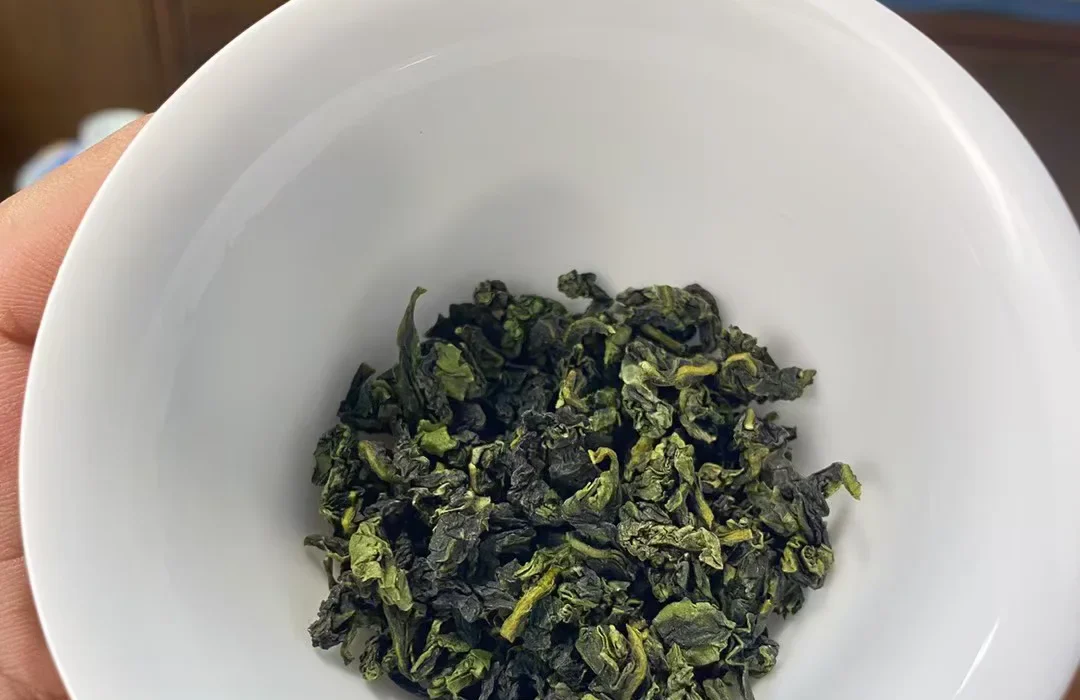
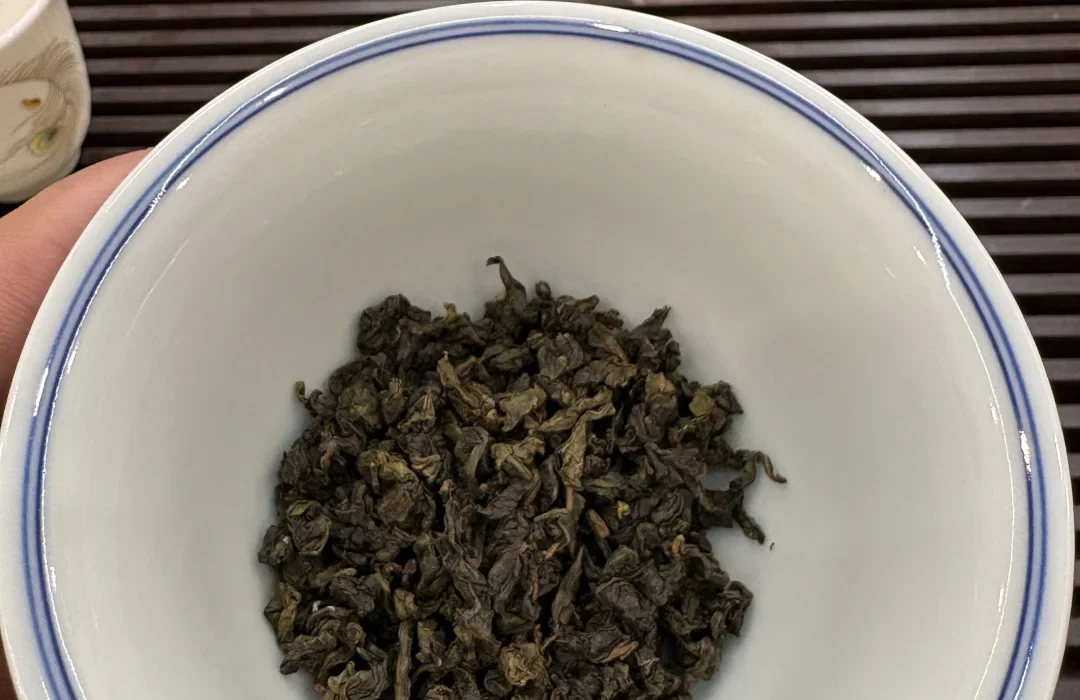
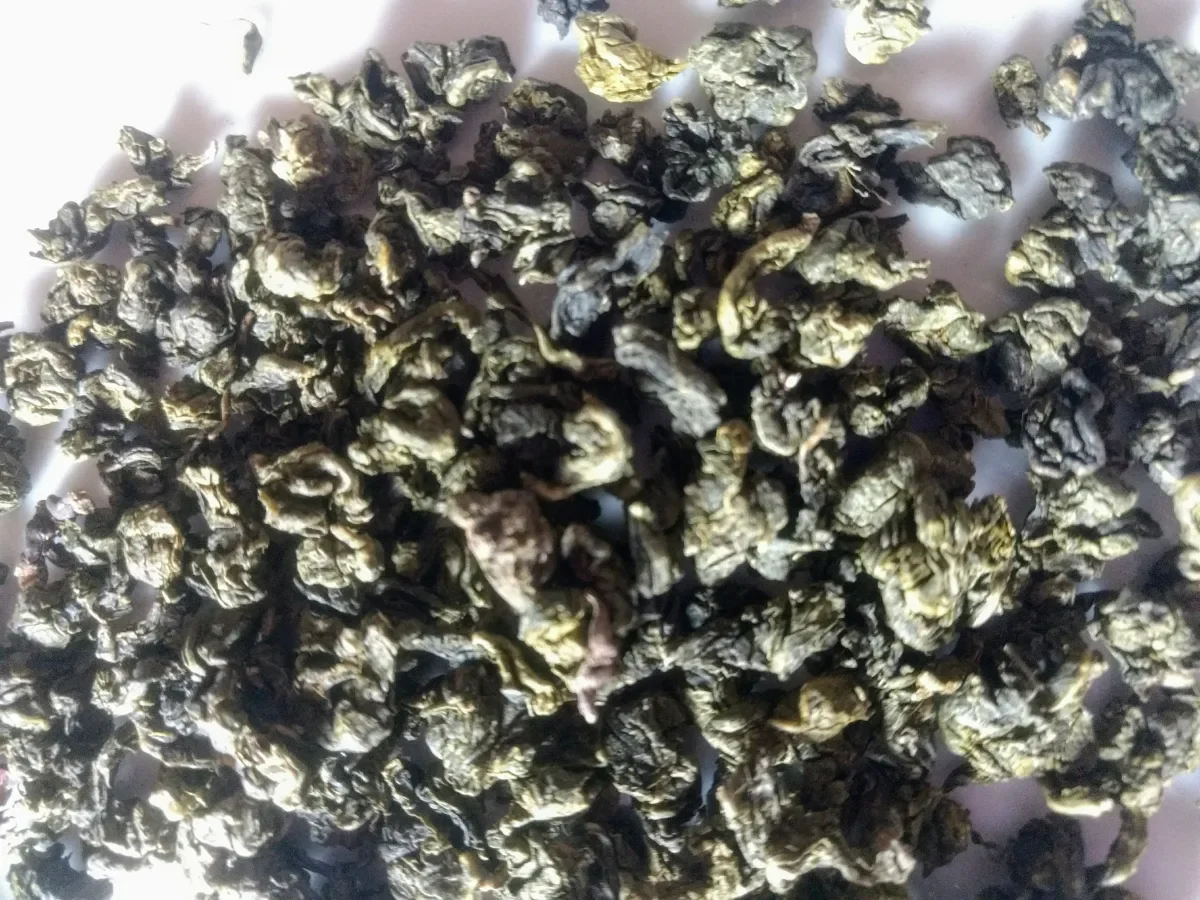
These two real samples make the visual tendency easy to see: the light-fragrant leaf reads greener, while the roasted leaf reads duller and browner. They do not turn color into a grading system. Screen white balance, roast depth, storage and the starting leaf all interfere. Use the photographs to form a question, then let identical brewing conditions answer it. A vivid green sample that becomes thin perfume is not rescued by appearance; a brown sample that tastes only of fire has not become profound.
| Decision | Light-fragrant direction | More roasted direction |
|---|---|---|
| Choose it for | Lifted florals, cream, fresh greens and a bright finish | Baked grain, nuts, ripe fruit, warmer depth and a softer floral register |
| Dry-leaf clues | Often greener, with a fresh high aroma | Often olive to brown, with warm toast or grain notes |
| What good structure feels like | Aroma joins a clean, present liquor instead of floating above it | Fire gives way to fruit, sweetness and leaf character by the middle infusions |
| Common failure | Piercing perfume, thin body, rapid collapse | Char, dryness or roast that hides the tea in every infusion |
| Storage priority | Small sealed packs; protect the more fragile top aroma | Airtight and odor-free; record roast date and do not assume roast makes tea indestructible |
| Starting water | 90-93°C / 194-199°F | 95-98°C / 203-208°F |
A 2021 controlled study by Cao and colleagues is useful because its Tieguanyin samples came from the same fresh leaves and manufacturing process except for roasting treatments. In that sample set, roasting reduced bitterness and astringency, increased sweet aftertaste, and changed the volatile profile. Higher-temperature treatment reduced the diversity and intensity of floral volatiles while pyrazines, pyrroles and furans associated with roasted character increased.
This does not mean darker tea is automatically sweeter or better. Nor are the study's 105°C and 130°C treatments universal factory recipes. The defensible conclusion is narrower and more useful: roasting can reshape aroma and mouthfeel, so a roasted Tieguanyin must be judged as an integrated result, not as light Tieguanyin with extra fire on top.
Aroma is made, not discovered by smelling the packet
Fresh tea leaf does not arrive from the field carrying a finished orchid perfume. Withering, repeated turning or agitation, oxidation, fixation, rolling, drying and roasting transform it.
A 2024 study followed volatile compounds through the enzymatic stage of Tieguanyin production: fresh leaf, withering and repeated turning-over. The researchers identified dynamic changes in hundreds of volatile compounds and reported a general movement toward more floral-fruity components and fewer green-leaf volatiles. Their work supports a crucial buying rule: aroma is evidence of processing performance, not a fingerprint that can prove Anxi origin by itself.
| Production decision | What it changes | The buyer's practical question |
|---|---|---|
| Withering | Moisture, leaf flexibility and early aroma development | Does the cup feel clean and resolved rather than raw and sharply green? |
| Turning and resting (zuo qing) | Bruising pattern, oxidation and floral-fruity development | Does fragrance connect to body and aftertaste? |
| Fixation | Stops further enzymatic change at the maker's chosen point | Is green character lively, or simply harsh and unfinished? |
| Rolling | Creates the compact leaf form and affects extraction | Do the pellets open into recognizable, reasonably intact leaves? |
| Drying, roasting and resting | Stabilize the tea and may add warmth, depth and roast character | Does roast recede enough to reveal the tea beneath it? |
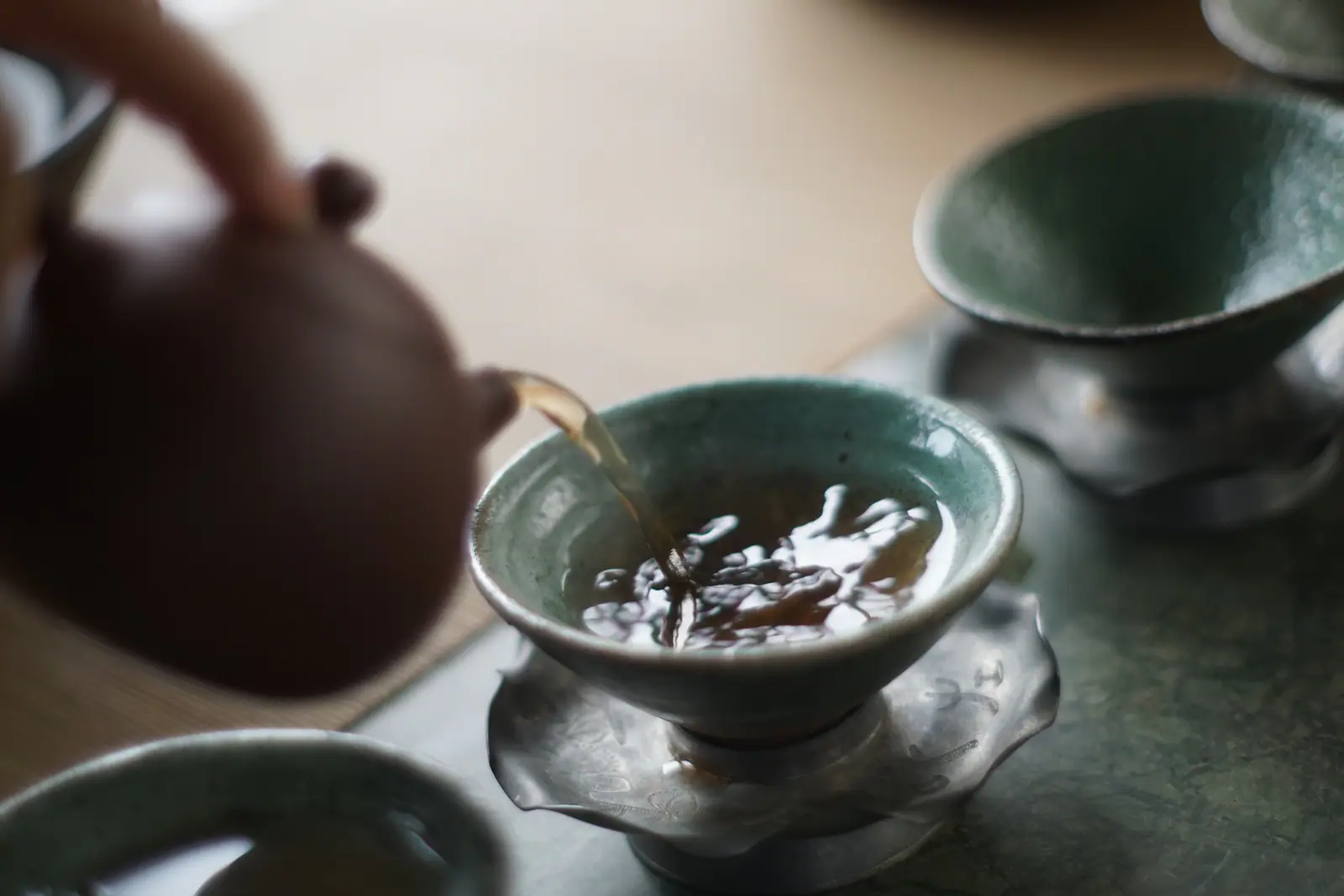
The familiar rolled form is functional, but it is weak authentication evidence. Many rolled oolongs look similar in a photograph. The image at the top of this page shows morphology only; it cannot identify cultivar, county or roast.
Use three infusions as a controlled buying test
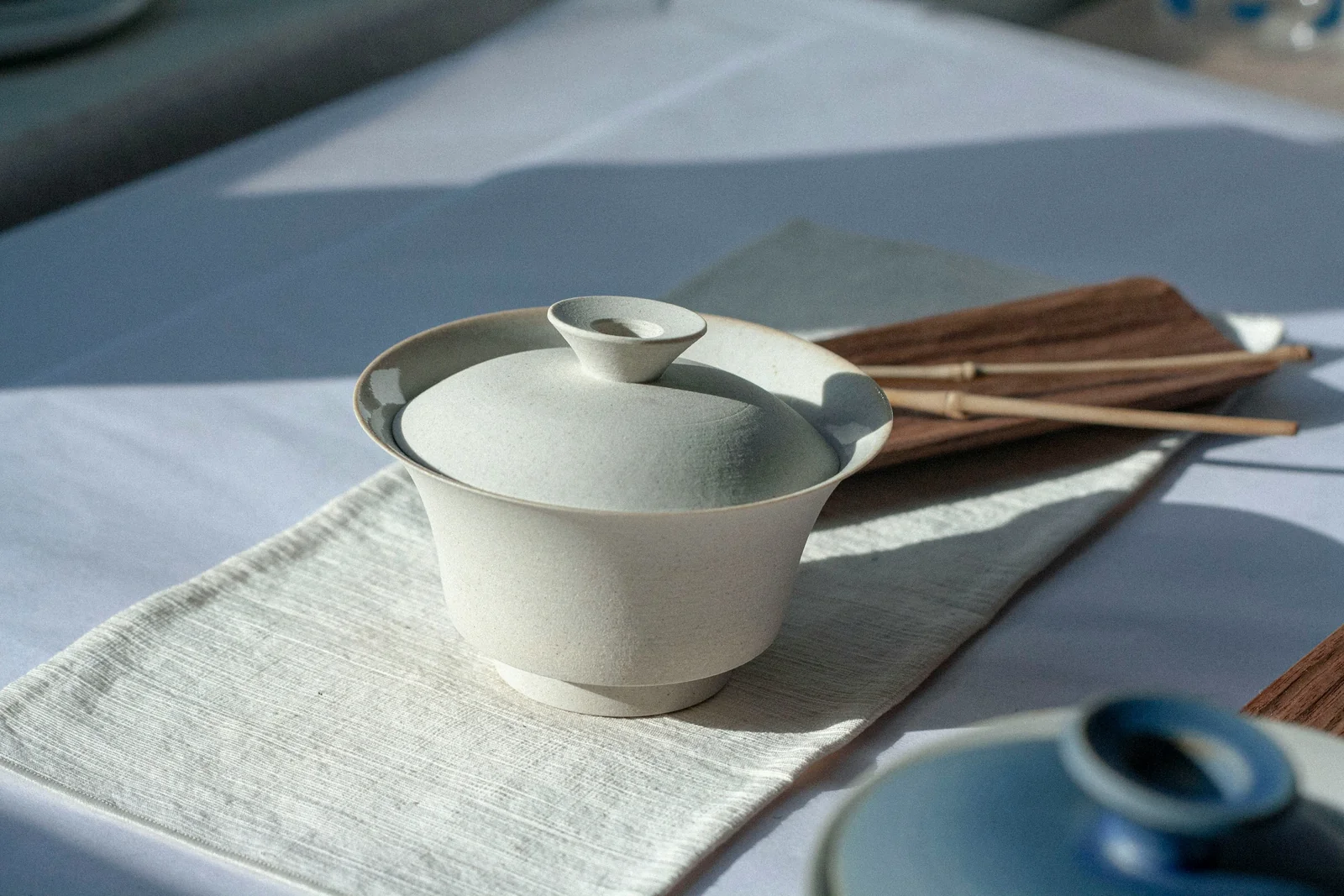
Do not compare two teas with different doses, vessels and pour speeds. Use the same porcelain gaiwan, water, dose and timing. A fair home comparison is more revealing than a page of seller adjectives.
Start with 6 grams per 100 milliliters. Use 90-93°C water for a very light style and 95-98°C for a roasted style. Pour fully after approximately 15 seconds, then repeat with short early infusions as the pellets open. These are household gongfu starting points, not the laboratory protocol used in the roasting study.
Record five observations instead of writing “smooth” or “fragrant”:
| Round | Read this first | Pass | Reject or investigate |
|---|---|---|---|
| Infusion 1 | Top aroma and cleanliness | Clear aroma without chemical sharpness, stale oil or smoke | Loud scent with watery liquor; sour, musty or burnt odor |
| Infusion 2 | Body and processing balance | Liquor gains shape; floral or roast character connects to texture | Perfume remains only in the empty cup; bitterness and dryness dominate |
| Infusion 3 | Continuity and finish | Aroma changes rather than vanishes; sweetness or salivation returns after swallowing | Tea falls flat, roast still hides everything or the finish becomes sour and hollow |
| Opened leaf | Integrity, smell and handling | Supple leaf pieces, clean aroma, plausible oxidation pattern | Papery fragments, stale storage odor, persistent sourness or obviously scorched material |
The test is not a laboratory authentication method. It is a disciplined way to expose teas that sell the first sniff and fail the session.
Diagnose the cup before changing everything
| Symptom | Most likely practical issue | Change one variable first |
|---|---|---|
| Floral aroma, almost no body | Too little leaf, or a structurally weak tea | Increase the dose while keeping time stable; if it remains hollow, blame the tea |
| Bitter before the leaf opens | Early steeps too long, or leaf crowded in the vessel | Pour faster and give the pellets more room |
| Green style tastes flat and vegetal | Water too cool, stale storage or unfinished processing | Raise water temperature slightly; if aroma does not return, storage or tea quality is the issue |
| Roasted style tastes only of fire | Very recent roast, overly aggressive roast or poor underlying tea | Compare again after clean rest; reject it if the tea never emerges |
| Sharp sour note in liquor and opened leaf | Storage or processing fault is possible | Test with clean water and vessel; do not explain persistent sourness away as “traditional character” |
Water-to-tea ratio deserves special attention. A 2022 brewing optimization study found that ratio had the strongest effect across all quality variables it tested, while preferred conditions differed among consumer groups. It does not validate one universal gongfu recipe. It does explain why changing dose often solves more than endlessly moving the thermometer.
For a full vessel, water and timing method, use our oolong brewing guide and gaiwan guide.
The seller questions that prevent most bad purchases
Ask in this order:
- Where was it produced? “Fujian” is broad; an Anxi claim should come with more traceability than a mountain image.
- Is Tieguanyin the cultivar, the style, or both? A careful seller should understand the distinction.
- What processing direction was intended? Ask about oxidation and whether the tea is light-fragrant or more roasted.
- When was it made and, if applicable, roasted? Harvest and roast dates are more useful than “premium.”
- How was it packed and stored? Light aromatic tea in an old open bulk bag is a poor bet.
Reject the listing when origin remains vague after a price premium is attached, when fragrance is offered as proof of authenticity, when deep green color is treated as permanent freshness, or when “traditional roast” appears without any production detail.
For a first purchase, buy two small samples from the same transparent seller: one light and one roasted. Brew them side by side with identical parameters. That contrast teaches more than twenty tasting-note lists and prevents you from mistaking a style preference for a quality judgment.
What not to infer from liquor color
Pale yellow-green liquor does not automatically mean low oxidation, and amber liquor does not prove traditional processing. Cup depth, lighting, white balance, leaf dose, infusion time, water and roast all change the photograph. Color is one observation inside a session, never a reliable style certificate by itself.
The same restraint applies to health anecdotes. Tieguanyin contains caffeine and naturally occurring tea compounds, but an individual's stomach reaction does not establish a universal rule. This page does not claim detoxification, weight loss or disease treatment. People who are pregnant, caffeine-sensitive or managing a health condition should seek qualified medical advice.
The final rule
The best Tieguanyin is not the greenest, loudest or darkest. It is the tea whose processing intention remains legible from the first aroma through the opened leaf. Light Tieguanyin should convert fragrance into liquor. Roasted Tieguanyin should convert fire into depth. If the second and third infusions cannot explain why the tea is worth drinking, the first infusion was advertising.
I reject a beautiful first sniff as the final verdict. Tieguanyin earns its name in the cup only when fragrance, body and finish survive long enough to become one coherent tea.
Compare this style with Da Hong Pao, continue through the oolong tea collection or return to Chinese tea culture.
Which Tieguanyin should a first-time buyer choose?
Choose light-fragrant Tieguanyin when you want to study high floral aroma, drink small cups quickly and can protect the packet from heat and odor. Buy a small quantity because its most lifted notes are the first thing poor storage erases.
Choose more roasted Tieguanyin when you prefer baked grain, nuts and a warmer finish, or when you want a style that remains legible with breakfast and cooler weather. Ask for a roast date; “traditional” is not a storage record.
Do not choose by the greenest or darkest photograph. Choose by the failure you are willing to detect. Light tea must survive the second infusion without becoming hollow perfume. Roasted tea must let the leaf return after the fire recedes. If you cannot taste that distinction in a small side-by-side sample, the seller has not yet given you enough evidence to pay a premium.