Jasmine tea is finished tea scented with fresh jasmine flowers; it is not simply dried flowers in hot water. The base leaf supplies body, sweetness and bitterness, while scenting adds aroma. My standard is strict: a good jasmine tea should smell unmistakably floral and still taste unmistakably like tea. Loud perfume over an empty liquor is not depth.
Jasmine tea: the answer in one minute
Most Chinese jasmine tea uses a green-tea base, which is why jasmine green tea is such a common label. Makers bring prepared jasmine blossoms and finished tea into contact so volatile aroma compounds move into the leaf. Flowers may then be separated, the tea may be dried or rested, and the cycle may be repeated according to the producer's method. The wider scented-tea collection separates this craft from blends that merely retain decorative petals.
That gives a buyer four separate questions:
- What is the base tea?
- Was the aroma created through fresh-flower scenting, added flavoring or both?
- How was the finished tea stored?
- Does the brewed liquor retain body after the first burst of fragrance?
If the seller can answer only “very fragrant,” the most important information is still missing.
Jasmine tea, jasmine green tea and flower infusion are different
| Product name | What should be inside | Ask before buying |
|---|---|---|
| Jasmine tea | Finished Camellia sinensis tea carrying jasmine aroma | What is the base tea and how was it scented? |
| Jasmine green tea | A green-tea base carrying jasmine aroma | Which green tea, production date and storage? |
| Jasmine pearls | Rolled tea leaves, often green tea, sold by shape as well as scent | Does “pearl” describe shape only, and is flavoring added? |
| Jasmine flower infusion | Jasmine flowers, with or without true tea leaf | Does it contain Camellia sinensis and therefore caffeine? |
| Jasmine blend | Tea, flowers, flavoring or other ingredients in combination | Which ingredients create the aroma? |
This is not a purity contest. A flavored blend can be enjoyable. The problem begins when a flavored product borrows the language of repeated fresh-flower scenting without telling the buyer what was actually done.
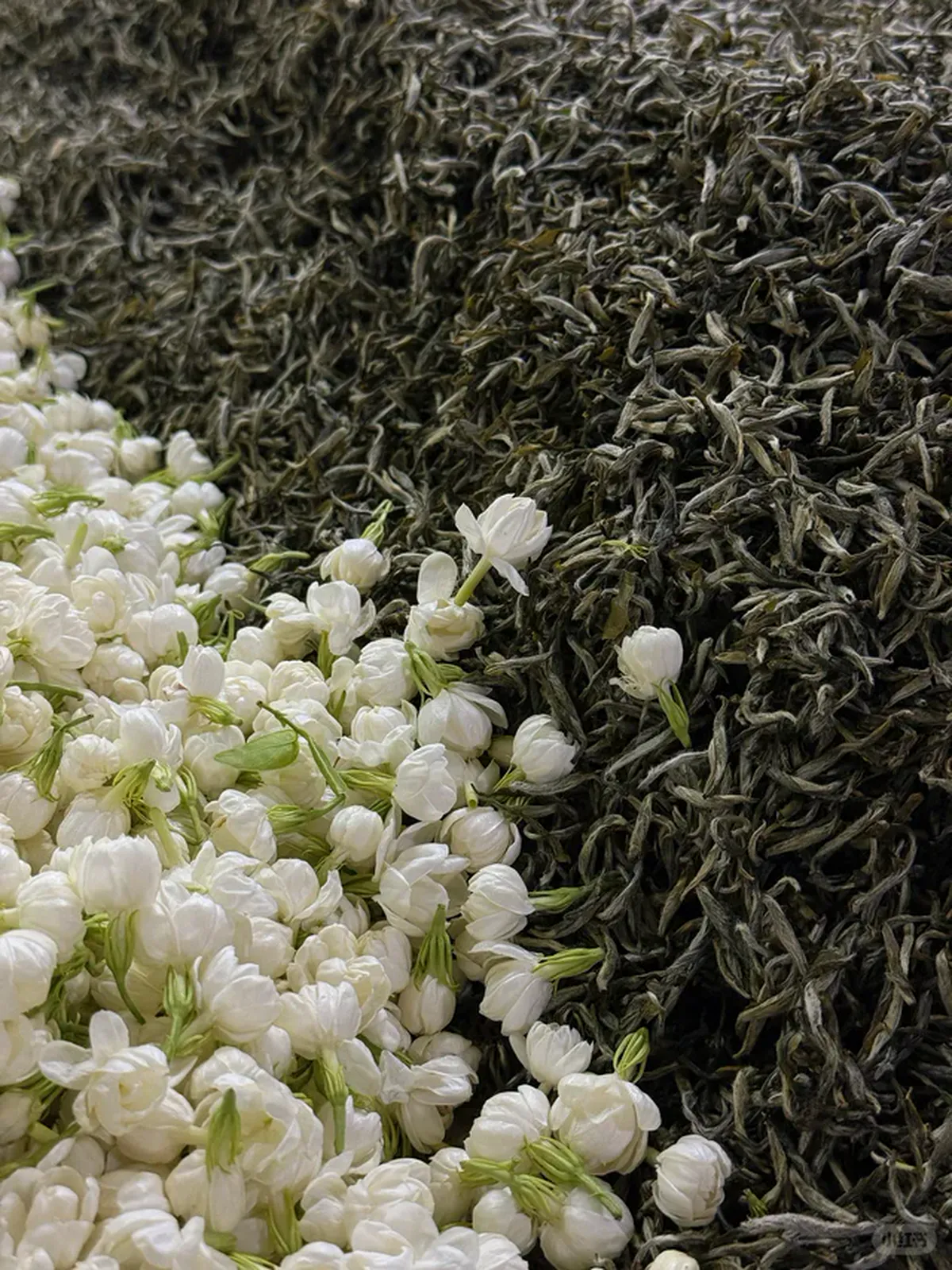
Visible blossoms do not settle the question. Many scented teas have flowers removed after contact; decorative blends may retain abundant petals. Flower count is not a scenting certificate.
What happens during jasmine scenting
UNESCO's record of traditional tea processing in China includes flower-scented tea among reprocessed teas, placing it within a broader living system of cultivation, tea making and social practice. Technical studies make the aroma transfer more concrete. A 2022 Molecules study measured changing volatile compounds in jasmine flowers and tea during scenting and compared a traditional process with a thinner-pile, longer-time process. A 2023 Foods study followed samples through multiple scenting rounds and found measurable changes in aroma composition and sensory intensity.
Those studies support the mechanism; they do not create one mandatory factory recipe. A useful functional map is:
| Stage | The job | What can go wrong |
|---|---|---|
| Prepare the tea base | Begin with finished, sufficiently dry leaf that can carry aroma | Weak or stale leaf leaves perfume with no structure |
| Prepare the flowers | Sort and hold blossoms until they are ready to release aroma | Poor timing reduces useful fragrance or introduces tired floral notes |
| Bring flower and tea together | Create close, even contact between two materials | Uneven distribution creates uneven scenting |
| Manage heat, moisture and time | Keep the pile from becoming an uncontrolled hot, damp mass | Excess heat or moisture can flatten freshness and damage the leaf |
| Separate and stabilize | Remove spent flower material and manage the tea before another cycle or finishing | Residual moisture and careless drying shorten storage life |
| Repeat only when the product calls for it | Build aroma through another controlled contact | A round count becomes marketing when method and result are not explained |
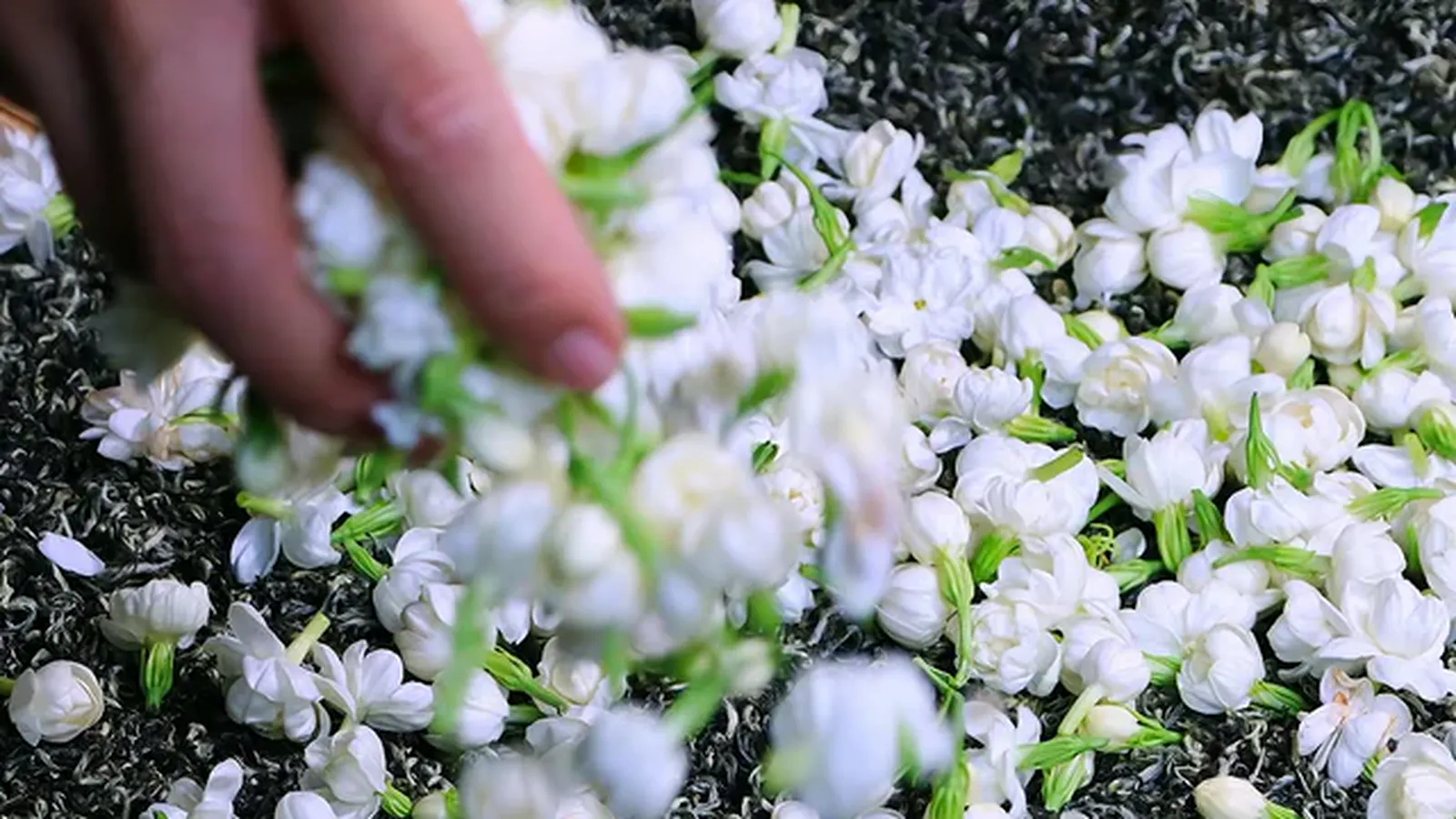
Fresh blossoms spread across finished leaf make the labour visible, but they cannot identify the maker, region, temperature or number of scenting rounds. Those details still require a traceable producer record.
More rounds are not a universal quality score
In the 2023 controlled samples, aroma freshness, concentration, purity and persistence increased across repeated rounds. That is useful process evidence, but it does not make “seven times” on one package directly comparable with “nine times” on another. Producers may define, time and finish a round differently. Base leaf, flower condition, moisture management and storage remain part of the result.
Buy the cup, not the integer. If a seller leads with a round count, ask what base tea was used, what one round means in that workshop and how the finished tea was stabilized.
Fuzhou, Hengzhou and Sichuan are contexts, not interchangeable labels
Fuzhou is strongly associated with jasmine-tea craft and research; Hengzhou is highly visible in contemporary jasmine cultivation and flower-market records; Sichuan has its own flower-tea traditions and products. None should be used as scenery for a tea whose actual origin is unknown.
I keep those places separate because flower fields, wholesale markets and scenting floors are different parts of the chain. A photograph of blossoms on tea proves contact. It does not turn an unidentified workshop into Fuzhou, Hengzhou or a protected product.
Place matters when it is documented. A place name printed beside generic flowers is still only a claim.
I reject the romantic shortcut that turns every white flower into evidence of Fuzhou craft. The tea must carry its own traceable place, base leaf and process. I also reject the opposite mistake of treating fragrance as unserious: managing bloom timing, moisture, heat and repeated contact is real labor, and a clean integrated cup makes that labor audible through aroma.
How good jasmine tea should behave in the cup
My test is not maximum fragrance. It is integration: the aroma should enter the sip, while the base tea remains legible in texture and finish.
| Stage | Look for | Warning sign |
|---|---|---|
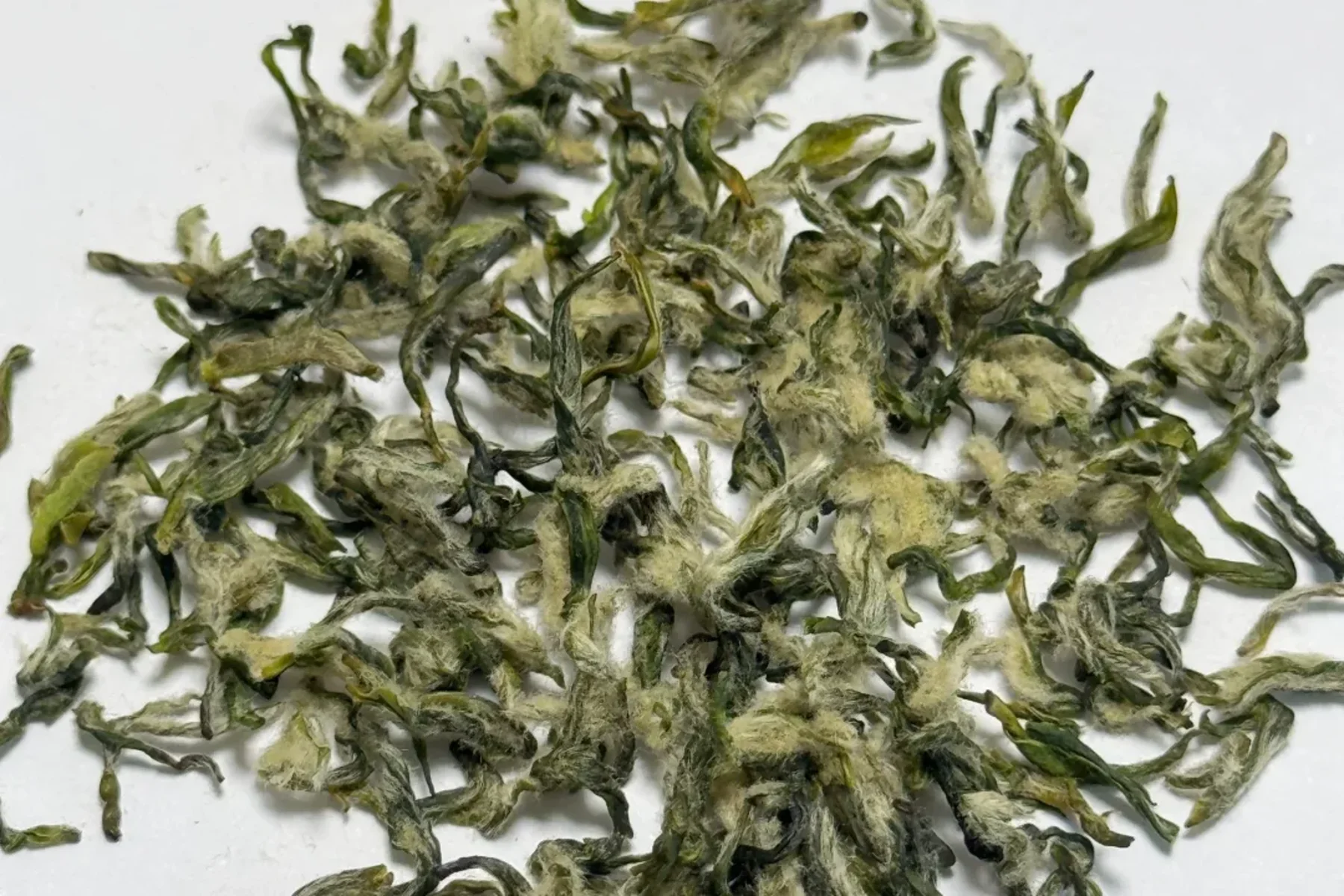
| Dry leaf | Clean floral aroma with recognizable tea underneath | Candy, solvent, mustiness or fragrance detached from leaf |
| Hot liquor | Floral aroma carried by a liquor with body | Powerful steam followed by a thin, hollow sip |
| Warm liquor | Sweetness and base-leaf character become clearer | Aroma collapses as soon as the cup cools slightly |
| Empty cup | A clean, softer floral trace after two minutes | Sour, damp or stale-flower residue |
| Infused leaf | Leaf smells clean and still resembles the stated base | Unexplained oily flavor, mustiness or damaged dusty material |
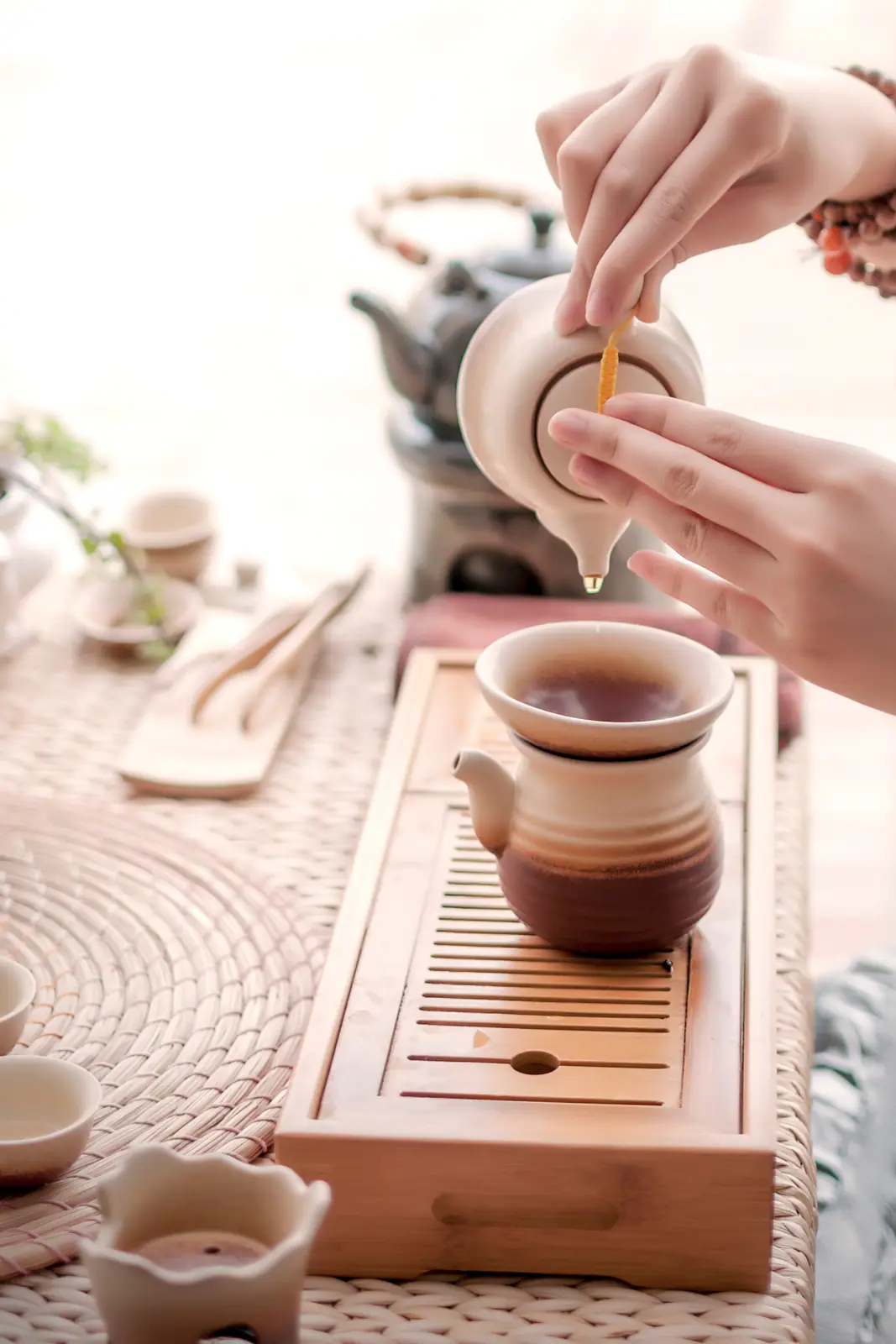
The empty cup is especially revealing. Steam can make almost any fragrant tea impressive for ten seconds. The quieter aroma left after drinking tells you whether flower and leaf stayed together through the cup.
How to brew jasmine green tea
For a green-tea base, begin with 3 grams per 150 milliliters, 80-85°C water and 60-90 seconds. These are East Moment starting values, not an industry standard. Taste before changing anything.
- Bitter and drying: shorten time first; lower temperature if the leaf is tender or broken.
- Fragrant but thin: add a little more leaf before making the infusion much longer.
- Flat in an open mug: compare a smaller covered porcelain vessel and taste earlier.
- Good first infusion, harsh second: decant more completely and extend time in smaller steps.
- Damp, moldy or sour: stop. Brewing cannot repair bad storage.
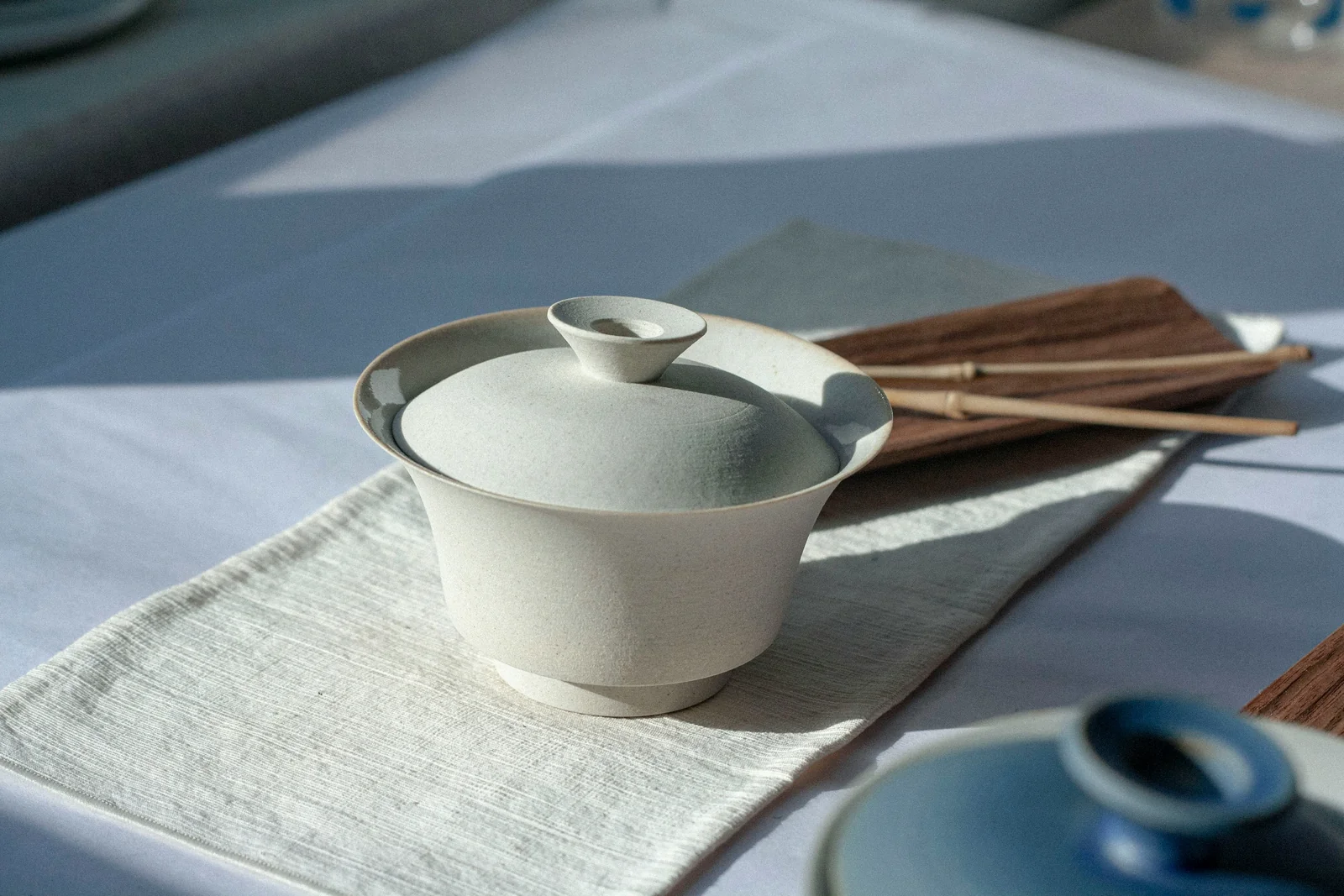
A glass makes leaf and liquor visible. A porcelain gaiwan makes short comparisons easy. A glazed pot is practical for several drinkers. Avoid using a strongly seasoned porous pot for a first evaluation because retained aromas make cause and effect harder to judge.
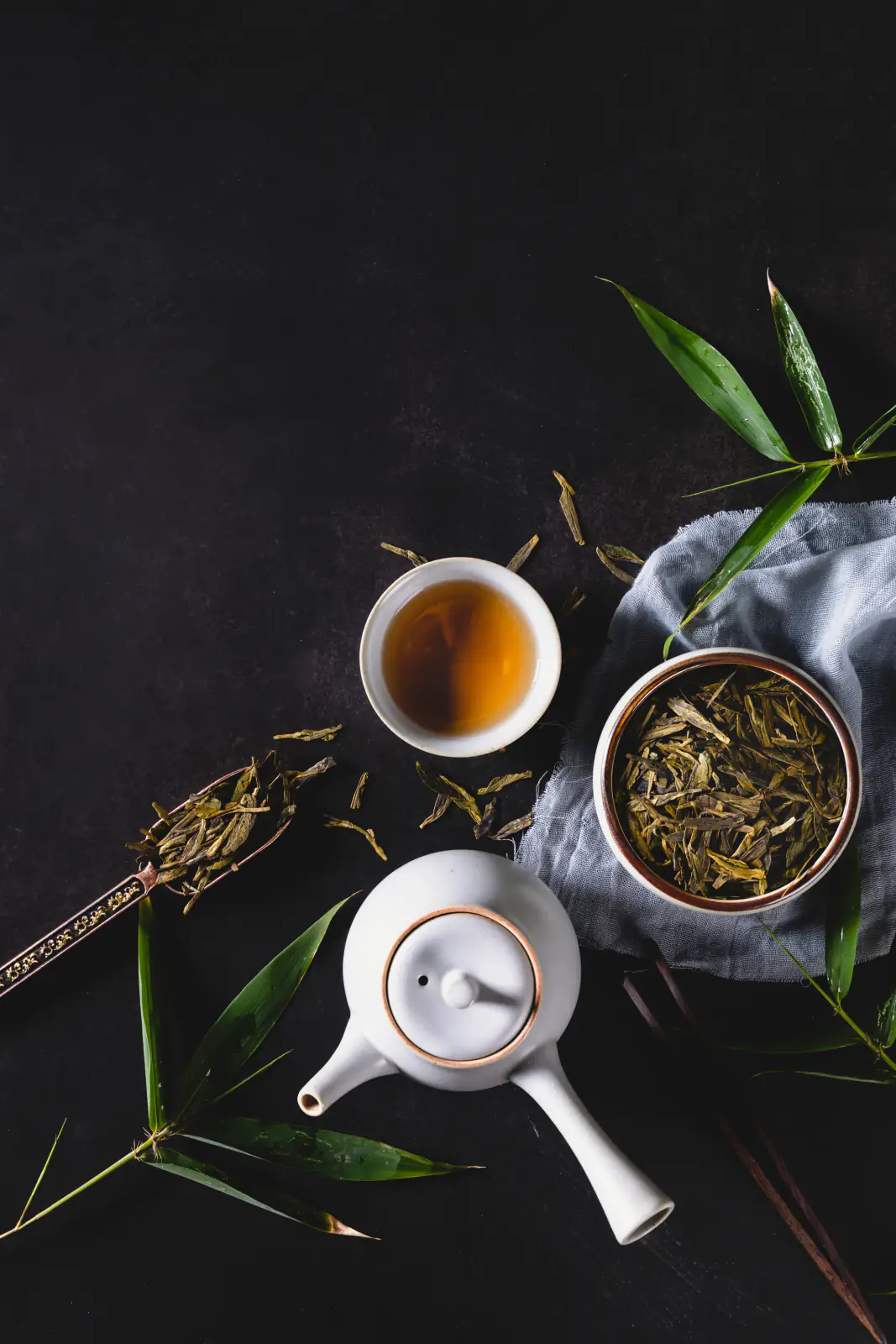
Pearls need room to open and may require slightly longer contact. A black-tea base can often take hotter water than a tender green base. Read the leaf family before copying a recipe based only on the word “jasmine.” The broader Chinese tea brewing guide explains how to change one variable at a time.
Run a three-cup temperature test
One controlled comparison teaches more than a retailer's poetic tasting note.
Use the same tea, water, cups and contact time. Prepare three cups at 75°C, 85°C and 95°C, each with 2 grams per 100 milliliters for 90 seconds. Decant completely and taste all three warm, then again as they cool.
Record only four things: floral aroma, body, bitterness and finish. The purpose is not to declare one temperature universally correct. It is to find where this tea keeps fragrance and structure together. If all three are thin, increase dose next time. If all three are harsh, inspect broken leaf and storage before blaming jasmine as a category.
Diagnose aroma loss before buying again
Jasmine tea is vulnerable to heat, moisture, air and surrounding odors because the feature you paid for is volatile aroma.
| Symptom | Most useful first check | Likely next action |
|---|---|---|
| Packet smelled strong; cup is flat | Water, dose and whether the vessel was left open | Brew covered once, then compare a fresher sample |
| Aroma is loud; liquor is empty | Base-leaf description and leaf condition | Do not pay more for intensity alone |
| Tea became dull after opening | Package closure, heat and time open | Buy smaller quantities and reseal immediately |
| Tea smells like the cupboard | Storage beside spices, coffee or incense | Isolate tea in an odor-tight container |
| Cup is sharp and drying | Temperature, time and broken leaf | Shorten first, then lower heat |
| Musty, damp or moldy | Storage failure | Do not drink; replace the tea |
Refrigeration is not a universal answer. Opening a cold package can introduce condensation. For ordinary quantities, an opaque, odor-tight package in a cool dry place is simpler. Buy an amount you can finish while it is still expressive.
A five-question buying test
- What is the base tea? “Green tea” is a start, not a complete answer.
- How was aroma added? Ask whether fresh flowers, retained dried flowers, flavoring or a combination was used.
- When was it produced or packed? Jasmine aroma is not improved by an impressive but undocumented age.
- How was it stored? Clean, sealed storage matters more than ornate packaging.
- Can you buy a sample? A small repeatable test is better evidence than a luxury tin.
Price does not answer these questions. A higher price may reflect labor, leaf grade, flowers, packaging, scarcity or retailer positioning. “Premium,” “imperial” and “nine-times scented” remain marketing until the seller explains the product behind them.
Visible botanicals in water do not prove that a tea was scented through fresh-flower contact, and they should not be used as a model of what every Chinese jasmine tea looks like. Retained flowers may be decorative ingredients; many traditionally scented teas have the spent blossoms removed.
The conclusion: fragrance must leave room for tea
Jasmine tea is one of the easiest Chinese teas to enjoy immediately, which is precisely why it is easy to sell with aroma alone. Resist that shortcut. The useful quality test is whether flower and leaf remain in conversation after the cup cools.
Start with a small, clearly labeled jasmine green tea. Brew it at three temperatures. Smell the empty cups. If you can still identify sweetness, texture and a clean tea finish beneath the jasmine, the scenting has given the leaf another dimension instead of replacing it.
Jasmine tea sits beside the six main types of Chinese tea as a reprocessed or scented tea. Follow its base into Chinese green tea, return to the Chinese tea decision guide or use the gaiwan guide to compare short infusions without turning brewing into a ceremony.