Choose the vessel by the job it must do
Start with leaf behavior and handling, then add historical or aesthetic meaning.
| Vessel | Best practical reason to choose it | Claim it cannot prove |
|---|---|---|
| White porcelain gaiwan | Fast access, visible leaf, neutral surface and complete pouring make comparison easy. | Traditional appearance guarantees comfort, correct size or safe handling. |
| Chinese teapot | Lid fit, opening, filter, wall, balance and pour suit a repeated brewing task. | Brown clay is Yixing or will magically improve every tea. |
| Tea cups | Rim, capacity, heat, color visibility and grip suit the drinker and service pace. | A tiny cup is more authentic or a deep glaze is food-safe. |
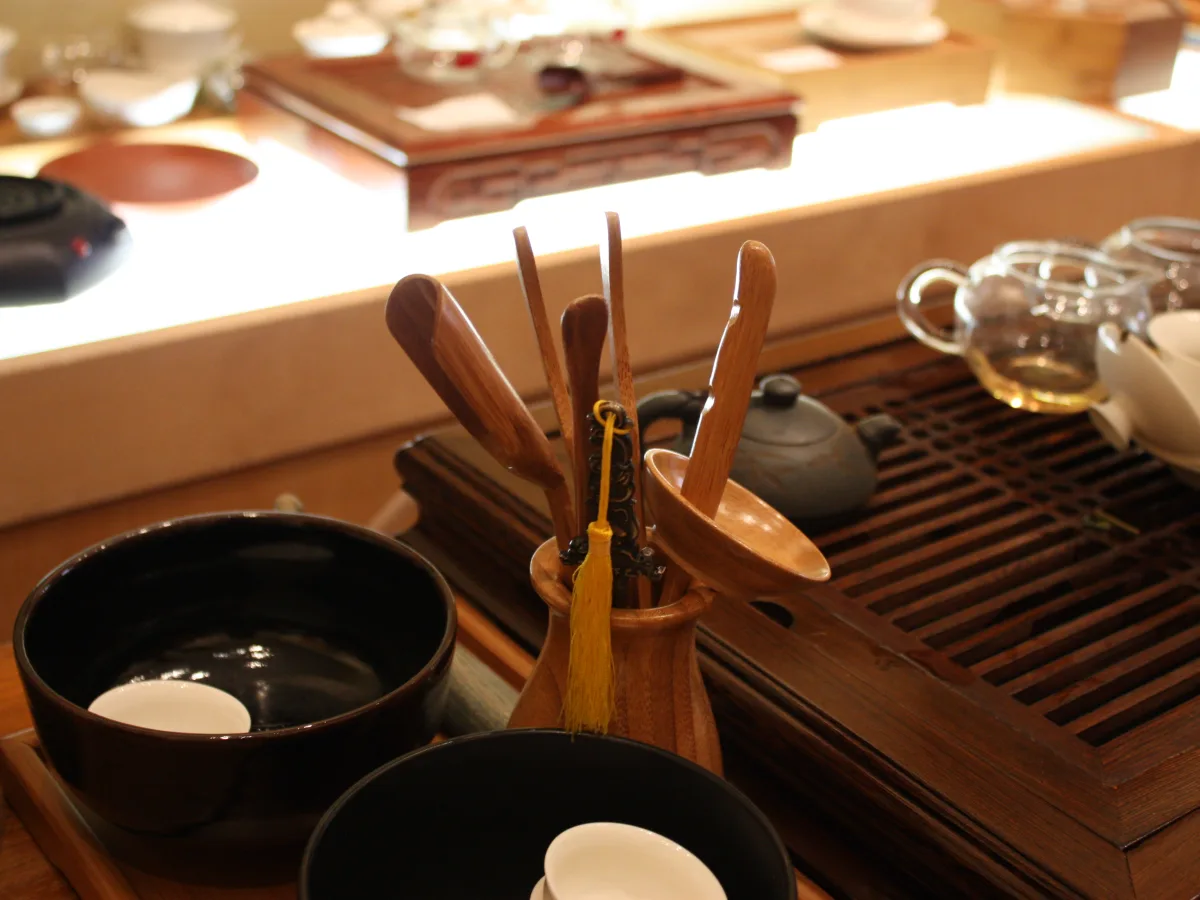
| Complete set | Every component has a defined role and the capacity chain works from brewer to pitcher to cups. | More pieces create a more serious practice. |
One brewer, one cup and honest hot water are enough to begin
A new drinker is often sold a tray, drain hose, tongs, scoop, towel, aroma cups, tea pet and several vessels before learning how much water the brewer holds. This reverses the order of knowledge. Measure the vessel to its working level, choose cups that receive a complete pour and add a waste bowl if rinsing is part of the method. Everything else must solve a real problem or bring genuine pleasure.
Capacity mismatch ruins more sessions than the absence of ceremonial accessories. A 150-millilitre brewer cannot fill six large cups evenly. A fairness pitcher smaller than the brewer forces partial decanting. A thick cup may hold heat too aggressively for quick service. Put water through the empty system before buying it for tea. The test is cheap, visible and merciless.
A gaiwan is a control instrument, not a test of pain tolerance
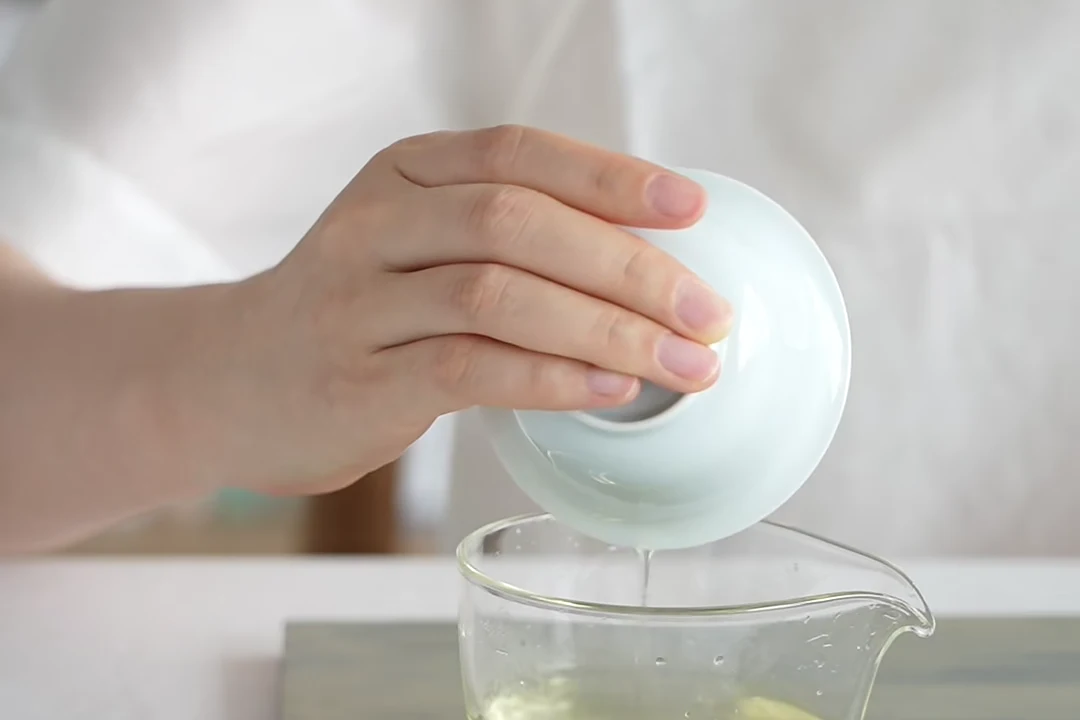
White porcelain makes liquor color and leaf condition easy to see, while the open form allows fast decanting and cleaning. Those advantages make a gaiwan valuable for learning. Yet rim flare, lid fit, knob height, filled weight and hand span decide whether a particular piece is comfortable. Advice that tells every beginner to ‘just endure the heat’ is bad design wearing the mask of tradition.
Test with cool water first. Hold the saucer if that is steadier. Use less liquid, adjust the lid gap and practice a complete pour over a sink. If the shape still fights the hand, choose another gaiwan or a handled pot. The leaf does not award points for burns.
Yixing is a place-and-craft claim, not a synonym for unglazed brown
Historic Yixing stoneware deserves attention for material, form, craft and the relationship between pot and tea culture. Museum collections help establish that long object history. They do not authenticate a marketplace pot. Color, texture, maker’s seal and a dramatic certificate can all be imitated. Provenance, seller accountability and specialist examination matter when price depends on origin or authorship.
Porous-clay mythology also grows too easily. A seasoned pot may retain aromas and change how a cup presents, but it cannot purify unsafe tea, erase poor storage or suit every family. Use one pot with a narrow range only after you understand its behavior. Until then, neutral porcelain gives cleaner evidence and fewer excuses.
A beautiful glaze still has to be safe, stable and cleanable
Cracks, metallic decoration, unknown pigments, poorly finished interiors and damaged surfaces deserve practical scrutiny. A visual cannot establish lead or other migration safety. Ask for maker identity, intended food use and testing appropriate to the market when the product is new or commercially sold. Vintage and decorative objects should not be assumed suitable for hot acidic contact merely because they are called teaware.
The same restraint applies to online ‘toxicity tests’ using vinegar, magnets, boiling or color change. Household demonstrations may reveal a dramatic defect, but they do not replace standardized analysis. If safety evidence matters, use documentation and qualified testing. I will never advise a reader to drink from uncertainty because an object is culturally attractive.
Teaware becomes cultural when use leaves a human trace
A cup chosen for a grandparent’s grip, a chipped family pot kept for memory, a travel set packed for mountain water or a gaiwan used nightly to learn one oolong carries more meaning than a flawless cabinet of unused objects. The material history of Chinese ceramics and clay matters, but culture also accumulates through repetition, repair, gift and shared attention.
That is why East Moment photographs hands, pours, opened leaves and capacity relationships, not only isolated luxury objects. A vessel should reveal what someone does. When imagery shows only price and polish, it proves ownership, not tea practice.
Buy the smallest system that lets you notice more
For a first set, choose a 90–120 millilitre white porcelain gaiwan or a simple pot you can handle, one or two comfortable cups, a kettle and a waste bowl. Add a pitcher only when equal service or decanting needs it. Measure everything. Pour with water. Check lid, rim, filter, balance and cleaning. Then spend the saved money on small tea samples that teach the equipment what to do.
My verdict is blunt because the market is not: unused accessories are clutter, not culture. The right vessel makes leaf behavior clearer, service kinder and repetition easier. Once a specific need appears, add the object that answers it. That sequence produces a personal tea table rather than a staged inventory.
The best object is one you can keep clean and keep using
Rinse promptly, let vessels dry fully and avoid scented detergent on porous or aroma-sensitive ware. Inspect lids, rims, handles and hairline damage before hot use. A cloth trapped under a wet pot, a sealed damp travel set or tea residue hidden in a filter can turn a beautiful setup into an odor problem. Maintenance is not glamorous, but it is where respect for an object becomes visible.
Repair can preserve memory, yet a repaired vessel must be judged for actual food contact and heat. Display is a valid future for a beloved object that is no longer safe to drink from. Use is not the only proof of affection.