Choose the practice by purpose
The same leaf can be served differently without one method cancelling the others.
| Situation | Working setup | The mistake to avoid |
|---|---|---|
| Everyday drinking | Mug, bottle, bowl or glass sized for the drinker’s time, leaf and tolerance. | Casual equipment means the practice has no culture. |
| Focused tasting | Small neutral vessel, measured leaf, fast complete pours and repeated comparison. | More tools or smaller cups automatically create better tea. |
| Welcoming guests | Clean vessels, comfortable pacing, clear choices and attention to the guest’s needs. | The guest must endure caffeine, heat or unfamiliar ritual to be respectful. |
| Wedding respect | Family roles, names, order and local expectations are confirmed with the families involved. | A generic online script represents every Chinese family. |
The most common Chinese tea practice may have no ceremony at all
Tea appears in offices, taxis, workshops, restaurants, homes and train journeys. Leaves may sit in a lidded bottle for hours; hot water may be added repeatedly; a host may pour one quick cup before conversation resumes. These scenes are not failed versions of gongfu tea. They solve different needs: hydration, warmth, alertness, welcome and continuity through a working day. UNESCO’s heritage record explicitly includes homes, workplaces, tea houses, restaurants and temples, which protects daily practice from being erased by the photogenic table.
I begin here because outsiders often learn the props before the relationship. They can name a fairness pitcher yet miss that an elderly guest may need cooler water, that a child should not be pushed to drink caffeine, or that refilling someone’s cup without asking can become pressure rather than care. Technique without attention is empty choreography.
Small vessels make variables visible; they do not create holiness
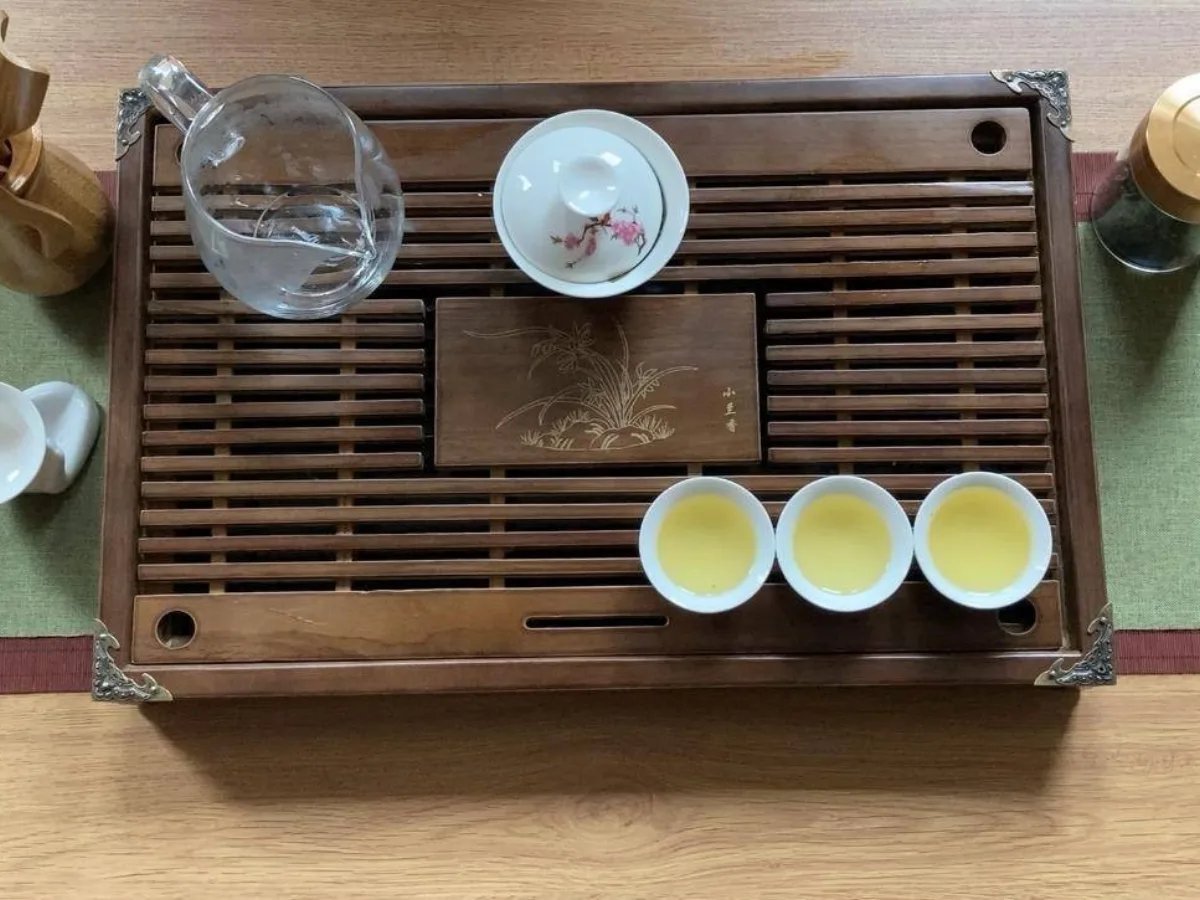
Gongfu-style brewing uses a high leaf-to-water relationship, short contacts and repeated pours to reveal how a tea changes. Its value is diagnostic as much as aesthetic. A rolled oolong needs space to open. A roasted tea may shift from fire to fruit to mineral depth. A compressed Pu-erh needs controlled contact so the first loosened fragments do not dominate. Complete decanting matters because liquor left behind continues extracting and destroys the comparison.
The practice becomes ridiculous when tools multiply without a job. Aroma cups, tea pets, draining trays, scoops and brushes can be meaningful or enjoyable, but they are not admission tickets. For most readers, a gaiwan or small pot, cup, kettle, scale and waste bowl are enough. I would rather see five clean, measured infusions from that simple setup than one cinematic pour surrounded by objects nobody can explain.
Good tea manners reduce pressure instead of displaying rank
Clean equipment, safe water, a stable tray and awareness of heat are the non-negotiable base. Then ask what the guest drinks, how strong they prefer it and whether caffeine is welcome. Explain an unfamiliar step only when explanation helps. Do not turn silence into a test or insist that someone finish every cup. In a skilled session, the host watches pace and adjusts; the guest can decline without embarrassment.
Popular lists of finger taps, pouring order and cup placement can be useful regional clues, but they become false law when detached from setting. Customs differ between Chaozhou, other southern communities, restaurants, families and formal demonstrations. Name the context instead of declaring one gesture ‘what Chinese people do.’ Real etiquette can survive variation because its purpose is respect, not obedience to a viral list.
A wedding tea is a family act, not a downloadable costume
Wedding tea service can express respect, introduction, gratitude and the joining or acknowledgement of family relationships. The order of service, kinship titles, whether the couple kneels, what tea is used and which gifts are exchanged vary by family and region. These details carry emotional weight because names and roles are being recognized in public. A couple should ask parents and elders what matters before importing a checklist from a stranger.
My view is uncompromising: the ceremony belongs to the people whose relationships it marks. Photographers, planners and trend boards should support that meaning, not replace it. When two families choose a shorter or hybrid form and understand why, the act is not less authentic than a longer script performed only for pictures.
Repeat one honest setup until your hands understand it
Choose one tea, one vessel and one set of variables. Photograph dry leaf, record dose and water, pour completely and taste several infusions. Change only one variable next time. This quiet repetition teaches more than memorizing temperature charts because it connects cause to cup. Once the hands know the setup, hospitality becomes easier: attention can move from tools to people.
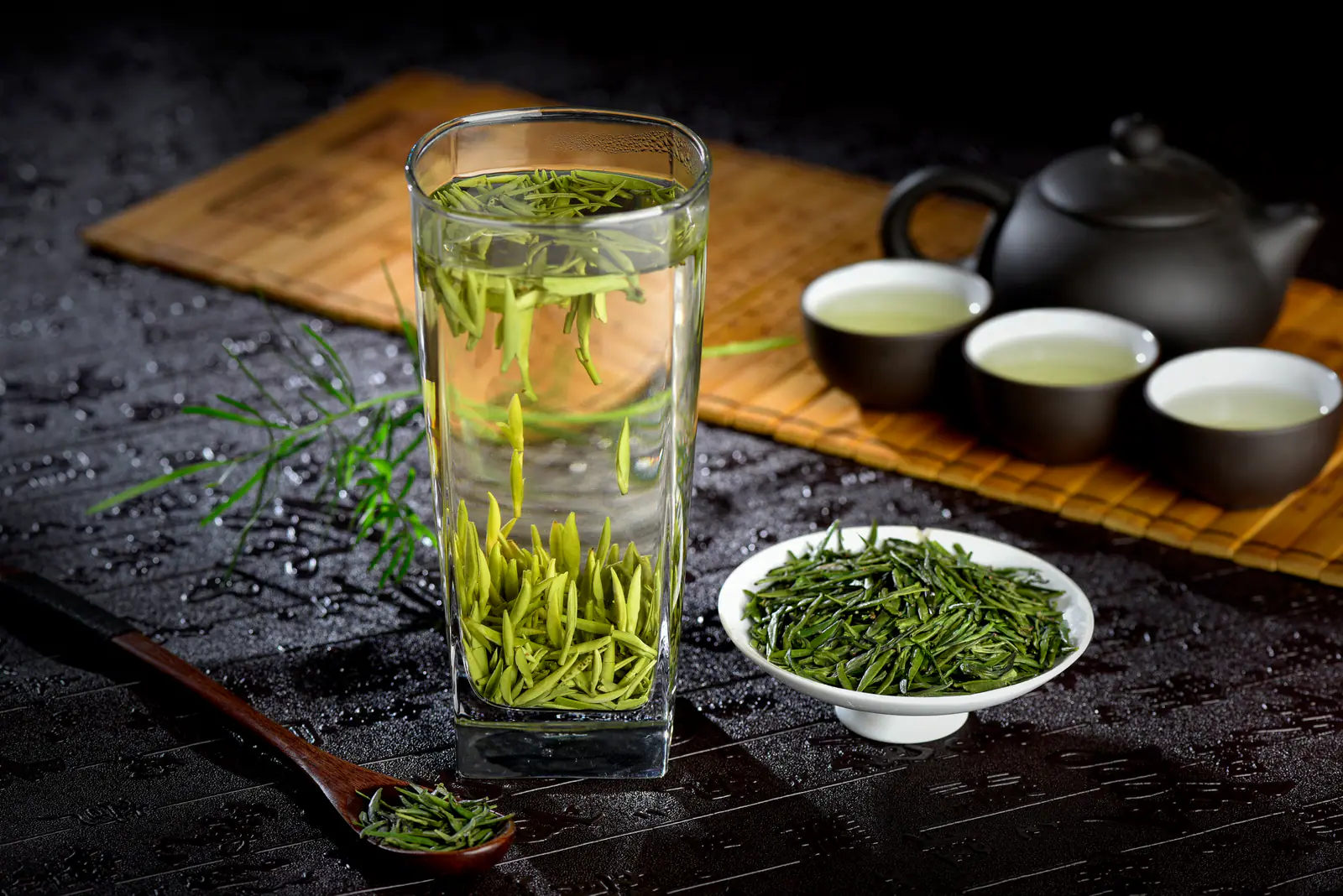
A practice is alive when it can adapt without losing care. Use a thermos on a train, a gaiwan at home, a pot for friends and a glass when leaf movement matters. I do not need every reader to imitate my table. I want every reader to know why each object is present, what the leaf is doing and whether the person across from them feels welcome.
A successful session leaves the people clearer, not intimidated
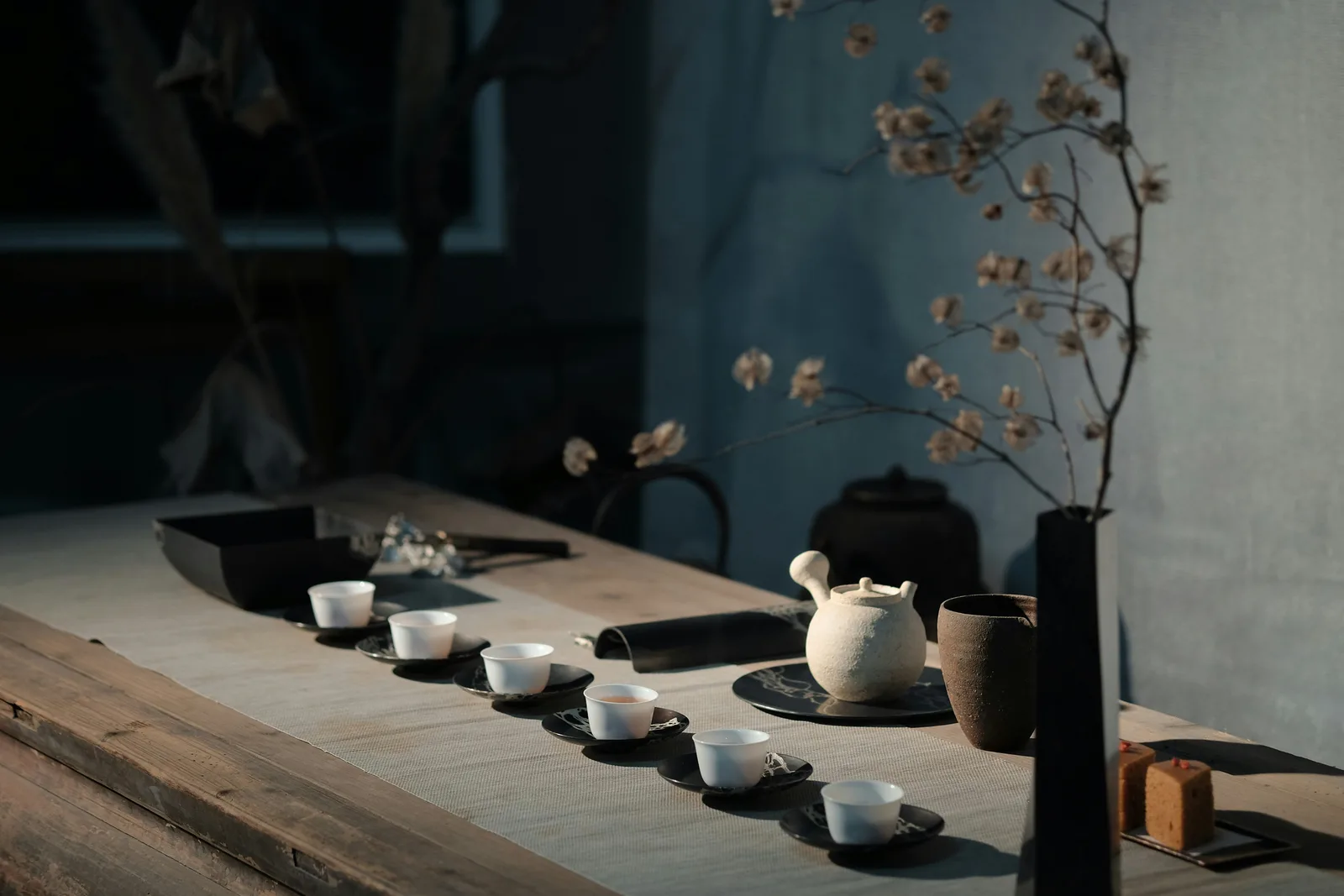
After the cups are empty, ask what the practice accomplished. Did the leaf become easier to understand? Did the guest feel free to speak and refuse? Did the host control heat, strength and pace? Did the family recognize itself in the ritual? These outcomes are harder to photograph than steam and polished wood, but they are the only ones worth protecting. A session that produces anxiety while performing serenity has failed.
That is the East Moment test. We keep technique because it reveals craft, and we keep ritual because it carries relationships. We discard any rule used only to make a newcomer feel ignorant. Tea has enough depth without inventing a gatekeeper at every cup. If a practice cannot explain its purpose in ordinary language, it has probably confused mystique with knowledge. The cup should open a relationship, never close a club around it.