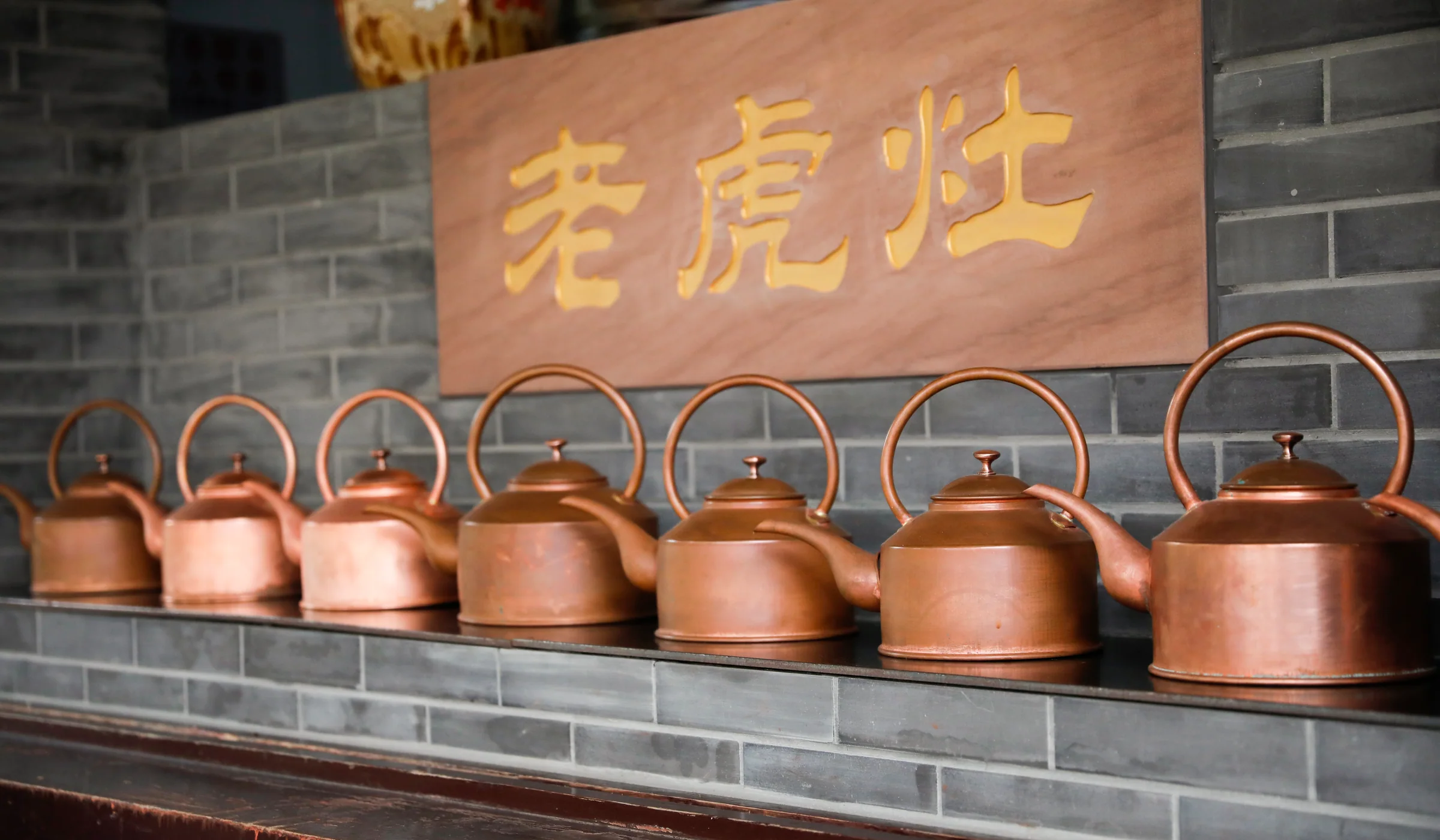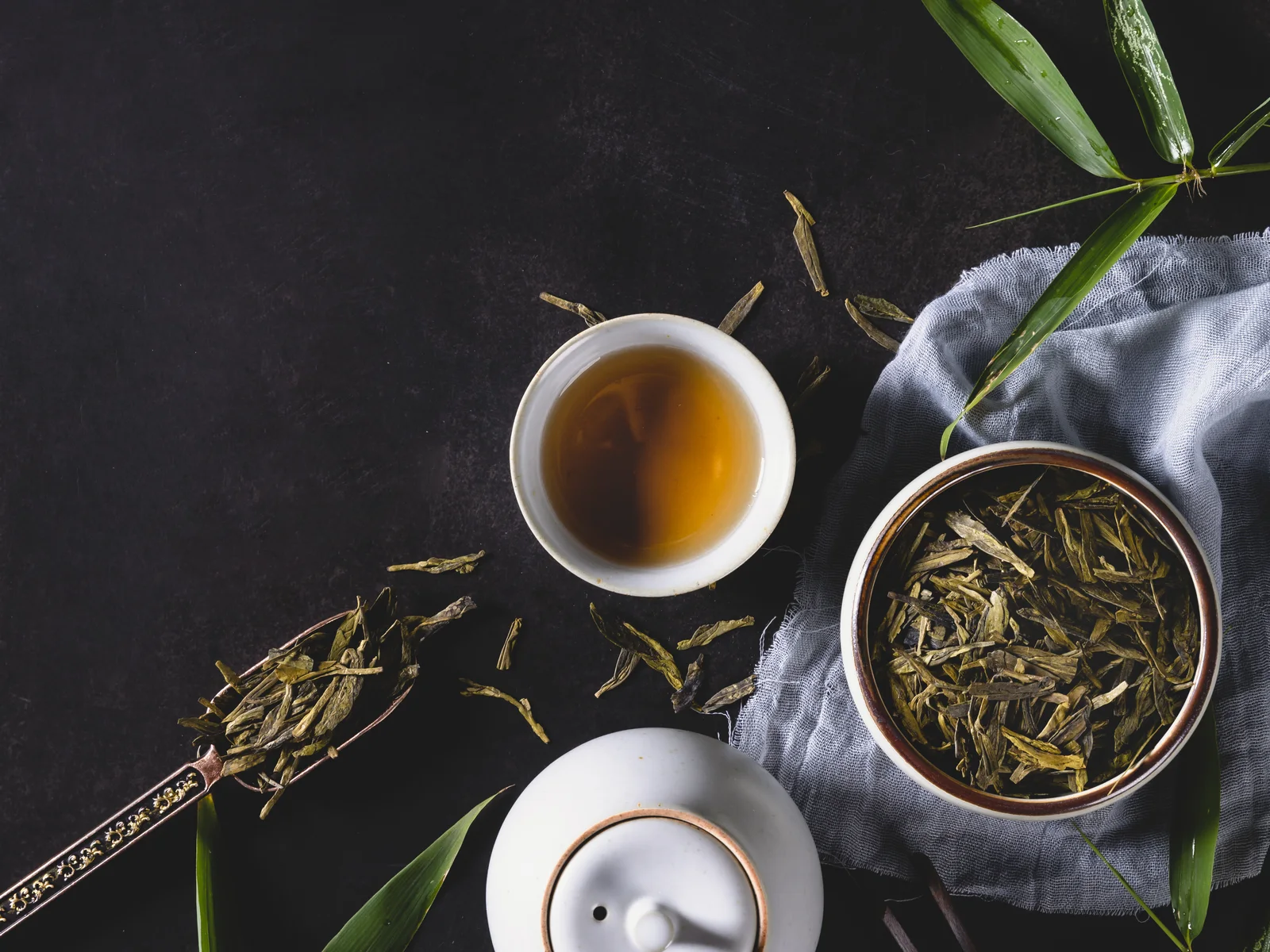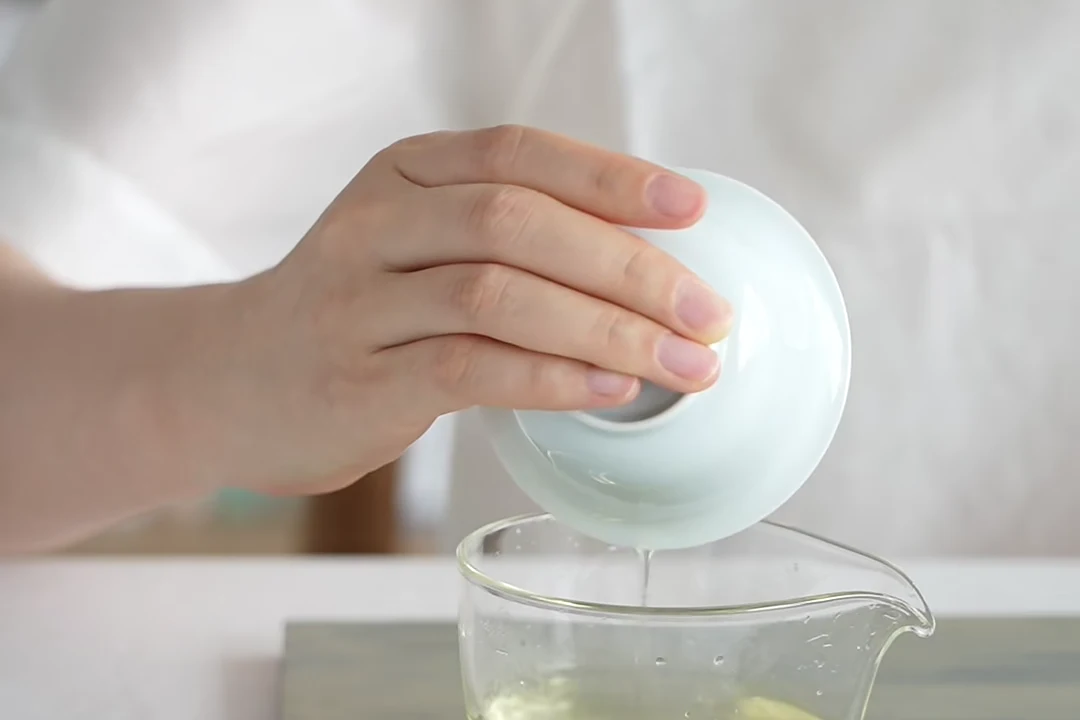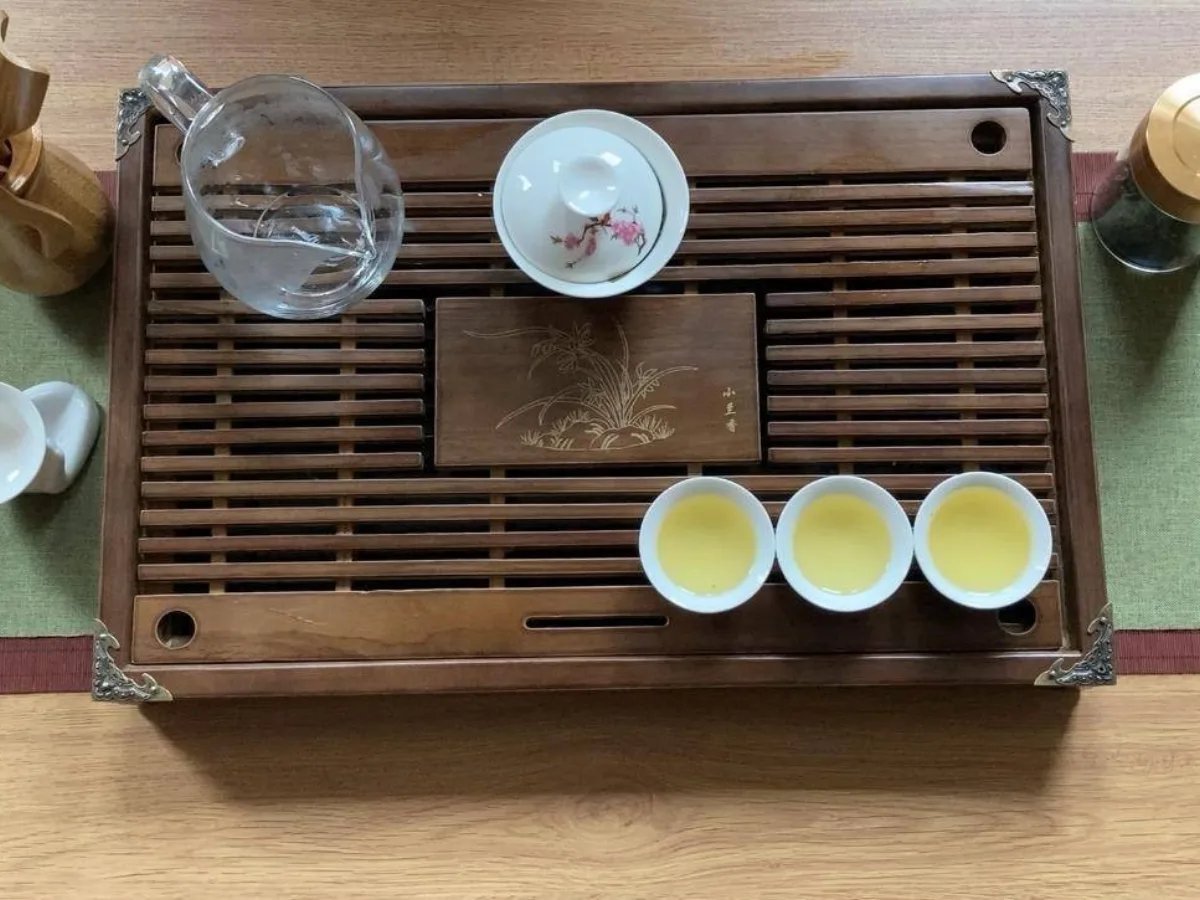
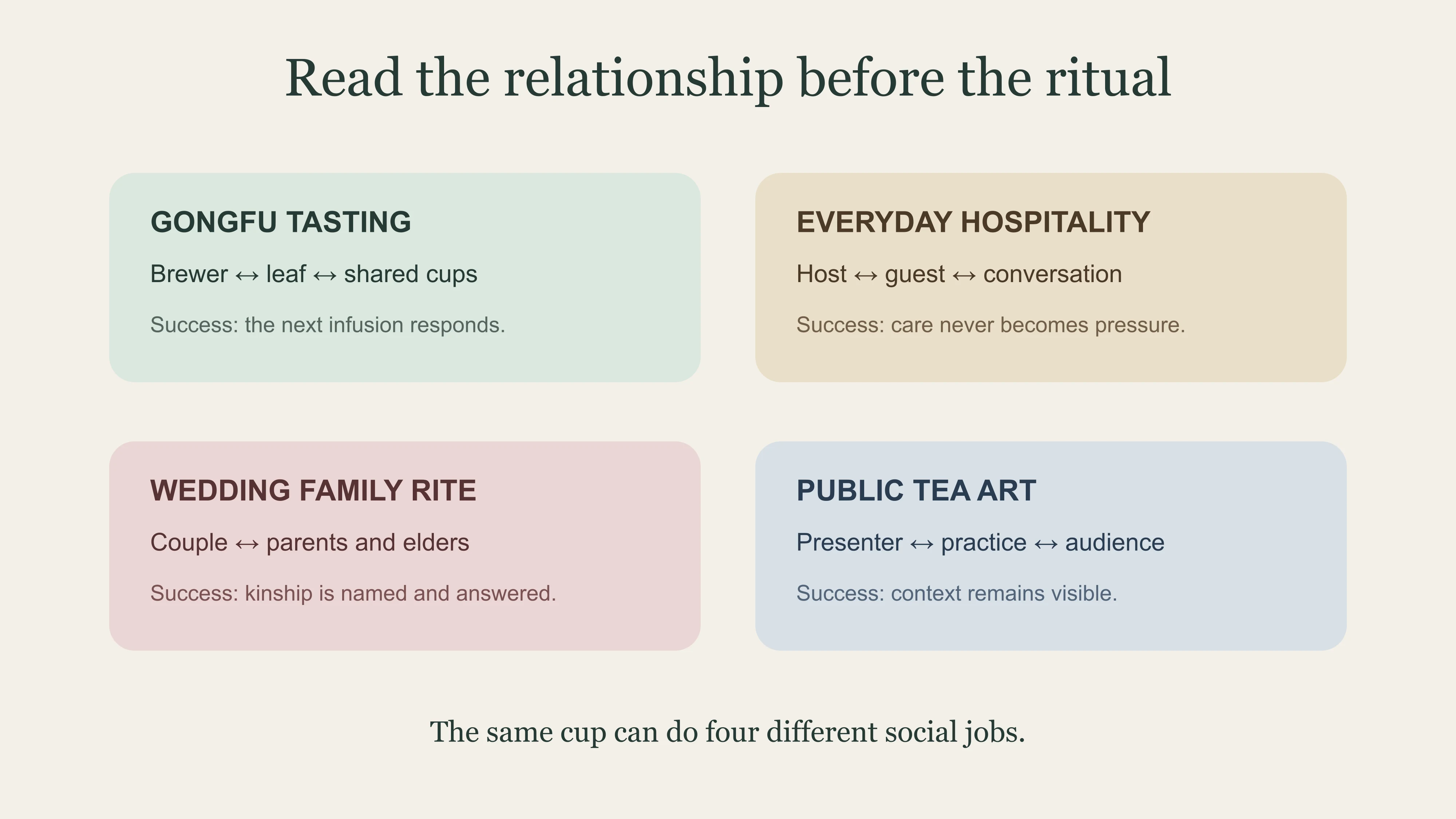
A Chinese tea ceremony is not one national ritual with one correct set of steps. The English phrase covers at least four different situations: responsive gongfu brewing, everyday hospitality, a wedding family rite and a public tea-art presentation. Before copying a gesture, identify the relationship in the room. The same small cup can be used to study flavor, welcome a guest, recognize new kin or teach an audience--and each purpose changes what “correct” means.
Chinese tea ceremony: identify the relationship before the ritual
Do not begin with the teapot. Begin with three questions: Who is serving? Who receives first? What is the tea meant to accomplish?
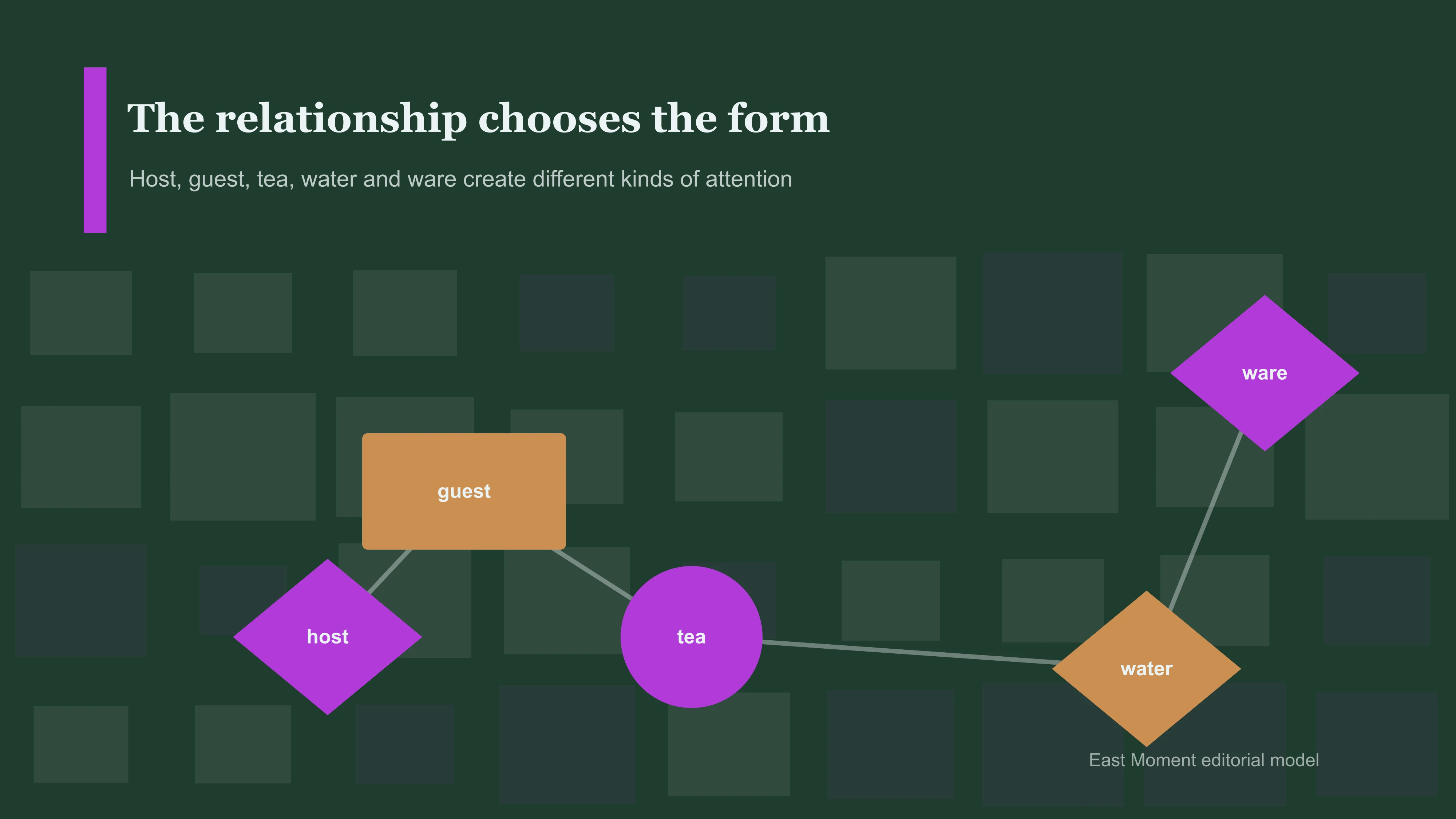
| What you can observe | Most likely context | The tea is doing this job | What matters most |
|---|---|---|---|
| One brewer adjusts short infusions while everyone tastes the same leaf | Gongfu tea | Exploring how leaf, water and time change the cup | Responsive brewing and even service |
| Tea appears while people talk, work or visit; equipment may be simple | Everyday hospitality | Welcoming a guest and sustaining conversation | Comfort, attention and refilling at the right moment |
| A couple serves seated parents or senior relatives in an agreed order | Wedding tea rite | Making respect, gratitude and family recognition visible | Names, relationships, family agreement and safe service |
| A presenter faces viewers, explains named movements or uses a display arrangement | Tea art or public demonstration | Teaching, interpreting or performing a practice | Clear context and honest attribution |
If the room does not fit neatly into one row, that is normal. A wedding may include skilled brewing; hospitality may use a gongfu setup; a tea shop may teach through performance. The table identifies the primary social job, not a rigid category.
Why “Chinese tea ceremony” is an umbrella term
Search results often promise a neat universal sequence: arrange the tools, rinse every cup, pour in a circle and perform the approved gestures. That sequence is convenient for a video. It is poor cultural analysis.
I refuse to call every beautiful tea table a ceremony. I want to know who poured, who received the first cup and what the gathering was trying to repair, welcome, recognise or teach. Without that relationship, polished gestures become decoration; with it, even a plain glass of tea can carry the room.
UNESCO's record of traditional tea processing techniques and associated social practices in China describes knowledge distributed across growing regions, processing traditions, homes, workplaces, tea houses, restaurants and social occasions. It supports breadth, not one compulsory national choreography.
Five terms are therefore worth separating:
| Term | Useful meaning | Misleading shortcut |
|---|---|---|
| Gongfu tea | Skilled, responsive brewing, commonly with a small vessel and repeated short infusions | “The official Chinese tea ceremony” |
| Wedding tea rite | A couple serving parents or senior relatives as a family-recognition exchange | Gongfu brewing with wedding decorations |
| Chayi (茶艺) | Tea preparation as cultivated art, technique and presentation | Proof that every displayed motion is ancient or universal |
| Hospitality tea | Tea offered to welcome, accompany and care for guests | An incomplete ceremony because the tools are simple |
| Public demonstration | A bounded teaching or performance format | Documentary proof of ordinary household behavior |
This vocabulary changes how you watch. A carefully dressed presenter may be interpreting tea art. An aunt topping up a glass during a three-hour conversation may be doing the more socially important work.
Gongfu tea: the skill should appear in the next cup
Gongfu tea is often photographed as an arrangement of beautiful objects. The more useful definition is a feedback loop: brew, taste, notice and adjust.
A 2019 anthropological study, “Tea Art as Everyday Practice: Gongfu Tea in Chaoshan, Guangdong, Today,” is valuable because its title and subject locate gongfu tea in contemporary everyday practice rather than treating it only as staged heritage. Chaoshan gives gongfu tea a demanding regional center, but contemporary gongfu brewing is not confined to one place or one immutable script.
The host is solving four linked problems:
- Extraction: leaf quantity, water temperature and time must suit the tea.
- Stopping: the liquor must leave the brewing vessel before the leaf continues extracting too far.
- Distribution: guests should receive comparable liquor rather than one pale cup and one concentrated cup.
- Response: the next infusion should change when the previous one was harsh, thin, closed or beautifully balanced.
The common equipment--a small teapot or gaiwan, cups, pitcher and tray--supports those jobs. It is not the definition. Rinsing every tea, showering every pot and owning a long line of tools do not prove skill. If the brewer follows perfect movements while ignoring a bitter first infusion, the ceremony has become choreography detached from the leaf.
Use the dedicated gongfu tea guide when your real question is vessel size, infusion logic, rinsing, fairness and a complete practice sequence. This page keeps the broader cultural map.
Everyday hospitality: the least theatrical form may be the most common
Everyday tea service can be as simple as leaves in a glass, a household pot or a thermos on a work table. The host may refill without announcing a step. Guests may talk more than they taste. None of this makes the encounter culturally empty.
The key evidence is attention:
- Did the host offer tea soon after the guest arrived?
- Is the cup kept comfortably available rather than aggressively refilled?
- Does the host notice heat, strength or a guest's refusal?
- Does tea make time for conversation instead of interrupting it?

An overseas visitor can easily overvalue specialized vocabulary and miss this form. The lesson is not that every refill encodes a secret rule. It is that tea often organizes welcome without requiring a speech. The vessel may change with region, household, tea and occasion; the social task remains legible.
Do not demand a gongfu performance from a family offering ordinary tea. Accept the cup, follow the host's pace and ask a specific question if you are curious. Hospitality collapses when the guest turns the host into a museum exhibit.
Wedding tea: the cup makes a relationship visible
In a Chinese wedding tea rite, extraction is not the main problem. Relationship is. A couple offers tea to parents or senior relatives; recipients accept the cup and may respond with blessings, advice, red envelopes, jewelry or simple words.
Two separate first-person family records show why a universal script would be dishonest. In one Chinese-international wedding, the bride described serving tea as respect, gratitude and the beginning of a new family chapter. The sequence includes the couple presenting covered cups, seated parents receiving them and relatives witnessing the exchange.
In a separate Shandong family record, a couple held a no-pickup wedding and brought both families together for tea before the main ceremony. The bride explained that kneeling and kowtow belonged to their own local practice, while also stating that kneeling could be omitted. The two records are valuable precisely because they are not identical.
This gives the broad page one firm rule: ask the family before planning the order. Who receives tea, which kinship terms are used, whether the couple stands or kneels, whether the two sides meet together and when gifts appear cannot be responsibly decided by a generic article.
The detailed Chinese wedding tea ceremony guide owns the planning intent: order, words, gifts, posture, accessibility, equipment and rehearsal. Here, the two-frame record establishes only the relationship and response that distinguish a wedding rite from a tasting session.
Public tea art: performance is not automatically fake
A public demonstration has different constraints. Viewers need sight lines, actions may be slowed or named, the table may be arranged for visual clarity and the presenter may wear clothing chosen for the event. These choices do not make the practice fraudulent. They make it mediated.

The problem begins when the context disappears. A contemporary teaching sequence should not be marketed as the timeless national ritual of every Chinese household. Ask:
- Which region, lineage, teacher or organization is being represented?
- Is the presenter teaching brewing decisions, named etiquette or an artistic sequence?
- Which movements are functional, and which improve visibility or pacing for the audience?
- Is the demonstration offered as one practice or as “the Chinese way”?
Performance can preserve, interpret and teach. It becomes misleading only when a bounded presentation claims to represent everyone.
Chinese tea ceremony etiquette depends on the room
Good etiquette is not a collection of tricks. It is the ability to avoid making other people manage your performance.
| Setting | Useful guest behavior | Common mistake |
|---|---|---|
| Gongfu session | Taste successive infusions, keep the cup accessible and comment specifically if invited | Interrupting every pour to demonstrate memorized rules |
| Everyday visit | Accept or decline simply, follow the host's pace and keep conversation moving | Treating ordinary service as culturally inferior |
| Wedding tea | Follow the family's order, ask before photographing and leave room for recipients to respond | Correcting the family from an online template |
| Public demonstration | Listen for the named context and ask what a movement accomplishes | Assuming the performance documents all Chinese households |
Receiving a cup with two hands can communicate care in a formal moment, but it is not a compulsory gesture in every room. Finger tapping is associated with particular stories and habits, yet visitors should not imitate it as a universal password. Let the host explain what matters locally.
If you avoid caffeine or an ingredient, decline politely. Cultural respect does not require ignoring your health or consent. At a focused tasting, strong perfume and food aromas can interfere with the cup; at an ordinary visit, human comfort matters more than laboratory conditions.
What equipment do you actually need?
The word “ceremony” sells oversized matching sets. The setting should decide the equipment instead.
| Setting | Minimum viable setup | Add only when it solves this problem |
|---|---|---|
| Everyday hospitality | Kettle or thermos, pot or glass, comfortable cups | A pitcher or tray makes refilling and carrying easier |
| Gongfu tea for two to four | Small brewing vessel, pitcher or direct-pour plan, small cups and a way to manage waste water | Tools improve leaf handling, heat control or cleanup |
| Wedding tea | Reliable pot, stable cups, safe tray, refill helper and replacement cups | Decorations support family preference without obstructing service |
| Public presentation | Equipment suited to the tea and clear sight lines | Display objects help explain the named practice |
A useful Chinese tea set is a workflow, not a census of objects. Before buying, rehearse the full path: heat water, brew, lift, pour, carry, serve and clean. Any object that makes those actions less safe or less clear is decoration, not an essential.
How long does a Chinese tea ceremony take?
There is no meaningful universal duration because the four contexts end for different reasons.
- A gongfu session follows the leaf and conversation; it may end after a focused comparison or continue across many infusions.
- Hospitality tea lasts as long as the visit needs it.
- Wedding timing depends on the number of recipients, movement, blessings, gifts, refills and photographs.
- A public demonstration follows a teaching or performance program.
For planning, count people and actions instead of searching for a traditional number of minutes. A wedding needs a recipient list and buffer. A tasting needs enough time for the leaf to open. A guest visit needs freedom from a stopwatch.
The conclusion: read the relationship before the ritual
The most useful Chinese tea ceremony skill is not a hand position. It is contextual attention.
I care about the cup only because it reveals the relationship around it.
If the brewer keeps changing time and temperature, watch the cup. If a host quietly refills while people talk, notice the welcome. If a couple approaches seated parents, notice the family relationship. If a presenter faces an audience, ask which practice is being interpreted.
That framework protects both accuracy and enjoyment. It prevents a wedding from being reduced to brewing technique, a household visit from being judged as incomplete and a staged demonstration from being mistaken for national law.
When you share a tea gathering in China Moments, name the setting, region or family context, who was serving and what the tea helped people do. That turns a beautiful table into cultural evidence another reader can understand.
Continue through the tea practice and etiquette center, compare tea ceremonies and family rituals or return to the Chinese tea guide.
The broad social-practice frame follows UNESCO's record. The everyday Chaoshan discussion is bounded by Peter d'Abbs's 2019 study, “Tea Art as Everyday Practice”. Wedding variation uses two first-person family records and a geographically specific Singapore National Heritage Board account; none is presented as a national script.