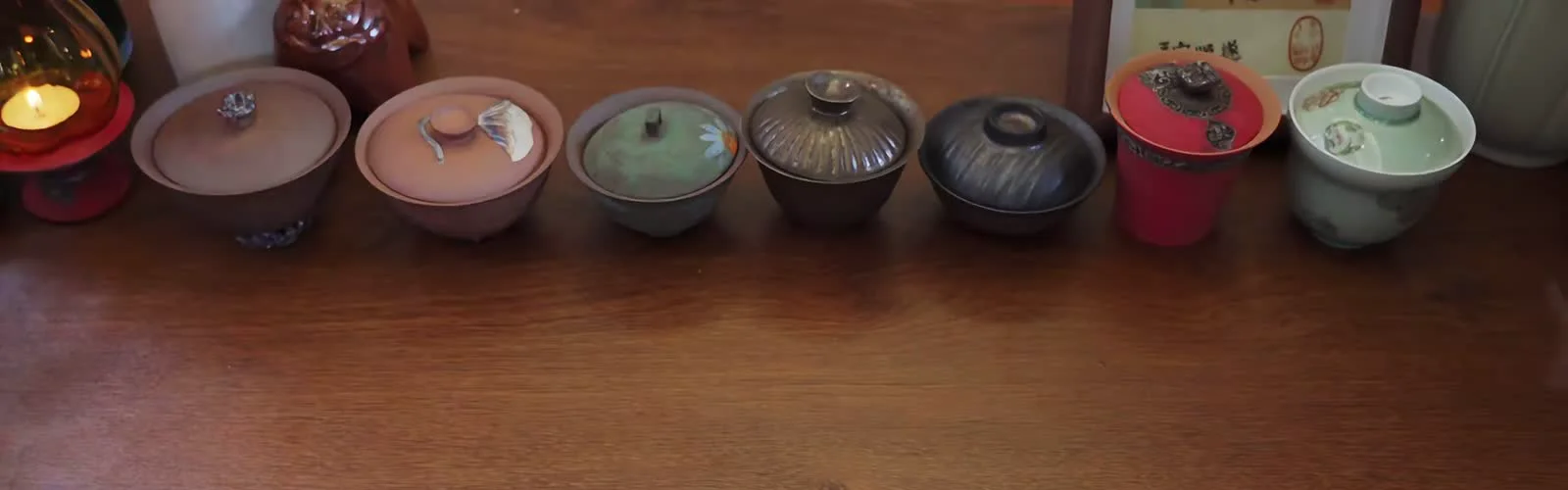
The vessel test begins with water and ends with cleaning
Run the practical test before asking about dynasty, clay mythology or decorative meaning.
| Vessel | Pass condition | Claim the object cannot prove |
|---|---|---|
| Gaiwan | The lid moves cleanly, the rim protects the hand, the filled weight is controllable and the pour empties fully. | Traditional form fits every hand or pain is part of learning. |
| Chinese teapot | Opening, filter, wall, handle, lid, balance and pour suit the leaf and can be cleaned. | Brown unglazed clay is Yixing or improves any tea. |
| Chinese tea cups | Rim, wall thickness, capacity, heat and color visibility suit the drinker and service pace. | Tiny size is more authentic or decorative glaze is food-safe. |
| Chinese tea set | Brewer, pitcher and cups form a measured capacity chain with no unexplained pieces. | A larger accessory count creates a more complete ceremony. |
Measure to the working line, not the number printed by the seller
Nominal capacity often means filled to the brim, which is not how a gaiwan or pot works safely. Weigh the empty vessel, fill to the real brewing level and weigh again; one gram of water is approximately one millilitre. Then measure the pitcher and cups. A brewer that holds 110 millilitres in practice needs somewhere for the entire pour to go. Partial decanting changes extraction and makes later cups stronger.
This is the least romantic and most useful teaware exercise. It prevents buying six cups that cannot share one infusion, a pitcher smaller than the brewer or a heavy pot that becomes unmanageable when full. Put cool water through the whole system before tea enters it. Function should be visible in ten minutes.
The correct gaiwan does not demand burned fingers as tuition
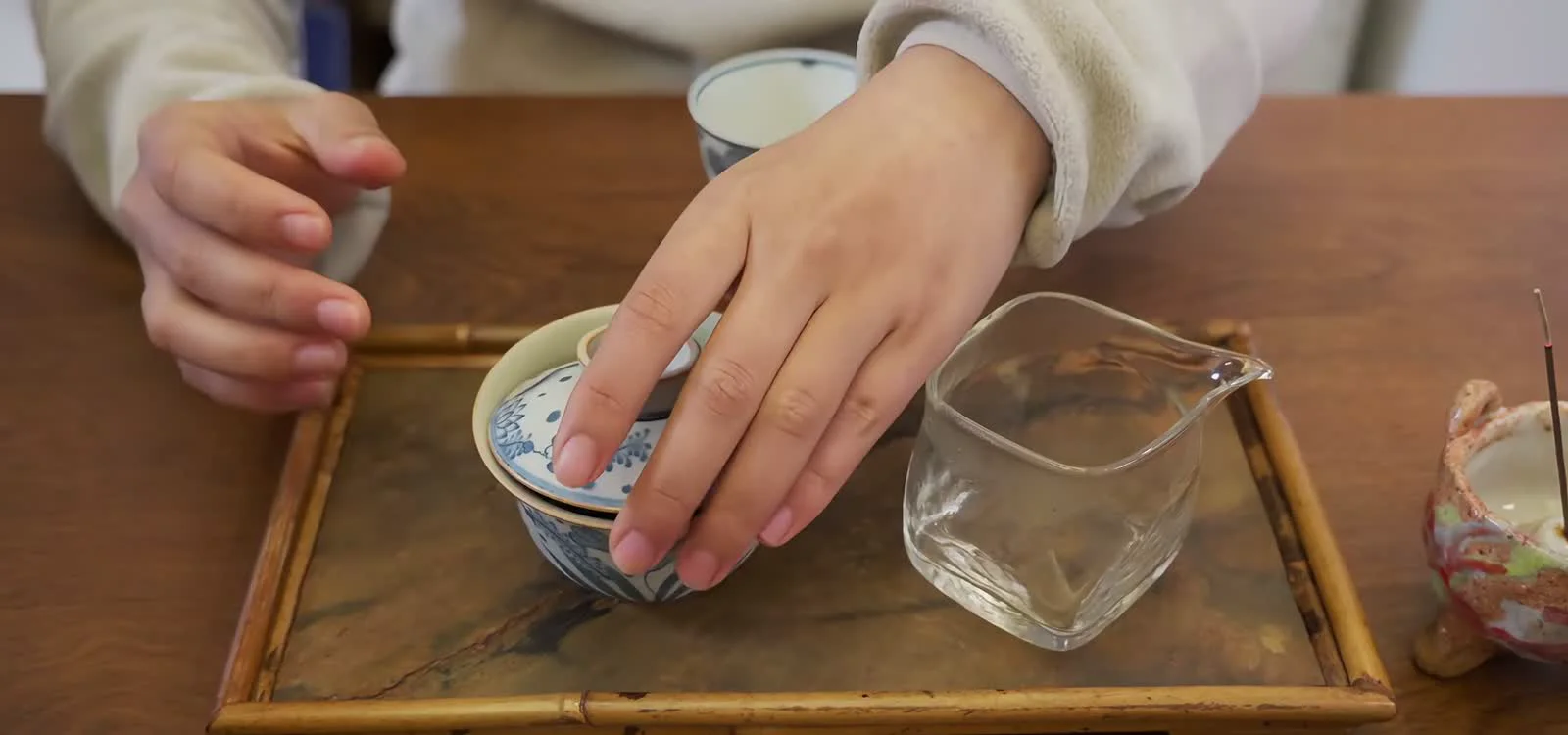
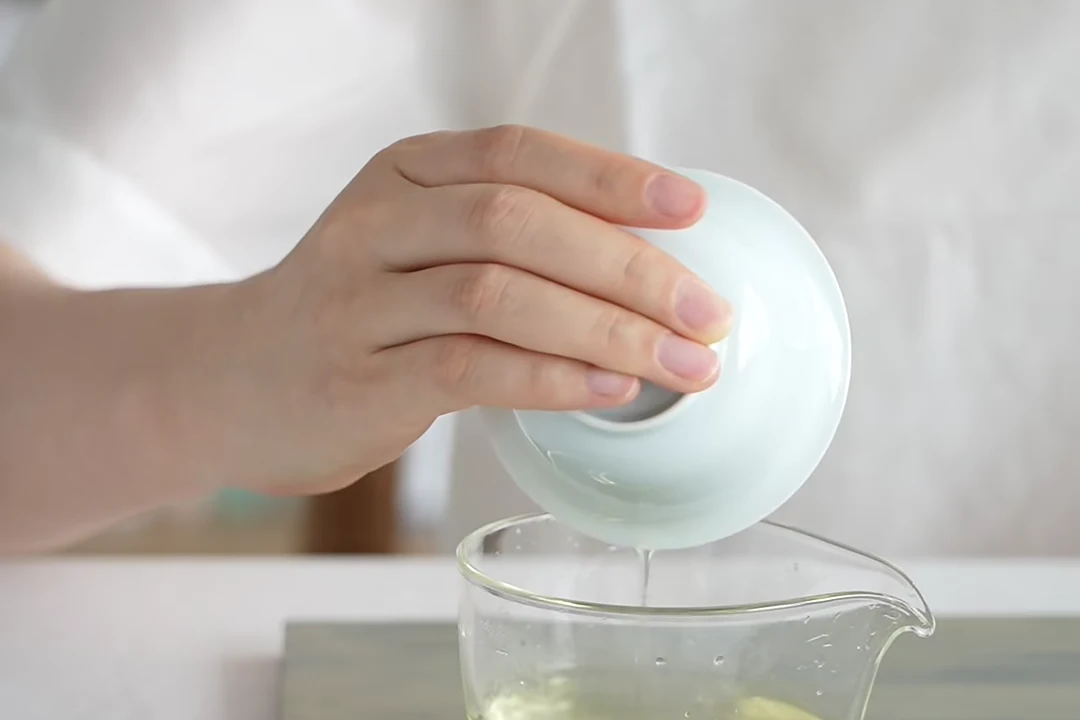
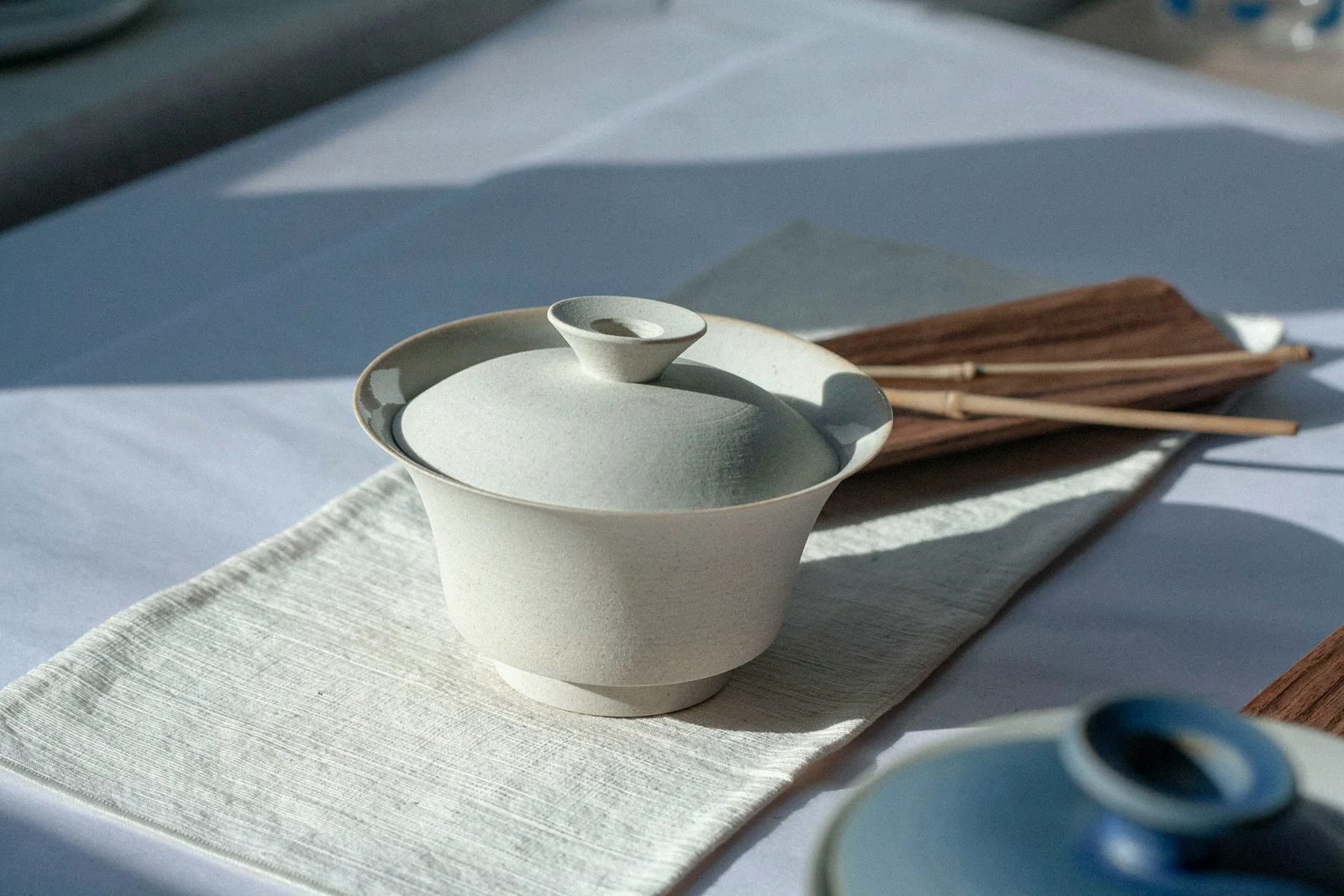
A gaiwan exposes leaf, pours quickly and cleans easily, which makes it an excellent learning tool. Yet diameter, rim flare, lid fit, knob height, saucer and filled weight determine whether it suits a hand. Two vessels with the same advertised capacity can feel completely different. Advice based only on millilitres misses the body using the object.
Practice with cool water. Try the three-finger grip, a saucer-supported pour or another safe hold. Adjust the lid gap and check whether liquid exits cleanly without leaf blocking the edge. If the vessel remains painful or unstable, choose another shape. There is no moral achievement in forcing a bad fit.
A teapot earns trust through the opening, filter and stream
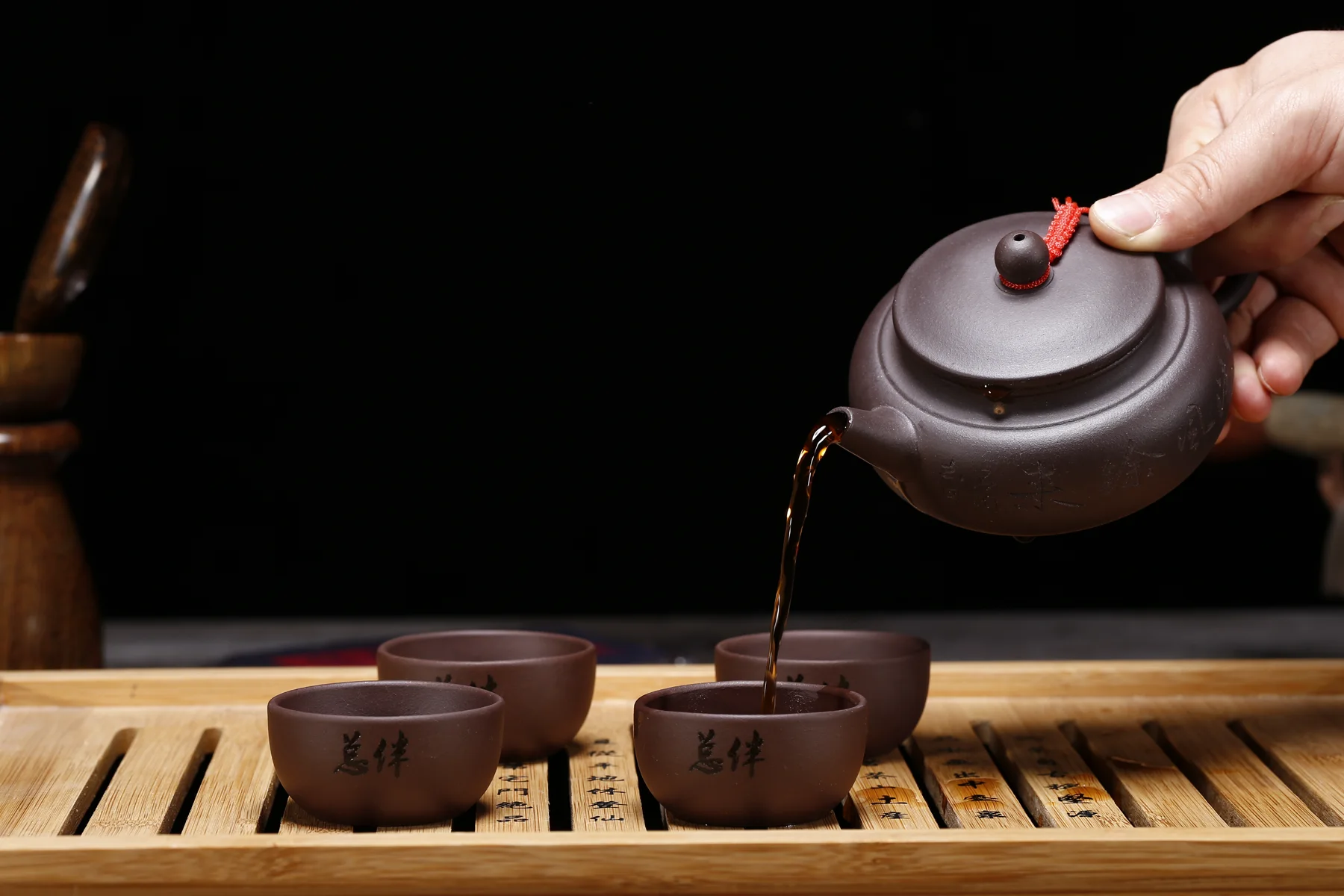
A pot should admit the leaf without damage, allow expansion, hold its lid securely enough for the intended pour, and empty at a speed that suits extraction. Filter holes must retain leaf without clogging immediately. The handle should remain controlled when the pot is full. A dramatic stream means little if thirty millilitres remain trapped and continue brewing.
Test with water and time the pour. Look inside, not only at the silhouette. Can fingers or a brush reach the interior? Are there sharp joins, trapped clay or a smell that persists after rinsing? Practical questions expose more than tapping sounds, seal reading and other internet authentication rituals. A beautiful pot that cannot be inspected is asking for faith before service.
Yixing is a provenance claim, not a shade of brown
Historic Yixing stoneware has deep material and craft traditions, but the global market uses the name for countless unglazed pots. Color, texture, maker seal and a certificate can be imitated. When price depends on clay origin, maker or age, demand a credible chain and specialist expertise. Museum objects establish historical forms; they do not authenticate the pot in a shopping cart.
Porosity and seasoning are also oversold. An unglazed pot can retain aroma and alter presentation, which is why many drinkers dedicate one to a narrow tea range. It cannot detoxify poor leaf or improve everything. Beginners gain cleaner comparisons from glazed porcelain. Mystery clay should never be the price of admission to serious tea.
The cup decides how heat, aroma and color reach a person
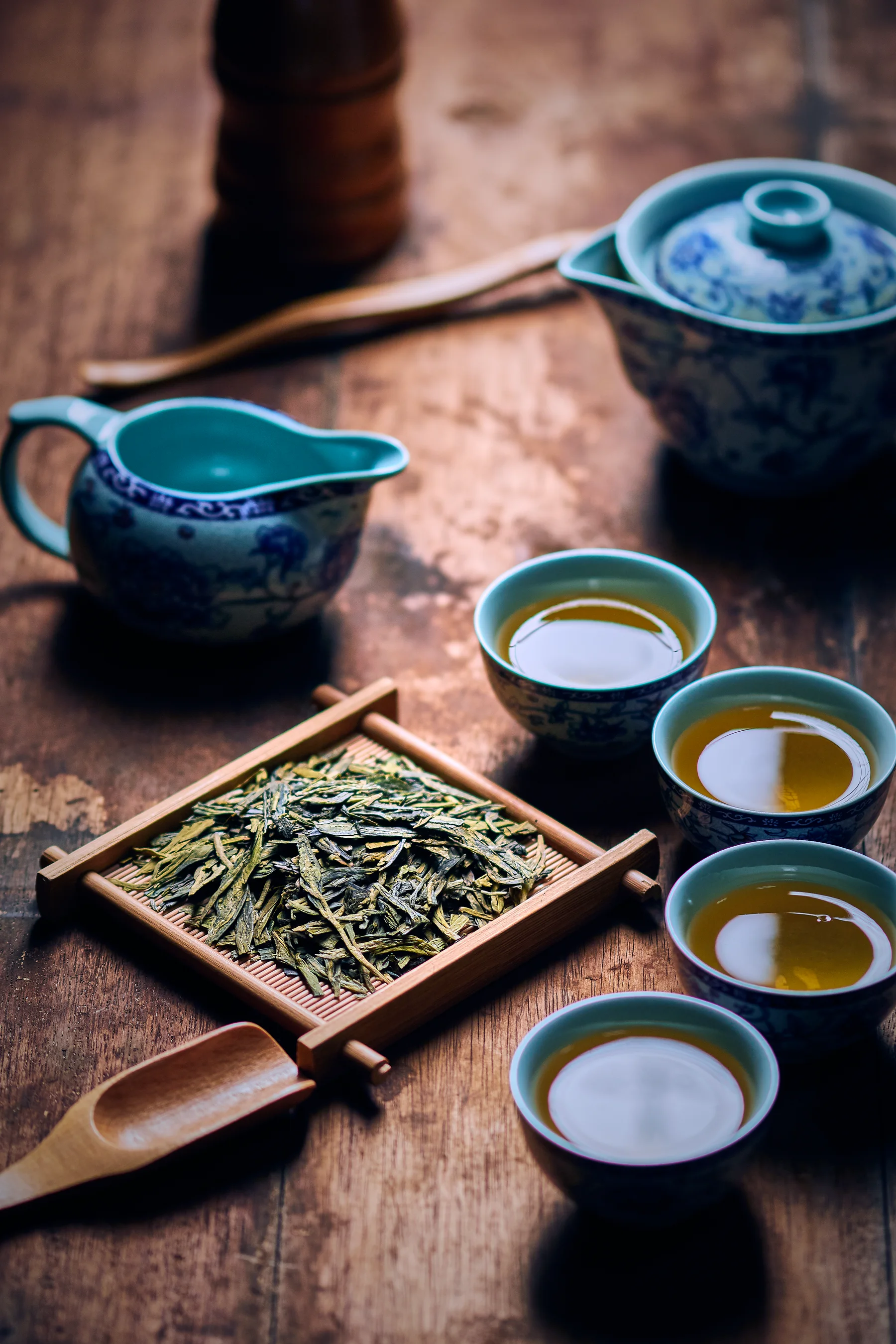
Thin porcelain cools at the rim and shows liquor color clearly; thicker stoneware can hold heat and feel stable; a tall aroma cup changes how fragrance is noticed; a wide bowl invites a different pace. None is universally superior. Consider the drinker's grip, sensitivity, vision, mobility and preferred volume. A host choosing tiny cups for authenticity may create endless refills and discomfort instead of hospitality.
Pour the same tea into two cups and taste after equal cooling time. Wall, rim and shape change perception more than product descriptions admit. This experiment makes the cup an active instrument rather than a decorative afterthought. The best cup is the one a person reaches for without fear of heat or breakage.
Food-contact confidence cannot be photographed into existence
Unknown glazes, metallic decoration, damaged surfaces and poorly finished interiors deserve caution. A beautiful image cannot establish migration limits or intended food use. Ask the maker or seller for identity, use instructions and appropriate testing when risk or commercial compliance matters. Vintage and decorative objects should not be assumed safe for hot liquid merely because their form resembles teaware.
Cleaning is equally practical. Rinse promptly, dry fully and keep porous ware away from scented detergent. Inspect filters, lid seats and cracks where residue hides. A sealed damp travel set will teach mildew faster than tea. If an object cannot be cleaned or safely repaired, display is an honorable future. Drinking from it is not a requirement of love.
Do not buy the next vessel until the current one reveals a real limitation
Use one neutral brewer and known cups for a month. Write down every actual problem: leaf escapes, pour is slow, capacity is wrong, heat hurts, aroma is muted or the vessel is difficult to clean. Then buy one object that solves the most repeated problem. This sequence creates knowledge and keeps the table from filling with speculative solutions.
My final verdict is intentionally unfashionable. Empty space on a tea table proves restraint, not inexperience. A measured gaiwan, two comfortable cups and hot water can hold serious attention and generous company. Add history, clay and beauty after function works; then each object has a story the hand can confirm.
Everyday vessels belong in Chinese tea culture even when collectors ignore them
A tall glass lets green leaves open visibly; a lidded office cup supports continuous sipping; a thermos carries hot tea through travel and work. These objects may lack the prestige of clay and porcelain, but they reveal how tea enters ordinary time. The correct vessel is sometimes the one that survives a commute and can be cleaned at the end of it.
Continuous infusion requires adjustment. Use less leaf, cooler water where appropriate or drink and refill before bitterness accumulates. A thermos can over-extract delicate material and hold odor, while glass loses heat and can become dangerously hot. Function remains specific. Everyday does not mean thoughtless.
Portable design is a safety problem disguised as convenience
Travel sets compress brewer, cups and case into a small volume. Check whether wet pieces can dry, whether lids collide, whether glaze chips in transit and whether hot pouring is stable on an unfamiliar table. A fitted case that seals damp vessels can create odor and microbial growth. Decorative compactness is not enough.
Pack only what the trip will use. A durable gaiwan or small pot, cups and a cloth may be sufficient. Carry clean water when local taste is uncertain, and never balance boiling water for a photograph. The memory should be the tea and landscape, not a preventable burn.
An old family pot can be priceless without being safe to drink from
Inherited teaware carries touch, gift and family continuity that market value cannot measure. Document who used it, where it lived and what tea it held. Photograph maker marks and damage before cleaning. Aggressive restoration can erase residue or surfaces that matter to the object's story.
Use requires a separate decision. Cracks, unknown glaze, old repairs and unstable handles may make display safer than hot liquid. Professional conservation or material testing may be appropriate for important pieces. Retirement from service is not betrayal. Sometimes the most respectful role for a vessel is to remain visible while a new cup continues the family table.
Do not let an auction estimate overwrite the household story. Market value, museum significance and family meaning are three different questions. Write the provenance you actually know, mark uncertainty, and keep receipts or expert reports separate from memory. Future relatives deserve both affection and a clean record.
A replacement vessel can repeat one feature—capacity, color, maker's region or the way it fits an elder's hand—without imitating the original. That choice turns inheritance into continued practice. The family is not required to risk a fragile object in order to prove the past still matters.
When sharing an inherited piece publicly, remove addresses and ownership details that create security risk. Ask relatives before naming them. Cultural documentation should preserve trust as carefully as ceramic.
Insurance, resale and museum attribution require professional evidence beyond family recollection. Do not let a social-media identification become a financial fact. Record the suggestion, then verify it through the appropriate specialist.
The same discipline applies to newly purchased studio ware. Keep maker name, date, material statement and food-use guidance with the object. A small record now prevents a large mystery later.
Use photographs that show base, interior, lid, handle and any mark rather than one flattering profile. If damage develops, add a new dated frame instead of replacing the old record. The sequence can help a conservator and it teaches the family how an object changed through use.
Keep those records with the vessel, not buried inside a social feed that may disappear.