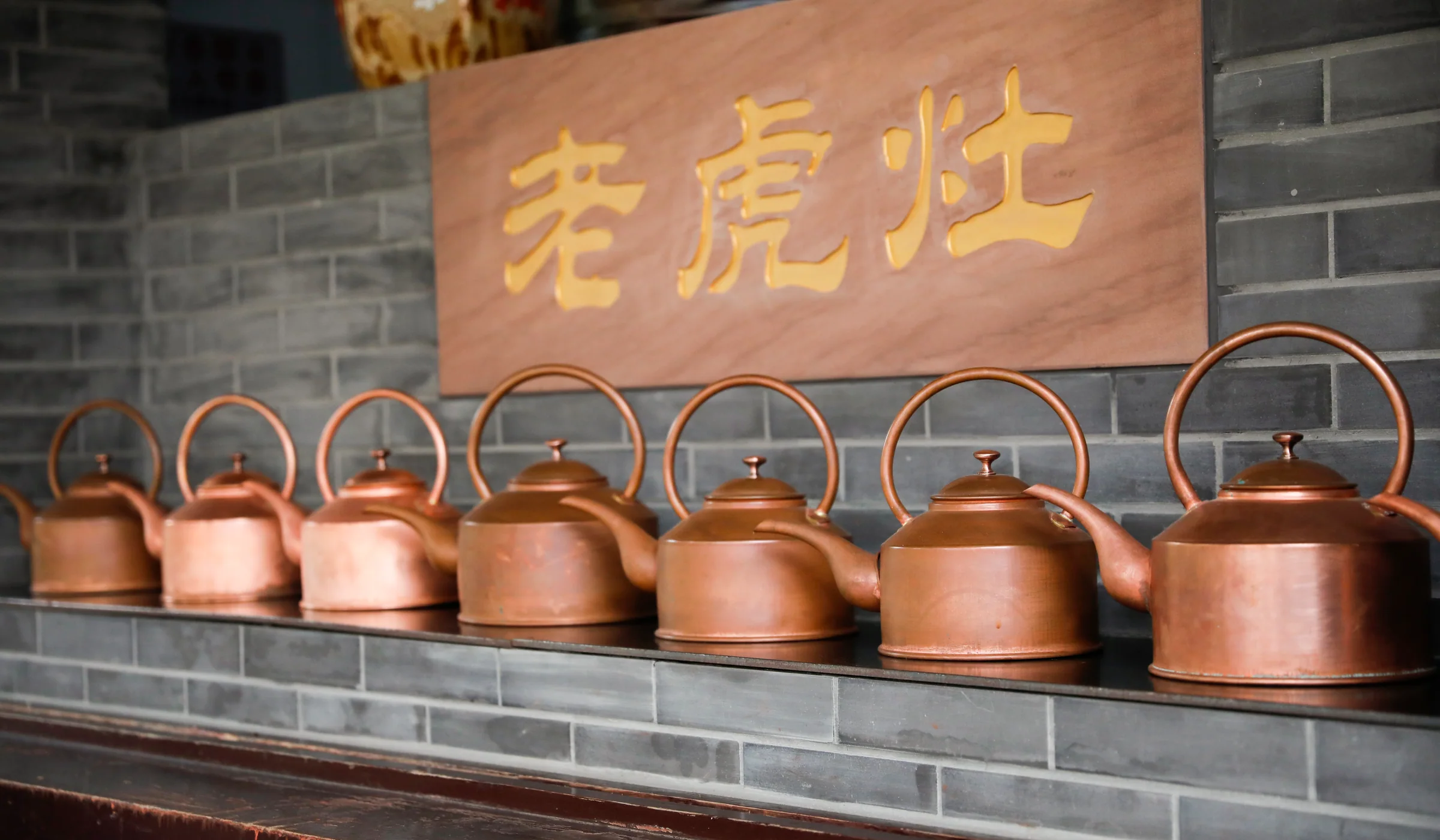
Chinese Tea: 6 Types, Culture, Brewing and How to Choose
What is Chinese tea? Learn the six tea families, choose a beginner-friendly style, match tea to a vessel, and avoid prestige-led buying mistakes.
Read the deep guide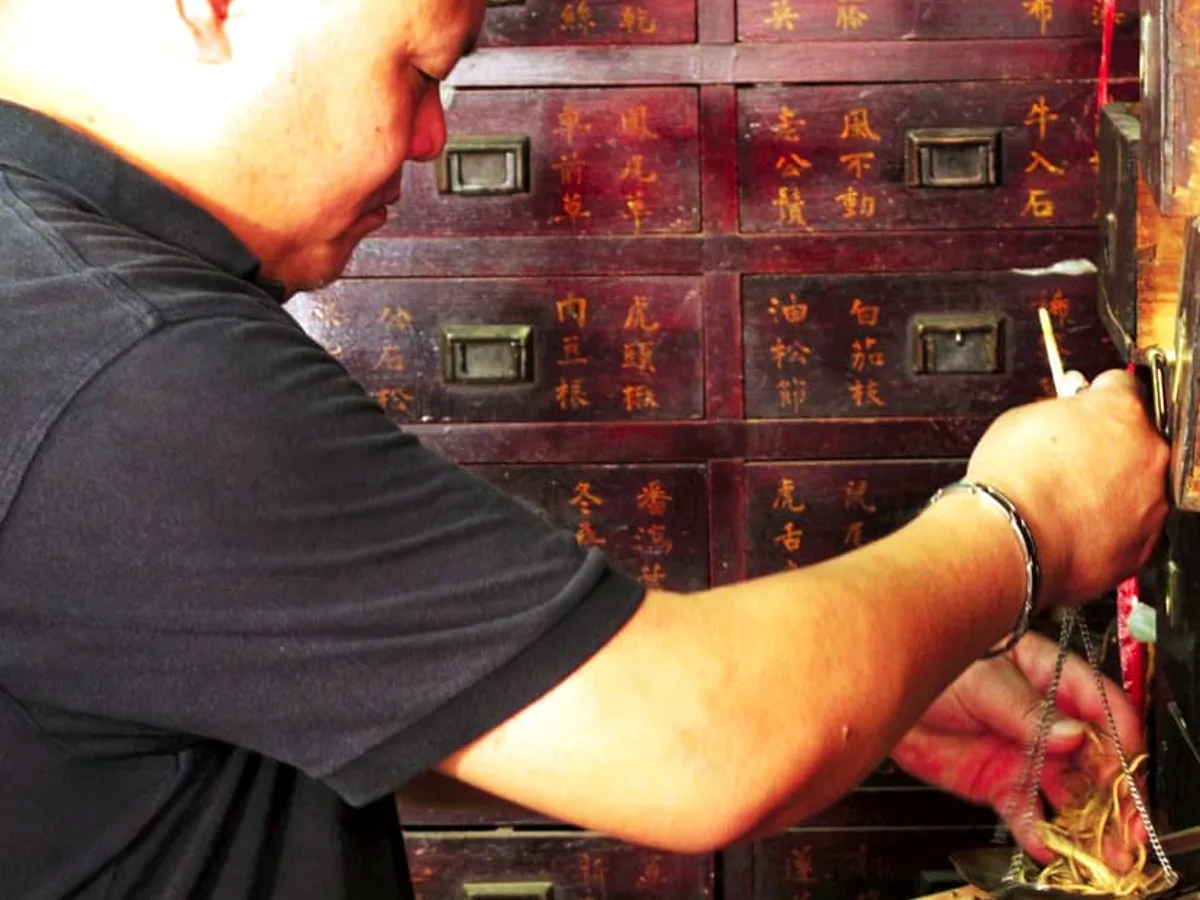
Ingredient · preparation · memory · safety
Chinese herbs, flower infusions, seasonal foodways and everyday wellbeing explored through family experience, material culture and careful safety context.
Open the family cupboard2 published guides across 6 core paths.
Keep care beside evidence and safety
A red date in porridge, dried peel in a family cupboard and a concentrated supplement are not the same exposure or claim. Chinese herb culture deserves emotional memory and exact preparation; safety deserves the same honesty. Familiarity can explain care, never prove a cure.
NCCIH provides an evidence and safety boundary for health claims; it does not erase the culinary, seasonal and family meanings of ordinary ingredients. NCCIH traditional Chinese medicine guidance
Published guides, organized by intent
A collection page must do more than list recent posts. Choose the question that brought you here, open a focused guide, then keep moving through works, people and related cultural context without returning to search.
2 published guides
Dried peel, dates, chrysanthemum and other ingredients enter life through tea tables, soups, porridges and seasonal habits. These routes recover the sensory and family context while keeping dosage, interaction and treatment claims outside nostalgia's authority.
What is Chinese tea? Learn the six tea families, choose a beginner-friendly style, match tea to a vessel, and avoid prestige-led buying mistakes.
Read the deep guide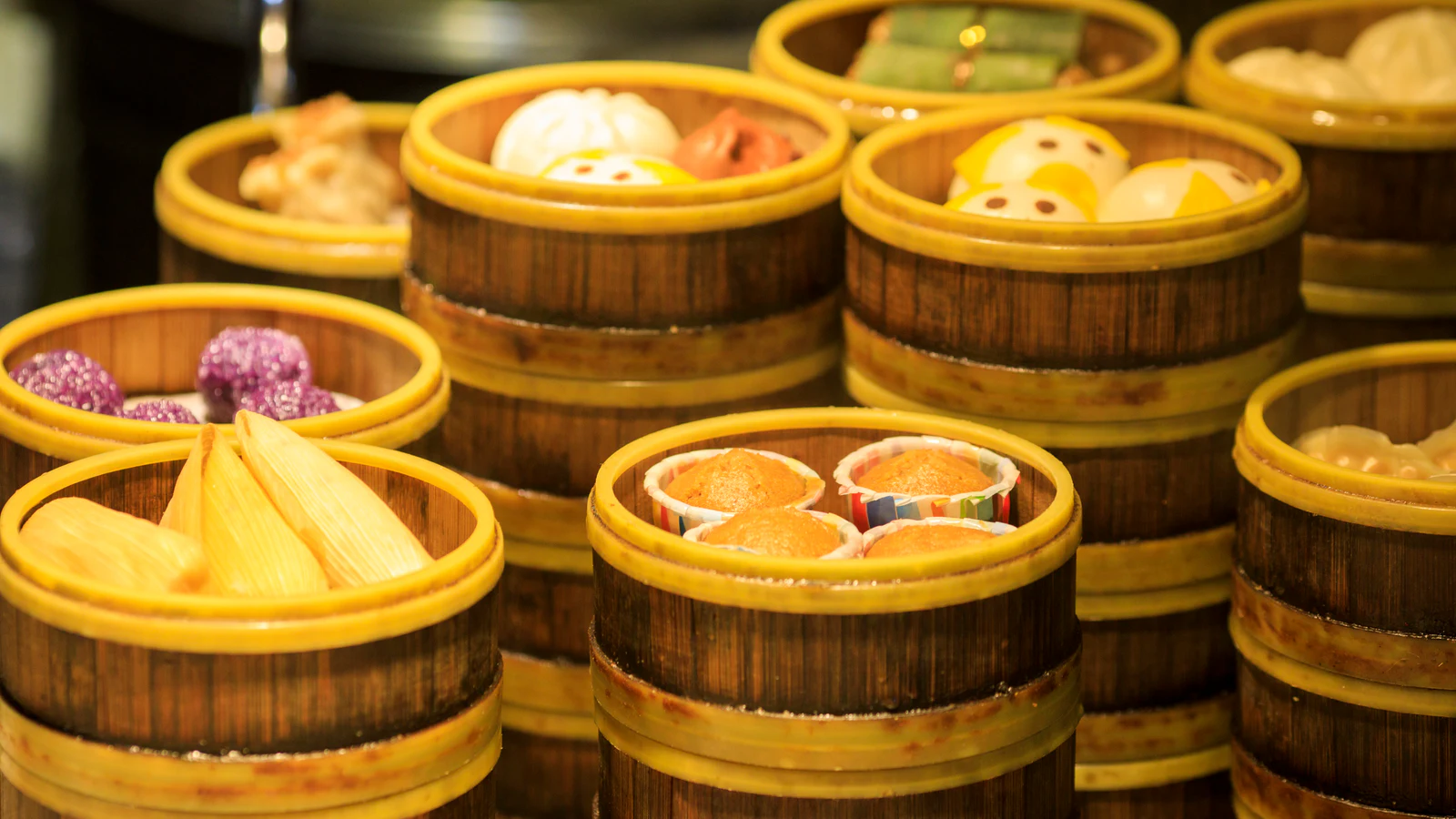
Chinese food culture is a living design system: regional foodways, shared meals, festival rituals and diaspora cooking make change recognizable, not inauthentic.
Read the deep guideExplore Chinese herbs through pantry traditions, flower infusions, seasonal habits, preparation, family memory and practical safety without cure claims.
Chinese herbs live in the cupboard between food and care. Ginger enters a stir-fry, a soup and a cup prepared for a rainy evening. Jujubes sweeten congee. Chrysanthemum flowers open in hot water. Dried tangerine peel lends fragrance to a braise. The same material can be ingredient, memory, hospitality or specialized preparation, and those meanings should not be collapsed into one promise.
Chinese herbs are plant materials used across Chinese cooking, flower and herbal infusions, household routines and specialized traditions of preparation. The English word herb is broad. It may describe a fresh aromatic leaf, a dried fruit, a root, a seed, a flower or a piece of peel.
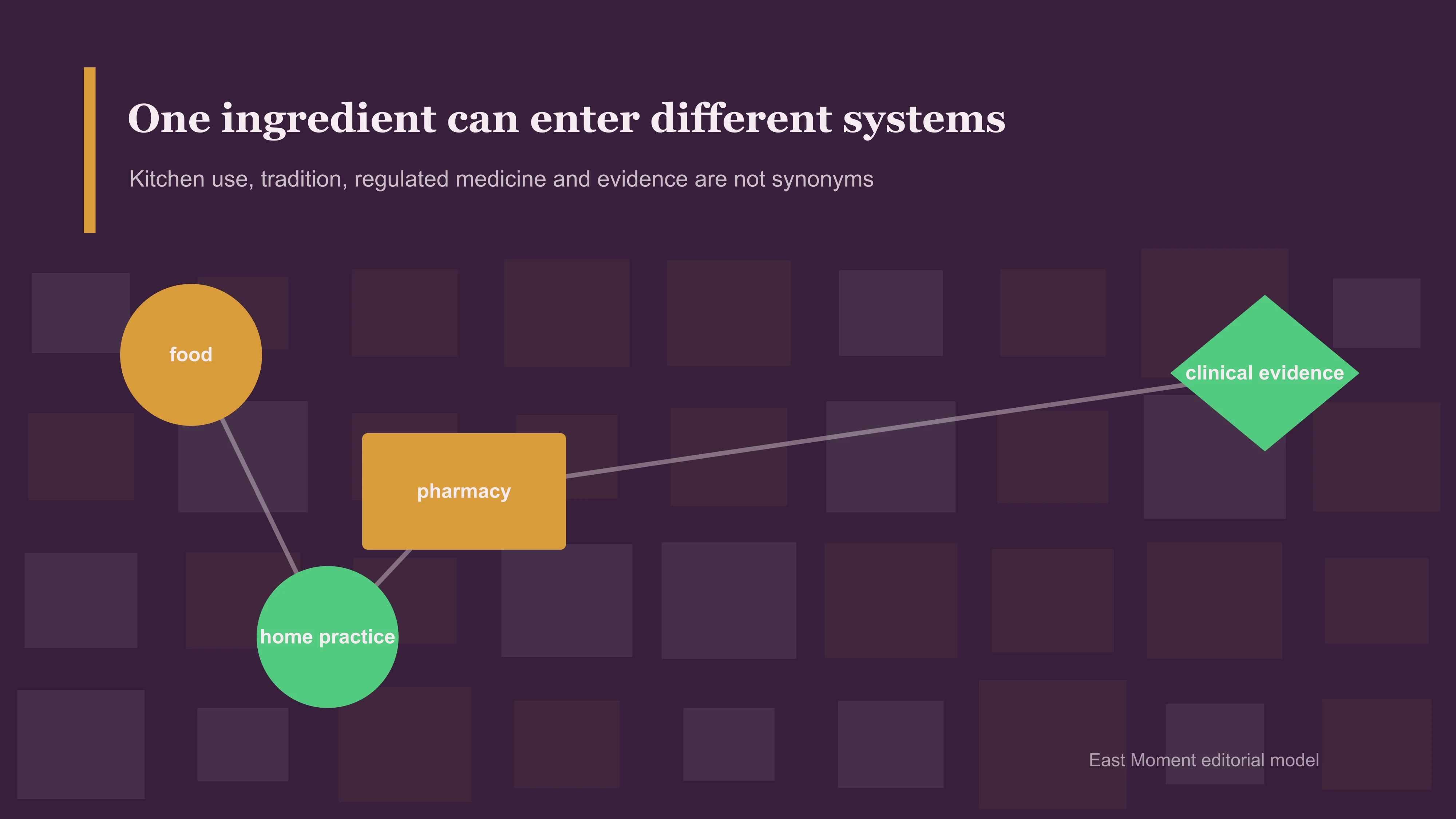
That breadth matters. A supermarket bunch of scallions and a carefully identified dried root are both plants, but they do not ask for the same knowledge. A jujube dropped into soup is not the same thing as a concentrated extract sold in capsules. A chrysanthemum infusion shared after lunch is not automatically a treatment.
East Moment approaches Chinese herbs through culture first: how familiar ingredients are named, stored, prepared, offered and remembered. Specialized formulas and individualized health decisions sit outside this article. Our subject is the ordinary cupboard and the cultural life around it.
In many Chinese homes, the boundary between pantry and wellbeing is soft rather than absent. Food is expected to do more than stop hunger. It warms, cools, comforts, marks a season and shows that someone noticed how you were feeling.
Growing up, I rarely heard anyone announce a complete philosophy before adding ginger to a pot. The action came first. A bowl was made lighter because the weather was humid. Pear was simmered because the air felt dry. Red dates appeared because an older relative believed the week had asked too much of everyone.
Sometimes the explanation was solemn. Sometimes two adults contradicted each other before the water boiled.
That disagreement is part of the tradition, not evidence that one person had failed to read the universal handbook. China contains multiple climates, cuisines, ethnic traditions and family histories. Northern winter kitchens and subtropical southern homes do not build the same seasonal instincts. Migration changes what can be purchased and what must be substituted.
Chinese wellbeing is therefore most honest at household scale. It is a practice of attention before it becomes a theory. The broader idea is yangsheng, or nourishing life: a way to examine routines and care without allowing one pantry ingredient to impersonate a complete medical system.
A drawer label does not tell an overseas reader whether the material belongs in dinner, a household infusion or a specialist formula. The weighing action in the photograph is the point: identity, quantity and context matter before folklore does.
I trust the imperfect surfaces of real dried ingredients more than packaging that turns every flower into the same fluorescent icon. Variation in color, closure and size may be ordinary agricultural reality; it is not proof of species, grade, purity or a health effect. That is why the label and seller must carry the identity claim instead of a beautiful close-up.
The materials below are familiar entry points, not a shopping prescription.
| Ingredient | Chinese name | Common everyday forms | Flavor and cultural association |
|---|---|---|---|
| Jujube or red date | Hongzao / dazao | Soup, congee, sweet dishes, infusions | Soft sweetness, family care, pantry comfort |
| Goji berry | Gouqi / gouqizi | Soup, congee, tea blends, snacks | Bright color, mild sweetness, modern wellness visibility |
| Chrysanthemum | Juhua | Hot or chilled flower infusion | Floral bitterness, summer tables, visual calm |
| Dried tangerine peel | Chenpi | Braises, soups, congee, desserts, infusions | Citrus depth, fragrance, valued aging traditions |
| Ginger | Jiang | Stir-fries, soups, sauces, congee, drinks | Warmth, pungency, rain-day familiarity |
| Hawthorn fruit | Shanzha | Snacks, drinks, preserves, candied fruit | Tartness, childhood street snacks, rich-meal associations |
| Lotus seed | Lianzi | Sweet soups, congee, festival desserts | Gentle texture, lotus symbolism, summer harvest |
| Lily bulb | Baihe | Stir-fries, soups, congee, desserts | Delicate sweetness, pale layered form |
Names need care. One English label may cover several species or commercial grades. One Chinese name may be translated differently by region or seller. Botanical identity is less poetic than a handwritten jar, but considerably more useful when buying an unfamiliar ingredient.
The same material can move through several contexts.

| Context | Typical scale | Main purpose | What the reader should notice |
|---|---|---|---|
| Culinary ingredient | Ordinary food preparation | Flavor, texture, nourishment and seasonality | Recipe, portion and food quality |
| Household infusion | A simple drink made from familiar flowers, fruits or roots | Hospitality, taste and routine | Strength, frequency and personal tolerance |
| Packaged wellness product | Powder, extract, capsule or blend | Commercial use beyond ordinary cooking | Exact ingredients, sourcing and proportionate claims |
| Specialized formula | Multiple materials selected for a particular purpose | A separate professional context | Not covered by this cultural foodways guide |
Problems begin when evidence and safety from one context are borrowed by another. A few goji berries in congee do not tell us how a concentrated extract behaves. Centuries of ginger in kitchens do not validate every product using a ginger illustration. A beautiful ingredient story cannot do the work of an accurate label.
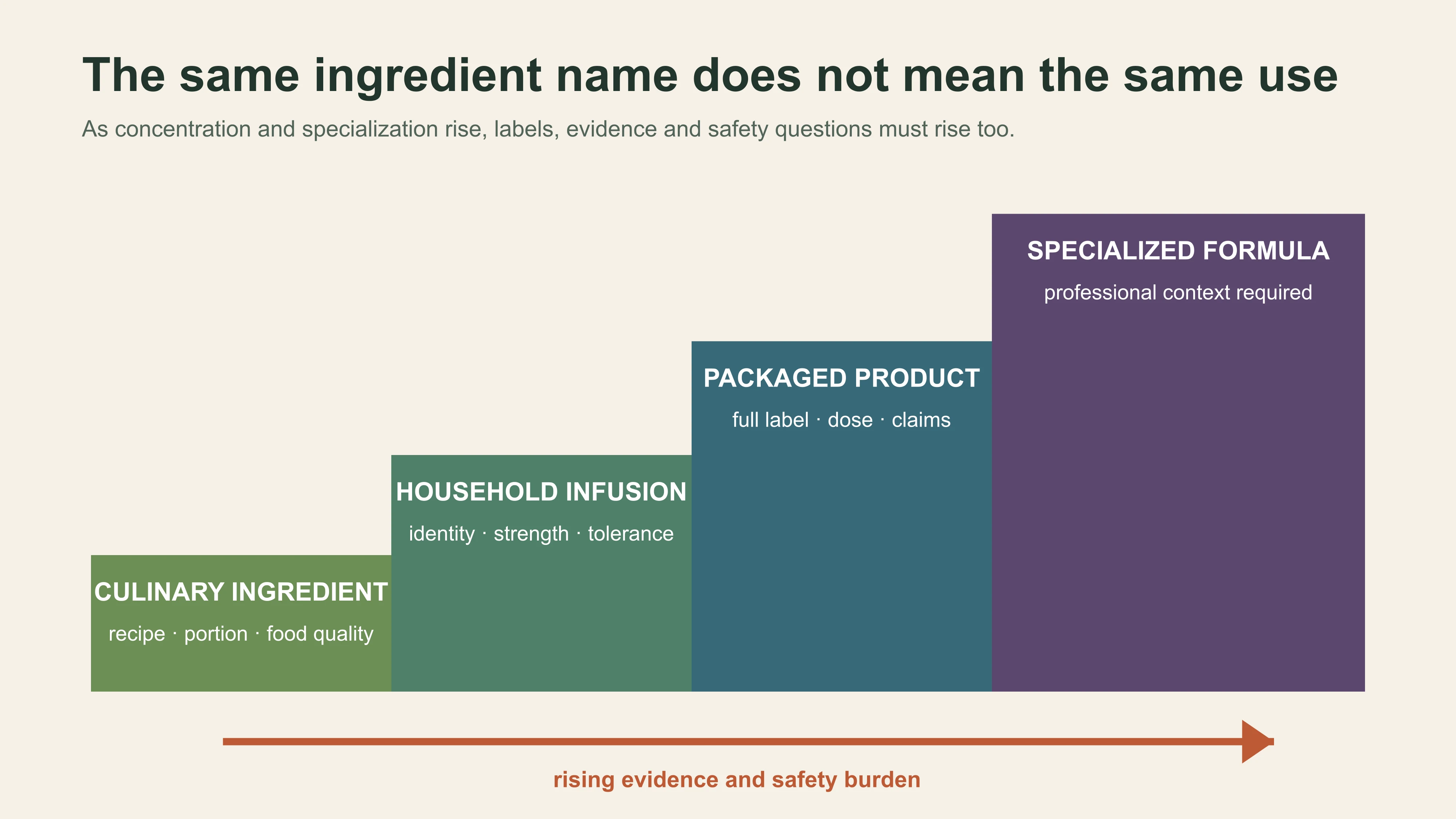
The ingredients may meet in the same cupboard, but the reader should always know which shelf we are discussing.
In everyday English, almost anything steeped in hot water becomes tea. Technically, true tea comes from Camellia sinensis: green, white, yellow, oolong, black and dark teas all begin with that plant.
Chrysanthemum, jujube, ginger and goji drinks are herbal or flower infusions. Chinese speakers may still use the character cha in names or conversation because language follows use more generously than botanical categories.
Plant material, water and time produce an infusion whose strength changes as it sits. The simple method does not identify an unknown flower or convert it into a treatment. Read the ingredient label before admiring the cup.
The distinction is helpful for taste and caffeine. A chrysanthemum infusion does not naturally contain tea caffeine unless tea leaves or another caffeinated ingredient are added. A blended product may contain both. Reading the ingredient list is more reliable than judging from the picture on the front.
Our Herbal and Flower Infusions collection will cover preparation and individual drinks. The Chinese tea guide keeps Camellia sinensis traditions clear without forcing every warm cup into the same family tree.
Chinese families often describe foods and herbs as heating, cooling, warming or neutral. These words do not simply refer to serving temperature. Iced water can be discussed as cooling, but so can an ingredient served hot. Ginger may be called warming even after the cup has cooled on the table.
The categories belong to a relational vocabulary about season, bodily state, preparation and balance. They are not laboratory temperature readings and should not be converted into modern scientific claims by adding a diagram.
Classification can vary. Fresh and dried versions may be discussed differently. Frying, roasting, simmering or combining ingredients may change how a household understands a dish. Regional habits and personal constitution also enter the conversation.
This flexibility makes the language useful for cultural observation and risky for universal internet rules. “Never eat this in summer” may sound authoritative while ignoring half a country, several preparation methods and the person actually eating.
Traditional Chinese seasonal habits often pay attention to temperature, humidity, dryness, harvest and the body's changing appetite. Summer may bring lighter dishes, chilled mung-bean preparations or chrysanthemum drinks. Autumn conversations often turn toward pear, sesame and foods associated with dryness. Winter tables may become denser, warmer and slower.
These patterns are not uniform. Guangzhou humidity and Beijing winter ask different questions. A family in Vancouver, Kuala Lumpur or New York also lives under another climate and another market. Following a Chinese seasonal calendar without looking out the window would miss the original point rather elegantly.
Seasonal wellbeing can remain modest:
The most useful seasonal habit may be attention itself. It is difficult to sell in a bottle, which is one reason marketing prefers a rarer ingredient.
Chinese herbs and pantry materials often appear through ordinary techniques rather than dramatic rituals.
Long-simmered soups can combine meat, vegetables, mushrooms, dried fruits, seeds and aromatic materials. Cantonese soup culture is especially famous, but soup traditions vary widely. The meaning may lie as much in time and care as in any single ingredient.
In a simmered soup, roots and fungi stop being exotic display specimens and become texture beside meat and broth. That ordinary meal scale matters. It does not tell us why one cook chose every slice or turn dinner into proof of treatment.
Rice congee accepts seasonal and regional variation with unusual patience. Jujube, lotus seed, lily bulb, millet, beans, peanuts or small amounts of dried fruit may enter different versions. Congee can be breakfast, comfort and a way of making limited ingredients feed more people.

This is the scale I want readers to see: recognizable food in a bowl, not a powdered ingredient detached from portion and meal. The image supports a red-date-and-longan congee preparation; it does not establish a formula or health result.
Flowers, fruits and roots may be steeped alone or blended. Clear glass makes chrysanthemum visually beautiful, but appearance does not identify species, pesticide residue or storage quality. Buy food-grade ingredients from a traceable seller.
Dried citrus peel adds fragrance to braises and sweet soups. Ginger crosses savory and sweet cooking. Lotus seed and lily bulb appear in desserts that carry both texture and symbolism.

The translucent texture and whole red dates show why a household dessert cannot be understood from a supplement label. Here the materials belong to taste, texture and hospitality first.
The kitchen is where cultural categories become practical. Water quantity, heat, timing and taste matter. An ingredient that sounds profound online still has to survive dinner.
Jujube and goji berries are now global wellness celebrities. They appear in powders, energy bars, beauty products and packages designed in the visual language of ancient wisdom, even when the product itself was invented last Tuesday.
Their ordinary Chinese lives are more interesting. A few red dates can soften the flavor of soup. Goji berries may be scattered into congee or added near the end of cooking. Neither ingredient needs to carry the full burden of immortality.
Popularity also creates quality problems. Bright color can be mistaken for excellence. Age claims become inflated. Added sugar hides in snacks. Concentrated forms borrow the reputation of food-sized use.
Buy the ingredient you can identify. Ask how it was processed. Notice whether the package gives a botanical name, origin, lot information and storage instructions. Cultural romance should not require surrendering basic curiosity.
| Check | Why it matters | Warning sign |
|---|---|---|
| Clear common name and precise identity | Reduces confusion between similar materials | Only a poetic English name appears |
| Full ingredient list | Reveals blends, sweeteners and additives | “Ancient formula” without exact contents |
| Country of origin and traceable seller | Supports accountability and recall | No business address or origin information |
| Lot, date and storage guidance | Helps assess freshness and handling | Dusty packaging with no date |
| Food-grade labeling | Matches the product to cooking or drinking | Decorative or ornamental material sold for consumption |
| Proportionate claims | Suggests the seller understands boundaries | Guaranteed cure, instant detox or treatment for many unrelated conditions |
Dried materials should generally look and smell characteristic rather than damp, moldy, insect-damaged or strangely perfumed. Some variation is natural. Perfection can be suspicious when every berry is the same fluorescent red.
Storage matters after purchase. Keep ingredients dry, protected from pests and away from strong odors. Label containers rather than relying on memory after six months. A beautiful row of anonymous jars is excellent set design and poor pantry management.
The fact that an ingredient has lived in kitchens for generations does not validate every modern claim printed beside it. A few goji berries in congee, ginger in a soup and an extract sold in a capsule are different products used in different contexts.
East Moment stays with food-sized, food-grade ingredients and cultural practice. We do not publish cure promises, individualized formulas or instructions for replacing professional care. The U.S. National Center for Complementary and Integrative Health notes that herbal products can involve contamination, substitution, side effects and medication interactions, and it explicitly warns against using them to delay conventional care. Its plain-language safety overview of traditional Chinese medicine is the right next stop when the question changes from culture or cooking to treatment. Its separate guide to using dietary supplements wisely explains why a capsule, powder or concentrated extract requires questions that an ordinary bowl of congee does not. Readers dealing with allergies, pregnancy, medication or a health condition should take that boundary seriously.
Online culture often turns Chinese wellbeing into a morning routine: warm water, five ingredients, one breathing exercise and a strict rule about socks. Some habits may be pleasant. The trouble begins when personal preference is presented as a civilization-wide command.
Chinese people do not all eat the same breakfast, trust the same ingredients or explain wellbeing in the same way. Urban work, migration, income, generation, religion, climate and family history shape practice. A custom may be meaningful without being mandatory. A grandmother can be culturally authentic and still be wrong about your allergy.
Our aim is not to construct a more elegant stereotype. It is to show how people build care from available materials: a thermos packed before a train ride, pear simmered on a dry evening, ginger sliced because rain arrived, soup delivered to someone who has no energy to cook.
The value is often relational. Someone noticed.
Migration changes the cupboard. Ingredients acquire English names, import labels and substitutes. Shops become cultural meeting points. A herb familiar in southern China may be difficult to find in a smaller European city, while local flowers or fruits enter new family habits.
Second-generation readers may recognize the drink but not its name. Parents may know a Chinese name without knowing the botanical species. Packaging may translate one ingredient in three different ways. These gaps are not cultural failure; they are exactly where useful documentation begins.
Record both Chinese and botanical names when possible. Ask older relatives how they prepared an ingredient, but also ask how much, how often and where they bought it. Memory becomes more valuable when it includes method.
Diaspora life can also make inherited habits more visible. A child asks why the family carries hot water everywhere. Suddenly a routine that felt like common sense becomes a story with geography inside it.
A dried flower in a glass jar looks complete. It has color, fragrance and the quiet authority of something preserved. But the jar cannot tell you who grew it, how it was identified, why your family used it or whether it suits the person standing in front of the cupboard.
Those questions require more than nostalgia. They require labels, memory, context and sometimes the humility to leave the lid closed.
Chinese herbs are compelling because they sit so close to daily life. They pass through hands, kitchens and seasons. Their cultural value does not depend on turning every ingredient into a cure. Sometimes a warm cup is valuable because someone made it, waited beside it and remembered how you like the taste.
Follow the cupboard into Chinese food culture and the wider story of Chinese culture. Then bring one family ingredient to China Moments: its Chinese name, the food-sized preparation, the season and the person who made it. Do not polish away disagreement. One aunt's “winter food” may be another family's summer dessert, and that difference is the record worth keeping.
One useful question
Which pantry ingredient in your family changed meaning when you learned its Chinese name, actual preparation and the person who always made it?
Loading the conversation…
Reader-built field guide
Record its Chinese, common and botanical names when known, the food-sized preparation, season, family context and what you still cannot verify—without turning memory into a cure claim.
What this builds: Return when another family or region uses the same ingredient differently; the disagreement is part of the cultural record.
These sources verify institutional records, protected traditions and claims that benefit from direct evidence. They support the story; they do not replace Lijun's judgment.