Chinese food culture is a living design system for sharing time, negotiating place and making change recognizable. It is not a list of dishes or a test of authenticity. Regional cooking, household routines, festival foods, restaurant labor and diaspora histories all belong to the picture, and no single table can stand in for every other one.
I reject the phrase “Chinese people eat...” unless the sentence immediately names a place, household or occasion. China is too large and its migrations too deep for one table to carry that burden. I also reject the opposite performance in which every variation becomes so delicate that nobody dares make a judgment. A meal must still work: hot food should arrive hot, textures should have contrast, the staple should match appetite, and the people doing the labor should not disappear behind symbolism.
My strongest test is simple. Follow the final good piece. Who notices it, who offers it, who refuses it politely, and who packs what remains? That tiny movement can reveal care, hierarchy, appetite, thrift and embarrassment at once. I love Chinese food culture most at that scale, where an ordinary hand makes a relationship visible without announcing a theory.
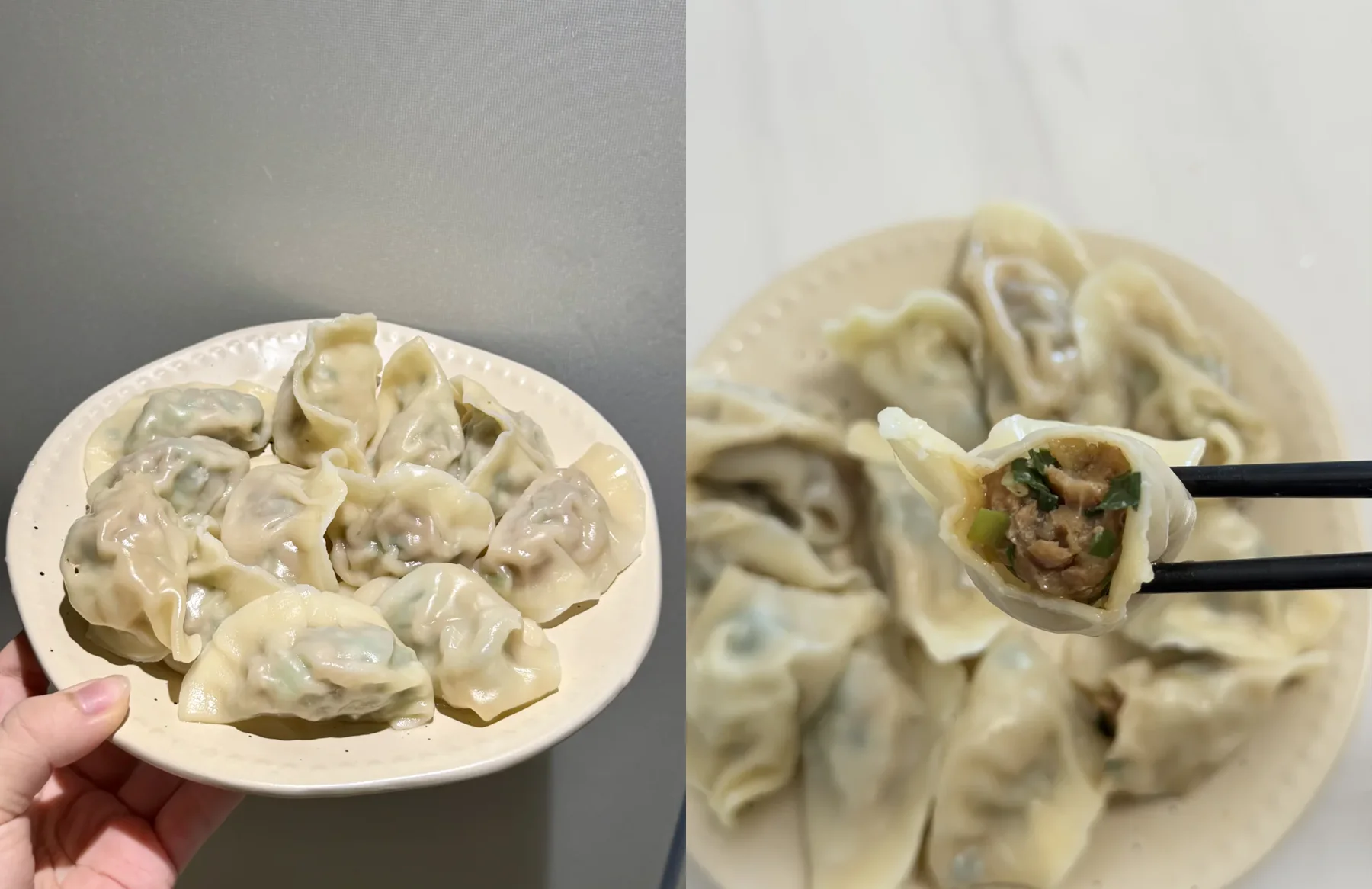
I insist that authenticity must answer to provenance, not confidence. Name the cook, city, migration route, ingredient substitution and reason for change. A frozen dumpling made after a night shift can carry more truth than a photogenic “traditional feast” assembled for strangers. The dish is never the whole evidence; the route that kept it alive matters just as much.
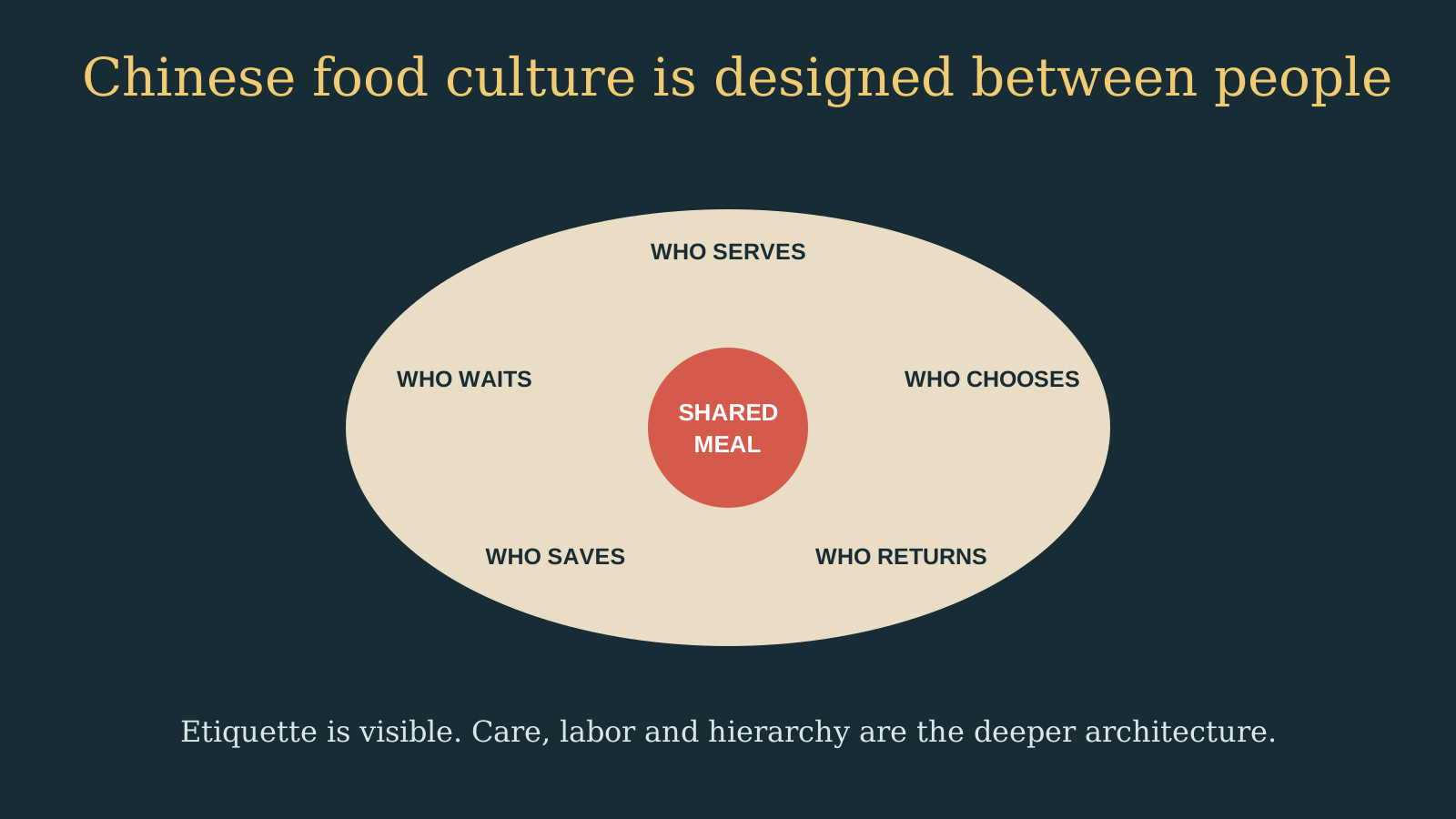
Food becomes culture through repeated decisions: who prepares, who waits, what is saved, what changes and who is expected to return.
What Chinese food culture actually describes
Most people get this wrong. They approach Chinese food as a menu of greatest hits, then use "authentic" as a scorecard. That approach loses the interesting part: food only becomes culture when a dish meets a place, a season, a person who knows the technique, and people who decide how to eat it together.
The pantry is part of that system. Ginger, jujube, dried citrus peel and chrysanthemum may move between everyday food, family habit and ideas about care without becoming interchangeable “natural remedies.” The Chinese herbs guide names that boundary carefully: document the ingredient, preparation and person who taught it, then stop before memory becomes a cure claim.
The real reason it matters is that food makes social change visible. A dumpling can be a weeknight dinner, a group project, a Spring Festival ritual or a restaurant specialty. The dough does not settle the meaning. Context does.
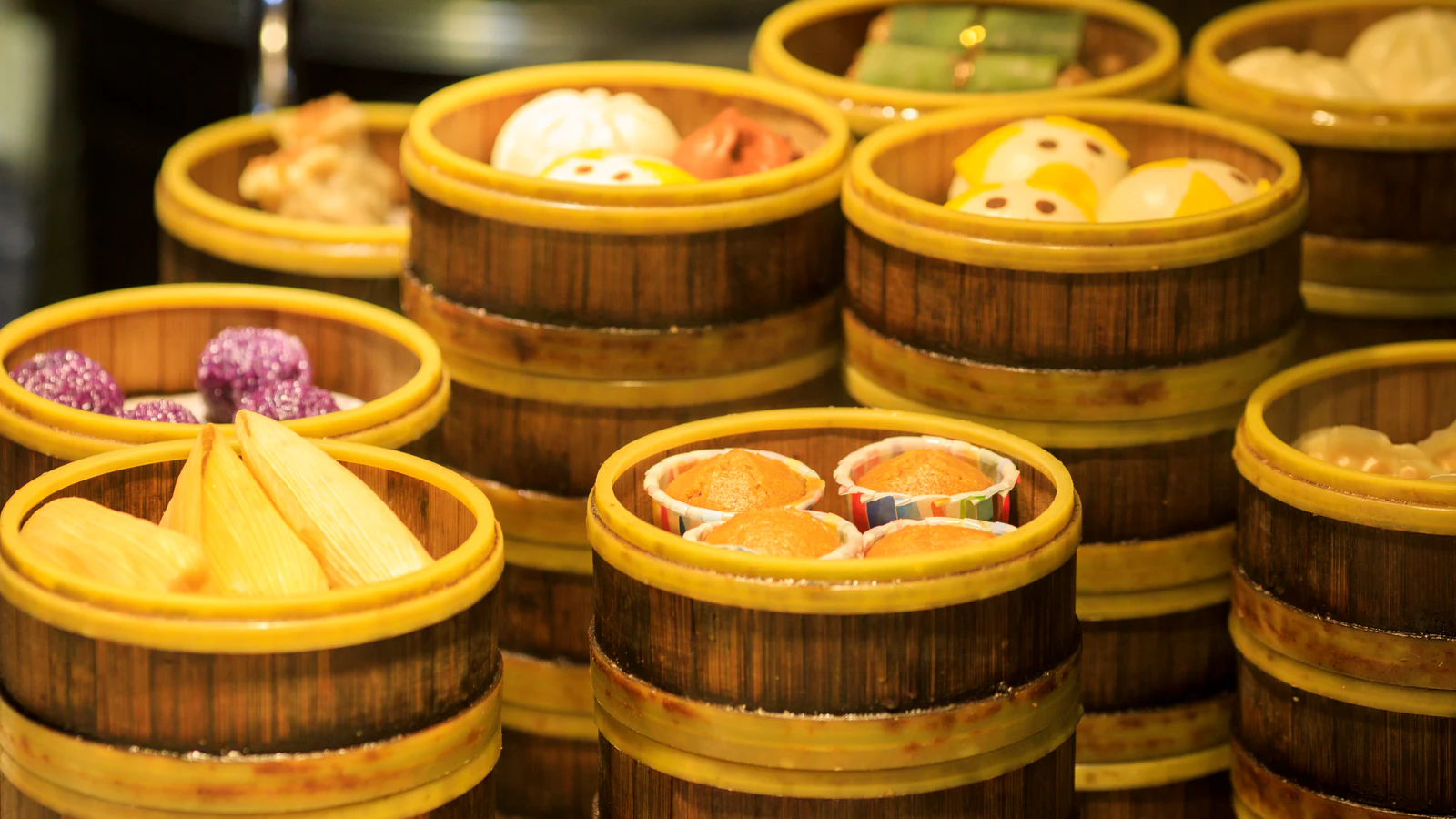
That is why Chinese food is both a useful signpost and an insufficient answer. It can cover a wheat-based breakfast in the northwest, a rice-centered meal in the south, a coastal seafood market, a halal kitchen, a vegetarian temple meal and a Chinese American restaurant. The historical and anthropological essays collected in Food in Chinese Culture are a useful corrective: connected foodways are not identical foodways.
The better question is not "What do Chinese people eat?" It is "Which community, place, occasion and household are we talking about?" Name Guangdong, Sichuan, Xiamen, a Hui community, a family in Toronto or a restaurant lineage in New York. Specificity is not a footnote. It is the difference between a real cultural encounter and a postcard.
Tradition is a practice, not a freeze-frame
Tradition is often marketed like a museum case: old recipe, no substitutions, no arguments, no Tuesday-night shortcuts. Real meals are messier and more alive. A food can be traditional because people recognize it, make it, teach it and adapt it over time. Continuity may live in a technique, an occasion, a flavor balance, a name in a local language or the person who knows when the dough is ready.
That makes the word authentic useful only in narrow, documented ways: a named regional style, a cook's training or a restaurant's history. Used to police a family whose ingredients, migration route or budget differ from someone else's, it becomes a lazy verdict.
Chinese food culture starts with place, grain and practice
China's food geography cannot be reduced to a single north-south line, but geography leaves marks. Wheat is important across many northern and northwestern food traditions, giving us noodles, dumplings, buns and flatbreads. Rice is central across many southern food traditions, appearing as grain, congee, noodles, cakes and wrappers. Coastlines, rivers, mountains, trade routes and preservation methods shape other differences.
These patterns are orientation, not a script. Cities contain migrants. Households contain preferences. Restaurants cook beyond their home region. The familiar "eight great cuisines" framework is influential, but it is not a complete map of local, ethnic, religious, rural, urban or overseas practice.
| Foodway | A useful starting point | Examples | What that shorthand misses | Source |
|---|---|---|---|---|
| Northern and northwestern wheat traditions | Wheat-based doughs are important in many places and communities. | Jiaozi, baozi, hand-pulled noodles, flatbreads | Rice, millet, potatoes, local soups and migration keep any one description incomplete. | Yale University Press |
| Southern rice-centered traditions | Rice appears as a staple and in many forms. | Rice, congee, rice noodles, rice cakes | Southern foodways cover many climates and cannot be reduced to "mild" or "sweet." | Yale University Press |
| Coastal and river foodways | Freshness, seafood, transport and seasonality can shape a meal. | Steamed fish, shellfish, preserved seafood | Access, price and local ecology matter as much as a province label. | Chinese Food |
| Festival and household food | Calendar events make particular foods highly visible. | Dumplings, tangyuan, zongzi, mooncakes | The same festival can have different dishes, fillings and meanings across households. | UNESCO Spring Festival record |
| Diaspora foodways | Migration links memory to new markets and restaurant economies. | Chinese American regional and family traditions | Adaptation is evidence of cultural work, not cultural failure. | Chinese American Food |
The table is a guide to better questions, not a ranking. It cannot tell you what a particular grandmother cooks, what a market vendor considers ordinary or what a restaurant changed to survive. Those answers belong to credited people, local reporting and community archives.
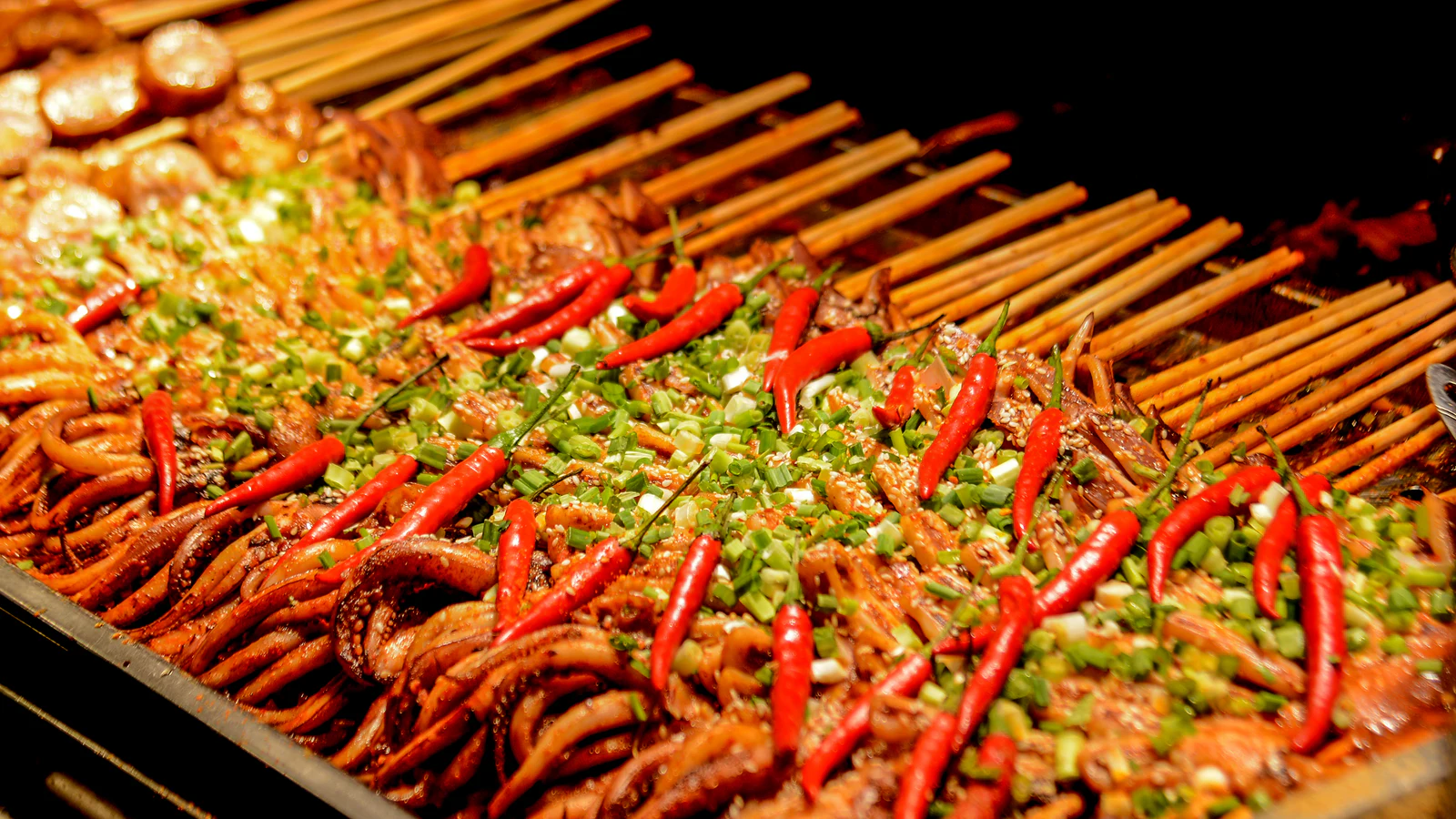
Jinli's rows of skewers do not stand for every Sichuan meal. They show something more useful: flavor is also display, speed, repetition and the vendor's ability to make a crowded counter readable in seconds.
A shared meal is a social design, not an etiquette test
Many Chinese meals put several dishes in the center, with rice, noodles, buns or another staple alongside. That format makes a meal adjustable in real time: diners offer, wait, choose, negotiate and look out for what is running low. It can be warm, efficient, abundant or simply habitual. It is not proof that an entire culture has one social personality.
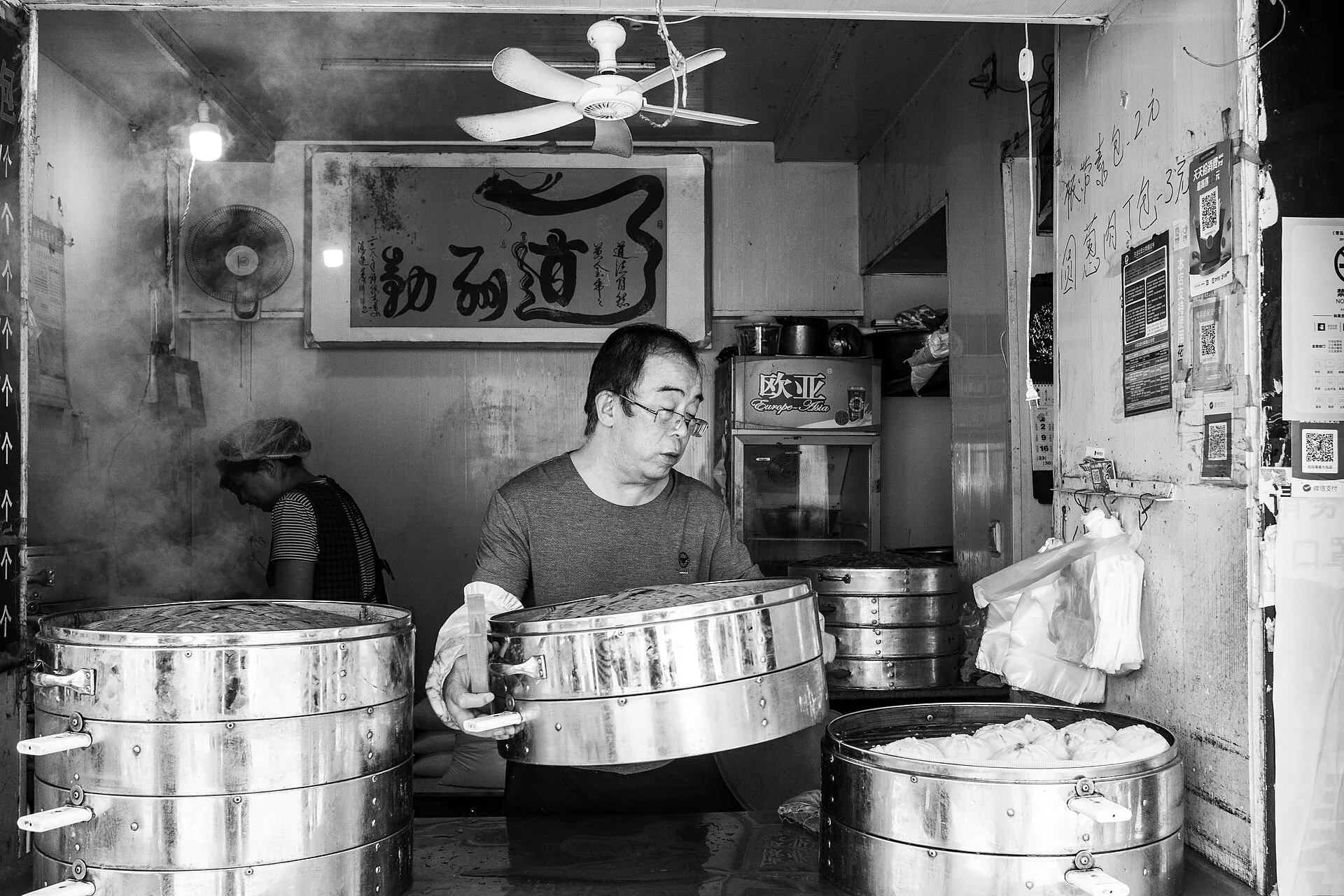
Breakfast stalls, noodle shops, work lunches, school cafeterias, banquets, delivery meals and family dinners all have different rhythms. Etiquette is therefore best learned through attention rather than a performance of rules. Notice whether the host serves an elder or guest first. Ask if dishes are shared. Say what you cannot eat. Another table may be informal, rushed and uninterested in ceremony.
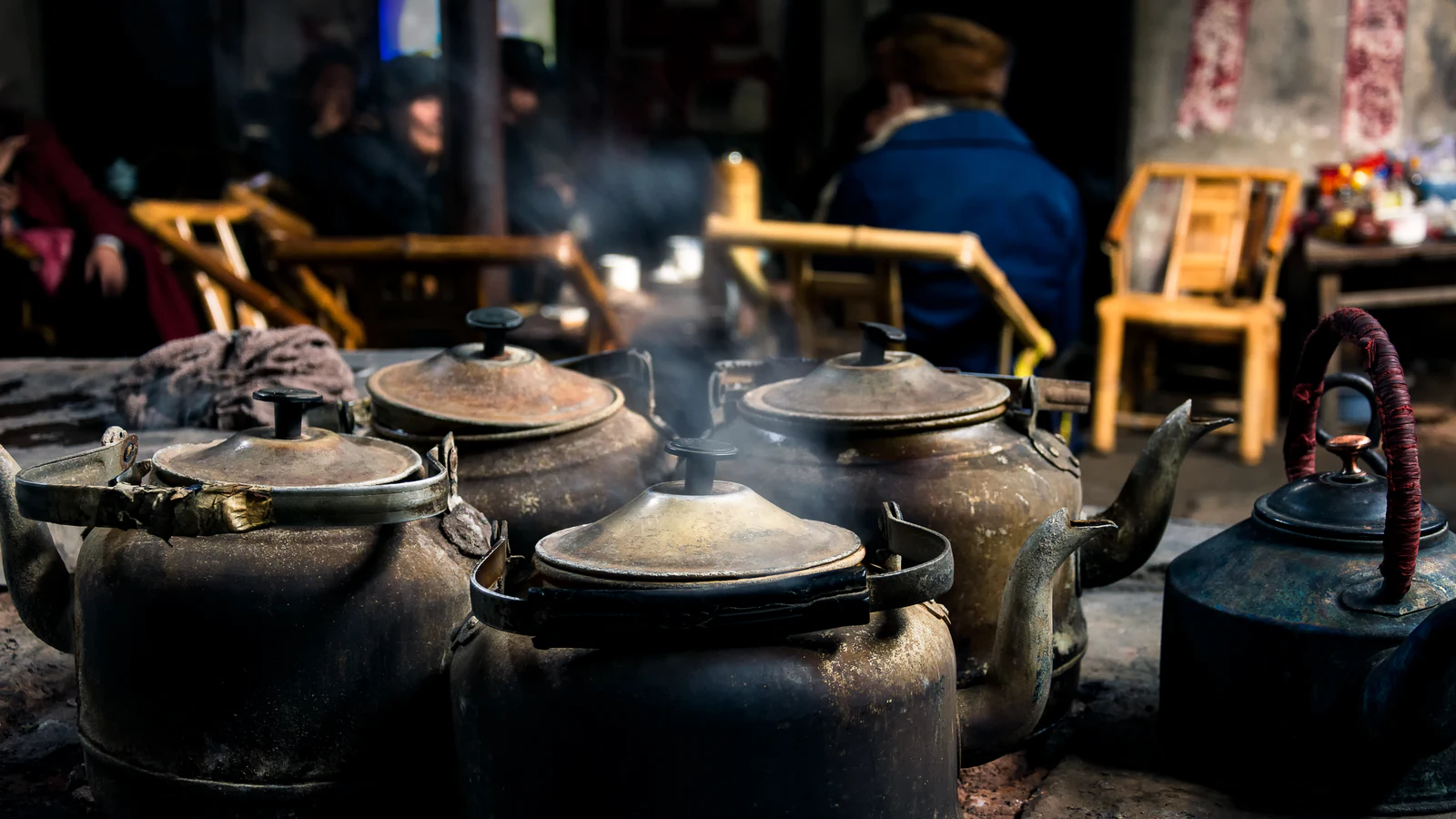
The battered kettles are a better cultural document than a pristine tea set. They make waiting, refilling and long conversation possible; the equipment carries the social rhythm.
Names carry technique and place
English menus often group unlike foods under broad labels such as "dumpling" or "noodle." Those words help newcomers order, but they can blur the distinctions a cook has made. Jiaozi may be boiled, steamed or pan-fried. Baozi is usually a steamed bun with a different dough and texture. Wontons often belong in soup or sauce. A bowl of noodles can signal a grain, a technique, a broth, a locality or all of these at once.
Using a Chinese name carefully is not a performance of expertise. It is a way to keep the cook's distinction intact. When pronunciation is unfamiliar, ask. When a term differs by language or community, record the difference instead of forcing one English equivalent to do every job.
Festival foods make time visible
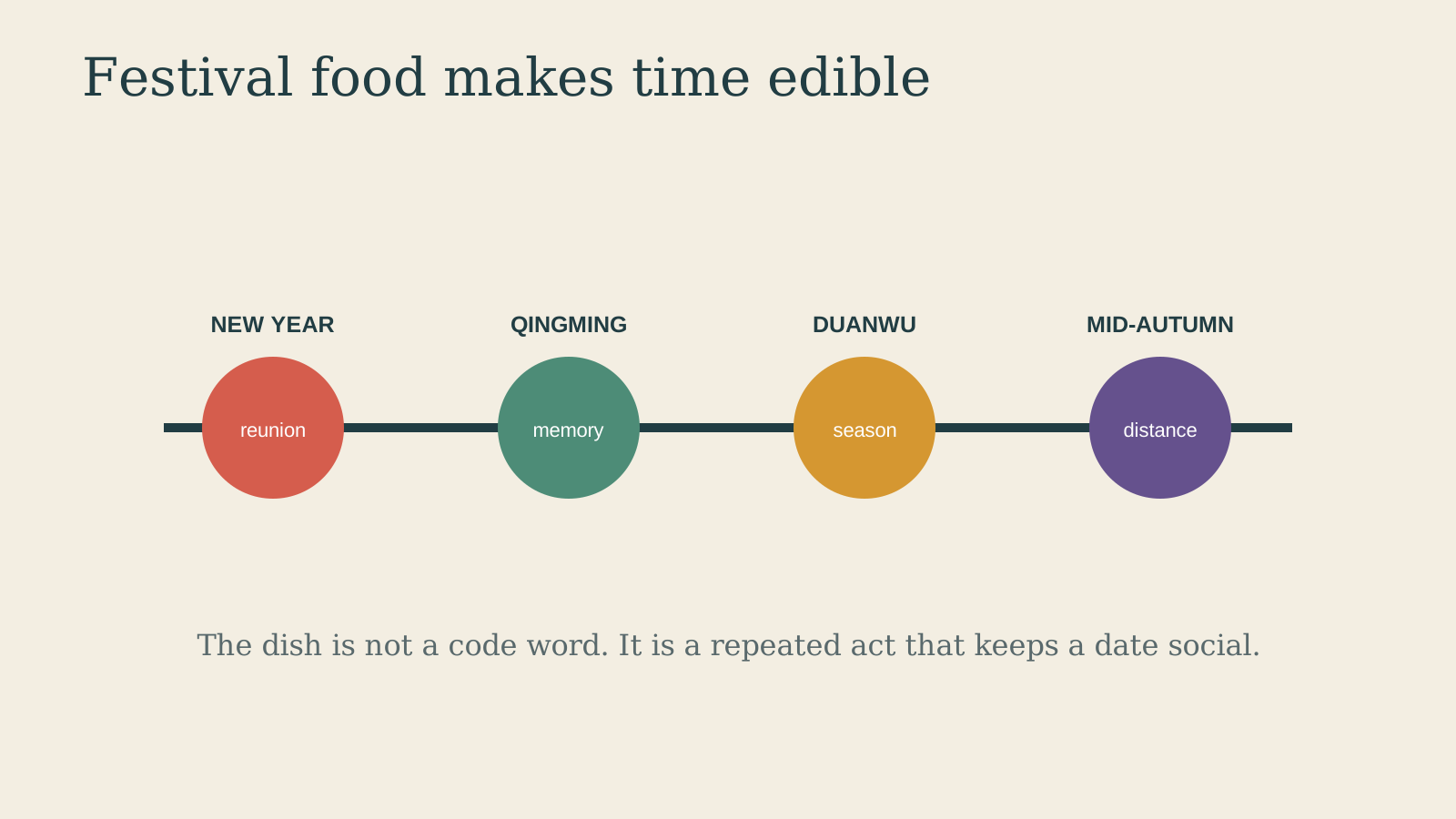
Festival foods are memorable because they turn a calendar into something edible. UNESCO inscribed Spring Festival social practices on its Representative List in 2024. In many homes, preparing food is part of reunion, visiting, offering and welcoming the year.
At some northern New Year tables, jiaozi may be linked with wealth because their shape recalls old ingots. Tangyuan can be connected with reunion, especially around the Lantern Festival. Zongzi is visible during the Dragon Boat Festival in many places; mooncakes are prominent in Mid-Autumn exchange; long noodles can suggest continuity at birthdays and celebrations.
The caveat is the point, not legal fine print. Meanings change by language, locality, belief and household. Someone may make dumplings because the family loves dumplings, full stop. A person may buy a packaged mooncake as a gift and cook something completely different at home. Symbolism can sharpen a meal's story, but it should never overwrite taste, work, price or personal preference.
| Food or occasion | Common association | What it also is | Variation to keep in view | Source |
|---|---|---|---|---|
| Jiaozi at Spring Festival | Reunion; sometimes wealth or good fortune | A practical shared-making project and a regional food | Especially prominent in some northern traditions; fillings and timing differ. | UNESCO Spring Festival record |
| Tangyuan | Roundness and reunion | Rice-flour dumplings with varied fillings and broths | Associations and timing differ by place and family. | Chinese Festivals |
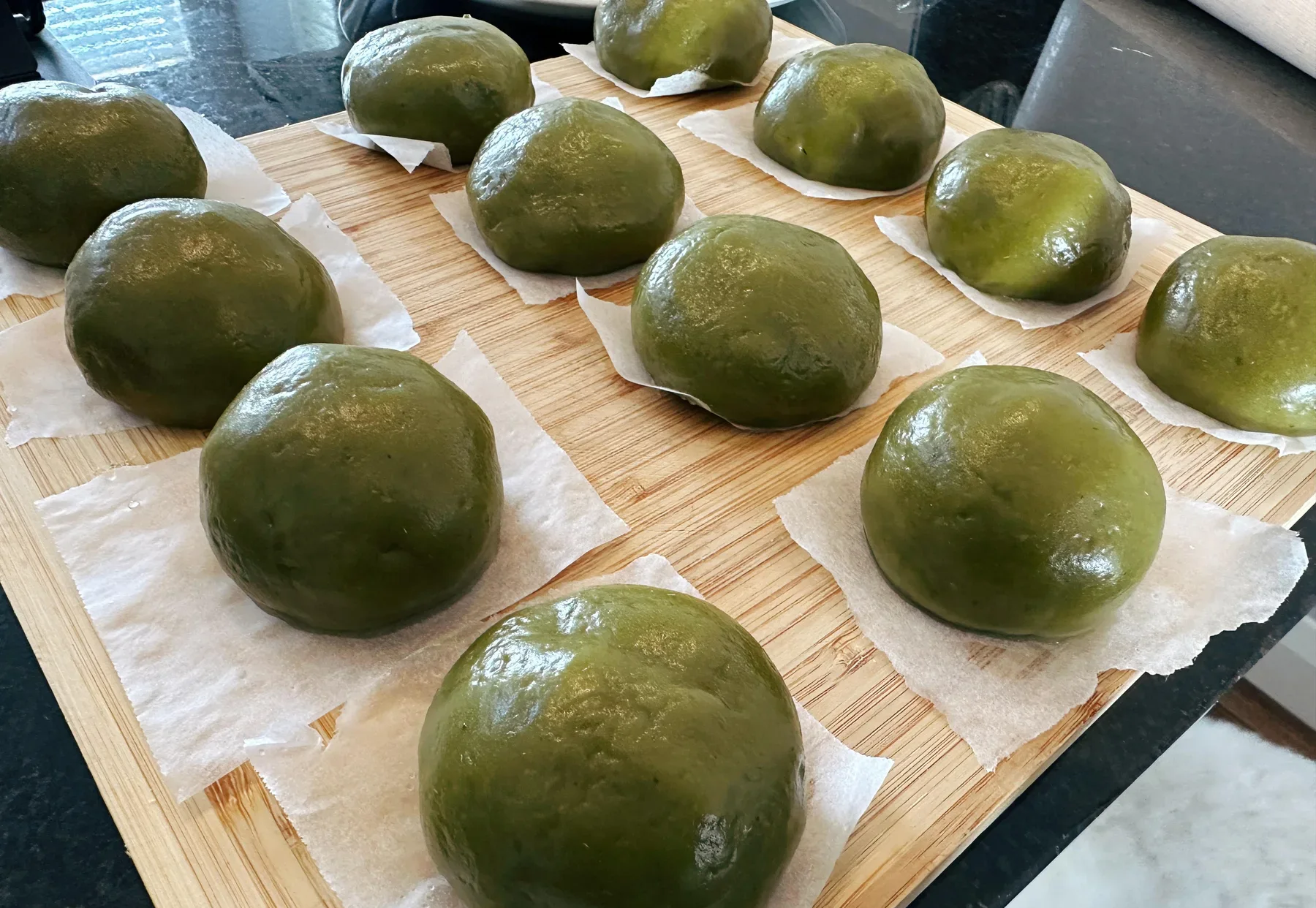
| Qingtuan at Qingming | Spring growth beside remembrance | Herb-scented rice skin wrapped around sweet or savory filling | Especially associated with Jiangnan and southern foodways; it is not a universal national Qingming food. | Shanghai Municipal Government |
| Zongzi | Dragon Boat Festival memory | Leaf-wrapped sticky-rice food with many regional forms | Sweet and savory styles, leaf types and fillings vary. | Traditional Chinese Food |
| Mooncakes | Mid-Autumn exchange and reunion | A gift food, bakery product and family preference | Regional styles and commercial practices vary widely. | Chinese Food Recipes |
Migration is part of the system, not an exception
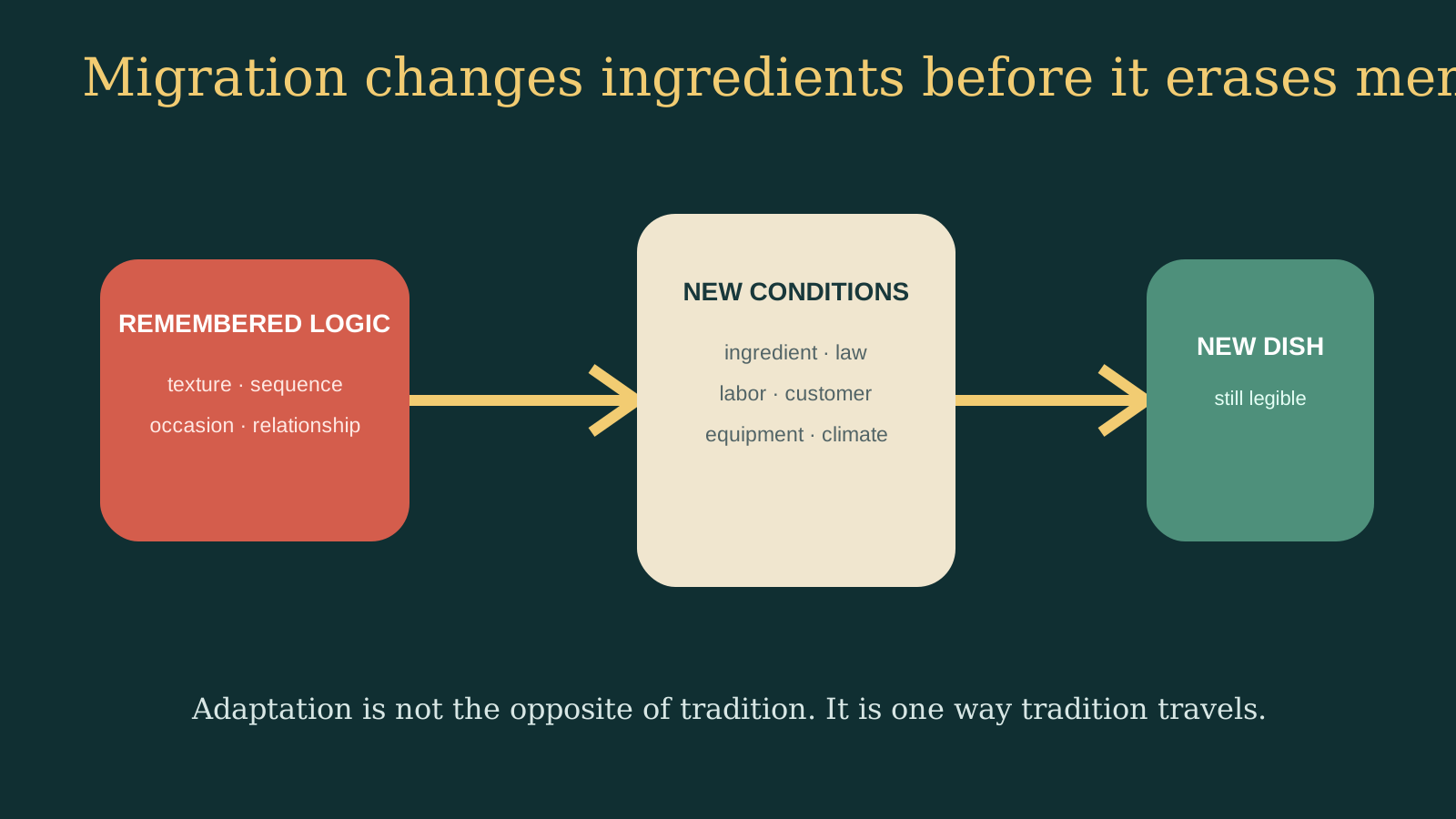
Migration turns ingredients, techniques and memories into new food cultures. A cook may look for a familiar leaf vegetable, replace it with what is available, tune a sauce for a new customer base or build a restaurant around a dish that a local community recognizes. These moves record labor, commerce, exclusion, opportunity and care. They are not merely compromises.
The U.S. case is especially clear: Chinese American food does not sit outside Chinese food culture waiting for someone to approve it. It is a food culture shaped by Chinese migration, local ingredients, restaurant labor and the communities who kept making it. That is not a detour from the story. It is part of the system.
The same applies beyond the United States. Food cultures shaped by Chinese migration in Southeast Asia, the Caribbean, Europe, Africa, Oceania and elsewhere have their own histories, languages and local relationships. Name them on their own terms. A global label should open a door to those histories, not absorb them.
A reporting boundary
This guide does not borrow a private kitchen memory or a market encounter to simulate firsthand reporting. A future reported follow-up should name its contributors, establish what they consent to share and keep their place, language and relationship to a dish intact. Food is personal evidence, not decorative atmosphere.
How to enter the conversation with respect
Start with one foodway instead of trying to consume a country in a single meal. A menu that names a city, region or dish family is a better starting point than a vague claim of authenticity. Begin with East Moment's broader food culture collection when you want to move across dining systems, ingredients and social practice; use the Chinese Food guide for orientation inside this specific tradition. Traditional Chinese Food and Chinese Food Recipes then offer sharper next questions about technique and context.
At a restaurant, ask what the kitchen is known for and whether dishes are usually shared. At someone's home, follow the host's lead. Do not demand that a cook explain a dish as if they were a spokesperson for a country. Do not assume a familiar takeout dish is either fake or universal. When you post about a meal, credit the person and place that made it possible.
This is not merely a polite way to order. It is the strongest way to understand the culture: learn one dish closely enough to notice the labor, judgment and history that made it possible. Chinese food culture remains alive precisely because people keep doing that work, at tables that are never all the same.
Bring one table-relationship map to East Moment's community: the visible action, who performs it and the care, labor, hierarchy or memory underneath. Return to compare how similar gestures change across regions and generations.