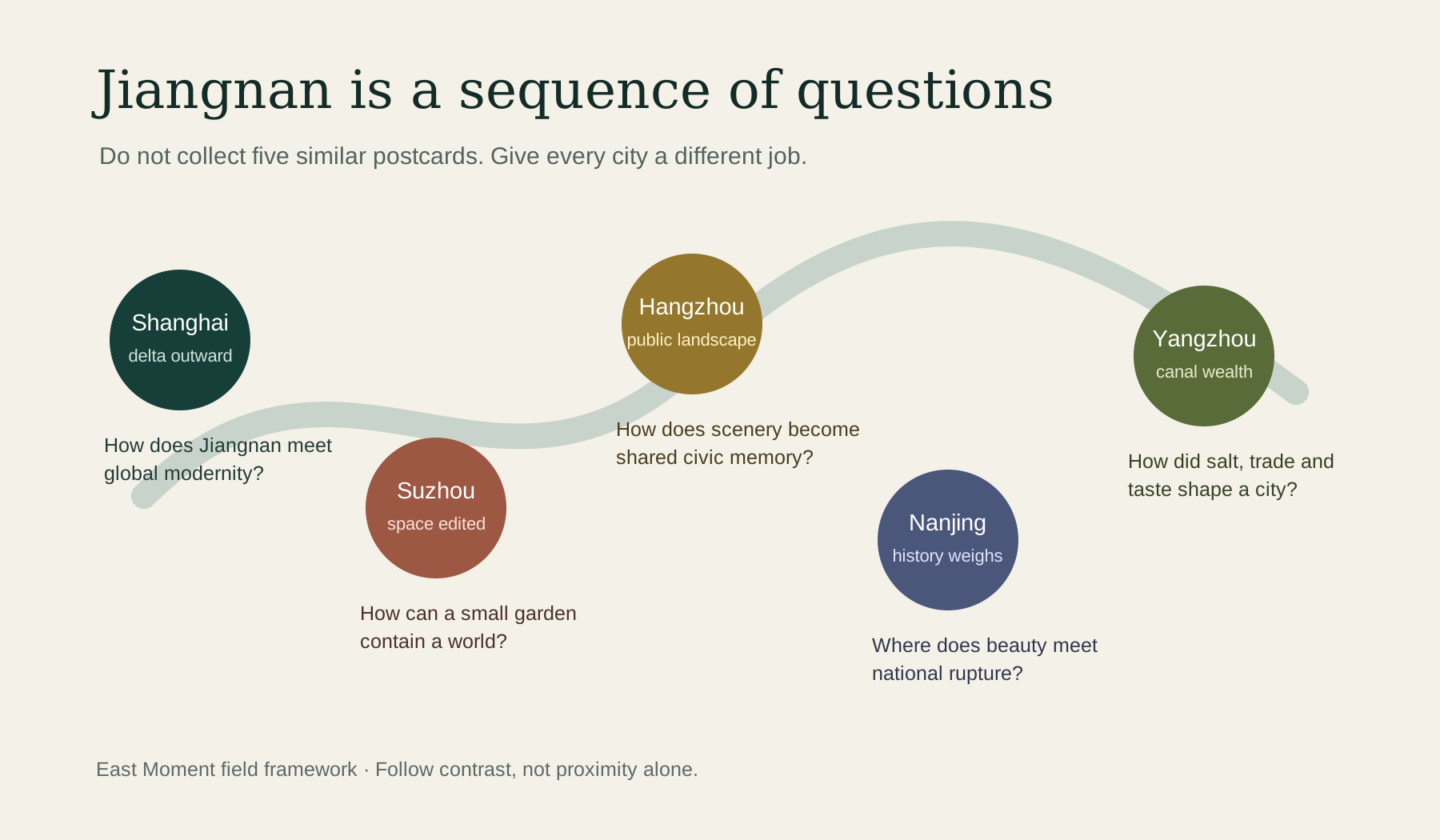
A Jiangnan travel route should explain why neighboring cities feel different despite shared waterways, rice-growing landscapes, commercial history and literary imagery. Shanghai makes the delta global and vertical. Suzhou compresses mountains and lakes into private gardens. Hangzhou turns West Lake into a public cultural landscape. Nanjing holds the political weight of repeated capitals. Yangzhou extends the route through the Grand Canal, salt wealth and Huaiyang food. The best itinerary moves by rail but thinks by water.
Jiangnan travel route: follow contrast, not a tourism color palette
Start with the wider Chinese culture collection, then use the UNESCO Grand Canal record as historical infrastructure rather than decorative background. My route rule is firm: no city earns a place merely because the train is convenient. It must change the question.
Jiangnan literally means "south of the river," with the river understood as the Yangtze. Its boundaries have shifted according to administration, economy, language, literature and the question being asked.
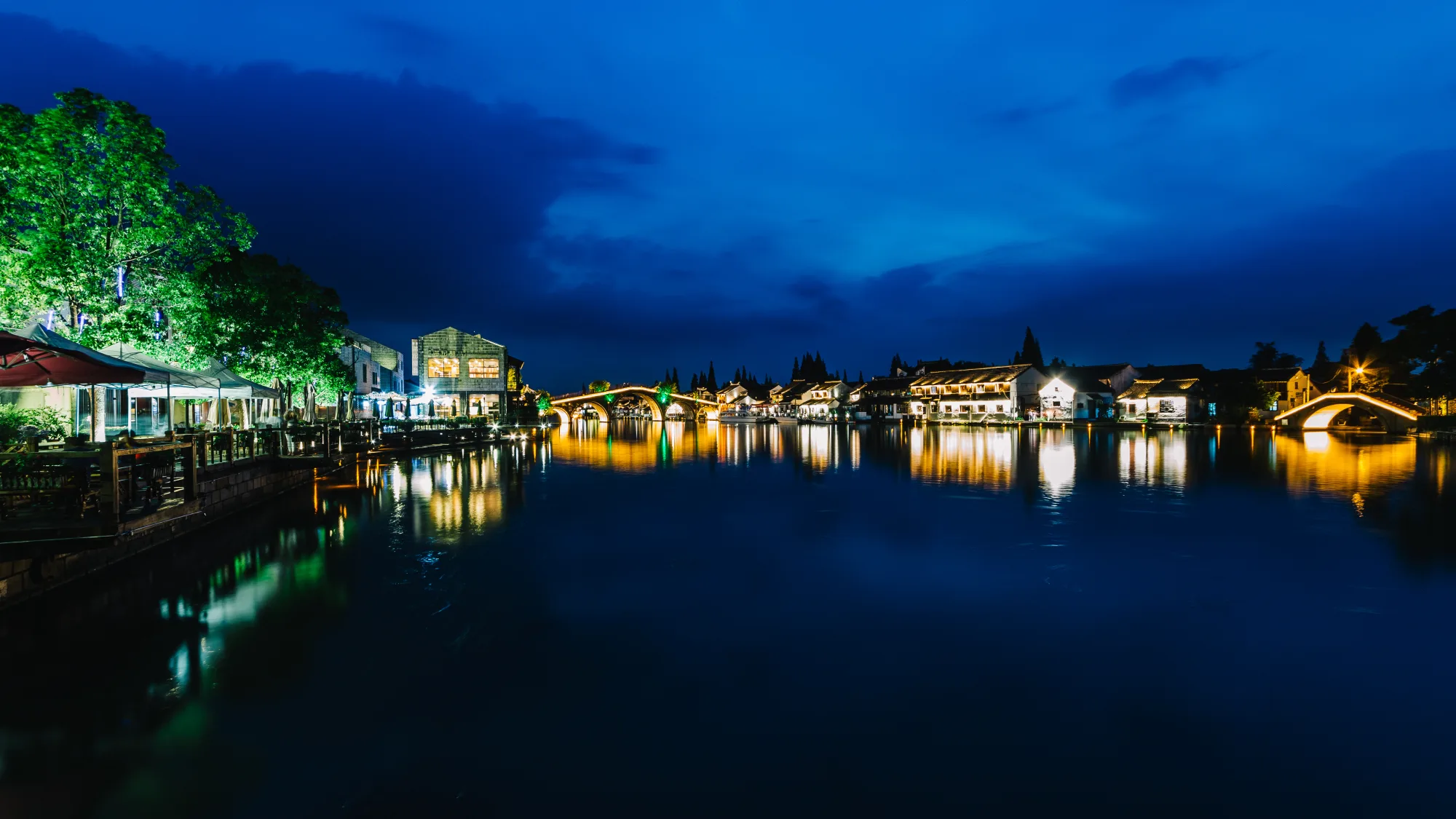
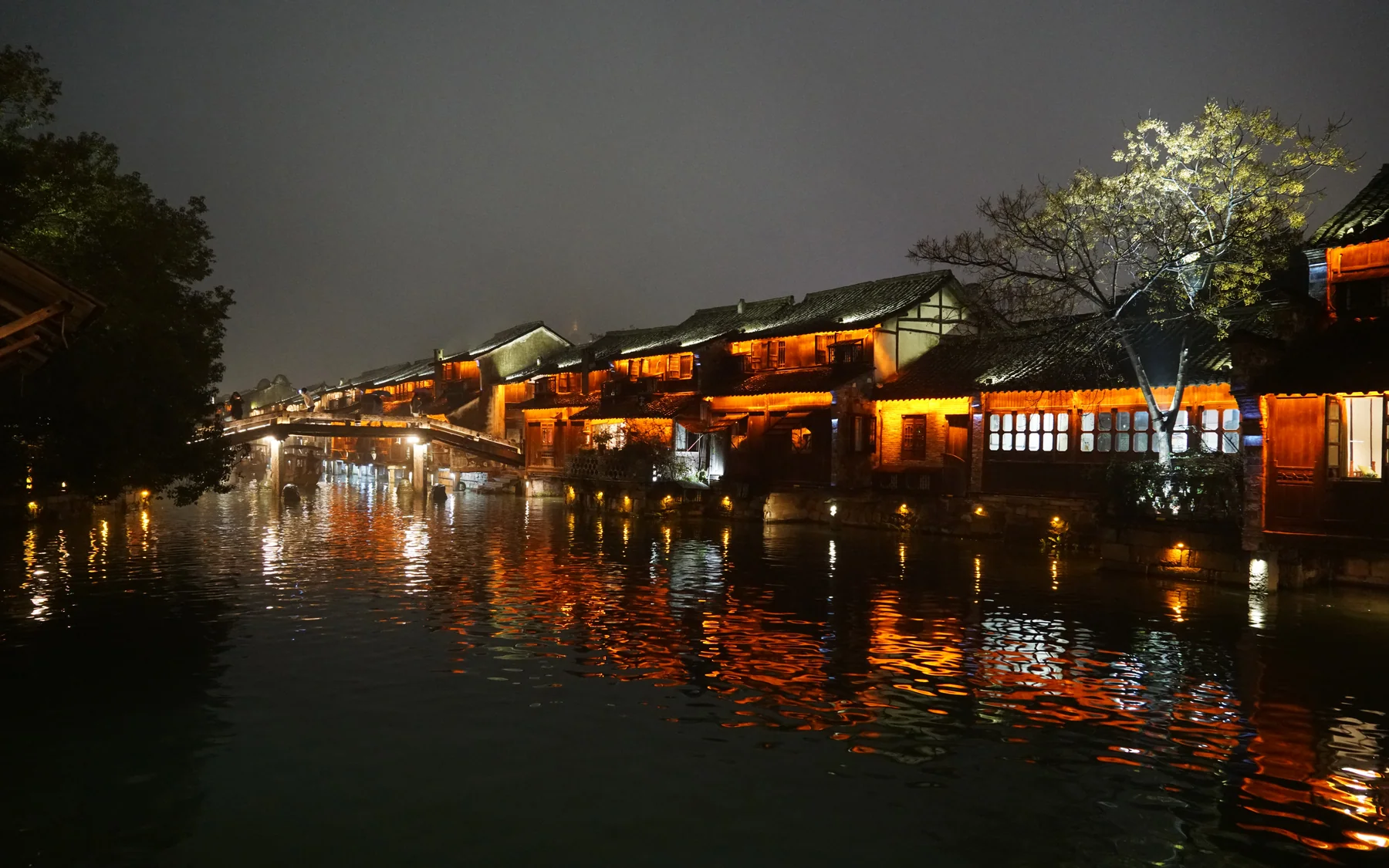
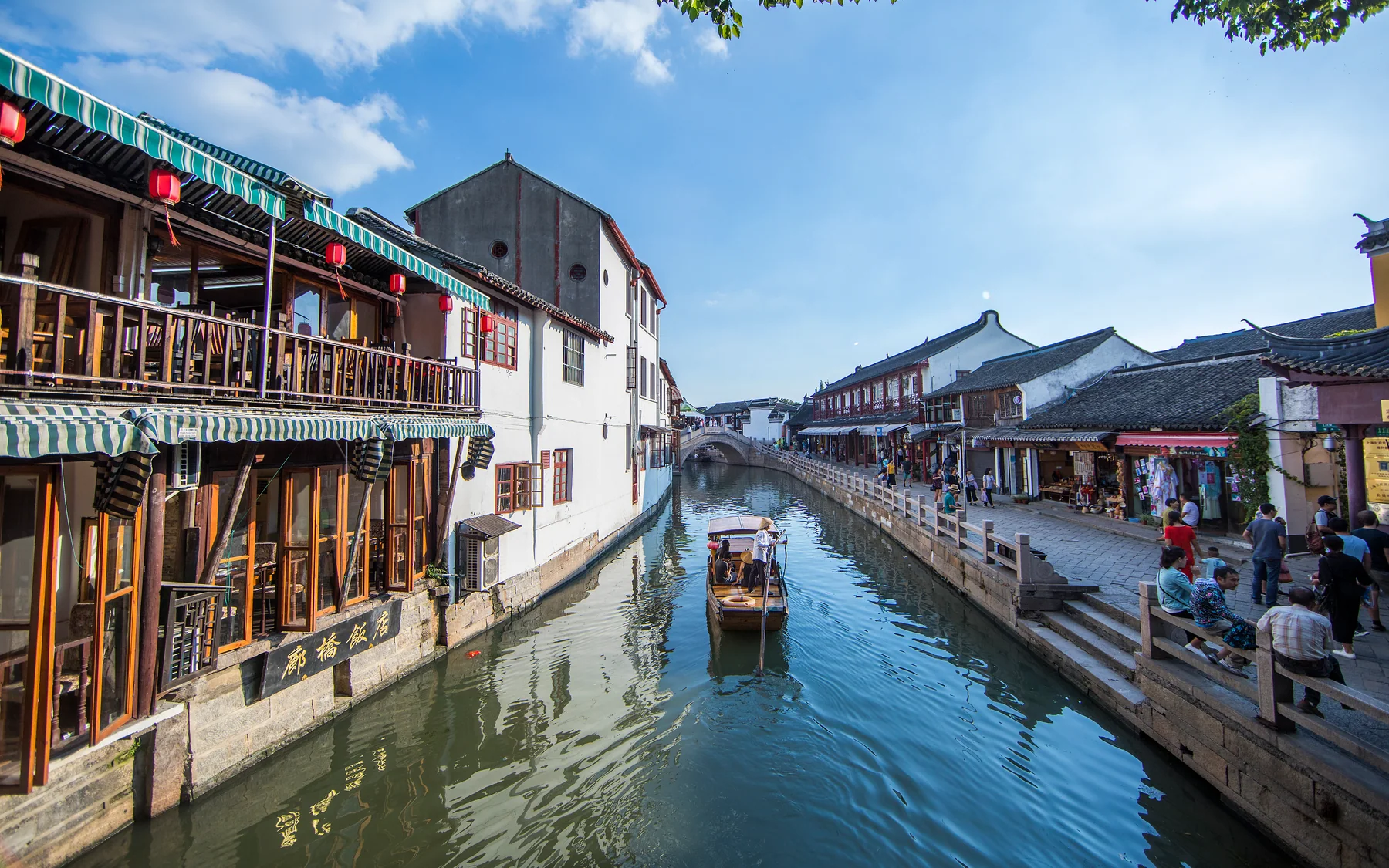
In popular travel imagery, Jiangnan becomes white walls, black roofs, stone bridges, rain and canals. Those images are recognizable, but they erase ports, factories, war, migration, finance, apartment districts and environmental engineering.
| Common Jiangnan image | Historical reality to add |
|---|---|
| Quiet canal town | Freight, drainage, waste, boat labor and dense commerce |
| Scholar's garden | Merchant wealth, household labor, restoration and visitor management |
| Rice and tea landscape | Industry, aquaculture, urban expansion and changing land use |
| Refined sweet food | Regional differences, preservation, wheat foods, duck, seafood and everyday noodles |
| Timeless beauty | Repeated warfare, flood, rebuilding, modernization and heritage design |
The core route at a glance
| City | Recommended nights | Primary question | Do not miss | Food lens |
|---|---|---|---|---|
| Shanghai | 3 | How did a river port become a global industrial and financial metropolis? | Bund history, residential districts, former industry and public riverfronts | Shengjian, noodles, red braises and local-diaspora restaurant culture |
| Suzhou | 2-3 | How does design make limited space feel larger? | One large garden, one small garden, canals, museum and modern Suzhou | Noodles, freshwater dishes, eel and seasonal sweets |
| Hangzhou | 2-3 | How does a landscape become poetry, pilgrimage and public urban space? | West Lake at different times, temples, tea landscape and contemporary city | Zhejiang cuisine, Longjing shrimp, noodles and seasonal produce |
| Nanjing | 2-4 | How can one city carry several capitals and difficult modern memory? | Purple Mountain, wall, museums, Qinhuai and the massacre memorial | Saltwater duck, duck blood soup, guotie and greens |
| Yangzhou | 2-3 optional | How did canal and salt systems finance gardens, craft and leisure culture? | Slender West Lake, gardens, Daming Temple, craft and memory sites | Morning tea, shredded tofu, lion's head and Huaiyang technique |
A practical nine-day Jiangnan itinerary
Days 1-3: Shanghai, the outward-facing delta city
Begin with the Huangpu River because it gives Shanghai orientation. Read the Bund's institutional facades beside Pudong's skyline, then move into residential and industrial districts where the city's social history becomes more intimate.
Use one day for modern and treaty-port history, one for neighborhoods and museums, and one for riverfronts, former industrial areas or contemporary art and design. Do not spend all three evenings under the same skyline.
Days 4-5: Suzhou, the edited landscape
Travel to Suzhou and stay overnight. Visit the Humble Administrator's Garden at opening, then Suzhou Museum and Pingjiang Road. On the second day, choose a smaller garden and Panmen or a modern district.
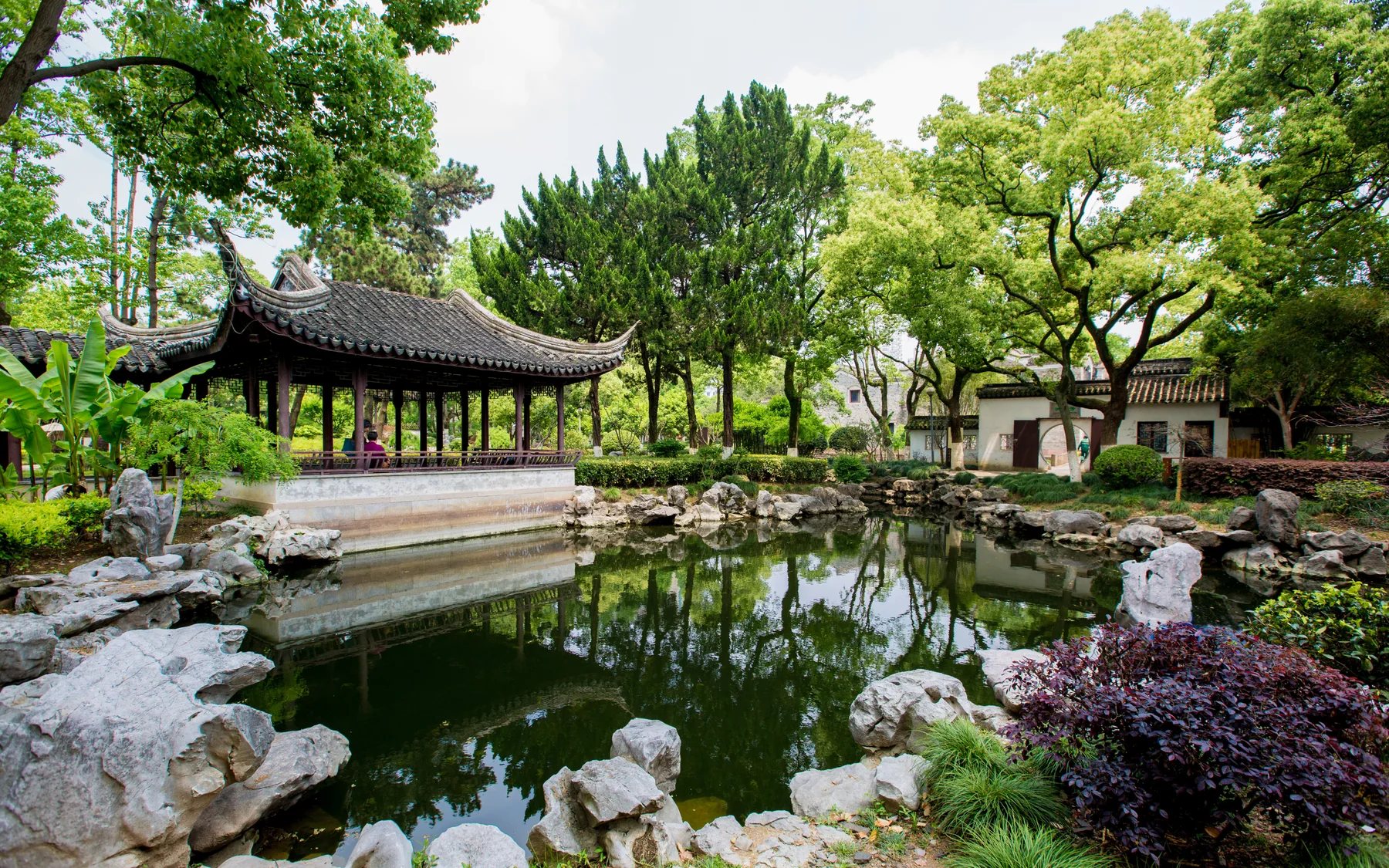
Suzhou's value lies in comparison. A large water garden and an intimate courtyard garden teach more than three famous sites rushed back to back.
Days 6-7: Hangzhou, the public cultural landscape
West Lake is not one viewpoint. Walk different shores, use causeways and hills to change scale, and visit at dawn or dusk when local exercise and social life share the landscape with tourism. UNESCO's West Lake Cultural Landscape record is useful because it treats the lake, hills, causeways, islands, temples and designed views as one evolving cultural landscape rather than a single postcard stop.
Add a temple, museum or tea-growing district so the lake connects to religion, art and agriculture. Avoid claiming that every tea shop near West Lake sells documented protected-origin Longjing.
Days 8-9: Nanjing, the route's historical weight
Nanjing changes the emotional register. Spend one day on Purple Mountain and Ming heritage. Use the second for the wall, Republican history or the Nanjing Massacre Memorial Hall, depending on your interests and emotional capacity.
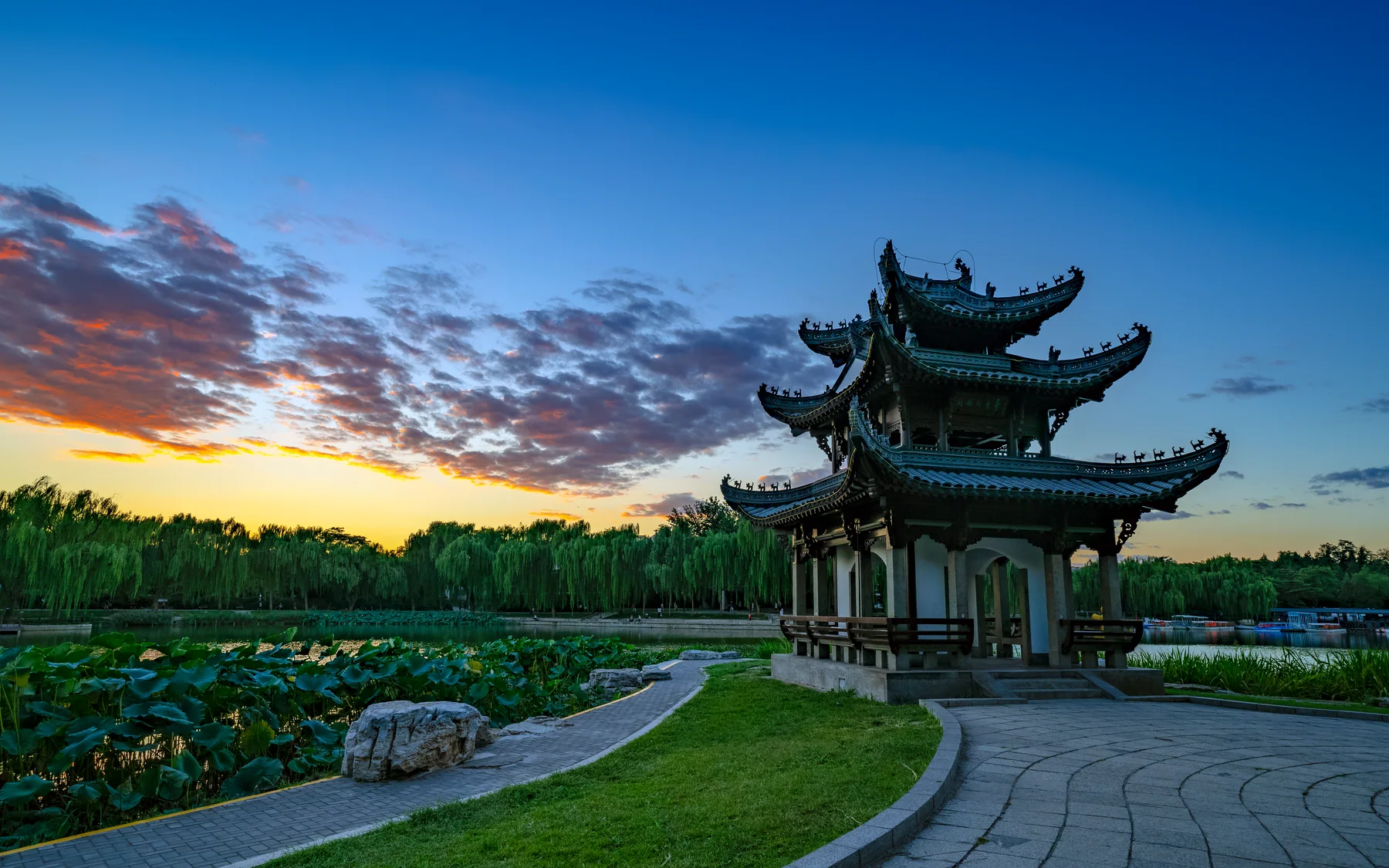
Qinhuai makes a useful evening, but it should not replace the city's serious museums and memorial landscapes. If you can add a third night, do so.
Add Yangzhou for a twelve-day route
Yangzhou is a powerful extension because it makes the Grand Canal and Huaiyang cuisine more explicit. It sits north of the Yangtze, so strict definitions of Jiangnan may place it differently. Culturally and historically, however, it deepens the lower-Yangtze comparison.
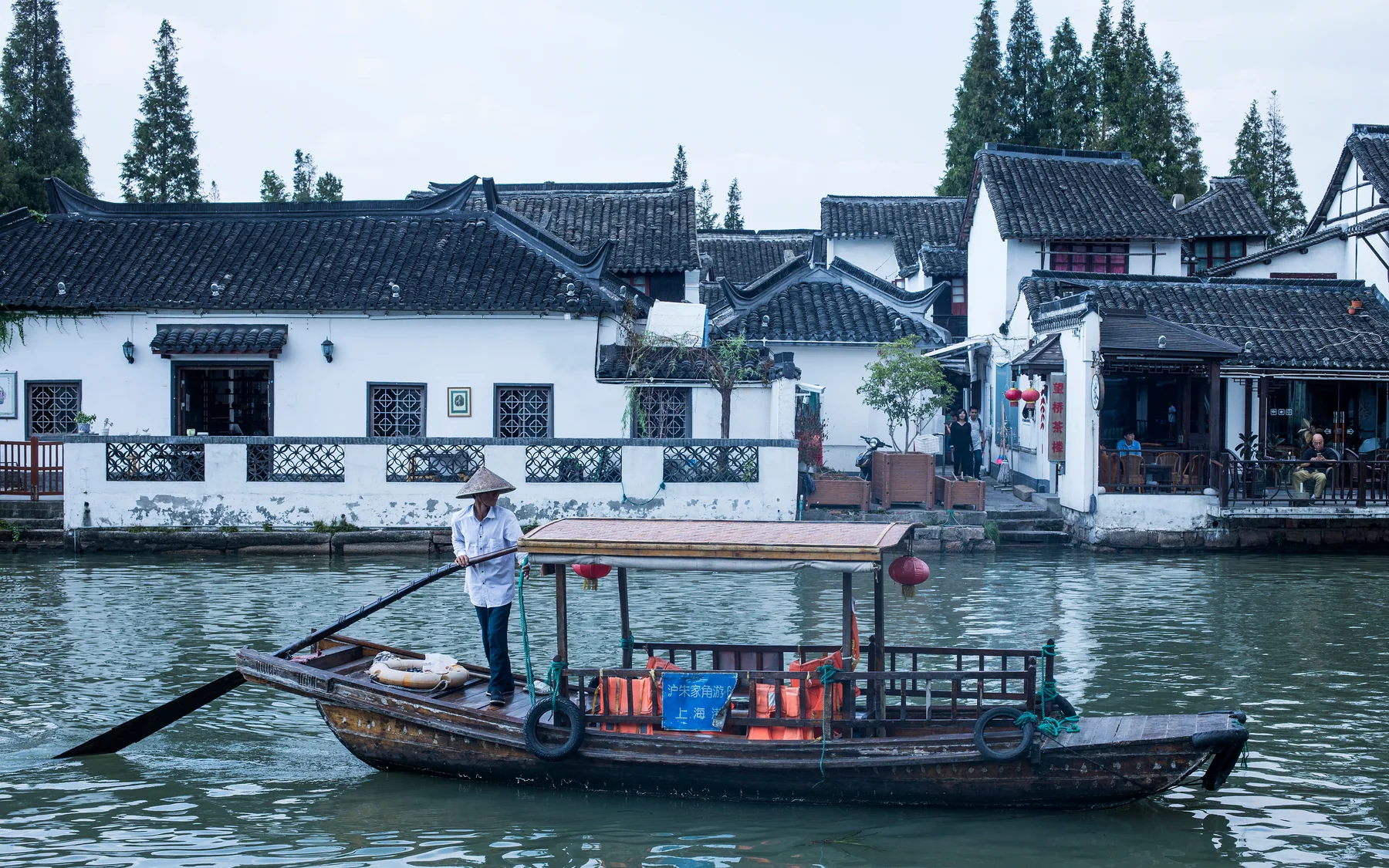
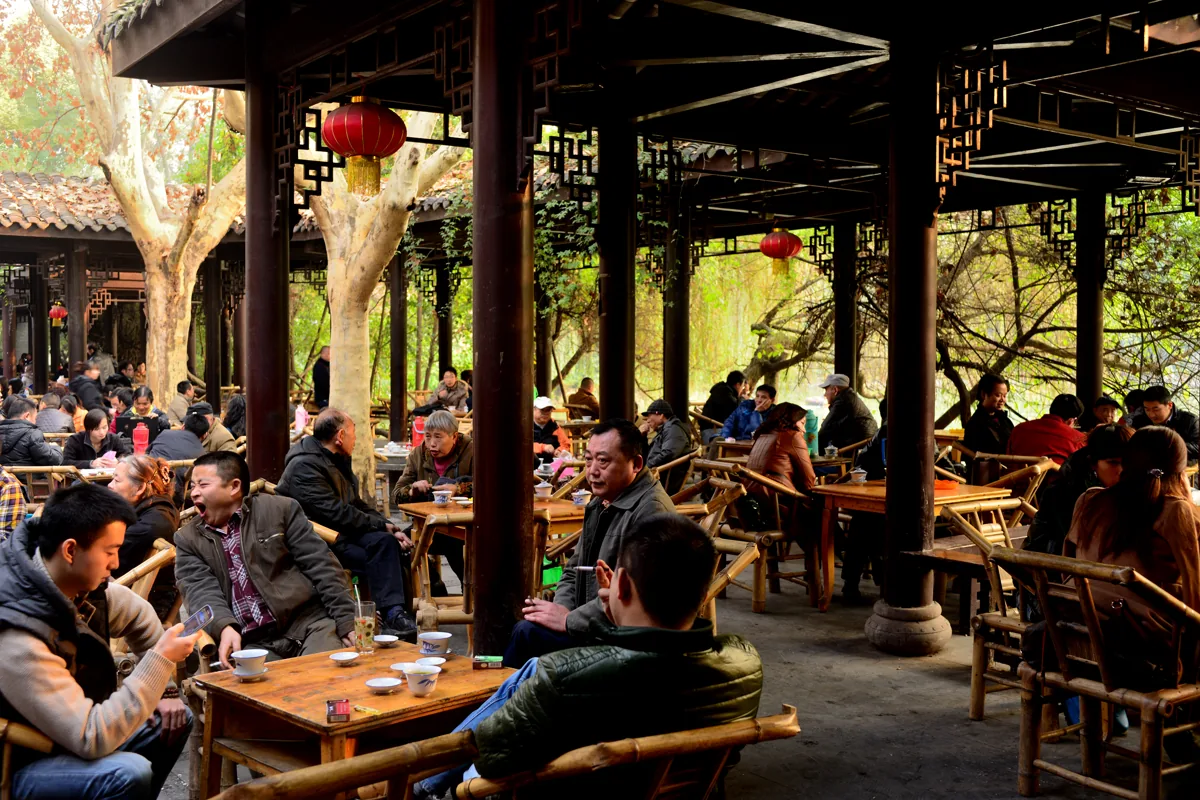
Use one day for Slender West Lake and Daming Temple, one for Ge Garden, He Garden and Dongguan Street, and one for canal, craft and historical memory. Begin at least one morning with a long tea-house meal.
The transfer day still belongs to the route
A fast train does not make a transfer frictionless. The part most itineraries hide is the sequence from hotel checkout to station security, the ride itself, the station-to-hotel transfer and the awkward hours before a room is ready. I treat every city change as at least half a day, even when the scheduled train time looks short.
Use that half day deliberately. Leave after breakfast rather than at dawn when the previous city deserves one last ordinary morning. Store luggage when the next hotel is not ready. Choose one low-stakes arrival walk near the hotel instead of attaching a timed museum booking to a train journey. The reward is not merely lower stress: the first evening becomes evidence of how the new city differs.
The station name matters as much as the city name. A central station may shorten the final transfer even when another departure is faster on paper. Large stations also demand walking, orientation and security time. Current train services must be checked close to booking; this route provides logic, not a permanent timetable.
My preferred arrival tests are simple:
- In Shanghai, reach the river and read the scale before chasing a viewpoint.
- In Suzhou, walk one canal-side block and notice whether water still organizes daily movement.
- In Hangzhou, approach West Lake without trying to complete it.
- In Nanjing, let the wall, tree-lined roads or museum landscape change the historical register.
- In Yangzhou, slow the first meal down enough to feel that the route has entered another tempo.
Choose cities by tension, not by fame
The strongest Jiangnan trip is built from contrasts that remain unresolved. Shanghai and Suzhou ask whether modern density and concentrated garden space are opposites or two responses to expensive urban land. Hangzhou and Nanjing ask how public landscape carries memory differently: one through repeated literary looking, the other through capitals, war and commemoration. Nanjing and Yangzhou ask what the Yangtze and Grand Canal did to power, movement and taste.
That is why I would cut a city before I flatten it. If the route gives every place the same one-day formula—old street, museum, famous dish, night view—the itinerary has failed even when every attraction is excellent. Give each stop a verb:
| City | Route verb | Evidence to collect |
|---|---|---|
| Shanghai | Cross | River banks, industrial reuse and neighborhood-metropolis transitions |
| Suzhou | Frame | Thresholds, borrowed views, canal edges and performance in intimate space |
| Hangzhou | Circulate | Causeways, hills, temples and the public use of a cultural landscape |
| Nanjing | Confront | Walls, capital layers, memorial landscapes and difficult historical continuity |
| Yangzhou | Linger | Canal wealth, merchant taste, garden craft and the social duration of a meal |
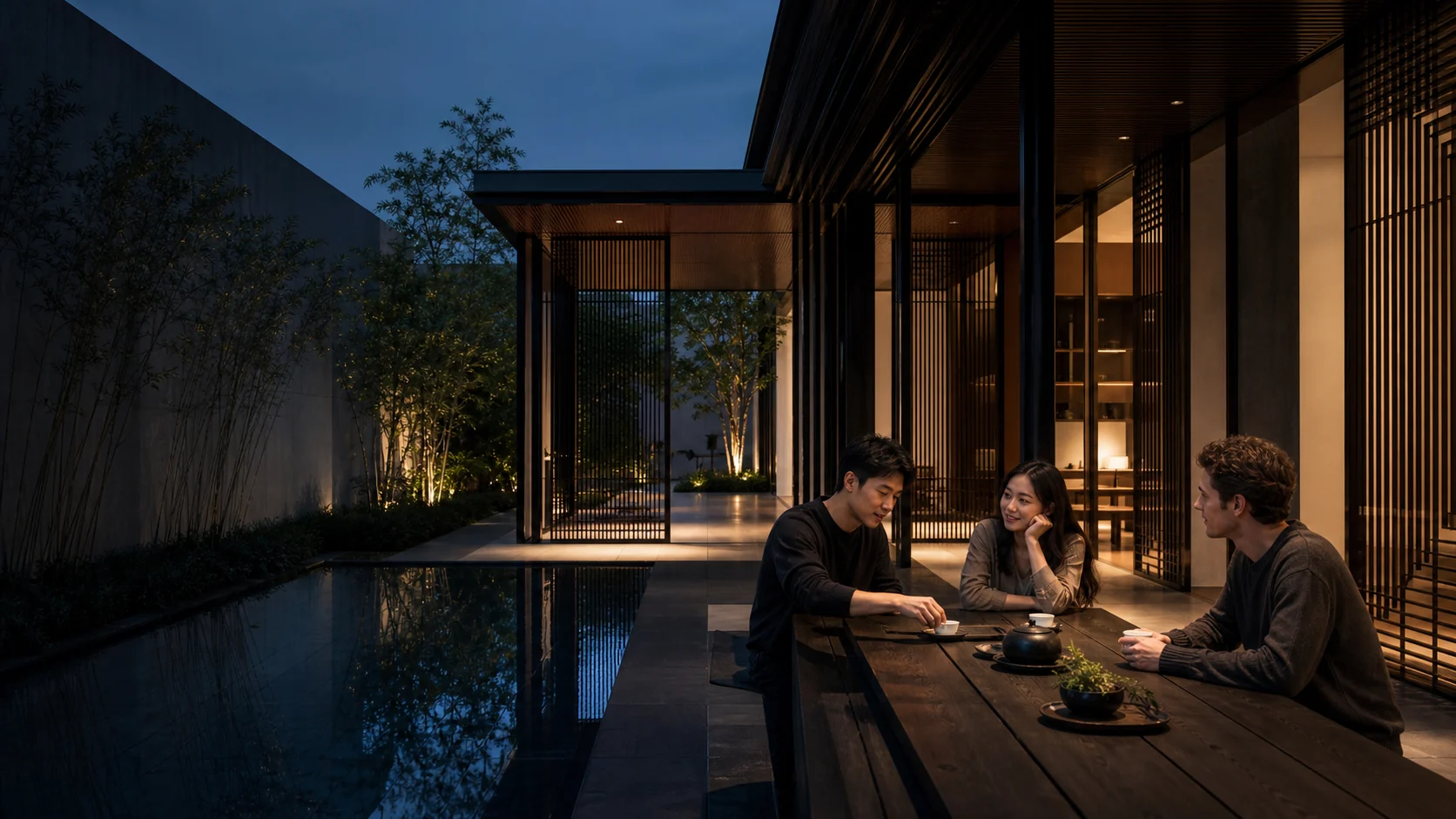
This method also solves photo fatigue. Instead of returning with five skyline images and five canal reflections, you return with a visual argument: a ferry crossing, a garden threshold, a public lakeshore, a memorial axis and a tea-house table.
Route order should follow transport logic
There is no sacred direction. Build around your arrival and departure points.
| Arrival and departure | Efficient pattern | Why |
|---|---|---|
| Round trip through Shanghai | Shanghai -> Suzhou -> Nanjing -> Hangzhou -> Shanghai | Creates a loop and ends near the airport |
| Arrive Shanghai, depart Nanjing | Shanghai -> Hangzhou -> Suzhou -> Nanjing | Reduces final backtracking |
| Arrive Shanghai, depart Hangzhou | Shanghai -> Suzhou -> Nanjing -> Hangzhou | Ends with a slower lake city and nearby departure |
| Add Yangzhou | Place it next to Nanjing in the sequence | The cities form the most logical pair for this route |
Train schedules, stations and border-entry rules change. Verify current services before booking and check the exact station because several cities have multiple rail terminals.
What changes from city to city?
| Theme | Shanghai | Suzhou | Hangzhou | Nanjing | Yangzhou |
|---|---|---|---|---|---|
| Water | Port and river metropolis | Canal neighborhoods and garden ponds | Lake-centered cultural landscape | Yangtze, Qinhuai and urban water systems | Grand Canal and landscaped waterways |
| Heritage | Treaty-port, industry and residential urbanism | Gardens, canals and craft | Lake, temples, tea and Southern Song memory | Capitals, wall, republic and wartime memory | Canal, salt merchants, gardens and craft |
| Modernity | Finance, design and global city systems | Manufacturing and technology beside heritage | Digital economy and expanded metropolitan region | Universities, research and provincial capital functions | Regional city growth and heritage-led cultural economy |
| Signature pace | Fast and expansive | Precise and spatial | Rhythmic and landscape-led | Dense and historically demanding | Slow, social and food-centered |
A food itinerary across Jiangnan
| City | Breakfast | Shared meal | One correction to a stereotype |
|---|---|---|---|
| Shanghai | Shengjian or noodles | Smoked fish, kaofu, red braise and greens | Shanghai food is not only sweet xiaolongbao |
| Suzhou | Su-style noodles | Eel or fish, seasonal vegetables and tofu | Suzhou food is not one red sweet-sour fish |
| Hangzhou | Pian'er Chuan or breakfast pancake | Longjing shrimp, bamboo, soup and one braise | Zhejiang food is not uniformly pale and delicate |
| Nanjing | Beef guotie or duck blood soup | Saltwater duck, greens, pidu noodles and sweets | Nanjing is not simply southern banquet food |
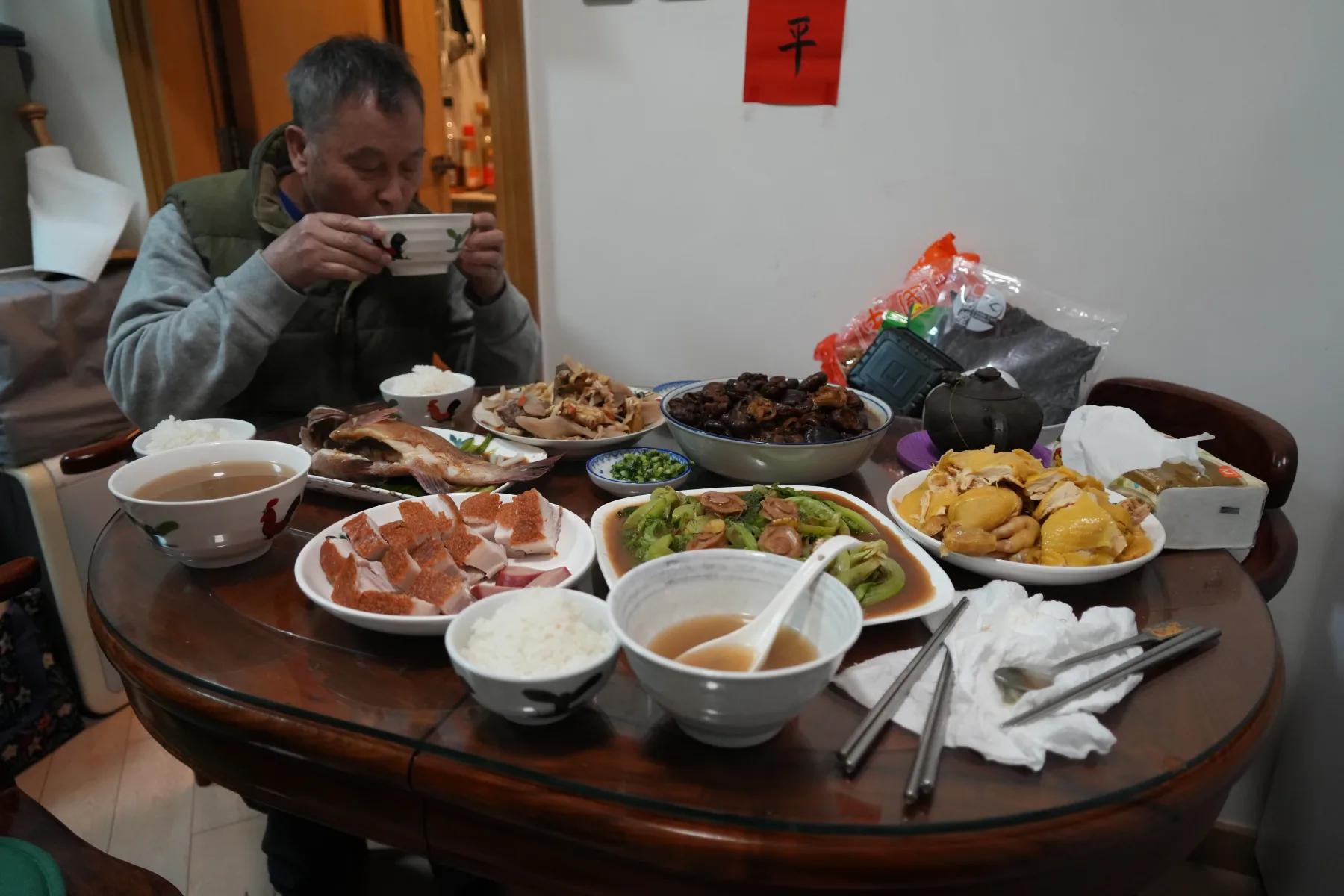
| Yangzhou | Morning tea | Dazhu gansi, lion's head, vegetables and rice | Yangzhou fried rice is not the city's whole cuisine |
When to shorten the route
With seven days, choose Shanghai, Suzhou and Hangzhou for design and landscape, or Shanghai, Nanjing and Yangzhou for modern history, canal systems and food. Do not squeeze all five cities into one week.
With mobility limitations, reduce hotel changes and use day trips selectively. Historic gardens, rockeries, bridges and old streets can include thresholds and uneven surfaces; check individual accessibility information.
Season changes the evidence, not only the weather
Spring makes blossoms, fresh tea and garden planting easy to notice, but famous sites can become crowded enough to erase the slow attention they require. Summer brings humidity, rain and intense green; plan a deliberate midday interior rather than pretending you will walk continuously. Autumn supports long days outside and sharper seasonal eating. Winter removes foliage, exposing walls, rock, roof structure and the discipline of the designed landscape.
I would rather see three Jiangnan cities clearly than prove I can change hotels five times. I reject the itinerary that sells every stop with the same canal reflection and “ancient charm.” A Jiangnan route must let Shanghai accelerate you, Suzhou edit your attention, Hangzhou widen it, Nanjing burden it and Yangzhou slow it down; without those changes, the route is only logistics wearing a silk robe.
Rain is not automatically romantic. It can make stone, bridges and station transfers slippery and tiring. A successful rainy Jiangnan day alternates one outdoor sequence with a museum, performance, tea house or serious meal. The point is to keep reading the region, not to reproduce a misty image at the cost of the whole day.