Zhejiang cuisine is not one pale, delicate menu. It moves from Hangzhou's lake-and-tea imagery to Ningbo's seafood, Shaoxing's fermented aromas, Wenzhou's coastal appetite and the preserved foods of mountain and farming communities. In Hangzhou, the most famous dishes often carry a poet, a pagoda, a lake or a dynasty in their names. The best meals let the story open the appetite without allowing legend to replace taste.
Zhejiang cuisine at a glance: one province, several appetites
| Dish | Chinese | Taste and texture | Best moment | What to know |
|---|---|---|---|---|
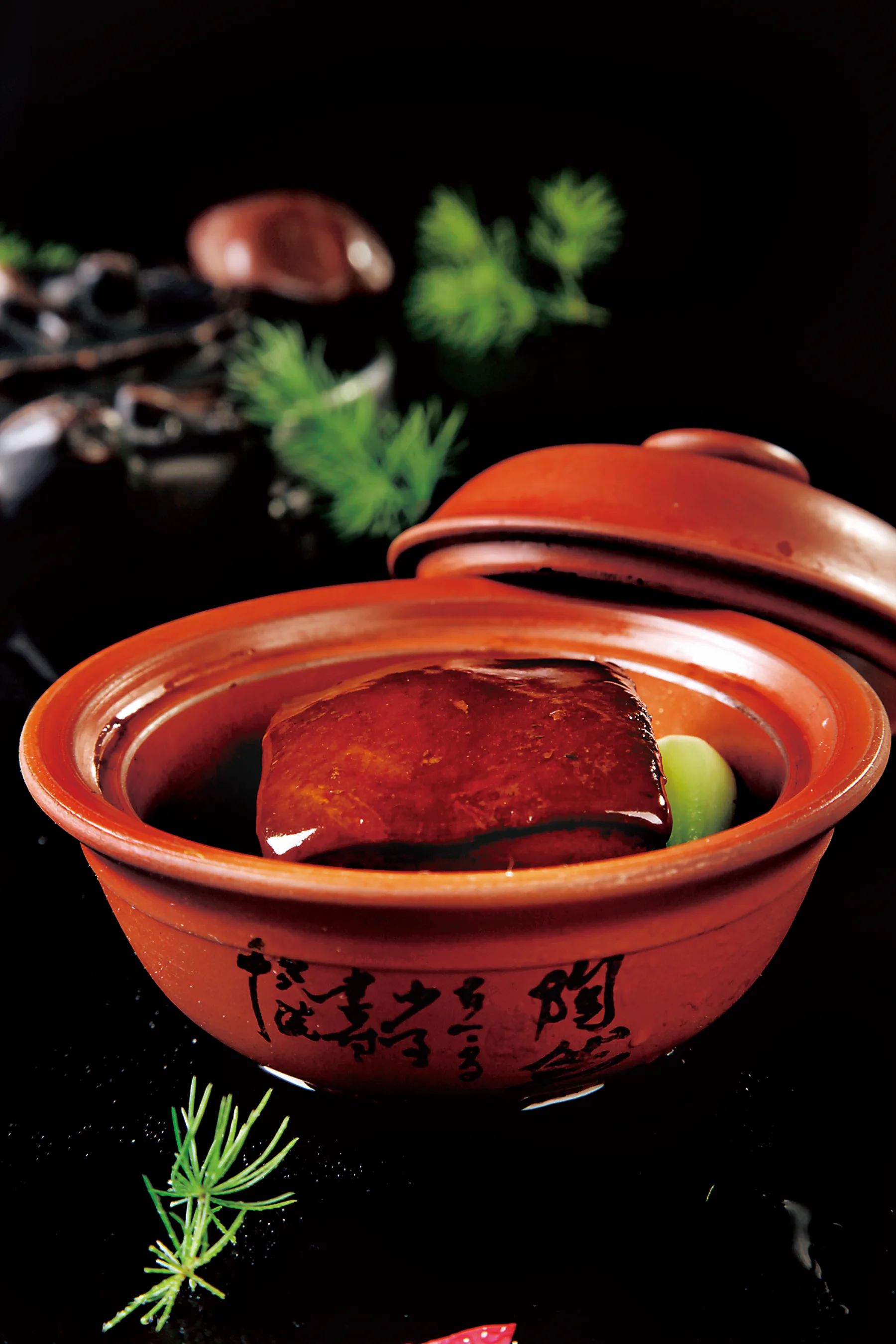
| Dongpo pork | 东坡肉 | Deep soy-wine savor, gentle sweetness, yielding fat and tender meat | Shared lunch or dinner | Named for Su Shi, but literary association is not a complete recipe history |
| Longjing shrimp | 龙井虾仁 | Clean shrimp sweetness, soft spring texture and light tea aroma | Spring or a lighter shared meal | Tea should support the shrimp rather than perfume the plate aggressively |
| West Lake vinegar fish | 西湖醋鱼 | Freshwater fish with a glossy sweet-sour sauce | A specialist restaurant | Famous and technically unforgiving; quality varies widely |
| Sister Song's fish soup | 宋嫂鱼羹 | Silky, savory, gently sour and peppery | Cool weather or the middle of a meal | Its Southern Song story is part history, part restaurant memory |
| Pian'er Chuan | 片儿川 | Savory noodle soup with pork, preserved mustard greens and bamboo shoots | Breakfast or casual lunch | More useful for understanding everyday Hangzhou than another banquet dish |
| Beggar's chicken | 叫化鸡 | Aromatic, moist poultry cooked in a sealed wrapping | Group meal ordered in advance | The origin tale is memorable but should not be treated as documentary fact |
| Hangzhou soy duck | 杭州酱鸭 | Dense, savory-sweet cured or braised duck flavor | Cold starter or drinking snack | Especially associated with cooler-season preparation and festive tables |
| Water-shield soup | 莼菜汤 | Slippery water shield in a light, clean broth | Spring and early summer | Texture is the point; the ingredient is more subtle than its fame suggests |
What is Zhejiang cuisine?
Zhejiang cuisine, or Zhe cai, is a broad label for the cooking of a province with coast, islands, rivers, lakes, fertile plains and mountains. Culinary writing often discusses it through traditions associated with Hangzhou, Ningbo, Shaoxing and Wenzhou, but these are not sealed boxes. Ingredients, workers, restaurant styles and family habits move across their borders.
Place it inside the broader Jiangnan regional-cuisine collection, but do not use Jiangnan as a shortcut for mildness. Zhejiang's coast, rice-wine country, lake kitchens and mountain preservation create different appetites inside the same province.
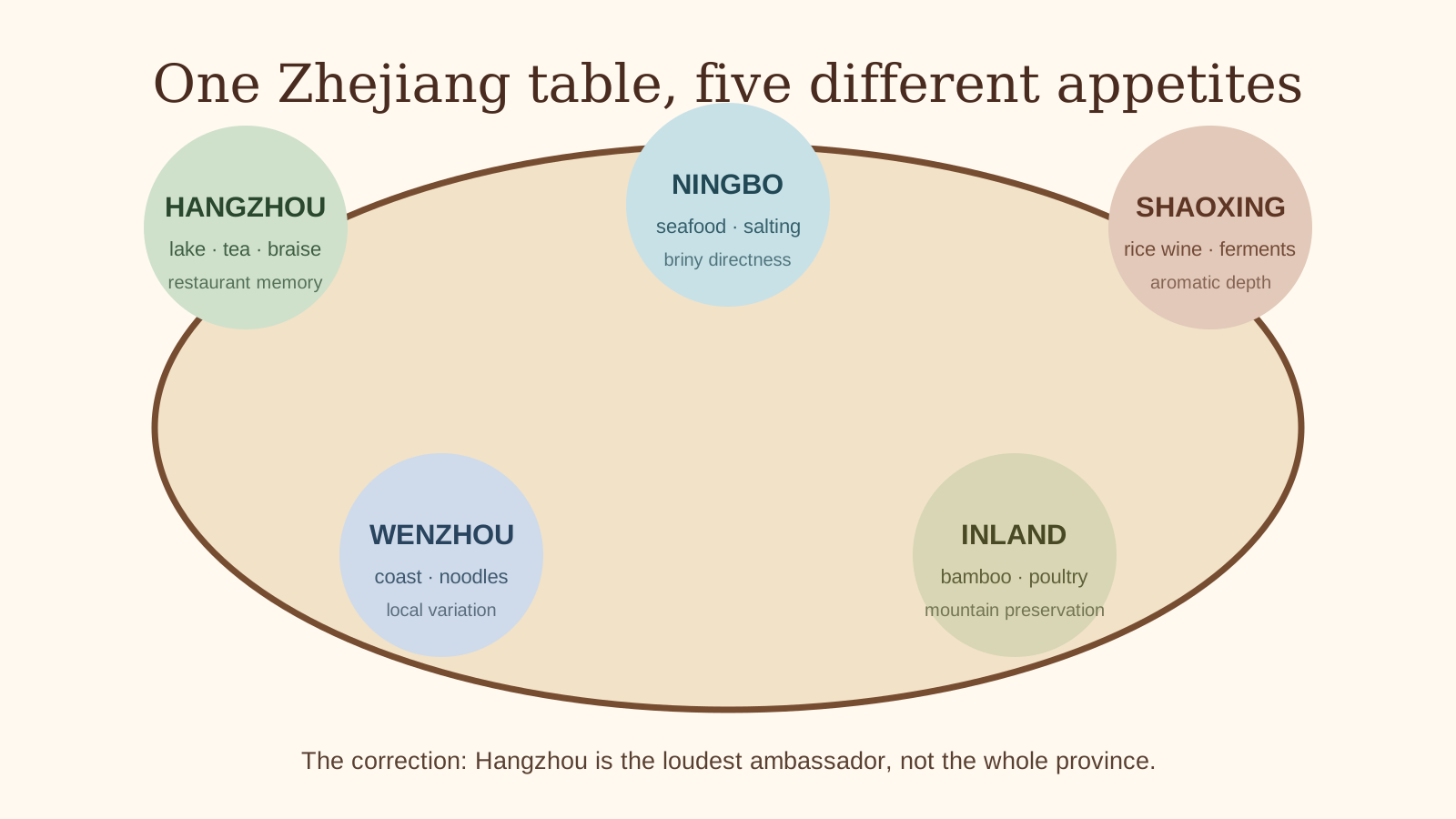
Hangzhou became especially influential because it was an imperial capital, a commercial center and a destination celebrated through poetry and tourism. Its restaurant canon joined seasonal Jiangnan ingredients to memorable names. The historical breadth documented in Yale University Press's The Food of China is a useful guardrail: a visible capital menu cannot stand in for every local kitchen. Hangzhou's visibility can make it seem equivalent to the whole province. It is not.
| Regional lens | Common ingredients and methods | Recognizable direction | What not to assume |
|---|---|---|---|
| Hangzhou | Freshwater fish, shrimp, pork, bamboo shoots, tea, light soups and braises | Refined restaurant dishes beside noodles and seasonal home cooking | Every dish is ancient, delicate or named after West Lake |
| Ningbo | Seafood, salted and preserved foods, rice cakes and coastal produce | Briny, fermented, direct and ingredient-led | Zhejiang cuisine is uniformly mild |
| Shaoxing | Rice wine, fermented bean curd, preserved vegetables, poultry and river foods | Aromatic, wine-rich and deeply savory | Shaoxing wine is only a cooking condiment |
| Wenzhou | Coastal seafood, noodles, rice products and preserved ingredients | Fresh marine flavors with strong local variation | The province has one standardized banquet style |
| Mountain and inland Zhejiang | Bamboo, mushrooms, poultry, pork, freshwater foods and preserved vegetables | Seasonal, practical and shaped by local terrain | Restaurant classics represent rural kitchens |
Hangzhou cuisine is not simply sweet food
Visitors sometimes place Hangzhou and Shanghai into one category called "sweet eastern Chinese food." The comparison notices sugar and misses the meal.
Sweetness can round soy sauce, rice wine and pork fat in Dongpo pork. It can balance vinegar in West Lake fish or deepen the surface of soy duck. But other dishes depend on clean shrimp flavor, the slippery texture of water shield, fresh bamboo shoots, preserved mustard greens, pepper, ginger or the faint roasted-green aroma of tea.
A thoughtful Hangzhou table moves between density and relief. One glossy braise may sit beside a clear soup and a quickly cooked green. Rice absorbs sauce. Vinegar wakes the palate. Tea arrives as a drink, an ingredient or a landscape behind the menu.
Restaurant classics and everyday Hangzhou are different menus
| Famous restaurant culture | Everyday appetite | Why the distinction matters |
|---|---|---|
| Dongpo pork and beggar's chicken | Small portions of soy-braised meats or poultry | Banquet richness is not a daily diet |
| West Lake vinegar fish | Noodles with preserved vegetables, pork or bamboo shoots | Freshwater fish classics require technique and a group willing to share |
| Longjing shrimp | Stir-fried seasonal vegetables, tofu and simple shrimp dishes | Famous tea aroma is one expression of spring, not the definition of local cooking |
| Sister Song's fish soup | Breakfast pancakes, wontons and noodle soups | Soup shops and breakfast counters reveal the working city |
| Elaborate lake-named desserts | Lotus-root sweets, cakes and small pastries | A poetic name does not prove an old local origin |
If you eat only the canonical list, Hangzhou can feel like a museum menu. One noodle breakfast and one market or neighborhood meal usually teach more about contemporary appetite than a second formal dinner.
Dongpo pork carries a poet's reputation
Dongpo pork is named for Su Shi, also known as Su Dongpo, the celebrated Song writer and official associated with Hangzhou and other regions. Stories connect him with pork cookery, public works and gifts of meat, but the modern dish should not be described as a fully documented recipe invented in one identifiable kitchen.
The dish's power comes from the meeting of name and technique. A thick square of pork belly is tied or held in shape, then cooked slowly with soy sauce, rice wine, sugar and aromatics until the fat becomes soft without dissolving and the lean meat yields without drying.
Order one portion to share. It is a concentrated dish, and its quiet sweetness makes more sense beside rice and greens than beside several other braises.
Longjing shrimp turns tea into seasoning
Longjing shrimp pairs peeled shrimp with tender green-tea leaves or an infusion. At its best, the shrimp remain pale, springy and clean-tasting while the tea contributes a faint fresh and roasted-green aroma.
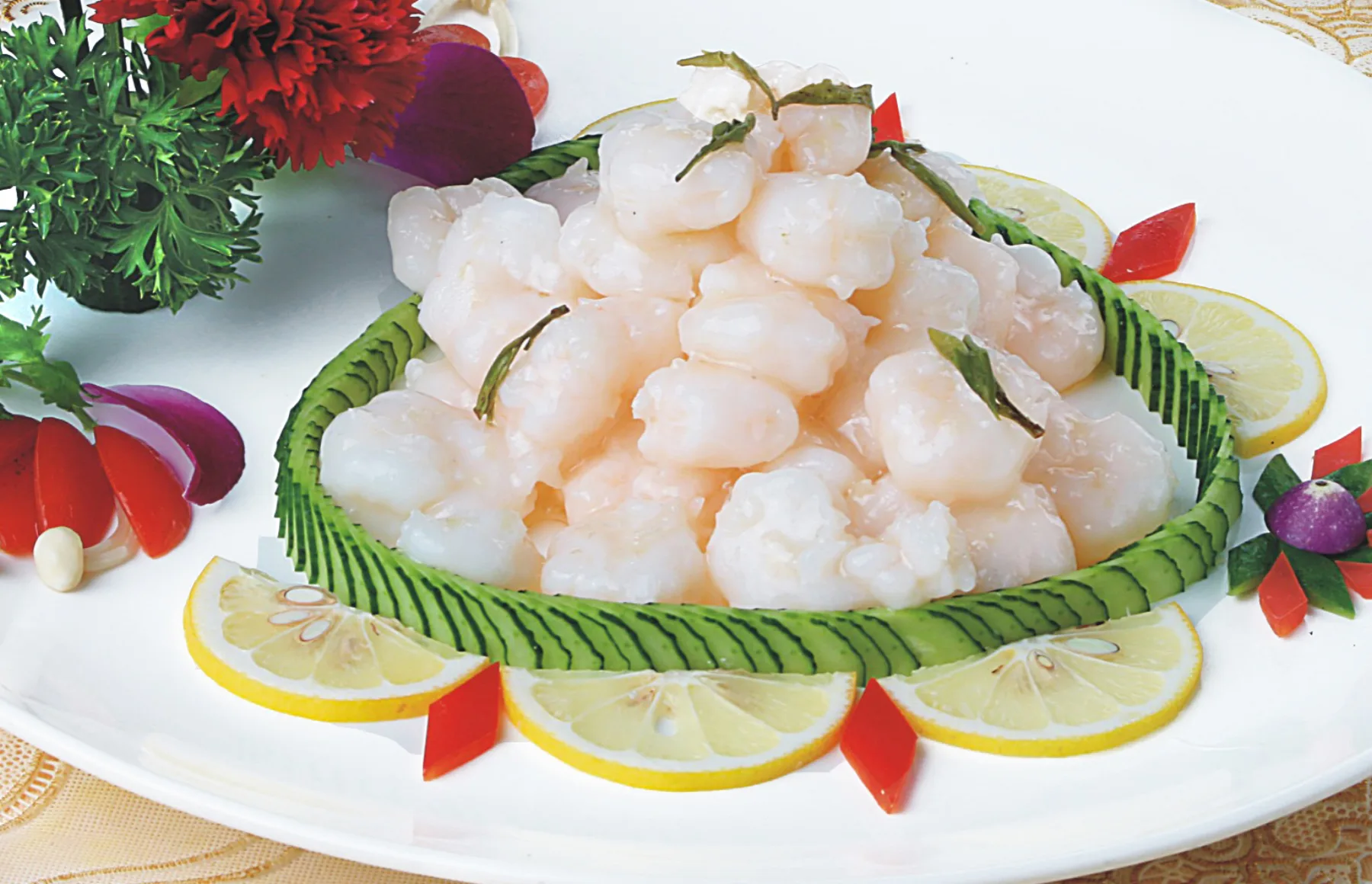
The dish is easy to oversell. Expensive leaves do not rescue rubbery shrimp, and a strong perfume is not evidence of authenticity. Technique should remain visible: controlled heat, careful starching or marination, and enough restraint that tea does not become a flavored sauce.
Read our Longjing tea guide before assuming that every restaurant use of "West Lake Longjing" documents protected origin. UNESCO places Longjing within China's inscribed traditional tea-processing techniques and associated social practices, which is a reminder that tea here is labor, place and social practice—not a perfume word on a restaurant menu. The geographical name still requires evidence when the tea becomes an ingredient.
West Lake vinegar fish is famous, difficult and optional
West Lake vinegar fish traditionally uses freshwater fish cooked carefully and covered with a sweet-sour vinegar sauce. The ideal fish remains moist and clean-tasting; the sauce should sharpen its flavor rather than bury it.
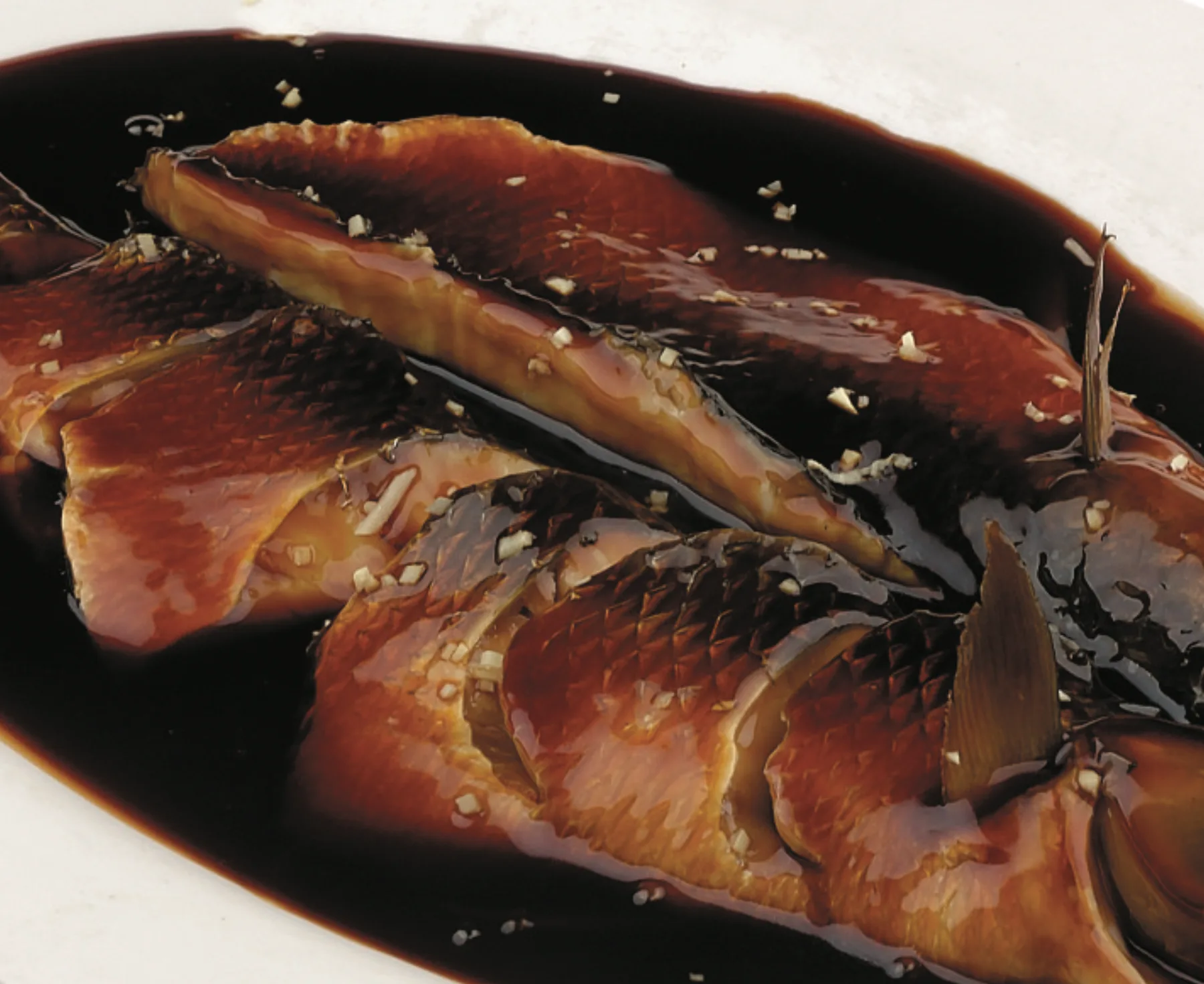
This is one of Hangzhou's most debated visitor dishes because weak versions expose every problem: muddy fish, soft skin, clumsy bones, excessive sugar or sauce thick enough to erase the ingredient. Its fame creates demand that technique does not always meet.
Try it at a restaurant known for local fish, preferably with enough people to share. Skipping it is not a cultural failure. A well-made bowl of noodles can be more revealing than a poorly handled icon.
Sister Song's fish soup turns a story into texture
The name Sister Song's fish soup is linked in restaurant tradition to a woman cooking fish soup in Southern Song Hangzhou. The narrative varies, so it is better treated as a durable culinary memory than a fully documented biography.
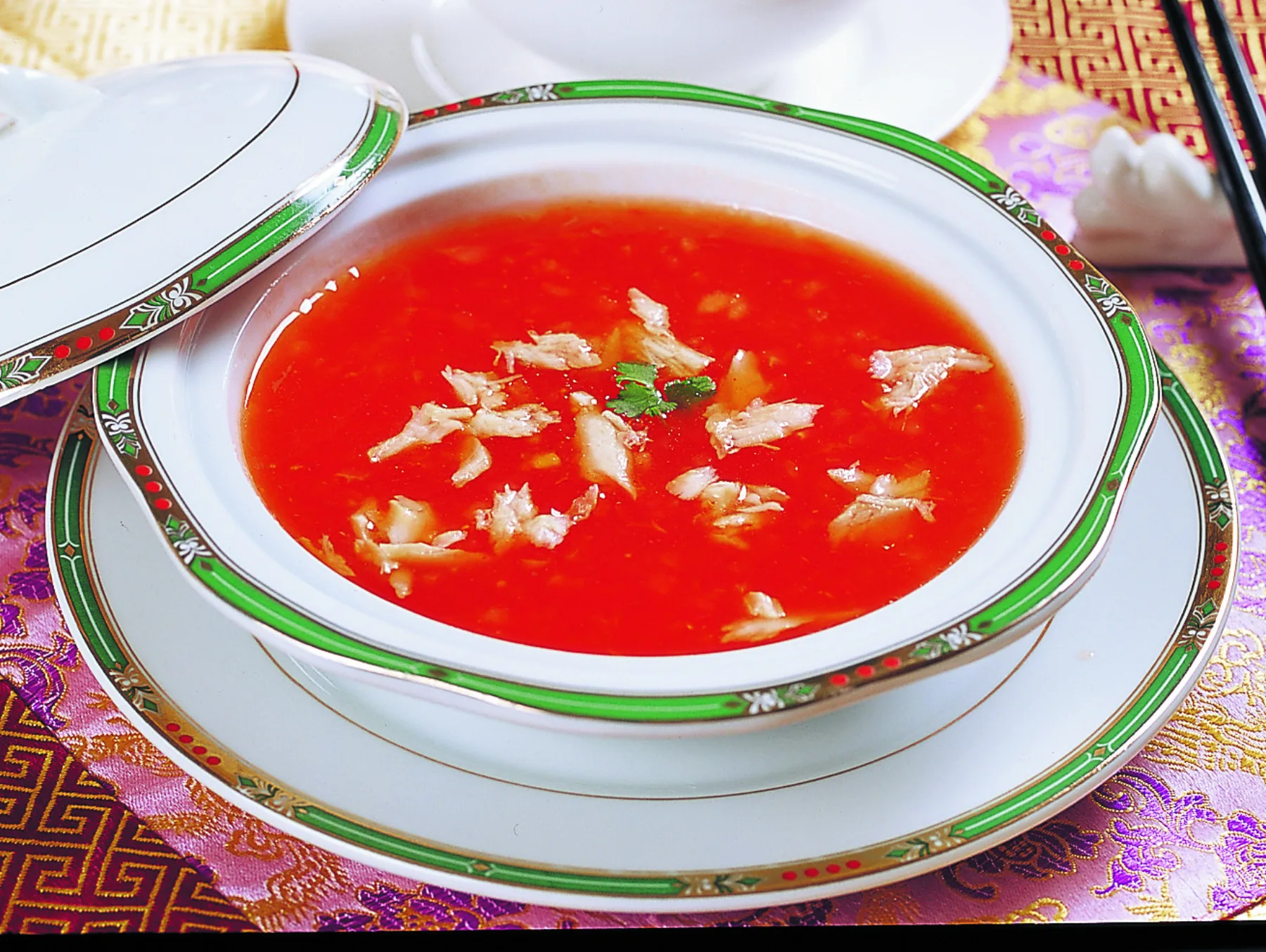
The dish uses finely separated fish in a lightly thickened broth, often balanced with vinegar, pepper, ginger and other small ingredients. Its appeal is textural: the soup should feel silky without becoming gluey, and the fish should remain distinct enough to taste.
Water shield belongs to the lake before it belongs to a legend
Water shield, or chuncai, is an aquatic plant valued for tender leaves surrounded by a naturally slippery coating. That texture can surprise diners who expect crunch or leafy structure.
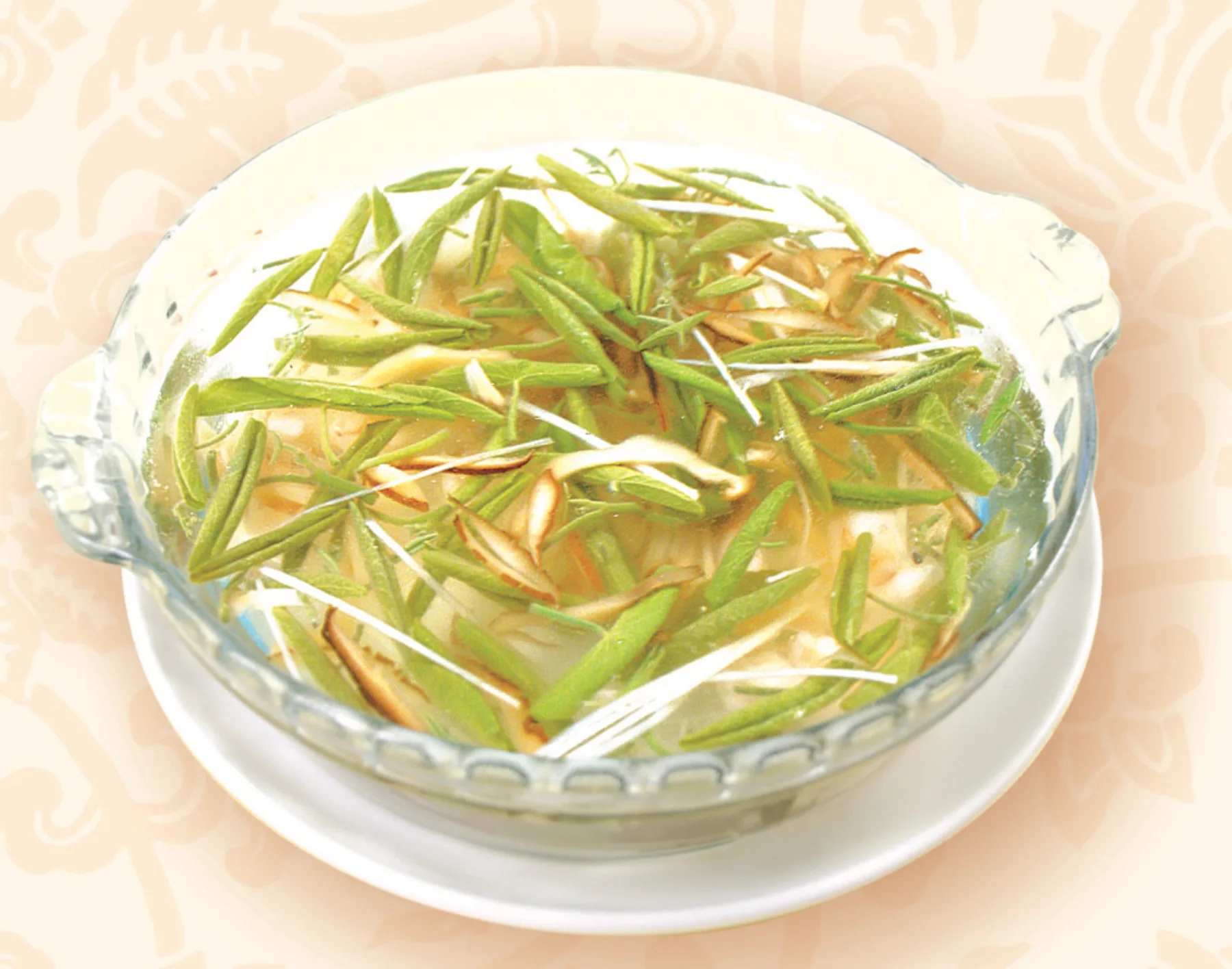
In soup, water shield needs a clear broth and restrained seasoning. It is often linked to Jiangnan nostalgia in literature and food memory. The ingredient's emotional weight can be larger than its mild flavor, which is precisely why texture, season and freshness matter.
Pian'er Chuan is the bowl to eat before the sightseeing begins
Pian'er Chuan is a Hangzhou noodle soup commonly built from sliced pork, preserved mustard greens and bamboo shoots. The name is local and the format is practical: savory broth, wheat noodles, crisp or tender vegetables and enough meat to carry the bowl.
It has none of the visual theater of a whole fish or clay-sealed chicken. That is its value. A neighborhood noodle shop shows portion, speed, price and local preference more honestly than a menu designed around famous names.
Look for freshly cooked toppings, bamboo with structure and preserved greens that season the broth without turning it relentlessly salty.
Soy duck shows the preserved side of Jiangnan
Hangzhou soy duck is served in glossy dark pieces whose flavor sits between braising, curing and festive cold-dish traditions. Recipes and household methods vary, but soy, sweetness, aromatics and drying or resting create a denser taste than freshly roasted poultry.
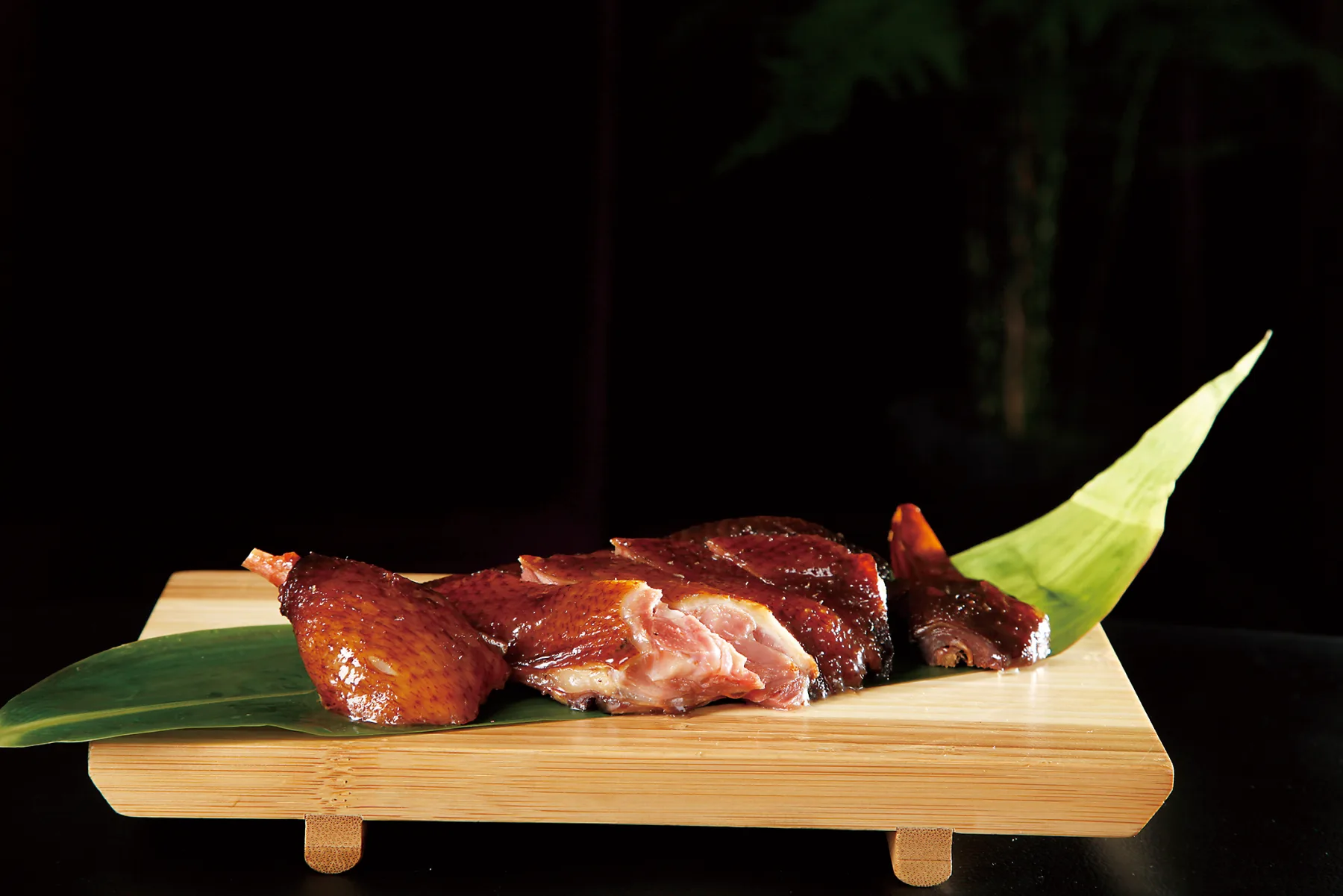
This is useful evidence against the idea that Zhejiang cooking is only fresh and pale. Preservation, concentration and cool-weather preparation are also part of the regional table.
Bamboo shoots make the calendar edible
Spring bamboo shoots can be braised, added to soup, cooked with preserved vegetables or paired with pork. Their appeal lies in freshness and texture, not decorative rarity.
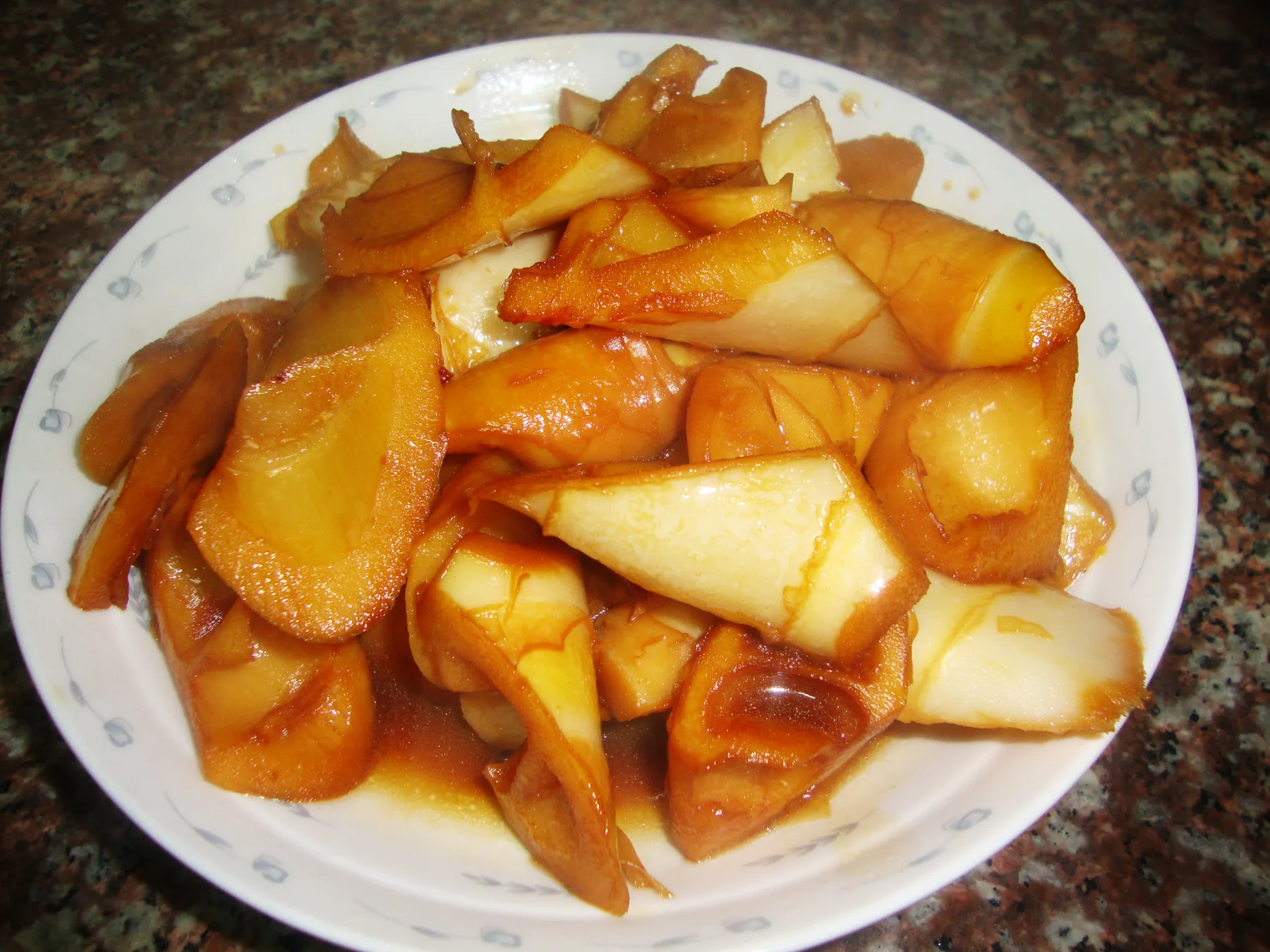
Oil-braised spring shoots use seasoning and fat to carry the vegetable's sweetness while retaining bite. The best version is juicy and structured. A tired shoot cooked under heavy sauce loses the season it is supposed to express.
Breakfast and small foods return Hangzhou to human scale
Breakfast pancakes, wontons, noodles, rice products and buns keep the city fed before the lake fills with visitors. Names and exact formats vary by shop; this is food built through repetition rather than literary attribution.
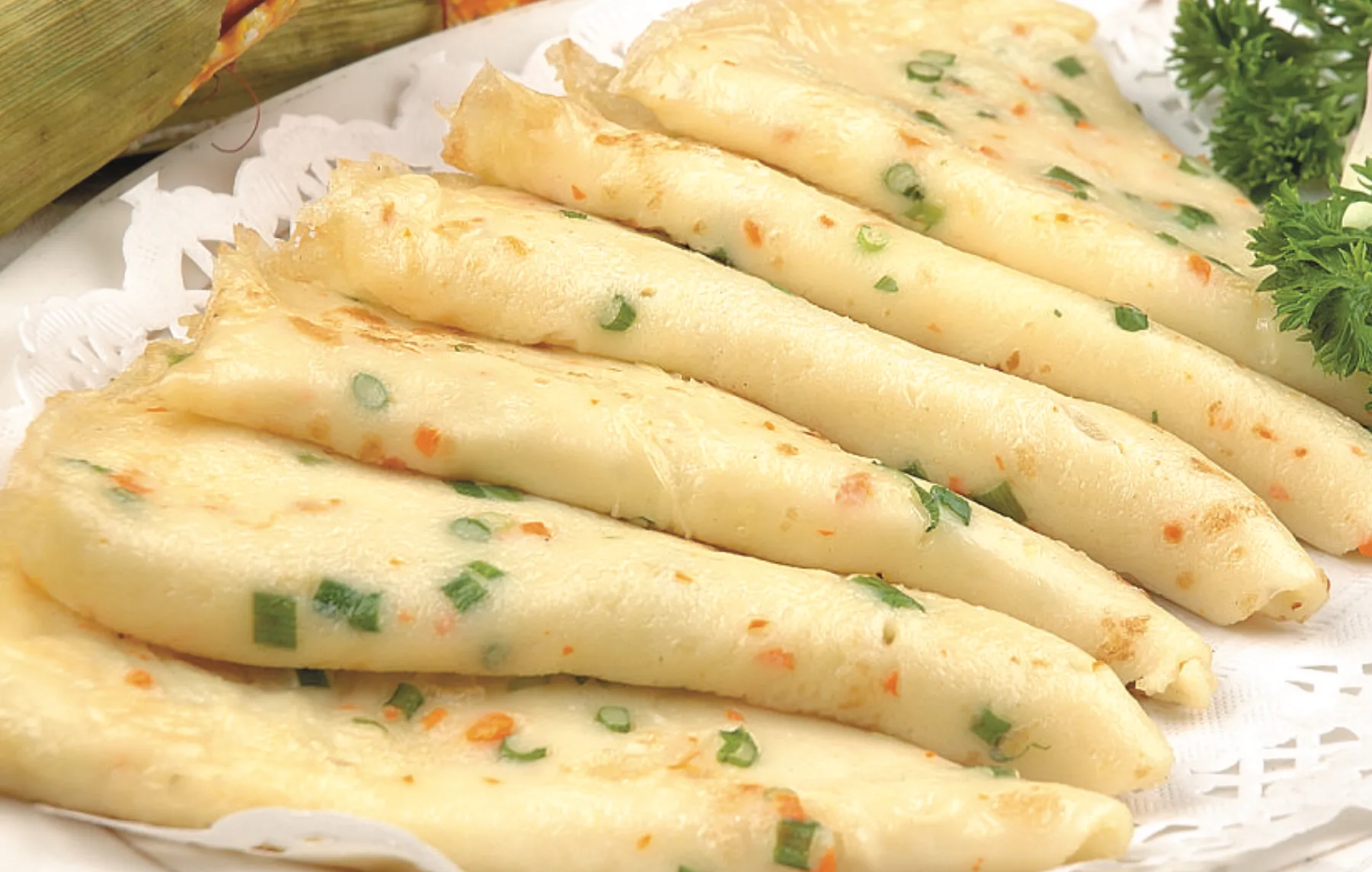
For young travelers, these places are often the easiest entry into local rhythm. Point to what is cooking, watch how regulars order and avoid turning a busy counter into a photo session. A small breakfast can be culturally dense without being rare.
Seasonality changes the Hangzhou table
| Season | Ingredients and dishes to notice | What the season contributes |
|---|---|---|
| Spring | Bamboo shoots, tender greens, spring tea and light shrimp dishes | Freshness, short harvest windows and restrained cooking |
| Summer | Water shield, lotus, cold dishes, river foods and lighter soups | Cooling textures and water-based ingredients |
| Autumn | Osmanthus-flavored sweets, crab and richer braises | Fragrance, concentration and festival tables |
| Winter | Soy duck, preserved vegetables, pork dishes and warming soups | Preservation, density and foods designed for sharing |
Seasonal menu language is not proof that an ingredient is local or at its best. Ask what actually arrived that week. A shorter seasonal list is often more credible than a menu promising every famous ingredient all year.
How to order a balanced Hangzhou meal
| Group size | A useful structure | Example order |
|---|---|---|
| Solo | One noodle or rice dish plus a vegetable or small cold plate | Pian'er Chuan and seasonal greens |
| Two people | One signature dish, one vegetable and rice or noodles | Longjing shrimp, bamboo shoots and rice |
| Four people | One rich dish, one fish or shrimp dish, one vegetable, one soup and a staple | Dongpo pork, Longjing shrimp, seasonal greens, water-shield soup and rice |
| Six or more | Add one regional classic and one cold dish without duplicating sauces | The four-person structure plus vinegar fish, soy duck and a light tofu dish |
Avoid ordering Dongpo pork, soy duck, beggar's chicken and another dark braise in the same meal. The menu may look impressive while the palate hears only one register.
How to recognize thoughtful Zhejiang cooking
- The menu identifies seasonal ingredients precisely instead of calling everything a "West Lake specialty."
- Fish tastes clean and is cooked to preserve structure.
- Tea aroma in Longjing shrimp remains subtle.
- Braised dishes are glossy but not drowned in thick sauce.
- Bamboo shoots and greens retain their own texture.
- Staff can explain portion size and advise against over-ordering.
- The restaurant serves everyday local foods as confidently as banquet legends.
Dietary and ordering notes
Vegetable dishes may use meat stock, lard, dried shrimp or oyster sauce. Fish soup can contain fine bones. Soy-braised and preserved foods may be high in sodium. Nut and sesame garnishes are common enough that allergy questions should be explicit and written in Chinese when possible.
Menus translated into English often simplify dish names or turn poetic names into literal puzzles. Use the Chinese characters in this guide and confirm the main ingredient, cooking method and portion rather than relying on the English title alone.
Frequently asked questions about Zhejiang cuisine and Hangzhou food
What food is Hangzhou famous for?
Hangzhou is famous for Dongpo pork, West Lake vinegar fish, Longjing shrimp, Sister Song's fish soup, beggar's chicken, water-shield soup and Pian'er Chuan noodles. Everyday eating also includes soy-braised duck, noodles, breakfast pancakes, seasonal bamboo shoots, greens and small pastries.
What does Zhejiang cuisine taste like?
Zhejiang cuisine is diverse, but many dishes value seasonal ingredients, clear aroma, moderate seasoning, rice wine, vinegar, soy and careful texture. Hangzhou cooking can be gently sweet, yet it also includes fresh, savory, sour, tea-scented and clean-tasting dishes.
Is Hangzhou cuisine the same as Zhejiang cuisine?
No. Hangzhou cuisine is one influential part of Zhejiang cuisine. The province also includes distinct food traditions associated with Ningbo, Shaoxing, Wenzhou and many inland, coastal and mountain communities. A Hangzhou menu cannot represent the whole province.
Is West Lake vinegar fish worth ordering?
It is worth trying when the restaurant handles freshwater fish carefully and balances vinegar, sweetness and texture. It is also a demanding dish that can disappoint when the fish is muddy-tasting or overcooked, so it should not be treated as a compulsory test of Hangzhou.
What should a first-time visitor order in Hangzhou?
For two to four people, order one rich dish such as Dongpo pork, one delicate dish such as Longjing shrimp, one seasonal vegetable or bamboo-shoot dish, one soup, and rice or noodles. Add West Lake vinegar fish only if the group enjoys freshwater fish and sweet-sour sauces.
Is Zhejiang food vegetarian-friendly?
Seasonal greens, bamboo shoots, tofu, mushrooms, lotus root and vegetable cold dishes create many possibilities, but stocks and sauces may contain meat or seafood. Ask specifically rather than assuming a vegetable-named dish is vegetarian.
The best Hangzhou meal leaves room for the next season
Hangzhou's culinary reputation is built from water, tea, memory and names that travel well. Its deeper food culture is less theatrical: a noodle broth sharpened by preserved greens, a bamboo shoot cooked before it toughens, shrimp heated just enough, pork allowed to soften slowly and tea whose origin can be explained without myth.
Eat one famous story. Then eat what the person beside you ordered for lunch. If the meal changed your idea of Zhejiang, record the exact dishes, season and ordering mistake in China Moments; that evidence is more useful than another list of compulsory classics.