To travel to Shanghai is to watch a city edit itself in public. A warehouse becomes a gallery, a lane house becomes a cafe, an old recipe finds a young audience, and the river keeps the argument moving. The skyline is only the introduction; the real subject is how Shanghai repeatedly turns inherited space into new urban life.
Travel to Shanghai by alternating river, street and reused space
This route belongs inside the larger Chinese cities guide, but Shanghai needs its own operating rule: alternate scales. A river panorama without a neighborhood becomes spectacle; a lane walk without the metropolitan river loses the force of the city; an adaptive-reuse district without both can feel like a shopping list.
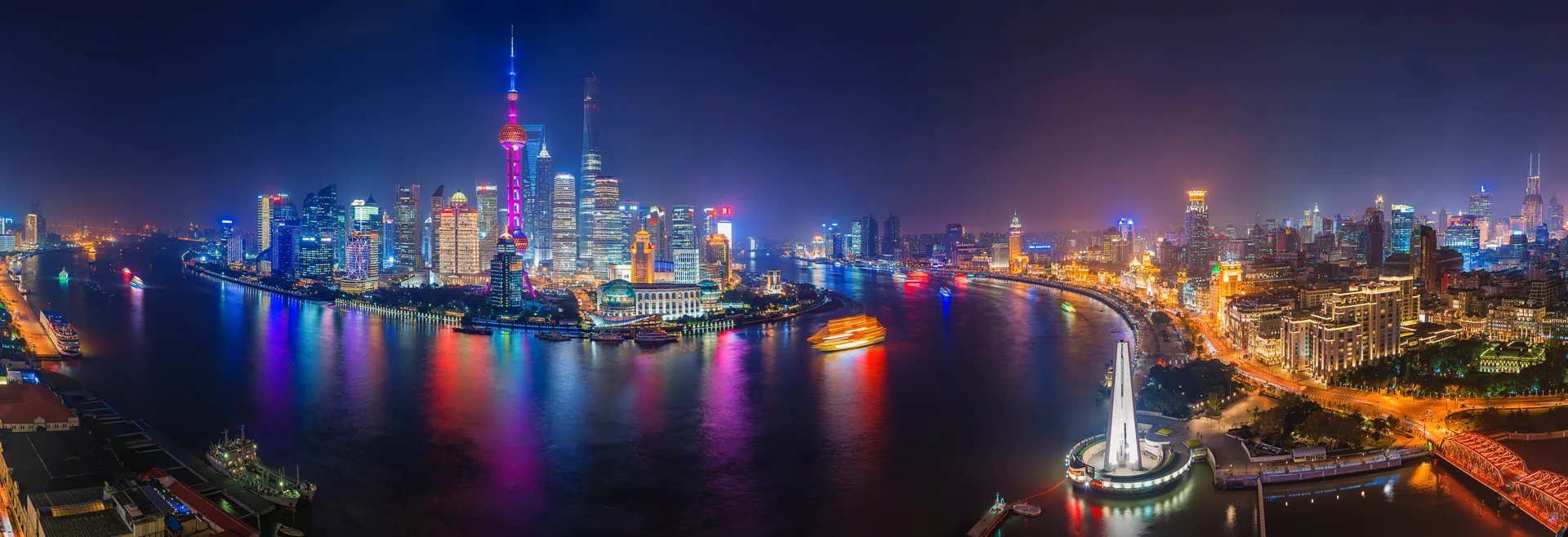
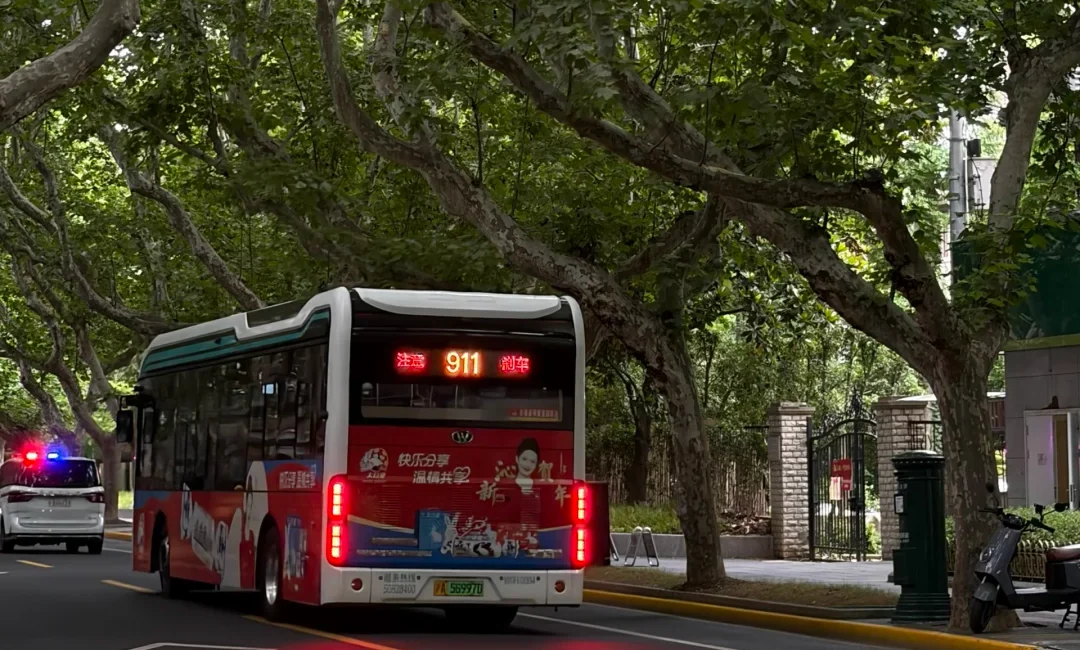
From the Bund, Pudong looks almost too complete: towers, light and ambition arranged into a single persuasive image. Turn around and the stone facades of banks and trading houses tell another story of commerce, empire and unequal access. Shanghai's power lies in holding both views at once.
I like the city most in the transitions: laundry above a fashionable street, breakfast steam beside a design store, an elderly neighbor moving at an entirely different speed from the office crowd. Shanghai is polished, but never only polished.
Who should visit Shanghai
Come for architecture, contemporary art, fashion, nightlife, coffee, regional food and the experience of a major global Chinese city. It is also a practical first gateway: transport is extensive and many central areas are comfortable to explore on foot.
If the only China you want is ancient, Shanghai will disrupt the fantasy. Reinvention, migration and modernity are not distractions from its culture; they are the culture.
| Shanghai at a glance | What it means for your trip |
|---|---|
| Best for | Architecture, design, film, fashion, food and contemporary city life |
| Ideal first stay | Three full days; four with Suzhou or deeper neighborhood time |
| City pace | Fast, but highly walkable when explored district by district |
| Best way to move | Metro, walking and at least one public ferry |
| Do not miss | The Bund in daylight and after dark |
Find your route into Shanghai
| If you need... | Start with... |
|---|---|
| A first itinerary | The river-based route and three-day sequence |
| Architecture | The Bund, lilong and adaptive-reuse sections |
| Contemporary culture | West Bund, film, design and Pudong public life |
| Food | Breakfast counters, snacks and the Shanghai food guide |
| A day trip | The Suzhou and water-town tradeoffs |
Let the Huangpu River edit the itinerary
Shanghai is easier to understand when the river is treated as an urban structure rather than a skyline backdrop. The Bund presents finance, trade and treaty-port power on the west bank. Lujiazui presents the speed and image-making of post-reform development on the east. Ferries, bridges, tunnels, promenades and working traffic connect them.
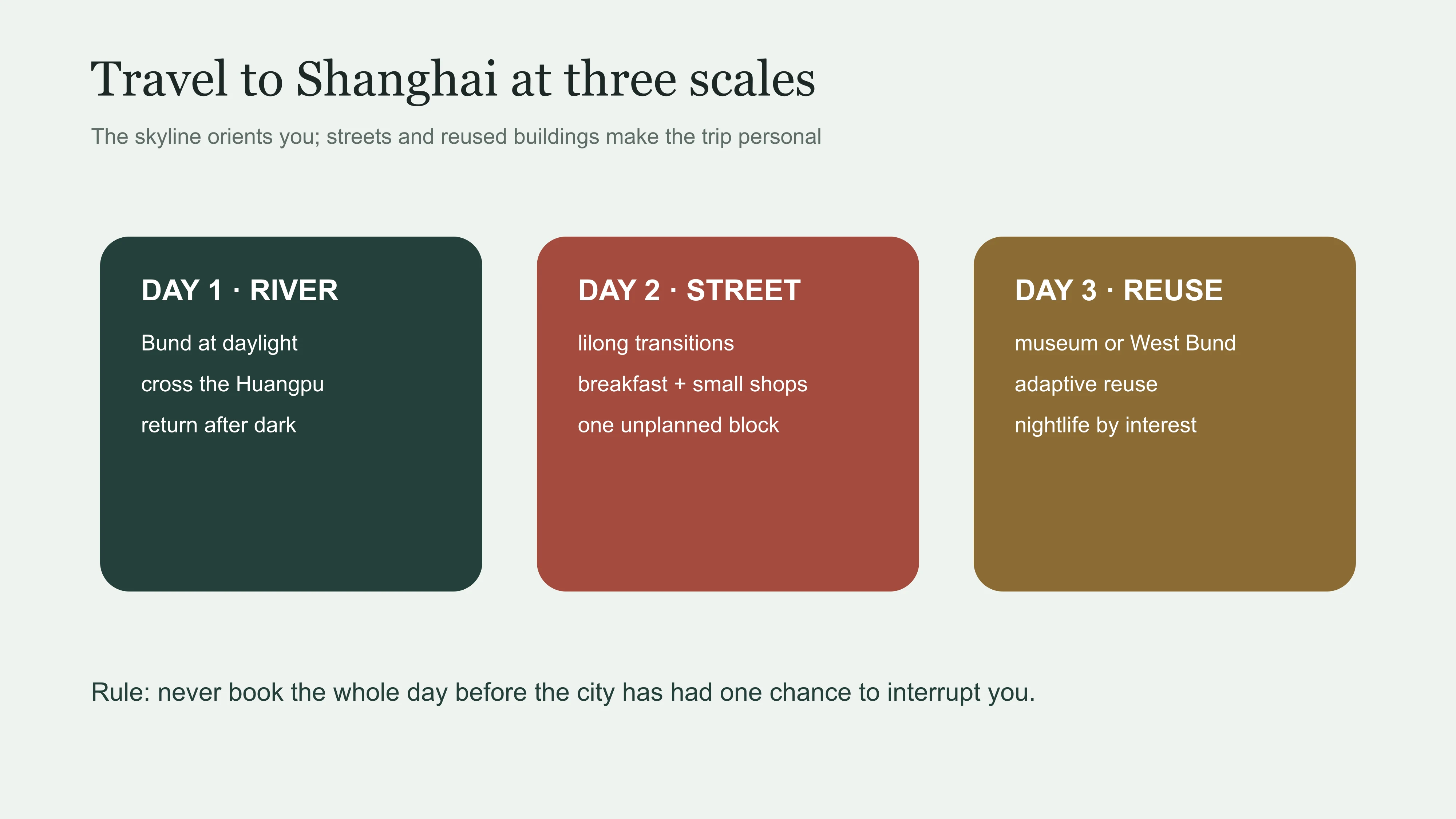
Build the first day around this relationship. Walk the Bund early enough to study facades and river activity, cross by public ferry when practical, then experience Pudong from ground level before looking back from height. Return to the west bank after dark. The repeated crossing turns two famous views into one city.
Do not schedule West Bund, the historic Bund and Lujiazui as if every waterfront were adjacent. Shanghai's river bends, large blocks and limited crossing points create long transfers. Give each riverfront section a separate purpose: architecture, commuting, public recreation, contemporary art or skyline observation.
Read the city through five transitions
The most revealing moments occur where one urban system becomes another: monumental Bund facades becoming side streets, lilong housing meeting luxury retail, warehouses becoming museums, ferry decks entering tower districts and the Old City opening into modern roads. Photograph that transition. A landmark alone cannot show it.
An entire Shanghai itinerary can be built around these boundaries. They show that reinvention does not erase everything evenly. Some structures are restored, some residents are displaced, some industries are converted into cultural capital and some ordinary routines remain visible beside global brands.
The essential Shanghai experiences
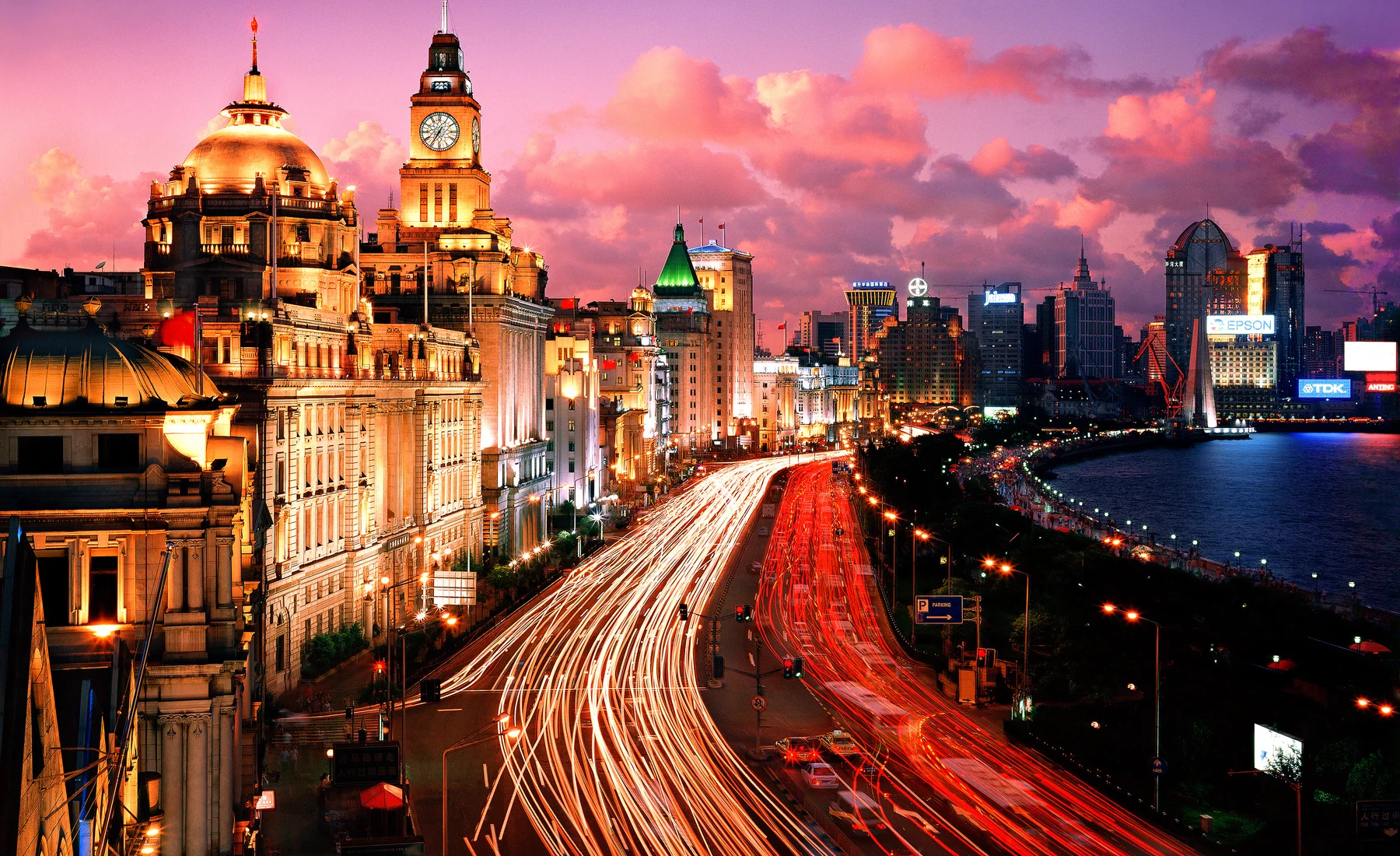
Walk the Bund twice
Go early for the facades, runners, ferries and working river. Return after dark for the illuminated skyline. The contrast explains Shanghai better than choosing one view as authentic and dismissing the other as spectacle.
In daylight, look west as carefully as east. Identify entrances, building materials, inscriptions and the rhythm of the facade line. The Bund's architecture does not represent a neutral cosmopolitan past; it belongs to commerce, foreign privilege and unequal political arrangements. Enjoying the architecture does not require smoothing that history into glamour.
At night, the skyline becomes a coordinated public image. Move away from the densest viewing point and observe how families, photographers, vendors and security management shape the promenade. The spectacle is real and socially important even though it reveals little about residential Shanghai.
Read the lilong streets carefully
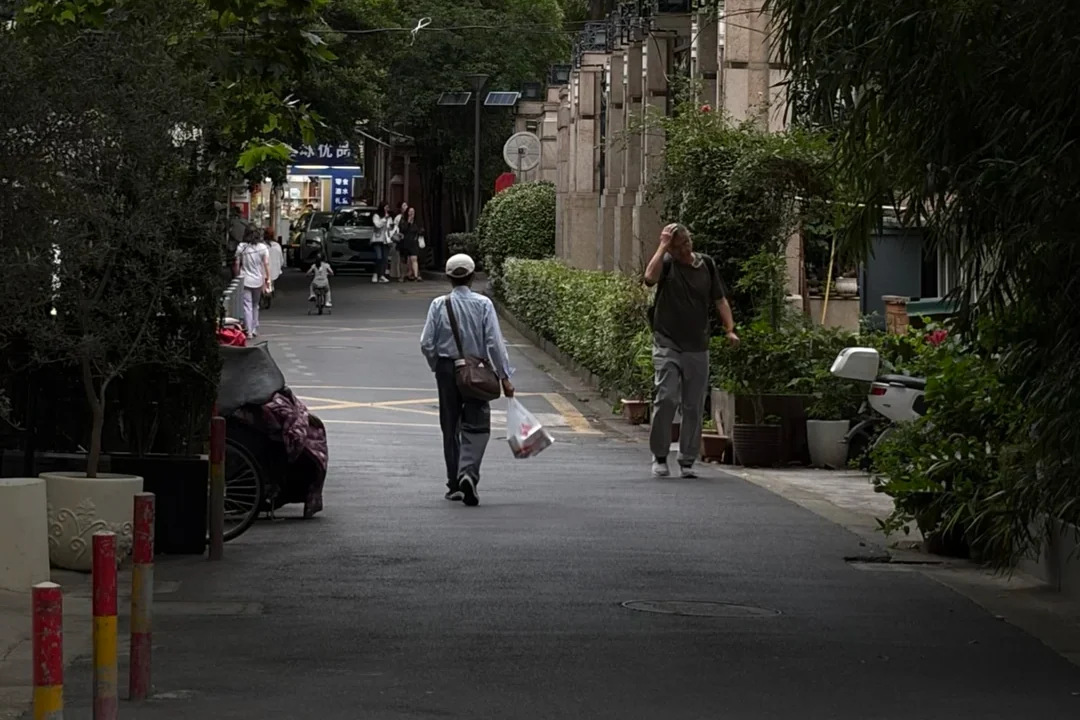
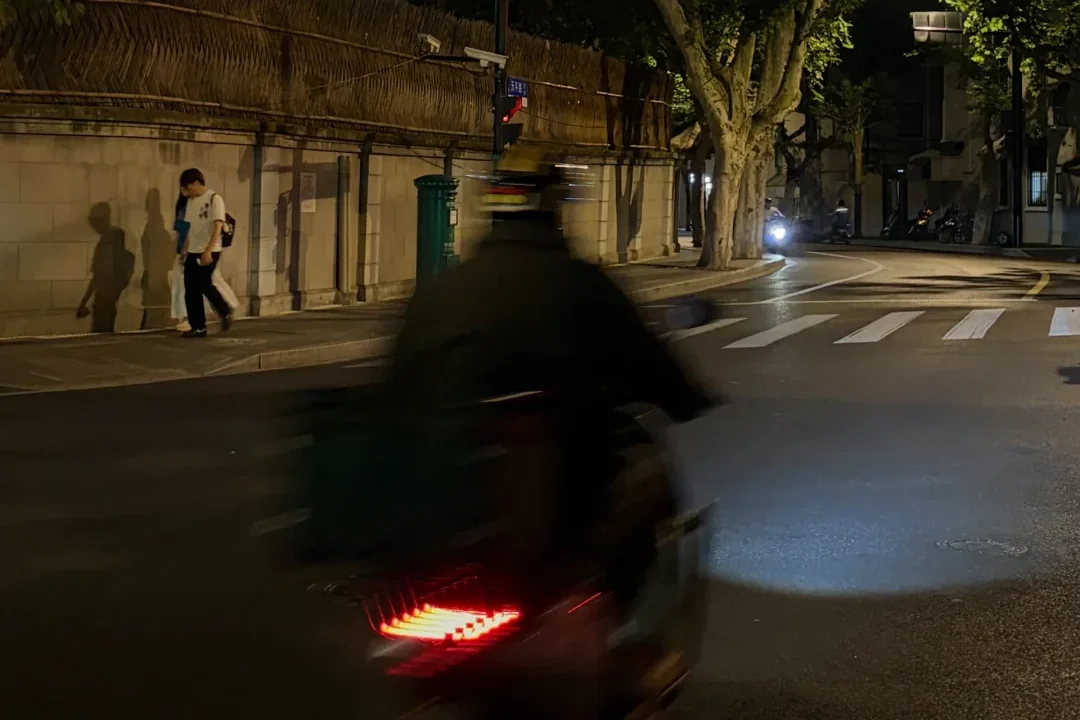
Former French Concession is a convenient visitor label, but the central neighborhoods contain many histories and ordinary homes. Walk streets around the former concession and lilong lanes without treating residential entries as public attractions. Plane trees, shopfronts and adaptive reuse reward a slower eye.
Lilong is a broad housing and urban form, not one decorative style. Different compounds reflect different periods, densities and levels of alteration. A picturesque brick entrance may lead to shared circulation, additions, service pipes and intensely private domestic space. The visible infrastructure matters because it prevents the lanes from becoming a romantic cafe background.
Stay on clearly public routes. Do not enter a residential lane because a social post labeled it a hidden spot, and never photograph through open windows. Look instead at the boundary: how a gate separates street commerce from domestic life, how bicycles and deliveries fit, and where renovation has converted housing into retail.
Yuyuan Garden opens the Old City; it does not contain it
Yuyuan introduces garden design and merchant-era urban memory, but the surrounding visitor district is heavily staged and crowded. Go early, understand which spaces require tickets and distinguish the garden from the commercial bazaar around it. The official Shanghai visitor record identifies the garden as a protected historic site founded in the Ming period; that does not make every lantern-lit shop outside its walls historic fabric.
The wider Old City has undergone major redevelopment and cannot be approached as a preserved Ming neighborhood. Current public routes and exhibitions reveal more than an old blog's promise of an untouched maze. The gap between demolition, preservation and reconstruction is not an inconvenience around modern Shanghai; it is one of the city's central stories.
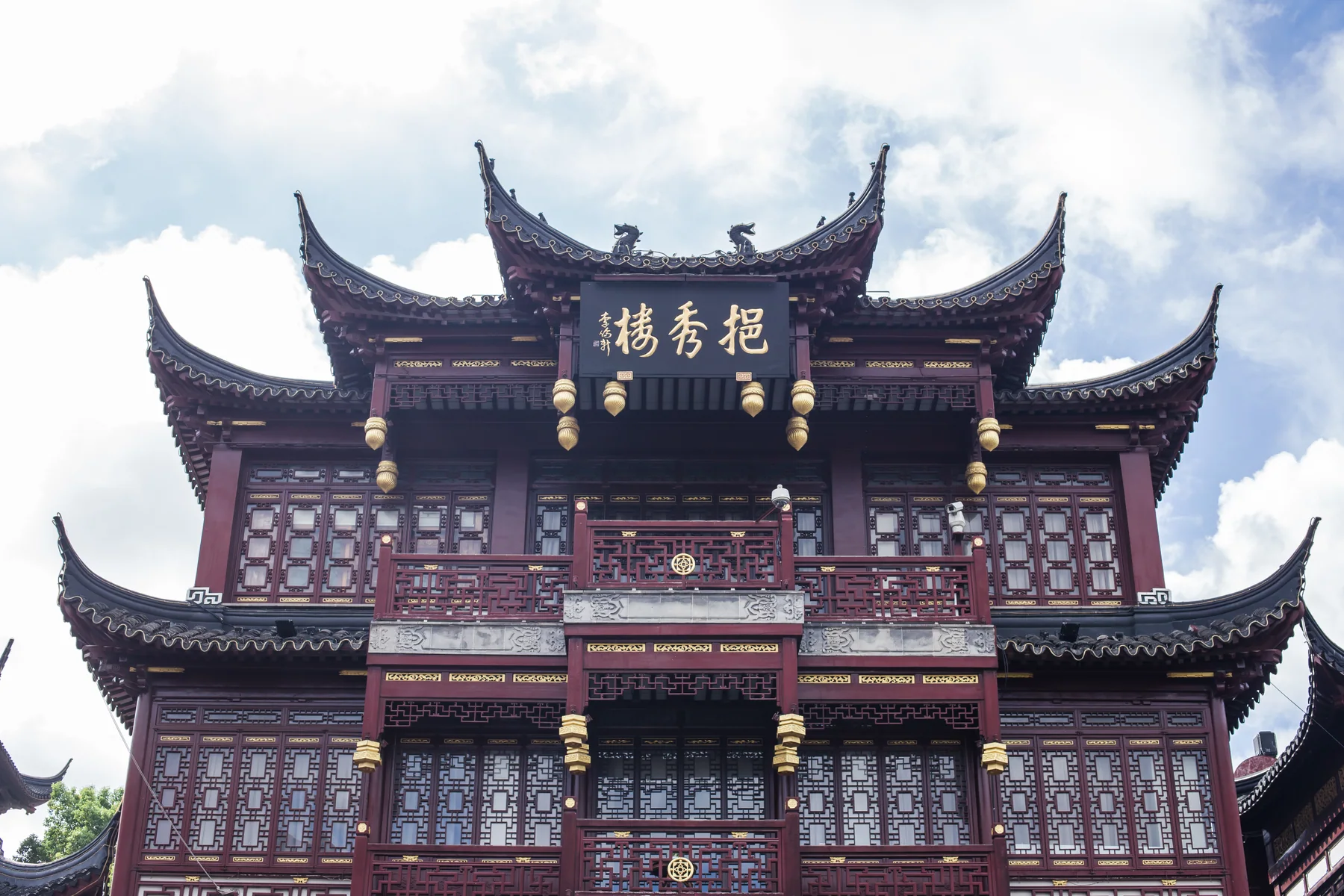
Look up before photographing the crowd. The rising eaves, latticework and signboard of Yixiu Tower give the district a readable architectural face, but the polished public scene also makes the boundary clear: this is a living commercial destination arranged around heritage, not a sealed fragment of the sixteenth century. The tension is exactly why it belongs in a Shanghai trip.
Cross the river without drama
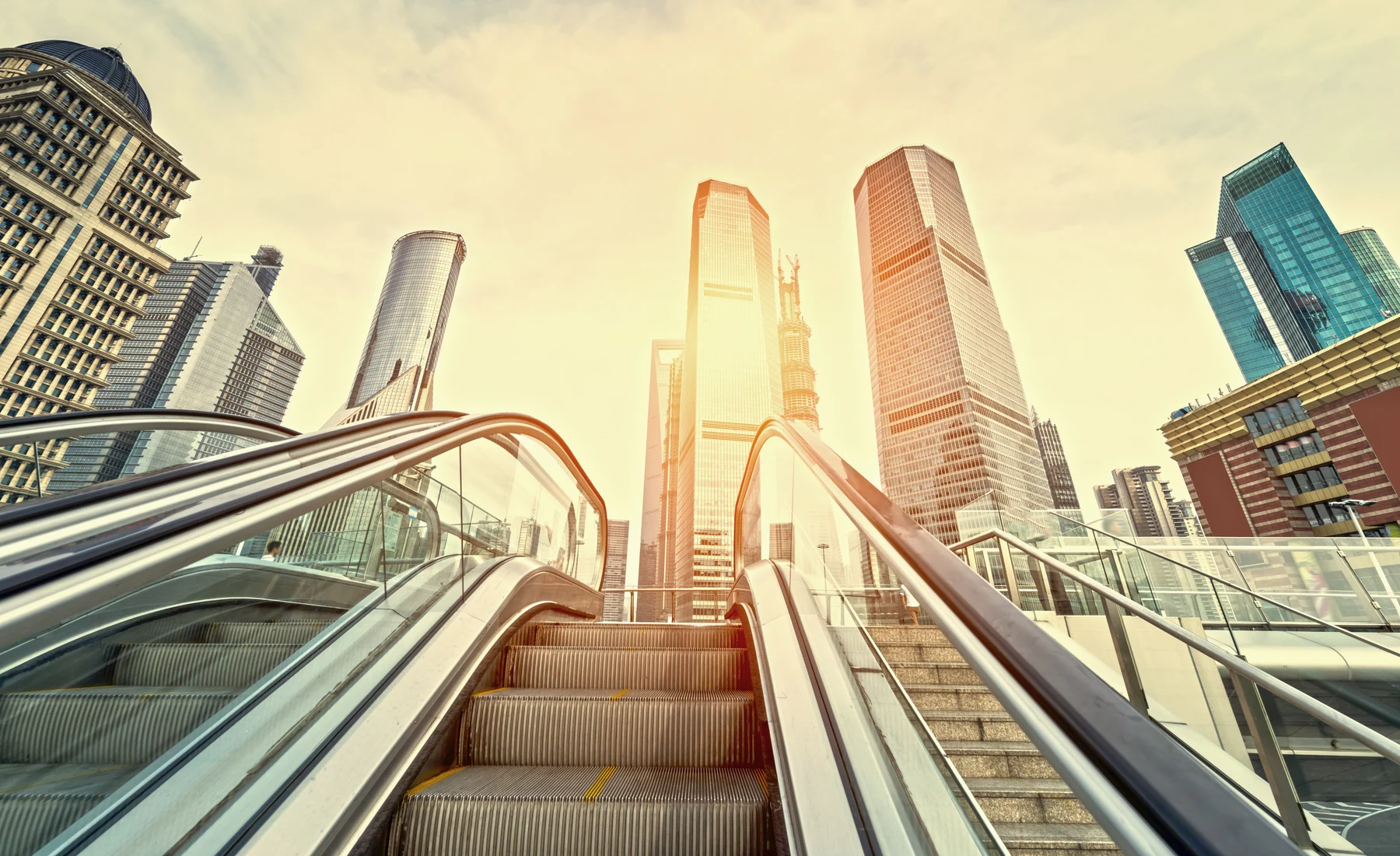
The public ferry offers a modest, useful perspective on the Huangpu. Pudong's observation decks provide height; the ferry provides proportion. Lujiazui is most interesting when you also notice how people work, shop and commute beneath the towers.
At ground level, tower plazas can feel discontinuous from the skyline image. Entrances, malls, elevated walkways and broad roads direct movement through climate-controlled or semi-public systems. Follow one commute route from ferry or metro to an office district and notice how little of daily Pudong occurs at an observation-deck viewpoint.
Make room for contemporary culture
Let current programming decide whether the day belongs to a museum, gallery district, live venue or design neighborhood. Shanghai changes quickly; a beloved independent room may disappear, relocate or return in another form. That instability is part of the cultural story, not a reason to recycle a permanent “cool places” list.
Museum choice should follow the exhibition, not the building's fame. West Bund institutions, Power Station of Art, photography, design and smaller galleries serve different interests. Confirm closures and booking rules, then give one institution enough time to justify the cross-city journey.
Shanghai Disneyland is a full-day choice, not a spare attraction
Shanghai Disneyland deserves a day when Disney is one of the reasons for the trip. It does not belong in the same checklist as the Bund, Yuyuan and a central-neighborhood walk. The resort sits far enough from the central city, and its queues and evening programming consume enough attention, that pretending it is a half-day add-on produces the worst version of both Shanghai and Disney.
The specifically Shanghai argument is stronger than “another Disney park.” The official resort guide lists the first Zootopia-themed land in a Disney park, the Enchanted Storybook Castle, TRON Lightcycle Power Run and Pirates of the Caribbean: Battle for the Sunken Treasure. Those are not interchangeable with a generic castle photograph. Choose the day around two or three priority experiences, reserve energy for the night program and keep the next morning light.
Families and committed theme-park fans should include it. A first-time visitor with only two or three days and no special Disney interest should not. Shanghai already contains more urban history, food and present-tense culture than that schedule can hold.
Peace Hotel works when you read the room, not just the facade
The green-roofed Peace Hotel anchors the Bund as more than an expensive address. Its public image joins Art Deco, old Shanghai music, luxury and the selective nostalgia through which the city sells its twentieth century. Look from the Bund facade line, then enter only the spaces currently open to visitors or guests. A drink or music set is worthwhile when the room itself is the subject; it is wasteful when it becomes a costly box ticked between skyline photos.
The hotel also corrects a common travel-page mistake. Shanghai's nightlife did not begin with rooftop cocktail bars. Ballrooms, jazz, cinema, restaurants and hotel culture were already part of how the city staged modernity. Today's polished bar scene inherits that performance instinct even when the audience, prices and soundtrack have changed.
Young Shanghai keeps changing the use of old space
Shanghai's youth culture is not one aesthetic. It includes art-school experimentation, luxury fashion, independent publishing, electronic music, coffee obsessiveness, game studios, streetwear and people building careers inside some of Asia's largest creative businesses.
Two very different routes expose that range. The qipao guide follows a garment whose modern line changed with Shanghai tailoring, public life and cinema. The Pharaoh rapper guide enters a rougher room: independent hip-hop, technical aggression, jokes and hometown memory working through a Shanghai scene without becoming a neat “Shanghai sound.” Read the city's full cultural logic in the Shanghai culture guide before turning either fashion or rap into urban decoration.
The West Bund makes the city's method visible. Former industrial riverfront space has been recast through museums, galleries, performance, public art and long promenades. The most interesting question is not whether the transformation is "old" or "new," but who now uses the river and what kinds of culture can afford to remain there.
Film offers another route into contemporary Shanghai. The Shanghai International Film Festival connects the city's long screen history to present-day audiences, directors and global cinema. Outside festival dates, check cinematheques, museum screenings and current independent programming rather than relying on a permanent venue list.
For a more personal screen route, read the Wong Kar Wai guide as a migration story: Shanghai birthplace, Hong Kong formation, then a return to Shanghai memory in Blossoms Shanghai. It is not a filming-location itinerary. It is a reminder that a city can travel inside an artist long before it returns as an explicit setting.
Read five Shanghais in one day
| Layer | Where to look | The larger story |
|---|---|---|
| Treaty-port architecture | The Bund | Commerce, empire and unequal modernity |
| Lilong life | Central lane neighborhoods | Density, domestic life and redevelopment |
| Industrial reuse | West Bund and selected creative compounds | Culture occupying former production space |
| Platform-age creativity | Games, fashion, film and digital media | Shanghai producing global culture as well as consuming it |
| Night city | Music rooms, late restaurants and illuminated streets | Young social life beyond the daytime landmark route |
Adaptive reuse is a cultural achievement and a land-value story
Warehouse galleries, design compounds and renovated factories make Shanghai's industrial past visible, but reuse is never only aesthetic. New cultural uses can preserve structures while changing rent, access, labor and the surrounding neighborhood. Ask what production occurred there, which elements remain and who can now afford to use the space.
The West Bund promenade also demonstrates how former industrial waterfront can become public landscape. Walk enough of it to see joggers, families, museums and large-scale redevelopment together. A single gallery interior cannot explain the district.
Coffee is social infrastructure, not proof of Westernization
Shanghai's dense cafe culture is often discussed as novelty or international influence. More usefully, cafes provide work space, dating space, design display and neighborhood identity. Visit one highly designed room if it interests you, then compare it with a practical local cafe or breakfast shop. The contrast shows how several economies of sociability occupy the same street.
Do not let coffee replace local breakfast. Shanghai's morning counters often operate on a faster, less decorative rhythm and reveal the city before retail streets are fully awake.
Night Shanghai begins after the lighting show
The Bund and Pudong provide the famous illuminated image, but a serious evening route should continue after the skyline photograph. Office workers enter restaurants, delivery traffic reorganizes the curb, small bars become visible behind daytime retail and residential lanes become quieter even when the commercial road remains bright. Night changes who controls each piece of pavement.
One compact district is enough to watch that transition happen. Arrive before sunset, eat nearby and walk the same street after shops or offices change shift. You will understand more than a night spent racing between three rooftop views, and nightlife stays connected to transport, work and residential life instead of becoming a permanent luxury advertisement.
The useful question is not whether a venue feels “international” or “authentically local.” Shanghai has been formed through movement, translation and hybrid consumption for generations. Ask instead who the room is for, what price and reservation system controls access, and whether the surrounding street still supports ordinary life after the fashionable businesses close.
Build the evening around one mood, not a supposedly definitive “top ten bars” list:
| The night you actually want | Where to concentrate | What makes it Shanghai |
|---|---|---|
| skyline and occasion | the Bund-facing hotel bars or upper floors in central Huangpu | historic facade line and Pudong held in one view |
| cocktails and conversation | compact streets in Jing'an or the former concession area | small rooms, design ambition and walkable food before or after |
| live music | a currently programmed club or theatre rather than a famous old address | the city's scene changes quickly; the calendar is the evidence |
| late food | neighborhood noodle, wonton or snack counters near your final stop | nightlife returns to hunger and street rhythm instead of staying luxury theatre |
Rankings age badly because Shanghai venues close, relocate and change booking systems. The durable method is to choose the district, check the same-week program, verify the last metro or ride home and keep the night geographically tight. One excellent room followed by warm food is a Shanghai night. Three cross-city reservations are logistics wearing perfume.
Historical labels are coordinates, not filters
“Former French Concession” remains common travel shorthand, but it can flatten a large area into plane trees, villas and cafes. The former concession system belonged to unequal foreign power, while the neighborhoods within and around it later accumulated revolutionary history, apartment life, state institutions, commerce and repeated redevelopment.
The label locates a historical layer; it does not certify every attractive lane as European nostalgia. Building plaques, public-street boundaries and the ordinary life behind residential doors all matter. Architectural interest never turns somebody's home into an exhibit.
The skyline is an introduction, not the subject
A four-district day is usually a bad Shanghai day
The standard itinerary divides Shanghai into the historical west bank and futuristic Pudong, then sprinkles food and the former French Concession between them. That schedule looks efficient on a map and feels empty on foot. It leaves no time to see who uses a lane, how a ferry changes the scale of the river or what happens to a business street after office workers arrive.
Three days can introduce this system only if each day stays geographically coherent. A fourth day is valuable for slower neighborhood observation, a focused museum or an overnight in Suzhou. Adding more skyline decks does not create depth.
Shanghai suits travelers who enjoy contemporary cities and are willing to question polished surfaces. It may disappoint anyone seeking a preserved old city as the main experience. Its strongest heritage is often adaptive, contested and occupied by current life.
The city's apparent efficiency can make visitors over-plan it. Fast metro connections do not remove the attention cost of moving between different urban stories. A Bund morning, lilong afternoon, West Bund museum and Pudong night may fit on a map, yet each becomes surface-level. Shanghai grows more coherent when one day follows one historical or geographic argument.
What to eat in Shanghai
Xiaolongbao, shengjianbao, scallion oil noodles and braised dishes introduce the local appetite, but the city also gathers food from across China. Sweetness in Shanghai cooking is usually a balancing note, not a blanket description.
Our Shanghai food guide explains local dishes and dining rhythms. Eat one meal in a celebrated room if you wish, then let another come from a counter where the menu is shorter and the neighborhood is doing the recommending.
Order xiaolongbao and shengjian separately enough to notice how steaming and pan-frying change structure. Soup, heat and thin wrappers make patience part of eating. A short queue with active turnover is often more useful than a famous room where the dish arrives after a long cross-city detour.
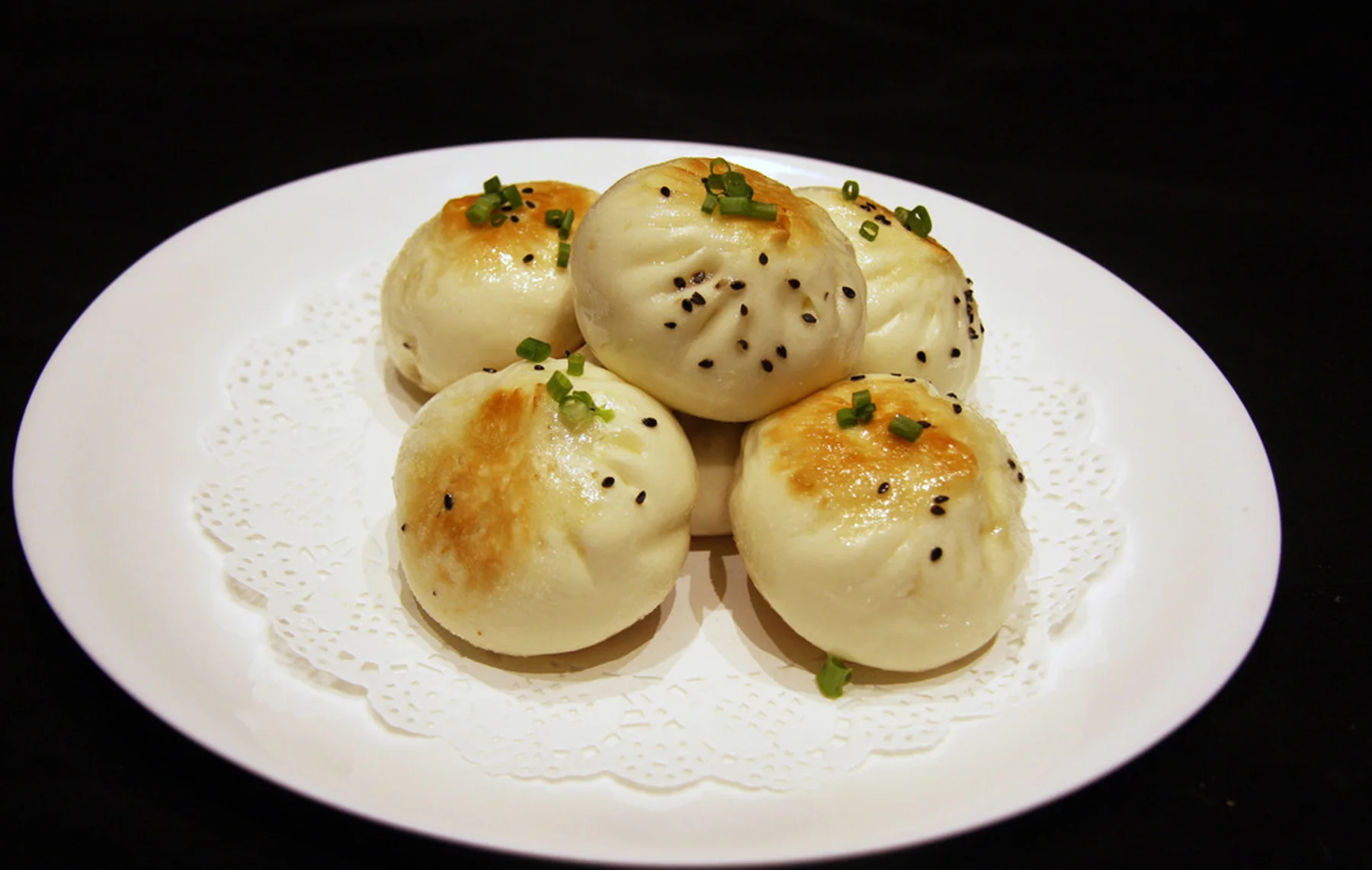
Shengjian must arrive hot enough to punish impatience. The browned base provides resistance; the upper dough stays softer; juice turns the first bite into a small engineering problem. That contrast is the point. A pale bun sitting under heat lamps may carry the right name and none of the pleasure.
Wontons supply the quieter half of the city's wheat-based comfort. Small wontons privilege wrapper, broth and speed; large wontons carry a more substantial filling and can become a meal. They belong to breakfast and ordinary neighborhood eating. Treating them as a side order under xiaolongbao's international fame misses their place in daily life.
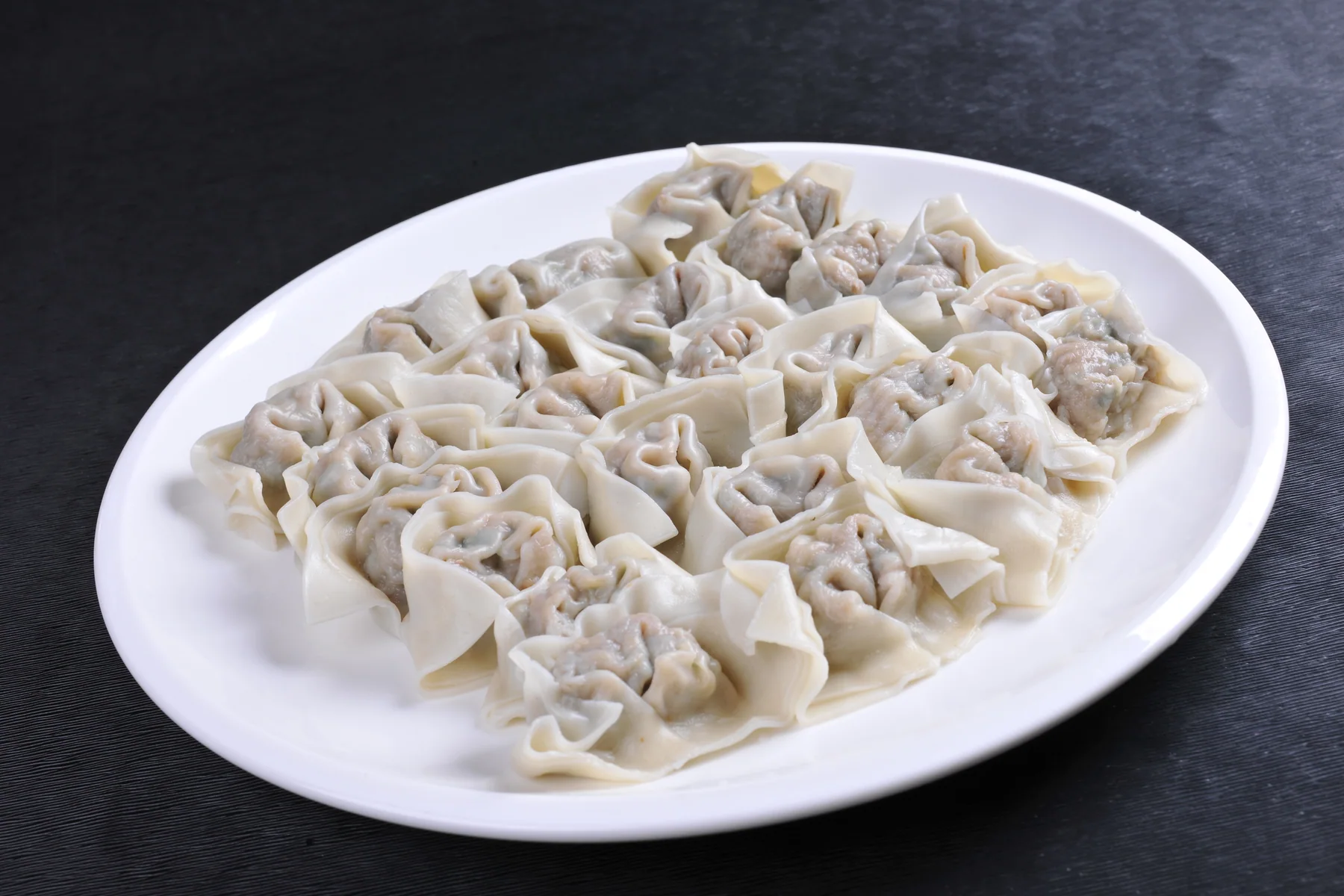
Give one morning to this argument. Eat shengjian first while the base is crisp, then try wontons or scallion-oil noodles on another morning. The city becomes more legible at a counter before 9 a.m. than in another cafe designed to look good at noon.
Seasonality matters. Hairy-crab dishes and other ingredients have particular periods, while braised foods, noodles, smoked fish and wheat-gluten preparations provide a broader year-round picture. Avoid describing all Shanghainese food as sweet; sweetness usually works with soy, vinegar, wine and savory depth.
The representative Shanghai list is a set of choices, not a race
| Experience | Keep it when... | Cut it when... |
|---|---|---|
| the Bund twice | this is your first visit | you have already read the river from both banks |
| Yuyuan and Old City | garden craft and redevelopment matter to you | you expect an untouched ancient quarter |
| Peace Hotel | architecture, jazz or hotel history is the subject | you only want a luxury selfie |
| Shanghai Disneyland | Disney is a main reason for traveling | you have only two central-city days |
| West Bund | current art and industrial reuse matter | no exhibition or riverside time interests you |
| shengjian and wontons | you want daily Shanghai alongside landmark Shanghai | never—change the shop, not the food task |
| one focused night district | you want the city after office hours | you plan to commute between rankings all night |
A three-day Shanghai itinerary
| Day | Morning | Afternoon | Evening |
|---|---|---|---|
| 1 | Bund architecture walk | People's Square museum area | Bund lights and a river crossing |
| 2 | Central lilong neighborhoods | Contemporary art or design district | Local noodles, bars or live music |
| 3 | Old City and market streets | Pudong or West Bund | Shanghainese dinner and night walk |
A fourth day can belong to Suzhou or to the Shanghai that begins beyond the central postcard.
A stronger four-day sequence
- Walk the Bund in daylight, cross the river and return after dark.
- Explore one central lilong and commercial district, then choose a museum or film program.
- Visit the Old City and Yuyuan early, continue through a contemporary neighborhood and eat a focused Shanghainese dinner.
- Give West Bund most of a day, or stay overnight in Suzhou rather than compressing its gardens into a hurried return trip.
Where to stay and when to visit
Huangpu is efficient for the Bund, museums and the Old City but can feel intensely visitor-facing. Jing'an and parts of Xuhui support cafes, nightlife and central neighborhood walking. Pudong suits business, modern hotels and airport-related priorities, though crossing the river repeatedly weakens a heritage-focused itinerary.
Book around an exact metro station, not a broad district name. An attractive address can sit a long walk from the entrance or on the wrong side of a major road. Hotel access matters especially with luggage, summer humidity or late-night arrival.
Spring and autumn usually provide the most comfortable walking. Summer is hot, humid and storm-prone; winter dampness can feel sharper than the temperature suggests. Public holidays intensify pressure along the Bund, Yuyuan and major museums.
Rain is not automatically a lost day. Covered commercial streets, museums, cafes and the metro support a flexible route, while wet pavement can clarify reflections and facade color. Typhoon or severe-weather warnings are different: follow official guidance and do not treat an exposed waterfront as a dramatic photo opportunity.
Getting around Shanghai
The metro is broad, efficient and often faster than road transport. Central walking is rewarding, but summer humidity and long blocks can change the calculation. Ferries are useful as transport as well as experience.
Shanghai Hongqiao combines major rail and air connections; Pudong International Airport is much farther from the center. Confirm which airport or railway station appears on the ticket before estimating transfer time.
River crossings should be chosen for experience as well as speed. The metro is usually efficient, but a public ferry keeps the Huangpu visible as working distance rather than a line beneath the map. Tourist cruises offer a longer skyline sequence at higher cost and with less connection to ordinary commuting. Neither is inherently better; decide whether the evening needs transportation, interpretation or a seated view.
Shared bicycles can be useful for short, legal routes where accounts and local rules permit, but dense traffic and unfamiliar intersections make them a poor default for first hours in the city. Walking provides detail; the metro preserves energy; taxis or ride-hailing solve luggage and late-night gaps. Each mode reveals or protects something different. None earns extra authenticity points.
Major museums and exhibitions may require timed reservations, close on particular weekdays or change foreign-document procedures. Confirm through the responsible institution and place the hardest booking first. If a museum is unavailable, do not replace it with another cross-city obligation simply to keep the schedule full. A focused architecture walk, public library or repeated waterfront section can preserve the day's question.
The wider Travel to China guide covers payment, connectivity and national transport preparation.
Suzhou and water towns are not interchangeable day trips
Suzhou offers major gardens, museums and a large contemporary city. Zhujiajiao and other water towns offer smaller-scale canal environments with their own tourism pressures. Choose Suzhou for architecture and urban depth; choose a water town for settlement-scale comparison. Trying to combine both with central Shanghai in one day produces only transport.
Fast trains make Suzhou practical, but the station transfer and reservation schedule still matter. An overnight delivers early garden hours and a calmer evening, while Shanghai remains easy to resume the next day.
Frequently asked questions about travel to Shanghai
How many days should I spend in Shanghai?
Three full days cover the Bund, central neighborhoods, museums and contemporary districts at a humane pace. Add a fourth day for Suzhou, an outer district or deeper food exploration.
Is the Bund better during the day or at night?
Morning reveals architecture and river work with fewer crowds; night delivers the famous skyline. Visit twice if possible because the same waterfront tells two different stories.
Can I take a day trip from Shanghai to Suzhou?
Yes. Fast trains make Suzhou practical as a day trip, though an overnight stay gives the gardens and older streets quieter hours.