To travel to Luoyang well, separate evidence from atmosphere. Longmen's carved cliffs, museum objects, archaeological foundations and reconstructed palace gates all tell important stories, but they are not the same kind of history. Luoyang becomes clearer when you compare it with Xi'an without wasting the trip on deciding which ancient capital is “better.”
The Luoyang culture guide explains those layers in depth. This page turns them into a realistic route, with enough time for transfers, food and the long act of looking at Buddhist sculpture.
Use the Chinese cities travel hub to decide whether Luoyang belongs beside Xi'an, Kaifeng or another Central Plains stop. For the heritage boundary behind the route, begin with the UNESCO Longmen Grottoes record.
Travel to Luoyang at a glance
| Travel decision | East Moment recommendation |
|---|---|
| Ideal first stay | 3 full days |
| Essential experience | Give Longmen Grottoes most of a day rather than treating it as one stop |
| Strongest city sequence | Luoyang Museum, Longmen, then White Horse Temple plus old-city and Sui-Tang sites |
| Best for | Buddhist art, archaeology, old-capital history, Central Plains food and historical interpretation |
| Main mistake | Combining Longmen, White Horse Temple and every illuminated reconstruction into one cross-city day |
I would not send a first-time visitor to Luoyang with a list of twelve “must-see” attractions. I believe three encounters are enough to unlock the city: stand before Longmen's carved cliff, let Luoyang Museum establish chronology, then watch a reconstructed gate turn scholarship into night-time spectacle. My rule is that each must remain honestly named. I want the stone to stay stone, the excavated object to stay evidence and the new illuminated building to stay a contemporary act of historical imagination. The mistake is not enjoying spectacle; it is allowing spectacle to impersonate survival.
Choose your route through this guide
| If you need... | Start with... |
|---|---|
| A first itinerary | City geography and the three-day plan |
| Longmen advice | The comparison method and recovery time |
| Historical context | The evidence ladder and archaeology sections |
| Buddhist sites | Longmen, White Horse Temple and the art-versus-devotion distinction |
| Seasonal planning | Peonies, weather and current booking procedures |
Luoyang is too spread out for a checklist itinerary
Longmen Grottoes lies south of the central urban area. White Horse Temple is east of the old city. Luoyang Museum and newer districts sit toward Luolong, while Yingtian Gate and other Sui-Tang city presentations occupy another central corridor. The map may show one city; the traveler experiences several long transfers.
Build each day around one geographic anchor. Use the first evening for food and orientation, not for catching up on a schedule that failed before lunch.
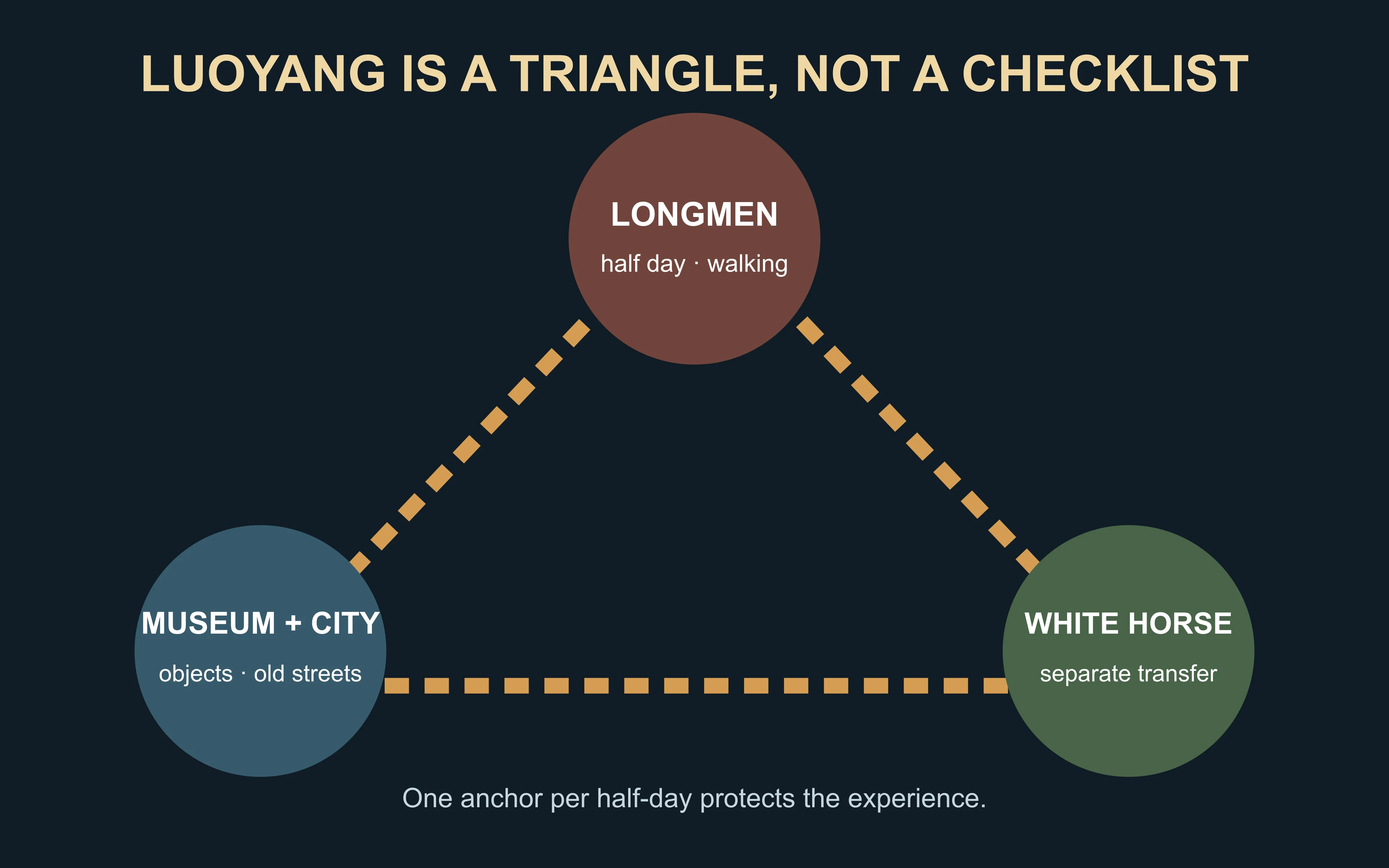
This sequence separates the southern Longmen day from the eastern temple route and the central evening city.
Use an evidence ladder to read an ancient capital
Luoyang's greatest travel challenge is not distance. It is that the city presents several kinds of historical claim at once. A carved cave, an excavated foundation, an object in a museum, a reconstructed gate, a costume performance and a modern street name can all refer to the past, but they do not carry the same evidence.
A simple evidence ladder keeps the trip intellectually clear:
| What you are seeing | What it can tell you | What it cannot prove by itself |
|---|---|---|
| In-situ sculpture or archaeology | Material, location, technique and traces of historical use | A complete story without interpretation |
| Excavated object in a museum | Craft, trade, belief, burial or daily life with documented context | The appearance of the entire ancient city |
| Later temple or memorial | How history and devotion continued to be interpreted | That every visible structure belongs to the earliest period |
| Modern reconstruction | Contemporary research, education, tourism and historical imagination | Unbroken architectural survival |
| Performance or costume experience | How the past is made emotionally accessible today | Direct access to ancient daily life |
This ladder is not a ranking from worthwhile to worthless. A reconstruction can create scale that fragmented archaeology cannot, while a performance can reveal the emotional power of a historical identity. The discipline is simply to name what kind of encounter you are having.
Use the same method when reading signs and guides. Prefer explanations that identify excavation, date, restoration and uncertainty. Be cautious when several dynasties are compressed into one timeless "ancient Luoyang." The city mattered across long periods precisely because it changed.
Essential Luoyang experiences
Longmen Grottoes deserves time, daylight and physical energy
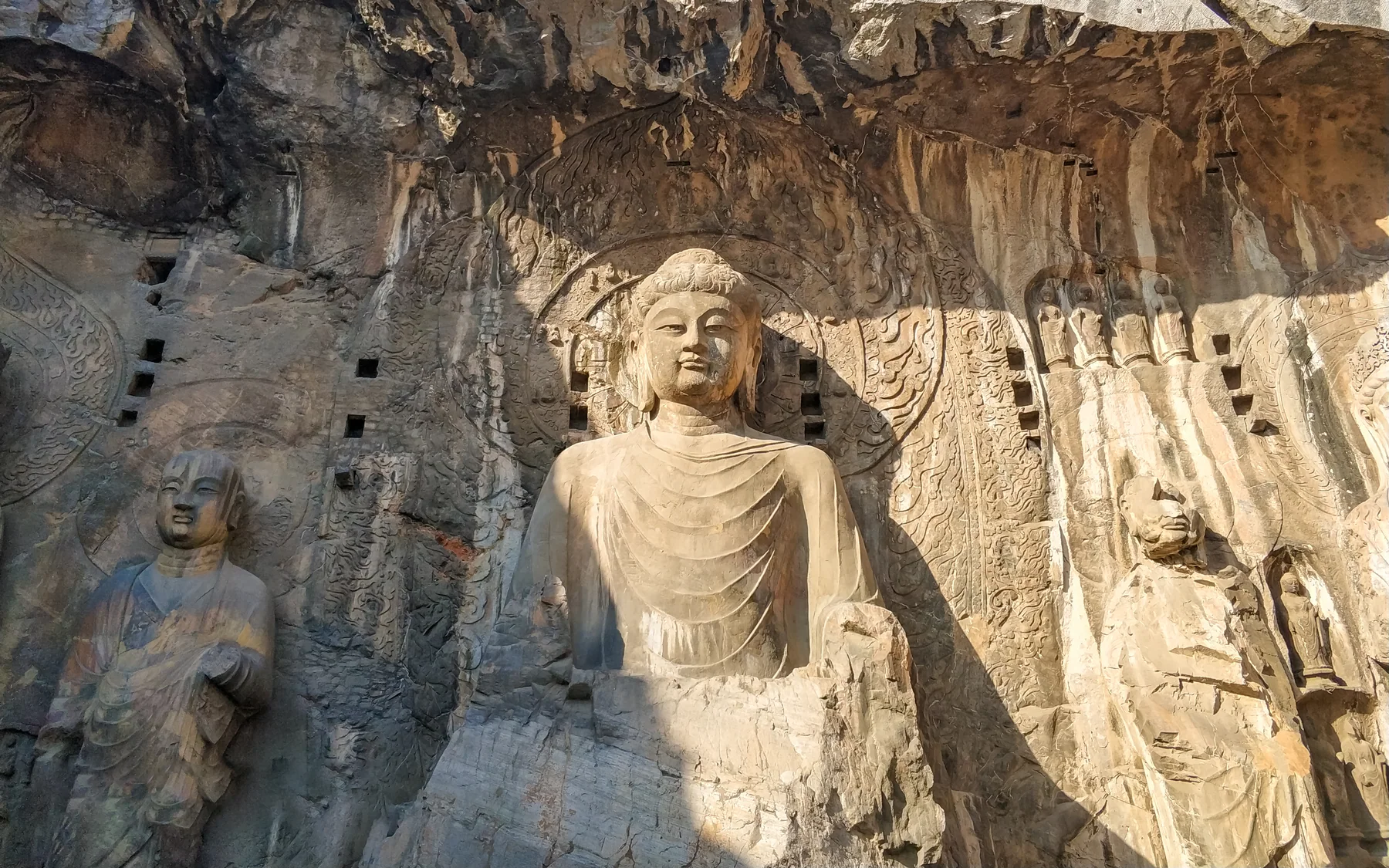
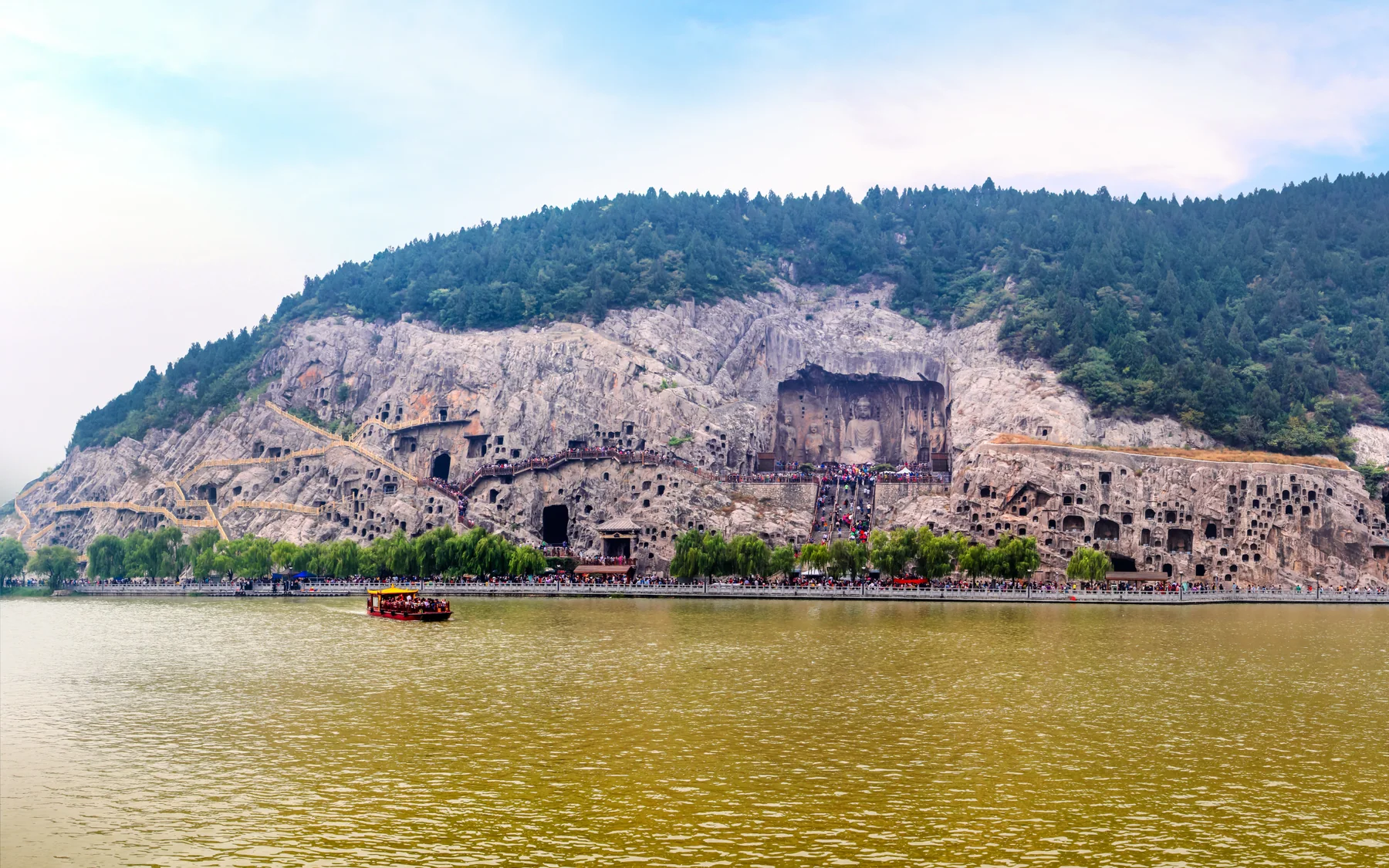
Longmen is a long riverside heritage landscape, not one giant Buddha followed by an exit. The most famous group at Fengxian Temple creates the immediate scale, but smaller caves and niches reveal changes in patronage, carving, damage and devotion that disappear when the visit becomes a race.
A practical way to look
Begin with overall cliff form, then choose a few caves for close attention. Compare the relationship between the main image and attendants, the treatment of drapery and faces, traces of pigment, inscriptions where interpretation is available, and the empty or damaged spaces that record later loss.
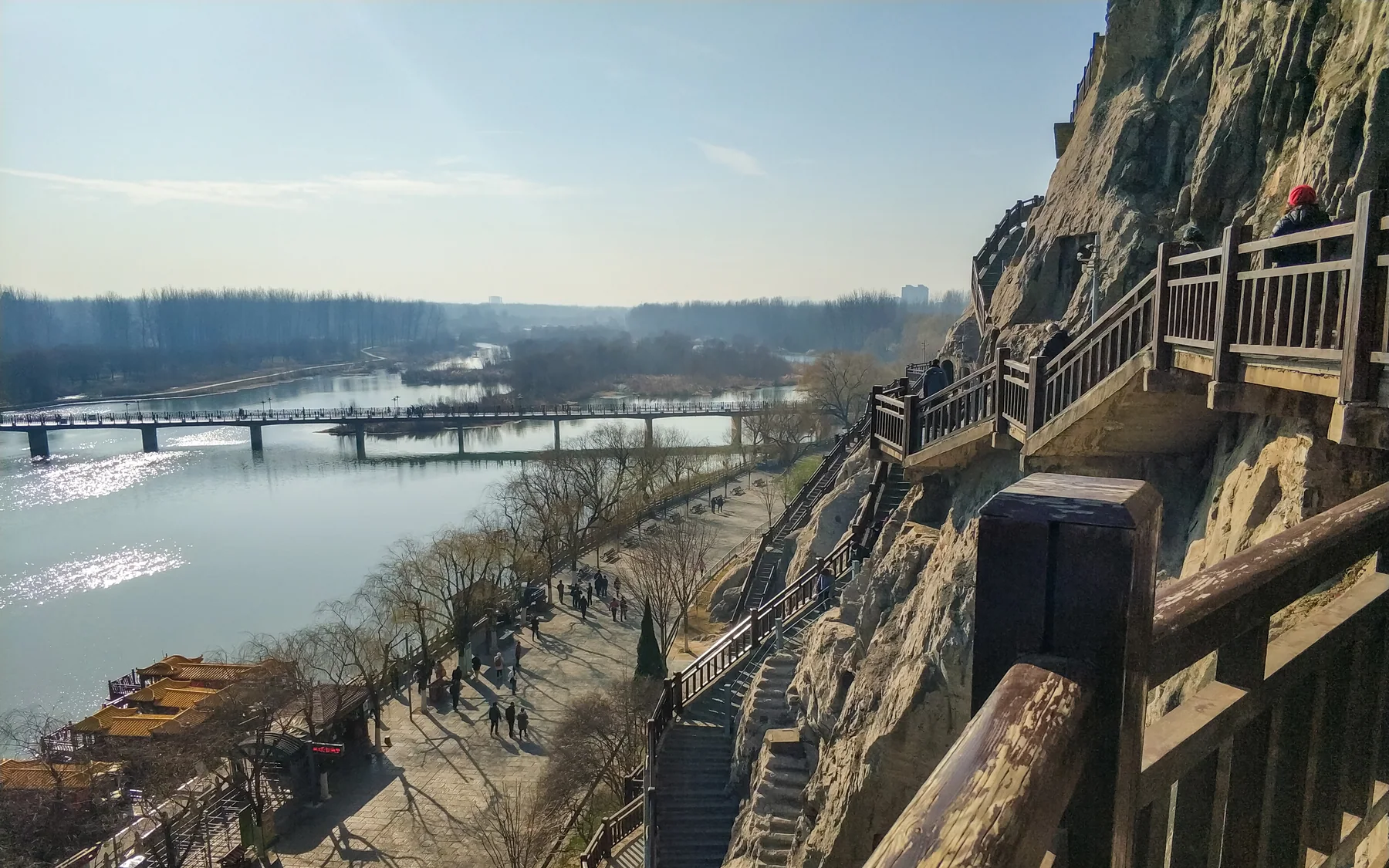
Expect substantial walking, exposed weather and stairs. Shuttle, entry, route and accessible-access arrangements can change, so verify official information shortly before the visit. Wear stable shoes and carry water without overpacking. Photography is not a substitute for looking; some surfaces read better to the eye than through aggressive phone zoom.
Longmen rewards comparison more than completion
The pressure to "finish" Longmen can make visitors move quickly along the cliff, checking cave numbers while attention declines. A stronger visit chooses a limited set of comparisons. Look at one monumental group, one smaller devotional niche and one area where inscriptions or repeated small images change the visual rhythm. The differences reveal patronage and religious practice more clearly than the total number of caves passed.
At Fengxian Temple, step back before approaching the central figures. The ensemble was designed relationally: central scale, attendants, guardians, cliff surface and the river landscape work together. A close photograph of the main face is powerful, but it removes most of that relationship. Spend time at more than one distance.
Damage is part of the site history. Missing heads, weathered details and empty spaces may reflect natural decay, historical destruction, removal or looting in different periods. Do not invent a cause from appearance alone. Use official interpretation where available and let uncertainty remain visible. Responsible travel includes refusing to turn every damaged sculpture into a dramatic but unsupported story.
Conservation also changes access. Barriers, closed niches and limits on lighting or photography protect a vulnerable site. A visitor is not owed proximity to every surface. Bring binoculars if close visual study matters, and avoid touching rock or leaning across boundaries for a better angle.
The east-bank view, when included in the current route, can restore overall scale after detailed cave viewing. It shows cliff, river and circulation as one landscape. If energy is limited, prioritize the west-bank caves and one broad viewpoint rather than forcing every section.
Build recovery time into the day
Longmen combines concentration with physical effort. After leaving, do not schedule another major museum simply because evening remains open. Eat, rest and write down three objects or details you remember. That short recovery turns the visit into knowledge rather than visual overload.
Put Luoyang Museum before the reconstructed gates
Luoyang Museum gives chronology and material context for a city repeatedly used as a capital. Visit it early in the trip so later gates, parks and archaeological sites have a framework. Do not attempt every label. Follow a few questions: where was the object found, which city layer did it belong to, and what can it actually prove?
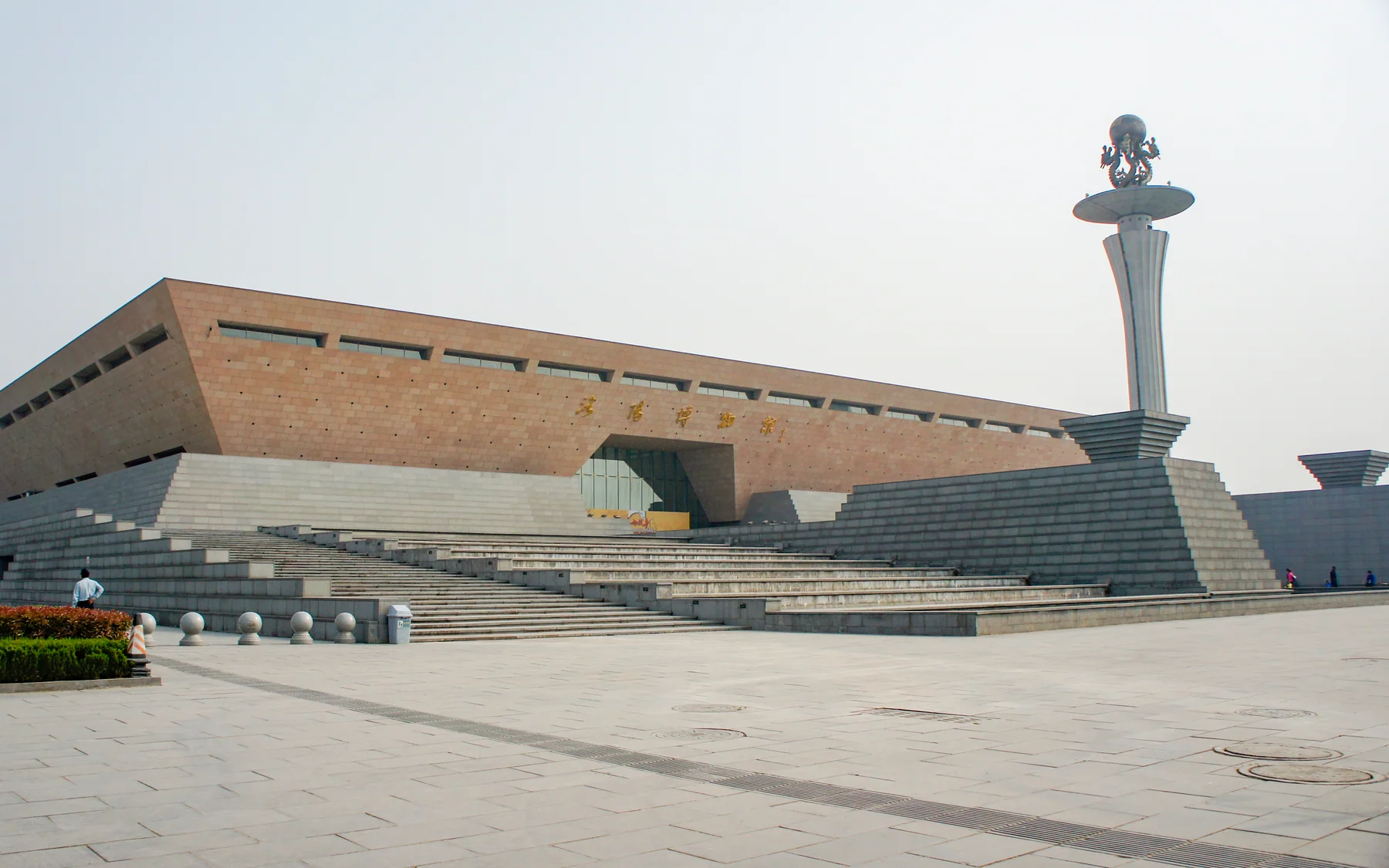
This habit prevents a common travel error: assuming that every illuminated roof in the modern city is surviving Tang architecture.
Archaeology makes absence visible
Ancient capitals are often hardest to understand where the original city no longer stands above ground. Luoyang asks visitors to imagine walls, avenues, palaces and neighborhoods from foundations, excavated objects, site plans and later urban markers. This can feel less spectacular than a preserved old town, but it is a more honest encounter with how cities disappear.
When visiting an archaeological park or exhibition, locate yourself before reading every dynasty name. Which direction did the main axis run? How large was the excavated area compared with the former city? Are foundations original, protected beneath a shelter, outlined on the surface or reconstructed? A clear plan can be more valuable than a decorative building.
Absence also explains why modern Luoyang uses light, monumental gates and performance to restore emotional scale. Residents and visitors want a capital they can see. The modern city responds by translating fragmentary evidence into public space. That translation deserves analysis rather than automatic dismissal.
Look for places where archaeology and ordinary urban life meet: a major road following or cutting across an older axis, a neighborhood named after a former gate, a museum object found beneath later construction. These points reveal that the ancient city is not located in one attraction. It is distributed beneath and within the contemporary one.
The separate Luoyang culture guide develops the capital history in greater depth. On the travel route, the goal is to learn enough chronology to stop treating every period as scenery from the same imagined golden age.
White Horse Temple is a separate eastern route
White Horse Temple is traditionally associated with the early transmission of Buddhism into China, but its present landscape contains structures and interventions from different periods. Treat it as a living religious institution with a long history, not as a frozen scene from the first century.
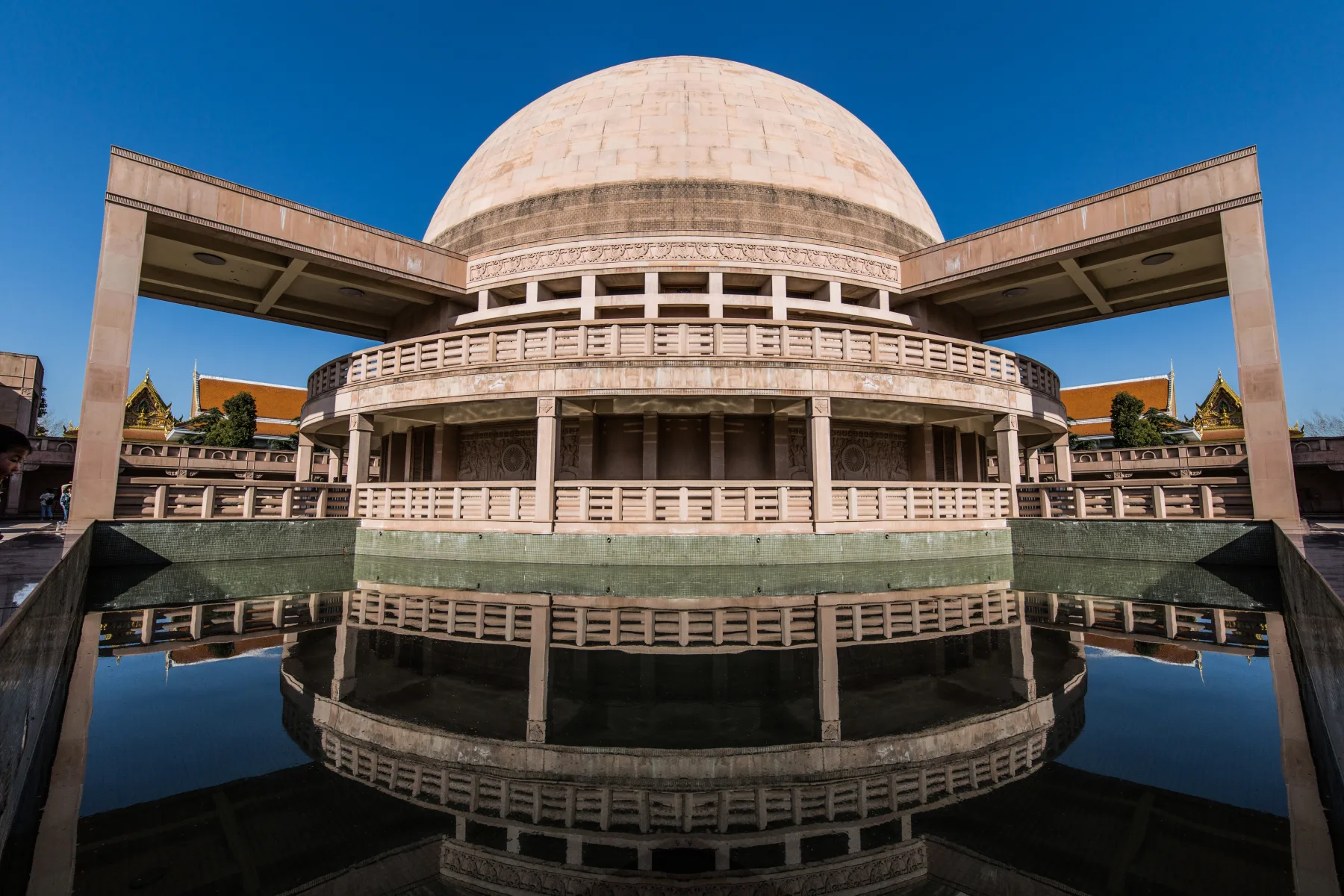
Allow for the trip east and for current entry procedures. Dress respectfully, keep voices low near worship and check photography rules. If your day is already anchored at Longmen, leave White Horse Temple for another day.
Build a Buddhist-art route without flattening Buddhism into art
Longmen and White Horse Temple are often placed in the same itinerary because both are associated with Buddhism. They offer fundamentally different encounters. Longmen foregrounds carved material, patronage, iconography and conservation within a monumental landscape. White Horse Temple foregrounds an active institution, devotional behavior, later rebuilding and the memory of transmission.
Visit Longmen first if sculpture and art history are your strongest interests. Visit White Horse Temple first if living religious practice and institutional continuity matter more. With three days, keep them separate so the second site can revise what the first taught you.
At a working temple, visitors should not treat monks, worshippers or offerings as extensions of the architecture. Stand aside during ritual movement, avoid loud interpretive conversation near halls and follow current rules for photography. International-style buildings or newer halls within the complex belong to modern religious and diplomatic relationships; label them by their own dates and purposes rather than presenting the entire site as one ancient survival.
This route can also include Guanlin if you are interested in the religious afterlife of historical figures, but it adds another distinct tradition and geographic stop. Do not compress every sacred site into one "religion day" without understanding the differences among Buddhist devotion, popular worship, state commemoration and tourism.
Enjoy Yingtian Gate without mislabeling it
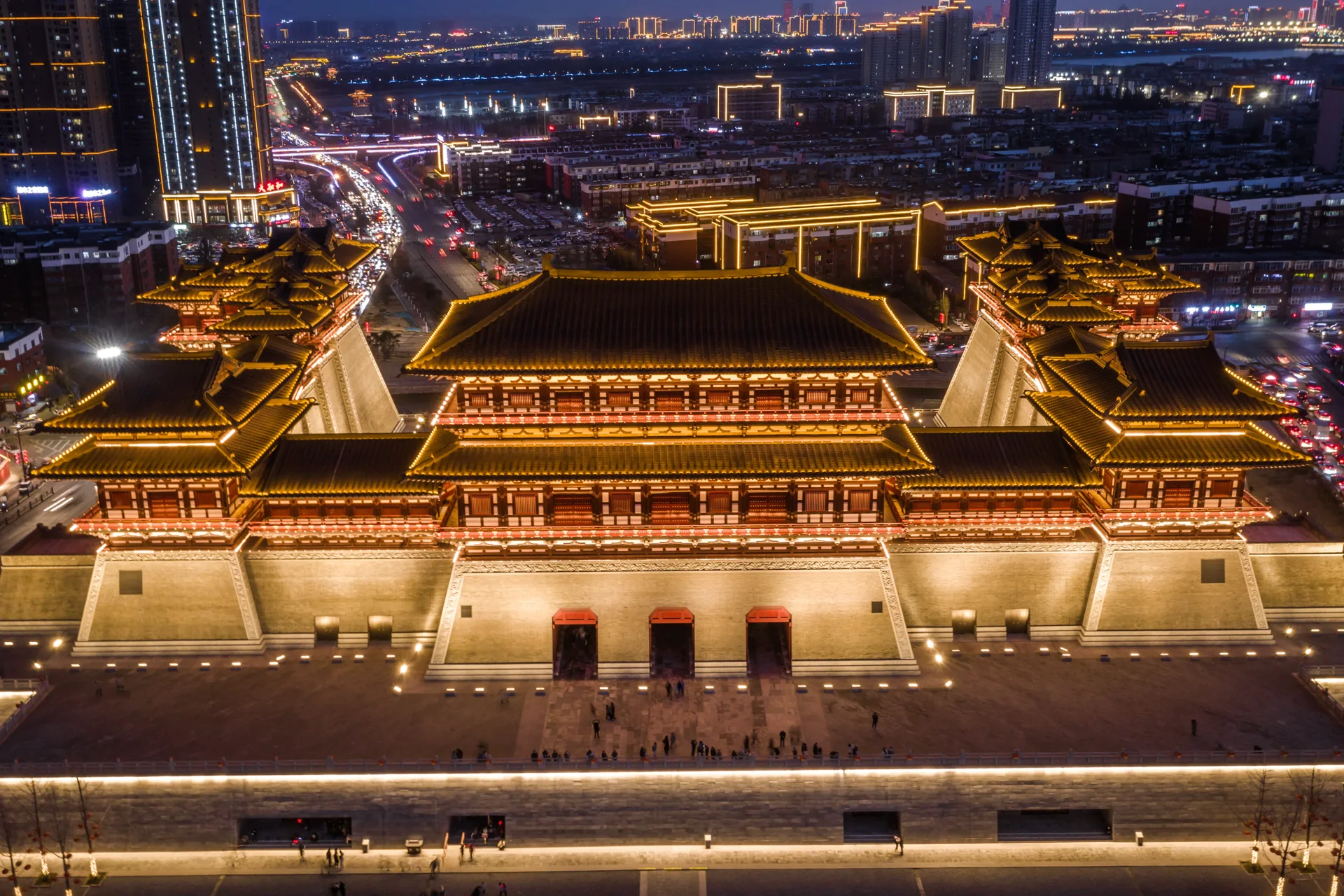
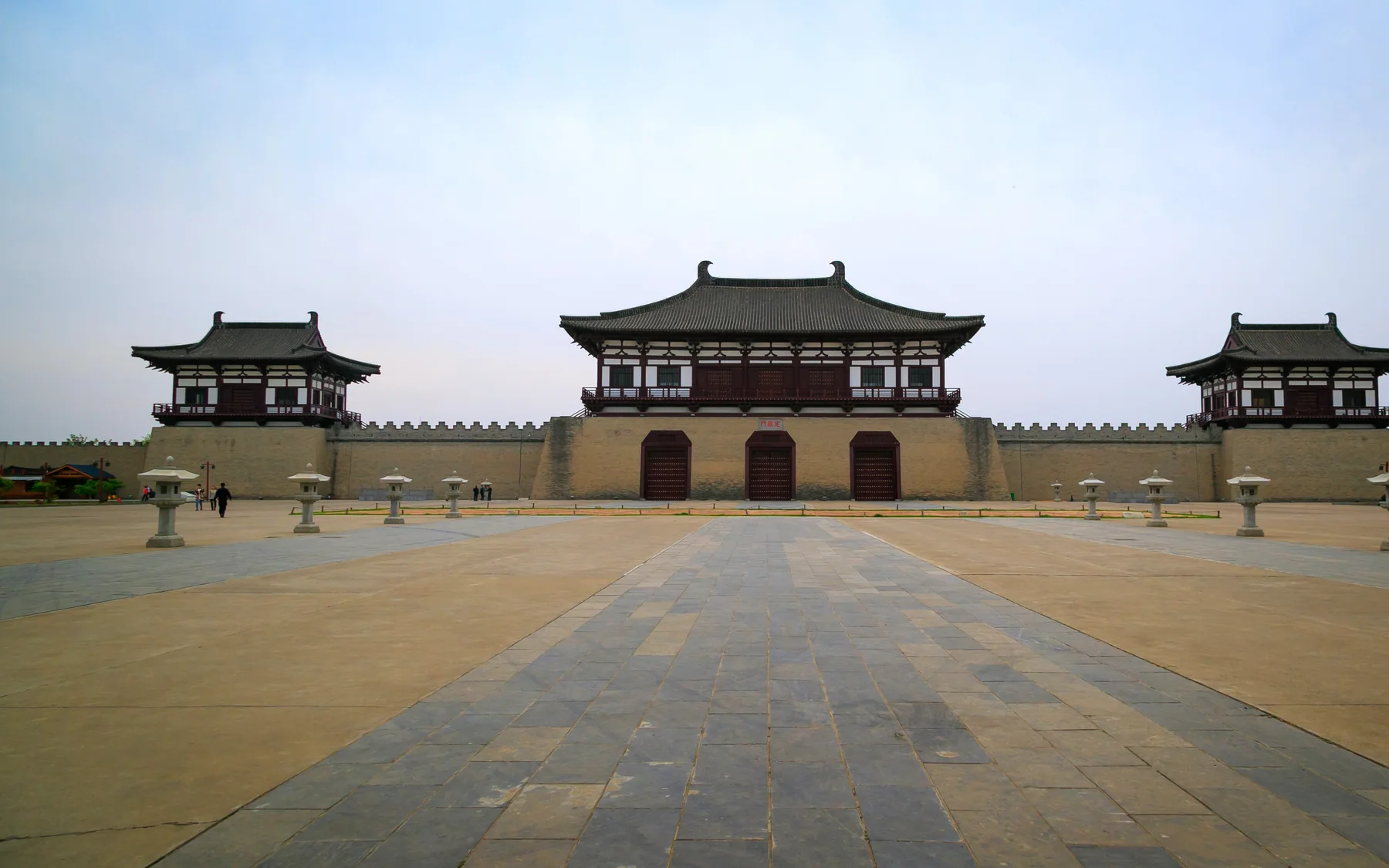
The reconstructed and interpreted Sui-Tang city area creates a strong evening public spectacle. Lighting, costume photography and monumental axes help residents and visitors imagine the former capital's scale. They do not turn a modern superstructure into untouched ancient fabric.
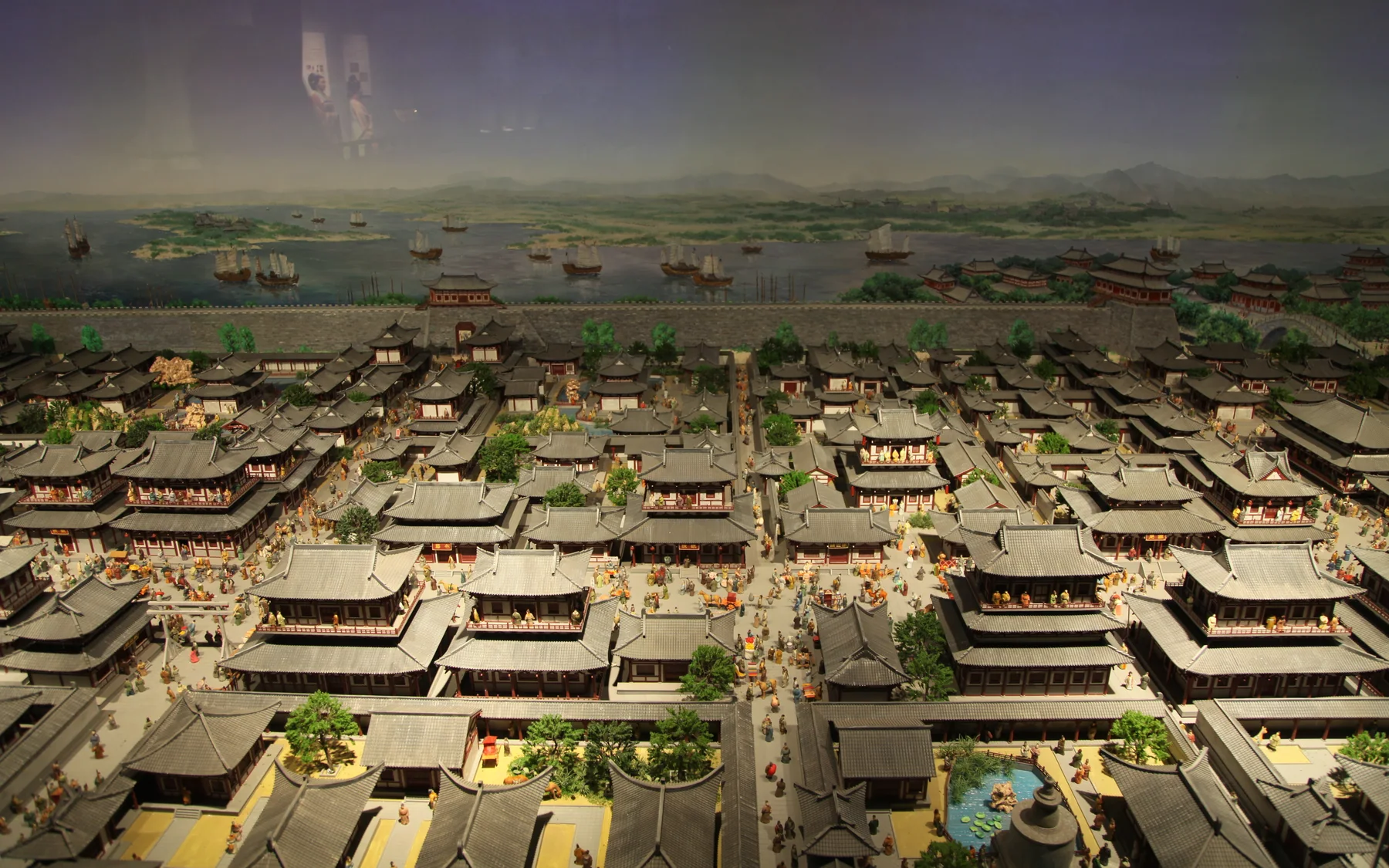
Visit after a museum or archaeology-focused day. The contrast is the point: material evidence, scholarly interpretation and contemporary historical entertainment can coexist if you keep the categories visible.
Costume photography is part of Luoyang's modern historical economy
Around reconstructed gates and festival zones, clothing rental, makeup, photography and short-form video turn dynastic imagery into a participatory experience. It is easy to dismiss this as superficial, but doing so misses how historical identity is being produced in the present. People are not only looking at a capital; they are briefly placing themselves inside an imagined version of it.
Join if it sounds enjoyable, but understand the product. A rented outfit may combine references for visual effect rather than strict historical accuracy. A photographer may know flattering locations better than the site's archaeology. The resulting image records contemporary heritage culture, not proof of how a particular Tang or Sui resident dressed.
Ask about the full price, image delivery, makeup removal, deposit and time limits before changing clothes. Avoid blocking public routes or climbing protected surfaces for a pose. If you photograph other participants, request permission; wearing costume in a public heritage zone does not remove personal boundaries.
For observers, the scene is valuable even without participation. Notice which dynasties are popular, how lighting creates a cinematic capital and how commerce extends the life of public space after museum hours. The modern reconstruction succeeds partly because it supports this social performance. That is a real urban function, even when it is not ancient architecture.
Pair the evening with a daytime archaeological or museum visit. Without that contrast, spectacle can become the only story. With it, the visitor can see how evidence is converted into emotion, identity and an evening economy.
Peony season changes the entire trip
Luoyang's peonies are not a permanent attraction. Flowering usually centers on spring, especially April, but timing varies by cultivar, garden and weather. A photograph from last year's peak is not a forecast.
If flowers are the main reason for travel, check live bloom reports and current festival information, then reserve rail and accommodation early. If they are secondary, do not let a disappointing bloom day replace Longmen or the museum.
Peonies reveal how a city manages seasonal identity
During bloom, peonies affect far more than garden choice. Hotel rates, rail demand, traffic, opening schedules, public decoration and the number of temporary events can all change. The city presents itself through the flower, and visitors arrive with a narrow visual expectation shaped by peak-bloom images.
Choose the trip only after deciding whether the flowers are essential or an added pleasure. If essential, preserve flexibility across more than one garden or day because cultivars and microclimates differ. If optional, build a normal Luoyang itinerary and treat a good bloom as a bonus. This protects the trip from weather that no planner can control.
Early morning is usually more comfortable for popular displays, but opening procedures and transport should be confirmed. Bring sun and rain protection; spring conditions can change quickly. Avoid stepping into planted areas or moving barriers for photographs. A crowded flower garden is still a managed living collection, not a studio set.
The peony also offers a useful comparison with the reconstructed capital. Both are forms of civic identity repeated through festivals, branding, souvenirs and public space. Ask how the city turns an inherited symbol into a modern event. That question creates depth even when the bloom is imperfect.
Compare Luoyang with Xi'an without asking which is “better”
What most guides get wrong
They sell Luoyang as a smaller Xi'an or as a sequence of dynastic photo sets. Its distinctive value is the effort of moving between carved evidence, buried urban layers, active religious sites and modern reconstructions without confusing their historical status.
Xi'an and Luoyang are often placed in competition because both served as major capitals. For travelers, the more useful distinction is experiential. Xi'an offers a highly legible city wall, globally famous archaeological attractions and a larger international tourism apparatus. Luoyang asks for more reconstruction in the mind: dispersed sites, carved cliffs, museum context and urban spaces where ancient scale is often evoked rather than continuously preserved.
If you have visited Xi'an, do not look for a smaller copy. Use Luoyang to examine Buddhist art, eastern capital geography and the problem of representing a city whose layers are fragmented. The reward is quieter interpretation and the feeling of discovering relationships that are not already packaged into one dominant route.
Travelers new to Chinese history may find Luoyang demanding. A museum-first sequence solves much of that problem. Travelers already familiar with dynasties should resist turning the trip into a date test; material, spatial and religious differences matter more than reciting a chronology.
The two cities work well together only with sufficient time. A rushed transfer that gives each one a single day produces exactly the checklist behavior both deserve to escape.
Build a 2, 3 or 4-day Luoyang itinerary
| Length | Recommended sequence | What to leave out |
|---|---|---|
| 2 days | Longmen; then Luoyang Museum plus old city and Yingtian Gate | White Horse Temple unless it is a primary interest |
| 3 days | Add White Horse Temple, a focused archaeology stop and unhurried food | Laojun Mountain and distant county excursions |
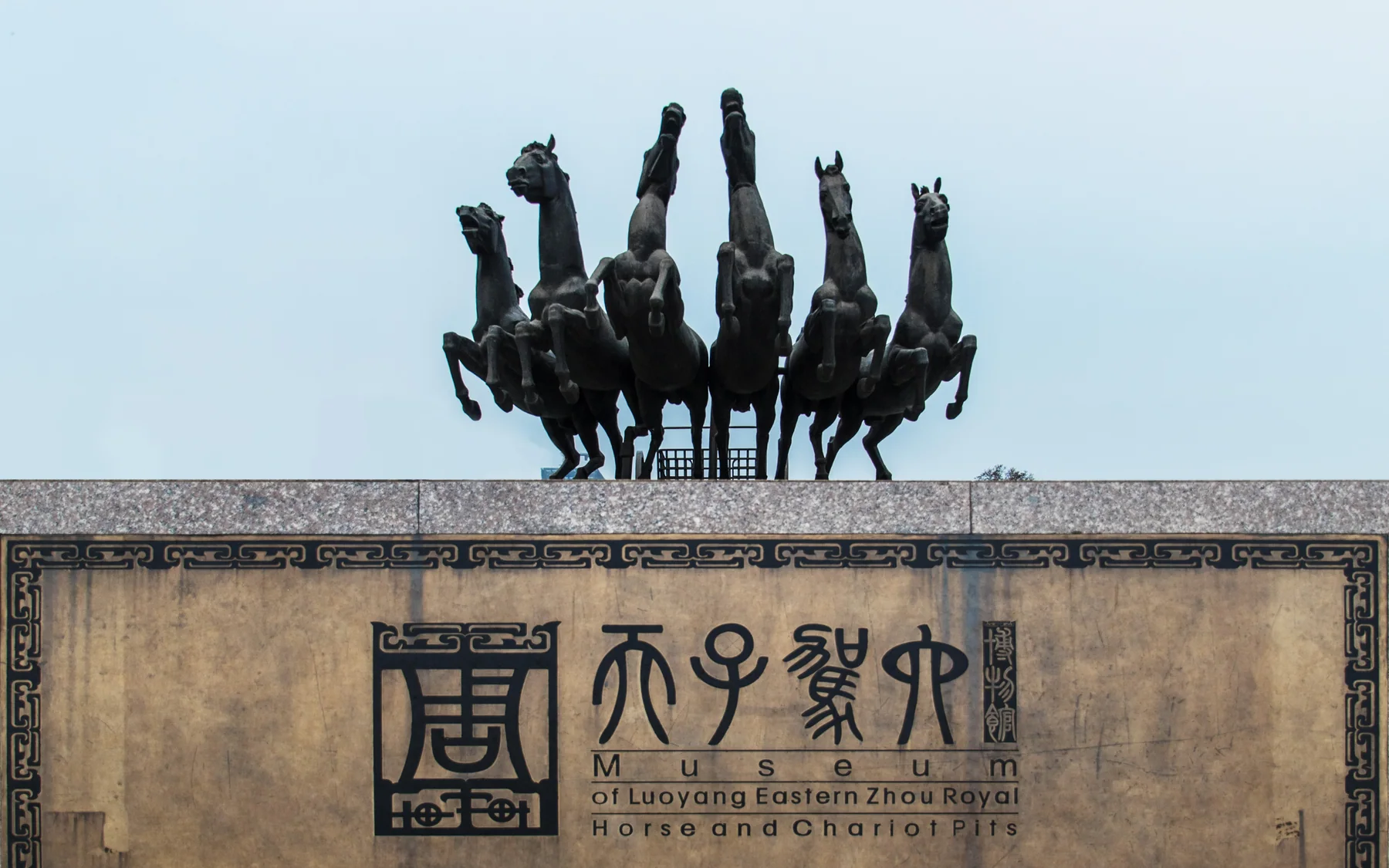
| 4 days | Add Guanlin, chariot-pit archaeology, industrial heritage or a deeper Sui-Tang route | More than one large out-of-city excursion |
A strong three-day plan
- Start at Luoyang Museum, orient yourself in the new city and eat a simple local dinner.
- Give Longmen most of the day, then rest before a light evening meal.
- Visit White Horse Temple, return through an old-city or archaeology route, and see Yingtian Gate after dark if the spectacle interests you.
Where to stay
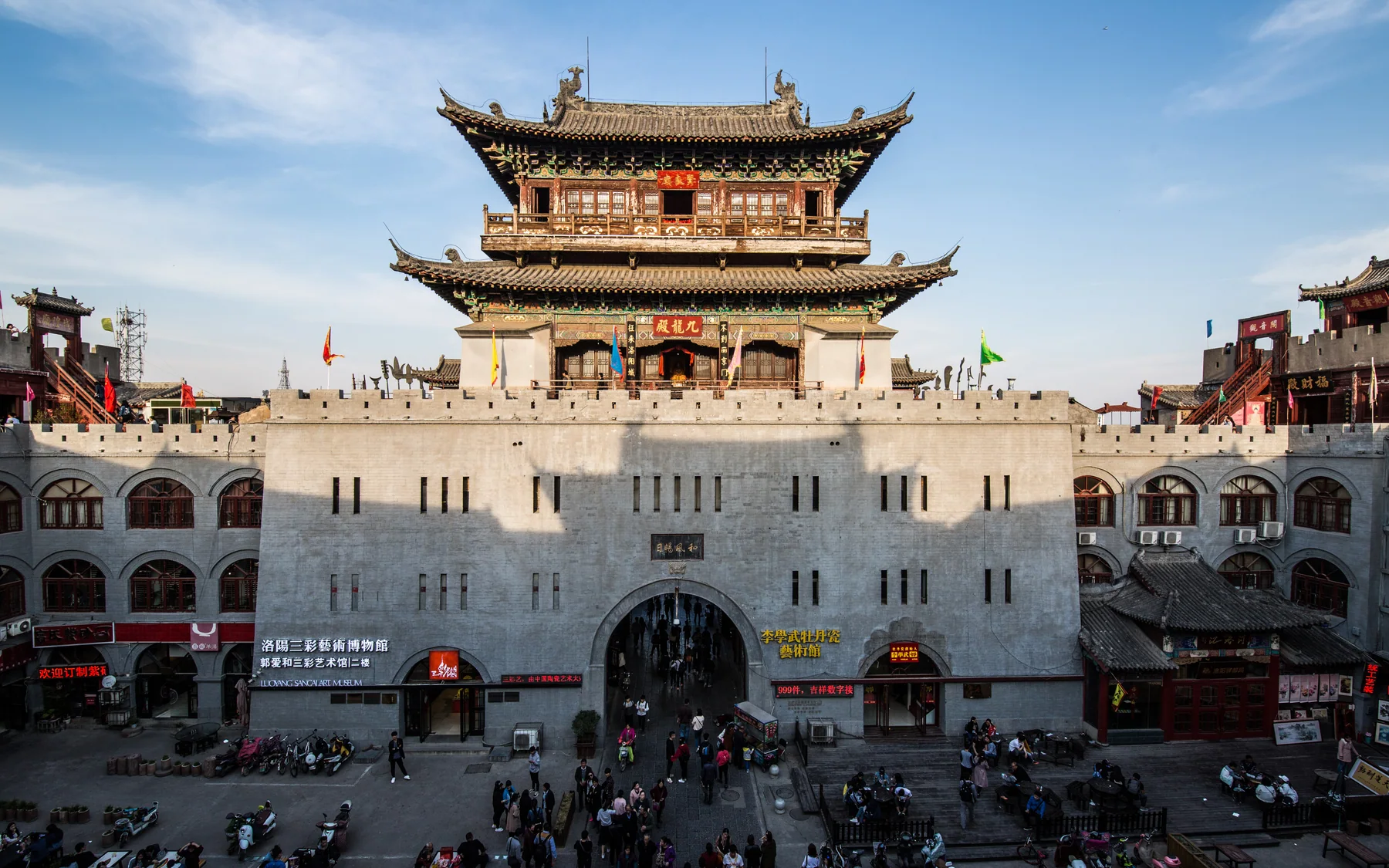
Choose Luolong or a central metro-connected area for efficient access to Luoyang Museum, Longmen and high-speed rail. Choose the old-city side for evening food and street life, accepting longer transfers south and east. The Yingtian Gate area suits travelers focused on night views and costume culture, but it can overrepresent reconstructed Luoyang.
Luoyang Longmen Station and Luoyang Station are different. Confirm the exact station on every ticket before choosing a hotel. A property that is convenient for high-speed rail may not be the best base for evening neighborhoods.
Eat breakfast before chasing the Water Banquet
The Water Banquet is Luoyang's ceremonial headline and works best for a group able to share multiple dishes. A solo traveler may learn more from morning beef or mutton soup, noodles, flatbreads and the rhythm of a neighborhood shop. Some breakfast specialists close early or sell out.
Use our Luoyang food guide for a meal sequence and the Henan cuisine guide for the wider Central Plains logic of wheat, soup and hospitality.
Practical planning and excursions
Laojun Mountain is not an easy city add-on
Laojun Mountain lies in Luanchuan County. Road transfers, scenic-area transport, cableways, stairs, queues and mountain weather make it a separate journey. A long day trip may be possible with careful planning, but an overnight is often more honest about the distance. Do not sacrifice Longmen because social media made a mountaintop night view look adjacent to downtown.
Best seasons, booking and documents
Spring brings peonies and high demand. Summer can be hot, humid and stormy, especially on exposed Longmen routes. Autumn usually supports the easiest urban walking; winter is quieter but cold, with possible ice on steps and mountain routes.
Major museums and heritage sites may use real-name booking and passport entry. Foreign-document support and reservation channels can change. Keep Chinese place names and hotel addresses offline, and read Travel to China for payment, rail and connectivity preparation.
Pair Luoyang with Kaifeng only if you can give each city time. Luoyang teaches through cliffs, archaeology and repeated capitals; Kaifeng teaches through a buried Song city, surviving pagodas and modern historical imagination.
Frequently asked questions about travel to Luoyang
How many days do I need in Luoyang?
Two full days can cover Longmen Grottoes, Luoyang Museum and one city-history route. Three days is much better for White Horse Temple, the old city and unrushed meals; add more time for Laojun Mountain or other county-level excursions.
Is Luoyang worth visiting if I have already been to Xi'an?
Yes. Both were major capitals, but Luoyang offers a different relationship among Buddhist art, the Central Plains, dynastic memory and a less internationally saturated modern city.
When is peony season in Luoyang?
Peonies are generally associated with spring, especially April, but flowering and festival dates vary with weather and year. Confirm current local information before planning a trip around bloom.