Luoyang food is organized by liquid, but it is not monotonous. A formal Water Banquet sends soup and sauced dishes across a shared table in sequence. At breakfast, specialist shops build deep beef, lamb, donkey-meat or tofu broths before most visitors have left their hotels. Between them lie sour-peppery dishes, radish knife work, fermented noodles, fried meatballs and wheat staples designed to absorb flavor.
Luoyang food at a glance
| Food | Chinese name | Best time | What defines it |
|---|---|---|---|
| Luoyang Water Banquet | 洛阳水席 | Shared lunch or dinner | A banquet sequence centered on soups and dishes with flowing sauces, commonly presented in a 24-course full format |
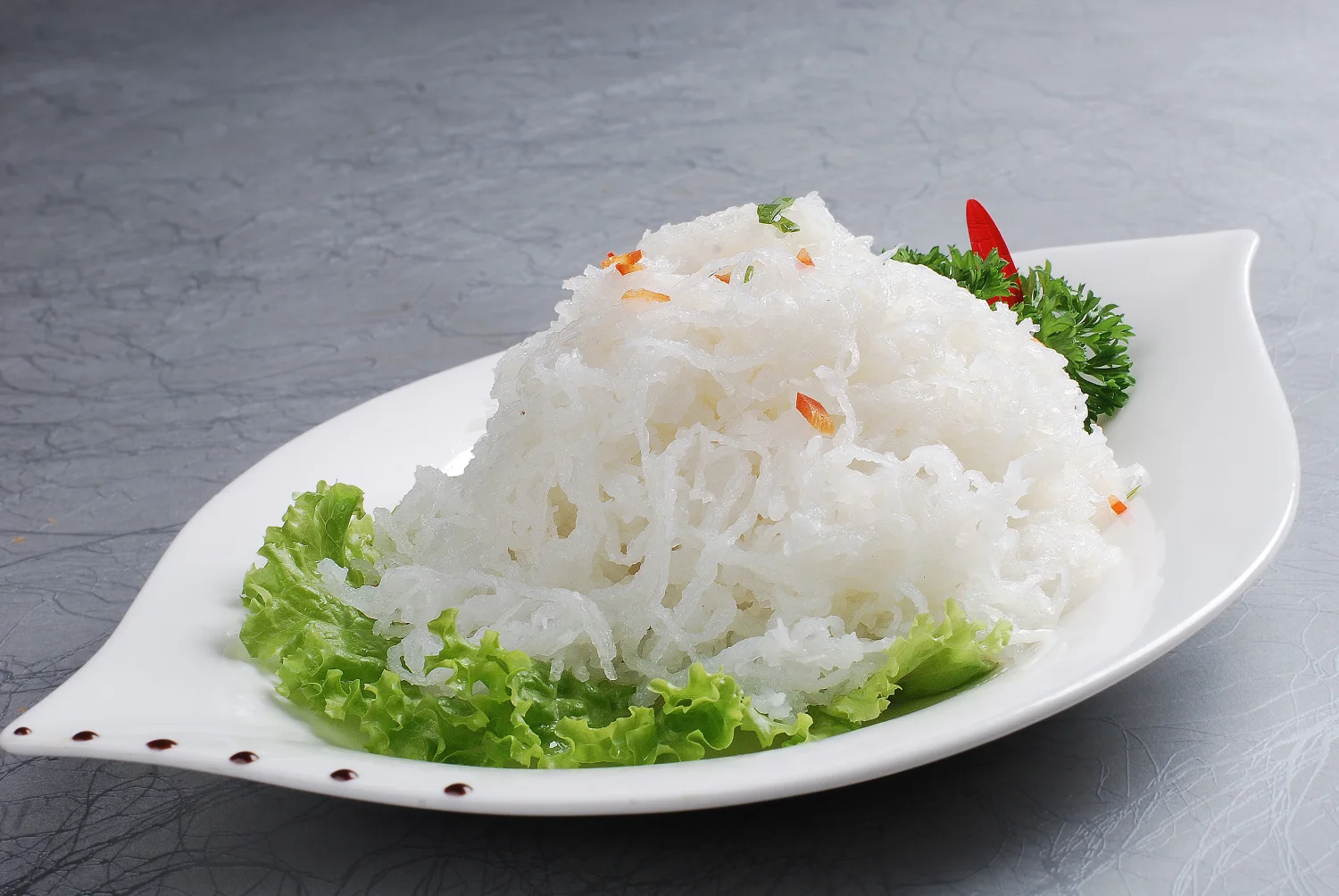
| Peony yan cai | 牡丹燕菜 | Banquet or regional restaurant | Radish cut and prepared into fine strands, served in broth and often arranged with a peony-like presentation |
| Beef soup | 牛肉汤 | Early breakfast | Long-cooked beef broth with sliced meat, herbs and bread or flatbread added to taste |
| Lamb soup | 羊肉汤 | Breakfast or lunch | Aromatic mutton or lamb broth, often with meat, offal options, scallion and cilantro |
| Bufan tang | 不翻汤 | Breakfast, snack or light meal | A local soup built around a thin pancake-like piece that is cooked without turning, with broth and varied additions |
| Jiangmian noodles | 浆面条 | Lunch or simple dinner | Noodles in a lightly sour fermented liquid, commonly balanced by vegetables and small toppings |
| Lian tang rou pian | 连汤肉片 | Shared meal | Sliced pork and vegetables in a sour, peppery, glossy soup-like sauce |
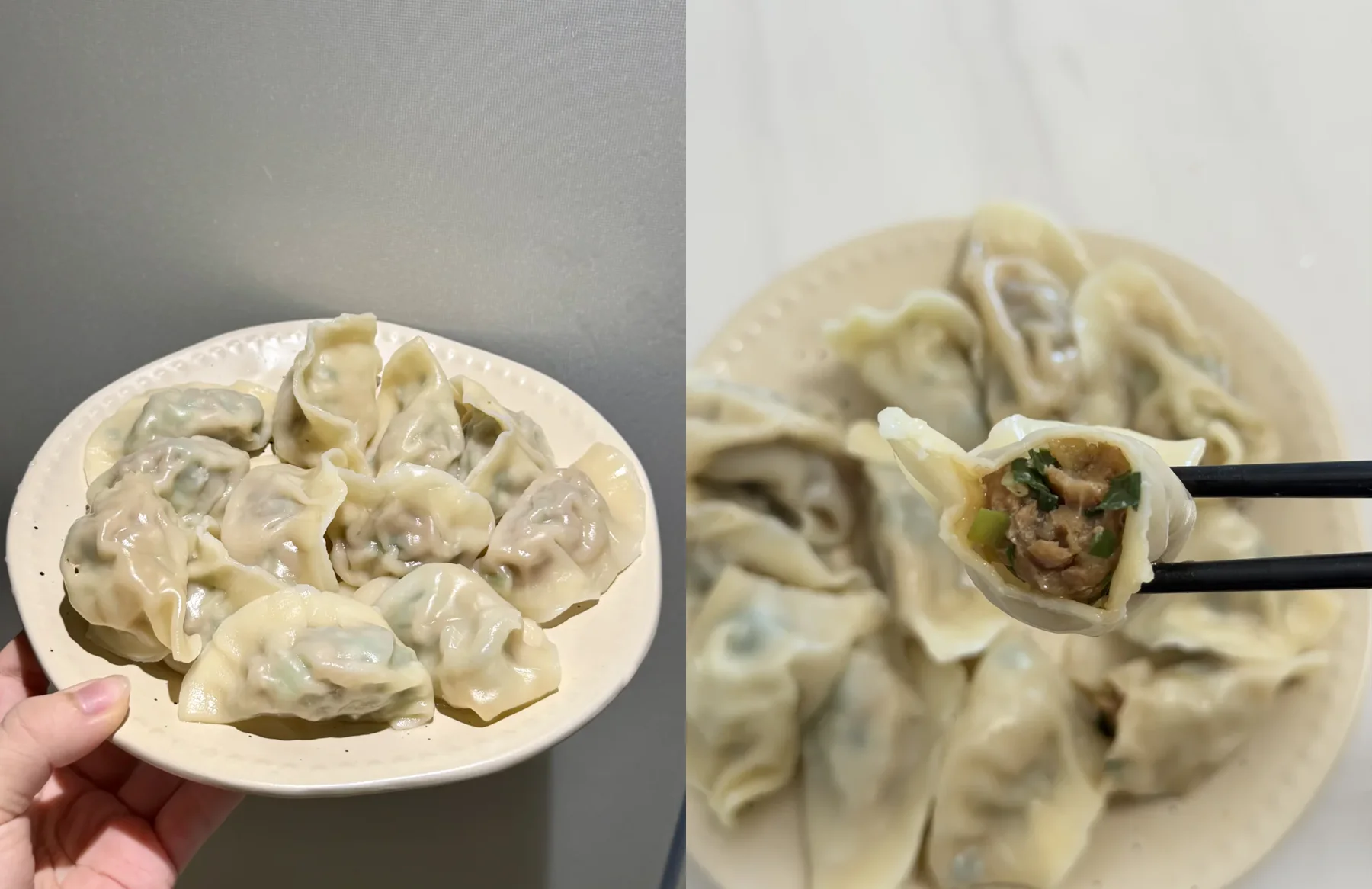
| Guotie | 锅贴 | Breakfast, snack or shared staple | Pan-fried dumplings with a browned base and juicy filling |
Luoyang food is a city system within Henan cuisine
Our broader Henan cuisine guide explains the province's wheat culture, Zhengzhou huimian, hulatang, Kaifeng dishes and regional range. Luoyang deserves its own page because the city's defining logic is different. The Luoyang city guide supplies the historical geography behind that difference, while our Chinese noodles guide helps identify where jiangmian belongs in the wider wheat landscape.
Here, soup is both daily infrastructure and formal hospitality. Dry climate is often offered as a simple explanation, but climate alone cannot create a cuisine. Specialist shops, local agriculture, wheat staples, halal foodways, banquet institutions and a tourism economy all helped soup become part of Luoyang's public identity.
Do not attach every bowl to an emperor. Luoyang's dynastic prestige encourages origin legends, yet restaurant dishes change over time. A careful food traveler can appreciate a story while asking whether it is documented history, local memory or contemporary branding. The Henan Provincial People's Government is useful for official regional context; it does not replace tasting a shop's broth or checking a restaurant's current menu. For the longer agricultural and regional history behind that caution, E. N. Anderson's The Food of China at Yale University Press is a stronger frame than a restaurant legend repeated without a date.
I think the fastest way to misunderstand Luoyang is to arrive at noon, order one ornate Water Banquet plate and call the city “soup food.” Its real rhythm starts much earlier. Morning broth is not a preview of the formal meal; it is its own social language, direct and sustaining. Later, a Water Banquet works because it lets sourness, pepper, soft radish, meat and hot liquid take turns across a table. The city is not asking for one heroic bowl. It is asking you to notice how a practical breakfast and a ceremonial dinner can share the same confidence in broth.
Water Banquet means sequence, not one famous soup
The Luoyang Water Banquet is a structured shared meal. Dishes arrive in succession, and many contain broth or a flowing sauce. A full modern format is commonly described as twenty-four courses, but course names, ingredients, presentation and portion size vary by restaurant.
The word "water" has several popular explanations: the prevalence of liquid dishes, the flowing rhythm of service and the way courses arrive one after another. Treat these as interpretive traditions rather than one proven origin formula.
How a Water Banquet works
| Element | What to expect | Why it matters |
|---|---|---|
| Opening | Cold dishes and an elaborate first soup or centerpiece | Establishes abundance, color and the restaurant's house style |
| Flow | Hot soups and sauced dishes arrive in a planned order | Flavor should move between sour, savory, peppery, rich and refreshing rather than repeat one broth |
| Sharing | Bowls and platters are placed at the center | The meal assumes a group; individual tasting portions may not be available |
| Staple | Wheat or other filling foods may appear within or beside the sequence | Do not order extra noodles before understanding the banquet's volume |
| Finish | Final dishes complete the sequence and signal closure | Ask staff how many courses remain before adding food midway |
The banquet is most convincing when pacing works. A weak version can feel like many similar bowls arriving too quickly. A thoughtful version keeps texture distinct: crisp fried components soften slightly in sauce, radish strands remain delicate, meat does not disappear into starch and vinegar brightens rather than overwhelms.
Peony yan cai begins with radish, not decoration
Yan cai is one of the Water Banquet's defining dishes. Despite the name's association with "swallow vegetable," its central ingredient is commonly radish, cut into very fine strands and processed to change its raw sharpness and texture.
The peony arrangement connects the dish to Luoyang's flower identity, but visual resemblance is only the surface. Knife work creates even strands. Preparation controls radish aroma. Broth determines whether the result tastes layered or merely decorative.
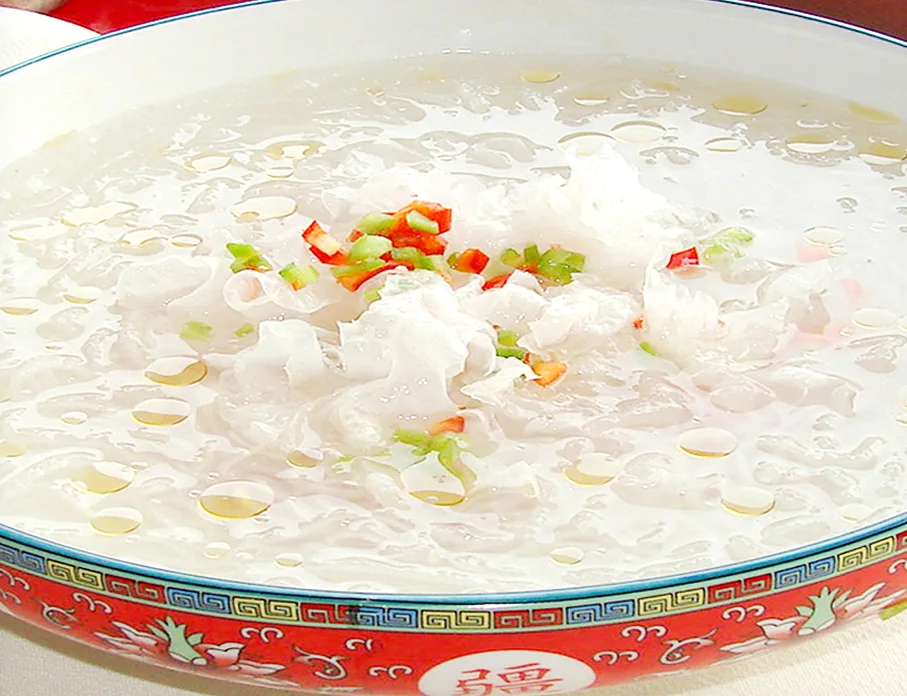
Recipes can include ham, chicken, seafood, egg or other garnishes, depending on the restaurant. Vegetarians should never assume the white radish base means a vegetable stock.
How to judge yan cai
| Detail | Better sign | Warning sign |
|---|---|---|
| Radish strands | Fine, separate and tender without becoming paste | Thick raw-tasting shreds or a floury clump |
| Broth | Clear in direction, savory and balanced by acidity | Salt and starch with little identifiable stock character |
| Peony form | Supports service but loosens naturally into the soup | So rigidly arranged that presentation matters more than eating |
| Garnish | Adds aroma, texture or color without burying the radish | Random luxury ingredients used only to raise price |
Morning soup is Luoyang's everyday ritual
Luoyang soup shops often specialize. A shop may be known for beef, lamb, donkey meat or tofu rather than maintaining a long all-day menu. Broth begins early; regular customers know the preferred cuts, bread format and condiment rhythm.
Arrive in the morning. Order a small bowl on the first visit, especially if you plan to sample more than one shop. Watch whether customers tear bread into the soup, dip it, or eat it separately. The correct method is the one that gives you the texture you want without turning the bowl immediately into dough.
Choose a Luoyang soup
| Soup | Flavor direction | Good first order | Ask before ordering |
|---|---|---|---|
| Beef soup | Deep beef aroma, often clear or lightly cloudy, with scallion and cilantro | Small bowl with sliced beef and one bread | Are meat and offal ordered separately? |
| Lamb soup | Richer animal aroma, pepper and fresh herbs; broth style varies | Small lean-meat bowl before trying mixed offal | Is the shop halal, and is the bread included? |
| Donkey-meat soup | Distinct lean meat flavor and a specialist-shop identity | Small standard bowl at a busy established shop | Which cut is served and what does the price include? |
| Tofu soup | Softer bean aroma, often combined with seasoning and wheat accompaniments | Small bowl with a simple fried or baked staple | Does the broth contain animal stock or lard? |
| Meatball soup | Fried or poached meatballs with vegetables in a lighter broth | Shared bowl or small individual portion | Are the meatballs pork, beef or mixed meat? |
Lamb soup depends on broth, meat and bread
A strong lamb soup can be clear or milky. Milky color generally comes from fat and protein emulsifying during boiling; it is not an automatic guarantee of concentration. Clear soup can still be deeply flavored.
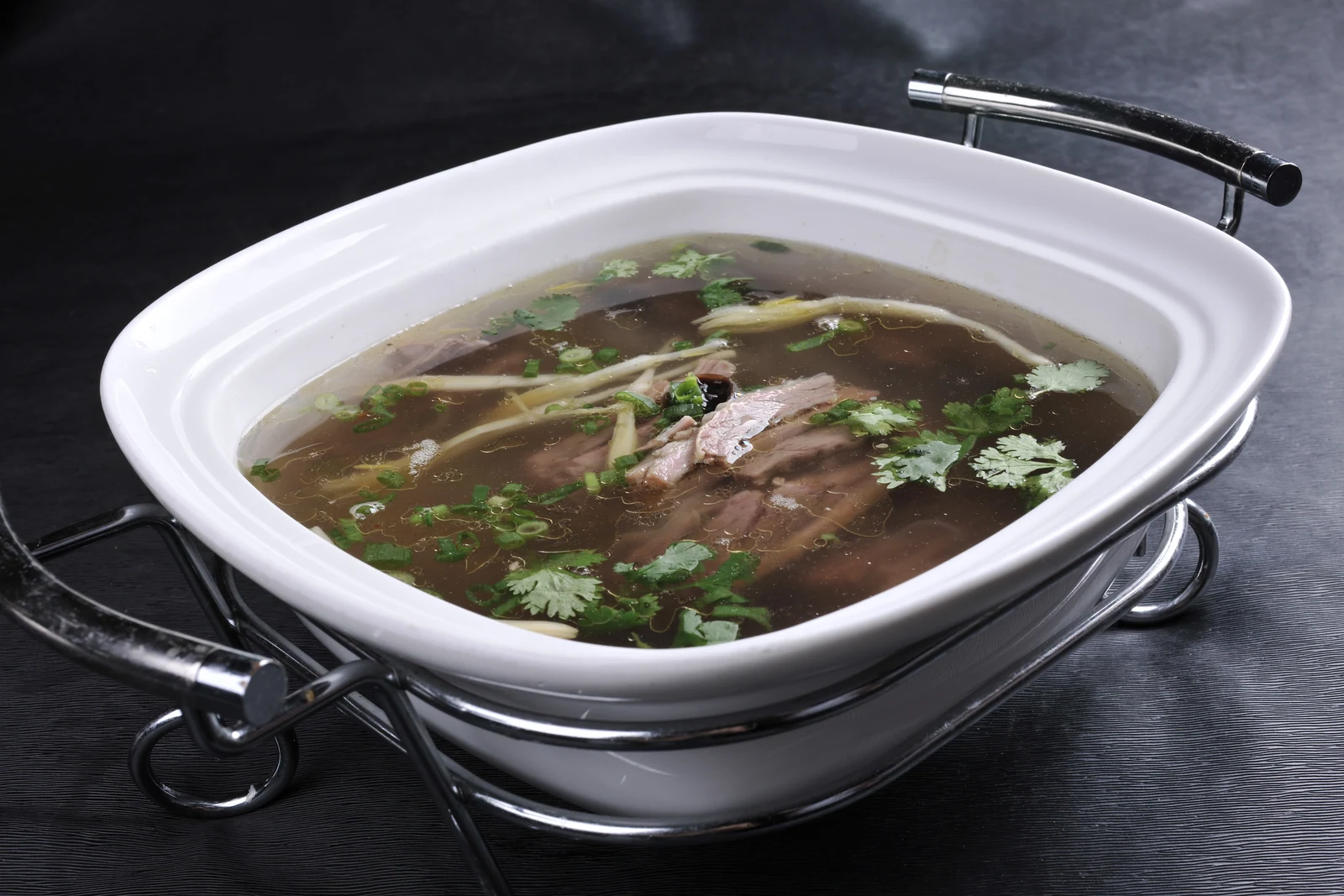
Taste before adding salt, chile or vinegar. Fresh scallion and cilantro brighten the animal richness, while pepper extends warmth. Bread controls the meal's weight: a small amount absorbs broth; too much turns the bowl heavy and masks the meat.
Hui Muslim cooks and halal restaurants are important in northern Chinese beef and lamb traditions. Look for qingzhen (清真) signage when relevant, but communicate your actual dietary standard. The presence of lamb alone does not establish that a restaurant is halal.
Meatball soups show two different textures
Luoyang and broader Henan menus include both fried meatball dishes and shengcuan, or freshly poached, meatballs. Frying creates a browned surface that absorbs broth while keeping some structure. Poaching produces a softer, cleaner meat texture.
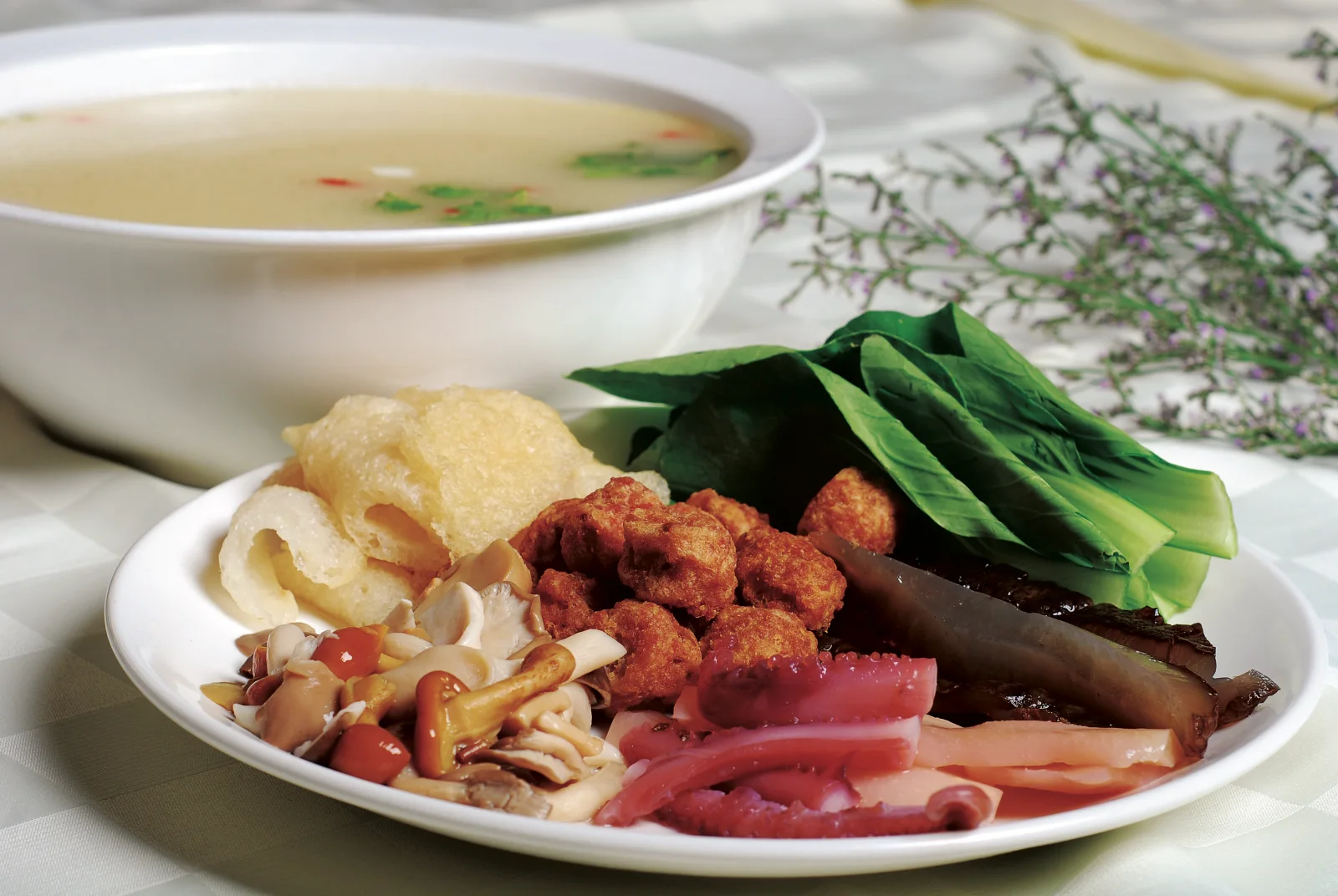
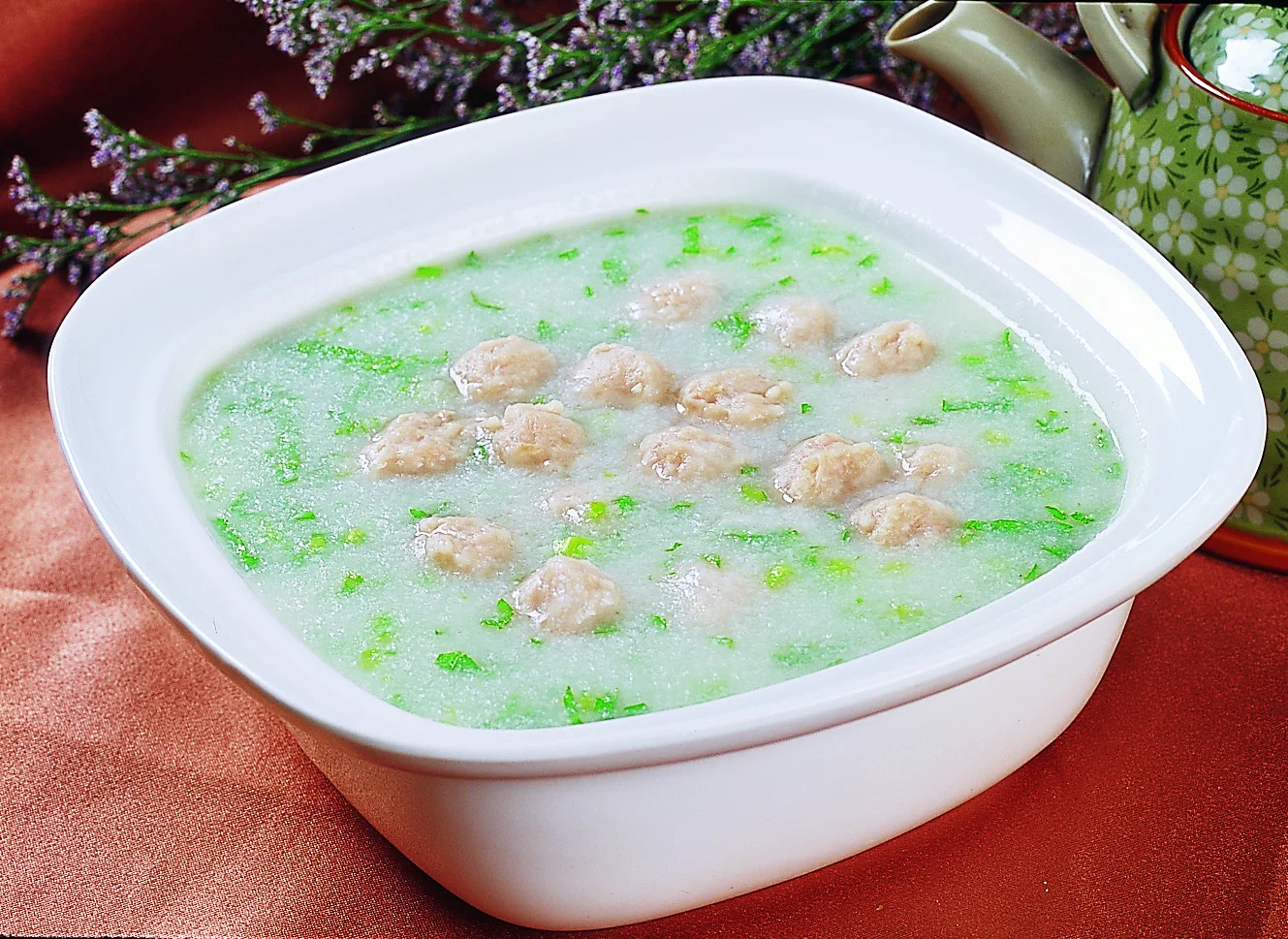
The English word "meatball soup" hides useful distinctions. Ask what meat is used, whether the balls are fried first and whether the dish is one individual bowl or a shared course. In a Water Banquet setting, a meatball dish may be only one step in a much larger sequence.
Bufan tang is a local breakfast puzzle worth solving
Bufan tang literally suggests a soup built around something "not turned over." A thin batter or pancake-like piece cooks on one side before entering a seasoned soup with ingredients that vary by shop. Stories about its exact origin differ, and contemporary bowls are not standardized.
The interest lies in texture. The thin wheat element must soften enough to absorb broth without dissolving immediately. Vinegar, pepper, seaweed, dried ingredients, tofu skin, glass noodles or other components may appear depending on the shop.
Order it as a light breakfast or snack, not as an automatic substitute for the richer meat soups. Ask the shop's specialty and let staff indicate the normal condiment balance before rebuilding the bowl with chile.
Jiangmian noodles make sourness gentle
Jiangmian tiao, or jiangmian noodles, use a lightly fermented liquid that gives the bowl a soft sourness. The exact fermentation base and accompanying vegetables vary. The result should taste refreshing and grain-led rather than aggressively acidic.
For visitors familiar only with vinegar-heavy hot-and-sour soup, the flavor can seem quiet. Give the fermented aroma time. Small toppings, beans, greens or fried elements provide contrast while the noodles remain the center.
This is everyday food rather than imperial spectacle. It belongs in the same Luoyang itinerary as a museum or neighborhood walk because it shows how local taste repeats outside formal banquets.
Lian tang rou pian is almost a dish and a soup at once
Lian tang rou pian combines sliced pork, vegetables and a glossy, sour-peppery liquid. Wood-ear mushroom, lily buds, garlic, tomato or other vegetables may appear depending on the cook. Its position between stir-fry, sauce and soup is precisely the point.
Good versions keep the pork tender and the vegetables identifiable. Starch gives the liquid body without turning it into glue. Vinegar should lift the meat and fried aromas instead of flattening every ingredient into sourness.
Order it with a relatively dry vegetable or wheat staple. Pairing it with several other thick soups can make the table repetitive even when each dish is locally famous.
Fried foods gain a second texture in liquid
Water Banquet and local shared dishes often bring fried ingredients into broth or sauce. Fried pork slices, small meatballs and other crisp components absorb liquid while retaining some resistance at the center.
This is not failed crispness. It is a planned transition. The first bite can be browned at the edge and juicy underneath; later pieces soften as the dish sits. Eat communal soup dishes while they are hot instead of leaving them untouched for photographs.
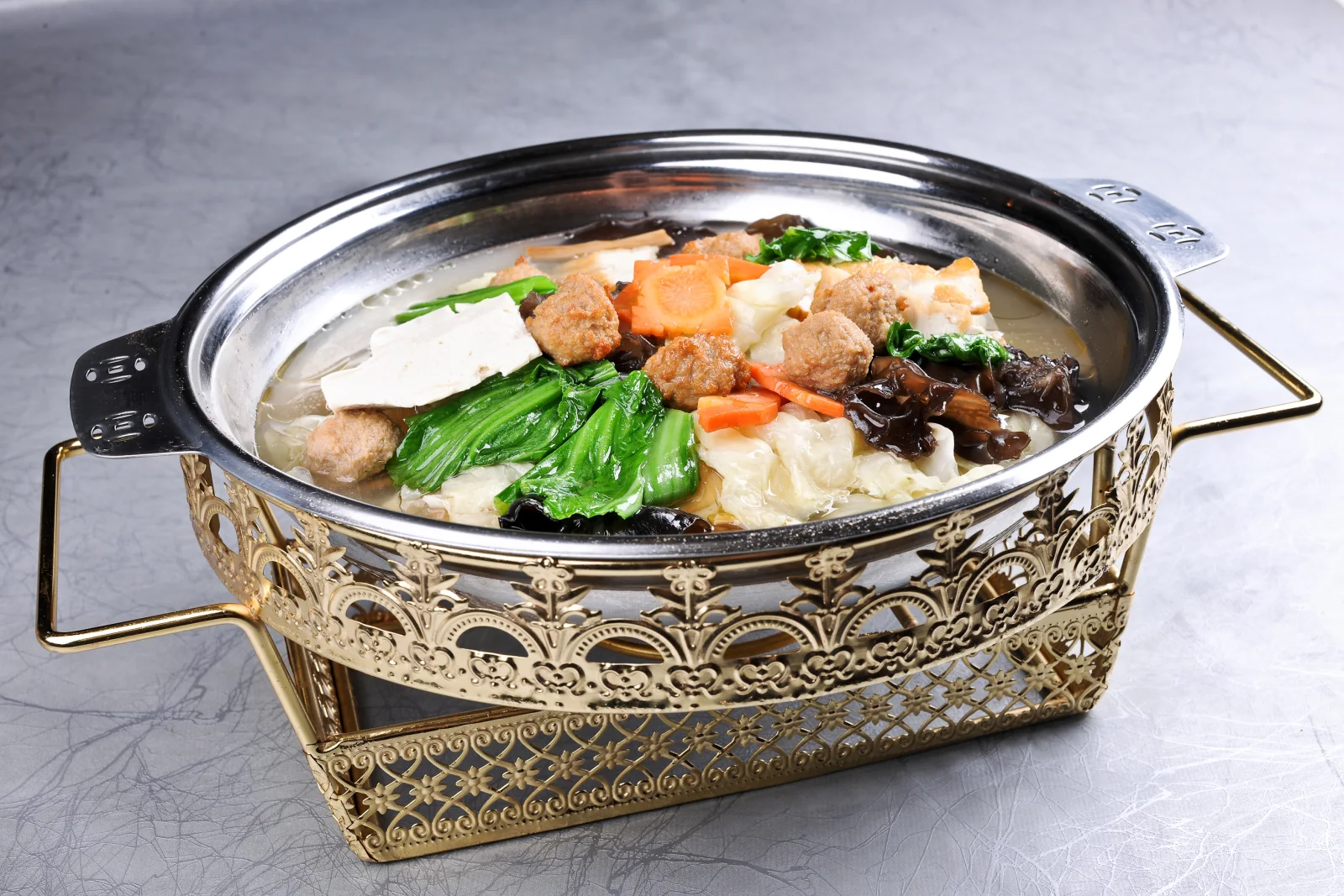
Mixed stews on Luoyang menus overlap with wider Henan cuisine rather than belonging exclusively to the city. Use them to balance a table, not as proof that every ingredient combination has an ancient Luoyang name.
Guotie and wheat staples control the meal
Guotie are pan-fried dumplings with a browned base, tender upper wrapper and meat or vegetable filling. They provide the dry, crisp contrast that a soup-heavy meal needs.
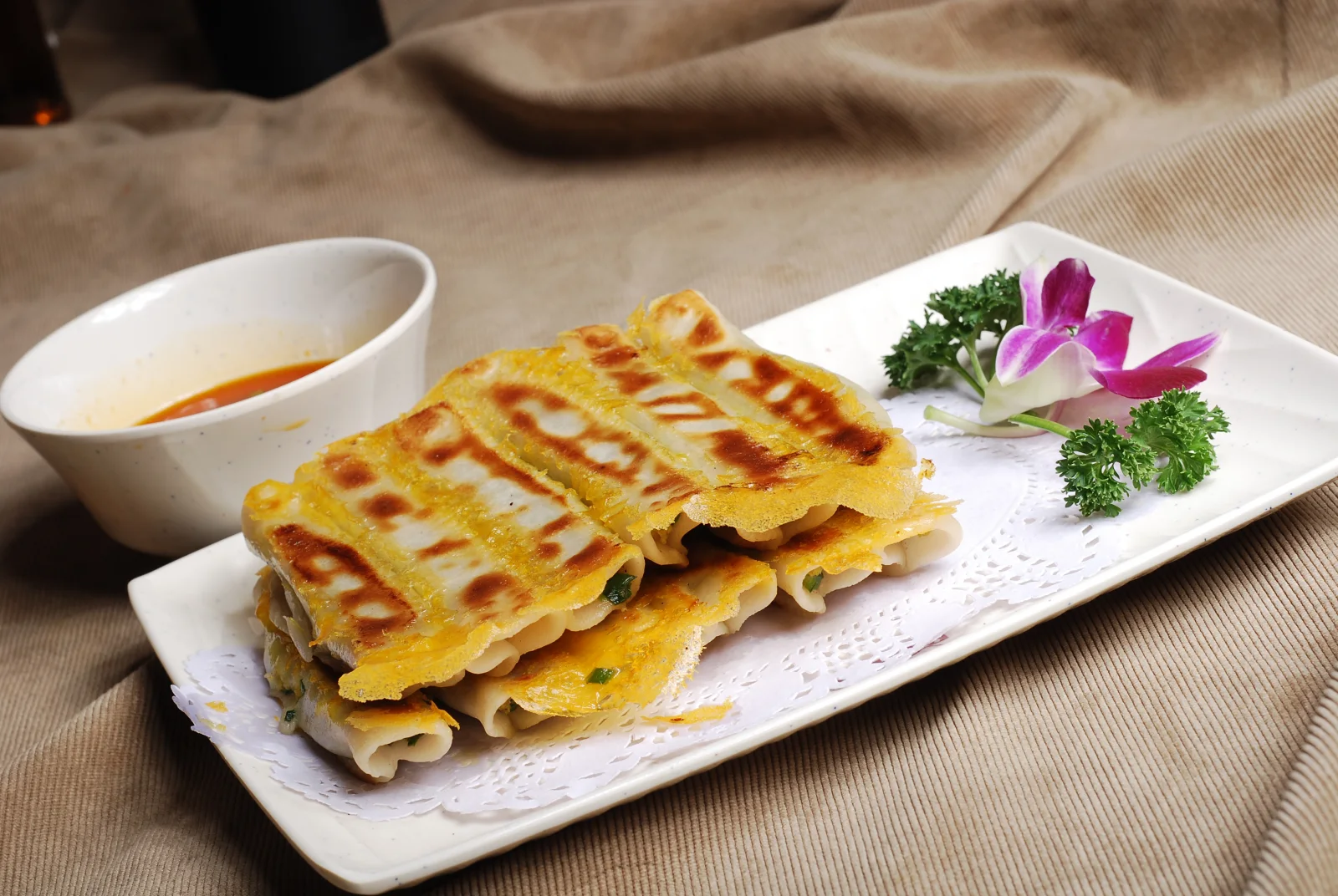
Check the order count. A "portion" may contain more dumplings than a solo traveler expects. Bite carefully because steam and juice can remain trapped inside. Taste one without sauce before adding vinegar or garlic.
Other wheat staples include steamed buns, flatbreads, fried dough and noodles. They may look like supporting carbohydrates, but they regulate salt, fat and liquid. Ordering soup, noodles, dumplings and bread together can accidentally build four meals around the same appetite.
Steamed vegetables keep the table from becoming beige
Henan cooking includes vegetables and leaves coated lightly with flour or grain meal, steamed, then dressed with garlic, vinegar, sesame oil or other seasoning. The technique gives delicate greens a soft, clingy texture without requiring a heavy sauce.
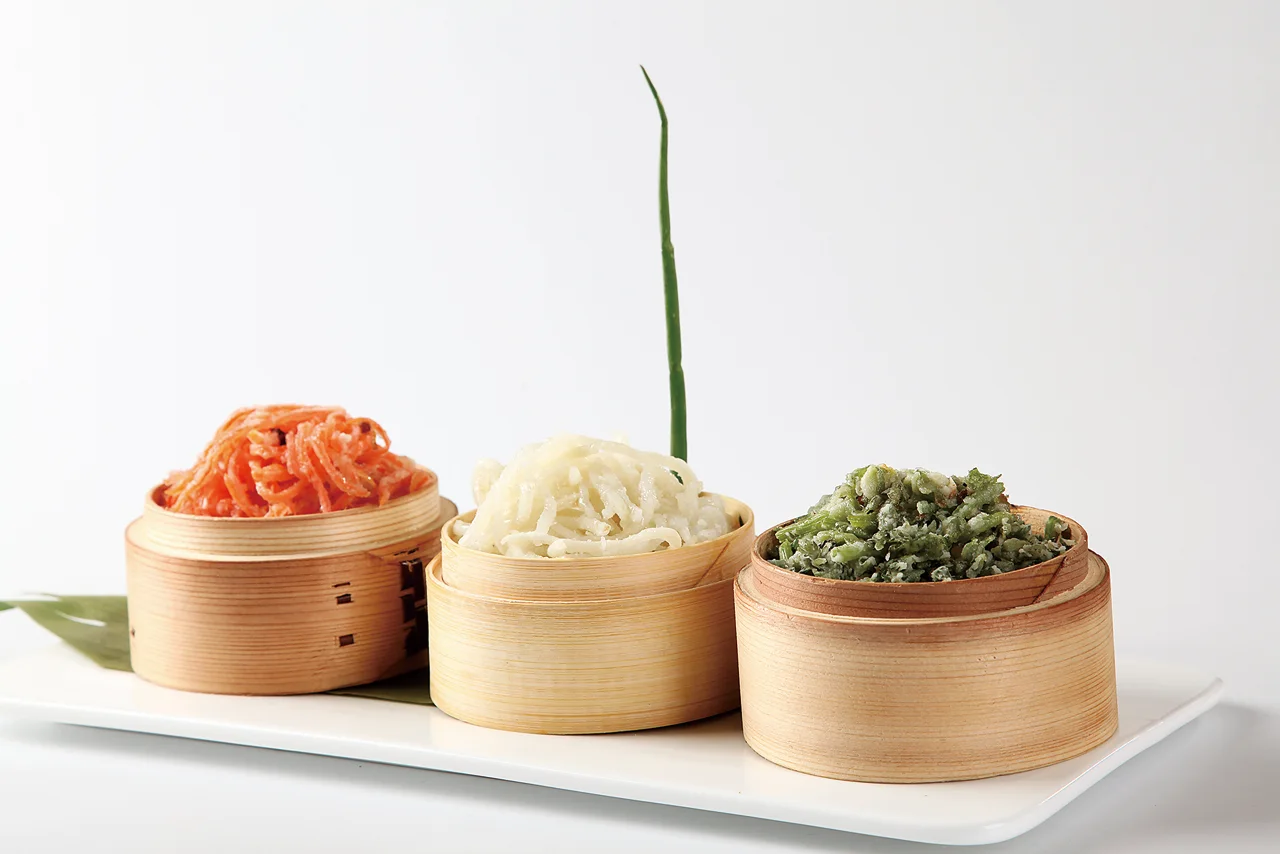
This is not exclusive to Luoyang, but it is useful in a Luoyang meal. A steamed vegetable dish introduces bitterness, freshness and color beside meat broth and fried components. Ask which leaves are in season; local names may be more precise than an awkward English translation.
Old-city eating has two different clocks
The old city is easiest to misunderstand at night. Illuminated streets, snack counters and visitors in historical costume create energy, but the most visible food is not always the most locally specific.
Morning belongs to soup, breads, buns and residents moving quickly. Evening belongs more strongly to shared dinners, skewers, retail snacks and tourism. Visit at both times if food is a priority.
A one-day Luoyang eating rhythm
| Time | Eat | Strategy |
|---|---|---|
| 07:00-09:00 | Beef, lamb, tofu or bufan soup with one wheat item | Choose one specialist shop and start small |
| 11:30-13:00 | Jiangmian noodles, dumplings or a simple local lunch | Avoid a huge banquet before an afternoon of sightseeing |
| 16:00 | One old-city snack or tea | Treat this as sampling, not a full second lunch |
| 18:30-20:30 | Small Water Banquet set or selected signature dishes | Reserve where useful and confirm group size, course count and price |
| Late evening | Only if still hungry: a simple street snack or fruit | Do not chase a checklist after a 20-course meal |
How to order Water Banquet for a small group
| Group | Sensible order | Avoid |
|---|---|---|
| Solo | One signature soup or yan cai plus a dry staple | Any set whose minimum course count is designed for a banquet table |
| Two people | Small set if available, or yan cai plus one meat dish, one vegetable and guotie | Ordering four famous soups with similar texture |
| Four people | Reduced banquet sequence with clear course count | Adding noodles and dumplings before seeing the first portions |
| Six to eight people | A fuller sequence becomes practical | Assuming "24 courses" means 24 tiny tasting plates |
| Large group | Confirm room, service format, substitutions and final price in advance | Letting prestige ingredients replace local signature dishes |
Ask three questions before ordering: How many dishes? How many people is the set designed for? Are tea, service and private-room charges included? A prestigious name does not make food waste culturally meaningful.
Famous Luoyang dishes versus everyday eating
| Famous experience | Everyday counterpart | What the contrast teaches |
|---|---|---|
| Full Water Banquet | Morning beef soup and bread | Formal hospitality versus a repeatable working-day meal |
| Peony yan cai | Tofu soup | Elaborate knife work versus bean-based comfort |
| Lian tang rou pian | Jiangmian noodles | Shared sour-peppery dish versus gentle fermented sourness |
| Banquet meatball course | Guotie | Softening fried texture versus a crisp-bottomed staple |
| Festival-season peony presentation | Steamed seasonal greens | City branding versus everyday vegetable technique |
Dietary, allergy and portion guidance
| Need | What to know |
|---|---|
| Vegetarian | Yan cai, noodles and vegetable soups may still contain chicken, pork or beef stock, lard or seasoning powder |
| Vegan | Confirm broth, dough, garnish and frying oil; egg can appear in noodles, coatings and decorative strands |
| Halal | Look for qingzhen (清真) signage at beef and lamb shops and explain your specific standard; shared kitchens vary |
| Gluten sensitivity | Wheat appears in breads, noodles, dumplings, thickening and some meatball mixtures; bufan tang is wheat-based |
| Peanut or sesame allergy | Sesame oil and peanuts may appear in cold dishes, dressings and condiments; cross-contact is common |
| Pork avoidance | Water Banquet dishes, meatballs, stock and lard may contain pork even when the visible centerpiece is radish or vegetables |
| Low salt preference | Broth concentrates seasoning; choose a small bowl, add fewer condiments and balance with plain bread or vegetables |
| Severe allergy | Carry a precise written Chinese explanation and choose a kitchen able to discuss stock, thickeners and shared equipment |
Visual inspection is not enough. A clear broth can contain meat; a vegetable filling can use lard; a pale sauce can be thickened with wheat or another starch.
Useful Chinese for eating in Luoyang
| English | Chinese | Use |
|---|---|---|
| Small bowl | 小碗 | Start with a manageable soup portion |
| No cilantro | 不要香菜 | Useful in soup shops if you dislike cilantro |
| Is this broth vegetarian? | 这个汤底是素的吗? | Ask about the stock, not only visible ingredients |
| Does this contain pork? | 这个有猪肉吗? | Important for meatballs, stock and banquet dishes |
| How many people is this for? | 这个够几个人吃? | Prevents over-ordering shared dishes |
| How many courses are in the set? | 套餐一共有多少道菜? | Essential before booking Water Banquet |
| Please make it less salty | 请少放盐 | A request, not a guarantee where broth is prepared in advance |
| I have a severe allergy | 我有严重过敏 | Follow with the exact ingredient in Chinese |
Frequently asked questions about Luoyang food
What food is Luoyang famous for?
Luoyang is famous for the Water Banquet, especially peony yan cai, and for a dense everyday soup culture that includes beef, lamb, donkey-meat and tofu soups. Bufan tang, jiangmian noodles, lian tang rou pian, meatball soups, guotie and wheat staples also belong to the city's food identity.
What is the Luoyang Water Banquet?
The Luoyang Water Banquet is a sequence of shared dishes in which soups and flowing sauces play a central role. A common modern full format has 24 courses, but restaurants offer different compositions and smaller sets. It is a banquet structure, not the name of one soup.
Can two people eat a Luoyang Water Banquet?
Yes, if the restaurant offers a reduced set or allows individual signature dishes. Ask for the smallest set, confirm course count and portion size, and avoid ordering a full 24-course banquet intended for a large group. Peony yan cai plus two or three contrasting dishes is usually more sensible.
Is Luoyang food spicy?
Luoyang food is not defined by chile heat. Sourness, pepper, garlic, vinegar, stock and the savory depth of meat or fried ingredients are often more important. Some soups and banquet dishes can feel peppery or tangy, while chile condiments remain optional in many shops.
What should vegetarians eat in Luoyang?
Steamed vegetables, some wheat staples and vegetable dishes can work, but clear-looking soups, noodles and even yan cai may use meat stock, lard or chicken seasoning. Ask specifically whether the broth and sauce are fully vegetarian rather than relying on visible ingredients.
When should you eat Luoyang soup?
Go in the morning. Many specialist soup shops are breakfast institutions and may sell out or close well before dinner. Arrive early, watch how regulars order bread and condiments, and begin with a small bowl if you plan to continue eating through the old city.
Eat Luoyang as a rhythm, not a checklist
The most useful way to understand Luoyang food is to follow liquid through the day. Morning broth feeds workers and regulars quickly. Fermented noodles make sourness quiet. A shared dish thickens soup until it becomes sauce. At a Water Banquet, multiple bowls turn service into ceremony.
I would rather return to one busy morning soup shop than collect ten famous-dish photographs in an afternoon. I remember a city through the food people depend on, not through the plate arranged most aggressively for tourists. Luoyang must be tasted on both clocks: the blunt warmth of breakfast and the deliberate procession of a shared banquet.
Begin early, order smaller than your ambition and ask what is inside the broth. One precise bowl, eaten in its normal time and place, will tell you more about Luoyang than a table overloaded with dishes chosen only because each is famous.