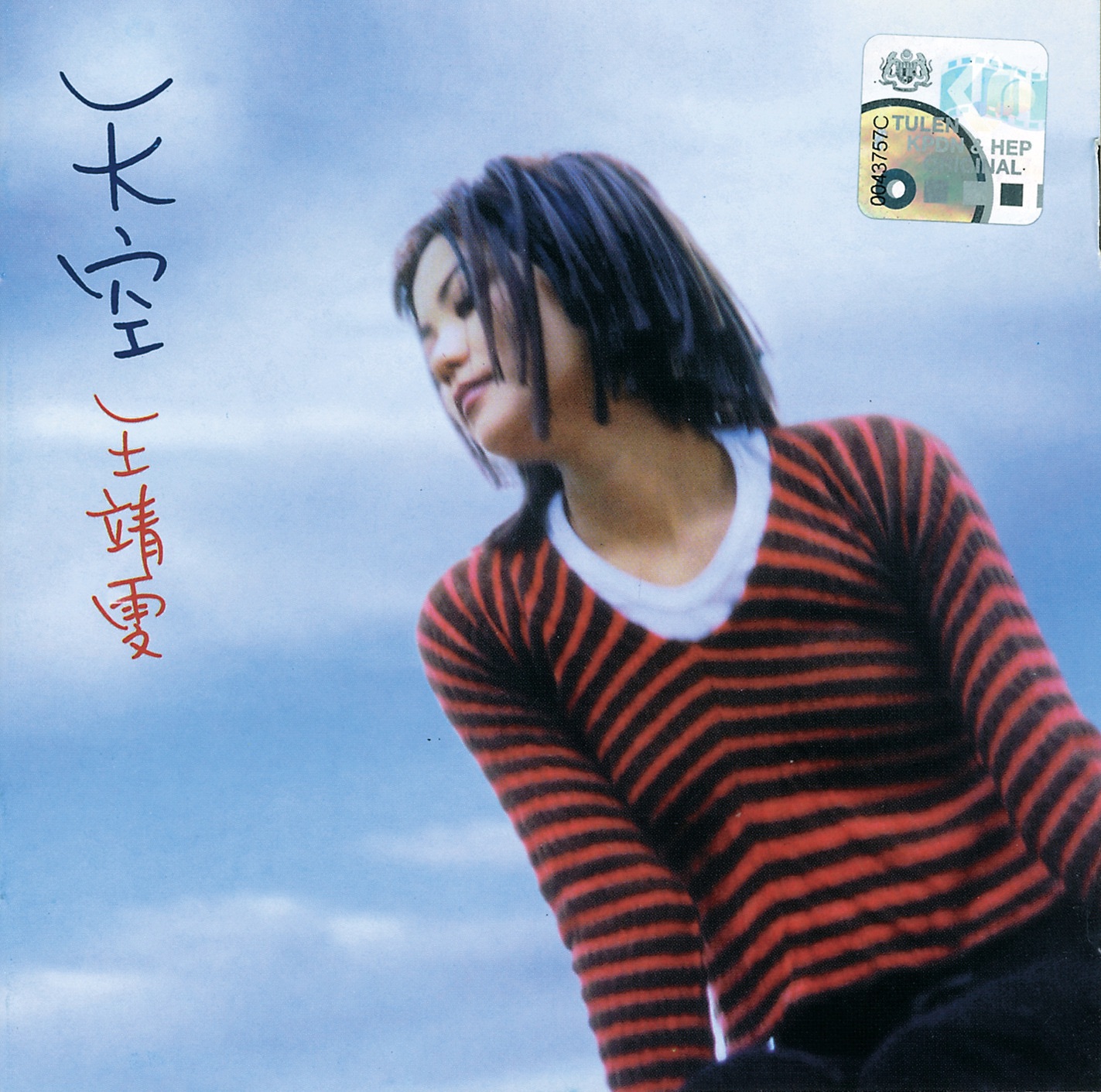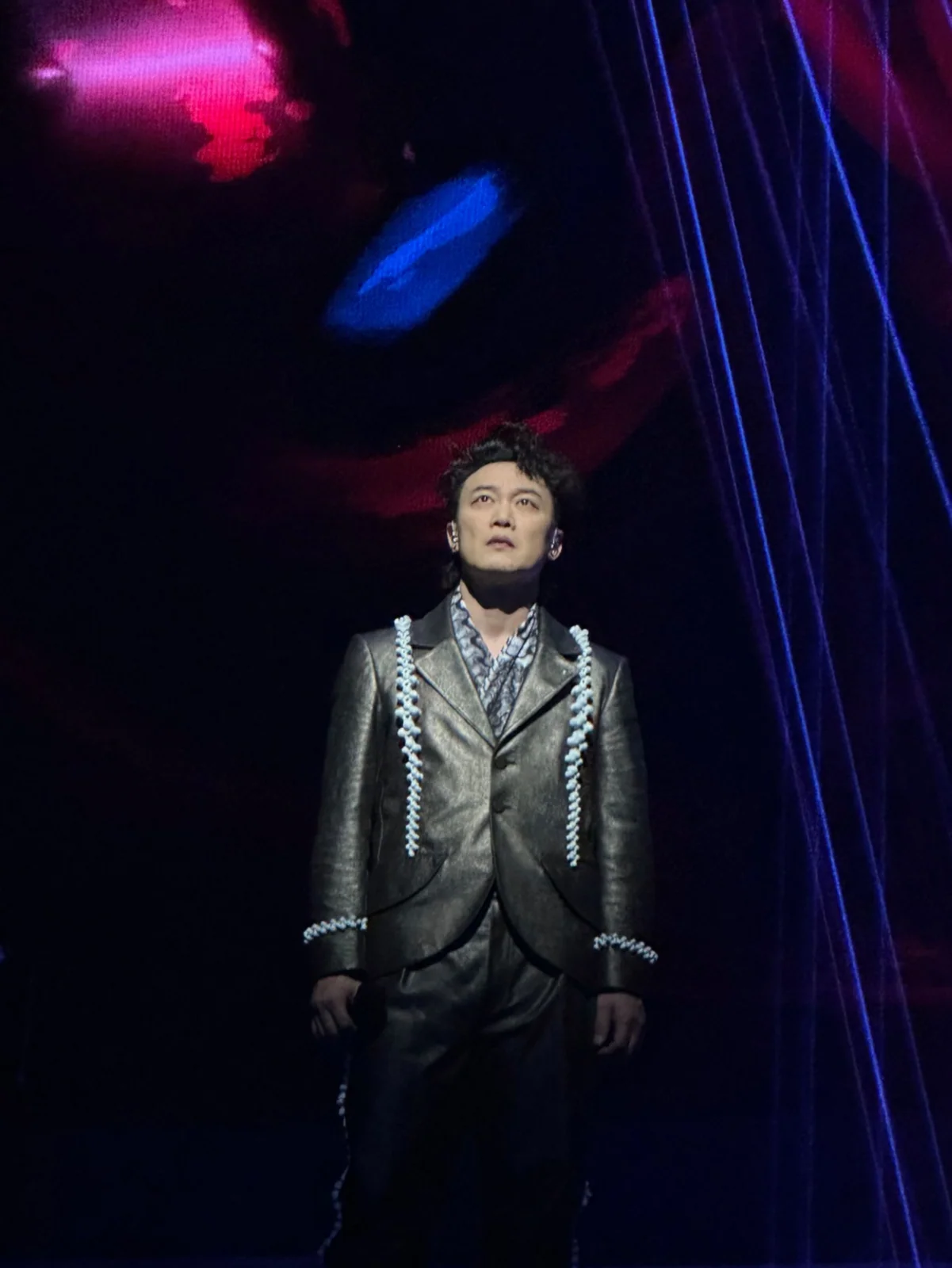
Eason Chan matters because he lets a song keep its frayed edges. Breath, weight, diction and emotional fatigue remain audible, so a polished Cantopop melody can still feel as if a real person has just carried it into the room.
Eason Chan makes the KTV room tell the truth
Put on an Eason Chan (陈奕迅) song in a private karaoke room and a strange change occurs. People who were performing for one another begin singing toward the table. Someone misses the first line of Ten Years (《十年》). Somebody else knows King of Karaoke (《K歌之王》) too well and laughs before the difficult part arrives.
That is a better entrance than a career timeline. Eason's catalogue understands that singing in public is often a socially acceptable way to confess in private. The melodies are generous enough for a room to join, but the phrasing rarely sounds emotionally tidy. He can lean behind the beat, roughen a vowel or allow the breath to show. The song remains beautifully built; the person inside it does not pretend to be beautifully composed.

This is why calling him merely a powerful vocalist is insufficient. Power is one tool. His more important ability is scale: he can make a theatrical line feel embarrassed by its own intensity, then turn one small word until an arena hears the bruise inside it.
| If you want... | Play this first | Listen for... |
|---|---|---|
| the universal entry point | Ten Years / Next Year Today | the same emotional architecture changing with language |
| Cantonese interior detail | Under Mount Fuji | advice that slowly admits it is self-defense |
| theatrical self-awareness | King of Karaoke | a singer exposing the performance inside confession |
| time and adulthood | Tourbillon | consumer desire becoming fear of mortality |
| the arena-scale late chapter | FEAR and DREAMS | breath and body carrying the concept |
| a cross-generational public song | The Lone Warrior | direct moral language surviving mass repetition |
Headphones reveal what the big choruses can hide
In headphones, Under Mount Fuji (《富士山下》) and Tourbillon (《陀飞轮》) become less like famous standards and more like arguments with the self. The first refuses the romantic fantasy that possession can prevent loss. The second places time, status and consumption in the same tightening loop.
Listen to the consonants rather than waiting only for the chorus. Eason often begins a phrase as speech, allows it to gather melody, then releases the note before it becomes decorative. That movement gives the lyric a mind at work. We hear somebody revising his own certainty while he sings.
This technique also explains why translations can flatten his best songs. The literal proposition may survive, but the social temperature lives in Cantonese cadence: resignation turning into humor, advice revealing itself as self-defense, one ordinary phrase becoming uncomfortably intimate. A newcomer should read a translation, then return to the sound and let the mouth carry information the subtitles cannot.
Eason Chan sings around the note, not merely through it
Technical arguments about range become useless when they detach the voice from a sentence. Eason can sing loudly and accurately, but the reason listeners trust him is often less glamorous: he knows when a clean note would be emotionally false.
He may begin slightly conversational, let air roughen the edge, or delay the fullest tone until the lyric has earned it. That is not permission to call every imperfection expressive. A swallowed consonant can obscure meaning; fatigue can reduce control; a mannerism can repeat until it feels designed. The test is whether the vocal change alters the character speaking the song.
This is why a stripped vocal clip can impress while still failing to explain a concert. Singing survives in relation to arrangement, room and narrative placement. The current live recordings discussed by listeners show extraordinary stability, but “sounds like the record” is not my highest compliment. I want the life since the record to enter the line. If the older voice carries more grain, the song should use it.
Try Shall We Talk. Do not wait for a heroic high note. Hear how withheld conversation becomes physical pressure. Then try Bitter Gourd and notice how acquired taste becomes a model of adulthood. Eason's best singing does not decorate these ideas. It makes the mouth discover them while the listener is present.
For the wider context, the Chinese music guide explains how Cantopop and Mandopop travel differently. Eason's career belongs to both listening worlds, but his Cantonese songs often show the closest fit between language and body.
FEAR and DREAMS turned an arena into a nervous system
The FEAR and DREAMS project did not treat a stadium as a larger KTV room. Its scale served an argument: fear, disorder, desire and hope were placed into a long dramatic movement rather than a sequence of disconnected hits.
In the strongest concert moments, the body matters as much as the set. Eason does not preserve the illusion that a voice floats untouched above physical labor. You can hear exertion and see a performer moving through an architecture that sometimes appears to overwhelm him. The tension is the point. Fear is not a graphic behind the singer; it is pressure applied to the person producing the sound.
The official Apple Music catalog records the live album's 2025 release. That date matters because it stops this page from embalming Eason inside the songs older listeners already know. The concert documents a mature artist still reorganizing his catalogue rather than simply repeating it.

A concert setlist can argue with the audience
The lazy legacy show places the most famous chorus exactly where nostalgia expects it. FEAR and DREAMS is stronger when it refuses that service and makes familiar songs live inside a darker sequence. The setlist stops being storage and becomes montage: one lyric contaminates the next, private failure sits beside collective anxiety, and relief is delayed long enough to matter.
That choice can frustrate a fan who bought a ticket for uncomplicated recognition. I respect the frustration and still defend the structure. Eason's catalogue is too emotionally intelligent to be reduced to a victory lap. The arena should not merely confirm that everybody remembers the same songs; it should make them hear why those songs feel different after another decade of work, illness, distance and ordinary adult compromise.
The best audience footage captures a contradiction official edits often polish away. Thousands of people sing, yet one face nearby is crying for a reason nobody else can know. Collective sound protects private exposure. That is the social function at the heart of Eason Chan: he gives strangers a shared lyric without requiring them to share the same story.
Then The Lone Warrior escaped adult sadness
The Lone Warrior (《孤勇者》), released in connection with Arcane, moved through a different public room. Children sang it. School performances and everyday play detached it from the private heartbreak associated with much of Eason's catalogue.

That does not make the song childish. It reveals how direct moral language can travel when the melody carries resolve without requiring emotional sophistication from the listener. Adults may hear endurance after damage; a child can hear permission to be brave before knowing what the damage is.
The migration is culturally revealing. Eason is often treated as the singer for people old enough to have regrets. The Lone Warrior proves that his voice can also become shared vocabulary before regret has accumulated. Few artists move from late-night headphones to a school corridor without sounding as if they have changed identity.
Cantonese and Mandarin versions are not interchangeable subtitles
New listeners often reach Eason through Ten Years (《十年》) and later discover its Cantonese counterpart Next Year Today (《明年今日》). The melody creates recognition, but the two songs do not carry identical emotional furniture. Different lyrics, vowel shapes and social cadences alter who seems to be speaking and how directly he can admit loss.
Do not ask which language is the “original feeling.” Put the versions beside each other and find where Eason changes the weight of a line. Cantonese can let one clipped syllable carry resignation or dry humor; Mandarin may open the vowel and make the confession travel more plainly. Neither effect is automatically deeper.
This comparison exposes his craft because melody can no longer receive all the credit. He has to rebuild intention inside another mouth. The breath may move, a consonant may arrive earlier, and the phrase that sounded like private self-mockery can become public memory.
For overseas listeners, this is the quickest route beyond a greatest-hits list. Read both translations, then stop reading. Let the sound tell you when dignity breaks. The gap between versions is not a problem to solve; it is the cultural space where Eason Chan becomes more than one market's singer.
The current catalogue should not be mistaken for an encore
The 2023 album CHIN UP! and the later live release show two different forms of continuation: new studio work and the reassembly of a performance era. A 2026 remaster of Time Flies (《时代曲》), by contrast, is a remaster, not evidence of a newly written song. Keeping those categories separate respects the reader and the artist.

Eason's later voice also asks a harder question of listeners. Do we want technical preservation, or do we want the life lived since the old recording to remain audible? I prefer the second. A perfectly sealed voice would contradict what made these songs useful in the first place. His official Apple Music artist catalog is useful for checking release identities and dates; it cannot tell a listener where the emotional turn occurs, which is why the close listening on this page still matters.
The limitation: emotional truth can become a house style
Eason's looseness is so persuasive that listeners can reward the sound of vulnerability before checking whether a particular song has earned it. A cracked edge, a weary smile or a delayed phrase can become as predictable as a polished idol pose.
That is why I compare songs, not reputations. Does the roughness belong to the lyric's speaker? Does the arrangement leave enough space for the turn? Does humor expose pain, or simply repeat a familiar Eason manner? Great interpretation is not permanent authenticity. It is a fresh decision made inside each song.
His catalogue passes that test often enough to justify the trust, but trust should sharpen listening rather than replace it. The song must still persuade a stranger who does not arrive carrying twenty years of memory.
Start with four rooms rather than a ranked list: sing King of Karaoke with other people; hear Under Mount Fuji alone; watch the dramatic arc of FEAR and DREAMS; then notice who around you already knows The Lone Warrior. Together they explain Eason Chan as a social presence, not merely a discography. Then return to one song in headphones and identify the precise word where the public anthem becomes private speech.
Return to the Chinese musicians collection or follow the city context through Hong Kong. Then add your own room below. A song title alone tells us what you like. The room tells us what the song has done.