Read Chinese meat dishes from cut to service
The same animal becomes different cuisine through butchery, heat, preservation and table structure.
| Meat system | Technique evidence | Misreading to avoid |
|---|---|---|
| Cantonese roasting | Marinade, drying, hanging heat, glaze and chopping coordinate skin, fat and meat. | Red color proves traditional roast or a glossy skin can excuse dry flesh. |
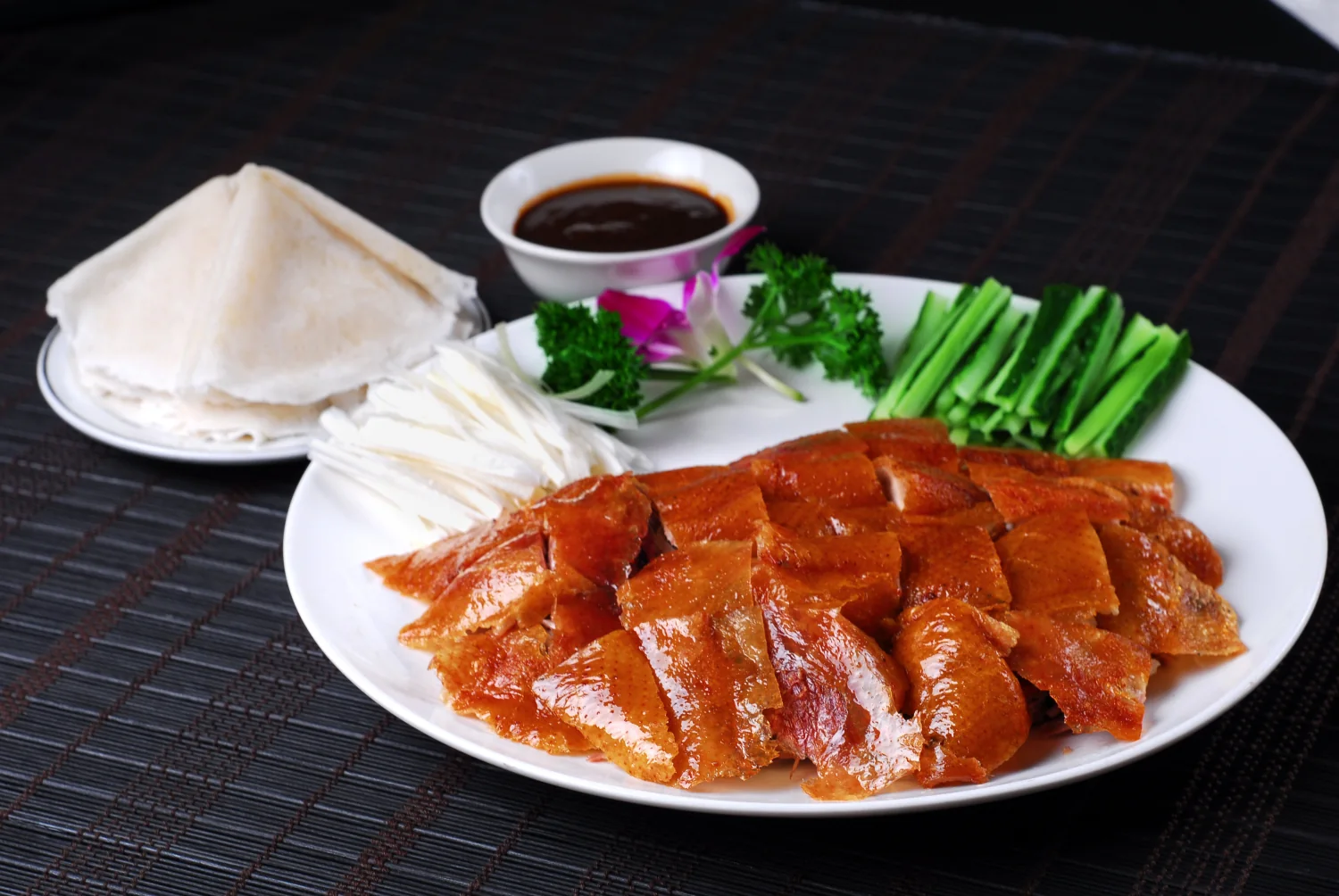
| Peking duck | Inflated or separated skin, drying, roasting, carving and pancake service form a specialist sequence. | Every roast duck is Peking duck or table carving alone authenticates the process. |
| Red braise | Cut size, rendered fat, soy, aromatics and time soften collagen while concentrating glaze. | Darker and sweeter automatically means longer or better. |
| Diaspora stir-fry | Local cuts, restaurant economics, tenderizing and sauce build a legitimate regional-diaspora dish. | Adaptation is fake Chinese food or every menu name has one origin story. |
The recipe begins with what the knife decided
Across-grain slicing shortens muscle fibers; bone-in cuts enrich braises; skin-on poultry allows crisping; offal requires exact cleaning and heat. Chinese butchery often divides animals differently from Western supermarket packs, so direct substitution changes timing and texture.
Name the cut in physical terms when translation fails: thickness, bone, skin, fat and connective tissue. A famous dish name cannot rescue the wrong piece of meat.
Skin and flesh need opposite things from the same fire
Crisp or lacquered skin needs drying and surface control; juicy flesh needs protection from excess heat. Cantonese siu mei shops make that conflict visible through hanging birds, pork and a chopping block that serves exact portions quickly. The final chop is part of texture because it distributes skin and meat.
A saturated red exterior may come from fermented ingredients, coloring or both. Ask rather than invent. The evidence is not redness; it is clean aroma, rendered fat, crisp surface and moist interior.
Peking duck is a sequence, not one heroic photograph
Preparation may involve separating skin, drying and specialized roasting before carving. At the table, skin, meat, pancakes and condiments create controlled bites. Restaurant practices vary, and historical claims require sources beyond a menu legend.
I watch the first carved slice and the last pancake. If the skin begins crisp and ends steaming under a pile, service has betrayed the roast. Timing belongs to the dish as surely as seasoning.
Fat should become tenderness, not a punishment
Red-braised pork uses layered heat to render and soften while retaining shape. Sugar color, soy and aromatics deepen the liquid; reduction glazes the surface. Aggressive boiling can tighten lean sections before collagen relaxes, while careless reduction creates salt and sweetness without depth.
My test is whether one cube offers skin, fat and meat as distinct textures. Uniform softness is not automatically success. Transformation should preserve structure long enough for the mouth to notice the work.
Small pieces make speed possible and overcooking unforgiving
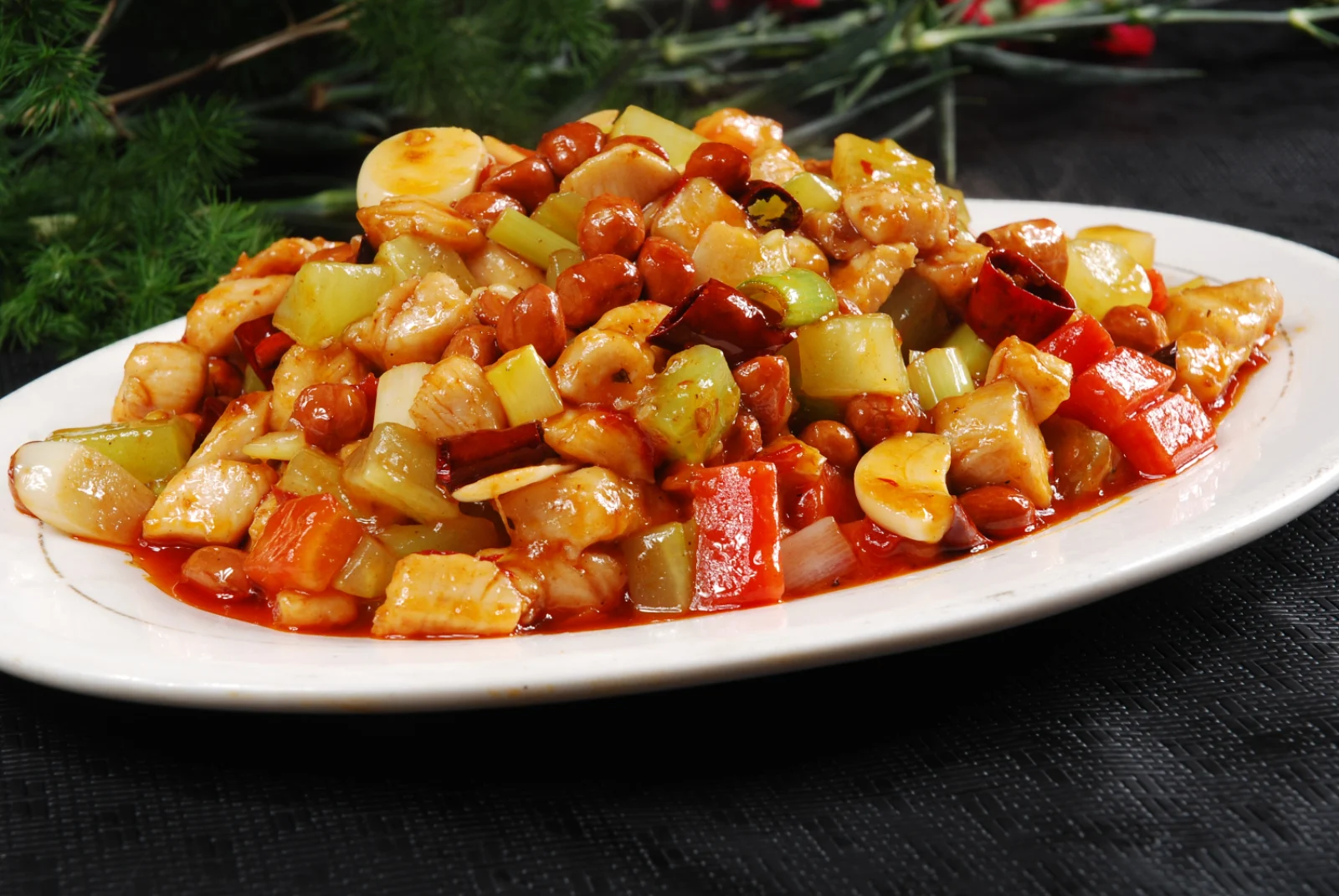
Kung pao chicken and many quick dishes rely on even cuts, staged aromatics, prepared sauce and a small wok load. Velveted meat may use starch, liquid and sometimes alkaline agents to protect moisture. The method is technique, not proof of industrial fakery.
Sauce should cling rather than pool. Nuts should retain toast, chicken should remain chicken and vegetables should not release a lake. High heat is useful only when preparation gives it somewhere to go.
Orange chicken and beef with broccoli carry restaurant history, not shame
Chinese American dishes developed through exclusion, customer demand, ingredient access and entrepreneurial adaptation. They are American Chinese culture. Evaluating them against one contemporary mainland dish is historically illiterate; evaluating texture, balance and restaurant context remains fair.
I reject authenticity as a weapon used to embarrass people for what their families cooked to survive. I also reject using adaptation to excuse bad food. Respect the history and keep the standards.
Scarcity and celebration can sit in the same bite
Older generations may remember meat as festival food, a small flavoring portion or proof that a household could host well. Younger urban diners may meet it through chains, delivery and global health debates. These experiences do not collapse into one Chinese attitude.
Write the household, decade and place. Personal memory becomes meaningful when bounded. Otherwise nostalgia turns one table into a nation and erases people whose lives followed another economy.
Prestige cannot overrule temperature, hygiene or species
Use clean raw-meat handling, prevent cross-contamination and cook or hold according to reliable food-safety guidance. Offal and poultry demand particular care. Restaurant redness, smoke and spice can hide visual doneness, so trained process matters more than guesswork.
Sourcing claims—free range, heritage breed, organic, local—need traceable evidence. A farm-like photograph and handwritten sign are atmosphere, not chain of custody.
One meat dish can flavor a table without occupying all of it
Chinese shared meals often distribute several dishes across diners, which makes a platter's apparent size a poor per-person measure. Meat can anchor the table while vegetables, tofu, soup and staple create contrast. Ordering three glossy meat dishes with the same sauce is not generosity; it is repetition paid for by appetite and resources.
Build the table by method as well as ingredient: one roast or braise, one quick dish, one vegetable-led plate and a clear counterpoint. This lets diners notice the meat's technique instead of becoming numb to richness. The arrangement also gives people with different preferences a real place at the meal.
Whole-animal cooking deserves skill, not a dare
Feet, wings, tongue, tripe, liver, intestine and other cuts belong to regional, household and restaurant traditions. Their cleaning, texture and heat requirements differ. Treating them as shock food repeats an outsider's discomfort and hides the resource knowledge that made the dishes durable.
Describe the cut plainly and judge preparation seriously. Tender tripe, crisp intestine or gelatinous tendon are crafted textures, not proof that a diner is brave. Nobody needs to eat a food they dislike, but nobody needs to degrade the people who know how to cook it either.
A great meat dish honors the whole chain instead of displaying excess
Judge whether the cut suits the method, whether fat and lean were controlled, whether service preserves texture and whether the portion respects the table. Technique becomes visible in the cross-section and the leftovers.
My position is firm: meat deserves seriousness because an animal, labor and resources stand behind it. Waste dressed as luxury is still waste. Precision and pleasure are the more convincing form of abundance.