Choose a Chinese hot pot by its operating system
The right comparison joins broth, cut, timing and sauce instead of ranking heat alone.
| Regional system | What organizes the meal | Mistake that ruins it |
|---|---|---|
| Sichuan and Chongqing | Aromatic fat or oil, dried chili, Sichuan pepper and layered spices carry ingredients through a communal red broth. | Maximum pain proves quality or every red broth follows one city’s formula. |
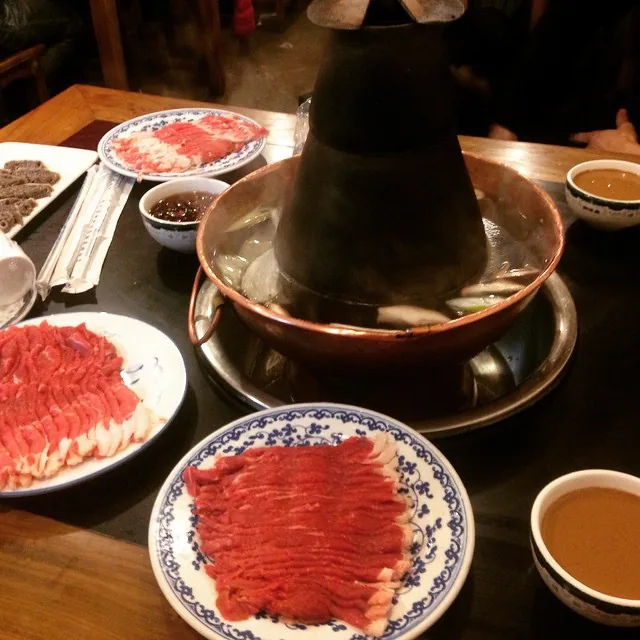
| Beijing mutton | Thin mutton is briefly swished in a copper pot and read through cut, doneness and sesame-based dipping sauce. | Long boiling improves tender meat or the ornate chimney authenticates the ingredient. |
| Chaoshan beef | Fresh named beef cuts, clear stock and precise cooking windows make texture the central evidence. | An expensive cut can survive neglect or all slices should cook for the same time. |
| Mushroom pot | Known edible species, clean sourcing and full cooking are safety conditions before flavor becomes relevant. | Wild-looking mushrooms are more authentic or a beautiful basket proves correct identification. |
The boiling center is where similarity ends
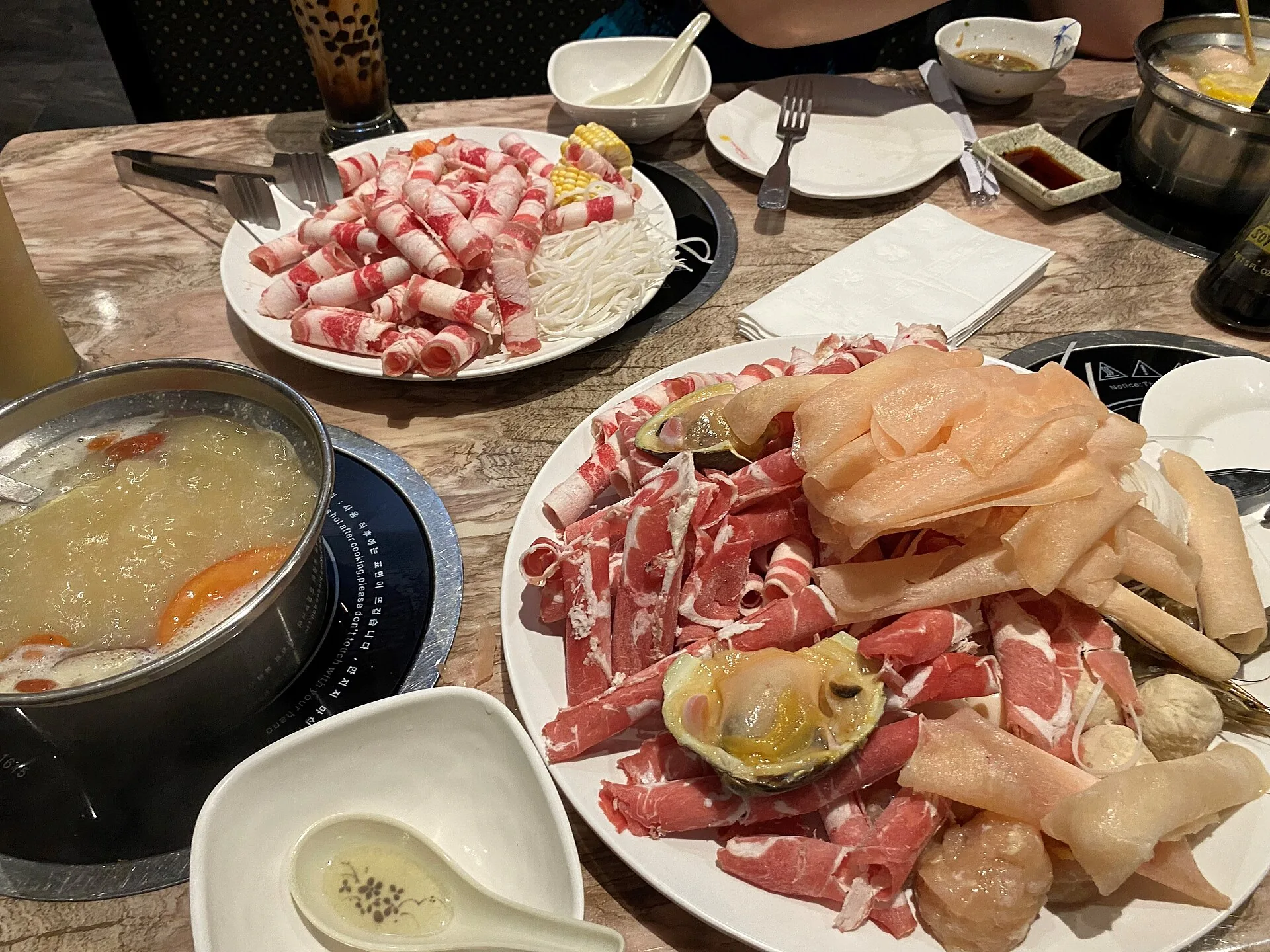
Hot pot shares one visible mechanism: diners cook ingredients in a heated communal vessel. Everything important after that can diverge. The broth may be fat-rich, clear, sour, medicinally aromatic or based on seafood. Meat can be paper-thin mutton, precisely named beef cuts or offal. Sauce may amplify sesame, garlic, fermented tofu, shacha or nothing beyond the broth’s own seasoning.
That is why ‘hot pot recipe’ is usually the wrong first search. Choose the regional system first, then buy ingredients and sauce that belong to its logic. A Chongqing shopping list dropped into a Chaoshan pot does not create fusion; it removes the very comparison that made either style worth learning.
Broth is a cooking medium, not an unlimited drink
A red tallow pot accumulates chili, peppercorn, meat juices and seasoning as the meal proceeds. A clear beef stock aims for another kind of precision. Both change with time. Photograph the beginning and end if you want evidence of the system, but do not assume the concentrated final liquid is meant to be consumed like soup.
Commercial bases are not shameful; anonymous bases are. Read salt, fat, allergen and additive information, then adjust with stock or water as directed. I trust a clearly labeled base more than a restaurant performing handmade purity while refusing to answer what entered the pot.
Thickness tells you how long an ingredient is allowed to live in heat
Thin mutton may need only a brief swish; tendon-rich beef cuts need their named window; root vegetables and tofu can stay longer; leafy greens collapse quickly and change the broth. Arrange plates by cooking behavior rather than color. Give raw meat its own chopsticks or tongs and keep cooked food away from contaminated utensils.
The familiar rule that food is ready when it floats is not universal. Buoyancy depends on density, trapped air and pot movement. Use established cooking guidance, visible doneness and safe handling. A communal meal should increase attention, not distribute one person’s guess across the table.
The first ten minutes decide whether the last hour still tastes clear
Begin with ingredients that establish the chosen style, then progress from cleaner flavors to stronger or starchier ones. In a clear Chaoshan pot, flooding the broth with noodles and vegetables before tasting the beef wastes the point. In a red pot, fragile greens dropped too early collect oil and lose texture. Sequence is flavor management.
I appoint one table captain when the group is new. The role is not authority theater; it prevents every hand from dumping food at once. That small decision reduces waste, avoids raw-cooked confusion and gives quieter diners an equal chance. The democratic table still needs choreography.
A universal condiment bar can erase the pot you paid to taste
Sesame paste and fermented tofu sit naturally with northern mutton; garlic and sesame oil often cool and perfume a southwestern red pot; shacha has a strong place in Chaoshan and southern systems. Restaurants now offer expansive bars, but abundance does not make every combination intelligent. Taste the broth and one cooked ingredient before building camouflage.
My sauce rule is severe: if the bowl makes every ingredient taste identical, start again. Use sauce to sharpen a regional relationship, not to rescue ingredients left too long in the pot. A tablespoon can carry history; a soup bowl of condiments carries only anxiety.
No guest owes the table a pain performance
Spice and numbing tolerance vary. Split pots, clear broths and separate utensils can protect different needs without insulting the cuisine. Ask about hidden chili, sesame, peanut, shellfish, soy, gluten and shared preparation. A divided pot reduces contact but does not guarantee allergen isolation in a busy kitchen.
Challenge videos have trained people to confuse tears with cultural courage. I reject that completely. The worthy achievement is perceiving aroma beneath heat and leaving the table wanting another bite. Hospitality means the strongest eater does not control everyone else’s body.
Wild ingredients turn romance into a safety question
Yunnan mushroom hot pots require reliable species identification, lawful sourcing and complete cooking. A social photograph, market nickname or confident friend cannot establish edibility. Some mushrooms can cause severe poisoning; some require specific preparation. Use a reputable restaurant or supplier and follow local professional instruction.
This is one place where East Moment’s voice becomes deliberately unromantic. Do not forage from a picture. Do not shorten the kitchen’s timer for content. Do not interpret tingling, nausea or visual disturbance as part of an authentic experience. Stop eating and seek local medical help when symptoms occur.
A stable table matters more than a cinematic cloud of steam
Use a rated appliance on a level heat-safe surface, keep the cable away from walking paths and replenish liquid before the pot runs dry. Ventilate the room. Prepare raw and cooked utensils, small plates and waste bowls before heating. Children need distance from the vessel and trailing cord.
The best home hot pot is calm. Ingredients are cut before guests arrive, dietary needs are marked and leftovers are cooled promptly rather than sitting in warm broth all evening. Safety is not separate from atmosphere; it is what allows the relaxed atmosphere to exist.
Choose the pot that gives every ingredient a reason
For a first experience, pick one clear regional identity and order fewer, better plates: a signature meat or mushroom set, tofu, one leafy vegetable, one starch and the sauce that belongs to the system. Learn the timing. Add only after the table understands what it is doing.
A hot-pot page succeeds when a reader can identify the system, run the meal and protect the people around it. The bubbling image attracts the click. Shared responsibility is the deeper Chinese story that makes someone return.