Read Chinese breakfast through the morning problem it solves
A useful breakfast map connects staple, equipment, service speed and local routine.
| Morning system | What makes it work | Misreading to avoid |
|---|---|---|
| Griddle breakfast | Batter or dough, egg, crisp layer, sauce and rapid folding create a portable hot meal to order. | Every stuffed pancake is jianbing or one viral city owns all forms. |
| Fried dough and soy milk | Batch frying, fresh service and a drink or dip form an inexpensive quick pairing with local variations. | Grease alone defines freshness or sweet versus savory has one correct answer. |
| Noodle morning | A specialist broth or sauce and pre-organized toppings turn a full bowl into fast daily service. | Noodles are lunch food everywhere or every spicy bowl belongs to one region. |
| Congee and tea-house morning | Long-cooked grain or repeated small plates create slower nourishment and social time where the local schedule allows it. | Chinese breakfast is always eaten standing or always a leisurely family ritual. |
Breakfast belongs to infrastructure
A breakfast stall needs foot traffic, heat, water, storage, waste handling and a price that regular customers can repeat. Its menu is shaped by commuters, students, retirees, construction workers and office staff arriving in waves. When redevelopment removes a stall, the city loses a service route as well as a recipe.
This is why the same food feels different in a mall kiosk. The flavor may survive, but the queue, greeting, pace and customer knowledge change. East Moment should document both without pretending modernization is automatically loss or that nostalgia pays a vendor’s rent.
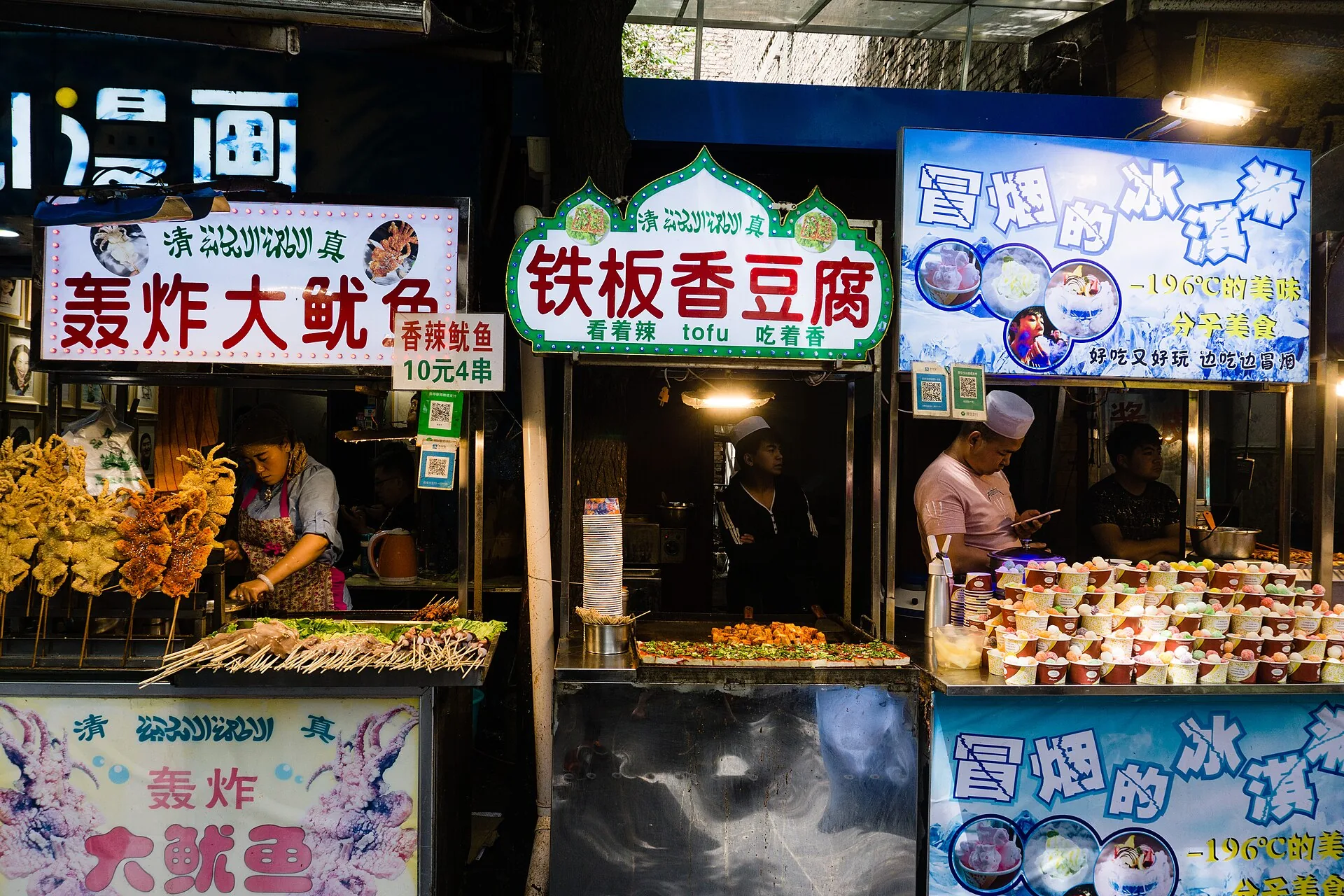
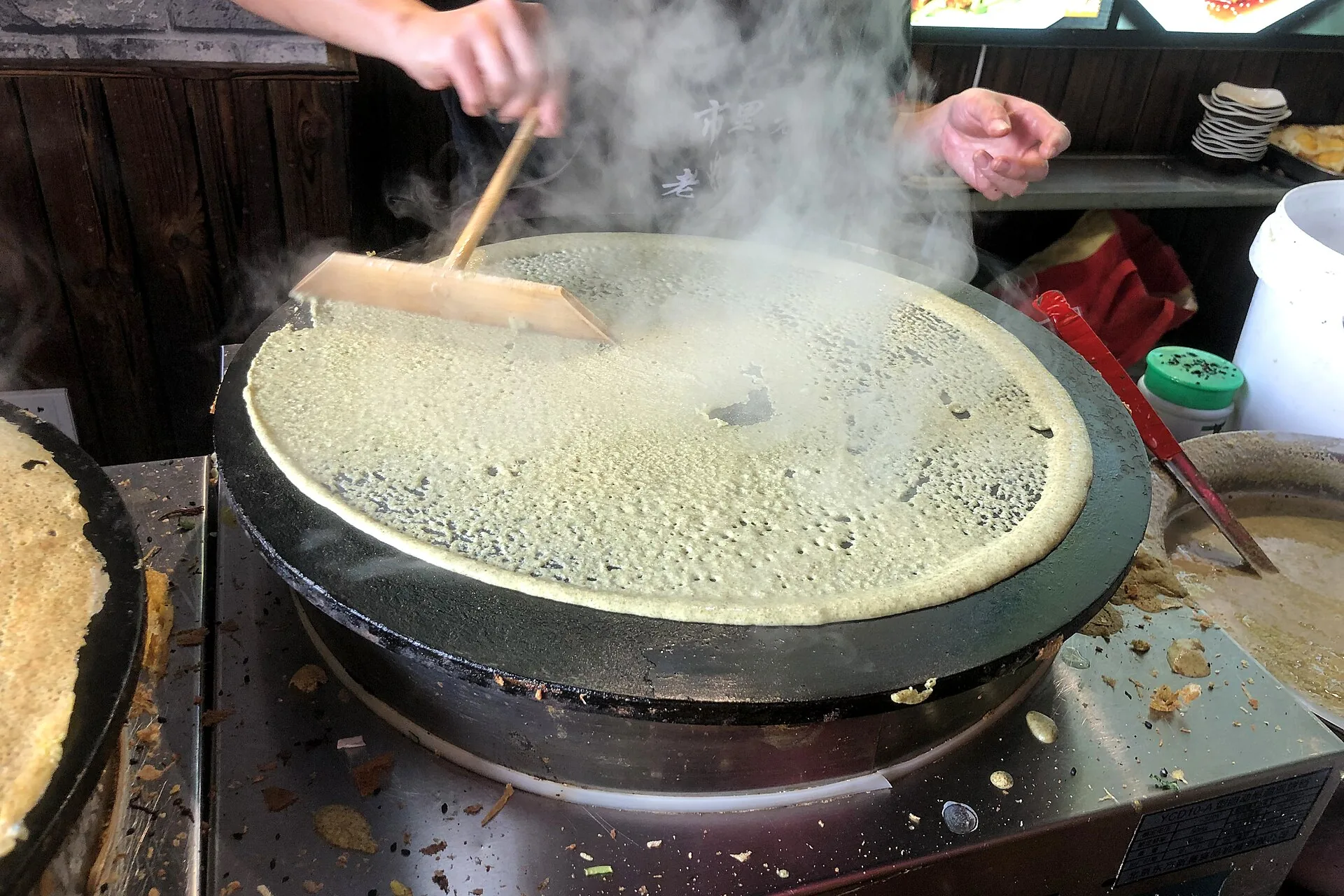
The griddle records sequence more clearly than a finished fold
Batter spreads thin, egg and herbs bind to the surface, the sheet turns, sauce and crisp element enter, then the whole structure folds for one hand. Each step solves heat and texture. A finished parcel can hide a soggy cracker or undercooked batter; process frames reveal whether the contrast was built.
Regional names and formulas vary, so describe what you actually saw. Calling every crepe jianbing and every crisp baocui erases local vocabulary. The honest caption names city, stall, filling and sequence without declaring one version the original on visual evidence alone.
Youtiao is best in the narrow interval between raw dough and stale oil
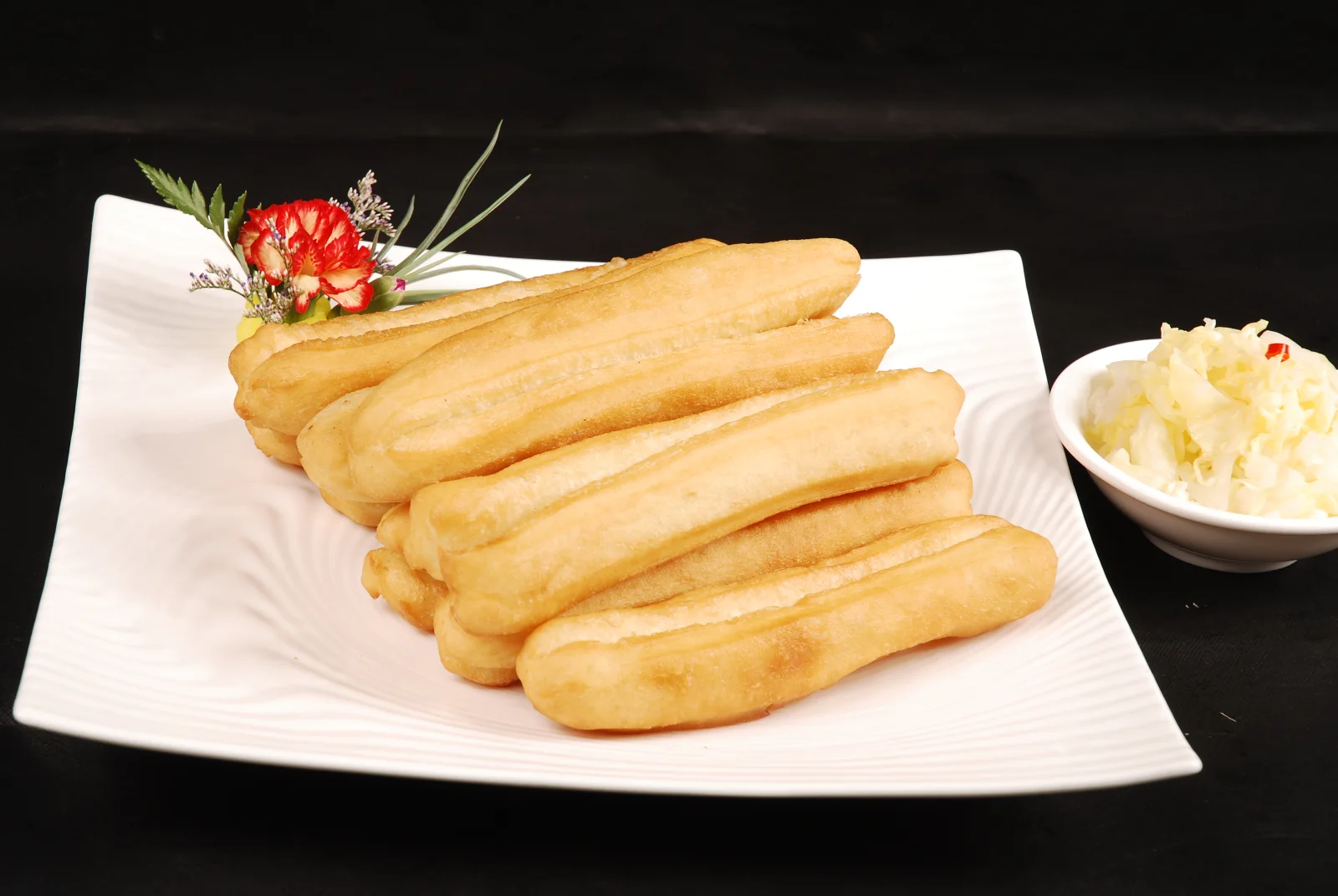
Paired strips expand because formulation, resting, shaping and oil temperature create steam and structure. The exterior should be crisp without turning hard; the interior should open rather than remain a dense cord. Oil condition matters, but a photograph cannot prove replacement frequency or chemical quality.
Eat one fresh before judging. Dip it in soy milk, congee or nothing according to local habit and preference. I will not moralize every fried breakfast, and I will not market it as harmless daily medicine. Pleasure and dietary limits can occupy the same honest sentence.
Noodle shops turn complexity into routine through preparation
[Wuhan's city government documents hot dry noodles as a local breakfast food](https://english.wuhan.gov.cn/H_1/NWP/202507/t20250704_2605466.shtml). Chongqing xiaomian, Guilin rice noodles and many local bowls also arrive quickly because sauces, toppings, broth and portions are organized before the customer orders. Speed is the result of specialist repetition, not evidence that the food lacks craft.
Watch what is finished to order and what waits. Mix immediately when sesame or concentrated sauce sits below the noodles. Eat before starch absorbs the balance. A morning bowl has an expiration measured in minutes, which is why lived timing belongs in the guide.
Congee and yum cha resist the fantasy that everyone eats while running
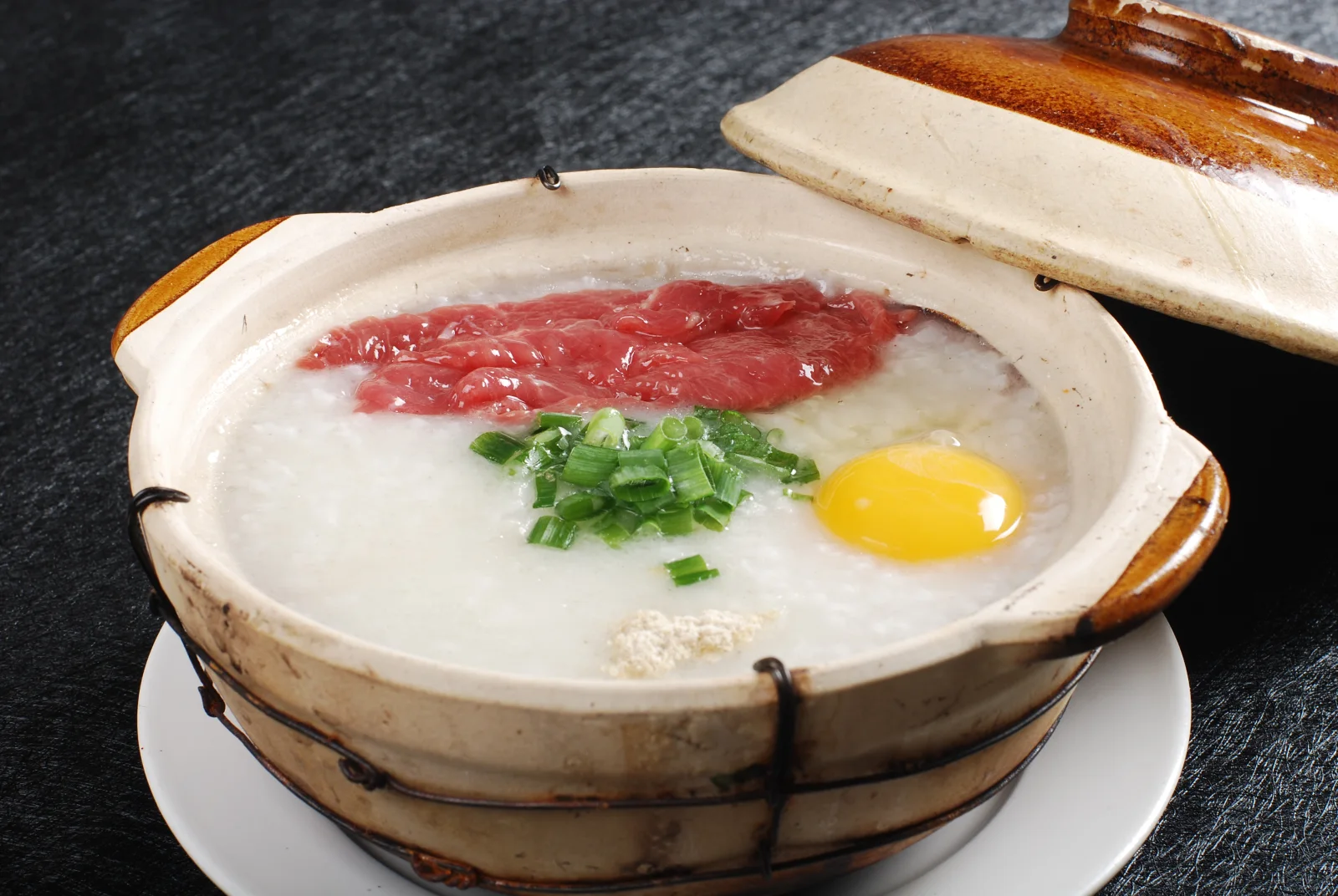
Retirees, shift workers, families and business tables can occupy breakfast spaces differently. A pot of congee may be prepared long before waking; a tea house can stretch into lunch through repeated baskets. China contains hurried counters and lingering rooms at the same time.
The page must resist turning class and schedule into personality. Someone standing at a cart is not more authentic than someone seated with tea. Ask what time, price, labor and relationship the meal supports. Context is stronger than romance.
Leftovers are not a lesser story than the famous stall
Many mornings begin with reheated buns, rice, eggs, fruit, milk, packaged food or yesterday’s dishes. School and work schedules alter the table. Grandparents and parents make different choices; delivery and convenience stores enter the picture. A national breakfast list cannot represent this private variety.
I want the ordinary photograph: the steamer reopened, the jar of pickles, the child’s half-finished cup, the container carried to work. These images do not advertise a destination. They prove that culture continues when nobody is performing for a visitor.
Five real breakfast routes beat a list of fifty dishes
For a first fast breakfast, watch a griddle and order the standard jianbing before customizing it. The visible sequence answers what a finished folded pancake hides: how thin the batter spread, whether the crisp layer went in at the last moment and which sauce carried the taste. The street-food guide follows that process rather than treating every folded snack as the same dish.
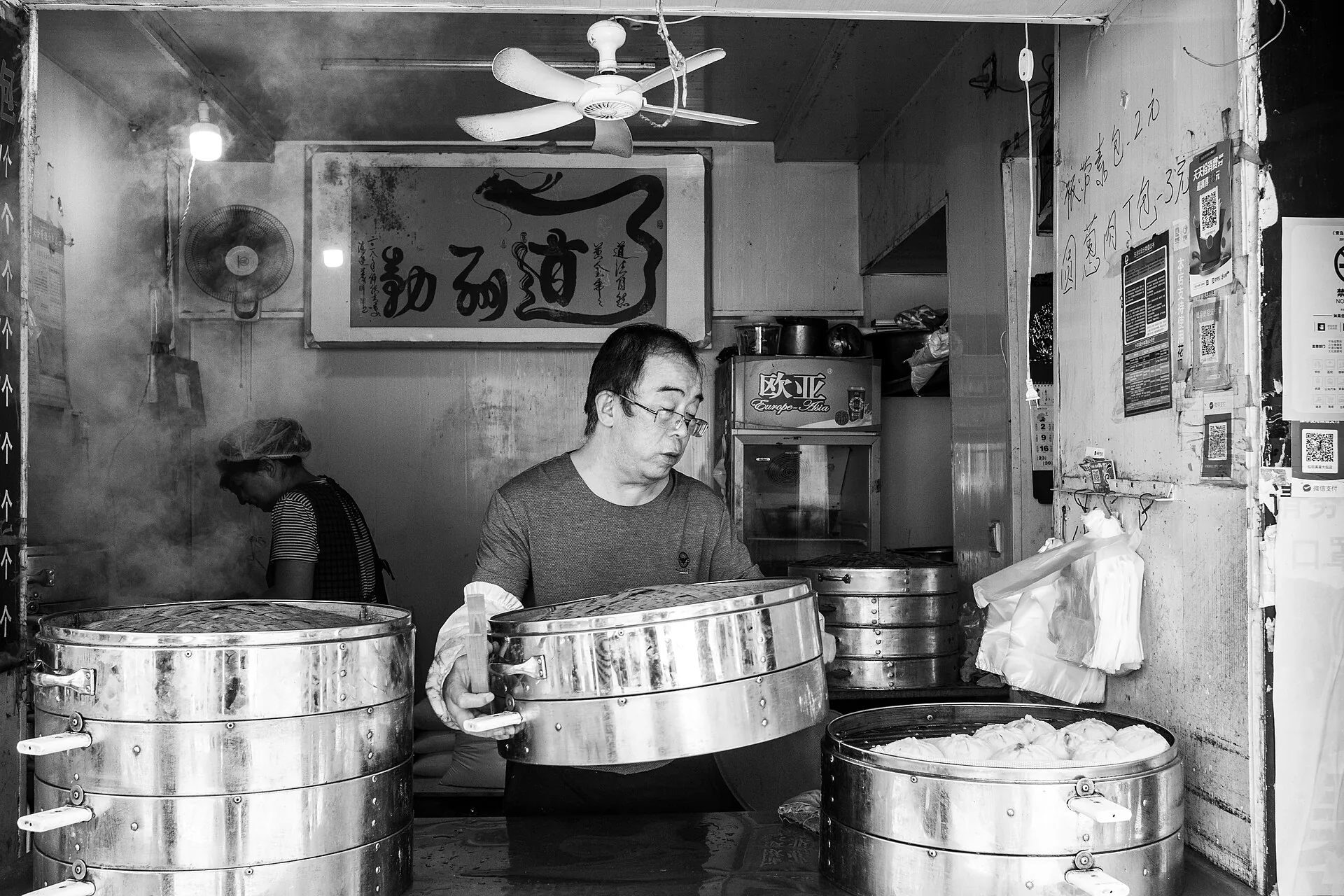
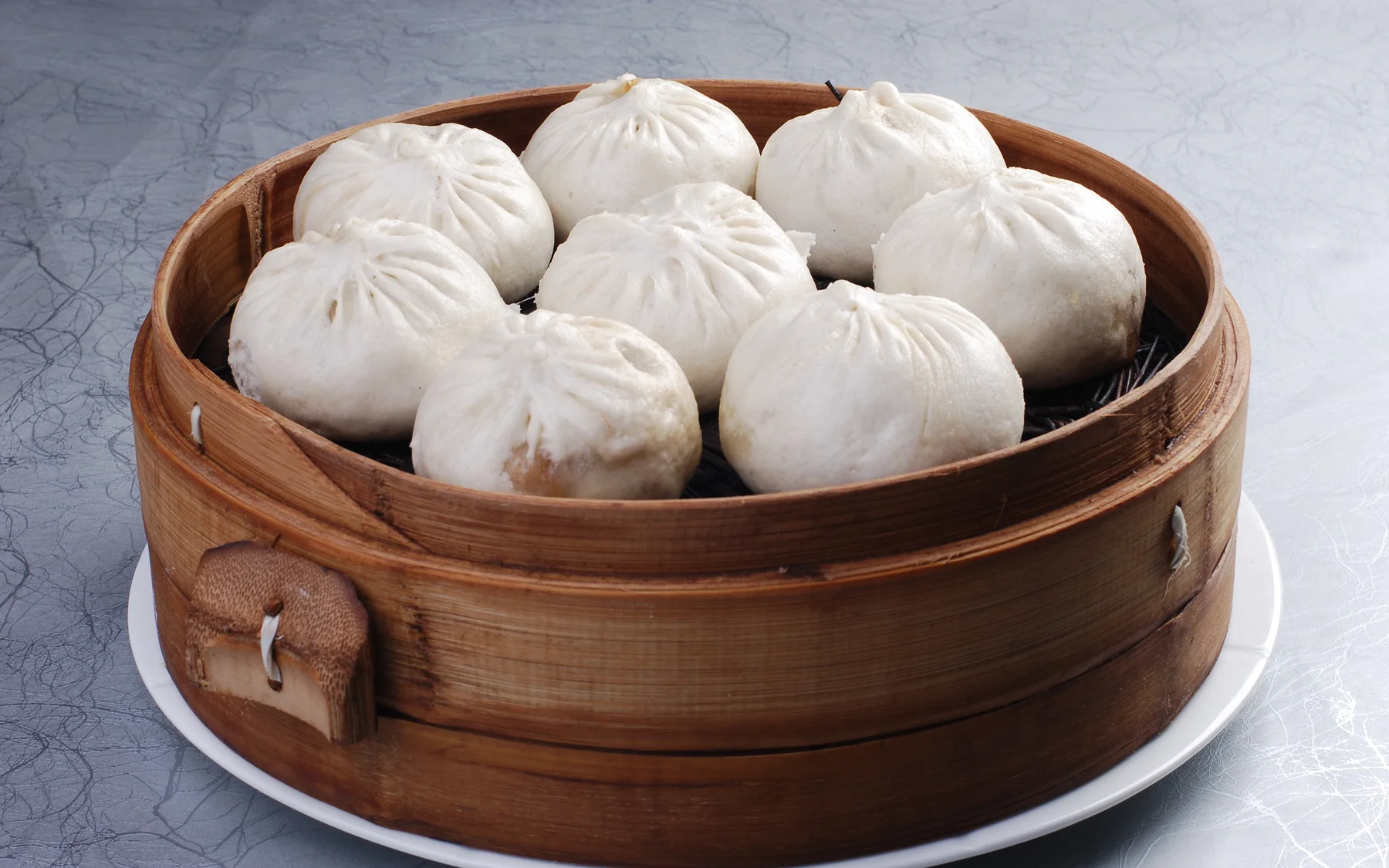
For a wheat-and-steam morning, start with a plain or filled bun, then compare the crumb and seal with baozi. A bun held in a warming case too long has a different texture from one lifted from a steamer. Neither photograph nor a menu name can tell you what filling stock, fat or allergen went inside: ask the vendor when it matters.
For a longer table, Guangzhou food shows how tea, congee and small plates create a social morning rather than a portable commute meal. Shanghai food points toward a different urban rhythm of buns, soy milk and hot snacks. These are routes into place, not claims that every resident eats the same breakfast.
The same question changes in Henan. A peppery bowl of hulatang can be the morning meal rather than an accompaniment to tea; it is a regional example, not a claim that every Henan household eats it. Our Henan cuisine guide places it among the province's other food traditions. Compare the actual city, time and serving method before you compare food names.
A Chinese breakfast recipe must begin with the texture you want
Searches for Chinese breakfast recipes often mix simple home routines with specialist stall foods. A household can reheat a bun, simmer rice into congee, cook an egg or prepare soy milk without reproducing the equipment and repetition behind a professional jianbing griddle. Choose one achievable texture first: soft grain, crisp dough, fluffy steamed crumb or a hot savory bowl.
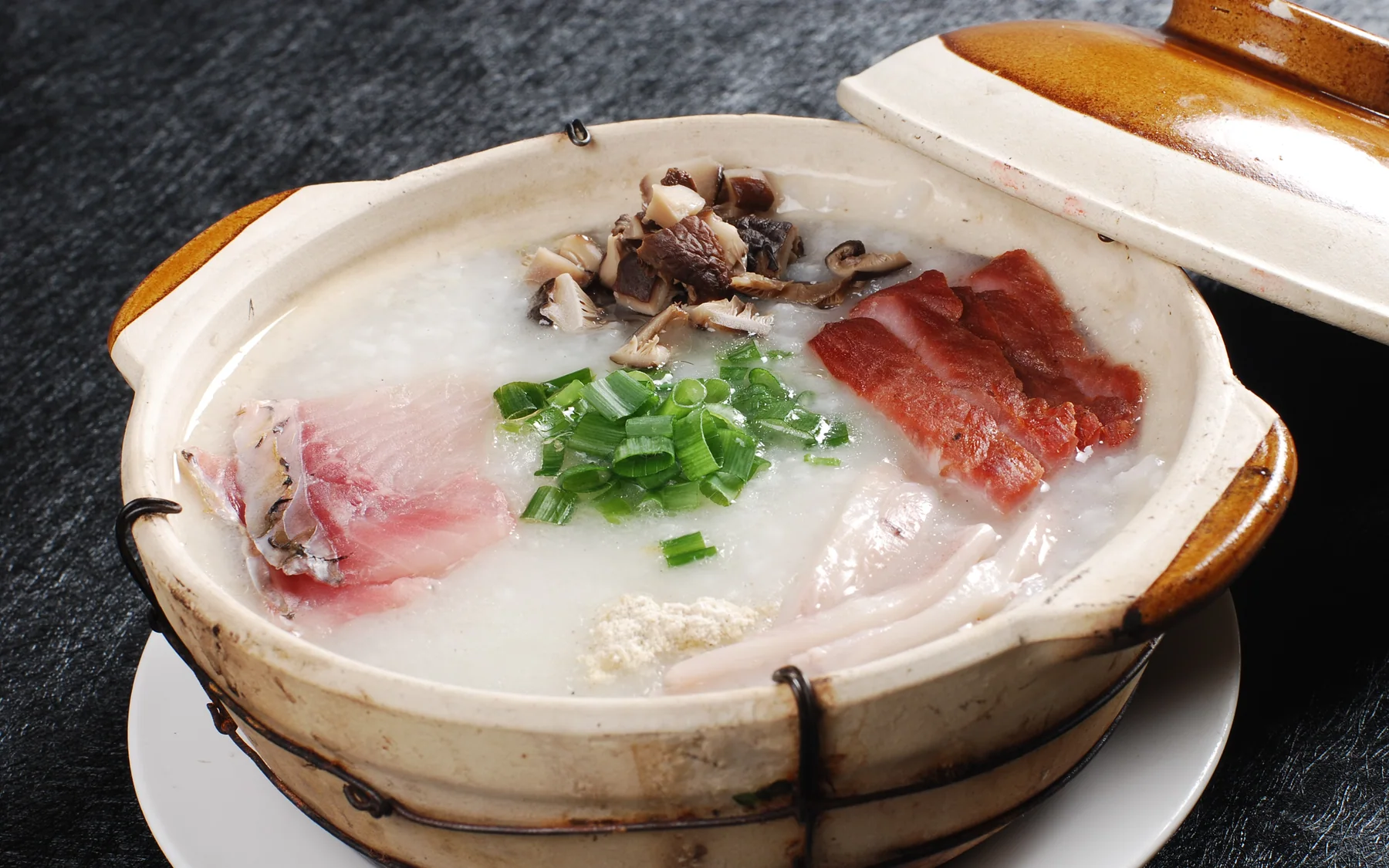
I would begin at home with congee if the goal is to understand method rather than perform authenticity. Record rice-to-water ratio, cooking time and final thickness; change one variable on the next morning. Add toppings only after the base grain is pleasant. A restaurant photograph can show how a finished bowl looks, but it cannot supply a tested recipe. East Moment will not invent precise quantities or food-safety assurances from an image.
Choose one staple, one protein or bean element and one local detail
At an unfamiliar stall, observe the fastest-moving item, read posted prices and ask a narrow question. Begin with the standard version before adding every topping. Carry small digital payment options where appropriate, but do not assume every vendor accepts a foreign card or cashless method.
Dietary needs require exact questions about lard, stock, egg, sesame, peanut, soy, wheat and shared oil. A vegetable-looking breakfast can contain animal broth; a rice noodle can meet wheat sauce. Visual confidence is not ingredient knowledge.
Crowds suggest turnover, not guaranteed safety
Look for active cooking, protected ingredients, clean utensils and separation between money handling and food contact where possible. Hot food should arrive hot. Raw ingredients and cooked items need different tools. Local popularity is useful context but cannot certify every batch.
Street eating deserves neither fear nor blind worship. I choose the stall where process is visible and turnover is real, then I make a decision. Mature cultural writing gives readers agency instead of using ‘authentic’ as a command to ignore their senses.
A breakfast guide should help you enter a morning without turning it into a safari
Name the city and neighborhood, arrive when the food is actually served, order the local form, notice the equipment and get out of the queue’s way. Eat while texture is alive. Learn one word if it helps the exchange. Pay fairly and do not convert workers into background actors for endless filming.
The goal is not to conquer a list before 9 a.m. It is to understand why one food, made by these hands, meets this street at this hour. That is a small but complete cultural encounter—and one of the strongest reasons to travel hungry.