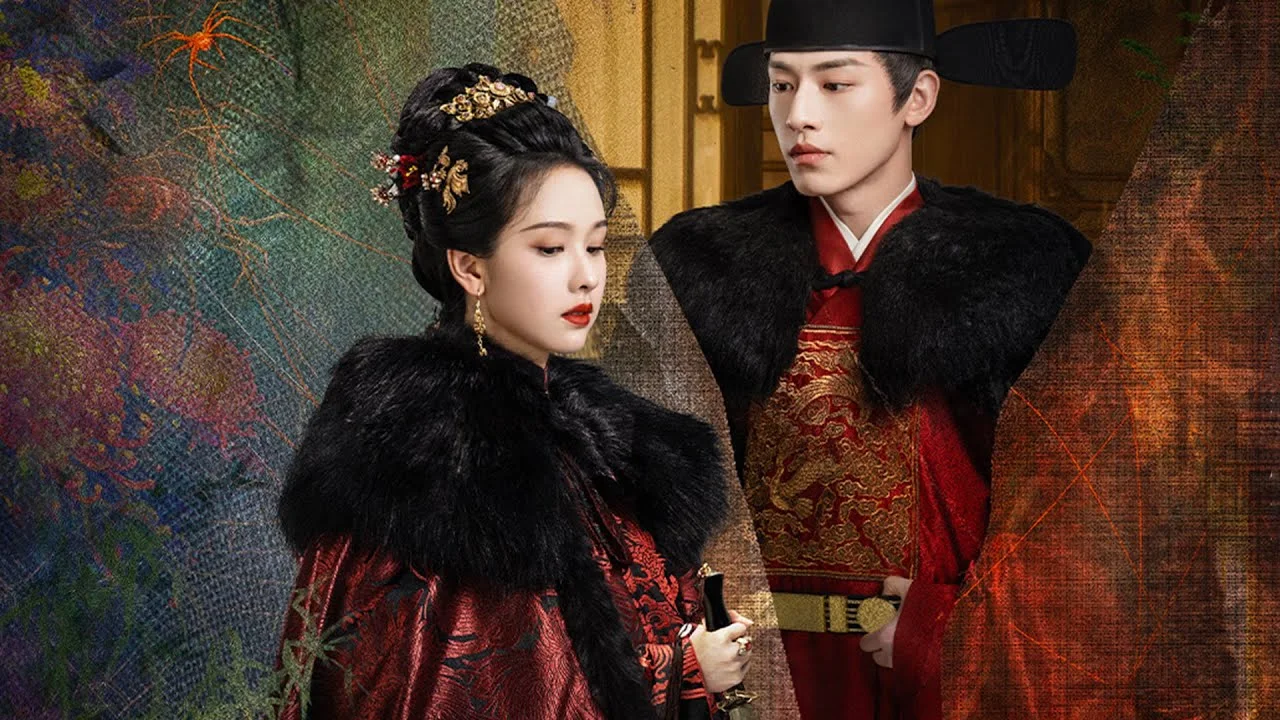
Zhang Ziyi is often remembered as an image of control: balanced posture, contained emotion and a face that can hold the frame without explaining itself. Her best acting is more active than that description. She makes control feel expensive. A look is delayed because the character is deciding what may be revealed; a body remains formal until anger, desire or humiliation forces a different rhythm. Precision matters because we can see what threatens it.
Zhang Ziyi in 60 seconds
| Question | Short answer |
|---|---|
| Chinese name | Zhang Ziyi (章子怡) |
| Born | February 9, 1979, in Beijing |
| Global breakthrough | Jen Yu in Crouching Tiger, Hidden Dragon |
| Best first film | Crouching Tiger, Hidden Dragon for the complete instrument |
| Best acting contrast | The Grandmaster after Crouching Tiger |
| Essential modernist role | Bai Ling in 2046 |
| Hollywood entry point | Memoirs of a Geisha |
| Strongest tool | Making restraint feel like a decision under pressure |
| Wrong shortcut | Treating elegance as passivity or martial skill as the performance |
If you watch only one film, choose Crouching Tiger, Hidden Dragon. If you want to understand the actor rather than the breakthrough, watch The Grandmaster next. The first lets Jen Yu explode against rules; the second asks Gong Er to live inside a promise that slowly consumes the available future.
Who Zhang Ziyi is, and why her name appears two ways
Zhang Ziyi is a Beijing-born Chinese actor whose international recognition expanded rapidly through The Road Home, Crouching Tiger, Hidden Dragon, Rush Hour 2, Hero and Memoirs of a Geisha. English-language credits sometimes place the given name first as Ziyi Zhang. Zhang is the family name; Ziyi is the given name.
Searches for “Zhang Ziyi movies” often produce a prestige-film checklist. That answers where she appeared, but not why directors with very different visual systems kept finding new uses for the same apparent composure. The useful question is how each film changes what her control means.
Best Zhang Ziyi movies by what you want to see
| Your intent | Start with | What it reveals | Main limitation |
|---|---|---|---|
| Understand the global breakthrough | Crouching Tiger, Hidden Dragon | Youth, rebellion, physical freedom and social enclosure | The action can distract from the social performance |
| See controlled tragedy | The Grandmaster | Pride, inheritance and desire compressed into formal behavior | The film's fragmented versions complicate a simple viewing route |
| Study visual severity | Hero | A body subordinated to color, rhythm and political scale | The character has less psychological space than the composition |
| See modern emotional abrasion | 2046 | Glamour as defense, need and retaliation | The narrative is deliberately indirect |
| Understand Hollywood visibility | Memoirs of a Geisha | Star presence navigating an English-language prestige production | It should not be treated as transparent Japanese history |
| See the earliest baseline | The Road Home | Openness and direct emotional pursuit before the later armor | A simpler role than the mature comparisons |
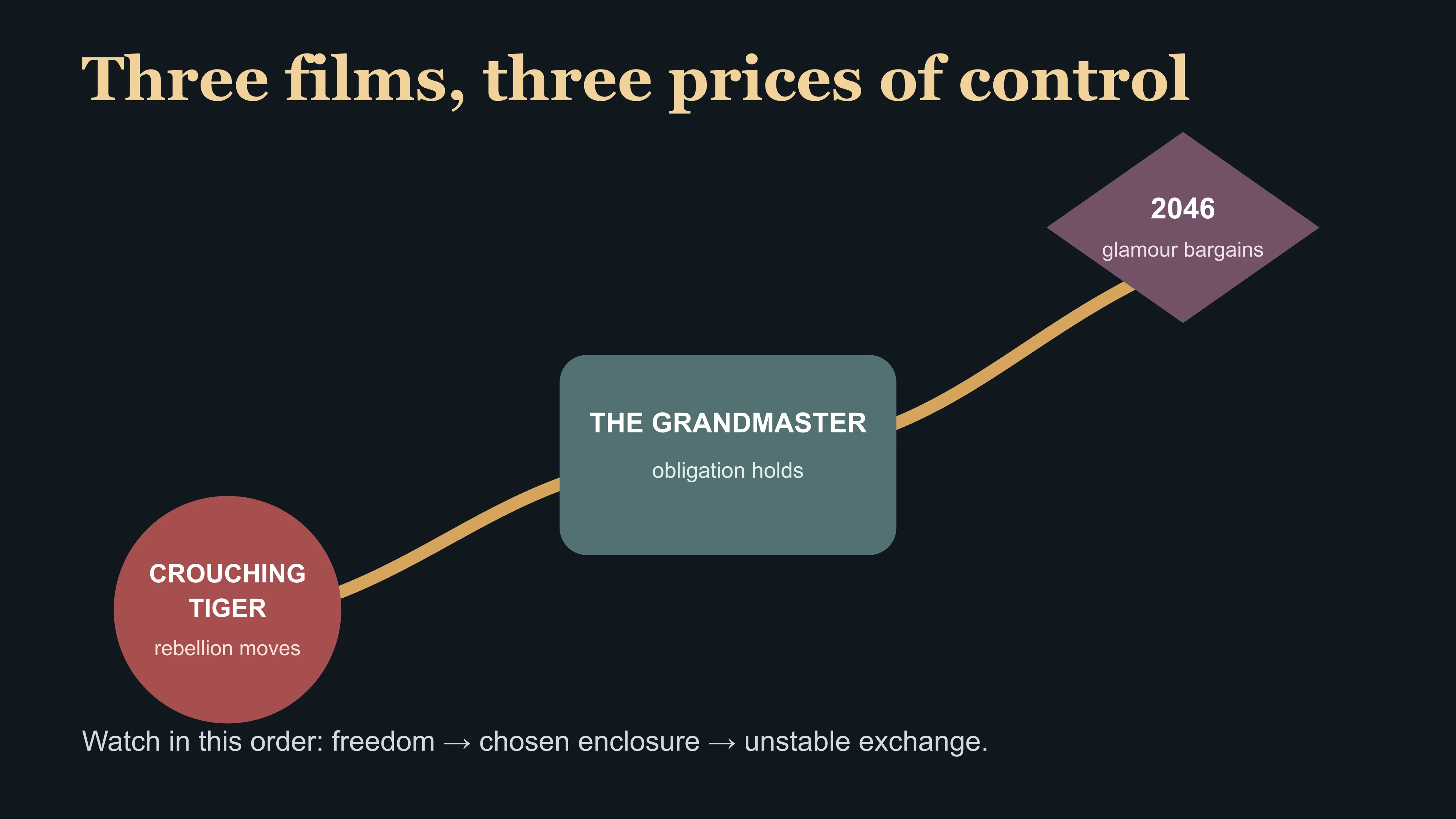
This is a viewing route, not a ranking. Begin with freedom, then watch restraint, then use 2046 to test whether the familiar precision survives in a more unstable emotional world.
Crouching Tiger makes rebellion physical
Jen Yu is introduced inside privilege, discipline and an approaching marriage, but her body keeps imagining another life. That is why the fights matter. Movement is not spectacle placed beside character; it is the form in which the character's refusal becomes temporarily honest.
Zhang makes youth visible through speed and impatience. Jen does not merely perform difficult choreography. She attacks limits before she understands the cost of living without them. Michelle Yeoh's Yu Shu Lien provides the necessary counterweight: competence shaped by responsibility rather than fantasy.
Sony Pictures Classics' public Crouching Tiger, Hidden Dragon trailer, represented by the opening image, places the two performances inside the same visual system. Use it to compare movement and restraint, not as a substitute for the complete film.
Read the performance beside East Moment's Michelle Yeoh guide. The two actors do not represent young freedom and old repression. They show two people paying different prices for movement inside the same social order.
Hero turns the person into a line inside a painting
In Hero, Zhang Yimou's color and composition organize bodies with extraordinary force. Zhang's role as Moon is not the fullest psychological test in her filmography, but it clarifies an important skill: she can make a small emotional disturbance register inside a frame designed to overpower the individual.
That precision has a cost. A beautiful image can make viewers remember posture and fabric more clearly than decision. The right question is not whether the film looks magnificent. It is whether the character changes the composition or merely completes it.
This is one reason a general Chinese film route should connect directors, actors and visual traditions rather than treating each famous title as an isolated monument.
The Grandmaster makes restraint expensive
Gong Er inherits a martial name, a family obligation and a historical world closing around both. Zhang's stillness here does not mean peace. It means a person continually preventing feeling from interfering with the identity she has chosen to preserve.
Use the public The Grandmaster trailer as a visual comparison. Watch how costume, architecture and controlled movement make obligation visible before dialogue explains it. The opening portrait belongs to this role because Gong Er, not Jen Yu, is the cleanest image of the actor's mature control.
The role is sometimes reduced to elegance or martial authenticity. Neither is enough. Gong Er becomes moving because every controlled gesture carries an alternative life she will not permit herself to enter. The tragedy is not that she lacks agency. It is that agency is spent defending a choice that narrows her future.
2046 proves glamour can be an injury response
Bai Ling is less protected by historical dignity. She is funny, sharp, desirous and capable of using style as both invitation and defense. When affection is not returned on the terms she wants, polish becomes abrasion. That distinction is clearer beside Liu Wen's modeling craft: a model adjusts the body so a garment can speak, while Bai Ling uses clothes to keep a wounded person from being read too quickly.
This role matters because it breaks the easy equation between Zhang Ziyi and noble restraint. The body is still precise, but precision now manages humiliation, bargaining and anger. Wong Kar-wai's fragmented emotional time gives her pauses a different function from Gong Er's: not loyalty to a code, but an attempt to control an unstable exchange.
The Wong Kar Wai guide uses this performance as an actor-level test: visual atmosphere matters because a person keeps colliding with it.
Memoirs of a Geisha is important, but not the center
The film expanded Zhang's Hollywood visibility, yet it is a poor single answer to “Who is Zhang Ziyi?” The English-language production, Japanese setting and international casting raise questions about representation that cannot be solved by praising costumes or star power.
Her performance still demonstrates adaptability: close-ups must carry a large transformation inside a highly controlled prestige style. But the film should be placed after the Chinese-language work, not before it. Otherwise an international production becomes the frame through which the entire career is interpreted.
The practical route is simple: use Memoirs of a Geisha to understand global casting, not to define the actor's deepest screen language or to learn Japanese cultural history without further context.
That distinction also matters when reading Fan Bingbing's career. Both women became globally legible through image and international production, but Zhang's decisive instrument is movement under obligation, while Fan is most revealing when public visibility itself becomes pressure. “International Chinese actress” is an industry label, not a shared acting style.
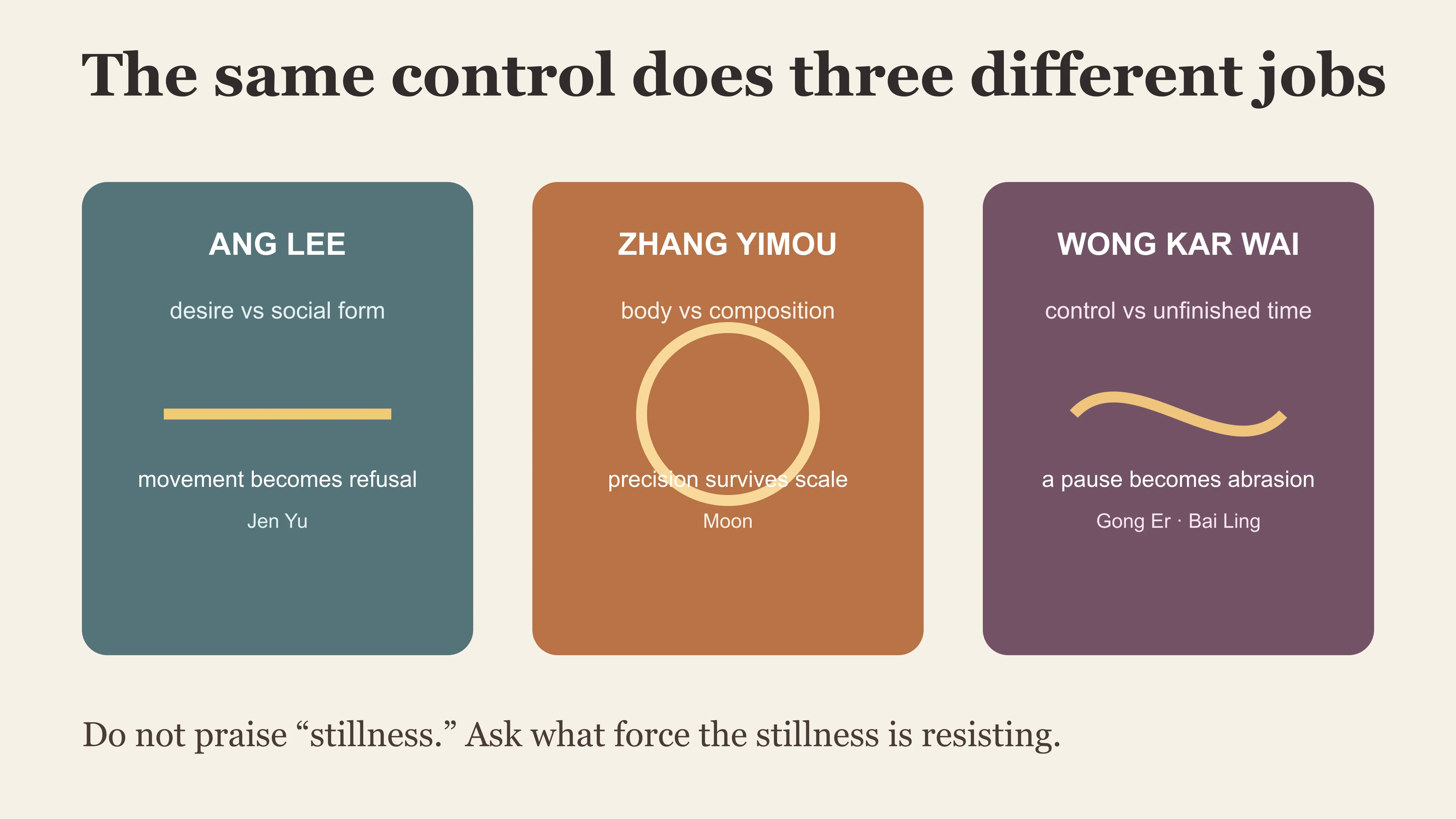
Three directors reveal three different kinds of control
In a public TIFF interview, represented by the opening image, Zhang compares working with Ang Lee, Zhang Yimou and Wong Kar-wai. The value of that conversation is not celebrity memory. It is a reminder that performance emerges inside a directing system. Use her distinctions as production context, not proof of one objective ranking.
- Ang Lee creates conflict between desire and the social structure that gives desire meaning.
- Zhang Yimou asks the body to remain legible inside strong color, geometry and collective scale.
- Wong Kar-wai lets mood, repetition and unfinished time disturb any stable explanation of the person.
The same actor can therefore appear “restrained” in all three systems while doing different work. A useful Ang Lee guide must eventually show how performance, genre and cultural translation change together, not simply list awards.
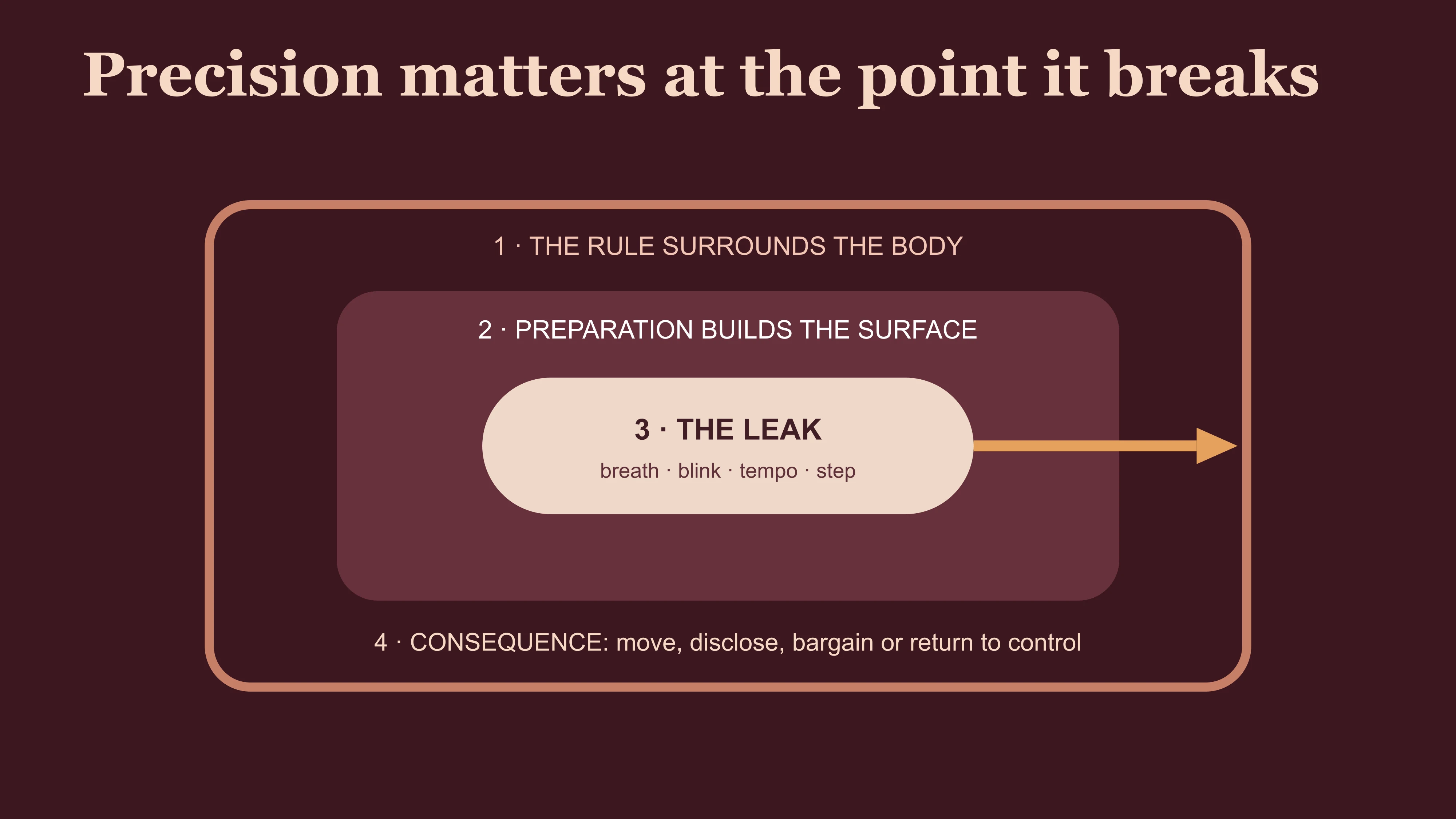
How to watch one Zhang Ziyi scene closely
- Identify the rule. What social, family, professional or emotional behavior is expected?
- Watch the preparation. Notice posture and gaze before the other person speaks.
- Find the leak. A breath, blink, step or change of tempo reveals what control cannot fully contain.
- Check the consequence. Does the character act differently, or does the feeling return behind the same surface?
- Compare directors. Ask whether camera and editing preserve the choice or turn it into atmosphere.
This method separates acting from photogenic stillness. Beauty may attract the eye; change gives the image dramatic value.
She’s Got No Name returns her to a woman the world has already judged
The most useful recent Zhang Ziyi role is not a victory lap. Peter Ho-Sun Chan's She’s Got No Name places her in 1940s Shanghai as Zhan-Zhou, a working-class woman charged with dismembering her husband. The Festival de Cannes film record identifies Zhang as the lead and describes a murder case that pushes the character into both a courtroom and public opinion. That premise matters because Zhang's familiar control now belongs to someone denied the protection of status, education and even an independent name.
I would not sell this as “Gong Er, but poorer.” That comparison erases the point. Gong Er inherits a name and spends herself defending it; Zhan-Zhou begins with a name assembled from the men who owned her social position. The pressure therefore travels in the opposite direction. One woman narrows her future to preserve identity. The other has to discover a will to live before society admits that she possesses an identity worth hearing.
This is exactly why a current actor profile cannot stop at the old international hits. The question is not whether Zhang can still look formidable in a period frame. We already know she can. The question is whether decades of screen authority can be stripped from the star and rebuilt as the survival intelligence of a woman whom everyone has already interpreted. That is a harder test than another elegant martial portrait, and it is the role I would watch next.
International visibility is not the whole career
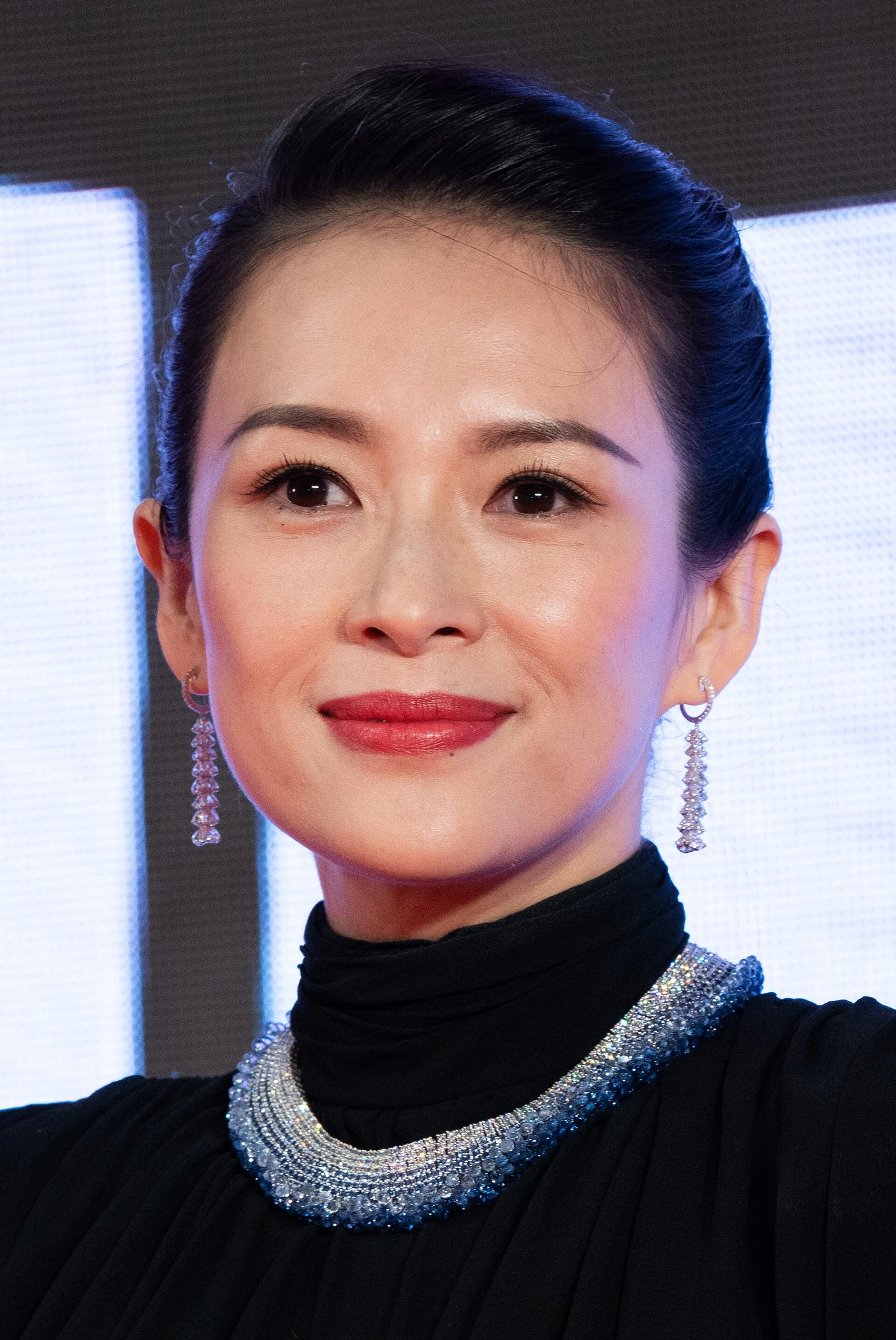
This 2019 Tokyo image records something more consequential than another red-carpet appearance: Zhang arrived as the festival's jury president, asked to judge cinema rather than merely decorate its publicity. That shift from internationally visible performer to institutional decision-maker belongs in the career story. It does not make Western or festival recognition the measure of her worth. It shows that decades of choices under directors such as Zhang Yimou, Ang Lee and Wong Kar-wai had accumulated into interpretive authority of her own.
Zhang's authority can become a ready-made prestige signal. Some productions place her in an elegant frame and assume the frame has already created depth. When the script gives the character no meaningful decision, control becomes a surface repeated from stronger roles.
Her best work resists that trap by making composure unstable. Jen Yu's movement, Bai Ling's aggression and Gong Er's chosen enclosure are not variations of one “strong woman” image. They are different answers to what a person does when desire and social form cannot coexist cleanly.
Final verdict: where to start with Zhang Ziyi
Start with Crouching Tiger, Hidden Dragon, continue with The Grandmaster, then watch 2046. That sequence moves from rebellion to obligation to emotional negotiation. Add Hero for composition and Memoirs of a Geisha for international star context.
Zhang Ziyi's value is not that she remains perfectly controlled. It is that she makes us measure the pressure required to remain controlled, and notice the exact instant when a person chooses movement, disclosure or refusal instead.
Continue through the Chinese actors guide and the broader Chinese martial arts context. In the comments, bring one scene and name the precise change. The community does not need another “best actress” vote; it needs evidence another viewer can return to.