Zhao Liying's career makes sense when you stop sorting her roles into costume versus modern and start watching how much space each woman believes she can occupy. Ming Lan survives by making intelligence smaller than it is. Xu Banxia in Wild Bloom expands into rooms built by men. Her recent film work removes the protection of heroine glamour and asks what remains when social damage reaches the body.
Zhao Liying made ambition physically larger
| Reader question | Direct answer |
|---|---|
| Who is Zhao Liying? | Zhao Liying (赵丽颖), also credited as Zanilia Zhao, is a Chinese actor known first for television costume dramas and increasingly for realist television and film roles. |
| Why is she famous? | The Journey of Flower and Princess Agents made her a major costume-drama lead; The Story of Ming Lan deepened the craft; Wild Bloom confirmed a mature modern register. |
| What is her best drama? | The Story of Ming Lan for detailed social intelligence; Wild Bloom for mature force; The Legend of Shen Li for a later fantasy lead with comic confidence. |
| Which movie should you watch? | Article 20 for a high-pressure supporting performance; The Unseen Sister for ambiguity between two women; We Girls for the newer socially exposed route. |
| East Moment verdict | Her evolution is credible because later roles do not merely look older; they demand a different relationship to labor, power and visibility. |
The lazy version of Zhao Liying's story says she came from an ordinary background, worked hard and became a star. That is inspirational biography, not criticism.
Her screen work gives us something more specific. She became famous playing women whose power was easy to underestimate, then learned to make power visible without losing the memory of what it cost to acquire.
Early Zhao Liying made openness a survival tool
In The Journey of Flower, the roundness of the face, quick response and emotional accessibility allow innocence to be read immediately. The character's later suffering depends on the audience remembering that initial openness.
In Princess Agents, survival is more physical. The body must scan danger, absorb violence and decide before safety exists. These roles established Zhao's ability to make a young woman emotionally available without making her passive.
They also created an expectation: the underestimated heroine will reveal exceptional strength. Repeating that structure could have kept producing hits while narrowing the actor.
The real development begins when strength becomes less heroic and more social.
The Story of Ming Lan turns hiding into intelligence
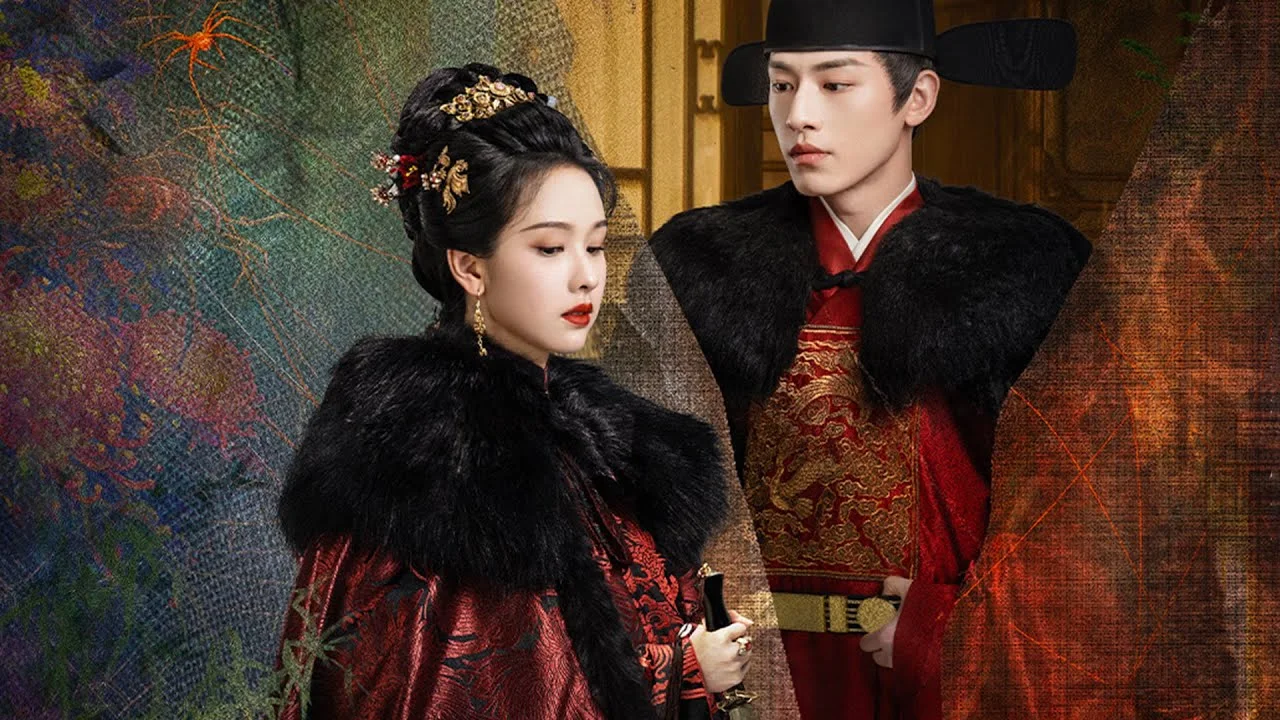
The Story of Ming Lan is the essential bridge. Ming Lan is not weak and later transformed into strength. She is intelligent from the beginning and understands that displaying intelligence inside her household can be dangerous.
Ming Lan survives by appearing less clever than she is. That is why Zhao Liying feels inseparable from the role: the performance gives us a scene test more useful than absolute praise.
Watch the difference between knowing and revealing. Zhao often lets the eyes complete a calculation before the face returns to social neutrality. Speech is not self-expression; it is resource allocation.
The production's candlelit interiors and crowded family spaces matter because Ming Lan rarely receives an empty frame where she can be fully herself. She must think inside other people's attention. That is more difficult than performing intelligence through victorious lines.
The available public Episode 1 thumbnail was only 480×360 and has been excluded from the article's main visual sequence. Evidence quality includes knowing when not to enlarge a weak image.
Wild Bloom gives her permission to be socially large

Xu Banxia does not survive by shrinking. She talks, negotiates, eats, occupies industrial space and treats money as action rather than moral contamination. Zhao changes more than wardrobe. The torso opens, reactions become outward and the character's appetite is allowed to exist without apology.
This is a genuine break from her earlier image. Zhao's emotionally expansive, commercially slippery energy fits Xu Banxia, although the script sometimes protects the heroine from the ethical cost of her business choices.
I reject the lazy claim that Zhao “only plays strong heroines.” Her officials want to rise, her businesswomen want to make money and even her romance leads pursue love openly. The common thread is not genre but an internal value system and a concrete objective. Ming Lan survives by hiding the size of her mind. Xu Banxia survives by making her appetite impossible to ignore. The continuity is subjecthood; the performance changes the amount of space it can safely occupy.
That criticism makes the role better to discuss. Xu Banxia should not be admired merely for doing what male entrepreneurs do. The interesting performance holds ambition, opportunism, loyalty and self-justification in the same body.
This is the role where Zhao stops asking permission from the frame.
Zhao Liying's body remembers the class rule of each room
The change from Ming Lan to Xu Banxia becomes clearest when both women sit at a table. Ming Lan reads who may speak, who is watching and how much intelligence can be safely shown. Xu Banxia treats the table as a site of negotiation: she can eat, interrupt, name a price and let appetite become public.
I do not see that as a simple journey from timid to confident. The women live under different economic rules. Ming Lan's controlled smallness is not cowardice; it is social engineering inside a household where visibility can be punished. Xu Banxia's expansion is not liberation in the abstract; it is a commercial tactic in a world where hesitation will be priced against her.
Zhao makes the contrast persuasive because she does not throw away the earlier survival memory. Xu Banxia can occupy more space and still scan for contempt. The voice can be louder while the body remembers that authority is conditional. That residue prevents the businesswoman from becoming a motivational poster.
This is also where easy praise becomes dangerous. Calling every later role “powerful” erases the difference between legal vulnerability in Article 20, industrial ambition in Wild Bloom and emotional ambiguity in The Unseen Sister. Power is not a facial expression. It is what the character can cause, refuse or survive within a particular institution.
My strongest Zhao Liying scenes are the ones where a social rule becomes physical before it is explained. She chooses a smaller chair, keeps eating while a man tries to dominate the conversation, or allows another person to believe the wrong thing for one more beat. Those choices make biography irrelevant. The character is thinking with space.
The Legend of Shen Li is not regression to fantasy

Returning to costume fantasy after realist success could look like repetition. Shen Li avoids that when the role carries adult fatigue and comic irritation rather than restarting youthful innocence.
I read the series as the small, ordinary love of tired adults. That description catches its temperature: Shen Li has power, but she is also tired of what power requires. Her comedy is not a contradiction, and romance offers rest without making her competence disappear.
That is a different fantasy heroine from the early Zhao Liying route. Age here is not decline; it is accumulated inconvenience.
Article 20 removes the comfort of heroic centrality

In Article 20, Zhao appears within a larger legal and social argument rather than a world built to validate her character's strength. The role asks for distress without glamorous control and forces the viewer to confront how institutions translate injury into evidence.
This page does not use a performance to explain Chinese law. The film's legal framing requires separate institutional analysis. What the role demonstrates is Zhao's willingness to surrender verbal command and make another person's refusal to listen part of the scene.
Supporting work matters because it removes the guarantee that the narrative will wait for the star.
The Unseen Sister makes legibility itself suspicious
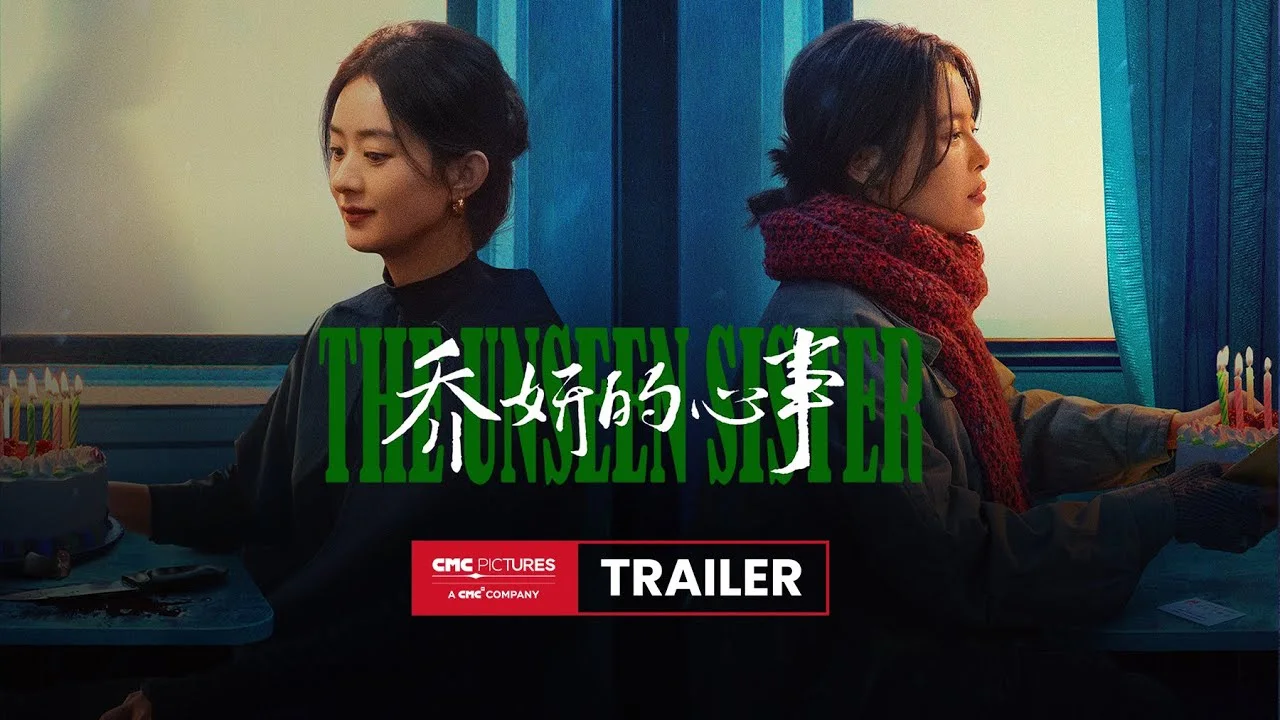
The Unseen Sister places Zhao opposite Xin Zhilei in a story where performance, memory and family identity cannot be cleanly separated. Zhao's celebrity face becomes useful in a new way: the audience expects access, while the film makes access uncertain.
Watch what happens when Qiao Yan says something socially correct. Does the body settle, or does another intention continue after the line? Mature ambiguity is not blankness. It is the presence of more than one defensible reading.
The film route is important because television often gives a popular heroine enough episodes to explain herself. Cinema can end a shot before explanation arrives.
We Girls continues the movement toward damaged collectives

The newer film route matters because Zhao is no longer only demonstrating that she can lead a production. She is testing what kind of body and social world a star-led production will allow around her.
We Girls belongs to a harsher collective register. The useful question is whether the camera lets other women retain difficulty, or turns them into proof of the central star's seriousness. A mature career must make room, not merely occupy it.
Prestige can become another costume for Zhao Liying
Once audiences reward an actor for becoming “serious,” hardship can become another brand. Plain clothes, industrial settings and suffering do not automatically create truth.
Test each later Zhao role through four questions:
- Does labor change the body or only the costume?
- Does class alter what the character can ask from another person?
- Can she be ethically compromised without the script protecting admiration?
- Do supporting women remain people rather than steps in her transformation?
Zhao Liying's strongest later work survives these questions often enough to make the change real. It should still be tested, not celebrated in advance.
I would add one harsher test: remove the inspirational soundtrack and ask whether the character's decision remains difficult. Zhao's public story makes upward movement emotionally irresistible, so a production can borrow that admiration before the fictional woman has earned it. Wild Bloom works when Xu Banxia's appetite, calculation and damaged alliances complicate the triumph. It weakens whenever struggle becomes a clean staircase toward applause. Zhao does not need another role that merely confirms endurance. She needs institutions and scene partners capable of making endurance morally expensive.
Choose Zhao Liying by the space she occupies
- For youthful emotional scale: The Journey of Flower.
- For detailed social intelligence: The Story of Ming Lan.
- For mature ambition: Wild Bloom.
- For adult fantasy confidence: The Legend of Shen Li.
- For a supporting film test: Article 20.
- For psychological ambiguity: The Unseen Sister.
- For a newer female ensemble: We Girls.
- For the wider map: move through the Chinese actors collection and Chinese television guide when a role needs a complete drama context rather than another celebrity ranking.
Compare her route with Yang Mi: both carried huge television visibility, but Zhao's most persuasive development comes from changing the character's social relationship to space rather than simply changing genre.
In the comments, choose one early and one later scene. Describe how she enters, sits, eats, speaks or withholds. Then join the East Moment community to build a performance comparison from observable choices rather than award lists.