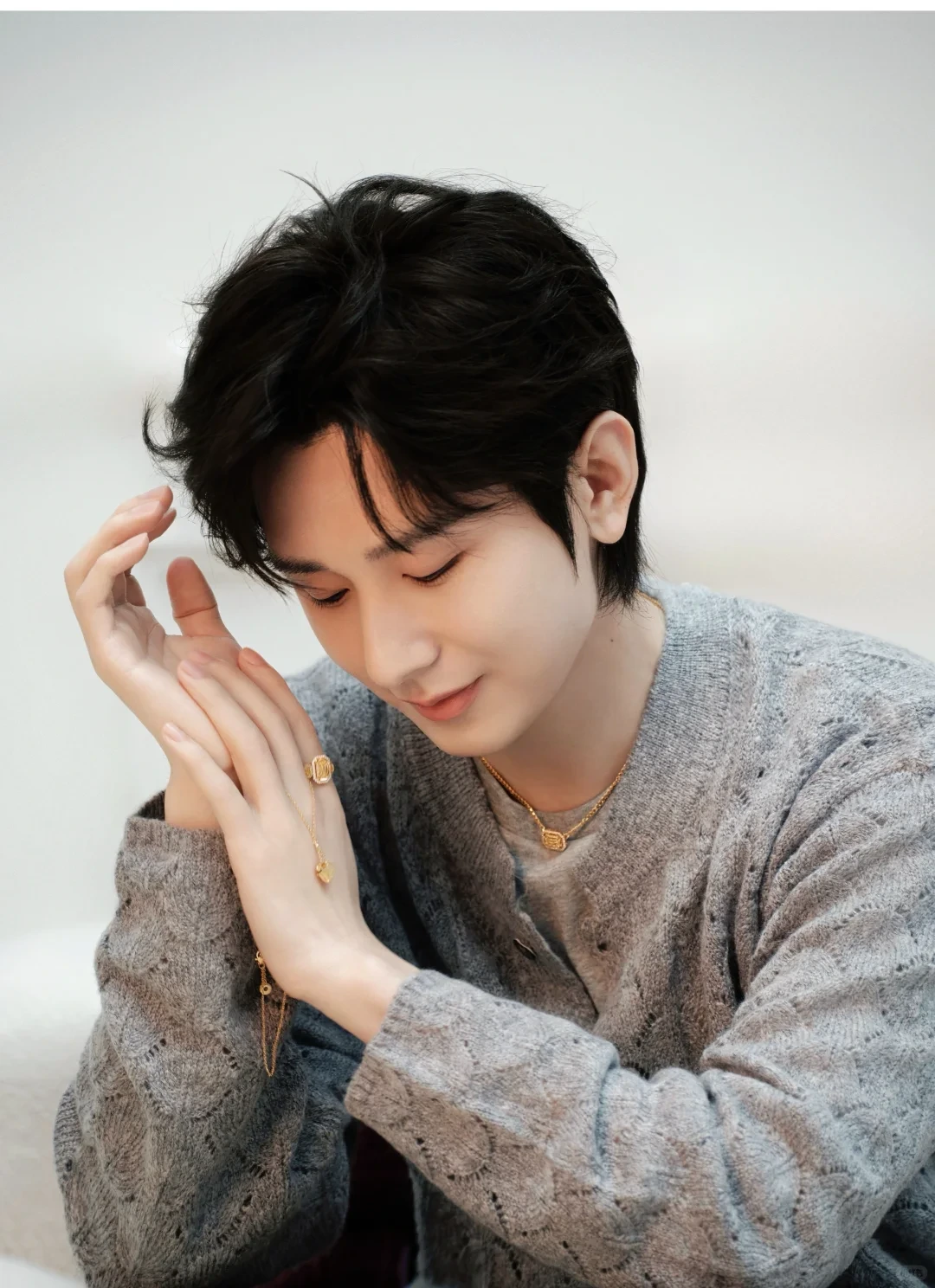
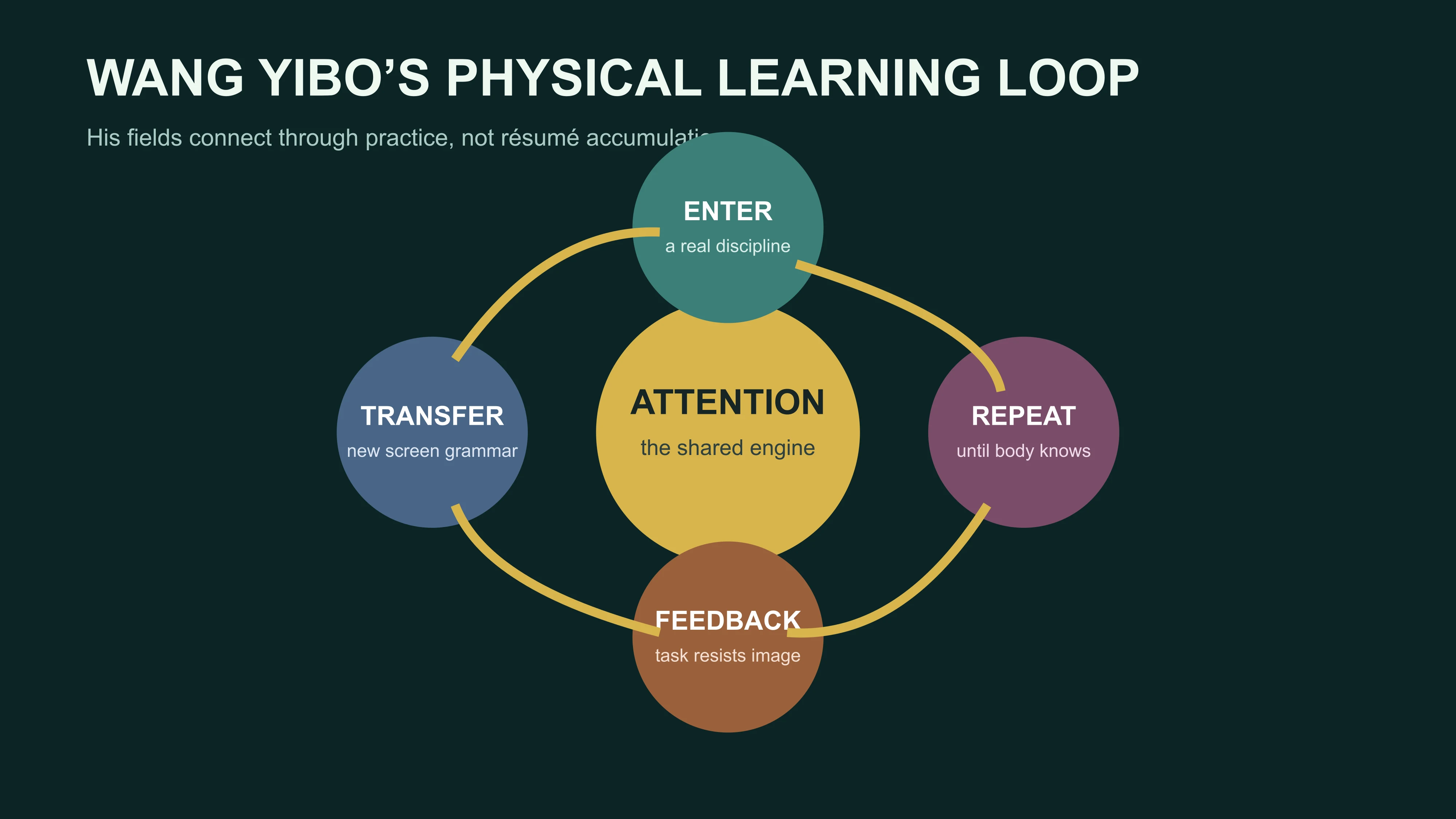
The simplest way to understand Wang Yibo is not to call him an actor who also dances. He is a physical learner: he enters a discipline, repeats until the body understands it, and carries that knowledge into the next thing. The Untamed made his stillness visible; street dance reveals the work inside that stillness; his short videos and outdoor experiences show the curiosity behind the work; War of Faith demonstrates how all of it can mature on screen.
Wang Yibo is best understood as a person in motion
Wang Yibo (王一博) is a Chinese actor, singer and dancer, internationally best known as Lan Wangji in The Untamed. That sentence answers the identification query, but it does not explain why people remain interested after discovering him through one drama.
My answer is that Wang Yibo is unusually difficult to flatten into a celebrity category. On screen, he can be almost motionless. On a street-dance floor, his decisions arrive through weight, rhythm and reaction. Away from a set, the image he repeatedly offers is not domestic intimacy or confessional talk, but the act of trying: riding, training, entering an unfamiliar landscape, learning what a body or machine will do.
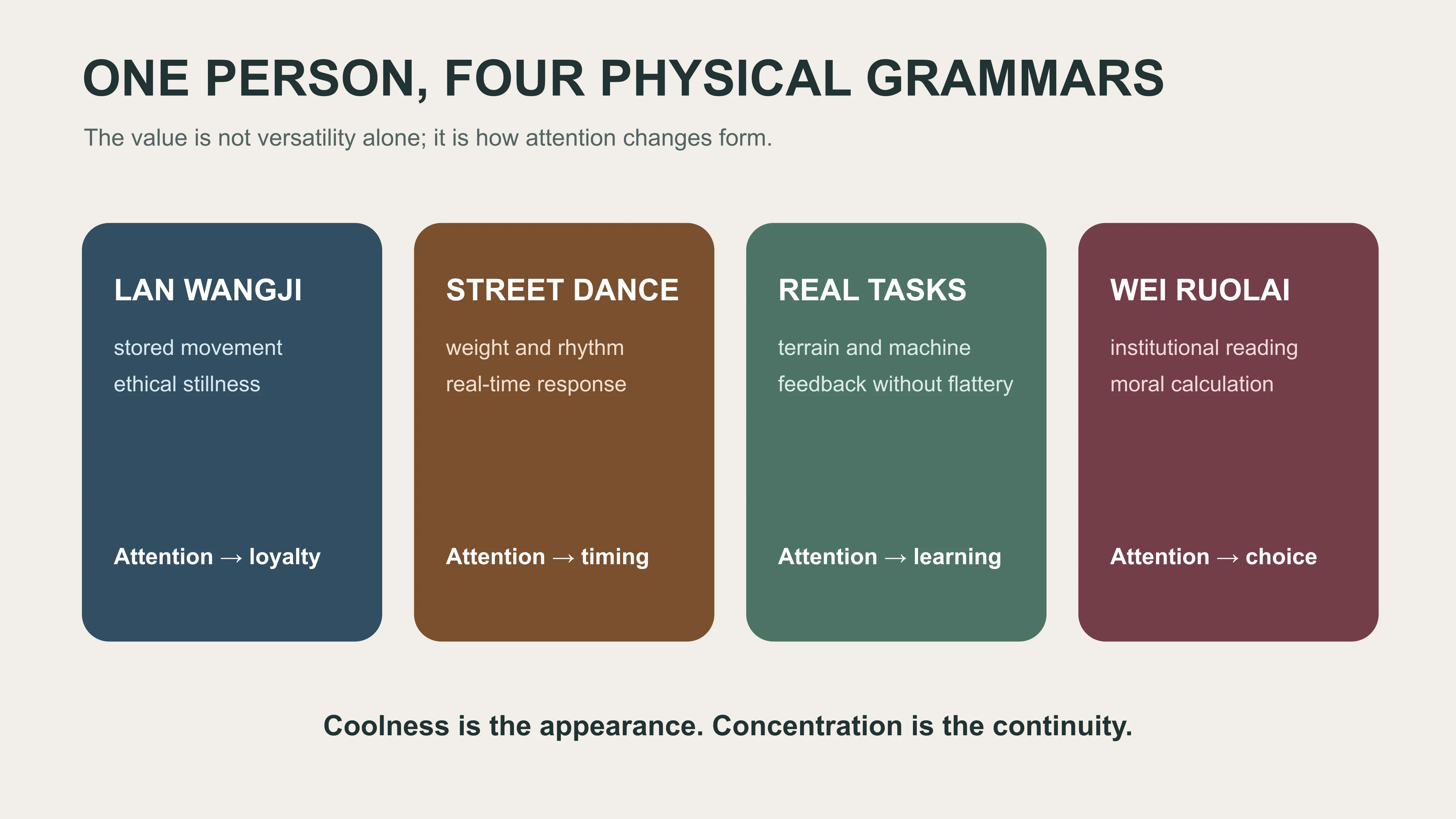
The connecting trait is not "coolness." It is attention. He seems most alive when something outside celebrity requires his full concentration.
Wang Yibo at a glance
| Reader question | Short answer |
|---|---|
| Why is Wang Yibo famous? | His idol and dance background led into acting; The Untamed gave him his defining international role as Lan Wangji. |
| What is his strongest non-acting skill? | Street dance, because it shows trained musicality, body control and real-time judgment rather than a promotional hobby. |
| Which drama should a new viewer watch first? | The Untamed for cultural impact and his language of restraint; War of Faith next to see how that control changed. |
| Which Wang Yibo song is a useful first listen? | "Bu Wang" (不忘), Lan Wangji's character song, connects his voice to the role through which many overseas viewers found him. It is an entry, not a summary of his music. |
| Is this a complete filmography? | No. This is a route through the work that best explains the person, not a database of every credit. |
The Untamed did more than make him famous
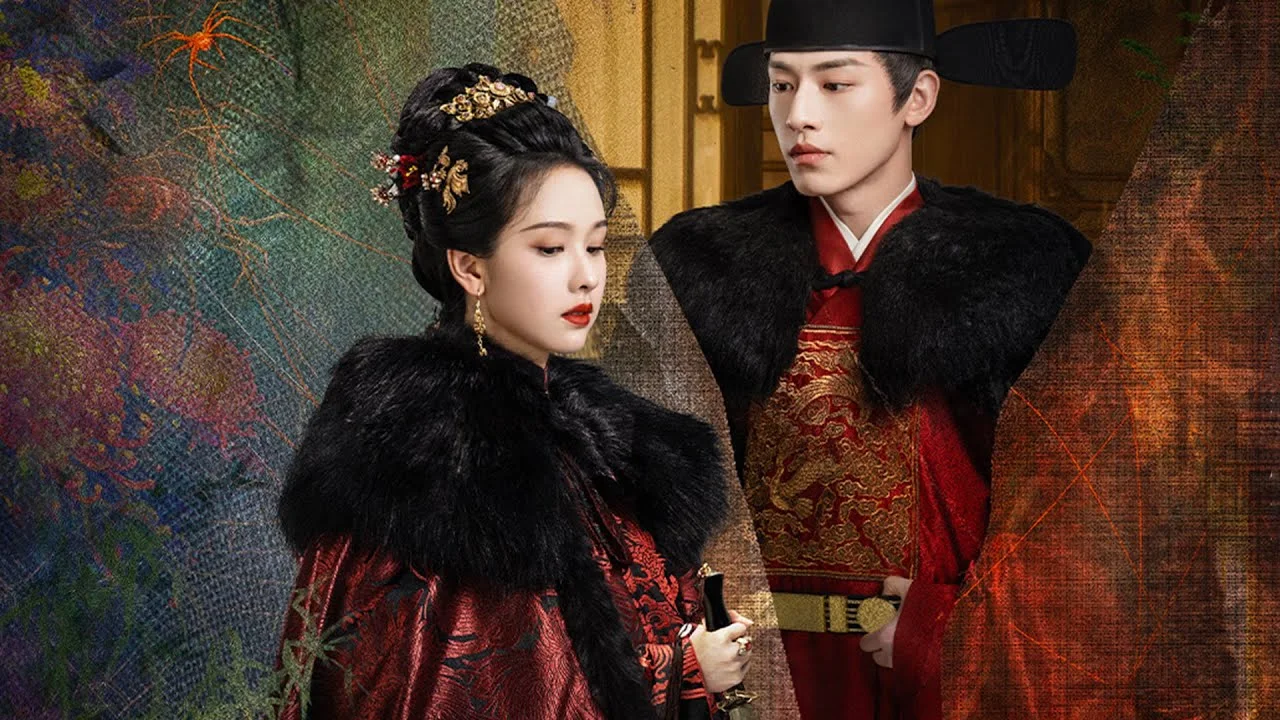
For many overseas viewers, Wang Yibo begins with the white forehead ribbon, the straight back and the disapproving glance of Lan Wangji. The role in The Untamed could easily have become beautiful costume and one-note coldness. It did not, because the character's silence gradually changes meaning.
Early stillness is discipline: Lan Wangji has inherited rules so deeply that his body appears to enforce them before he speaks. Later stillness becomes protection. The same economy of movement now has to hold affection, grief, dissent and a loyalty his social world cannot comfortably name. Wang Yibo's useful choice is not simply "show less." It is to let the audience notice whom Lan Wangji turns toward, how long he stays, and when obedience stops being moral.
This is why the role travelled. Subtitles can carry plot, but they often lose the temperature of an address or the weight of formal speech. A hand that pauses, a body placed between Wei Wuxian and danger, or a gaze held half a second longer survives translation. Read our full guide to The Untamed for the drama; stay here for what the role reveals about Wang Yibo.
My view is firm: Lan Wangji is not merely Wang Yibo's most famous role. It established his basic screen grammar. But treating that grammar as his whole personality is where most profiles stop too early.
His performance of Lan Wangji's character song "Bu Wang" (不忘) adds another layer. The song does not prove the acting, and an OST should not be mistaken for his complete musical identity. It does, however, let a viewer hear how the controlled longing attached to Lan Wangji moved beyond dialogue and into Wang Yibo's voice.
Street dance reveals what the stillness is made of

The official Street Dance of China footage from YOUKU matters because it removes the costume-drama illusion. There is no forehead ribbon to signify restraint and no editor can invent musical timing that is absent. Wang Yibo has to hear a beat, distribute weight, change texture and remain responsive to dancers around him.
What I notice is not the size of a move but the quality of the transition. He can move from a held position into a sharp accent without looking as if the music has surprised him. That ability explains something about his acting: stillness is not emptiness when the body is prepared to move. It is stored rhythm.
Being a captain also complicates the solitary "cool boy" image. A dance team requires watching other bodies, recognising styles unlike one's own and making choices under public pressure. Expertise does not make every choice correct, but it makes listening visible. The pleasure of watching him dance comes from seeing concentration turn outward.
This is also the fairest answer to people who encounter him only as an actor and wonder whether dance is a decorative line in a biography. It is not. Dance is one of the clearest pieces of evidence we have for how he learns.
His short videos matter because they are not a polished autobiography
Wang Yibo's short-video presence is often built around doing rather than explaining: entering a landscape, trying a physical skill, working with equipment, riding, observing and allowing an experience to occupy the frame. The appeal is not that these fragments reveal his private self. They do not, and viewers should not confuse access with intimacy.
What they reveal is a preference. Faced with the machinery of celebrity, he repeatedly chooses activities that can resist him. A motorcycle does not care about a fan count. A dance combination exposes weak timing. An unfamiliar environment demands attention to weather, terrain and other people. Reality gives him feedback that cannot be negotiated by image management alone.
This is where I think the public often misreads him. Silence is taken as mystery, and mystery is then filled with whatever admirers or critics want to see. The more grounded interpretation is less romantic and more interesting: he appears to trust practice more than self-description.
That does not turn every leisure clip into evidence of profound character. A curated feed remains curated. But across acting, dance and experience-led video, the repeated attraction to tasks is too consistent to dismiss as a single campaign pose.
War of Faith shows what happened after the body learned to listen
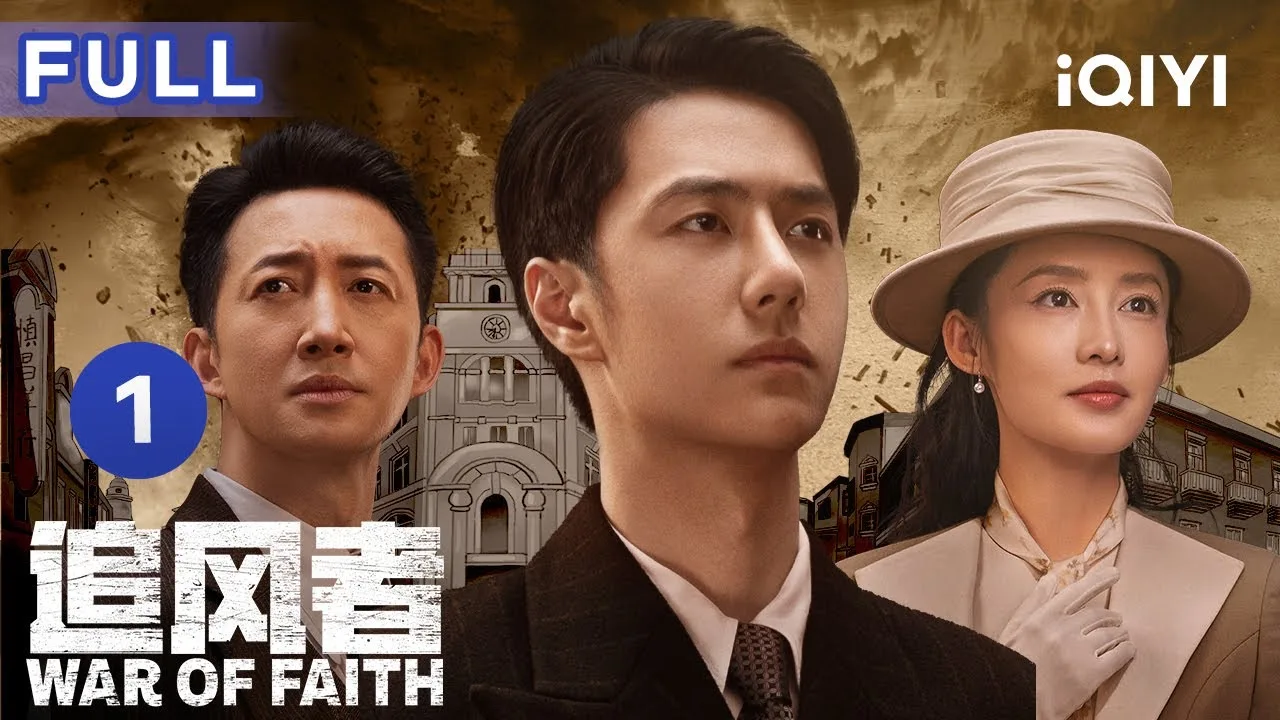
This official Episode 1 image places Wang Yibo between two older, more established forces before the story has earned any easy heroism for him. That composition is a better clue than a glamorous solo portrait: Wei Ruolai begins by looking toward institutions, mentors and possible futures, then has to decide which forms of belonging deserve his loyalty.

This is where War of Faith belongs: late in the argument, as development rather than definition.
Wei Ruolai is not Lan Wangji in a Republican-era suit. He begins with appetite, intelligence and a need to enter institutions that might change his life. His composure is therefore less like inherited discipline and more like active calculation. Watch where he directs attention in a room, when admiration becomes scrutiny, and how ambition acquires a moral cost.
An emotional explosion does not require every facial feature to fly out of control. Wang Yibo combines release with restraint, and a handsome actor can move me without the role begging for pity. Wei Ruolai's plain admission is enough: "就是我做的" - "It was me."
I agree that the scene rejects facial overstatement, but popularity does not settle whether acting is good. The line works because his body has already taught us to watch withheld decisions. When the words arrive, he is not displaying pain; he is accepting consequence. Dance-trained control and Lan Wangji's economy do not prove the performance, but they help explain why this kind of scene suits him.
The progression is the point: Lan Wangji protects a commitment already formed. Wei Ruolai forms one in front of us.
The tension that keeps Wang Yibo interesting
There is a real contradiction at the center of Wang Yibo's public image. He works in industries built on visibility, yet his strongest appeal is concentration that seems temporarily indifferent to being watched. The camera wants confession; he offers a task. Celebrity wants effortless aura; dance, racing and difficult roles expose effort.
That tension can become a trap. Admiration may turn every hobby into genius and every neutral expression into hidden depth. Skepticism may make the opposite mistake, assuming a reserved performer has nothing to communicate. Both readings avoid the work of looking.
The more useful test is specific:
- In The Untamed, does stillness make loyalty legible before dialogue does?
- In street dance, does control remain responsive to music and other people?
- In experience-led videos, does curiosity produce sustained attention rather than a quick pose?
- In War of Faith, does restraint change as Wei Ruolai's moral position changes?
These are different tests. Passing one cannot automatically prove the others. Together, however, they produce a much fuller person than the label "traffic star" or "cool actor."
Where to start with Wang Yibo
Choose the route that matches your question:
- To understand why the world noticed him: begin with The Untamed, then read the relationship between rules, loyalty and bodily restraint.
- To see his most undeniable craft outside acting: watch an official Street Dance of China performance, preferably a full sequence rather than a reaction edit.
- To see later acting development: continue to War of Faith and watch decisions accumulate before the emotional release.
- To test him in film: choose Hidden Blade for opacity and danger, One and Only for the direct bridge between dance and acting, or Formed Police Unit for whether physical discipline becomes responsibility inside a team.
- To enter through music: begin with "Bu Wang," then move outward to his stage work rather than assuming one character song defines him as a singer.
- To understand the person between projects: treat his experience-led short videos as a record of interests, not unrestricted access to a private personality.
- To explore his screen work more widely: use the Chinese actors collection and Chinese television guide instead of relying on a popularity ranking.
My verdict: his real subject is attention
Wang Yibo is not compelling because he has collected many identities. Plenty of celebrities act, sing, dance and attach themselves to sports. He is compelling when those fields stop looking like résumé items and begin to expose the same habit: he learns by placing his body inside a problem and paying attention until performance becomes response.
That is why The Untamed matters, why street dance cannot be treated as a footnote, why the experience-seeking short videos belong in a serious profile, and why War of Faith is evidence of growth rather than the final definition of the man.
In the comments, bring one scene, dance or real-life detail that changed how you understood Wang Yibo. Then join the East Moment community to compare evidence without turning the discussion into a fandom ranking. Readers who entered through Lan Wangji can continue with our Xiao Zhan guide and the full drama guide.