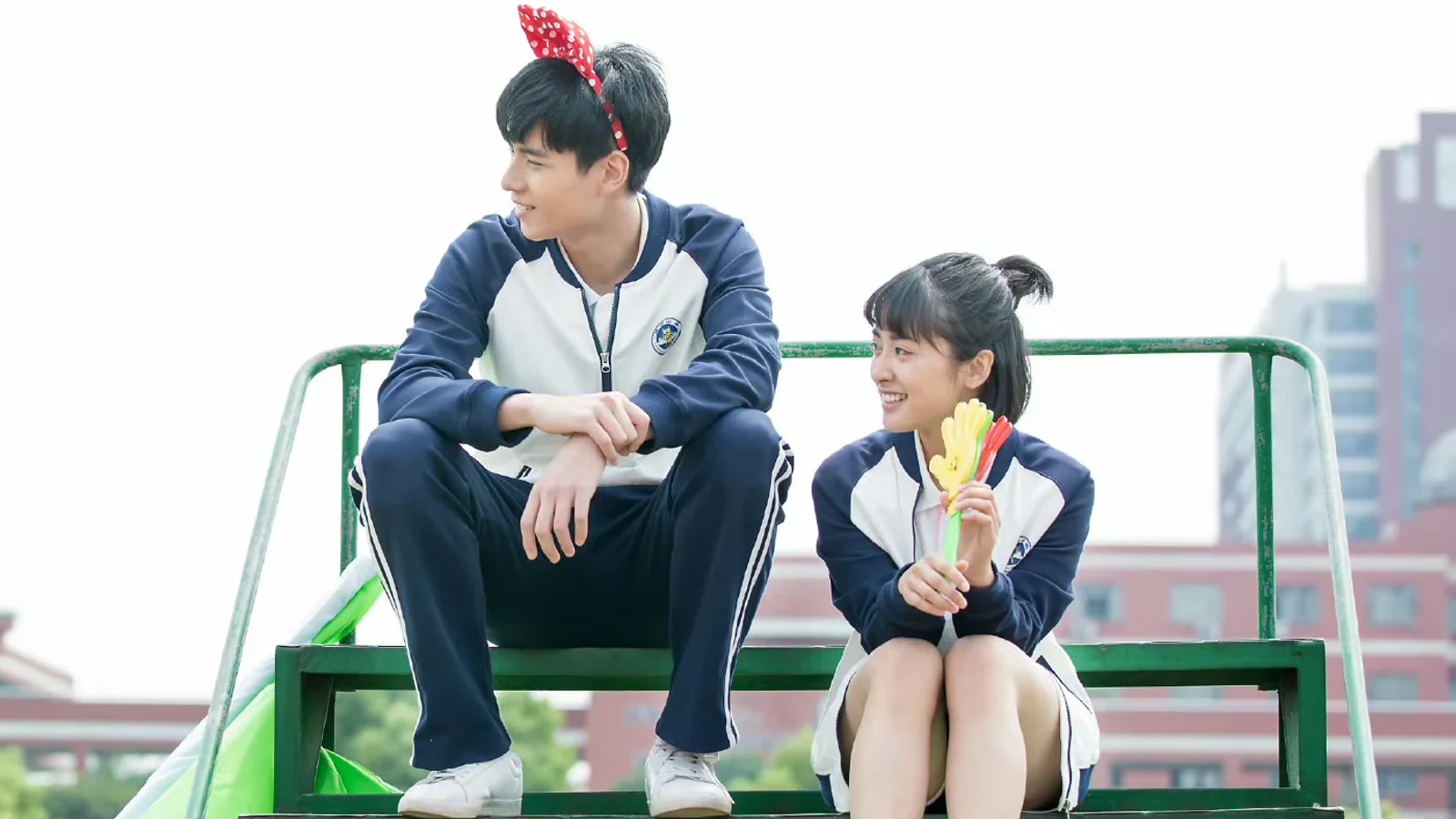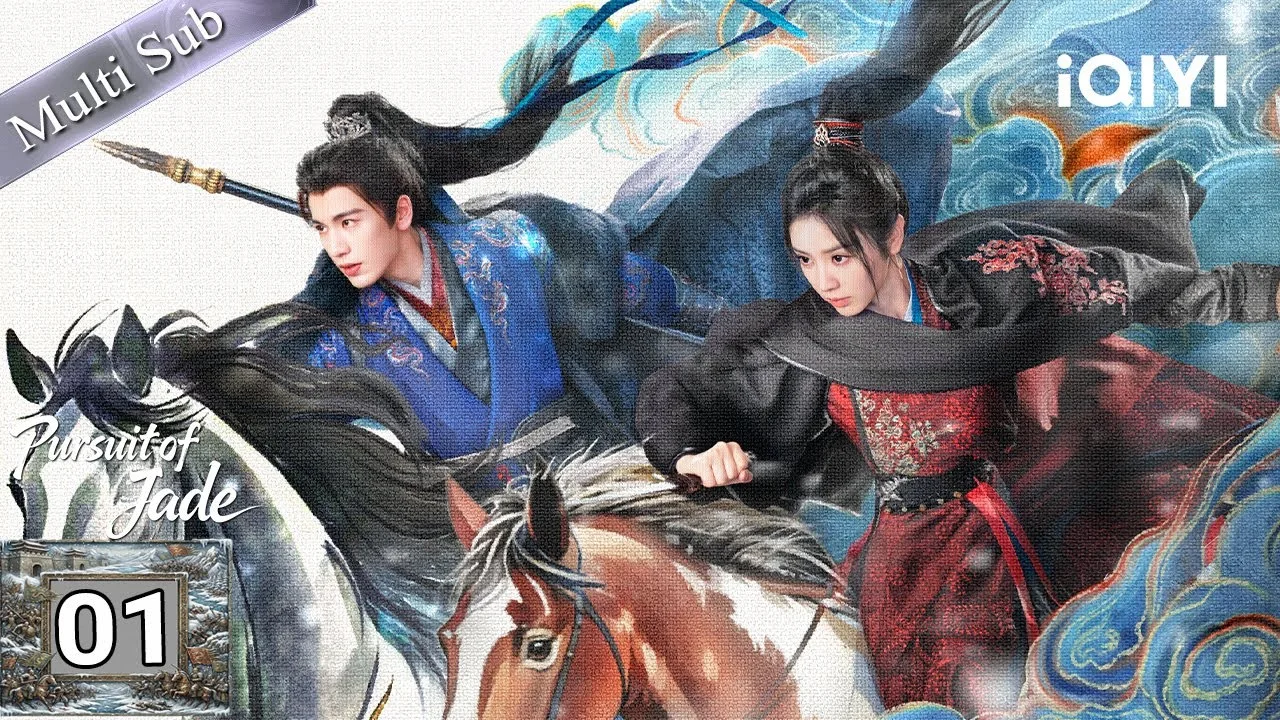
Pursuit of Jade is worth trying for its unusually practical opening: a butcher's daughter and a hunted nobleman do not fall together because fate says so; they negotiate because each needs something the other can provide. That clarity makes the early relationship work. The series becomes much less reliable when a household survival story expands into female-warrior spectacle and political war without preserving the same material logic.
Pursuit of Jade in 60 seconds
| Question | Short answer |
|---|---|
| Chinese title | Zhu Yu (逐玉) |
| Earlier English alias | Chasing Jade |
| What it is | A 2026 Chinese historical romance drama |
| Episodes | 40, approximately 45 minutes each |
| Leads | Tian Xiwei as Fan Changyu; Zhang Linghe as Xie Zheng |
| Director | Zeng Qingjie |
| Core setup | A butcher's daughter and a disguised nobleman enter a practical marriage |
| Strongest stretch | The market-town and household opening |
| Main weakness | The later jump in scale exposes weak causality and an uneven female-growth arc |
| East Moment verdict | Watch three episodes; continue for the pair, not for airtight history or war realism |
This is not an unconditional recommendation. It is a qualified yes for viewers who enjoy domestic bargaining, visually polished costume romance and a heroine whose competence appears through work. It is a no if you need every political turn to survive close logical inspection.
What Pursuit of Jade is about, without spoilers
Fan Changyu has lost her parents and must protect a household, property and younger sister in a world where vulnerability quickly becomes someone else's opportunity. Xie Zheng has survived an attack, hidden his identity and needs a place where his enemies will not immediately find him. She has social cover and practical skill. He has education, discipline and reasons to disappear.
Their marriage begins as an agreement, not a fantasy. That distinction matters. Fan Changyu is not waiting for a powerful man to rescue her from ordinary life. She already butchers meat, negotiates with people and understands what the household requires. Xie Zheng enters a system she is running.
The story later leaves that intimate scale. War, family history and political identity pull both characters toward a larger conflict. The central test is whether the drama can carry Fan Changyu's grounded competence into that new world without turning “strong woman” into costume, slogan or montage.
The reason to watch is Fan Changyu's material competence
Many costume romances announce that a heroine is strong. Pursuit of Jade is better when it shows what strength costs in ordinary units: work, food, property, reputation and responsibility for another person.
Fan Changyu's butcher identity is not an eccentric accessory. It gives her a body trained by labor and a direct relationship to money. She knows that survival is organized before it becomes heroic. This makes the early marriage legible. She evaluates Xie Zheng less like a destined lover than a possible member of a household: can he be trusted, can he contribute and will his presence create more danger than protection?
That is the series' most valuable idea. A romance becomes more convincing when affection grows out of observed usefulness and repeated care, not when the script asks beauty to substitute for knowledge.
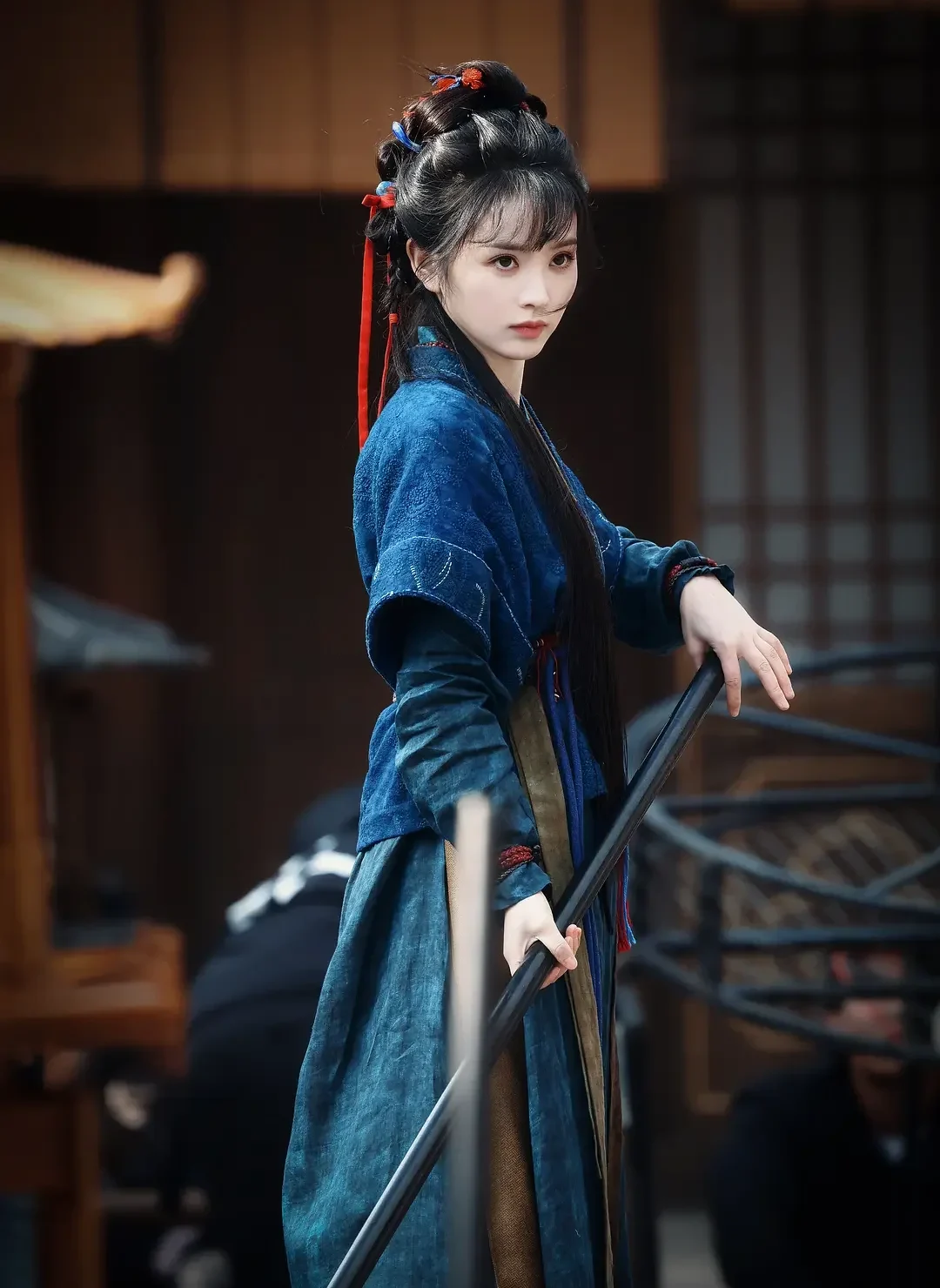
This image matters because Fan Changyu does not look borrowed from a palace romance. Her weight sits forward, both hands understand the tool, and the practical blue clothing belongs to labor rather than display. A single portrait cannot prove a complete performance, but it does preserve the visual promise made by the opening: this heroine should know how force, balance and work feel in her body. Every later promotion into heroic scale has to honor that promise.
The marriage works only when power becomes reciprocal
Xie Zheng's hidden status creates an obvious danger for the story. If he is secretly more educated, connected and militarily capable, the drama can easily make Fan Changyu's independence temporary: she appears to lead only until the “real” powerful person reveals himself.
The stronger scenes resist that outcome. Xie Zheng accepts the rhythms of her home, reads situations she understands better and makes himself useful without immediately taking command. Fan Changyu, meanwhile, offers shelter and social identity at real risk to herself. Neither gift is sentimental. Both change the other's chance of survival.

Use the linked episode to watch who defines the household rules, who performs useful labor and when suspicion becomes cooperation. The useful viewing question is not whether the two actors look compatible in one frame. It is whether the household becomes safer, more functional or more honest because both people changed what they were prepared to give.
The useful viewing question is not “When do they fall in love?” It is: when does each begin to reorganize a decision around the other's needs? That is the point where a contract becomes a relationship.
Three episodes are enough to decide
Do not commit to all 40 episodes because the cast looks good in a trailer. Use the first three as a test.
- Watch Fan Changyu at work. Does the camera let competence emerge through action, or only tell you she is formidable?
- Watch Xie Zheng inside her space. Does he listen and adapt, or does hidden rank quietly make every problem his to solve?
- Watch cause and consequence. When danger arrives, does it change what the household can afford, trust or reveal?
If those three mechanisms hold your attention, continue. If you are waiting only for a faster confession or larger political revelation, the later expansion is unlikely to repair the mismatch.
Watch the official first episode
The official Pursuit of Jade Episode 1 from iQIYI English is the actual evidence for deciding whether the series' rhythm, visual polish and central bargain work for you. The hero image identifies that video; the player opens directly on this page.
Do not use the opening only to judge chemistry. Look at the snow, clothing, physical condition and exchange of information. The scene works because attraction is not yet the characters' most urgent problem.
Why the reception is divided
The disagreement around Pursuit of Jade is not a simple fight between fans and haters. It comes from a real structural split.
The early story promises a heroine whose agency grows from material life. The later story asks that same figure to carry war, public identity and a larger heroic arc. Those modes can belong together, but the bridge must be built from training, consequence, changed relationships and credible time. When those steps are compressed, a butcher's knife becoming a battlefield symbol may look stirring without feeling earned.
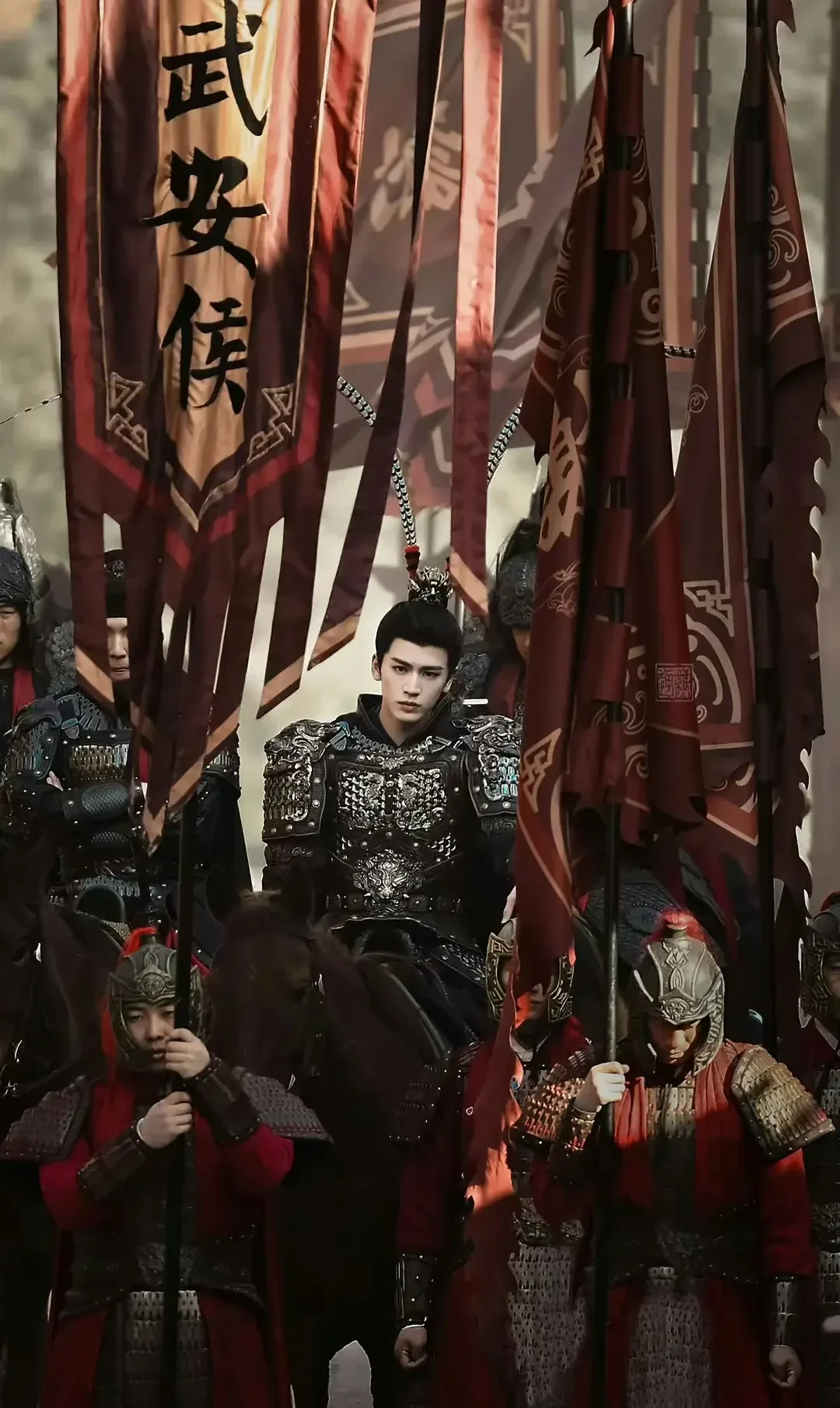
This is the scale change made visible. In the household, one missing meal or one untrusted guest can alter the plot. Among ranks of armor and the Wu'an Marquis banners, the story asks viewers to accept armies, command, public identity and mass consequence. I do not object to expansion. I object when expansion erases the measurements that made the opening credible.
The sharpest criticism around the completed series keeps returning to that broken bridge. The later political and military world can feel like a stage erected around the stars rather than a system that pushes back on them. The female-growth language becomes especially vulnerable here. If Fan Changyu's courage no longer depends on learned skill, material cost or difficult choices, “growth” has become a costume change.
At the same time, the pleasure is real. The director photographs faces, armor and weather with immediate force, and the leads remain watchable even when the world around them thins. Those truths can coexist. Beauty is the least disputed achievement; the relationship between beauty, agency and consequence is the real argument.
The visual direction is both strength and warning
Zeng Qingjie's compositions make faces, fabric and weather immediately attractive. That matters in romance. A viewer needs to feel why two guarded people become newly visible to each other.
But a beautiful frame can also isolate a moment from the story carrying it. If every confrontation looks like a finished promotional still, bodies stop appearing to live inside labor, danger and geography. The very polish praised by positive viewers becomes evidence for negative viewers when transitions and poses call attention to themselves more strongly than consequences.
Use a simple test: after an impressive image, can you state what changed? If trust, resources, position or knowledge moved, the image belongs to drama. If nothing moved, it belongs mostly to presentation.
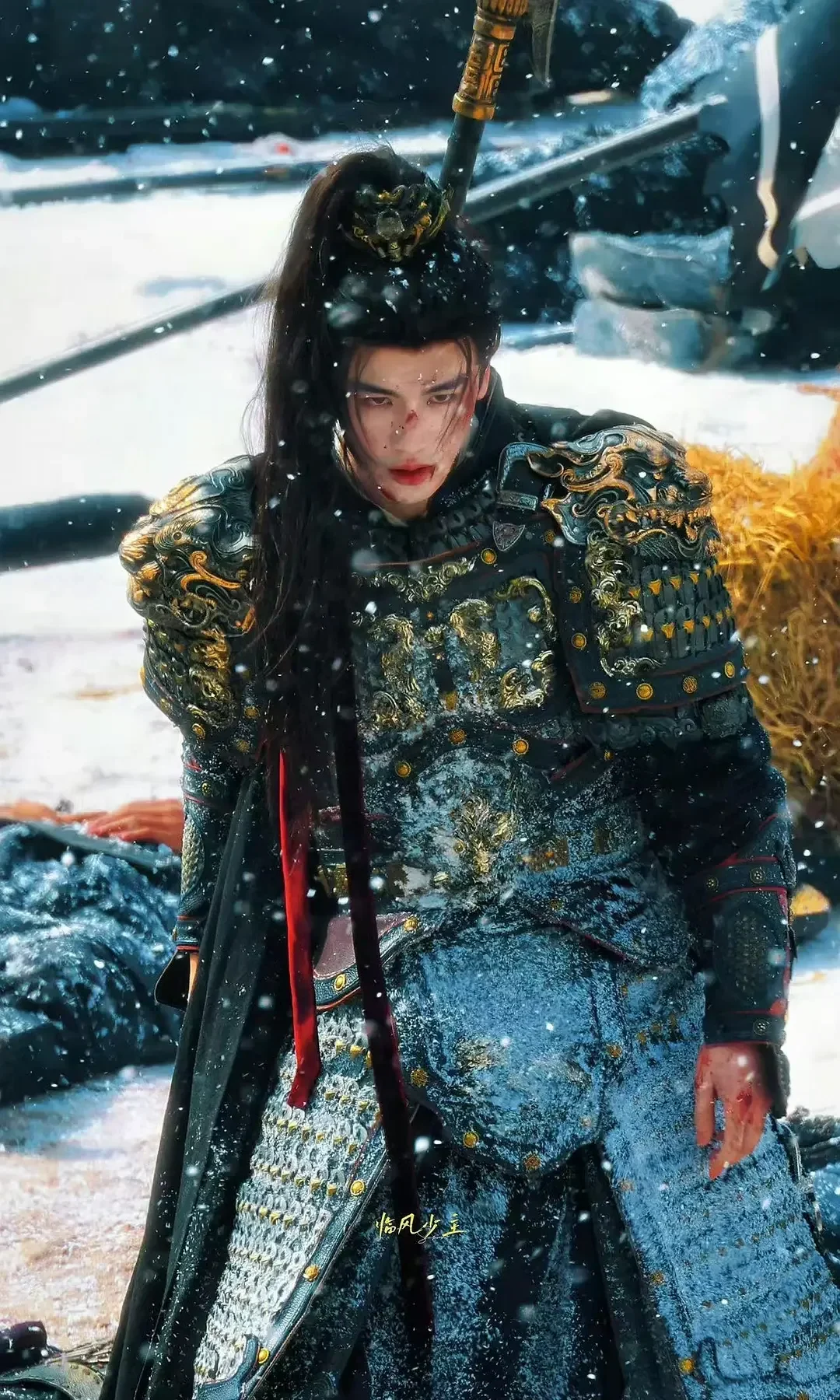
This is the kind of image the expansion needs: armor is no longer a fashion surface, and snow is no longer romantic atmosphere. Blood, exhaustion and damage make the new scale physical. The frame cannot prove that every battlefield decision is credible, but it supplies the consequence that heroic imagery often avoids. If the next episode treats this damage as decoration, the story has failed its own evidence.
What the drama gets right about a household alliance
The early marriage is not a documentary account of historical Chinese marriage. It is a modern romance using historical conditions to make dependence visible. Even so, it notices something many romances avoid: intimacy is partly an organization of risk.
Who has a recognized place to sleep? Whose name protects property? Who can move through public space? Who does the work that keeps another person alive? These questions make the couple more interesting than a sequence of accidental embraces.
The historical setting should therefore be read as a designed dramatic system, not used as proof that people in one past dynasty generally behaved this way. Costumes, titles and war references create context; they do not turn fiction into a primary historical source. Continue through East Moment's Chinese culture guide when a term or institution deserves independent explanation.
That boundary also protects the drama from the wrong test. I do not need Pursuit of Jade to reproduce a particular dynasty. I need its invented society to remember its own rules. If property, gender, reputation or military rank matters in one episode, the next episode cannot switch those pressures off merely to make a triumphant entrance easier. Internal consistency is not pedantry; it is what allows romance to have stakes.
Tian Xiwei and Zhang Linghe solve different problems
Tian Xiwei has the harder structural assignment. Fan Changyu must remain lively without making hardship cute, physically capable without becoming a modern action figure dropped into costume, and emotionally open without surrendering the practical intelligence that attracted us. Her wider profile tests whether that brightness becomes force across New Life Begins, Romance on the Farm and this more divided role; this page keeps the judgment tied to Fan Changyu's exact bargain.
Zhang Linghe's task is subtraction. His height, bearing and costume-drama image can announce power before Xie Zheng earns any inside the household. The useful performance appears when he reduces that authority: listening, withholding a command or allowing uncertainty to remain visible. His broader acting method is examined separately in the Zhang Linghe guide; this page owns Xie Zheng, not the actor's whole career.
Together they are most convincing when the scene has a task beyond romance. Shared work gives glances weight. Pure display exposes the production formula.
The pair therefore passes one test and fails another. They can make private attention feel specific: a pause changes because one person has learned how the other works. They are less consistently supported when the series asks private chemistry to authenticate public power. Zhang Linghe can look commanding under a banner; Tian Xiwei can carry a weapon with convincing energy. Neither image proves that the script has earned command.
Where to watch Pursuit of Jade
At the time of this review, iQIYI's official international page identifies the 40-episode series, its leads and director, while a WeTV international title page is also live. Catalogs vary by country and can change.
- Start with the official iQIYI English Episode 1 embedded above.
- Check the official WeTV title page for your region.
- Search both Pursuit of Jade and Zhu Yu if a platform uses alternate metadata.
- Treat any “available on Netflix” statement as regional and dated; verify inside your own account.
East Moment does not link to unauthorized episode mirrors or download sites.
Final verdict: who should watch it
Watch Pursuit of Jade if you want:
- a contract marriage built from survival rather than instant destiny;
- a heroine introduced through work and household responsibility;
- polished historical-romance imagery;
- two stars whose contrast is strongest in quiet domestic negotiation.
Skip it, or stop after the opening, if you want:
- rigorous political causality;
- a fully earned transition from civilian labor to battlefield authority;
- restrained visual direction that never advertises itself;
- a female-growth story immune to the old habit of restoring male status as the final source of power.
My conclusion is firm but narrow: the first movement contains a better drama than the whole series consistently delivers. That makes the show worth examining, not automatically worth finishing.
Compare its household bargain with the colder palace accounting of Empresses in the Palace. Continue with the Chinese television guide for the wider C-drama viewing route. In the comments, name the exact scene where the marriage becomes reciprocal. If you think it never does, identify the scene where the story loses that possibility. Then post a two-column Moment—what the opening promised / what the later scale delivered—and return after the final arc to see whether another viewer can overturn your verdict with one complete scene.