Flourished Peony is worth watching when the peony stops being decoration and becomes inventory, labour, risk and a route out of marriage. Its romance works because He Weifang first learns what her own work is worth.
My most revealing response to Flourished Peony (《国色芳华》) was not “Yang Zi looks beautiful.” It was: “After watching these scenes, I feel like I know how to do business.” Other scenes made me uncomfortable. Both reactions matter.
Both reactions belong here. The drama makes commerce unusually pleasurable, but it also packages exploitation, gendered constraint and Tang-style beauty into highly consumable television.
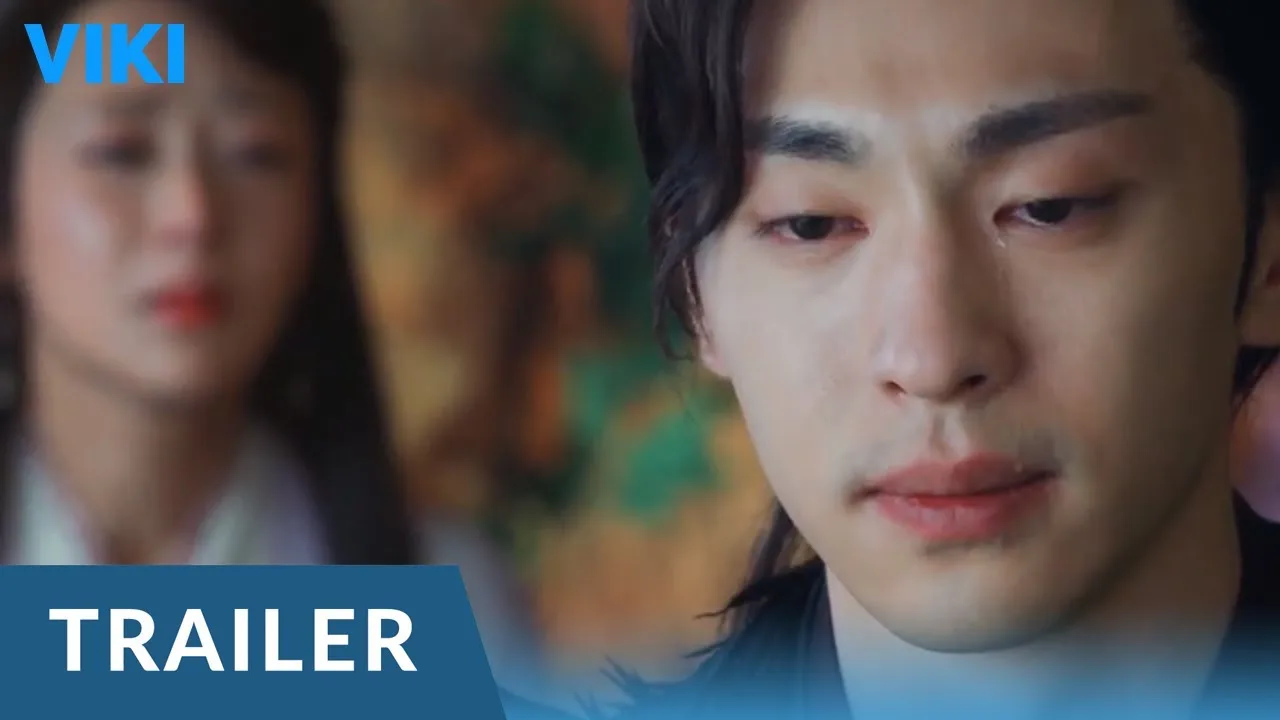
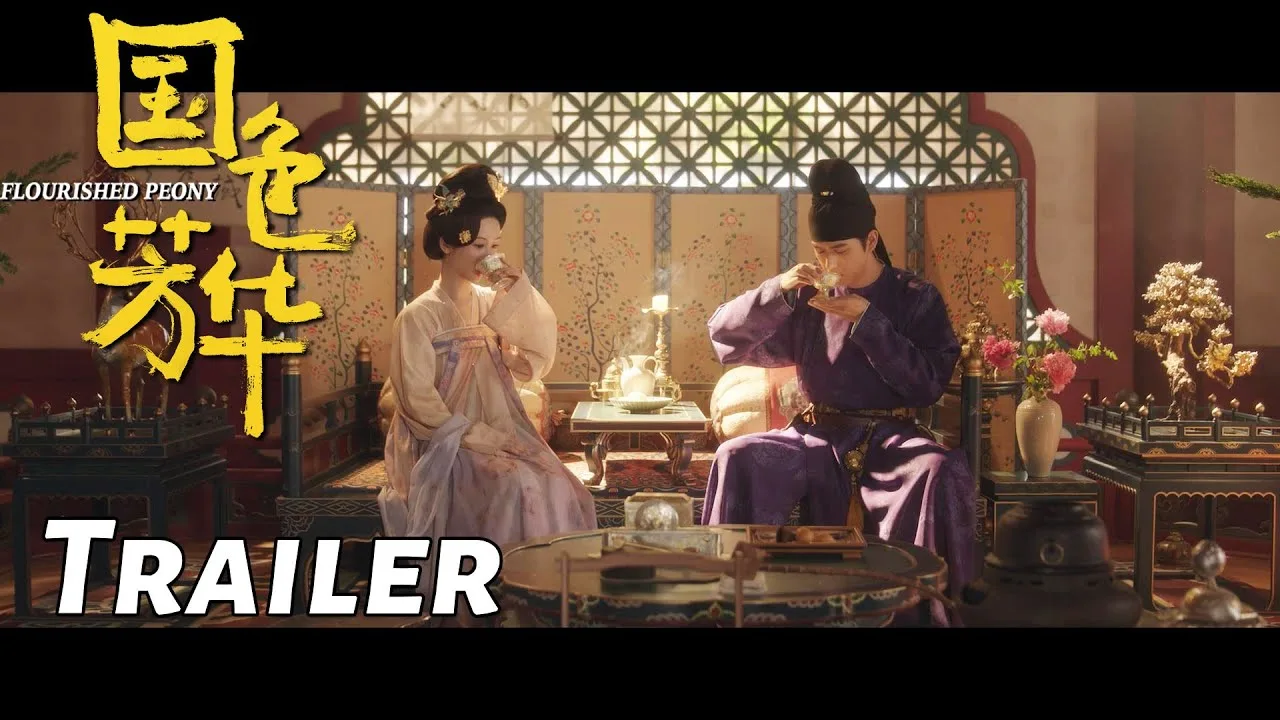
Watch He Weifang and Jiang Changyang in the official business trailer
Flourished Peony turns a flower into economic agency
Flourished Peony stars Yang Zi as He Weifang, a woman who leaves a damaging marriage and builds a flower business, and Li Xian as Jiang Changyang, an official whose frivolous public image conceals political purpose. The drama is set in a fictionalized Tang environment and released by MangoTV.
The first-season conclusion advances both business and relationship rather than closing every political conflict. Check licensed availability by region. Watch for material detail and partnership; do not treat its trade practices, marriage law or court politics as documentary history.
He Weifang's first product is not a peony - it is permission to act

Before profit, she needs mobility, knowledge and control over the conditions in which she works. That makes the early marriage conflict economically important. Leaving is not one brave speech; it is a material problem.
The drama is strongest when Yang Zi lets calculation interrupt emotion. He Weifang studies a customer, notices waste, adjusts an offer or hides fear until the transaction is secure. “Strong woman” becomes specific because strength has a cost ledger.
The flower scenes matter when hands are visible

Peonies carry status and beauty in the drama, but the valuable images show cultivation, selection, transport, arrangement and sale. A flower is never only a symbol. It wilts, occupies space and has to reach a buyer before value disappears.
That material pressure prevents the production design from becoming a museum display. Clothing, vessels and markets should be read as fictional world-building, not verified Tang reconstruction. The Chinese culture collection can provide documented context; the drama provides an emotional model of how objects organize social access.
Jiang Changyang is useful when he changes the terms, not when he solves the problem

The central partnership risks a familiar trap: a powerful man makes female independence possible, then the story calls the result empowerment. Flourished Peony escapes when Jiang supplies access or information while He Weifang still makes the commercial judgment and bears the consequence.
Their chemistry grows through negotiated usefulness. He performs frivolity; she distrusts performance because her survival depends on reading men accurately. Intimacy begins when each recognizes the other's method, not when admiration is announced.
The business fantasy is satisfying because the real pressure remains nearby
The “I feel like I can do business” response reveals the show's pleasure: problems are visible, decisions are legible and effort produces feedback. Real enterprise is less narratively obedient. Customers do not always explain why they leave; networks and capital do not reward merit on schedule.
My criticism is not that the drama is optimistic. It is that montages can make structural access look like personal cleverness. Whenever a sale succeeds, ask who supplied land, protection, labour, credit and freedom of movement.
Is Flourished Peony worth watching?
My simplest three-episode test is to follow one flower from material to meaning. Who grows or acquires it? Who handles it? Who has permission to sell it? Who names its value, and who receives the money? If the series keeps those answers visible, the peony remains an economic actor. If it skips directly from bloom to admiration, the supposedly independent heroine is being supported by a fantasy the camera refuses to price.
The peony gives the series a sharper visual grammar than most business romances. A flower can be seed, stock, damaged goods, luxury image, seasonal risk and emotional gift. When the camera stays with hands sorting, planting, carrying or pricing it, beauty has a material history. When it cuts directly to a perfect garden and triumphant heroine, the flower becomes advertising and the labor disappears.
That difference shapes my judgment of the whole drama. I do not need every transaction to function as a documentary ledger, but I need success to leave evidence: tired bodies, failed batches, negotiated access, knowledge acquired and relationships altered by money. He Weifang's independence is meaningful because it changes who may command her time. A romance deserves to grow beside that independence only if it respects the time her work requires.
For overseas viewers, begin with the household economy and movement of goods rather than reading every costume as a history lesson. The series is strongest when period beauty and economic pressure occupy the same frame—and weakest when beauty is allowed to erase the pressure that made agency necessary.
Yes, especially if you want a costume drama in which objects and transactions carry plot. Watch less for a perfect historical lesson than for the relationship between beauty and price.
| Follow | Ask |
|---|---|
| exit from marriage | What material resource makes refusal possible? |
| flower production | Which hands and risks remain visible? |
| customer scenes | Does He Weifang learn or merely win? |
| Jiang partnership | Does help expand her agency or replace it? |
In the comments, identify one object or transaction that changes He Weifang's options. Bring the scene into the East Moment community and let another viewer audit the hidden labour. Then continue through Chinese food and material culture or the Chinese TV collection.
Flourished Peony is strongest when flowers become an economy
The production is easy to market through colour, Yang Zi's costume and beds of peonies. I care about the moment beauty becomes work. He Weifang must identify quality, understand demand, negotiate access and convert specialised knowledge into independence.
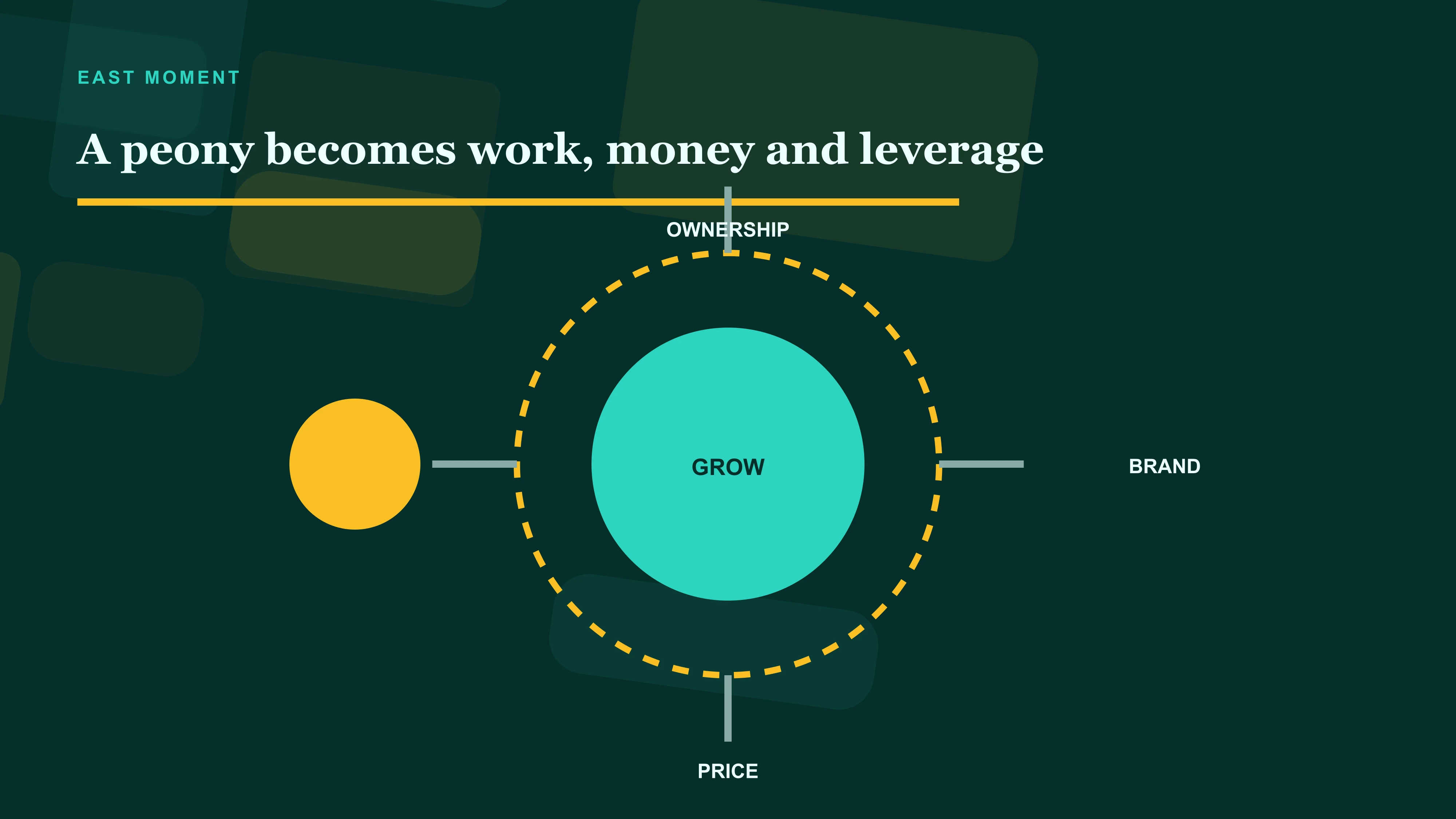
That sequence gives the title weight. A peony is not merely a symbol of wealth pasted onto a romance. It is a cultivated product, a field of expertise and a way for a woman to build leverage inside a restrictive social order.
Expertise has to appear in verbs
A “businesswoman” character is not created by dialogue saying she is talented. Show her choosing stock, rejecting poor material, calculating a price, reading a buyer or protecting a supplier. If every commercial problem is solved by the male lead's access, entrepreneurship becomes costume.
He Weifang's intelligence is most convincing when knowledge developed under constraint remains useful after the setting expands. Jiang Changyang should complicate and amplify that knowledge, not replace it.
Mutual trust is valuable because interests do not disappear
The romantic route works when alliance precedes surrender. Each lead should retain information, obligations and risk. Trust then becomes a decision made despite separate interests, not a magical end to them.
This is why banter matters only when it changes the bargain. A charming exchange that leaves power untouched is chemistry. A conversation that redistributes information or risk is relationship development.
Peony symbolism must not erase horticulture
Chinese peony culture carries associations with wealth, status and beauty, especially through Luoyang history and visual art. Those meanings are real, but the living plant also has soil, season, propagation and market conditions. The Luoyang Peony Festival information from the local government provides an institutional route into the modern cultural economy; it cannot validate every Tang-inspired detail in a television drama.
The series should be used as an invitation to ask better cultural questions, not as a historical source by default. Which peony variety is shown? Is the stated flowering season plausible? Does the work process match the claim? Production beauty can begin the research; it cannot end it.
The limitation: empowerment can become frictionless branding
Modern costume dramas sometimes give heroines twenty-first-century business language while letting historical obstacles disappear on schedule. I do not demand documentary realism, but I demand consequence. Reputation, transport, capital, household authority and law should shape what independence costs.
My verdict: Flourished Peony deserves attention when beauty passes through hands, accounts and negotiation before becoming spectacle. Watch for the transaction after the blossom. Then visit Luoyang to separate a real peony city from the drama's designed world, and follow Yang Zi for the performance rather than treating one hit as her entire career.
Luoyang is not just a peony backdrop
Peony culture becomes locally meaningful through cultivation, viewing, trade, poetry, gardens and the city's modern festival economy. A television image may borrow that recognition, but the city continues outside the screen through growers, researchers, vendors and visitors.
The drama can therefore create a valuable travel question: what would He Weifang need to know that a tourist looking at one blossom does not? Variety, timing, disease, transport and buyer preference immediately appear. Beauty becomes expertise.
The heroine's network is part of the business
No enterprise grows through individual brilliance alone. Suppliers, workers, customers, transporters and competitors determine whether knowledge becomes durable income. Female friendship is most useful when it carries skill and risk, not when supporting women exist only to praise the lead.
Watch who is paid, who receives credit and who can leave. These details reveal whether the series imagines empowerment as a shared structure or a single exceptional woman escaping it.
Historical drama should disclose its freedom through coherence
I do not need every flower shop to reproduce one archival ledger. I need the economic world to obey its own constraints. If travel takes time in one episode, it cannot become instant merely to save a later plot. If reputation blocks credit, one romantic gesture cannot erase the institution permanently.
Coherence is the minimum respect fiction owes history. It lets viewers enjoy invention while still learning which questions to carry into real sources.
A peony close-up is not enough visual evidence
Show the hand selecting a plant, the damaged stock, the transaction and the crowd that creates demand. Those images teach more than another flawless bloom. East Moment's visual standard is the same as the editorial one: beauty must reveal work.
The page should return each season because living peony culture changes. A new Luoyang visit, horticultural source or completed story arc can deepen the route without pretending the drama itself is a museum label.
The final proof is the camera's attention. Does it stay long enough on selection, damage and bargaining for the viewer to learn something, or cut straight from flower to success? The first choice respects expertise. The second turns labour into a montage.
He Weifang deserves the first. A woman whose independence grows through specialised knowledge should not be remembered only as a beautiful figure standing among expensive blooms.
Her hands should remain in the frame. The visible trace of soil, sorting and failed stock is what turns the peony from costume into evidence of competence.