Nirvana in Fire is not great because Mei Changsu always has a clever plan. It endures because every plan asks whether restoring public truth is worth spending the private life he has left.
On a first watch, the pleasure is control: a quiet strategist moves people across the capital while arrogant men fail to notice the board. Ten years later, adulthood makes Mei Changsu more painful for me to watch. A sequence that once looked precise can return as the drama's sharpest knife.
Age changes the question. We stop asking whether he can win and start asking what winning consumes.
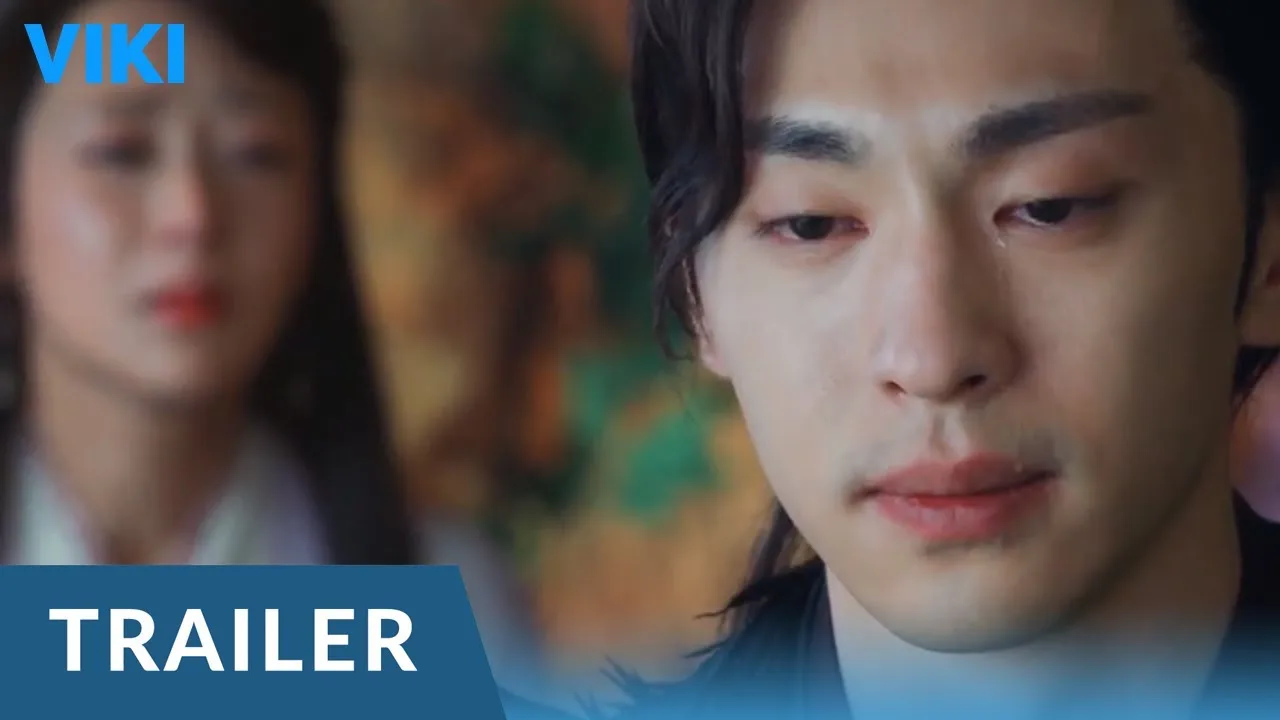
Watch Mei Changsu in the official director-cut trailer
Nirvana in Fire is a political revenge drama about public truth
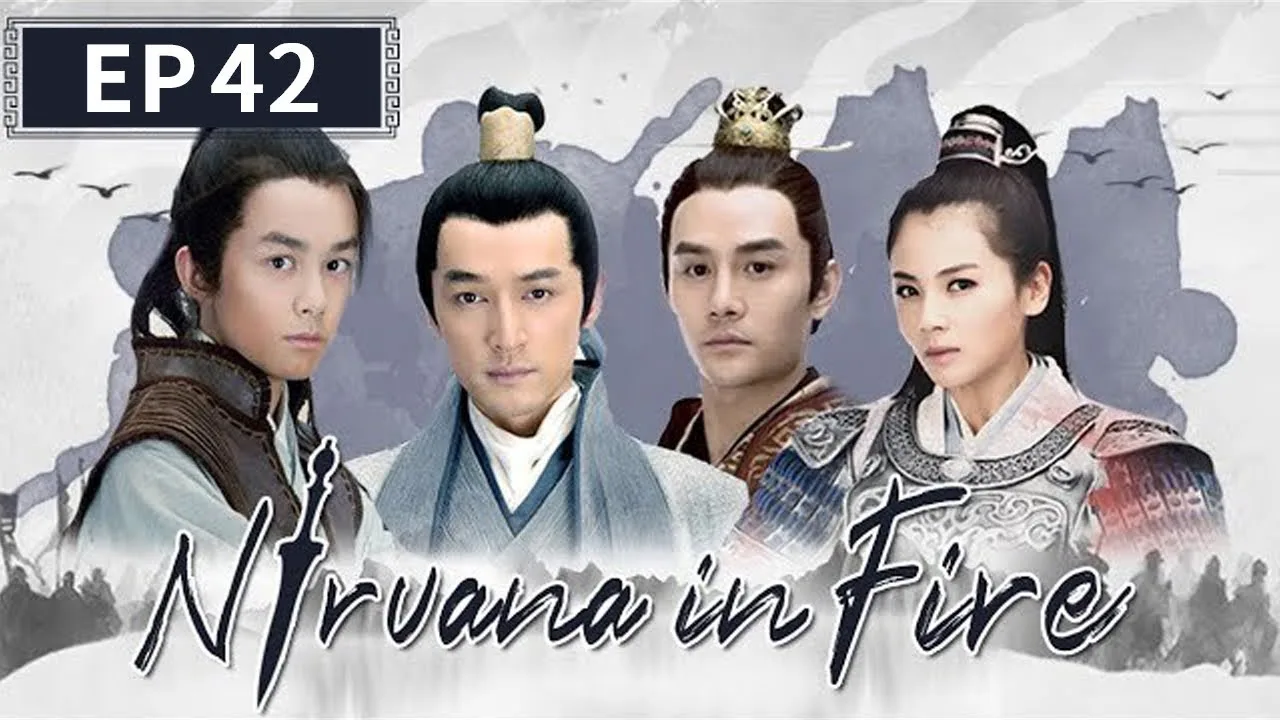
Nirvana in Fire (《琅琊榜》) stars Hu Ge as Mei Changsu, formerly Lin Shu, survivor of the destroyed Chiyan army. He returns to the capital under another identity, supports Prince Jing and engineers the reversal of an old injustice. Wang Kai plays Prince Jing, Liu Tao plays Princess Nihuang, and the ensemble turns court strategy into relationship drama.
The ending is bittersweet. The Chiyan case is cleared and a more trustworthy succession is secured, but Mei Changsu returns to war and dies away from the peaceful life others wanted for him. Watch for layered loyalty and patient causality. Do not treat its fictional court as Chinese political history.
The board works because people are not pieces
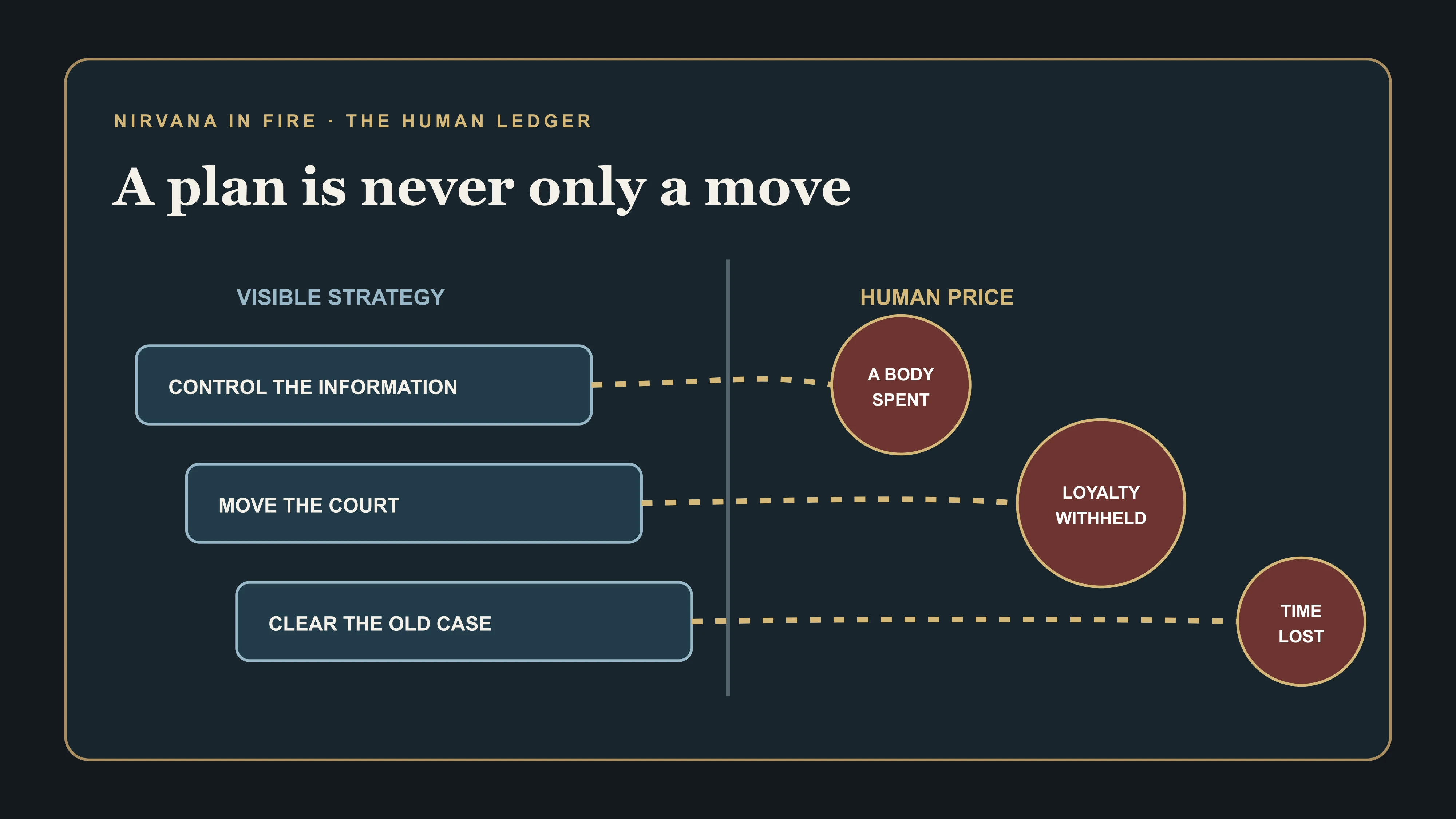
Critics sometimes call the political game too easy because Mei Changsu predicts so much. The objection is fair whenever an opponent becomes foolish on schedule. But the strongest plans depend less on omniscience than on character knowledge: pride, loyalty, fear and the need to be seen by a father.
A plan becomes dramatic when another person can refuse it. Prince Jing's stubborn moral line repeatedly complicates efficiency. Nihuang's recognition threatens Mei's constructed distance. Friends obey, but obedience costs them the right to grieve openly.
This is why a plot summary cannot replace the series. The “move” matters because of who must perform it.
Prince Jing is the limit placed on strategy
Mei Changsu could choose a more flexible candidate. He chooses Prince Jing because political restoration without moral constraint would repeat the same system under a smarter ruler.
Their friendship is painful because truth cannot be disclosed at the pace friendship deserves. Mei needs Jing's integrity and repeatedly injures the intimacy that created it. The drama's central contradiction is not revenge versus forgiveness. It is method versus the kind of world the method claims to build.
For cultural context, compare its loyalty language with the Confucianism guide, while remembering that the drama creates its own ethical system rather than illustrating one doctrine.
Nihuang sees the body that the strategy tries to erase
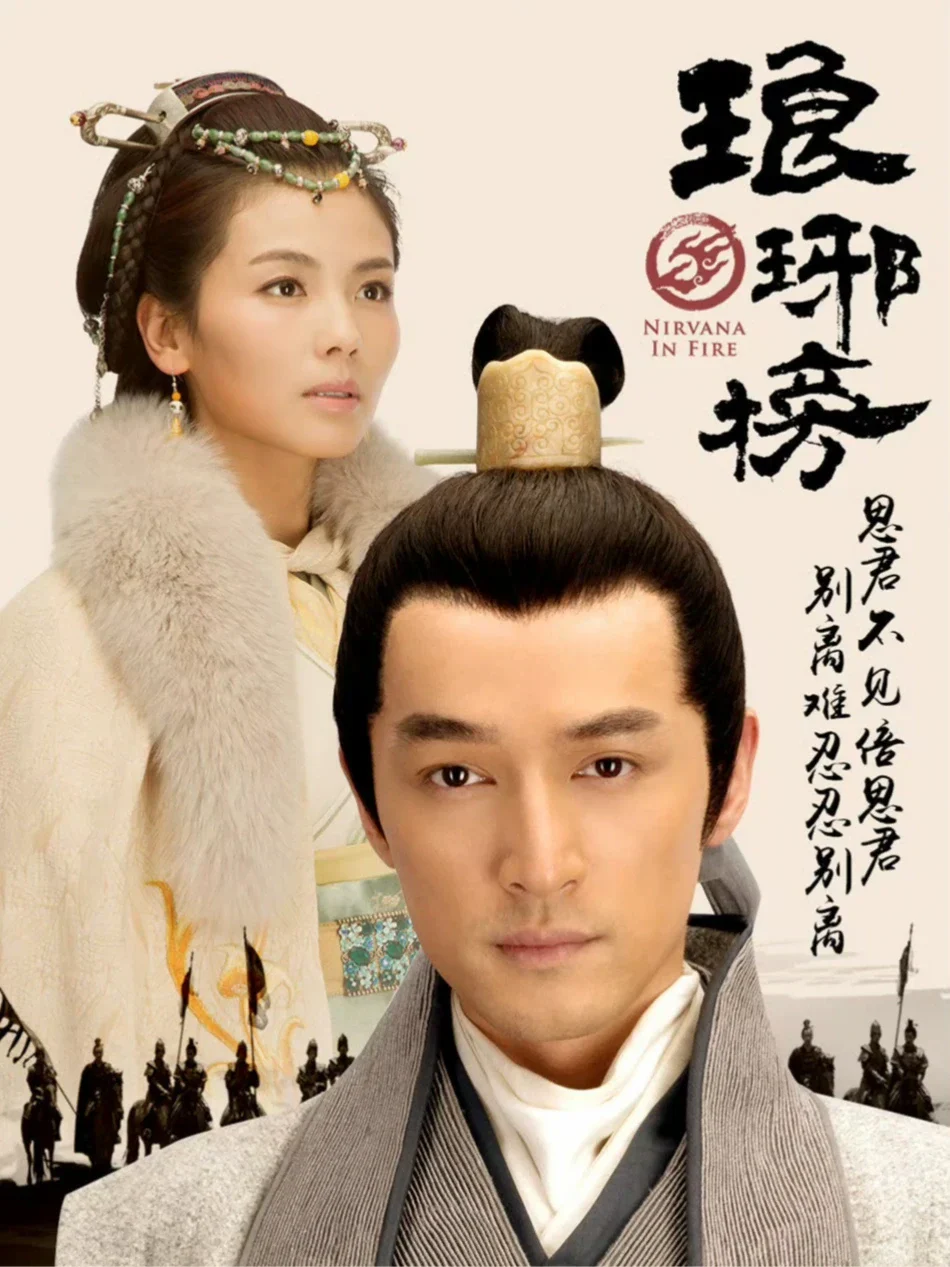
Mei Changsu wants to function as mind: calm, unreadable and useful until the case is complete. Nihuang's recognition returns the body to the story. She remembers Lin Shu not as a political symbol but as a person with habits, history and a possible life.
The romance remains restrained because fulfilment would force him to admit that the future contains a claim as legitimate as the past. His refusal is noble and devastating, but not automatically correct.
The ending restores a name, then spends the person
Clearing the Chiyan case repairs public memory. It gives the dead a record that power can no longer define as treason. That achievement is larger than punishing individual enemies.
Yet Mei's final return to the battlefield complicates victory. I do not read his death as a simple “unresolved regret.” Ten years of growing older make the cost more visible, not less.
My judgment: the ending is emotionally coherent, but the drama wants us to admire sacrifice more quickly than we should. Mei Changsu regains Lin Shu at the moment that identity sends him toward death. Public truth is restored. Private recovery remains unimaginable.
Illness makes strategy morally expensive
Mei Changsu's physical weakness is not a decorative contrast with his intelligence. It places a budget on every plan. He cannot inhabit the restored future in the same way as the people he is helping, and the audience gradually understands that public vindication may arrive after private life has been spent.
This changes how I read his calm. Control is partly skill and partly triage: limited strength must be directed toward the decision that matters most. Fei Liu's care, Nihuang's recognition and Prince Jing's trust keep interrupting the strategist with evidence that a person still exists underneath the name Lin Shu. Those interruptions are not sentimental detours. They are the moral argument against treating even oneself as a disposable piece.
The revenge is satisfying because truth returns to public language. It hurts because recognition cannot restore the years, body or ordinary future taken away.
Why Nirvana in Fire rewards rewatches

A first watch tracks information. A second tracks cost.
| First-watch question | Rewatch question |
|---|---|
| What is Mei's plan? | Who loses agency so the plan can work? |
| When will Jing learn the truth? | Why does Mei control the timing? |
| Which prince will fall? | What institution made corruption useful? |
| Will Chiyan be cleared? | Can restored memory justify a life not lived? |
That change explains the continuing human response better than calling the show a “political masterpiece.” Technique attracts attention; moral residue brings people back.
Compare its revenge structure with The Double, where public spectacle does more of the work, then browse the Chinese TV collection. In the comments, choose one successful strategy and identify who paid. Bring the evidence map into the East Moment community and let another viewer challenge whether the cost was necessary.
If Mei Changsu's project begins with a truth that was stolen from the dead, Kill My Sins begins in the uglier place where its strategist helped make the original injustice possible. Put the two plans beside each other: one asks what a dying man may spend to restore a public record; the other asks whether intelligence has moral value when guilt is still inside the person using it. That is a sharper comparison than simply ranking which protagonist is more clever.
Nirvana in Fire turns strategy into a moral burden
Nirvana in Fire is praised for intelligence, but clever plotting is not enough to explain its force. Mei Changsu can see several moves ahead while living inside a body that cannot simply execute them. Strategy becomes the form through which a wounded person remains active—and the method that keeps him separated from ordinary life.
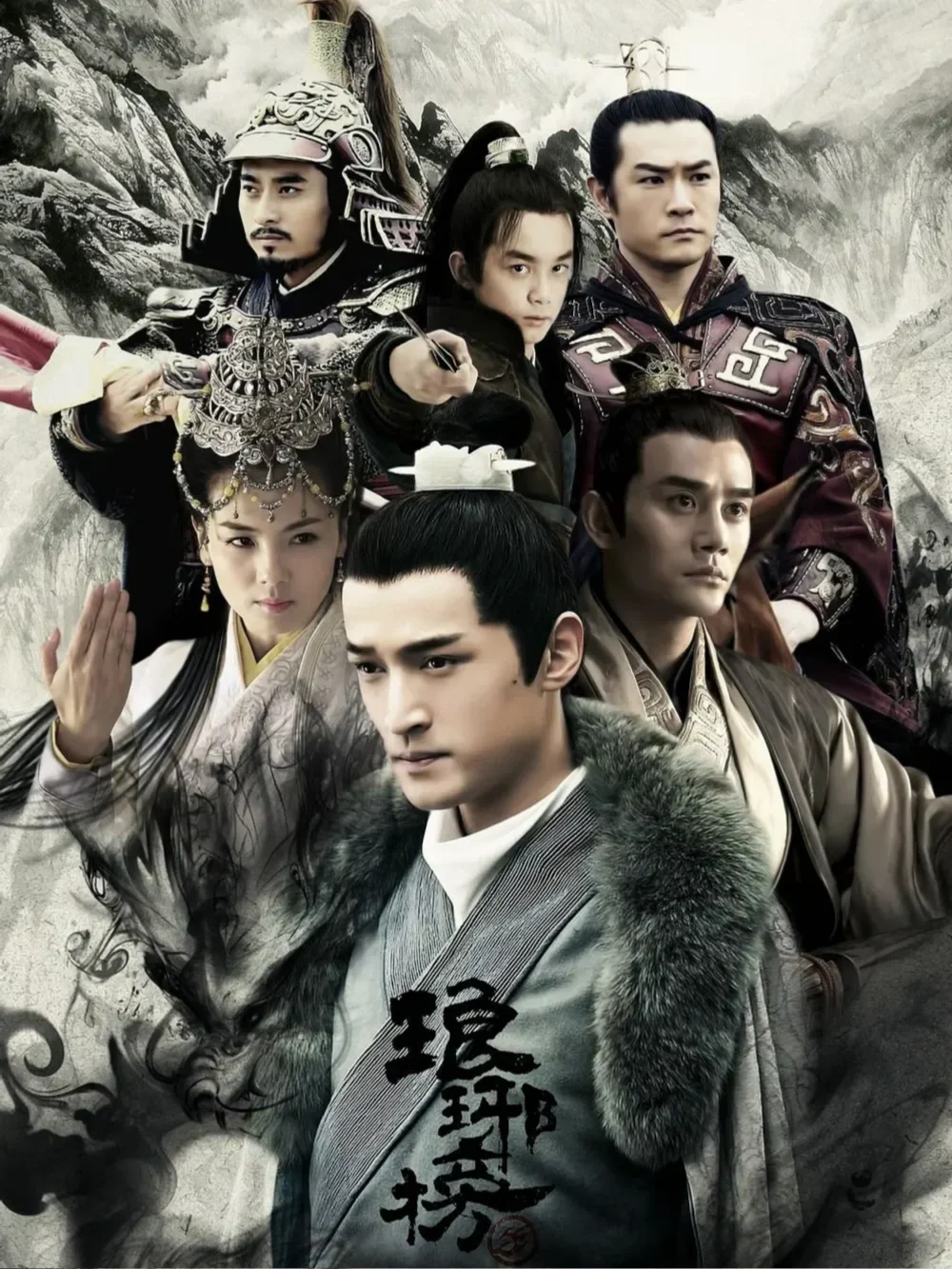
The central pleasure is not guessing who is smartest. It is watching information change allegiance. A conversation rarely transfers facts alone; it tests whether another person can be trusted with motive, timing and consequence.
Revenge and justice are not synonyms
Revenge wants the guilty to suffer. Justice must also restore truth to the dead, protect the living and build a political order that will not repeat the crime. Mei Changsu's plan matters because it keeps moving between those demands.
Prince Jing is necessary precisely because strategy cannot crown itself. He must become capable of public rule rather than remain the emotionally satisfying loyal friend. Their relationship hurts because recognition would comfort both men while threatening the work.
The weak body controls the drama's rhythm
Illness is not a decorative sign of refinement. It limits time, travel, exposure and the kind of action available to Mei Changsu. Other characters can draw swords; he has to place people, messages and expectations.
That limitation can be romanticised, and the series sometimes makes suffering appear almost too beautifully disciplined. Yet the body keeps strategy from becoming a frictionless superpower. Every delay has a cost that cannot be solved by one more clever move.
Friendship becomes painful through asymmetry
The audience often knows what Prince Jing does not. This produces tenderness and frustration, but it also raises an ethical question: how much truth may one person withhold in the name of a larger mission?
I do not accept “he did it for everyone” as a complete answer. Concealment protects the plan and denies friends the ability to choose their own burden. The drama is deeper because both claims remain true.
How to survive the first episodes
Track only four things at first: the old Chiyan case, Mei Changsu's hidden identity, Prince Jing's political position and which faction controls access to the emperor. Do not memorise every title immediately. Watch who can speak privately, who needs an intermediary and whose information produces action.
The official broadcaster material identifies characters and scenes; historical authenticity still requires separate sources. This is a fictional dynastic world, not a documentary map of one Chinese court.
My verdict is unequivocal: Nirvana in Fire is great because victory cannot restore the body or the lost years that made it necessary. Strategy wins public truth and fails to return private life. That remainder is the drama's moral seriousness. Continue to the best Chinese dramas guide for another viewing route, then compare Empresses in the Palace for power organised inside domestic space rather than an external political campaign.
Information has a physical route
Letters, visits, servants, gates and private rooms determine who can know what. Nirvana in Fire becomes easier when strategy is read spatially. Do not only ask what Mei Changsu knows; ask how the knowledge can travel without exposing its source.
A court audience creates one kind of speech. A quiet residence creates another. The same sentence changes danger when a third person can overhear it. This makes architecture part of plotting rather than ornamental historical atmosphere.
The Chiyan case also gives information an emotional weight. Evidence is not neutral data. It carries the names of dead people and the compromised memories of survivors. Public correction matters because private certainty cannot restore honour erased by the state.
Why Mei Changsu cannot simply tell Prince Jing
The immediate emotional answer is protection; the strategic answer is that Prince Jing's visible reactions could endanger the plan. Yet concealment also preserves Mei Changsu's control. The series refuses to make that choice painless.
That is the friendship's sharpest truth: one man acts for the other's future while denying him knowledge of their shared past. The viewer can understand the necessity and still feel the violation.
Victory is deliberately incomplete
The drama would be smaller if justice cured the strategist. It does not. The body records a cost politics cannot reimburse. The restored name matters, the changed succession matters, and private time remains lost.
This ending is why I rank the series above cleverer-looking puzzle dramas. It knows that a solved conspiracy is not a restored life.
The production's visual restraint supports that conclusion. Controlled interiors, winter colour and measured entrances make information feel heavier than spectacle. Yet beauty should not be mistaken for historical proof. Costumes and court procedures belong to a fictional synthesis; use them to read power inside the drama, then turn to institutional histories for real dynastic practice.
Hu Ge's performance holds the two scales together. Publicly, Mei Changsu appears composed enough to direct a room. Privately, breath, fatigue and delayed recognition reveal how much effort that authority consumes. The strategist is never only a mind.
That physical truth keeps the final choices from becoming abstract patriotism. Every public gain spends a finite private resource. The audience can admire the plan and still wish the person had been allowed another life.