Separate Chinese soups by the work of the liquid
Extraction, seasoning, vessel and role in the meal explain more than a list of ingredients.
| Soup system | Decisive evidence | Claim to reject |
|---|---|---|
| Slow household broth | Measured water, layered ingredients and gentle extraction create a clear or lightly cloudy broth served within family routine. | Longer always means more nutritious or herbs automatically create a medical treatment. |
| Complete noodle or meat soup | Broth, staple, protein and garnish are calibrated as one meal rather than a side cup. | Every clear broth is mild, simple or interchangeable across northern cities. |
| Hot-and-sour structure | Vinegar, pepper, stock, thickening and cut ingredients stay distinct while forming a coherent spoonful. | Maximum vinegar and chili create authenticity. |
| Stew and red braise | Covered heat, fat, collagen, seasoning and reduction transform solids and liquid together. | Dark color proves time, old master stock or safe continuous reuse. |
A soup can open a meal, carry a meal or quietly hold a household together
English menus often place every liquid dish under starters. Chinese tables do not follow one course architecture. A broth may arrive with all dishes, a noodle soup may be breakfast, congee may answer illness, and a clay-pot stew may occupy the table’s center. Service position is cultural evidence, not formatting trivia.
Before describing flavor, record portion, vessel, solids and what else is served. The same-looking clear bowl means something different beside rice and shared dishes than it does with noodles, meat and bread as a worker’s lunch.
Time changes flavor, but time does not certify a health claim
Gentle simmering extracts water-soluble compounds, aroma and gelatin while ingredients also lose texture. Browning before liquid creates another base; blanching may remove foam and strong odors; repeated skimming changes clarity. These are observable kitchen decisions. They do not prove detoxification, immunity or suitability for a medical condition.
I trust the cook who names the desired result—clear broth, emulsified body, tender tendon—more than the one who says the pot becomes powerful after an ancestral number of hours. Precision does not insult tradition. It protects tradition from sales language.
The pot is part of family planning, not restaurant spectacle
Cantonese soup traditions combine meat or bones, vegetables, dried ingredients and sometimes materials associated with traditional dietary ideas. Recipes change by season, budget and household. The soup may taste restrained because it is expected to sit beside stronger dishes rather than compete with them.
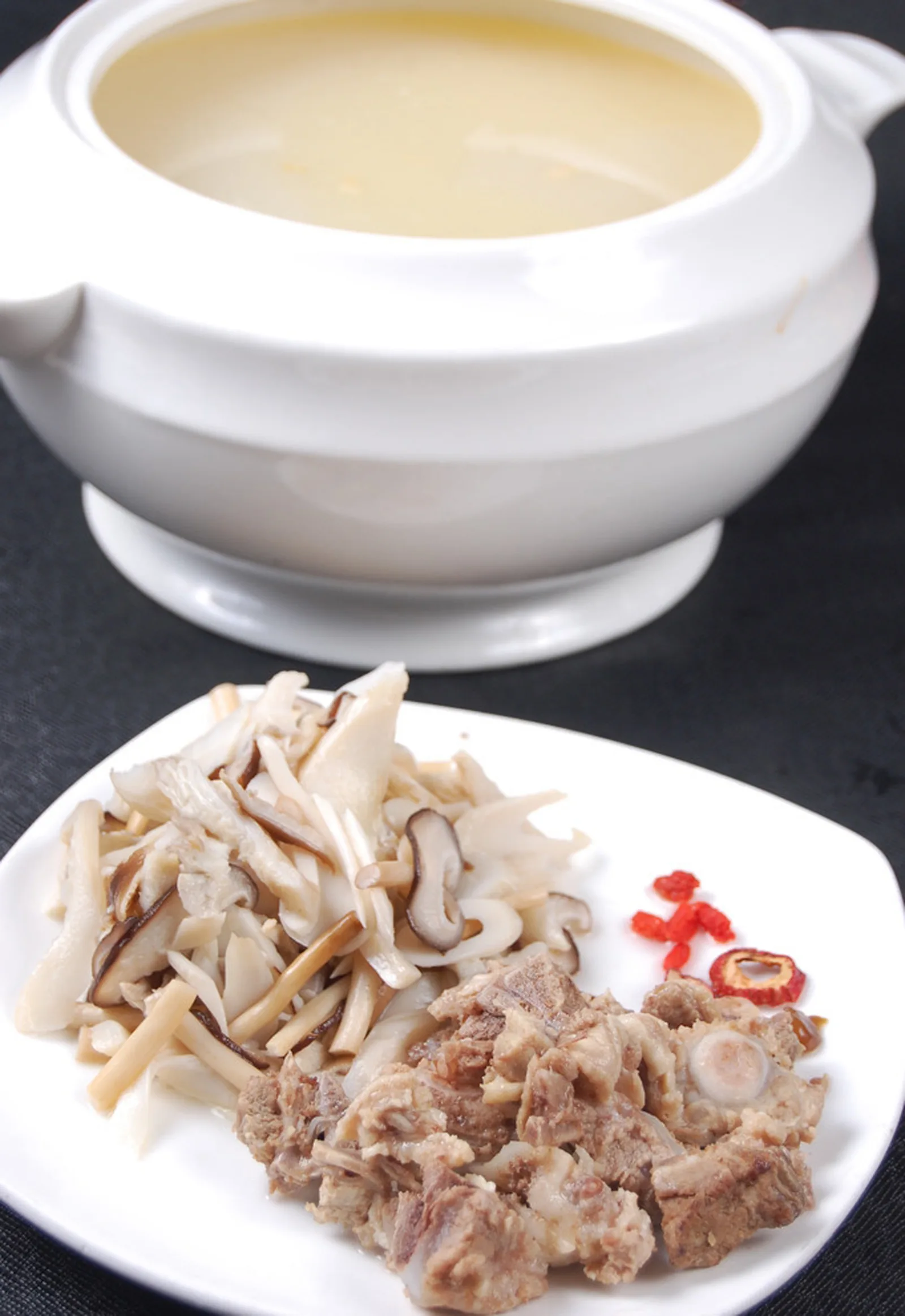
Show the ingredient tray before simmering and the spent solids afterward. That pair reveals what entered and what extraction changed. A glossy final bowl alone cannot distinguish homemade broth from concentrate or prove any claimed origin.
Northern bowls build force without hiding behind red oil
Lamb, beef and mutton broths can carry fat, spice and long extraction while remaining visually pale. Herbs, garlic, chili and bread or noodles may be added at service. Clarity therefore describes suspended material, not weakness. Taste must be read with aroma, salinity and the relation between broth and staple.
A good bowl leaves the meat recognizable and the broth worth finishing. When salt erases the animal or grease coats every pause, generosity has lost control. Large portions do not excuse blunt cooking.
Hot-and-sour soup dies when vinegar cooks until it forgets itself
Vinegar aroma is volatile. Many cooks therefore adjust part of the acid late, while white or other pepper provides heat distinct from chili. Egg ribbons, tofu, fungi and starch thickening require sequence so the bowl remains lively rather than turning into a uniform gel.
My test is one spoonful left to settle: can I still identify broth, acid, pepper and the cut ingredients? If every element tastes like thick brown heat, the recipe has used intensity to hide its failure.
Reduction concentrates both pleasure and mistakes
Red braises and clay-pot stews convert collagen, fat and seasoning through covered time, then may reduce uncovered. Soy color develops, aromatics integrate and texture softens. Salt also concentrates. Additions must be staged by how long they need, not dropped together for convenience.
Photograph the liquid line at the start and glaze at the end. The comparison shows reduction; it cannot prove an endlessly maintained master stock. Restaurants making continuity claims should explain storage, boiling and food-safety control rather than asking heritage to replace documentation.
Comfort is real even when cure language is removed
People remember soup prepared after travel, childbirth, fever, grief or a cold evening. Those memories are evidence of relationship. They do not establish clinical efficacy. Ingredient interactions, allergies, sodium, sugar and individual medical conditions remain relevant even when a recipe is beloved.
East Moment will write the feeling directly: warmth can make a difficult day bearable. We will also draw the boundary directly: consult qualified care for illness. Honest emotion becomes stronger when it is not forced to impersonate medicine.
A large pot needs faster decisions than its size suggests
Cool leftovers promptly in shallow containers, refrigerate safely and reheat according to reliable local guidance. Do not leave a deep stockpot cooling slowly overnight. Raw meat, bones and seafood need clean handling, and wild herbs or mushrooms require verified identification.
Smell cannot detect every hazard. The heroic family pot that feeds everyone must also protect everyone. I consider that responsibility part of the recipe, not a bureaucratic footnote.
Season the complete bowl, not the cook's anxiety
Stocks, cured meat, dried seafood, fermented ingredients and final condiments can all contribute salt. Taste after reduction and again with the staple or dishes that will accompany the soup. A concentrated spoon from the pot is not the same experience as broth eaten with noodles, rice or bread.
A restaurant can offer chili, vinegar, white pepper or herbs without asking every diner to rebuild an unfinished broth. Condiments should create a personal edge around a coherent base. If the bowl needs five additions before it tastes awake, the kitchen has transferred its judgment to the customer.
Judge the bowl by clarity of purpose
Ask whether the liquid is meant to refresh, nourish a staple, extract an ingredient, thicken a spoonful or glaze a braise. Then test whether salt, fat, acid and texture serve that role. This method crosses regions without flattening them.
A serious Chinese-soup page leaves the reader able to choose a method and reject a miracle claim while keeping the tenderness that made soup matter. Knowledge should not cool the bowl. It should let us taste who watched it more clearly.