The best food cities in China do more than hand you a checklist of famous dishes. They reorganize your appetite. Breakfast changes the pace of the morning; one specialist shop makes repetition look like a creative act; a market explains why tonight's menu tastes different from last month's. I do not rank cities by one famous plate: the winner is the place that teaches you a new way to be hungry.
The Chinese food hub explains cuisine families, staples and shared-table logic. This page makes the travel decision: choose the city whose entire day you want to learn, not the city with the loudest single dish. E. N. Anderson's institutional study The Food of China supports the historical and social framing; it does not create an objective city ranking.
Best food cities in China by the appetite they train
Do not begin with “Which city has the best food?” That question produces rankings and arguments, but not necessarily a better trip. Ask what you want to notice: knife work, fermentation, breakfast culture, wheat, seafood, chile, soup, late-night eating or the social choreography of a shared table.
I reject the usual league table because it rewards fame instead of attention. Guangzhou does not defeat Xi'an, and Chongqing does not eliminate Nanjing. Each city trains a different appetite; the useful choice is the one that changes how you order, compare and return.
| City | Food system | Start with | Go deeper with | Common stereotype to avoid |
|---|---|---|---|---|
| Guangzhou | Cantonese markets, seafood, roast meats, soups and dim sum | Morning tea and white-cut chicken | Seasonal seafood, congee, clay-pot dishes and neighborhood roast shops | Cantonese food is only dim sum and sweet sauce |
| Hong Kong | Cantonese, migration, harbor trade and global restaurant culture | Wonton noodles, roast goose and milk tea | Dai pai dong history, cha chaan teng, dried seafood and fine dining | Hong Kong food is just a more expensive Guangzhou |
| Chongqing | Hot pot, river-port appetite, noodles and bold small dishes | Hot pot and xiaomian | Douhua, grilled fish, offal dishes and neighborhood restaurants | Every dish is only extreme chile heat |
| Chengdu | Sichuan small dishes, noodles, tea-house snacks and shared meals | Dan dan noodles, wontons and one balanced Sichuan dinner | Douhua, rabbit dishes, chuanchuan and neighborhood breakfast | Chengdu food is only hot pot and numbing heat |
| Changsha | Rice-noodle breakfasts, fresh and preserved chile, smoke and late-night snacks | Hunan rice noodles and freshly fried stinky tofu | Rice tofu, stir-fried pork, preserved foods and a shared Hunan table | Changsha food is only a spicy street-food challenge |
| Xi'an | Wheat, breads, noodles, Muslim foodways and Guanzhong ingredients | Roujiamo and oil-splashed noodles | Qishan noodles, rice noodles, soups and breakfast breads | The Muslim Quarter's main tourist street represents all Xi'an food |
| Shanghai | Port-city cooking, Jiangnan ingredients, snacks and global influence | Shengjian and local noodles | Smoked fish, kaofu, seasonal crab and red braises | Shanghai food is only sweet xiaolongbao |
| Nanjing | Duck, Hui Muslim snacks, soups and seasonal lower-Yangtze food | Saltwater duck and duck blood soup | Beef guotie, pidu noodles, pastries and greens | Refined Jiangsu cuisine has no strong everyday flavors |
| Suzhou | Noodles, freshwater ingredients, sweet-savory braises and pastry | Su-style noodles | Eel, seasonal fish, two-sided noodles and Biluochun landscapes | Every Suzhou dish is sweet |
| Yangzhou | Huaiyang knife work, stocks, morning tea and canal-city dining | Dazhu gansi and morning tea | Wensi tofu, lion's head, buns, pastries and cured goose | Yangzhou fried rice is the whole cuisine |
| Luoyang | Soups, wheat foods, steamed vegetables and banquet sequences | Local soup breakfast | Water-banquet dishes and neighborhood noodles | Peony decoration proves an ancient recipe |
| Kaifeng | Market snacks, lamb breads, soup dumplings and northern sweets | Soup dumplings and fried snacks | Hui Muslim foodways, breakfast and seasonal market food | Every "Song dynasty" dish is unchanged from the Song |
| Beijing | Imperial, Muslim, migrant and working-city northern food | Zhajiangmian and roast duck | Lamb, baozi, offal, breakfast and regional restaurants | Roast duck can represent the entire capital |
| Hangzhou | Tea, lake imagery, noodles, seasonal vegetables and Zhejiang traditions | Pian'er Chuan and Dongpo pork | Longjing shrimp, bamboo, water shield and soy duck | Every local classic is delicate and ancient |
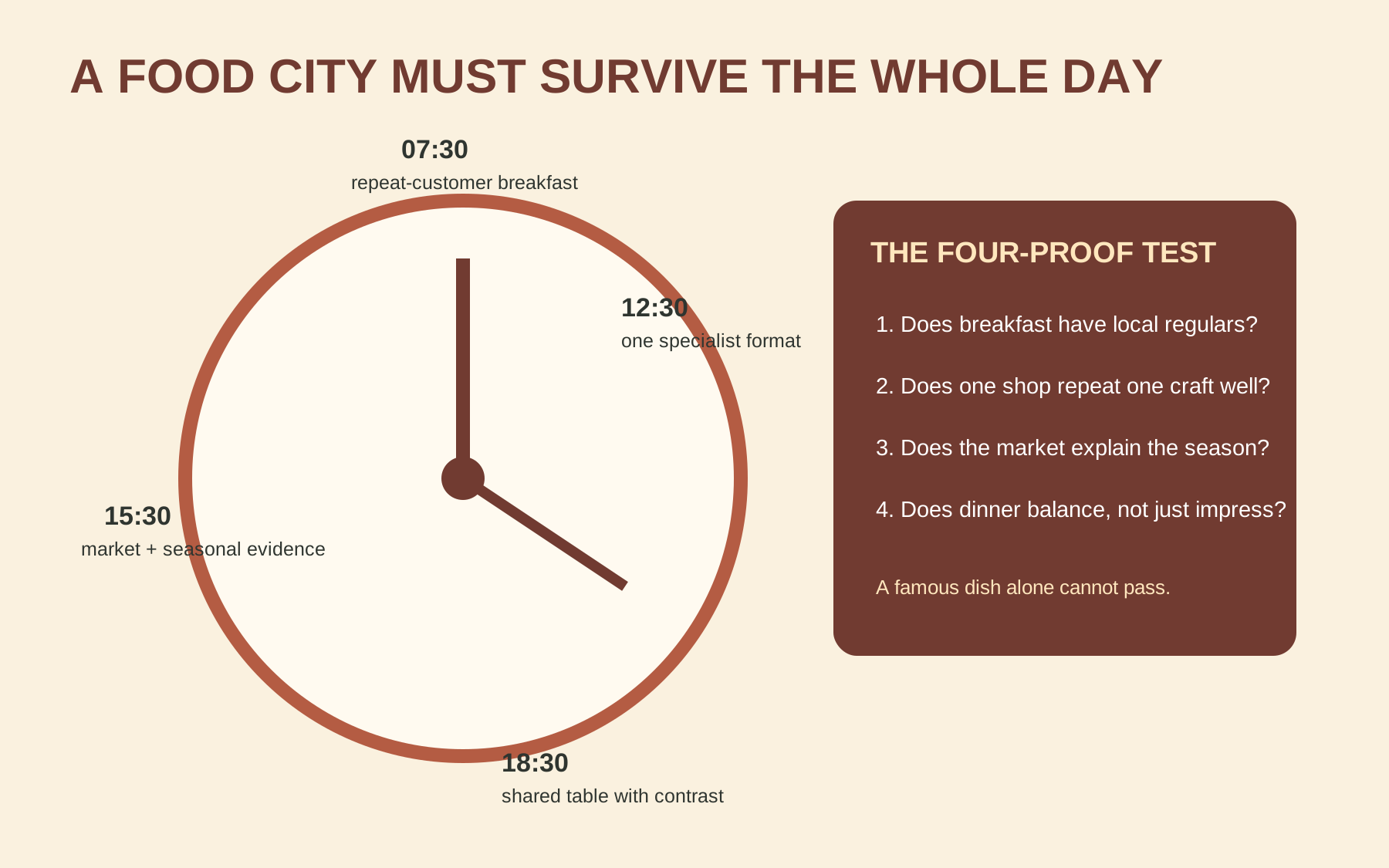
The breakfast test separates a food city from a food brand
Dinner attracts money, theater and destination restaurants. Breakfast has to survive regular customers. That makes it the cleanest first test of a food city.
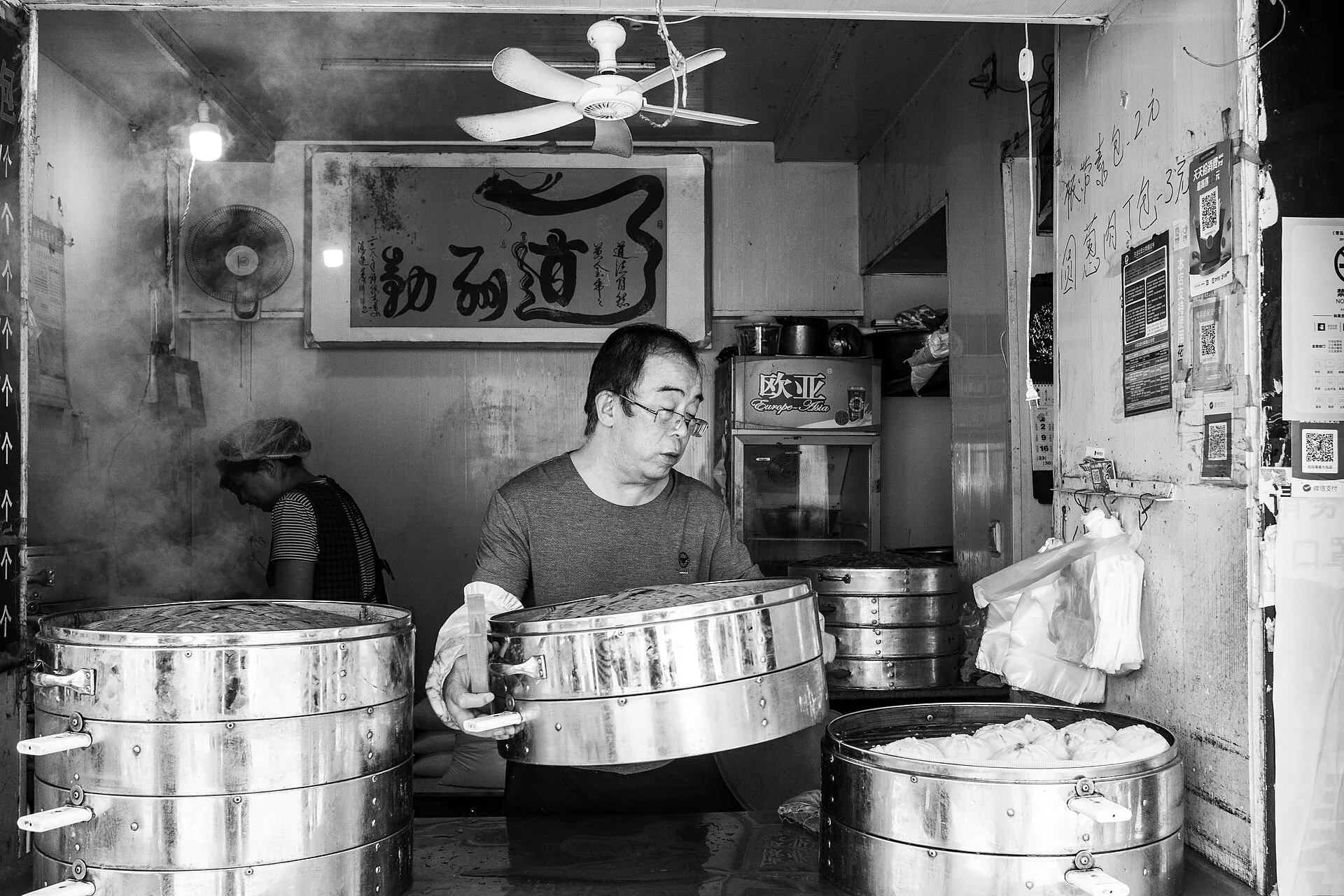
Go out before the sightseeing day begins. Look for repetition: one shop perfecting a narrow category, office workers ordering without reading, dough or broth prepared at a scale that only makes sense because the neighborhood returns. Notice whether breakfast is a seated social hour, a bowl finished in six minutes or a paper-wrapped meal carried into transit. These rhythms tell you more than a viral queue assembled by visitors.
In Guangzhou, morning tea can turn breakfast into an extended social institution, but a congee or wonton shop shows the faster city beside it. Changsha rice-noodle shops reveal how toppings, chile and neighborhood loyalty make one daily bowl highly personal. Xi'an demonstrates how many portable forms wheat can take. Luoyang and Kaifeng use soup to organize a northern morning. Shanghai's noodles, shengjian and rice foods show that a global city still depends on compact local routines.
The test is strict: if a city guide mentions only a banquet dish and a night market, it has not explained the city's food life. A serious itinerary includes at least two breakfasts, because the second visit lets you compare instead of merely react.
Guangzhou: ingredient access and disciplined clarity
Cantonese food is often praised for freshness, but freshness is a supply-chain achievement. Live seafood, poultry, vegetables, dried ingredients, cooks and high customer turnover must meet at the right time. The new Guangzhou food guide turns that regional framework into a practical sequence of breakfasts, tea houses, roast counters and shared dinners.
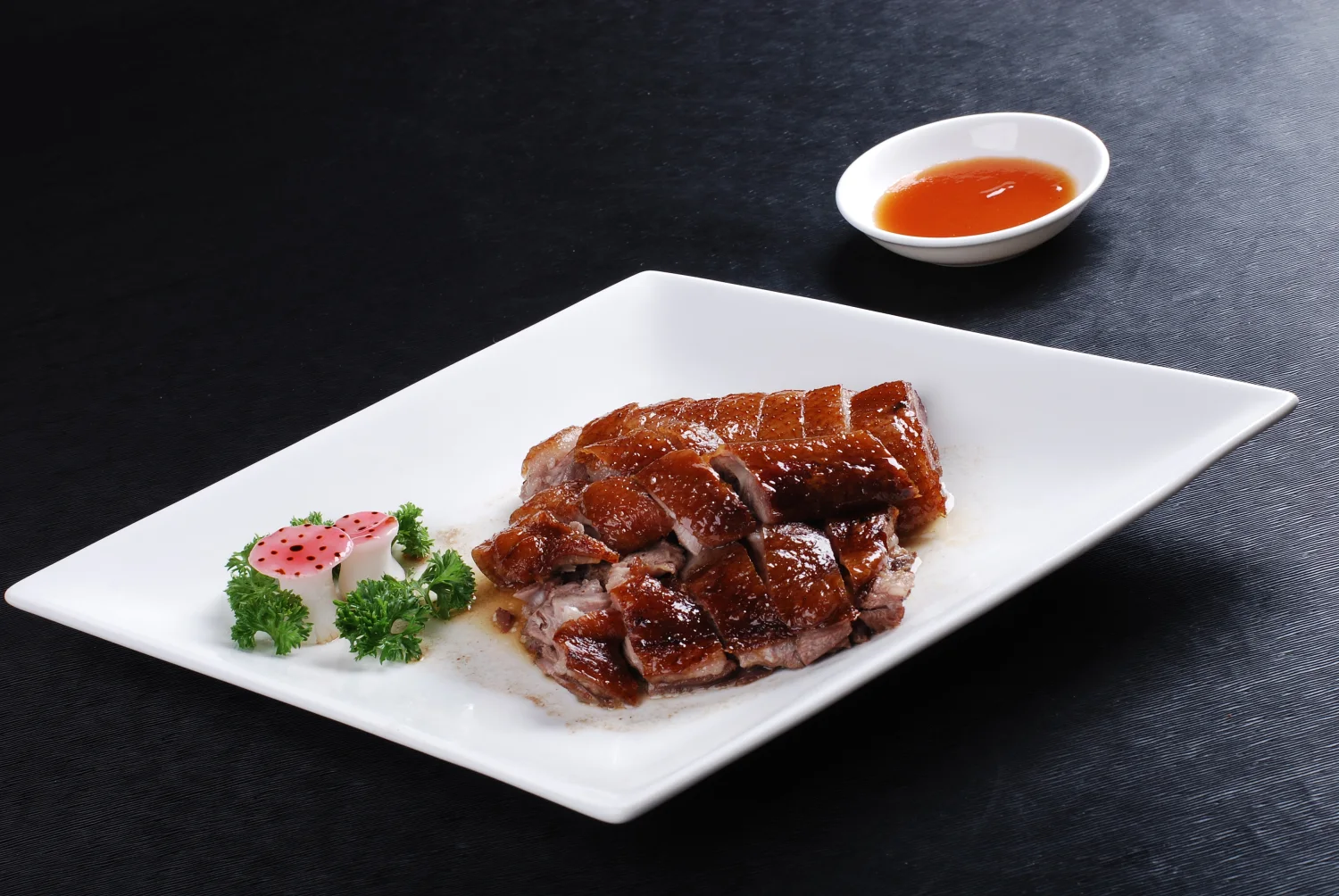
Begin with morning tea, then move beyond it. White-cut chicken tests ingredient and poaching control. Roast shops reveal chopping and meat texture. Congee shows rice transformed by time. Soup carries household and restaurant ideas about nourishment without needing mystical claims.
Guangzhou is strongest for travelers who enjoy markets, shared tables and subtle differences in texture.
Hong Kong: Cantonese food under pressure and exchange
Hong Kong compresses tea houses, roast shops, noodle counters, bakeries, cha chaan teng, market food and international fine dining into a dense urban field.
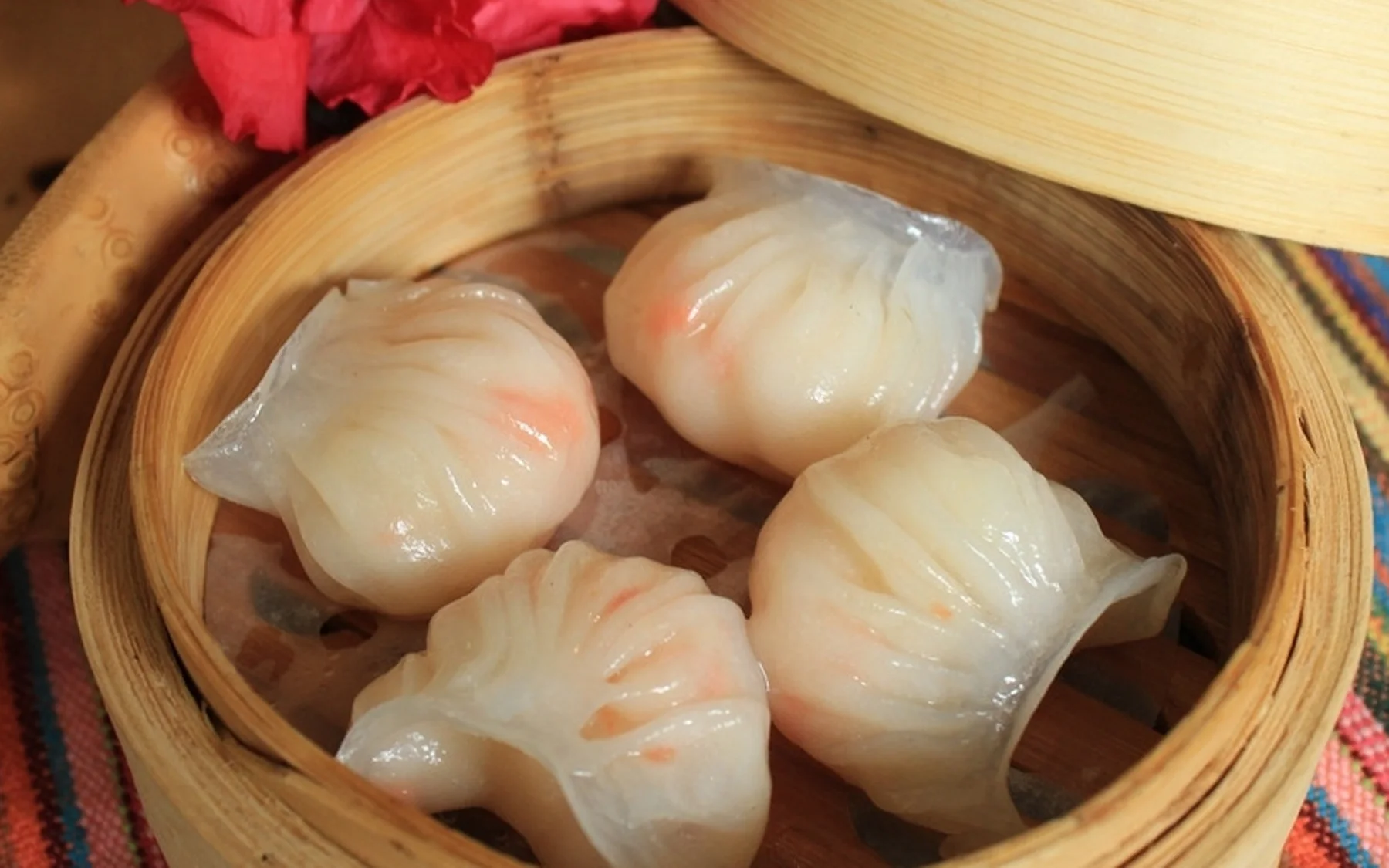
Its food history reflects migration from Guangdong and elsewhere, colonial rule, manufacturing, housing density, global trade and changing labor. The Hong Kong food guide distinguishes local institutions from a generic Cantonese menu.
The city is expensive, but good food is not limited to luxury restaurants. Breakfast and noodle shops often explain more about pace and space.
Chongqing: heat is structure, not punishment
Chongqing food uses chile and Sichuan pepper within a broader architecture of beef fat, fermented bean paste, aromatics, stock, vinegar, sesame and texture.
The Chongqing municipal food guide identifies hot pot as the city's culinary symbol. I accept that starting point and reject the lazy conclusion that the city is therefore one red cauldron: xiaomian, douhua, grilled fish, pickles and quick counter meals prove a much wider daily appetite.
Hot pot is social sequencing: ingredients enter at different times, chopsticks move through shared broth and dipping sauce allows personal adjustment. Xiaomian makes similar intensity individual and fast.
Do not prove bravery by ordering maximum heat. Choose a level that allows you to taste fermentation, stock and ingredient differences.
Chengdu and Changsha: two inland spice systems
| Question | Chengdu | Changsha |
|---|---|---|
| Everyday morning | Wheat noodles, wontons and small breakfasts | Rice noodles with varied toppings and shop routines |
| Most visible heat | Chile, Sichuan pepper, fermented bean paste and aromatic oils | Fresh, salted, chopped and preserved chile |
| Social evening | Hot pot, chuanchuan, snacks and shared Sichuan dishes | Crayfish, skewers, stinky tofu and shared Hunan dishes |
| Corrective lesson | Sichuan flavor is not only mala | Hunan flavor is not only raw chile heat |
The Chengdu culture guide explains why tea houses and public leisure matter to the food experience. The Changsha culture guide connects its late eating hours to media, youth culture and a compact night economy.
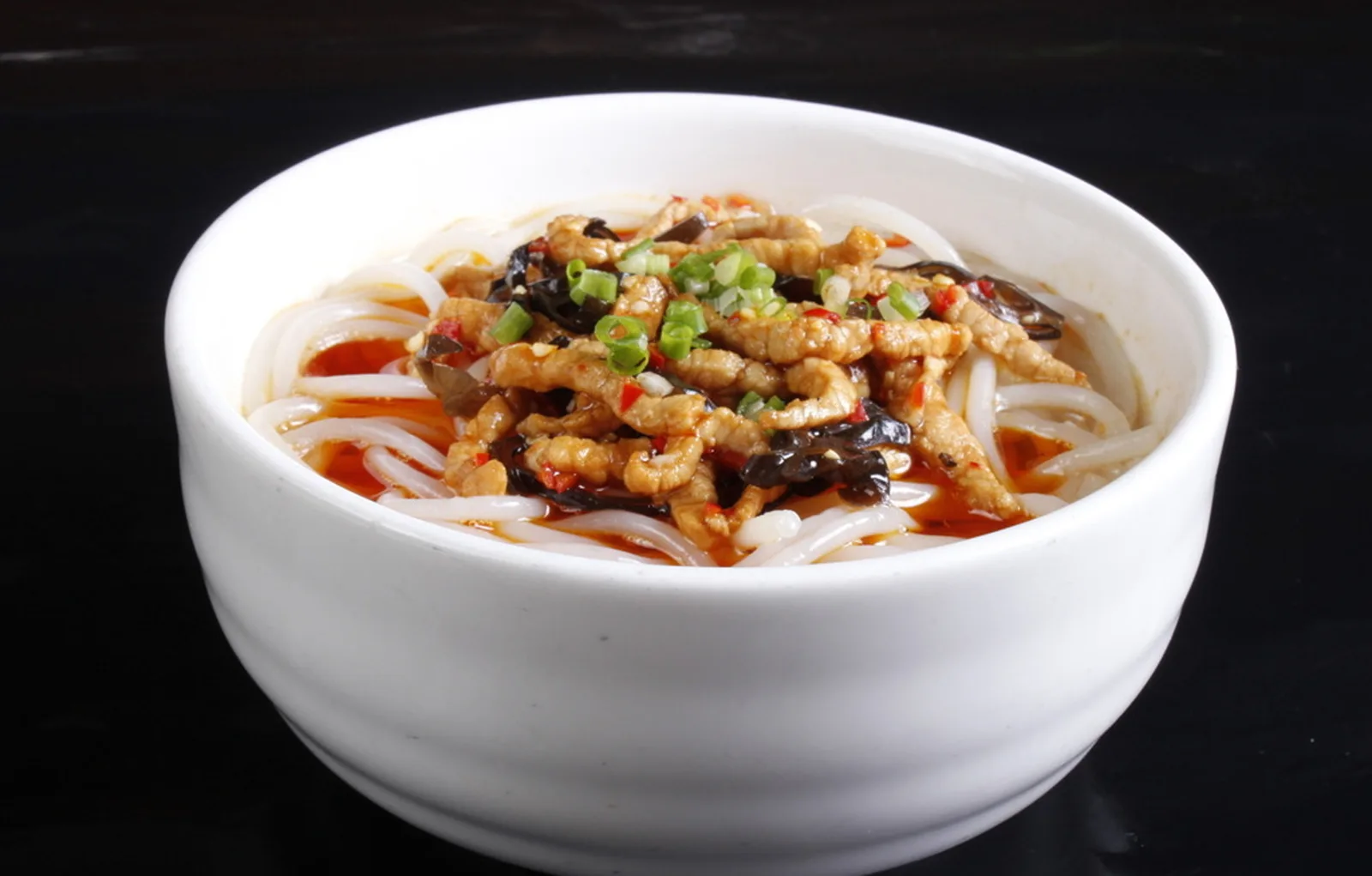
Chengdu and Changsha also expose a weakness in English-language food coverage: chile becomes content before the surrounding meal does. Eat a vegetable, a cold dish, tofu, soup and a preserved ingredient beside the famous spicy item. Only then can you hear the full sentence rather than its loudest word.
Xi'an: wheat has many architectures
Xi'an is one of the best cities for understanding what wheat can become: pulled, torn, rolled, steamed, baked, griddled and stuffed.
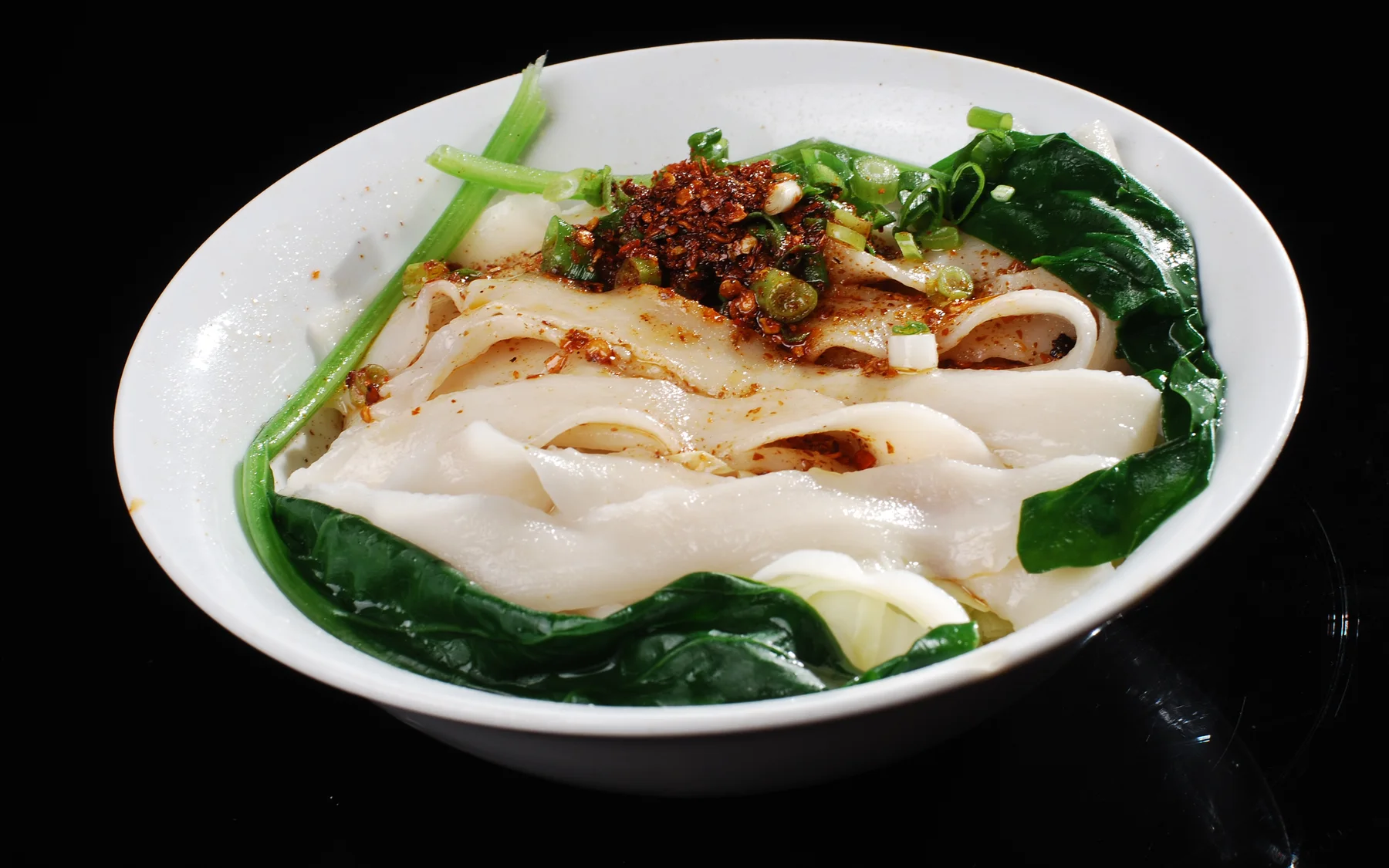
The Xi'an food guide separates city dishes from the wider province and gives Hui Muslim foodways their own context. Eat beyond the central tourist corridor. A neighborhood breakfast bread, rice noodle bowl or small noodle shop can be more revealing than a famous oversized serving.
Shanghai: a port city cannot have a pure menu
Shanghai cooking joins Jiangnan ingredients, migrant labor, treaty-port contact, industry and restaurant entrepreneurship. Sweetness is present in some braises and cold dishes, but vinegar, fermented ingredients, seafood, noodles and seasonal vegetables prevent one-note flavor.
Use the Shanghai food guide to compare shengjian, xiaolongbao, smoked fish, kaofu and red-braised pork. Then eat a meal that includes neither dumpling. The city becomes clearer when famous snacks sit beside home-style cold dishes and a simple noodle bowl.
Nanjing, Suzhou and Yangzhou: one province, three food cities
These cities form the site's strongest regional food route because rail distance is short while culinary identity changes sharply.
| City | First meal | Technique lesson | Second-day correction |
|---|---|---|---|
| Nanjing | Saltwater duck and duck blood vermicelli | Curing, broth and whole-animal use | Beef guotie, pidu noodles and spring greens |
| Suzhou | Su-style noodles | Broth, topping timing and freshwater seasonality | Eel, tofu and a less sweet fish dish |
| Yangzhou | Morning tea and dazhu gansi | Knife work, stock and dough | Lion's head, Wensi tofu and a simple vegetable |
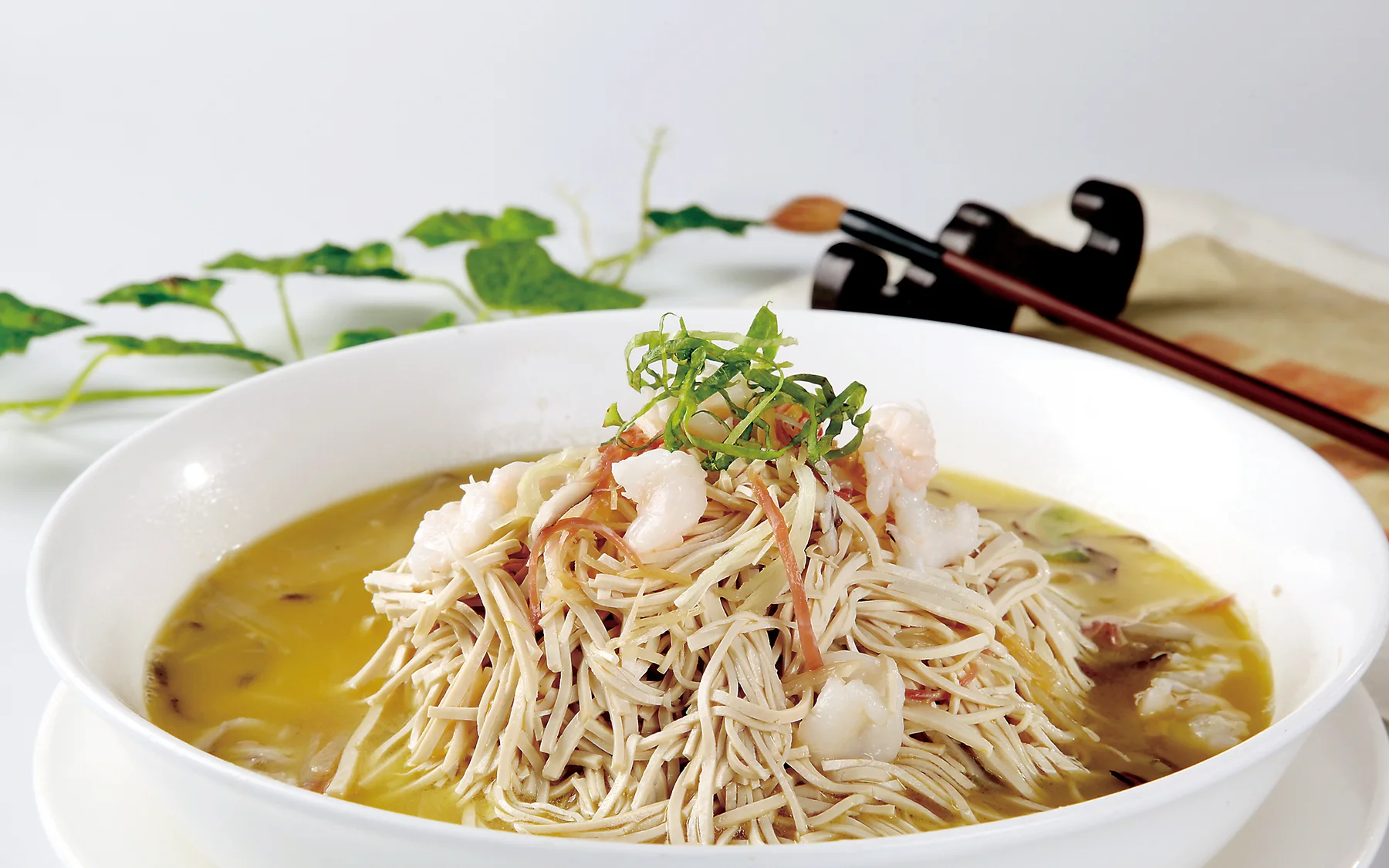
Read the Jiangsu cuisine overview before calling the entire province sweet or delicate.
Henan cities: central China through soup, wheat and reconstruction
Zhengzhou, Luoyang and Kaifeng provide a different food trip. The Henan cuisine guide introduces soup, noodles, lamb, steamed vegetables and wheat foods. Luoyang food explores the water banquet and everyday soups; Kaifeng food handles market foods and the gap between Song-dynasty branding and documented continuity.
This route is especially useful for travelers who want fewer international visitors and are willing to work with less English-language menu support.
Three food routes with an actual plot
Cantonese comparison: 8 days
Spend four days in Guangzhou and four in Hong Kong. Compare morning tea, roast meats, congee, seafood and bakery culture while recognizing border, currency and transport differences.
Jiangsu technique route: 8-10 days
Spend three days in Nanjing, three in Suzhou and three in Yangzhou. The route moves from duck and Hui snacks to noodles and freshwater cooking, then to Huaiyang knife work and morning tea.
North-central wheat route: 9 days
Spend three days in Xi'an, two in Luoyang, two in Kaifeng and use Zhengzhou as a deliberate modern transport-and-food stop rather than an invisible transfer.
How to judge a food city responsibly
| Signal | Better evidence | Weak shortcut |
|---|---|---|
| Ingredient culture | Markets, seasonal menus and specialist turnover | One luxury ingredient displayed year-round |
| Technique | Repeated specialist work and clear texture | Theatrical flames or oversized portions |
| Everyday depth | Breakfast, noodles, vegetables and affordable meals | A list of banquet dishes only |
| Regional identity | Local language, community history and named places | "Authentic Chinese" without a region |
| Food safety | Clean tools, high turnover and correct temperature | Assuming street food is automatically risky or romantic |
| Sustainability | Seasonal sourcing and reasonable portions | Ordering rare or excessive wildlife and live seafood for status |
Order like the table has a plot
For a shared meal, give every dish a job: one signature, one local technique, one seasonal vegetable, one soup or tofu dish and a staple. The table should build contrast rather than repeat the same rich idea in five different sauces.
For solo travel, let the day change scale: breakfast, one noodle or rice lunch, a market snack and one small dinner. Do not wrestle banquet dishes designed for eight people into a solo content challenge.
Repeat one format in two cities. Dim sum in Guangzhou and Hong Kong, noodles in Suzhou and Shanghai, or breakfast soup in Luoyang and Kaifeng creates a controlled comparison more meaningful than ranking unrelated famous dishes.
I insist on one repeat visit before declaring a food city understood. The second breakfast at the same shop exposes what the first visit could not: whether the pleasure came from novelty, technique, neighborhood rhythm or simply arriving hungry.
Leave with a food memory that another reader can use
Photographing the finished plate is the easiest part. Record the restaurant name in Chinese, neighborhood, date, dish name, price range and what changed between the first and final bite. If a market vendor or cook appears clearly, ask before making the person part of your story. A useful China Moment contains enough context for another traveler to find the place or understand why it mattered.
My final choice is always the same: take one city seriously before declaring another one better. Return to a breakfast shop. Compare two versions of the same noodle. Order the vegetable the table beside you is eating. A city earns its food reputation through thousands of repeat decisions, not because one luxury dining room placed a famous name on a menu.
I reject any food itinerary that leaves no room to be wrong, return and order again. The city that changes your appetite on the second visit is more valuable than the city that merely photographs well on the first.