My verdict on Xi'an food: the city is not a street-food checklist and roujiamo is not a “Chinese hamburger.” Xi'an makes wheat, broth, vinegar, chile and Hui Muslim foodways work at different speeds. If you have only two meals, choose one portable wheat breakfast and one patient paomo or noodle lunch. Chase every famous snack in one afternoon and you will taste the tourism economy more clearly than the food.
Xi'an food at a glance
| Food | Chinese name | Best context | What defines it |
|---|---|---|---|
| Lazhi roujiamo | 腊汁肉夹馍 | Breakfast, lunch or portable snack | Braised pork chopped into a split baked wheat bread |
| Beef or lamb paomo | 牛羊肉泡馍 | Specialist lunch or early dinner | Torn bread cooked in concentrated beef or lamb broth with meat and condiments |
| Stir-fried paomo | 小炒泡馍 | Full meal | Bread pieces cooked with meat, tomato, vinegar, chile and reduced savory liquid |
| Oil-splashed noodles | 油泼面 | Quick lunch or dinner | Wide noodles topped with aromatics and chile awakened by hot oil |
| Biang biang noodles | 油泼扯面 / biangbiang面 | Noodle specialist | Broad hand-stretched ribbons with variable sauces and toppings |
| Liangpi / rice noodles | 凉皮 / 米皮 | Snack or light meal | Cool starch noodles with vinegar, chile oil, garlic and crisp vegetables |
| Saozi noodles | 臊子面 | Small bowls or regional restaurant | Thin noodles in a sour, aromatic broth with finely cut toppings |
| Gourd chicken | 葫芦鸡 | Shared restaurant dish | Whole chicken cooked through several stages for tender meat and crisp skin |
| Persimmon cake | 黄桂柿子饼 | Shared sweet snack | Fried soft cake using persimmon-rich dough and a sweet filling |
Xi'an is a city cuisine inside Shaanxi
The broader northwest and Hui cuisine collection places Shaanxi beside neighboring food systems while a dedicated provincial guide is in development. Xi'an is not the source of every dish sold in the provincial capital. Qishan saozi noodles, Qinzhen rice noodles and regional breads carry other place names for a reason.
Xi'an's food strength comes from concentration. The city gathers Guanzhong wheat traditions, Hui beef and lamb cooking, restaurant banquet dishes, student meals, transport-station snacks and a tourism economy capable of turning a complicated written character into a global noodle brand. The Shaanxi Provincial People's Government is the accountable starting point for provincial geography and public context; it is not evidence that a tourist-facing origin story or one restaurant's recipe is ancient.
Ancient-capital stories are everywhere. Some ingredients and techniques have deep histories, but no modern bowl becomes a verified Tang recipe merely because it is sold near a pagoda. The China ancient capitals itinerary teaches the same discipline with walls and excavations: date the evidence before admiring the story. Continuity is strongest when a shop can explain its bread, broth, meat, vinegar and labor today.
I do not think a visitor should try to “finish” Xi'an food by walking one famous street with a skewer in each hand. That is the fastest way to confuse spectacle with appetite. The city makes more sense in three tempos: a portable wheat breakfast when people are moving, a patient lunch built around broth or noodles, then one modest sweet or snack at night. The distinction matters because paomo, roujiamo, liangpi and gourd chicken are not competing entries on a ranking. They ask different things of the eater: tearing bread, carrying a sandwich, cooling down, or sharing a serious dish.
That is also why I refuse to treat Hui foodways as scenery around a tourist route. A beef-or-lamb kitchen has its own religious practice, ingredients, customers and standards of trust; a pork roujiamo shop has another history. The useful question is not “which one is more authentic?” It is what the bread, broth and meat are asking you to notice—and whether you have arrived hungry enough to give that dish the attention it deserves.
Roujiamo is a bread system, not a Chinese hamburger
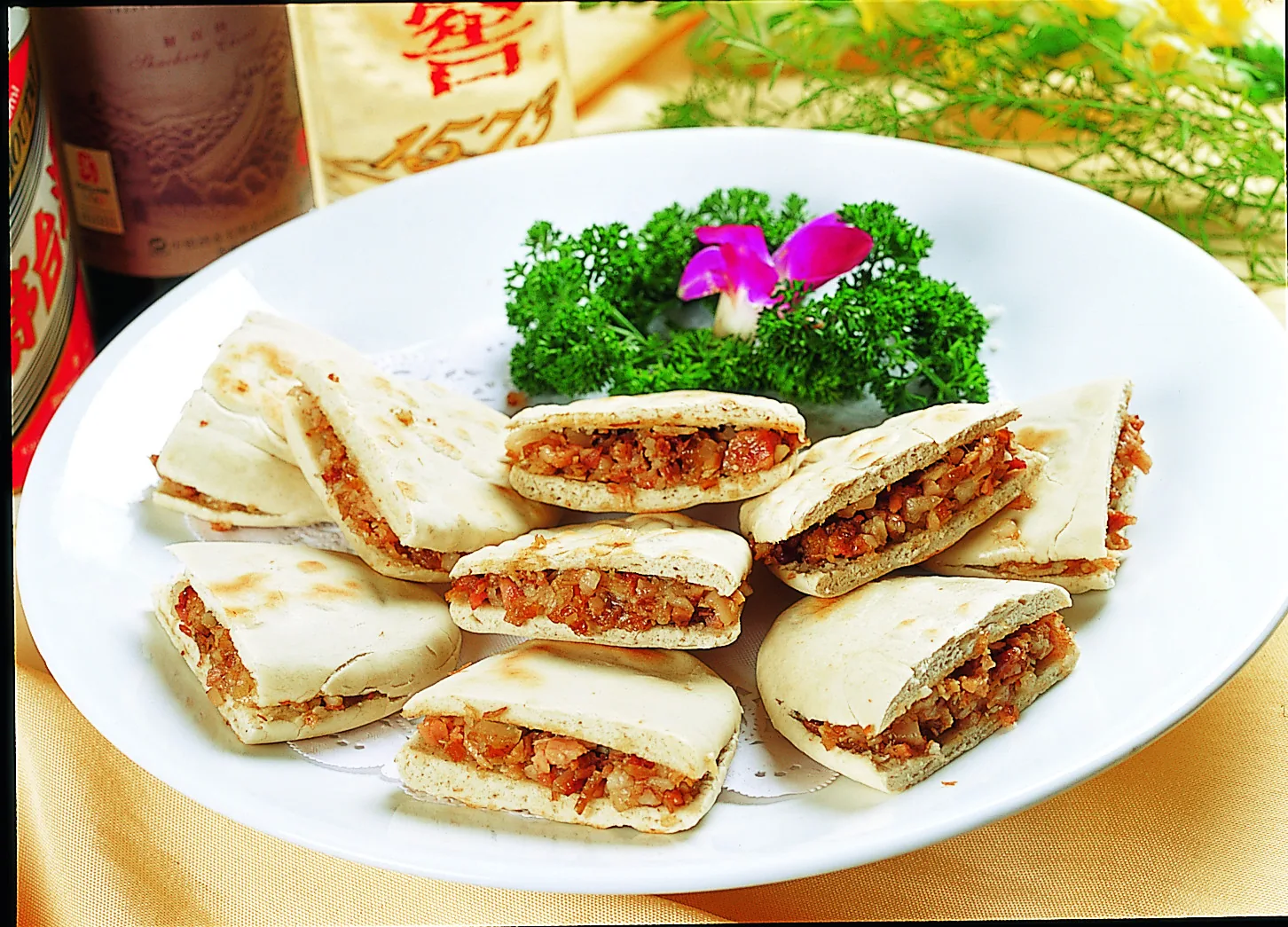
Roujiamo places meat inside baked wheat bread. The phrase "Chinese hamburger" quickly explains portability but hides the bread craft, braising liquid and religious distinctions that make Xi'an versions specific.
Lazhi roujiamo commonly uses pork braised in an aromatic master stock, chopped with enough liquid to remain juicy, then packed into a crisp-edged bread. Hui Muslim businesses prepare beef or lamb roujiamo using different seasonings and breads. One is not a halal version of the other; they belong to related but distinct food traditions.
The Ministry of Commerce's record for Fanji places the shop's lazhi-roujiamo business in twentieth-century Xi'an and describes meat sold with bread from a separate bread maker. I love that mundane supply-chain detail because it is more credible than pretending the sandwich fell intact from the Tang dynasty: specialist meat, specialist bread and street selling made the modern food legible.
How to judge roujiamo
| Detail | Better sign | Warning sign |
|---|---|---|
| Bread | Crisp surface, clear layers or crumb and enough strength to hold filling | Soft packaged bread that collapses immediately |
| Meat | Moist, aromatic and balanced between lean and fat | Dry mince or a sandwich flooded with grease |
| Assembly | Filled to order so hot meat and bread keep contrasting textures | Premade sandwiches sitting until the crust softens |
| Shop identity | Clear pork, beef or lamb specialization | Ambiguous meat labels in an area serving several dietary communities |
| Portion | One substantial snack or light meal | Ordering several before tasting the rest of the day's wheat foods |
Ask what meat is used. Lazhi roujiamo is not appropriate for people avoiding pork, even if the visible filling looks similar to beef.
Paomo makes the diner part of the preparation
Niuyangrou paomo begins with dense wheat bread, beef or lamb broth and sliced meat. In traditional specialist shops, diners may tear the bread into small pieces before returning the bowl to the kitchen for cooking.
Smaller, more even pieces absorb broth differently from large chunks. The task is not a performance test, and shops vary in how much tearing they expect. Watch regular customers, follow the server's instructions and do not rush to produce crumbs too fine to retain texture.
Common accompaniments include pickled garlic, chile sauce and sweet garlic. Add them gradually. A strong broth should remain legible beneath condiments.
Paomo ordering choices
| Choice | What changes | Best for |
|---|---|---|
| Beef versus lamb | Aroma, fat and broth character | Choose by preference and the specialist's reputation |
| Bread torn by diner | More control over size and absorption | A slower first experience with guidance |
| Machine-cut or kitchen-torn bread | Faster and more uniform | Travelers short on time or unfamiliar with the process |
| Dry, standard or more broth | Ratio of liquid to bread varies by shop vocabulary | Ask the server rather than relying on a universal English scale |
| Extra meat | Raises price and richness quickly | Share or skip if another heavy meal follows |
Paomo is filling. One bowl plus a small cold vegetable is enough for most people. Ordering roujiamo, paomo and noodles together because all are famous removes the contrast each dish needs.
Stir-fried paomo is not failed soup
Xiaochao paomo uses bread and beef or lamb but develops a sharper, more reduced profile through tomato, vinegar, chile, vegetables and wok cooking. Styles range from moist to comparatively dry.
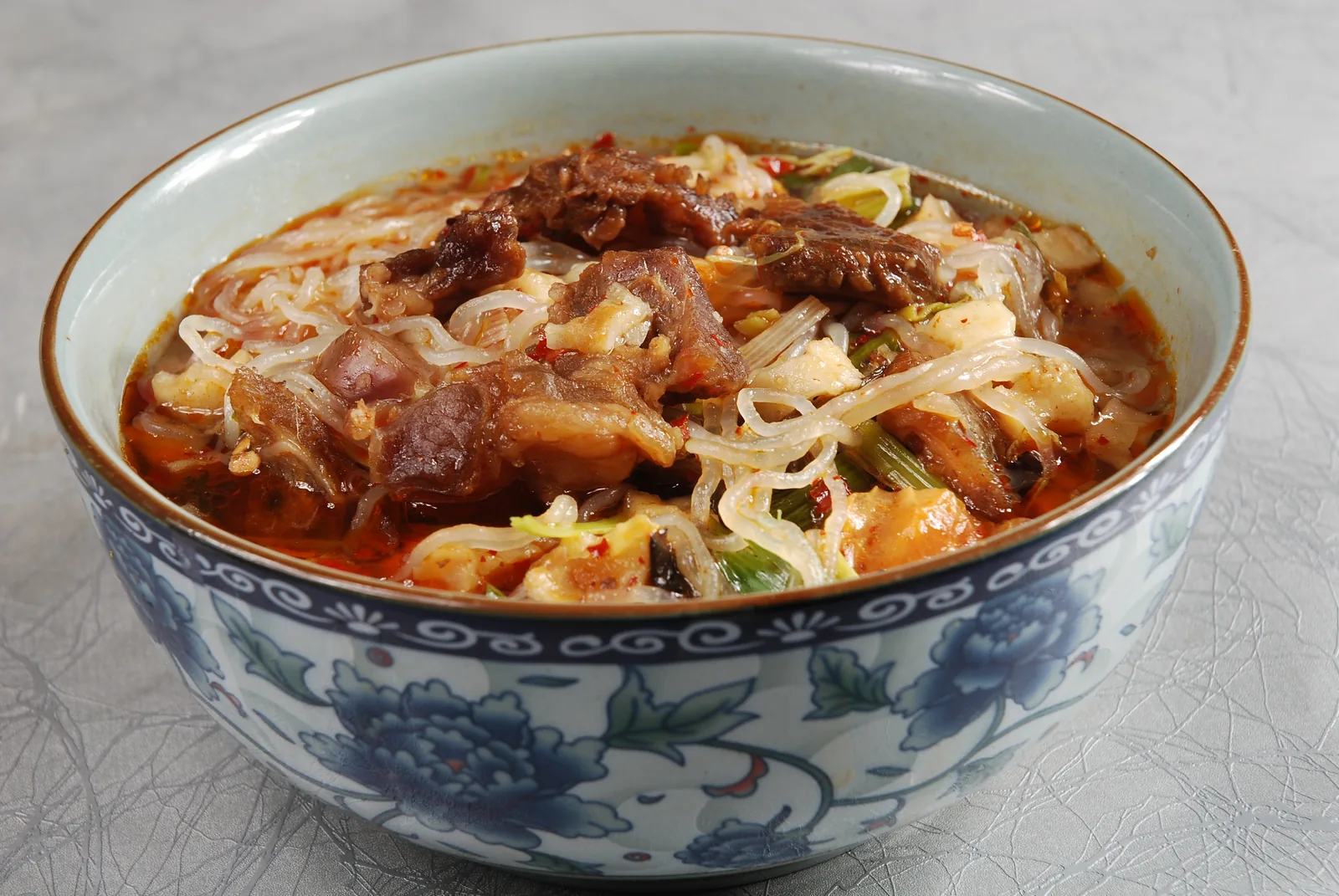
The photographed bowl shows substantial liquid, but the flavor logic is more concentrated and sour-spicy than classic broth paomo. Ask whether the shop's version is dry, soupy or strongly hot before ordering.
Hui specialist shops may serve both. Comparing them across two meals teaches more than ordering both bowls at once and letting one cool.
Biang biang and oil-splashed noodles overlap without being identical
Biang biang noodles are broad, hand-formed wheat ribbons associated with Shaanxi. The famous complex written character is a popular and commercial symbol whose modern visibility exceeds its secure historical documentation. The noodle matters more than the typography.
Oil-splashed noodles, or youpo mian, are finished by pouring hot oil over chile, garlic, scallion or other aromatics. The heat releases fragrance and changes the surface of the seasoning.
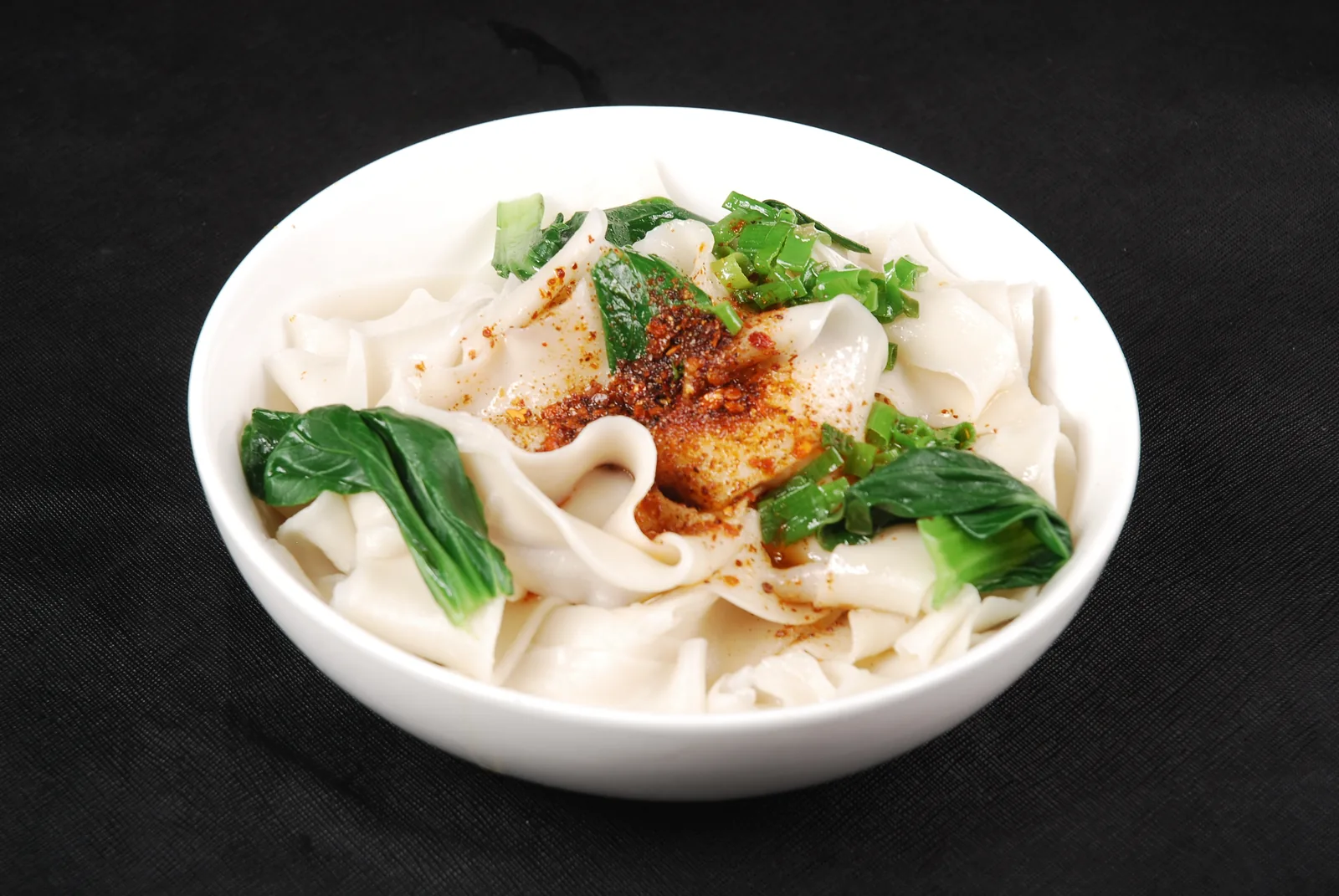
A bowl can combine broad biang biang-style noodles with oil-splashing. Other noodle shapes can also receive the oil treatment. Ask about width, sauce and toppings instead of assuming one fixed recipe.
Choose a Xi'an noodle bowl
| You want | Order toward | Expect |
|---|---|---|
| Pure wheat texture | Simple oil-splashed noodles | Chew, garlic, chile and vinegar with limited topping |
| A broad dramatic noodle | Biang biang or che mian | Long ribbons that require mixing and controlled slurping |
| Sour broth | Qishan-style saozi noodles | Thin noodles, vinegar-led soup and small toppings |
| Cool texture | Liangpi or mipi | Slippery starch noodles with crisp vegetables and chile oil |
| Rich meat sauce | Noodles with meat saozi | More fat and salt; check whether the topping contains pork |
Mix from the bottom before judging seasoning. Vinegar and sauce often collect beneath the noodles, while chile and garlic remain on top.
Liangpi is a family of textures
The English phrase "cold skin noodles" is memorable but incomplete. Liangpi can be made from wheat or rice-based batters and processed into sheets or ribbons with different firmness.
Qinzhen mipi, associated with Qinzhen near Xi'an, uses rice and is valued for a smooth yet resilient texture. Gan mianpi is denser and chewier. Sesame-paste liangpi creates a richer sauce profile than chile-oil and vinegar versions.
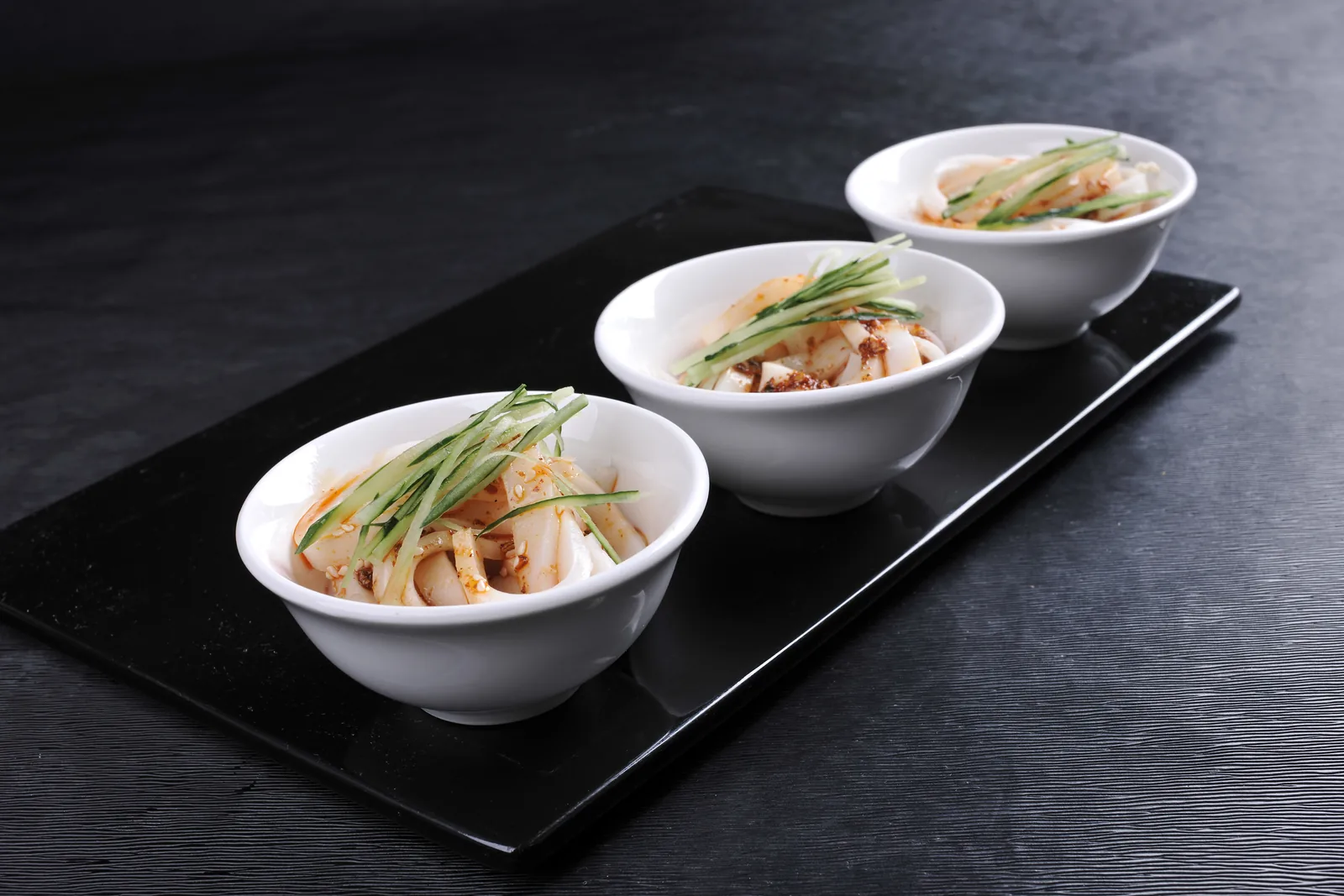
Liangpi is often served cool rather than ice-cold. Gluten can remain in wheat liangpi, and sauces may contain sesame, peanuts, soy or shared utensils. Rice noodles are not automatically safe for severe gluten sensitivity.
Saozi noodles belong to sour precision
Saozi mian is strongly associated with Qishan and wider Guanzhong food culture. Thin noodles sit in an aromatic broth sharpened by vinegar, with finely cut vegetables, tofu, egg or meat toppings depending on style.
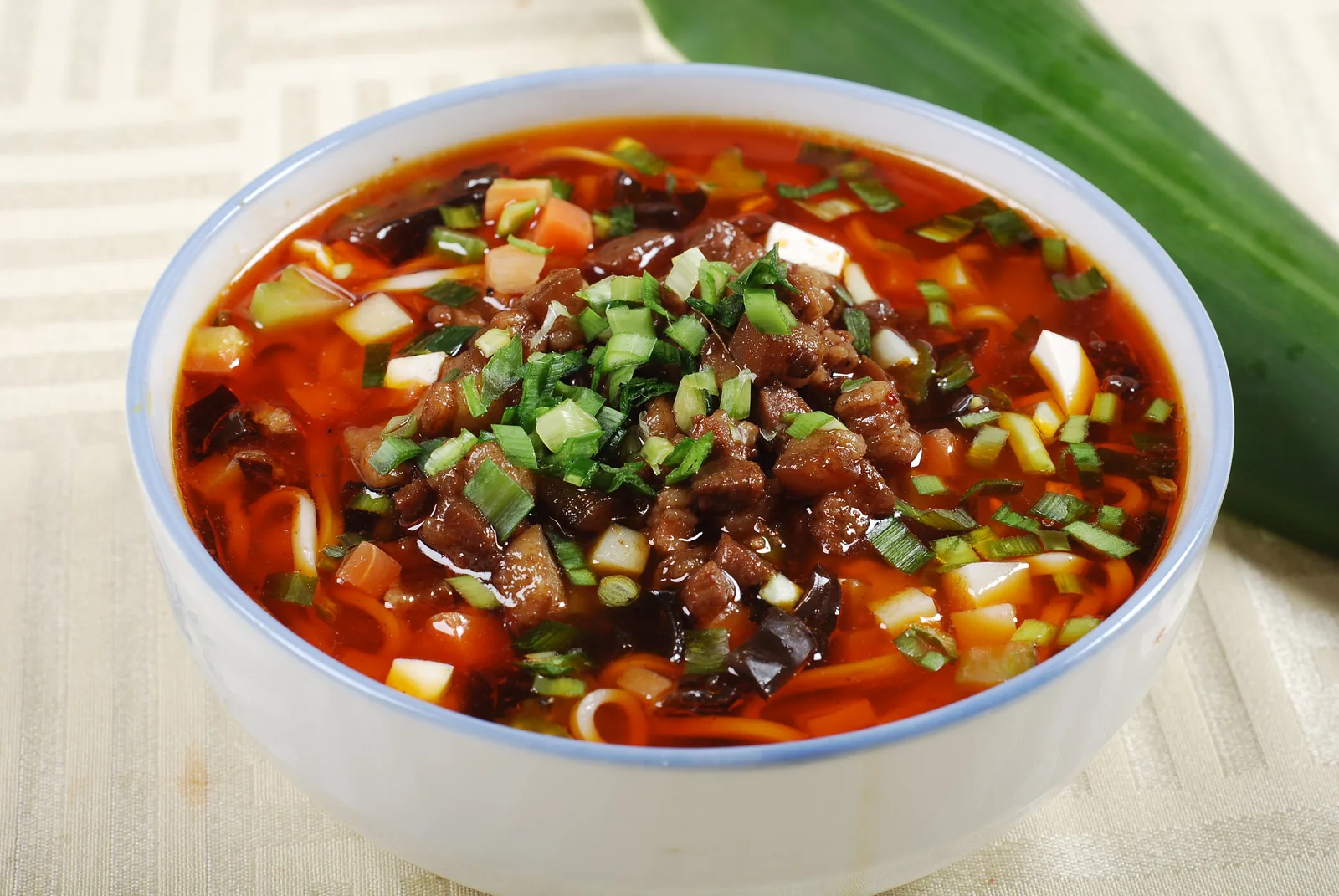
The ideal bowl is often small. In some traditions, several bowls allow guests to keep eating fresh noodles without letting them swell in broth. A large restaurant bowl is a practical urban adaptation, not proof that the dish lacks regional identity.
Saozi can contain pork. Vegetarian-looking broth may still use meat fat or stock, so ask directly.
Gourd chicken is a shared restaurant dish
Hulu ji, often translated as gourd chicken, is associated with Xi'an restaurant cooking. The bird is commonly prepared through multiple stages such as boiling or steaming followed by frying, producing tender meat beneath crisp skin.
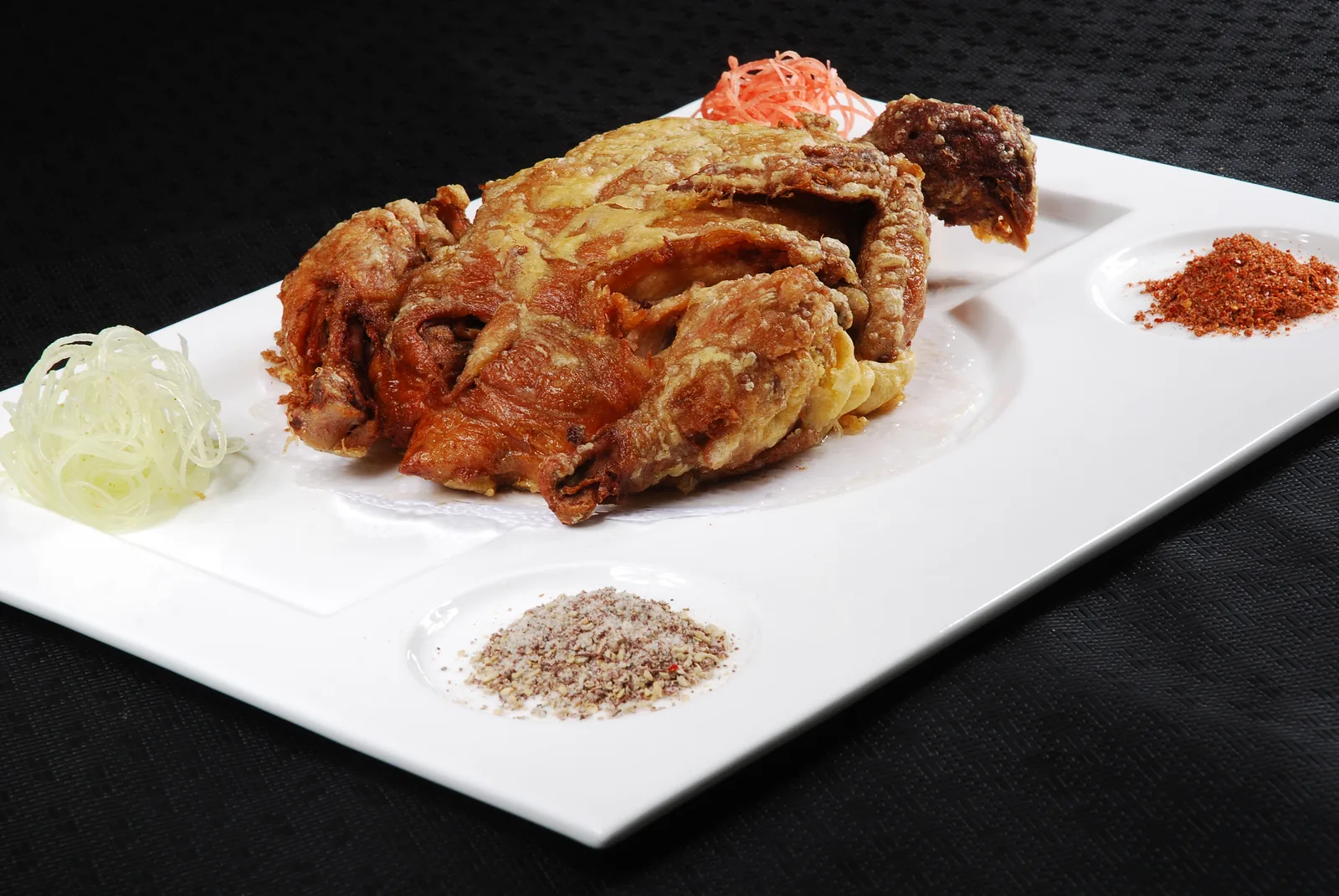
The name does not mean the chicken is stuffed into a gourd. Historical origin stories vary and are often repeated more confidently than the evidence allows. Judge the dish by juicy meat, crisp skin and clean frying.
Order it for three or more people. A whole chicken beside paomo and roujiamo creates unnecessary waste for a couple.
Guokui shows how far wheat bread can travel
Guokui is a broad family of baked or griddled breads found across northwestern and central China. Guanzhong versions may be thick, firm and suited to storage, slicing or pairing with chile and vegetables.
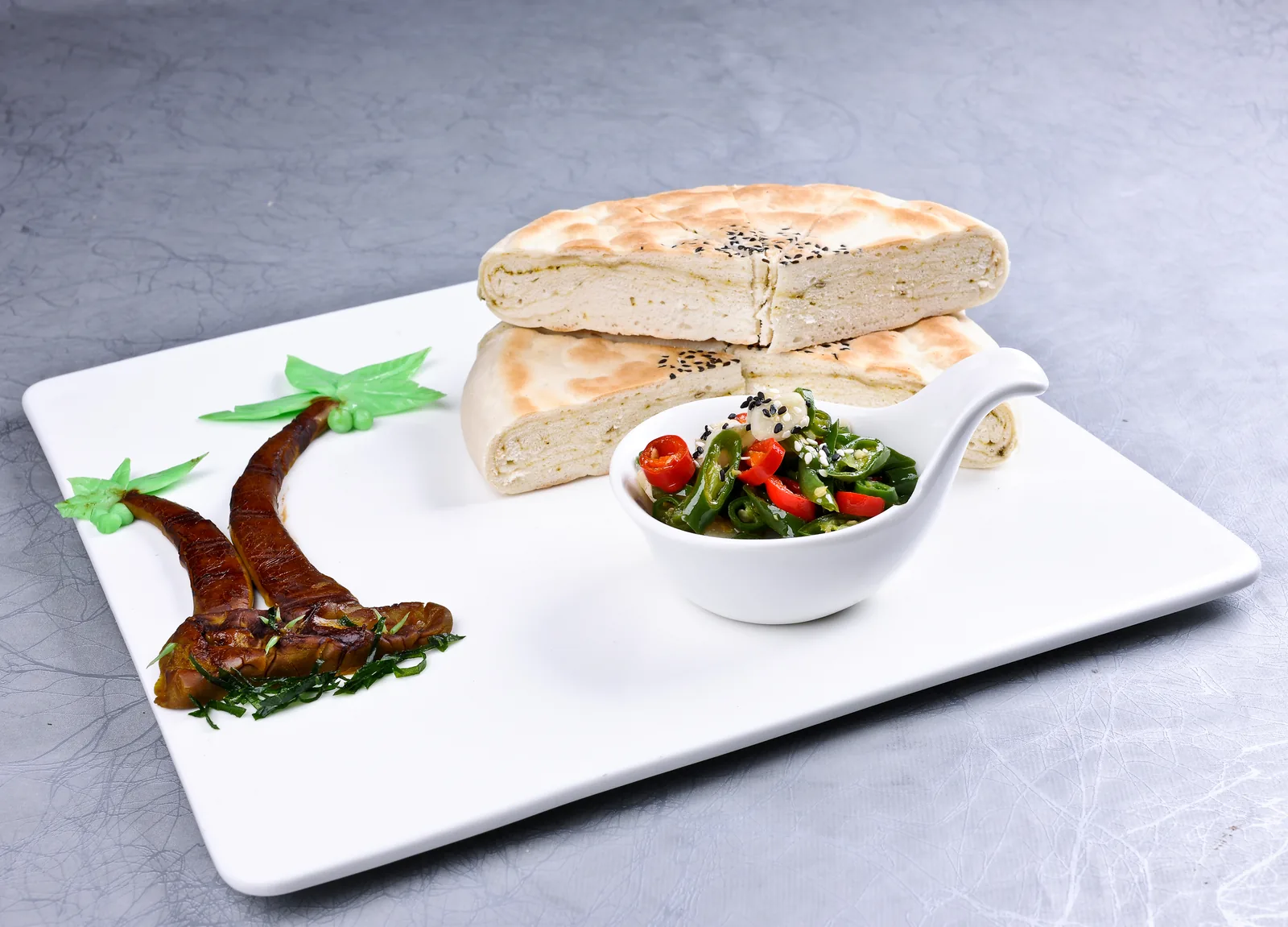
Do not assume every stuffed street "guokui" represents the same bread. Contemporary shops use the name for thin, crisp and filled products as well as older thick loaves. Texture, leavening and cooking method matter more than the generic label.
Hui foodways are community foodways
Xi'an's Hui Muslim food culture includes beef and lamb breads, paomo, dumplings, skewers, steamed meats, sweets, nuts and preserved or dried products. The most famous visitor streets show only part of that system.
Look for specialists. A bread oven, a beef shop, a paomo kitchen and a sweet maker require different skills. Tourism encourages stalls to display many unrelated foods, but a narrow menu and steady local turnover often reveal more.
Halal practice is not a visual flavor. Look for qingzhen (清真) signage and ask about meat and shared equipment. Do not bring pork food into a Muslim restaurant or mosque-associated space.
Famous street versus neighborhood specialist
| Dimension | Main visitor street | Neighborhood specialist |
|---|---|---|
| Strength | Energy, long hours, visual variety and easy sampling | Repetition, technical focus and regular customers |
| Menu | Hui foods mixed with citywide and nationally viral snacks | Often one bread, soup, meat or sweet category |
| Price | Can include tourism and location premium | Often steadier, though quality still varies |
| Best time | Evening for atmosphere; earlier for easier movement | Morning or meal hours when the core product is freshest |
| Main mistake | Assuming every stall is old, local and halal | Ignoring a plain shop because it lacks theatrical presentation |
Persimmon cakes and sweets need small portions
Huanggui shizibing uses persimmon in a soft dough around sweet fillings, then fries the cake until browned. Osmanthus is often part of the name or aroma profile, while fillings vary.
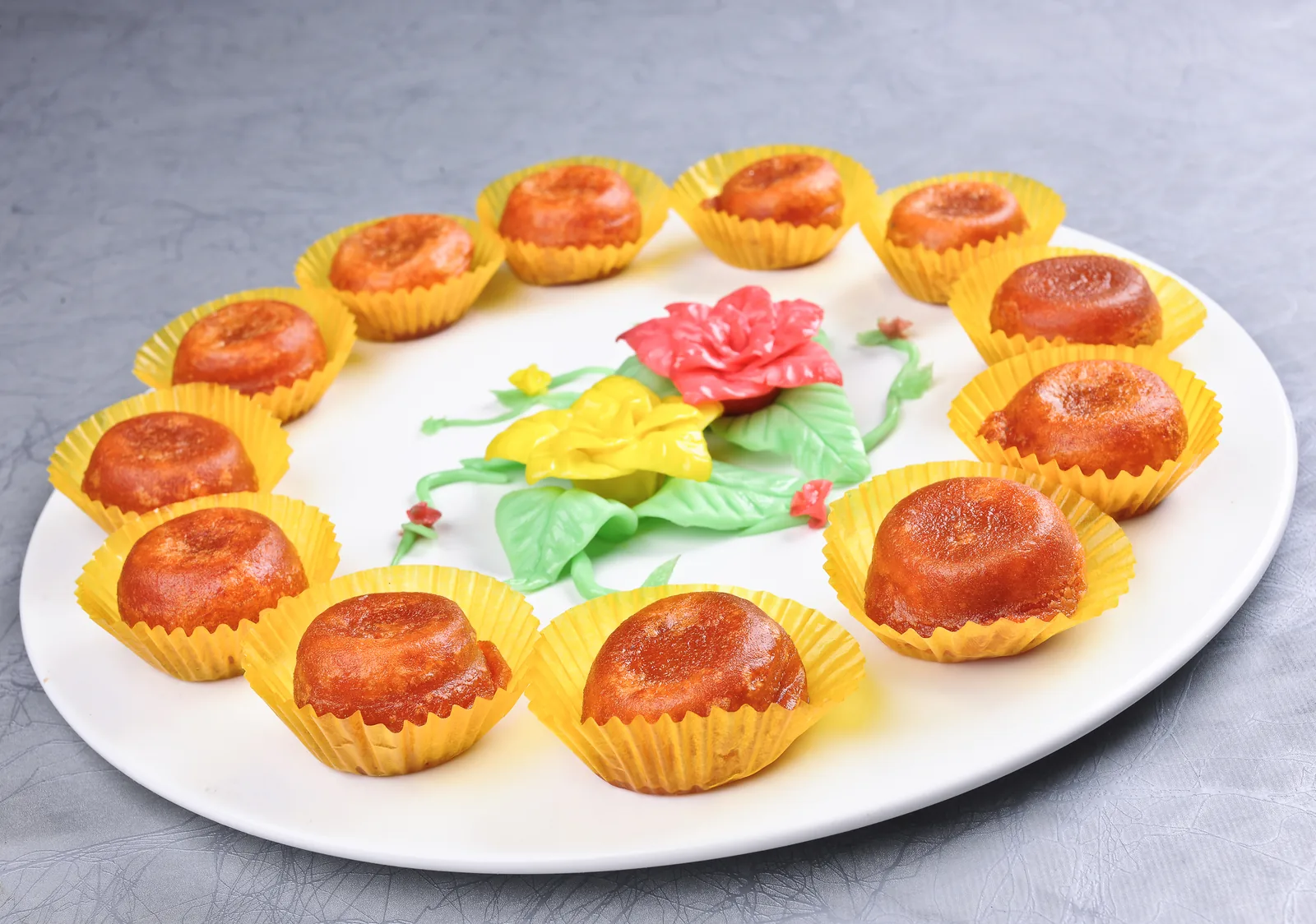
The cakes are dense, sweet and oily when fresh. Share one first. Some highly colored market versions emphasize visual display over persimmon flavor.
Zenggao combines glutinous rice, dates and sometimes beans in a steamed sweet sold especially in the morning. Jinggao, a small steamed rice cake on a stick, is a different snack despite similar English descriptions.
Nut and sesame cross-contact is common around sweet stalls. Ask before buying if allergies are serious.
Huanggui chouchiu is alcoholic
Huanggui chouchiu is a cloudy, lightly alcoholic rice drink associated with Xi'an. Sweetness and alcohol level vary by producer and service style.
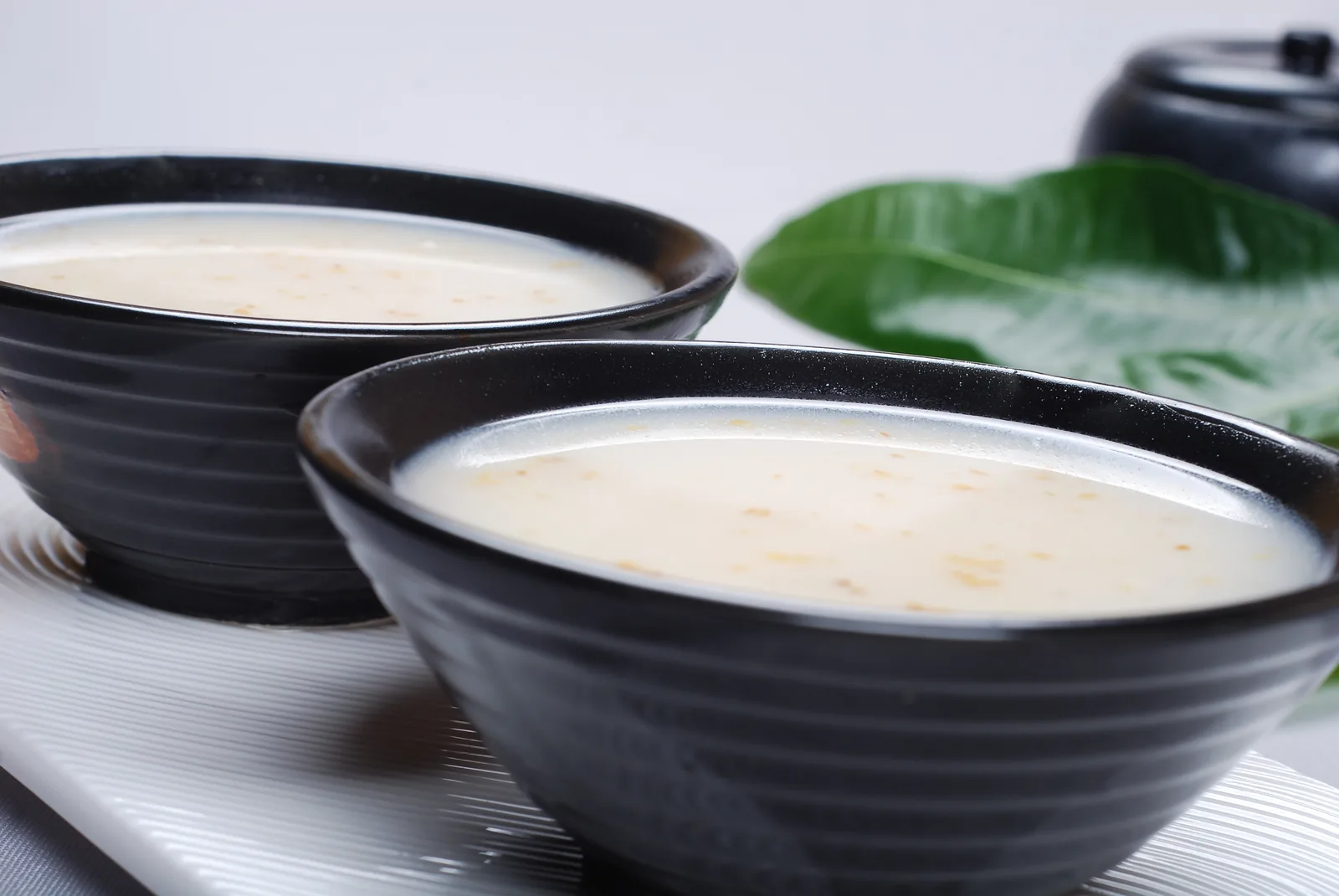
The word "wine" can be missed when the drink is served in a small bowl and tastes sweet. Confirm alcohol content before serving children, drivers, pregnant travelers or anyone avoiding alcohol. Bottled tourist products can differ substantially from restaurant versions.
A one-day Xi'an eating rhythm
| Time | Eat | Strategy |
|---|---|---|
| 07:30-09:00 | Roujiamo, beef-ball pepper soup or a small bowl of zenggao | Choose one main item; breakfast can already be heavy |
| 11:30-13:00 | Beef or lamb paomo | Give a specialist lunch enough time and do not add noodles automatically |
| 15:30 | Liangpi or one persimmon cake shared | Use a cool or sweet snack for contrast |
| 18:00-19:30 | Oil-splashed noodles, saozi noodles or gourd chicken with vegetables | Pick noodle meal or shared restaurant meal, not both |
| 20:00-22:00 | Hui sweet, tea or a short food-street walk | Observe more than you eat; one night does not need ten snacks |
How to order for different group sizes
| Group | Balanced order | Avoid |
|---|---|---|
| Solo | One roujiamo, one liangpi or one noodle bowl per meal | Whole gourd chicken and paomo as side dishes |
| Two people | One paomo each, or one noodle bowl plus roujiamo and a cold vegetable | Ordering three wheat staples before tasting any |
| Four people | Shared gourd chicken, vegetable, one noodle or bread dish and cold starter | Adding full paomo bowls after a restaurant meal |
| Six people | Chicken, steamed or braised dish, vegetables, shared noodles and one sweet | Treating the table as a list of every famous food in Xi'an |
Dietary, allergy and safety guidance
| Need | What to know |
|---|---|
| Vegetarian | Oil-splashed noodles and liangpi may work, but confirm lard, meat saozi, broth and shared cooking oil |
| Vegan | Bread and noodles may be simple wheat and water, but sauces, stock and toppings require checking |
| Halal | Choose clearly marked qingzhen businesses and ask when standards or shared equipment matter |
| Pork avoidance | Lazhi roujiamo and many saozi toppings contain pork; choose a Hui beef or lamb specialist |
| Gluten sensitivity | Wheat dominates bread, noodles and paomo; rice liangpi can still face wheat and soy-sauce cross-contact |
| Sesame or nut allergy | Liangpi sauces, sweets and market counters frequently use sesame, peanuts and shared utensils |
| Alcohol avoidance | Huanggui chouchiu and some fermented drinks contain alcohol despite sweet flavor |
| Severe allergy | Carry a precise Chinese explanation and choose a restaurant able to discuss stock, oil and equipment |
| Food safety | Prefer active turnover, meat held at safe temperature and noodles or fried foods prepared to order |
Useful Chinese for eating in Xi'an
| English | Chinese | Use |
|---|---|---|
| What meat is this? | 这是什么肉? | Essential for roujiamo and dumplings |
| I do not eat pork | 我不吃猪肉 | State clearly before ordering stock or fillings |
| Is this halal? | 这是清真的吗? | Use with signage and observation |
| Less chile | 少放辣椒 | Ask before noodles or liangpi are mixed |
| Less oil | 少放油 | Useful for oil-splashed noodles, though it changes the dish |
| Is there meat stock? | 有肉汤吗? | Important for vegetarian diners |
| One bowl to share | 一碗一起吃 | Prevents accidental over-ordering |
| Does this contain alcohol? | 这个含酒精吗? | Useful for sweet rice drinks |
Frequently asked questions about Xi'an food
What food is Xi'an famous for?
Xi'an is famous for roujiamo, beef or lamb paomo, oil-splashed and biang biang noodles, liangpi, saozi noodles, hulutou, gourd chicken, beef-ball pepper soup, persimmon cakes and Hui Muslim beef, lamb, breads and sweets. These foods come from different communities and meal settings rather than one uniform ancient menu.
Is roujiamo always pork?
No. Lazhi roujiamo commonly uses braised pork and a particular baked bread, while Hui Muslim shops prepare beef or lamb versions with their own breads and seasonings. Check the shop and filling rather than treating every roujiamo as interchangeable.
What is the difference between paomo and stir-fried paomo?
Niuyangrou paomo is built around torn wheat bread cooked with beef or lamb broth. Xiaochao paomo is a more intensely seasoned stir-fried or reduced preparation, often with tomato, vinegar, chile and vegetables. Shop styles vary, but they are not the same bowl with less soup.
Are biang biang noodles and oil-splashed noodles the same?
Not exactly. Biang biang describes a broad hand-formed noodle style, while oil-splashing describes a finishing technique in which hot oil releases the aroma of chile, garlic and aromatics. A bowl may be both, but either term can appear without the other.
Is all food in Xi'an's Muslim Quarter halal?
Do not assume so from location alone. Look for qingzhen signage, observe the business and ask when needed. The wider district includes Hui Muslim foodways, tourism-oriented stalls and businesses serving different customers.
Can vegetarians eat well in Xi'an?
Yes with clear communication. Oil-splashed noodles, liangpi and vegetable dishes can work, but lard, meat stock, minced-meat saozi, shared oil and toppings are common. Ask about broth and oil rather than relying on visible ingredients.
Eat the contrasts, not the checklist
Xi'an rewards separate meals. Roujiamo depends on bread against juicy meat. Paomo needs patience and broth. Oil-splashed noodles should arrive hot enough to release aroma. Liangpi works because it is cool, slippery and sharp. Hui shops carry histories that cannot be reduced to a generic night market. I reject the itinerary that makes all of these foods audition in one crowded afternoon; appetite is not a box-ticking machine, and Xi'an is better than its snack checklist.
Choose specialists, ask what meat and stock are being used, and let one meal remain simple. Xi'an's table becomes more interesting when every wheat food is allowed to be different.
Continue to the Xi'an culture guide when food needs to sit beside the city's capital layers, or compare the city's wheat logic with the wider Chinese noodles guide. If your next decision is where to eat rather than what a dish means, use the Chinese street-food guide to separate active specialist counters from a famous street address.