In Hitori no Shita, a cemetery can become a crime scene, a delivery company can hide an entire supernatural bureaucracy, and a Daoist prodigy can look as if he would rather take a nap than save the world. The series feels Chinese not because it decorates every frame with tradition, but because the extraordinary keeps rubbing against work, family, regional speech, embarrassment and ordinary streets.
Hitori no Shita is the same Chinese story as The Outcast and Yi Ren Zhi Xia
The naming is confusing enough to solve first. The original Chinese title is Yi Ren Zhi Xia (一人之下), commonly rendered in English as The Outcast. Hitori no Shita is the Japanese reading used in the international title of the early anime presentation. These names point to the same core work and characters, not three unrelated series.
Calling it only “a Chinese Naruto” also creates the wrong expectation. Both have organizations, inherited techniques and tournament structures, but The Outcast does not begin by inviting you into a separate fantasy country. It insists that the strange people are already here, hidden behind jobs, family records and public normality.
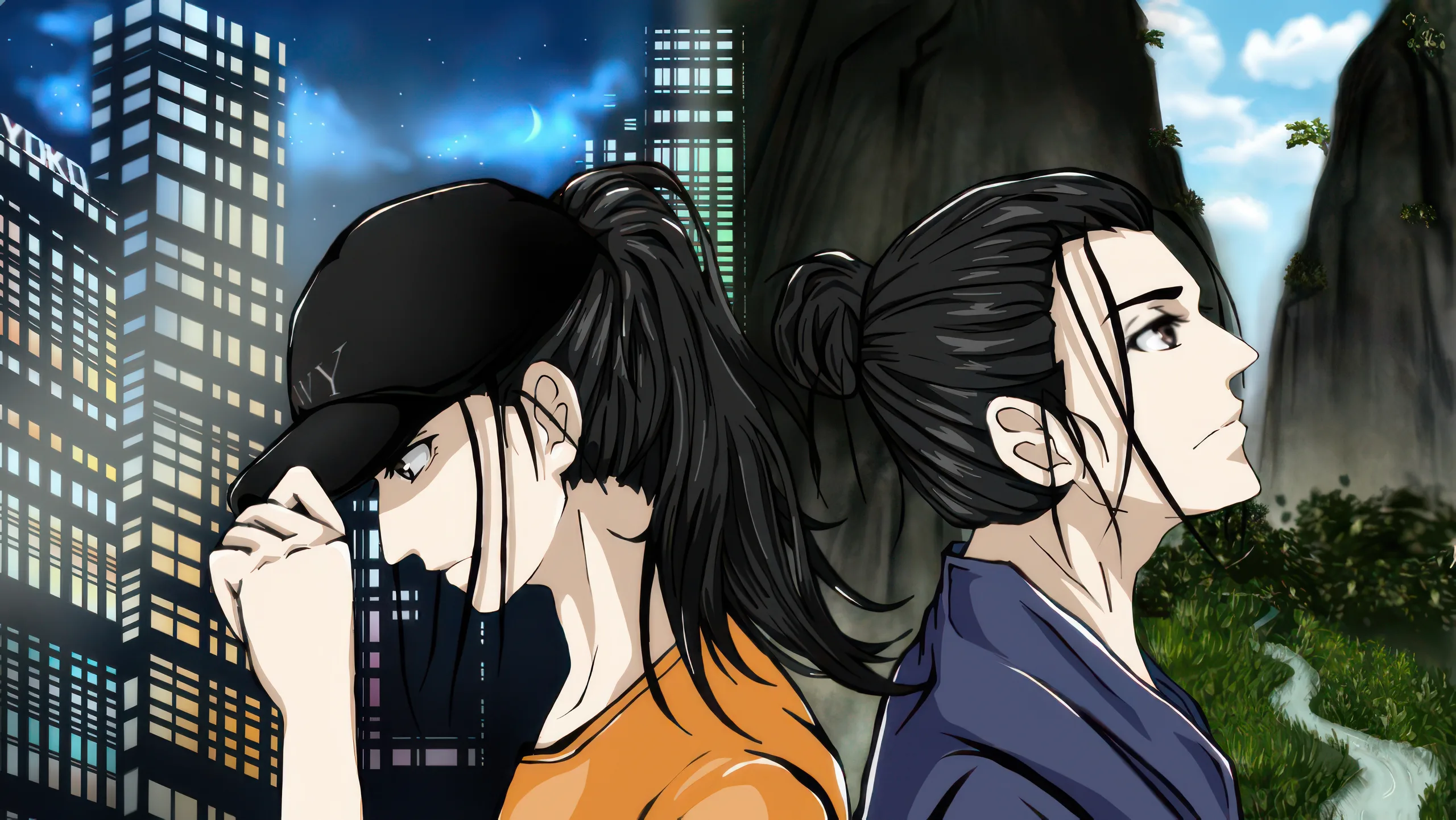
Wang Ye's two visual registers explain the series better than a mythology collage: modern life and cultivated technique occupy the same person.
The direct answer: story, characters and the best starting point
| Question | Direct answer |
|---|---|
| What is the story? | Zhang Chulan's hidden abilities and family history draw him into the world of “Outsiders,” people who use qi-based techniques. Feng Baobao, the company Nadutong and the mystery around the Eight Supremes expand that world. |
| Who is Feng Baobao? | An apparently young woman with missing history, unusual longevity, direct speech and formidable fighting ability. Her search for identity is one of the series' emotional anchors. |
| Why is Wang Ye popular? | He combines exceptional technique with reluctance, dry humor and an instinctive distrust of ambition. His Fenghou Qimen also makes choice, position and consequence visually legible. |
| Is the Daoism accurate? | The series borrows names, visual language and ideas from Daoist and folk traditions, then transforms them into fictional combat systems. It is not a guide to religious practice. |
| Where should I start? | Begin with Zhang Chulan and Feng Baobao's cemetery encounter. Later tournament or Wang Ye clips are more rewarding after the hidden-world rules are established. |
| Where can I find official material? | Check Tencent Video's official title catalog; international availability and season naming vary. Use the legal donghua viewing checklist to verify region, order and subtitles. |
A no-spoiler way into Hitori no Shita
Give the opening three questions rather than a list of techniques. What has Zhang Chulan spent his life hiding? Why does Feng Baobao's bluntness feel both funny and alarming? What does Nadutong gain by bringing them together? If those questions pull you forward, the series has found its route into you.
Do not begin with a Wang Ye compilation, a Fenghou Qimen explanation or a tournament highlight just because the algorithm calls it “the best part.” Those clips can make the show look like a closed contest between people who already know the rules. The early cemetery, family secrecy and workplace-like bureaucracy establish the stranger thing the series is actually doing: it treats the supernatural as one more layer inside a society where people keep records, take jobs, protect relatives and hide information from the wrong institution.
When names begin to accumulate, hold onto one relationship instead of forcing yourself through a lore glossary. Ask what each new technique permits its user to conceal, demand or refuse. That question will tell you more about the character than a power ranking, and it keeps the show from becoming a pile of exotic nouns for viewers who do not read Chinese.
The goal is curiosity, not instant mastery. Let the series earn the next explanation through a person you already care about.
Feng Baobao is funny because she does not perform normality
Feng Baobao can be terrifying, absurd and unexpectedly tender without announcing a change in mode. She handles danger with the practical concentration of someone completing a task. Social rituals that other people use to hide intention often pass straight by her.

The cemetery and umbrella preserve her first contradiction: she belongs in a horror setup, yet her blunt behavior refuses to follow horror etiquette.
That is why jokes around her do more than provide relief. Normal social life depends on small lies, status performances and strategic embarrassment. Feng Baobao exposes them because she does not play along in the expected way.
Her missing past prevents that directness from becoming a cute gimmick. A person who cannot place herself securely in time must depend on others to interpret fragments of identity. The more powerful she appears physically, the more vulnerable that absence becomes.

The forest image restores the danger beneath the comedy. Feng Baobao is not an innocent mascot; survival has taught her a frightening practicality.
Zhang Chulan survives by letting people underestimate him
Zhang Chulan is less immediately glamorous. That is the point.
He has spent years hiding ability and absorbing humiliation because exposure carries risk. His shamelessness can look like cowardice, but it is also a social technique. He reads the room, performs weakness and chooses when pride is affordable.
This makes him a strong modern protagonist. Many heroic stories reward the person who declares an authentic self in public. Zhang Chulan knows that institutions collect information and that a visible gift attracts ownership. He survives through controlled misrecognition.
The tension is whether performance becomes identity. If you spend long enough acting unserious, can anyone trust the moment you become sincere? Feng Baobao matters because her bluntness cuts through some of his layers without demanding a polished confession.
Zhang Chulan's mask is not the opposite of truth
It is tempting to divide Zhang Chulan into two versions: the shameless clown people see and the calculating strategist he really is. That division is too easy. The jokes, bad posture and deliberate embarrassment are not empty camouflage; they are skills learned by someone who has had to survive attention. He knows that people relax around a fool, underestimate a nuisance and reveal more when they believe the room's least dignified person cannot threaten them.
The danger is not that he performs. Everyone in The Outcast performs in some way—discipline, purity, detachment, family loyalty, righteous anger. The danger is that a performance built to keep predators away can begin to decide what forms of closeness remain possible. Zhang Chulan can protect a secret by making trust look foolish. He can also hurt someone who needs a straight answer because he has learned to make every answer conditional.
This is why his connection with Feng Baobao works best when neither one “fixes” the other. She is not a device that forces him to become honest on command. He is not a clever manager who can solve her missing past. Their growing trust is more fragile: two people who are used to being interpreted by institutions have to decide what they can disclose without becoming useful objects again.
Wang Ye turns detachment into an ethical problem
Wang Ye arrives with the calm of someone who understands more than he wants. His appeal is not merely that he is powerful while looking tired. He recognizes that knowledge can create obligation.

The loose posture and open landscape fit Wang Ye's cultivated refusal of status. He is never completely outside consequence, however much he would prefer distance.
Fenghou Qimen makes this conflict visible through position, timing and the organization of a field. It is a brilliant fictional power because it suits a character who sees systems before other people see danger.

The bagua structure supports the fictional technique's visual grammar. It should not be mistaken for proof that real Daoist diagrams function as combat technology.
Wang Ye's reluctance is therefore not laziness alone. To intervene is to accept consequences; to remain pure by withdrawing can leave others to absorb them. The story keeps pushing him back into a world where insight does not grant exemption.
The live-action contrast belongs to Hou Minghao's actor profile, where Wang Ye becomes a test of understatement inside an ensemble rather than another excuse to rank supernatural powers. Read it after this section: the useful comparison is how animation and performance each make a man look half-asleep while his attention is actually ahead of the room.
Protecting Feng Baobao cannot mean owning her future
Feng Baobao's missing history invites a dangerous kind of care. Everyone can claim that they are protecting her while quietly turning her identity into a project: a mystery to solve, a weapon to manage, a debt to inherit or a burden to pass to a stronger person. Power, money, technique and good intentions may make a protector more capable. None of them creates the right to decide what she must want.
That is the ethical difference between Wang Ye's distance and Zhang Chulan's involvement. Wang Ye can see risks that other people ignore, but his detachment risks leaving the cost with somebody else. Zhang Chulan is willing to enter the mess, but his planning can make Feng Baobao's safety feel like a problem he alone is entitled to solve. Neither posture deserves automatic praise.
I want the series to keep returning to Feng Baobao's own small decisions—where she stays, whom she trusts, what she asks, what she refuses—rather than treating her only as the answer to the Eight Supremes. A person does not become fully human when a secret is explained. She becomes visible when the people around her stop demanding that her life justify their plans.
Longhu Mountain works because sacred space becomes social space
Longhu Mountain is not presented only as mist, roofs and solemn instruction. It becomes crowded with competitors, elders, grudges, spectators, rules and personalities. Spiritual prestige meets the untidy reality of organizations.

Zhang Lingyu's controlled white-robed appearance expresses discipline and institutional legitimacy. His inner conflict prevents that image from being the whole person.
The fictional Heavenly Masters and techniques draw on real cultural vocabulary, but the adaptation is doing dramatic work, not documenting a temple. For a grounded introduction to the philosophy and living tradition, use East Moment's Taoism guide. For embodied movement rather than supernatural technique, compare the series' energy effects with tai chi.
Keeping those boundaries clear actually makes the donghua more interesting. It shows which elements have been inherited, exaggerated, joked with or redesigned for action.
Why the world feels lived in
The strongest scenes preserve awkwardness. Characters eat, travel, bargain, hide jobs, use phones, misunderstand one another and carry family pressure into supernatural spaces. Regional speech and comedic timing keep the world from becoming frictionless.

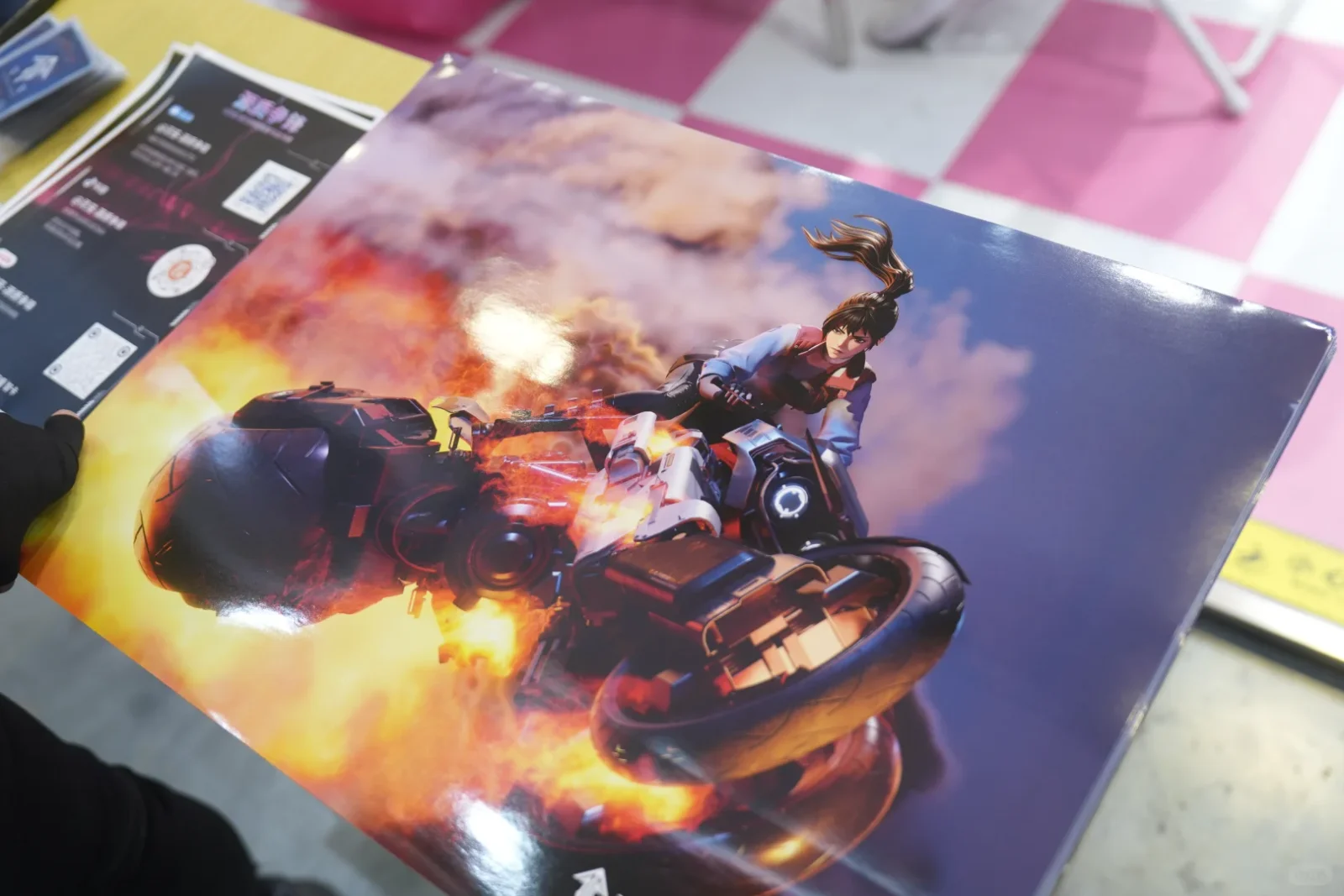
A traditional visual object enters a modern character portrait without turning her into a museum display. That mixture is the series' natural habitat.
The power system is satisfying because personalities keep bending it. Zhang Chulan hides. Feng Baobao acts. Wang Ye calculates and resists. Zhang Lingyu disciplines himself until discipline becomes pressure. Technique reveals temperament.
That is my route into the series: do not memorize every art first. Watch how each person uses concealment.
For deeper character, technique and relationship reference, continue to XianLore's Hitori no Shita archive. For other Chinese animation entry points, use the Chinese anime hub.
Then come to East Moment's community with a human answer rather than a power ranking: which character makes this hidden world feel most recognizably real, and what tiny behavior creates that feeling?