West Lake
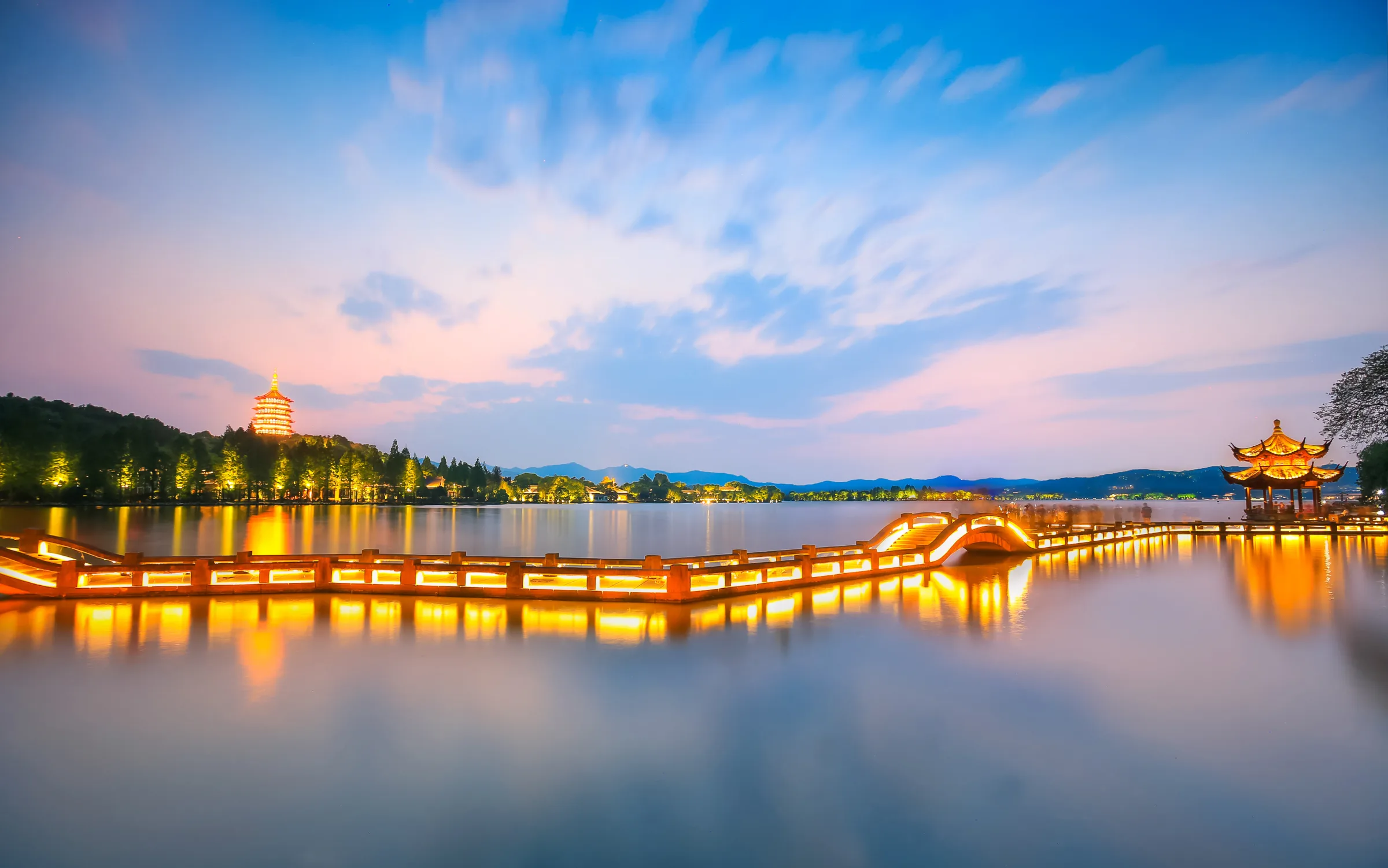
West Lake is too often sold as a checklist of famous views. Blue hour destroys that habit. The causeway becomes a line of light, Leifeng Pagoda turns into a distant signal and the dark hills keep the city from swallowing the water. The lake's power comes from spacing: architecture never wins the whole frame. My verdict is firm: one slow loop at changing light teaches more than five rushed photo stops at noon. Put the phone down for ten minutes and watch the reflections rearrange the scene. Which light made West Lake click for you?
More details worth noticing
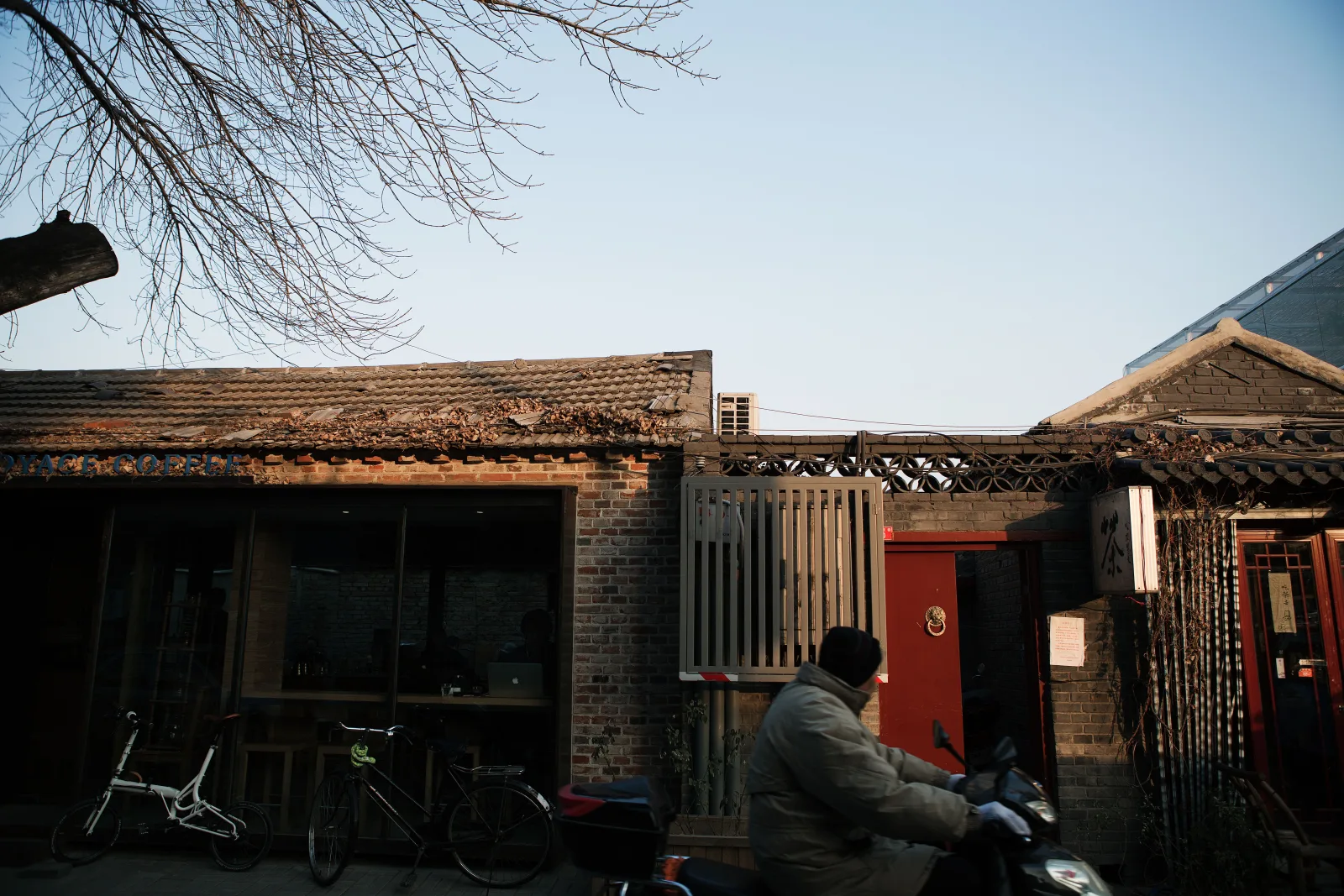
Beijing's most convincing status symbol is not a palace. It is a lane that still works. In this frame, a scooter passes a red courtyard door, bicycles lean against old brick and a laptop glows inside a coffee shop. Preservation and reinvention are occupying the same few metres. That tension is the real hutong story: the neighborhood must remain useful or it becomes a stage set. I would take this ordinary street over another empty symmetry shot of the Forbidden City. What everyday detail made Beijing feel alive to you?
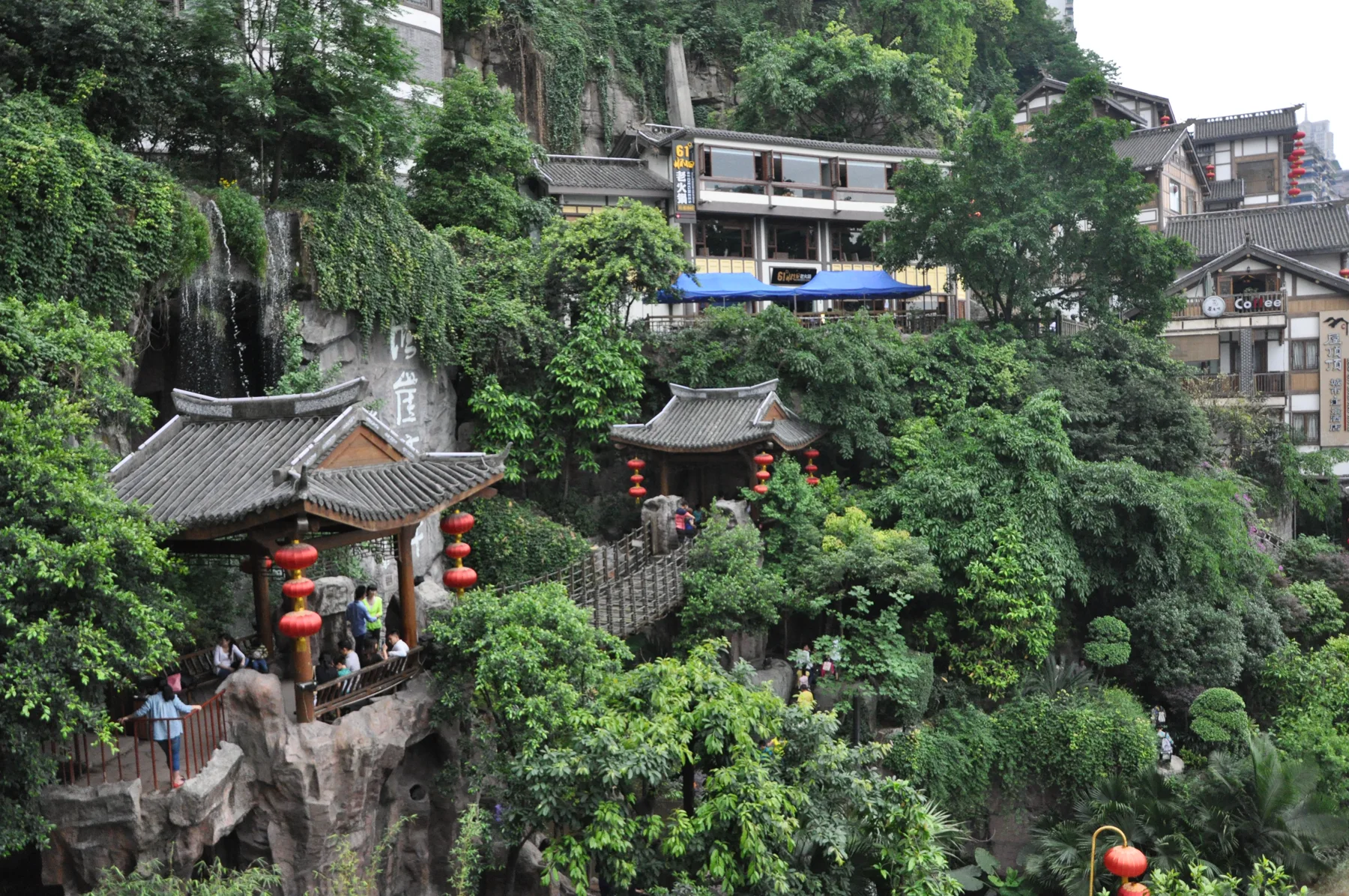
The real Chongqing flex is not a glowing skyline. It is the fact that a normal walk can behave like a vertical puzzle. Stairs disappear under houses, paths cut through vegetation and a cafe can sit above a route that feels like somebody's back door. Flat-city instincts stop working here. You must read handrails, landings, retaining walls and entrances as navigation. That physical confusion is not a travel inconvenience; it is the fastest way to understand how terrain has shaped daily life. What is the most surprising level change you found in Chongqing?
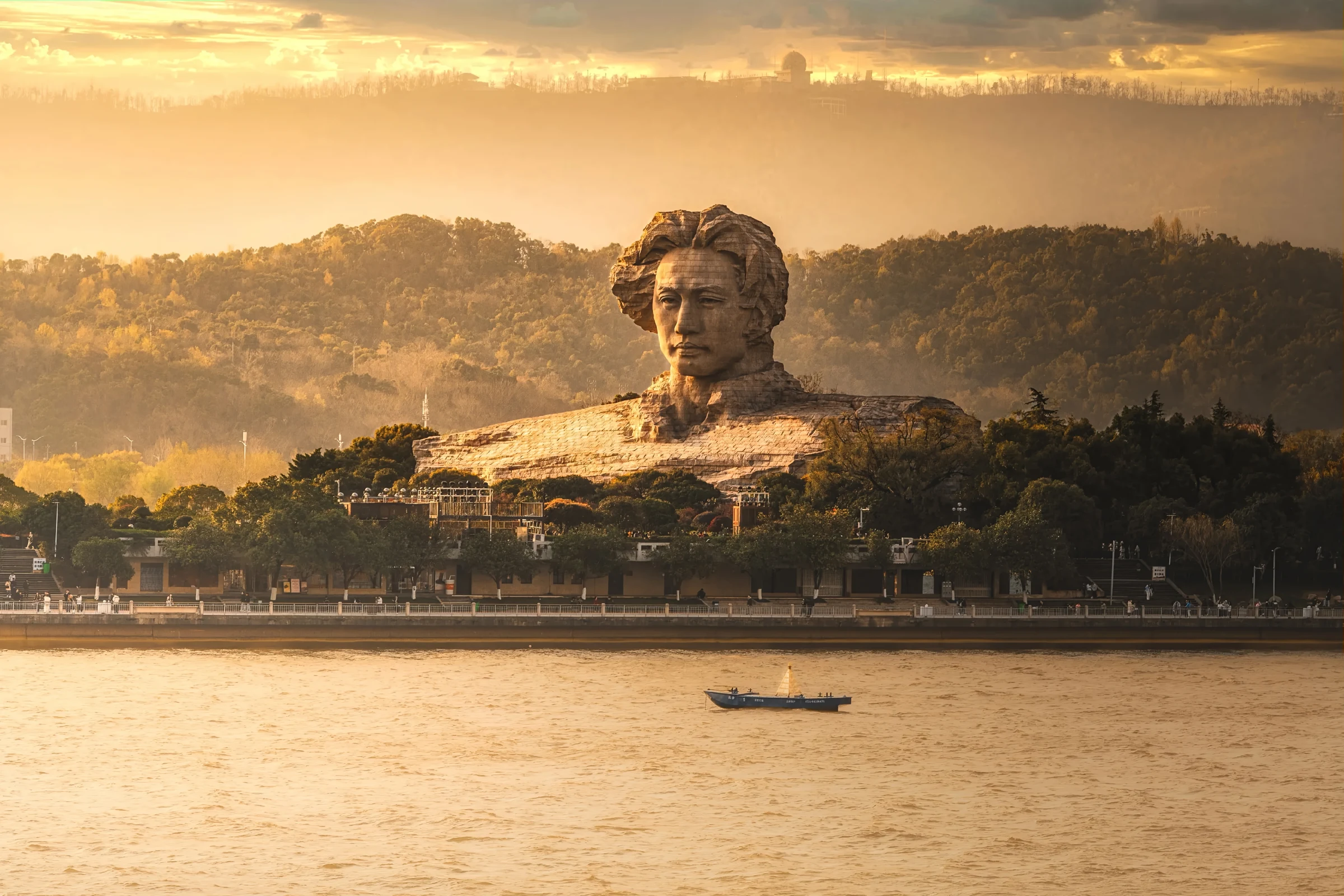
Orange Isle is not a quick monument stop. It is Changsha staging identity at city scale: a monumental young Mao faces the river while the skyline, Yuelu landscape and moving water keep the frame from becoming static. The image is political, theatrical and unmistakably contemporary at the same time. My rule here is simple: step back. A close selfie records size; distance reveals why the monument sits in the middle of Changsha's geography and imagination. What changes when you look at it as part of the river rather than as one object?